Review · KYOTO TOURS
Let’s make only one original onigawara in the world
Making an onigawara in Kyoto feels more like crafting than sightseeing, and you leave with a one-of-a-kind roof-guardian tile. Two things I especially liked: the small hands-on workshop at 瓦工房you家, and the fact that your finished tile gets fired in their kiln and delivered to your home. The main thing to plan around is shipping, since costs are not included and you wait for the drying and firing process before it arrives.
Expect a step-by-step build where the outcome is unique, even when you start from the same basic tile design. The posted class time is about 2 hours, but some sessions can run closer to 3, especially if you want extra help shaping your demon face.
In This Review
- Key things to know before you make your oni tile
- Why onigawara makes Kyoto feel personal fast
- Finding 瓦工房you家 and settling in for creative calm
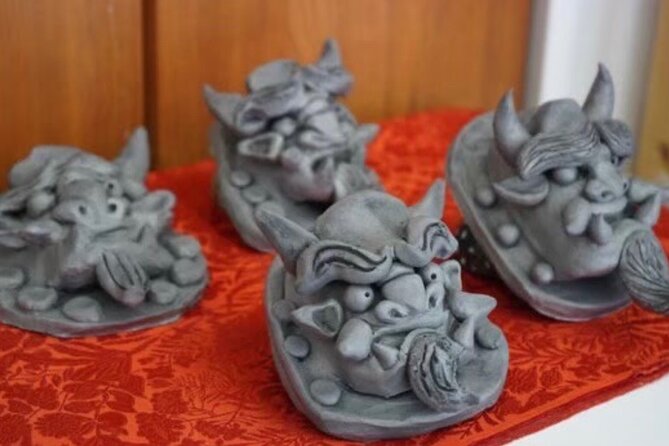
- What you actually make: a small, simple onigawara demon face
- The meaning of ogre-faced roof tiles in Japanese architecture
- From your hands to their kiln: what happens after class
- Timing, group size, and what the 2 hours really feels like
- Price and value: $89.17 is mostly for the craft plus the firing and delivery process
- Practical tips so your oni tile comes out right
- Who should book this onigawara workshop?
- Should you book it?
- FAQ
- How long is the onigawara workshop in Kyoto?
- Where does the workshop start and end?
- How many people are in a class?
- What does the price include?
- Are shipping costs included?
- What should I wear?
- Is there free cancellation?
Key things to know before you make your oni tile
- Small-group max of 5 means real attention, not just watching from the sidelines
- Demon-faced roof tiles with meaning: these carved end-ridge tiles are used to protect roofs from evil and rainwater
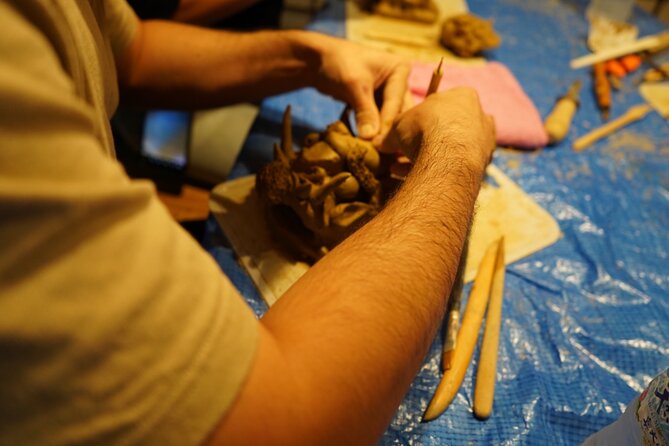
- You build from scratch into a small, simple onigawara design, with guidance for beginners and kids
- Kiln firing is handled for you, after you finish the sculpting steps
- Your souvenir ships later after drying and firing, so don’t plan on having it same-day
Why onigawara makes Kyoto feel personal fast
Kyoto is full of things you can look at. This is one of the rarer experiences where you make something that fits the place you’re standing in. Onigawara (the demon-faced roof ornaments, often tied to ogre or gargoyle imagery) show up on Japanese temple architecture, especially along the ridge line ends. In this workshop, you learn why those roof details matter, then you create your own version.
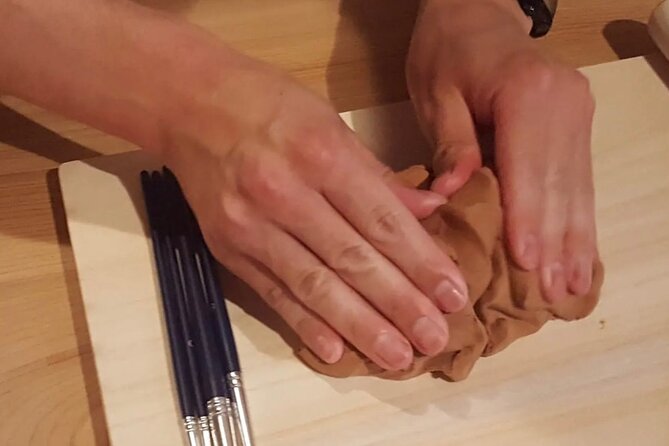
And yes, it’s a little funny at the start. You’re staring at a lump of clay thinking, I hope this turns into a recognizable oni. But the process is structured so you end up with a real tile, not just a blob. The instructor, Yuya (often addressed as Yuuya or You-san), is patient and breaks the build into manageable steps, which is exactly what you want if your hands are more used to ramen chopsticks than pottery.
A few more Kyoto days to weigh up
- PERFECT KYOTO 1-Day Bus Tour
★ 5.0 · 13,518 reviews - Kyoto: Fushimi Inari, Kinkakuji, Bamboo Grove 1 Day Bus Tour
★ 4.8 · 4,316 reviews - Kyoto: Tea Ceremony in a Traditional Tea House in Kiyomizu
★ 4.9 · 3,519 reviews
Finding 瓦工房you家 and settling in for creative calm
Your start point is 瓦工房you家, kawarakoubouyouya, at 山崎町 373-2, Higashiyama Ward, Kyoto. The workshop is close to public transportation, which matters because Kyoto can wear you out fast. This class is a good reset if you’ve been walking since sunrise.
Once you arrive, the atmosphere is intimate. The experience runs with a maximum of 5 travelers, and that small size shows up in the way instructions are given. You get bottled water, and you have space to work and store your things while you sculpt.
One practical note that keeps the experience smooth: they use soil, so wear clothes that can handle a little mess. You’ll want something comfortable enough to move in, because shaping clay means leaning over the work area and getting hands-on.
What you actually make: a small, simple onigawara demon face
The core of the workshop is carving and shaping a small onigawara tile with an oni style face. You don’t need prior ceramic experience. The whole point is that the process is designed so even beginners, including kids and people who are a bit clumsy with their hands, can create something that looks right.
Here’s the vibe of the work:
- You begin with clay and build a small, finished-on-the-tile design.
- The instructor demonstrates the parts and shows how to assemble them in the right order.
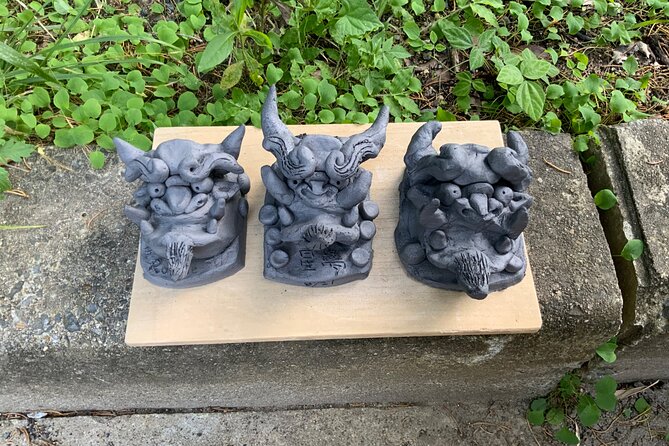
- Even though everyone follows the same general plan, the demon faces come out different. That part is genuinely fun, because you’re comparing results and seeing how your own choices change the expression.
The tiles you’re making connect to real architecture. Onigawara were traditionally used as protective roof ornaments, with fearful faces meant to ward off evil and help manage rainwater. Knowing you’re recreating an actual building element, not just doing a fantasy craft, gives the class more weight.
The meaning of ogre-faced roof tiles in Japanese architecture
The instructor’s explanation ties the design to the roof ridge ends of Japanese buildings, especially temples. These carved tiles have a job: protecting structures from evil and rainwater, using the protective symbolism of the ogre or gargoyle face.
What I like about this part is that it’s not taught like a lecture. You learn the purpose while your hands are already making the shape. So the history clicks, instead of floating off as random trivia.
Also, you get a sense of how onigawara production evolved. Japan tile production modernized over time, but this workshop recreates a method closer to how tiles were made in the past, with traditional steps and a kiln-firing finish. That matters for value. You’re not just buying a souvenir, you’re participating in a craft pattern that shaped buildings.
A different sort of day in Japan:
- Kyoto Geisha Walking Tour: Gion District & Hidden Gems
★ 4.7 · 3,273 reviews - Kyoto: Tea Ceremony Ju-An at Jotokuji Temple
★ 4.9 · 3,207 reviews - Kyoto: 45-Minute Tea Ceremony Lesson Experience
★ 4.3 · 2,378 reviews - Kyoto: Gion Geisha District Walking Tour – Stories of Geisha
★ 4.7 · 2,187 reviews
From your hands to their kiln: what happens after class
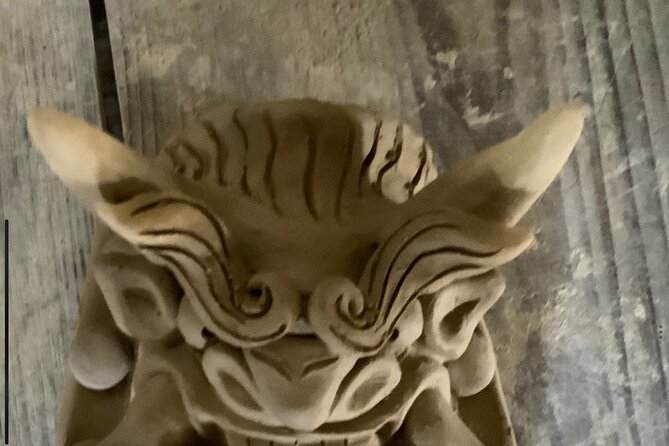
Here’s the part most people don’t picture until they’re told: you’re not taking home a finished fired ceramic tile the same day.
After you sculpt, the instructor fires your onigawara in a kiln at the factory. Before firing, the clay needs time to dry. One helpful detail from real experiences is that drying can take about a month. That drying window is why you should assume your finished tile will not arrive quickly.
Timing can vary depending on the process and scheduling. Some people reported receiving their onigawara in a few weeks, while others mentioned around two months. Either way, the big takeaway is simple: plan to wait, and plan to be patient.
Shipping is also where you need to be awake. Shipping costs are not included in the experience fee. Some people said shipping was handled at the end of class, and it required having cash ready. The amount may depend on the destination and logistics, so it’s smart to budget for it before you arrive.
When your tile finally shows up, you’re not just getting a craft object. You’re getting a handmade architectural talisman, fired and finished, and delivered safely to your home.
Timing, group size, and what the 2 hours really feels like
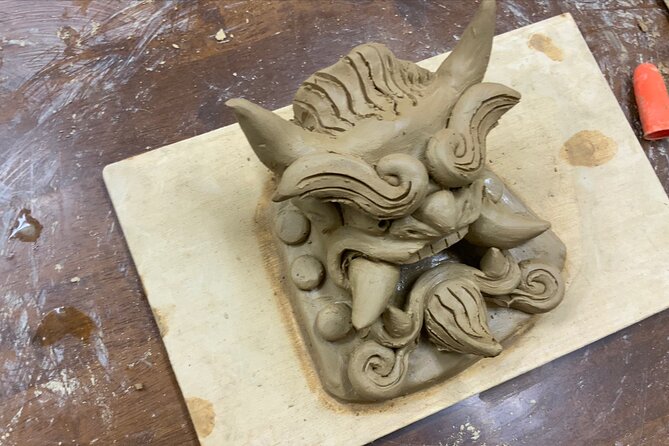
The experience is listed at about 2 hours. In practice, classes can run closer to 3 hours, especially if the group is mixed skill level or if you take time to refine your demon face.
Even with a time goal, the instruction style seems designed to keep you moving without rushing you into mistakes. Some people said the instructor would guide you to completion even if you were slower. That’s reassuring if you’re nervous about keeping up.
And small group size is a big deal here. With a maximum of 5 travelers, you’re not competing for attention. If you ask a question, it’s easier to get a direct answer. If you’re struggling with a step, you’re more likely to get hands-on guidance or clear corrections.
Price and value: $89.17 is mostly for the craft plus the firing and delivery process
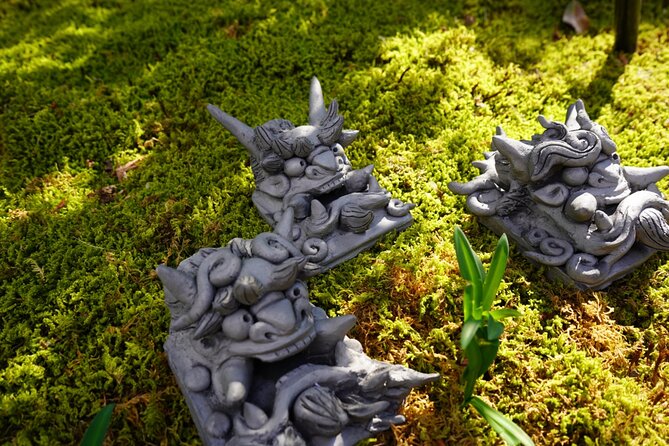
At $89.17 per person, you’re paying for a full workshop experience, bottled water included, plus the behind-the-scenes work: kiln firing and the effort to ship your finished tile home later.
If you tried to replicate this on your own in Kyoto, you’d pay for clay, basic tools, and then still need a firing solution, plus you’d spend time figuring out drying and process timing. Here, they do the firing part, and you get an artwork that’s clearly tied to Japanese architecture.
That said, you are not getting everything included. Shipping costs are extra, and you need to allow for the waiting time. If you’re the type who wants instant gratification, this isn’t the right craft for you. But if you enjoy the idea of making something today that becomes a parcel later, it’s great value.
Also note: there is sometimes a special discount price during their opening period. If you see that offer at booking, it’s worth grabbing, because it makes the already-fair price even better.
Practical tips so your oni tile comes out right
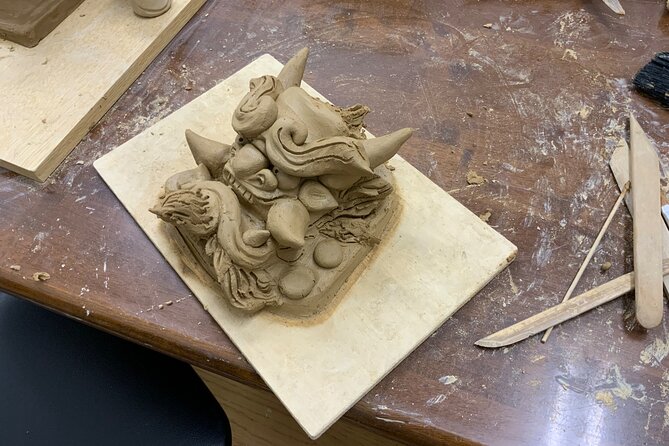
A few things will help you enjoy the class more and reduce stress:
- Wear older clothes. They use soil, and getting a little clay on your sleeves is part of the deal.
- Bring an apron if you have one. An apron is not included, and you’ll be happier if you can wipe down easily.
- Plan for patience after class. Drying and firing take time, so your souvenir becomes a late-arriving highlight rather than a same-day pickup.
- Budget for shipping separately. Since shipping costs are not included, you’ll want to have funds ready. Some people mentioned paying at the end in cash, so it’s smart to be prepared for that.
- Go in with a beginner mindset. The whole point is that you can make a demon face even if you think your hands are not made for clay.
If you’re traveling with kids or teens, this is also a good note. The class format and patience from the instructor are repeatedly praised, and kids can add their own twist to their tile expression.
Who should book this onigawara workshop?
This workshop is a strong match if you want:
- a hands-on Kyoto activity that’s not just photos
- an art souvenir with real architectural meaning
- clear step-by-step guidance for beginners
- a small setting where the instructor can help you shape details
It also works well for families and mixed-skill groups. People reported successful results even when some participants were completely new to clay. Teens tend to like the creativity, especially when they can personalize the oni face.
If you hate waiting and only want things in your hands immediately, you may find the shipping timeline annoying. But if you can accept a delayed reward, this kind of craft has a way of sticking in your memory, because you’ll remember the face you made and the steps you learned.
Should you book it?
Yes, I think you should book this if you’re after a Kyoto souvenir that has a story attached to the process. The combination of step-by-step sculpting, a friendly instructor (Yuya), and a finish handled by kiln firing plus home delivery makes it feel like a complete experience, not just an art demo.
Skip it only if shipping uncertainty will stress you out, or if you need the finished item the same day. Otherwise, it’s one of the most practical ways to bring Kyoto roof-guardian culture home, one demon face at a time.
FAQ
How long is the onigawara workshop in Kyoto?
The experience is listed at about 2 hours. Some sessions can run closer to 3 hours depending on pacing and how the group progresses.
Where does the workshop start and end?
You start at 瓦工房you家, kawarakoubouyouya, Yamazakichō, Higashiyama Ward, Kyoto, and the activity ends back at the meeting point.
How many people are in a class?
The experience has a maximum of 5 travelers. Larger group bookings are accepted (groups of 5 or more up to 40), and the location can change for groups.
What does the price include?
Bottled water is included. The experience also uses a mobile ticket, and there may be group discounts or a special opening discount price depending on the current promotion.
Are shipping costs included?
No. Shipping costs are not included in the experience fee, and your onigawara is shipped after firing and drying.
What should I wear?
Because the workshop uses soil, wear clothes that you don’t mind getting dirty. An apron is not included.
Is there free cancellation?
Yes, you can cancel for a full refund up to 24 hours in advance of the experience start time. If you cancel less than 24 hours before, the amount paid is not refunded.
Newly listed around Kyoto
- Otagi Nenbutsu Temple and Arashiyama Bamboo Forest Tour★ 5.0 · 37 reviews
- Private Ramen or Gyoza Cooking Class in Kyoto with Chef Midori★ 5.0 · 18 reviews
- Kyoto Private & Personalized Full-Day Tour with a Local Guide★ 4.5 · 31 reviews
- Exclusive Gion Kyoto Photoshoot: A Private Experience★ 5.0 · 11 reviews
- 2-Hour Oriental Body and Head Massage in Kyoto Japan★ 5.0 · 9 reviews
- Nishiki Market, Private Sushi class & Sake Tasting in Townhouse★ 5.0 · 6 reviews
- Nishiki Market Lunch Tour★ 5.0 · 47 reviews
- One-Day Walking Tour : Enjoy Kyoto to the fullest!★ 5.0 · 78 reviews
Kyoto Tours, compared.


Fushimi Inari, Kinkakuji, Bamboo Grove 1 Day Bus Tour
Read our review →
Tea Ceremony in a Traditional Tea House in Kiyomizu
Read our review →
Kyoto Geisha Walking Tour: Gion District & Hidden Gems
Read our review →

Gion Geisha District Walking Tour – Stories of Geisha
Read our review →