
Review · RAMEN TASTING TRIPS
Make Ramen and Gyoza with Homemade Secret Recipe
You can feed yourself and learn real technique at once. This Osaka ramen and gyoza class is hands-on, in a small studio, and built around making your own meal from scratch. You choose the soup base, make noodles with a noodle-making machine, and learn gyoza from filling to pan-fry, then sit down to eat what you cooked and snap photos.
I especially like the direct, step-by-step cooking. You are not just watching. You are mixing, pressing, shaping, and cooking. I also like the cultural context from the chef team, including Shohei’s teaching style and Marie’s help, so the food comes with useful context, not just directions.
One possible drawback: this is an active class with cooking steps, so you’ll want to be comfortable standing, working with hot items, and moving through the process at a steady pace. Also, drinks and alcohol are not included, so plan on that extra cost if you want them.
In This Review
- Key Things That Make This Class Worth Your Time
- Ramen And Gyoza In Osaka, The Hands-On Way
- Meeting At Matsuyamachi Station And Getting Into The Studio Mood
- Choosing Your Broth Base: Soy Sauce, Miso, Or Salt
- Making Noodles With A Machine, Then Building Your Ramen
- Gyoza Workshop: Filling, Shaping, And Pan-Frying
- Half-Rice Ramen With Gyoza, Photos, And Take-Home Recipes
- Chef Shohei, Assistant Marie, And The Studio Vibe
- Price And Value: What $84.70 Covers In Real Terms
- Timing, Duration, And How To Plan Your Afternoon
- Who Should Book This Ramen And Gyoza Class
- Should You Book This Ramen And Gyoza Workshop?
- FAQ
- How long is the ramen and gyoza cooking experience?
- Where do I meet the group?
- What dishes will I make?
- Can I choose my ramen soup base?
- Is the class suitable if I have allergies or need a vegetarian option?
- What is included in the price?
- Are drinks included?
- What is the maximum group size?
- What happens if I cancel?
Key Things That Make This Class Worth Your Time
- Small-group feel with hands-on cooking, with a maximum of 15 people
- Choose your broth base: soy sauce, miso, or salt
- Noodle-making machine time, plus soup building for your own ramen
- Gyoza from filling to pan-frying, with guidance you can repeat later
- You eat your half-rice ramen with gyoza, then take photos
- Take-home goodies, including recipes and cooking chopsticks
Ramen And Gyoza In Osaka, The Hands-On Way
Osaka takes food seriously, but this experience keeps it simple: you make ramen and gyoza with a chef, you eat your work, and you leave with a recipe you can actually use. The core idea is practical. Ramen can look complicated from the outside, but here you break it into steps, then you get to taste the result.
What makes it fun is the mix of tasks. You’ll make noodles using a noodle-making machine. You’ll choose a soup base from options like soy sauce, miso, or salt. Then you’ll switch to gyoza, where technique matters, especially when you pan-fry for that satisfying texture. And yes, you also get to eat it all, not just take a photo and run.
You are also getting a lesson that’s more than culinary trivia. In cooking, small decisions change the outcome. Here, you get to see how broth choices affect flavor and how gyoza filling and pan-frying work together. That’s the kind of knowledge you can carry home.
If you’ve ever wanted a cooking class that produces a meal you can be proud of, this one hits the sweet spot.
More Ramen Trips in Osaka
- Osaka: Five Must-See Highlights Walking Tour & Ramen Lunch
★ 4.7 · 411 reviews - Osaka: Ramen and Gyoza Cooking Class in Dotonbori
★ 5.0 · 378 reviews - Ramen and Gyoza Cooking Class in Osaka
★ 5.0 · 202 reviews
Meeting At Matsuyamachi Station And Getting Into The Studio Mood
You meet at Matsuyamachi Station (2 Chome-6 Andojimachi, Chuo Ward, Osaka). You then walk about five minutes to the studio. It’s close, so you are not spending your whole morning or afternoon wrestling transit.
Because it’s a mobile ticket experience, you’ll want your phone ready at the start. Once you’re there, the staff guide you to where the class takes place. This is one reason it works well on short planning days. You don’t need a big logistical buffer, just a quick arrival and you’re in the right place.
Also, the timing options help you shape your day. You can pick from multiple sessions throughout the day, including morning, midday, afternoon, and early evening. That means you can schedule this around Osaka sightseeing without forcing a weird itinerary.
One small practical note: you’re cooking. So wear something you can move in comfortably. If you’re the type who likes to carry heavy bags, leave them minimal for this one. You’ll be glad you did when you’re shaping gyoza and working near cooking tools.
Choosing Your Broth Base: Soy Sauce, Miso, Or Salt
The ramen part is built around a big, friendly decision: which soup base do you want. You pick from soy sauce, miso, or salt. That choice matters because it changes your flavor profile immediately, even before noodles hit the bowl.
Here’s what I like about this setup. You’re not stuck with a single predetermined ramen style. You’re making a decision, then learning how to build the broth and connect the flavors to what you’re eating. It turns the meal into your own version, not just a copy of someone else’s recipe.
Soy sauce tends to give you a savory, classic base that feels familiar even if you’ve never cooked ramen before. Miso usually brings a deeper, rounder taste, and salt gives a cleaner, lighter direction. In a cooking class, those differences help you understand ramen in a more meaningful way. You can taste the effect, and then you can remember which choice you liked and why.
You also get to cook alongside the instructor guidance, not in a free-for-all. So even if you’re new to Japanese cooking, you’ll have structure. Your goal isn’t perfection on day one. It’s building confidence, then tasting the result.
Making Noodles With A Machine, Then Building Your Ramen
The ramen process in this class is designed to feel doable. You’ll use a noodle-making machine, which takes the hardest parts out of the equation. That’s a smart trade. Traditional noodle work can be tough without experience, but the machine keeps the focus on learning the flow and understanding the ingredients and technique.
After the noodle-making step, you shift back to soup building. The class guides you through the process of making your ramen soup so your bowl tastes like you made it, not like you assembled it. Choosing your broth base is part of that.
You should expect a “hands on rhythm.” You’ll work through steps, then pause to see the next move. That pacing matters, especially if you’re also shaping gyoza at the same time later. The class structure helps you avoid the common cooking-class problem where everyone feels rushed or unsure.
Then comes the payoff. You get to eat what you made, and that’s where ramen really clicks. Hot broth, freshly handled noodles, and the texture of what you cooked in gyoza class, all together. That’s why this works so well as a learning experience: you connect technique to taste right away.
And because you’ll take photos at the end, you get to remember it visually too. Ramen looks better in real life, and it’s easier to appreciate when you see your own finished bowl.
A different sort of day in Japan:
- Osaka Go Karting Tour with Funny Costume
★ 5.0 · 2,658 reviews - Osaka Castle: Museum and Tower Entry Ticket
★ 4.5 · 2,380 reviews - Osaka: Shinsekai Food Tour with 13-15 Dishes at 5 Eateries
★ 4.8 · 2,204 reviews - Osaka Food Tour: 13 Dishes at 5 Local Eateries
★ 5.0 · 2,149 reviews
Gyoza Workshop: Filling, Shaping, And Pan-Frying
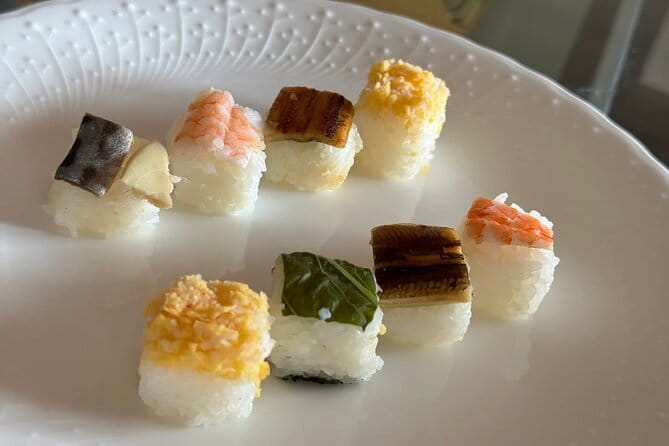
Gyoza is where the class feels most like a true cooking lesson. It’s not just “make dumplings.” It’s filling preparation, then shaping, then pan-frying with care. The instruction covers the full process, from preparing the filling to pan-frying.
This is also where small technique details show up on your plate. A good pan-fry is part texture, part timing. You want the dumpling to crisp in the right way, and you want the interior to cook through. That balance is why guided instruction helps.
If you have dietary needs, this is one of the better places to ask questions early. The class specifically invites you to inform them about allergies or vegetarian requirements when booking. One big positive from the experience is that the chef team can adjust, even creating a vegetarian gyoza version when requested.
So you can feel more confident showing up with a real plan rather than hoping for the best. Still, keep expectations clear. You are not told that every ingredient can be swapped without limits, because no class can promise that for every allergy. But the staff do show flexibility when you tell them upfront.
By the time you sit down, you’ll understand the logic of gyoza. It’s a simple idea with clever execution. You’ll taste it, then you’ll likely want to try again at home, armed with the recipes you receive.
Half-Rice Ramen With Gyoza, Photos, And Take-Home Recipes
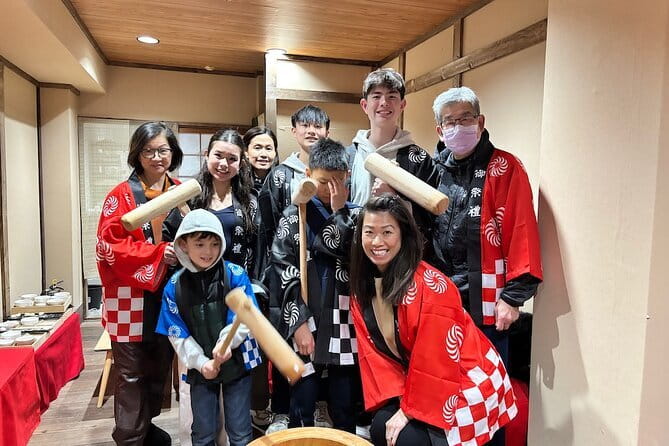
One of the best parts of this class is the final meal format: you enjoy a “half-rice ramen with gyoza.” That’s a fun twist because it changes the plate from just noodles to a more satisfying combo. The rice helps balance the meal, and gyoza adds crisp, savory punch.
The tasting is not an afterthought. It’s part of the learning loop. You cook, you eat, you adjust your sense of what good ramen and good gyoza taste like. Then you get to take photos, which is a nice way to capture the result of all that work.
You should also plan on take-home materials. You get recipes based on what you learned during the course, plus take-home items including cooking chopsticks. That matters for value. A lot of cooking classes end with a meal and a vague memory. Here, you leave with a guide you can use later.
If you’re thinking about trying this style of ramen at home, those recipes are what make the experience practical instead of just fun. Japan is full of great food, but learning to recreate it is what turns a vacation activity into a lasting skill.
And if you’re traveling during rainy weather, this is a strong indoor option. It’s scheduled, organized, and hands-on, so you aren’t stuck sightseeing in bad conditions.
Chef Shohei, Assistant Marie, And The Studio Vibe
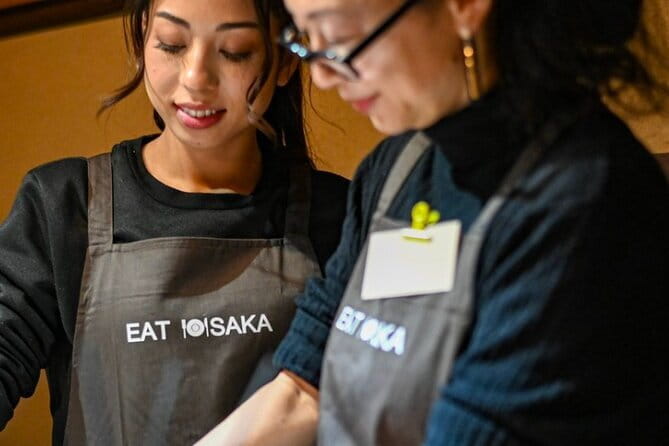
The energy in the class is friendly and personal. Shohei teaches in a way that makes you feel like you can do it, even if you’re not a natural chef. Marie, the assistant, adds support and warmth, especially for guests who need a bit of extra help to keep moving through steps smoothly.
Because the group size is capped at 15, you get an atmosphere that tends to be calmer than big, assembly-line style classes. When you have fewer people, you naturally get more attention and feedback. That’s how you get better faster with shaping gyoza and pacing noodle steps.
The class also connects cooking to everyday life in Japan. You’ll get conversation space around food and how people actually think about cooking and meals. That part makes it more than just a cooking session. You’re learning the why behind certain habits, and it helps you understand what you’re eating beyond the ingredients alone.
One practical takeaway from this type of teaching: you’ll see how to talk to a chef mindset while you cook. Ask questions, watch what your instructor corrects, and don’t be afraid to adjust. That’s the difference between following a recipe and learning technique.
Price And Value: What $84.70 Covers In Real Terms

At $84.70 per person, this class isn’t the cheapest thing you can book in Osaka. But it also isn’t just a ticket for sitting at a counter. The price covers the real costs that make cooking classes work: material cost, the cooking lesson fee, venue fee (for cooking and drinking), souvenir fee, and tableware or cooking equipment rental.
In other words, you’re paying for ingredients, instruction, and the kitchen tools you need to cook safely and correctly. You’re also getting take-home items like recipes and cooking chopsticks. Those extras matter because they extend the experience beyond the two and a half hours in the studio.
What’s not included is straightforward: personal expenses, including drinks and alcohol, and transportation to the meeting point. That’s normal. You’re in control of what you spend beyond the lesson.
For value, I’d think of this as a blend of meal and lesson. If you’re the type who already spends on good meals, this makes sense because you’re eating what you cooked, plus learning a repeatable process. If you just want to eat your way through Osaka without lifting a finger, then this might feel like too much effort for the money.
But if you want a hands-on experience with a strong payoff, the math works.
Timing, Duration, And How To Plan Your Afternoon
The class runs about 2 hours 30 minutes. That’s long enough to learn and cook, but not so long that it wrecks your whole day. Because it’s offered in multiple time slots, you can plan around your energy level.
A typical day plan can look like this: morning sightseeing, then an afternoon class, then dinner nearby. Or if you prefer slower mornings, go for a later session and turn the studio time into your main “activity moment.”
Also, the location is very manageable. Starting from Matsuyamachi Station, the studio is only about a five-minute walk away. That means you don’t need a long commute buffer.
Bring a normal travel mindset: dress comfortably, keep your phone charged for photos, and expect to cook. If you have allergies or vegetarian needs, tell the organizers at booking. Don’t wait until the day of.
Small planning choices make a big difference. If you arrive hungry, you’ll get the full satisfaction at the table. If you arrive stressed, you’ll feel rushed. Either way, you’ll get through the class, but you’ll enjoy it more when you’re calm.
Who Should Book This Ramen And Gyoza Class
This experience is ideal if you want more than food photos. You want technique you can repeat at home. You also like learning from a chef team that’s comfortable teaching guests, including in English.
It’s a strong choice for:
- Foodies who enjoy hands-on cooking
- Couples who want a more intimate, indoor activity
- Families, since the experience is described as family-friendly
- Travelers who appreciate cultural conversation tied directly to cooking
- Anyone with dietary needs who communicates them at booking
You might want to skip it if:
- You dislike cooking or getting hands-on
- You want a purely sightseeing-based afternoon
- You expect unlimited included drinks or a full bar experience
Should You Book This Ramen And Gyoza Workshop?
Yes, you should book it if you want the kind of souvenir that tastes better than a magnet: a meal you made, recipes you can use, and technique you can remember. The best part is the balance. You get enough structure to feel confident, but you still make real choices, like your broth base.
The class is especially worth it for people who care about learning the “why” behind flavors. If you have vegetarian needs or allergies, book with clear details ahead of time and you’re more likely to get thoughtful accommodations.
If you’re on the fence, think about this: ramen and gyoza are some of the most iconic Japanese foods, but they’re also among the foods where technique matters. This class gives you that technique without drowning you in complicated equipment or vague instructions. For $84.70, that’s solid value.
FAQ
How long is the ramen and gyoza cooking experience?
It lasts about 2 hours 30 minutes.
Where do I meet the group?
You meet at Matsuyamachi Station (2 Chome-6 Andojimachi, Chuo Ward, Osaka, 542-0061, Japan). The activity ends back at the meeting point.
What dishes will I make?
You make your own ramen, including noodles using a noodle-making machine and choosing a soup base, plus you learn to prepare and pan-fry gyoza.
Can I choose my ramen soup base?
Yes. You choose from soy sauce, miso, or salt.
Is the class suitable if I have allergies or need a vegetarian option?
The organizers ask you to inform them about allergies or vegetarian requirements at the time of booking. You should include those details when you reserve.
What is included in the price?
The price includes material costs, the cooking lesson fee, venue fee (cooking and drinking), souvenir fee, and tableware or cooking equipment rental.
Are drinks included?
No. Personal expenses, including drinks and alcohol, are not included.
What is the maximum group size?
The experience has a maximum of 15 travelers.
What happens if I cancel?
This experience is non-refundable and cannot be changed for any reason. If you cancel or ask for an amendment, the amount you paid is not refunded.
Newly listed around Osaka
- 2 Hours of Bar Hopping in Osaka Style★ 5.0 · 22 reviews
- Same-Day Osaka Food Crawl with local food and Hidden gems★ 5.0 · 114 reviews
- Osaka Authentic Local Izakaya Hopping Experience: Food & Drinks★ 5.0 · 99 reviews
- Well-balanced BENTO (lunch box) Cooking Class★ 5.0 · 35 reviews
- Anime Cosplay Photshoot-50 Digital Photos Provided★ 5.0 · 8 reviews
- OSAKA:Feel the Power! Learn Taiko Drum from Professionals★ 5.0 · 28 reviews
- Three Types of Ramen Cooking Class in Osaka★ 5.0 · 119 reviews
- Urban Canvas: Osaka Street Art Bike Tour★ 5.0 · 47 reviews
Ramen Tasting Trips, compared.

Ramen Cooking Class at Ramen Factory in Kyoto
Read our review →
Eat and Drink Like a Local: Tokyo Ueno Food Tour-Taverns&Ramen
Read our review →
Ramen & Gyoza Cooking Class in Tokyo with Local Supermarket Visit
Read our review →
Ramen Cooking Class at a Ramen Factory with Souvenir
Read our review →
Mount Fuji and Hakone Full Day Tour with Ramen Making
Read our review →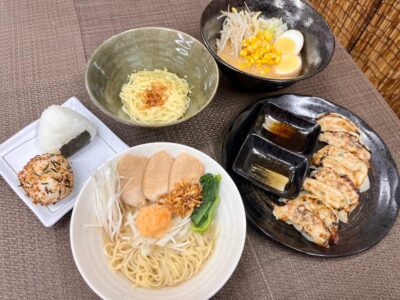

Five Must-See Highlights Walking Tour & Ramen Lunch
Read our review →Browse the lists this tour appears in