
Review · NAGASAKI TOURS
Nagasaki Private Customizable Full Day Tour
Nagasaki hits you fast, and hard. This private, fully customizable 8-hour tour lets you choose 4-5 stops that fit your interests, from atomic bombing memorials to Dutch-era Nagasaki, with an English-speaking guide and hotel pickup. I like the custom planning side, and I like that the route can balance solemn history with lighter city sights. The main drawback to plan for is that this can become an emotional, walking-heavy day, especially if you pick multiple memorial and heritage locations.
You start at Nagasaki Station and end back there, so you are not spending time figuring out where to meet next. The “choose your themes” form is also a real help, because it turns a long wish list into a doable set of stops within one day.
If you want a guided day that feels personal, this is a strong option. Just remember meals are not included, so build in time and budget to grab food where it works best for your stops.
In This Review
- Key highlights in plain terms
- A private, customizable Nagasaki day you can actually shape
- How 8 hours gets used in real life
- Peace sites in Nagasaki: solemn, powerful, and worth guiding time
- Catholic history and a UNESCO church: a different thread in the same city
- Dejima, Dutch-style Nagasaki, and Meganebashi Bridge photos
- Chinatown and Chinese-inspired spiritual sites
- Temples, museums, and calmer pauses when you need them
- Gunkanjima industrial ruins and sunset views for your final stretch
- Price and what $290.58 buys you in value
- Practical tips so your day stays smooth
- Should you book this Nagasaki private tour?
Key highlights in plain terms
- Build-your-own Nagasaki route by selecting themes and must-see spots through a tour form
- Peace-focused stops with context centered on Nagasaki’s 1945 memory
- Dejima-era streets and Meganebashi Bridge for photos and Dutch-style scenery
- Pick your intensity with options like Gunkanjima’s industrial ruins or calmer temples and viewpoints
- Hotel pickup and an English-speaking guide plus a custom itinerary document
A private, customizable Nagasaki day you can actually shape
A lot of “private tours” are private in name only. This one is different because you do not just pick a theme like peace or architecture and hope for the best. You select preferences through a form, then the guide and operator shape an itinerary that includes around 4-5 attractions in the allotted time.
That matters in Nagasaki. The city is compact, but it is not all in one neat circle. If you try to do too much on your own, you waste time crossing neighborhoods and you miss the point of certain sites. With a guide, you can keep the day on track, then spend your energy where it counts: understanding what you are seeing.
I also like that the operator handles reservations and bookings when needed. Even with a “custom” tour, it is not just a loose plan scribbled on a napkin. You end up with a prepared itinerary document, which helps you get your bearings quickly and reduces stress.
The other side of customization is trade-offs. If you select very high-demand places, you might have fewer realistic options left to mix in. The best approach is to choose your top priorities first, then fill remaining space with backup picks.
A few more Nagasaki days to weigh up
- Nagasaki: Private Walking Tour with a Local
★ 4.7 · 79 reviews - Nagasaki Full-Day Private Tour with Government-Licensed Guide
★ 5.0 · 66 reviews - Nagasaki Half-Day Private Tour with Government-Licensed Guide
★ 5.0 · 53 reviews
How 8 hours gets used in real life
The tour runs about 8 hours, starting at 9:00 am and returning you to the meeting point. In practice, the day can feel full because the route blends different parts of Nagasaki, and you also need time for walking and looking.
You can think of the 8 hours as two balanced blocks:
- A “why it matters” block, usually anchored by peace history or major heritage sites
- A “how the city looks today” block, where you add Dejima areas, bridges, temples, Chinatown, museums, or viewpoints
The itinerary is flexible. The stop list reads like a menu: you choose what fits your day. In one version, you might focus on Catholic heritage and the peace sites. In another, you might lean into Dutch-style architecture, street scenes, and an art museum, then top it off with bridge photos and a viewpoint.
Because meals are not included, I recommend deciding early how you want to handle food. If you wait until you are hungry, you can lose time that is better spent at the stops you care about.
Peace sites in Nagasaki: solemn, powerful, and worth guiding time
If your goal is to understand Nagasaki properly, the peace memorial stops are the heart of the day. The tour includes sites dedicated to the victims of the atomic bombing in 1945, described as solemn and poignant with a reminder of the destructive power of nuclear weapons.
This is not the kind of place you want to rush. With an English-speaking guide, you are more likely to connect facts, context, and the specific meaning of what you are standing in front of. You are also more likely to notice details you might otherwise gloss over.
You may also see a historic site tied to the atomic bombing. If your selections include both a memorial park and a connected historic spot, the experience can feel heavy but also coherent. You are not bouncing between unrelated attractions. You are following a theme, and the theme is the story of 1945 and the importance of peace.
A practical note: this part of Nagasaki can be emotionally intense. If you are sensitive to heavy topics, build in breathing room. One good way is to limit the number of peace stops to one main memorial area plus one related site, then balance with a lighter cultural stop later.
Catholic history and a UNESCO church: a different thread in the same city
Nagasaki has a strong Christian thread, and this tour gives you more than one way to see it.
One stop is a Catholic monument commemorating the 26 Catholic martyrs executed in 1597 during persecution of Christians. That specific year is not background trivia. It is a key part of why Nagasaki became such an important location for Christianity in Japan.
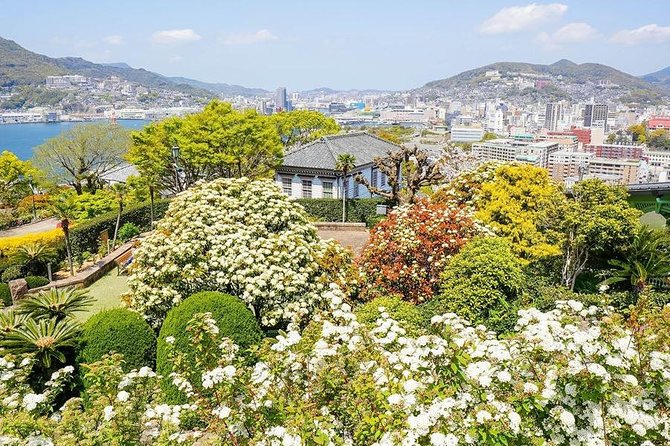
Another stop is a historic Roman Catholic church, described as one of the oldest Christian churches in Japan and a UNESCO World Heritage Site. UNESCO status here matters because it signals the church is not just old, it is recognized for historical significance.
If you choose these religious heritage stops, you will get a more layered understanding of Nagasaki than peace history alone. It also changes the feel of the day. Peace sites tend to slow you down. Churches and monuments can do the same in a different way, through atmosphere, architecture, and the weight of remembrance.
One consideration: religious sites can have rules about behavior, and you will likely do more walking and standing still. Dress for comfort, especially if you are combining this with bridge and museum stops later.
A different sort of day in Japan:
- Visit Gunkanjima Island (Battleship Island) in Nagasaki
★ 4.0 · 32 reviews - Nagasaki Full Day Tour with Licensed Guide and Vehicle
★ 5.0 · 27 reviews - Taste Local Life: Nagasaki’s Historical Street Walking Tour
★ 5.0 · 27 reviews - Nagasaki Street Food Adventure: Private Walking Tour with a Local
★ 5.0 · 26 reviews
Dejima, Dutch-style Nagasaki, and Meganebashi Bridge photos
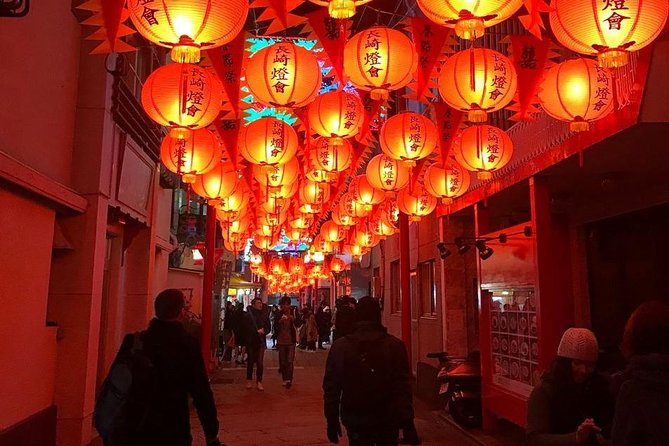
If you like city scenery that feels different from the rest of Japan, Dejima-related stops are a big reason to take this tour.
You will have options tied to a small artificial island that served as a trading post for the Dutch East India Company from the 17th to the 19th century, during Japan’s isolationist policies. Even if you already know the concept of Dejima, the idea of an artificial island as a trading link helps you visualize how contacts worked back then.
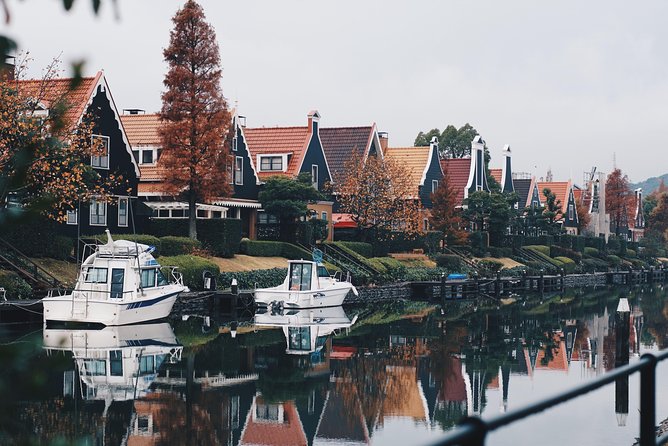
There is also a stop focused on picturesque Dutch-style architecture, described as once part of Dejima. When you see architecture like this, you can understand why Nagasaki became a meeting point of cultures. It is not just a story in a book. It is built into what you can still look at.
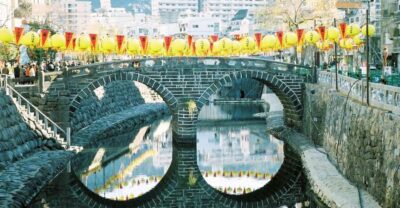
Then there is Meganebashi Bridge, a popular photography spot that spans the Nakashima River and is described as a symbol of Nagasaki’s history and cultural heritage. If your day includes Dejima-area sights, this bridge is a great place to pause and get photos without needing another long explanation.
Finally, the tour can include an art-focused stop: a collection of Japanese and Western works, including paintings, sculptures, and ceramics. This is a good match for the Dejima/Dutch theme because it helps you go from trade and architecture to how cultures influenced art.
A simple way to plan this block: pick either the Dejima island concept and the Dutch-style architecture, then add Meganebashi Bridge and either the art museum or Chinatown. That keeps the day scenic, not rushed.
Chinatown and Chinese-inspired spiritual sites
Nagasaki’s Chinatown is one of the oldest in Japan, and this tour includes a stop for its cultural influence on the city. If you want a break from solemn memorial tone, Chinatown is a strong option. Even if you do not spend hours shopping or eating, walking through it gives you a sense of how the city’s outside connections became local identity.
For another cultural angle, you can add a Confucian shrine built in the 17th century to honor Confucius. That gives you a different kind of historic lens, focused on learning, ethics, and older Chinese influence.
If your preferences lean spiritual and scholarly rather than memorial, these stops help balance the day. They also work well after you do one major “why Nagasaki matters” site, because the emotional pace changes.
Just keep in mind that if you choose both temples, shrines, and multiple neighborhoods, you will lose time that could go toward your top 1 or 2 must-sees.
Temples, museums, and calmer pauses when you need them
Not every good day in Nagasaki is about big impact sites. The tour includes options that act like a reset button.
A Zen Buddhist temple stop is included, described as founded in the 14th century by a Chinese monk and connected to Chinese Zen Buddhism. Even without deep prior knowledge, a temple visit can help your brain slow down after memorial history.
The tour can also include a museum that showcases Nagasaki Prefecture history and culture, with artifacts, documents, and multimedia displays. If you enjoy learning in a structured setting, this is where you can connect dots without having to interpret everything just from walking around.
If you are picking only one “indoors learning” stop, the museum is usually the smartest pick because it gives you a concentrated view of the region.
My rule for days like this: choose one indoor stop maximum unless you are skipping something else. Otherwise your day becomes too fragmented, and you lose the emotional payoff from the locations that matter most to you.
Gunkanjima industrial ruins and sunset views for your final stretch
This tour also offers high-impact choices like Gunkanjima, described as an island with unique industrial ruins and an eerie, abandoned appearance, once a thriving mining community, later abandoned after the mines closed in the 1970s.
Gunkanjima tends to change how people feel about a place. It adds the industrial side of Nagasaki, and it is a strong contrast to the memorial theme. If you choose it, treat the rest of the day like a careful build-up and avoid cramming in too many more heavy sites.
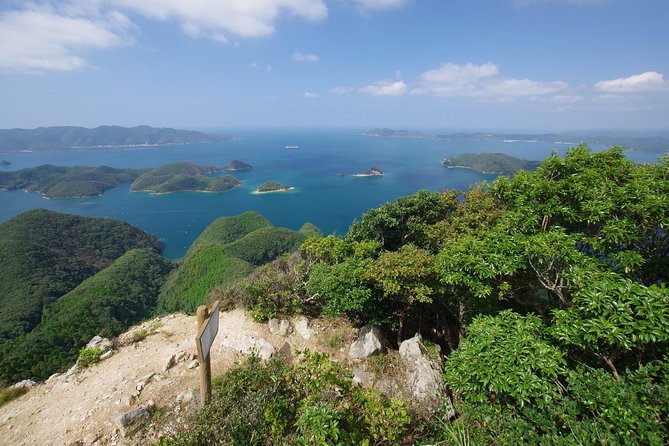
There is also an option for a viewpoint with breathtaking views, especially sunrise and sunset, described as a place to escape the city and enjoy natural beauty. This is a great “wrap-up” selection because it gives your body and brain a different kind of satisfaction: scenery and a sense of open space.
Timing matters, even if you cannot control the sun perfectly. If you choose sunrise or sunset based viewpoints, be realistic about what fits your exact start time and what else you selected.
And one more match: if you love photography, Gunkanjima and Meganebashi Bridge give you totally different types of shots, one industrial and one river-and-bridge historic imagery.
Price and what $290.58 buys you in value
At $290.58 per person for an approximately 8-hour private customizable tour, the price is not “cheap.” But it is also not only you paying for a guide to point at buildings.
What you are buying is:
- A private day that is built around your interests, not a fixed route
- Hotel pickup and drop-off
- Transportation within the city only
- An English-speaking professional tour guide
- Reservations and bookings made on your behalf
- A plan that targets 4-5 attractions, so you do not burn hours figuring it out
The main cost risk is what is not included: meals, and any fees for optional activities for you or the guide. So the best value comes when you pick a tight set of attractions and accept that food is on you.
If you are traveling with someone else, this kind of private structure often starts to feel more reasonable because you share the day and you avoid paying for separate group tours to cover different themes.
Also look at the intangible value: your itinerary can be shaped so your top interests come first. When a day is built well, you stop thinking about logistics and start noticing details.
Practical tips so your day stays smooth
Here are the things I would do to get the best day out of this setup.
First, pick your 4-5 stops like a story, not like a checklist. For example:
- Peace memorial plus a related atomic bombing site, then one church or monument
- Dejima and Dutch-style architecture plus Meganebashi Bridge, then Chinatown or the art museum
- Zen temple plus the museum, then a viewpoint for the finish
Second, dress for weather and comfort. You will be walking and standing, including at memorials and heritage locations.
Third, handle food early. Since meals are not included, choose a simple meal plan so you do not end up searching while your guide is waiting.
Fourth, communicate clearly with your guide if English is not their strongest comfort zone. One review mentioned English was a bit rough but still workable. You will get more out of the day if you keep questions short and ask for clarifications when needed.
Lastly, arrive on time. You are asked to meet at least 10 minutes early, and the guide waits up to 30 minutes from the start time before the tour is canceled. That is not a threat, it is just how schedules work.
Should you book this Nagasaki private tour?
Book it if you want a private, customizable Nagasaki day with an English-speaking guide, especially if your interests span the city’s big themes, like atomic bomb history, Catholic heritage, Dejima-era Dutch influence, Chinatown, and industrial or scenic stops.
Skip it or rethink if you want a fully independent day with meals included, or if you know you cannot handle emotionally heavy topics, because the peace memorial stops are central to many combinations.
If you like the idea of choosing your own mix, using a form to shape the day, and getting a prepared itinerary so you can focus on what you are seeing, this is a good match for you.
Newly listed around Nagasaki
- Nagasaki Private Historical Tour with Licensed Guide★ 5.0 · 13 reviews
- Nagasaki Full Day Tour with Licensed Guide and Vehicle★ 5.0 · 27 reviews
- Taste Local Life: Nagasaki’s Historical Street Walking Tour★ 5.0 · 27 reviews
- Nagasaki: Half Day Sightseeing Private Tour with 1day Tram Ticket★ 4.5 · 8 reviews
- Nagasaki Private Customizable Half Day Tour★ 5.0 · 16 reviews
- Nagasaki WW2 History and Culture Tour★ 5.0 · 19 reviews
- Nagasaki Like a Local: Private & Custom Experience (2-3 hrs)★ 5.0 · 14 reviews
- Gunkanjima Digital Museum Attraction Ticket★ 3.5 · 7 reviews
Nagasaki Tours, compared.
Nagasaki Full-Day Private Tour with Government-Licensed Guide
Read our review →
Nagasaki Half-Day Private Tour with Government-Licensed Guide
Read our review →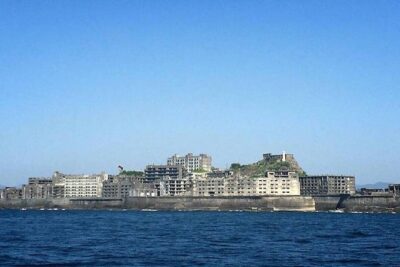
Visit Gunkanjima Island (Battleship Island) in Nagasaki
Read our review →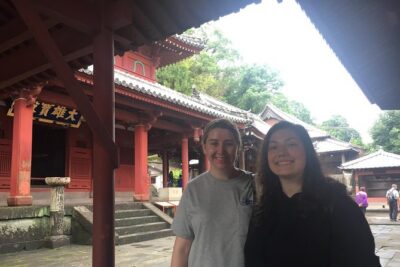
Taste Local Life: Nagasaki’s Historical Street Walking Tour
Read our review →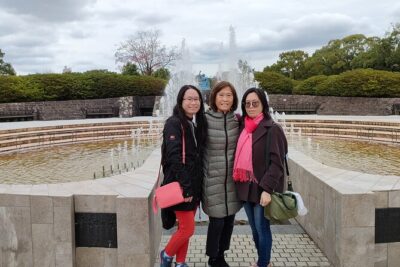
Nagasaki Full Day Tour with Licensed Guide and Vehicle
Read our review →
Nagasaki Street Food Adventure: Private Walking Tour with a Local
Read our review →
Nagasaki Private Tour with a Local – Highlights & Hidden Gems
Read our review →Browse the lists this tour appears in