
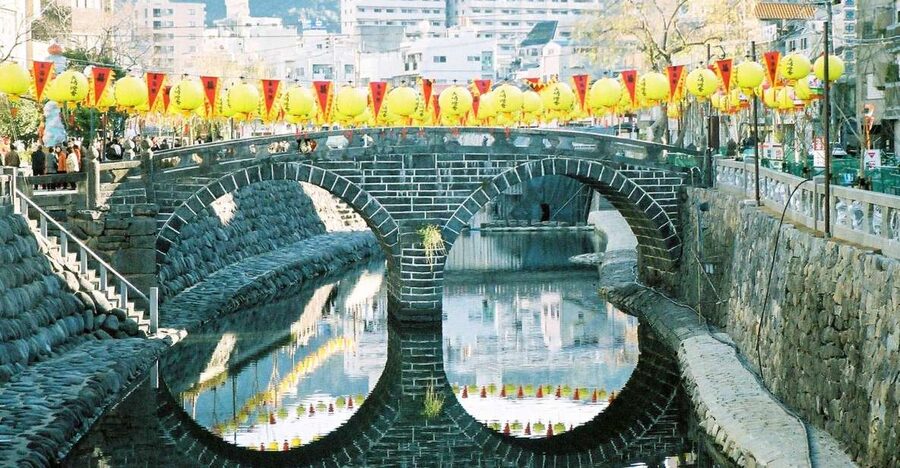
Review · WALKING TOURS
Nagasaki: Private Walking Tour with a Local
Nagasaki changes when you walk with locals. This 100% private, English-guided Nagasaki walking tour lets you shape the route around what you care about, with no fixed script and no group herd to follow.
I like that it is truly private. You get paired with a local guide, and I’ve seen guides such as Suniff and Yuki bring the city to life with their own stories, not just memorized facts. I also love the customized route feel, where you can start from a place that matches your day, like the Atomic Bomb Museum area or the Statue of Dr. Sun Yat-sen.
One thing to plan for: it’s a walking tour, and entrance fees are not included. If you add major sights, you’ll also need to cover admission for the guide, so your budget should stay flexible.
In This Review
- Key things to know before you go
- Why a private Nagasaki walk beats the usual checklist
- Pickups in Nagasaki’s core: start where your day makes sense
- How the lokafyer customizes your day without a fixed route
- Atomic Bomb Museum and Peace Park at street level
- Dejima, trams, and the feel of Nagasaki moving
- Food stops, photo breaks, and pacing that fits real life
- Nagasaki Ropeway and other optional sights you can slot in
- Price and value: what $82 per person is really buying
- Is this tour best for history lovers, first-timers, or both?
- Should you book this Nagasaki private walking tour?
- FAQ
- How long is the Nagasaki private walking tour?
- What is included in the price?
- Are entrance fees included for attractions like the Atomic Bomb Museum?
- Where does pickup happen?
- Is the tour wheelchair accessible?
- What is the cancellation policy?
Key things to know before you go
- 100% private, no fixed route: your guide adjusts the plan on the fly to match your pace and interests
- Pick up in the city center: options include the Atomic Bomb Museum area and the Statue of Dr. Sun Yat-sen
- English-speaking lokafyer: you’ll get real conversation, plus practical navigation tips
- Mix of big landmarks and local stops: you can include major sites and still chase side streets, cafes, or street art
- 3 to 6 hours of walking time: long enough to see key areas, short enough to keep your day flexible
Why a private Nagasaki walk beats the usual checklist
Nagasaki has a way of sticking to you. But a standard tour often pushes you through sights like bookmarks. This format works differently. Instead of a preset script, you talk with your guide and the walk becomes your day.
That matters because Nagasaki is not one mood. It is history and daily life, sea air and hill views, memorial spaces and neighborhoods that smell like coffee and grilled seafood. With a private guide, you can go heavier on what you want. If you want orientation fast, you can ask for it. If you want softer, local flavor, you can steer there.
I also like the tone this tour aims for: no performance. Guides are set up to be a conversation partner. Names come up again and again in standout feedback, like Suniff, Yuki, Masaaki, and Senyo, and the consistent theme is that they explain things in a way that actually helps you understand what you are looking at.
A few more Nagasaki days to weigh up
- Nagasaki like a local: Private Guided Walking Tour
★ 4.4 · 12 reviews - Kyoto Geisha Walking Tour: Gion District & Hidden Gems
★ 4.7 · 3,273 reviews - Tokyo Tsukiji Fish Market Food and Culture Walking Tour
★ 5.0 · 3,184 reviews
Pickups in Nagasaki’s core: start where your day makes sense
Your tour begins with pickup at one of two central options. One is the Statue of Dr. Sun Yat-sen, Umeya Shōkichi & Toku area. The other is the Nagasaki Atomic Bomb Museum area. In plain terms, this is handy. It lets you start near where you already want to be, instead of spending energy transferring at the last minute.
If you are visiting from a hotel, you can usually set the meeting point to your hotel or another nearby landmark in the city center. If you are on a tight schedule, this pickup flexibility can save you time and stress.
The practical payoff: you lose less time getting organized, and you spend more time walking where the guide can explain things while you are still close to the place.
How the lokafyer customizes your day without a fixed route
Here’s the core idea: you can show up with questions, interests, or zero plan, and your guide will shape the route around you. That flexibility is not just marketing. It shows up in the kinds of directions guides give.
For example, you might get:
- a photo stop that matches your interests and viewpoints along the way
- a choice between major landmarks and quieter streets
- personal neighborhood stories that help you read the city at walking speed
- tips for where to eat, wander, and shop, not just what to see
One of the best examples of this customization shows up in feedback about guide Yuki, where the day becomes more than the must-do stops. You can end up at places that many people will not find alone, because the guide knows where locals actually go.
Guides also adjust pacing. I’ve seen notes about guides balancing walking with public transit and taxis when needed, which is a smart approach in a city with hills and changes in elevation. You are not locked into a painful pace.
And yes, it stays conversation based. If you have a topic you care about, bring it up early. Guides can only tailor well if you tell them what to aim for.
Atomic Bomb Museum and Peace Park at street level
If you are going to Nagasaki, you will likely care about World War II sites. In many tour plans, the natural anchor points are the Atomic Bomb Museum and Peace Park. A strong guide does two useful things here.
First, they help you understand what you are seeing without turning it into a lecture. People often get stuck reading signage alone. A guide can translate what matters, what to notice, and how the parts connect.
Second, they help you navigate the flow of the area so you are not just walking in circles. You get a sense of how to move through the space and how to look at it with intention, not just speed.
One highly praised example is Masaaki, who was noted for including the Atomic Bomb Museum and Peace Park on a shorter 3-hour walk. That matters if your time is limited. Another strong example is Senyo, who was specifically praised for guiding focus around the historical significance of the Atomic Bomb Museum and Peace Park.
A word of caution, because you should plan for it: this part of Nagasaki can be emotionally heavy. If you want a lighter tone later, tell your guide. You can ask for a balanced route that mixes memorial areas with everyday neighborhood scenes afterward.
A different sort of day in Japan:
- Nagasaki Full-Day Private Tour with Government-Licensed Guide
★ 5.0 · 66 reviews - Nagasaki Half-Day Private Tour with Government-Licensed Guide
★ 5.0 · 53 reviews - Visit Gunkanjima Island (Battleship Island) in Nagasaki
★ 4.0 · 32 reviews
Dejima, trams, and the feel of Nagasaki moving
Nagasaki is also a city of ports, layers, and routes. Many private walks include time that connects major sites to how the city actually moves today.
A common add-on in customized planning is Dejima, and you may pair it with tram time. One guide was praised for taking people via tram to Dejima and then using the rest of the walk to help them navigate and continue their day.
Why this is valuable: Dejima is not just a single stop. It is part of the city’s geography. When you travel between sights on the same streets locals use, you understand the spacing better, and you are more likely to remember where things are afterward.
Even if you do not choose Dejima, the broader principle holds. A good guide treats transit and walking corridors as part of the story. They help you place each sight in the bigger map of Nagasaki, instead of letting each stop feel disconnected.
Food stops, photo breaks, and pacing that fits real life
This is a walking tour, but it is not a nonstop slog. You can build in time for:
- photo stops with viewpoints along the route
- meal or snack recommendations that match your preferences
- breaks at the kind of places locals tend to actually pick
Lunch often becomes a highlight when you tailor the plan early. One guide was praised for recommending a lunch stop that felt genuinely good, not tourist standard.
You can also request the vibe you want. Some days steer toward street art and culture. Other days lean into calmer courtyard cafés that locals like. If you want a city-feel route, tell your guide. If you want a history-plus-food plan, say that too.
Practical tip: comfortable shoes matter. Elevation and distance can add up. If you have any walking limits, bring them up at the start so the guide can adjust with transit or shorter segments.
Nagasaki Ropeway and other optional sights you can slot in
You do not have to see everything. That’s the point. But if you want scenic viewpoints, you might include options like the Nagasaki Ropeway.
For example, Sophia’s feedback specifically called out a 3-hour tour that included the Atomic Bomb Museum, Peace Park, and the Nagasaki Ropeway. That gives you an idea of what can fit when your guide is good at assembling a tight, meaningful route.
Also, some walks include other specialized stops. One guide adapted to a mismatch in expected destination, and the plan changed to include a World War II bunker and a local seafood restaurant, plus city wandering and even cherry blossoms. That is a reminder that customization can work even when plans shift.
Just remember: attraction admission fees are not included. And if you add an attraction, you cover the cost of admission for the guide as well. So if you want major sites plus a scenic add-on, your total out-of-pocket cost may rise beyond the $82 tour price.
Price and value: what $82 per person is really buying
At $82 per person, this is not the cheapest way to see Nagasaki. But it’s also not trying to be. What you are buying is time with a local who tailors your walk and gives you practical guidance while you are still in the city.
Here’s the value equation I see:
- You avoid wasted time. The guide helps you get to the places that match your interests quickly.
- You get interpretation, not just location. Guides like Yuki, Masaaki, and Senyo were repeatedly praised for making the city make sense.
- You get real-world tips. You can ask where to eat and where to shop, then use those suggestions immediately.
- You avoid the group squeeze. No fixed route means you can pause, move on, or shift priorities.
What might reduce the value for some people: if you want a very checklist style experience, a private guide may cost more than you need. Also, if you pile on multiple paid attractions, extra admissions can add up. Still, even then, the private format often remains worth it because your guide can help you prioritize what matters most.
If you are a couple, a small group of friends, or a solo traveler who values conversation, this format tends to feel efficient. If you are traveling with someone who hates walking, you’ll need a plan for pacing or transit breaks.
Is this tour best for history lovers, first-timers, or both?
It fits a few clear traveler types.
Great fit if you:
- are visiting Nagasaki for the first time and want quick orientation
- want authentic conversation and local recommendations over memorized facts
- prefer to choose what you see rather than follow a rigid plan
- care about the World War II sites and want help understanding them beyond signage
- like photo-friendly viewpoints and want breaks built into the walk
It’s also a smart choice if you want to move between big sites and real neighborhood life in one day. The best feedback patterns emphasize guides making room for both, including detours into places you might not find on your own.
If you already know the city well and you only want a very narrow set of stops, you might decide a simpler option works. But if you want your day shaped, this private walking tour is built for that.
Should you book this Nagasaki private walking tour?
I’d book it if you want Nagasaki to feel personal. The combination of a private lokafyer, an English-speaking guide, and a route shaped around your interests is exactly what makes this type of tour work.
I’d pause and think twice if:
- you have low flexibility and only want one fixed site, like a single museum visit
- you expect the tour price to cover all admissions, because entrance fees are not included and the guide’s admission may also apply
- you cannot do much walking, even with pacing adjustments
If you do book, send your guide a few preferences before you meet. Tell them what you care about, what tone you want after serious sites, and any must-see areas. With that input, you are likely to get a day that feels more like a walk with a local friend and less like a stamp-collecting exercise.
FAQ
How long is the Nagasaki private walking tour?
The tour runs for 3 to 6 hours, depending on the plan you create with your guide. You can check available starting times for your preferred slot.
What is included in the price?
The tour includes a local guide (lokafyer) and a customized private walking tour. Meals and drinks, entrance fees, and local transportation are not included.
Are entrance fees included for attractions like the Atomic Bomb Museum?
No. Entrance fees are not included. If you include an attraction, you also need to cover the cost of admission for the guide.
Where does pickup happen?
Pickup is included, and the guide will meet you at your preferred location as long as it is in or near the city center. The tour also lists two main pickup options: the Statue of Dr. Sun Yat-sen, Umeya Shōkichi & Toku, Nagasaki, and the Nagasaki Atomic Bomb Museum.
Is the tour wheelchair accessible?
Yes, the tour is wheelchair accessible.
What is the cancellation policy?
You can cancel up to 24 hours in advance for a full refund.
Newly listed around Nagasaki
- Nagasaki: Explore Japanese Teas on a Tea Tour★ 5.0 · 7 reviews
- Nagasaki like a local: Private Guided Walking Tour★ 4.4 · 12 reviews
- Nagasaki: Private Tour with Local Guide★ 4.8 · 18 reviews
- Nagasaki Full-Day Private Tour with Government-Licensed Guide★ 5.0 · 66 reviews
- Nagasaki Half-Day Private Tour with Government-Licensed Guide★ 5.0 · 53 reviews
- Visit Gunkanjima Island (Battleship Island) in Nagasaki★ 4.0 · 32 reviews
Walking Tours, compared.
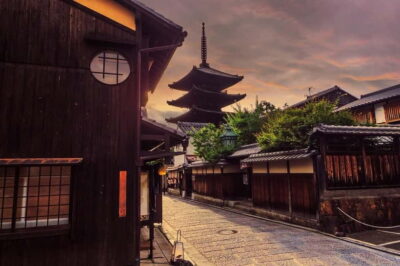
Kyoto Geisha Walking Tour: Gion District & Hidden Gems
Read our review →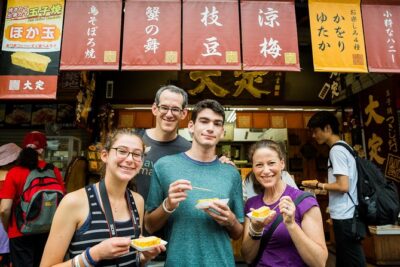
Tokyo Tsukiji Fish Market Food and Culture Walking Tour
Read our review →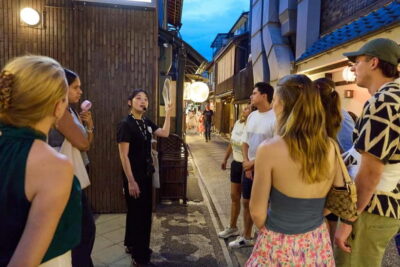
Gion Geisha District Walking Tour – Stories of Geisha
Read our review →
Shinjuku Local Bar and Izakaya Guided Walking Tour
Read our review →
Asakusa Walking Tour with Sensoji Temple Visit
Read our review →
Kyoto Gion Geisha District Walking Tour – The Stories of Geisha
Read our review →Browse the lists this tour appears in