
Review · HISTORICAL TOURS
Nagasaki WW2 History and Culture Tour
Nagasaki turns WWII into something you can walk through. This small-group tour strings together key WWII memory stops with quieter cultural places, so the day feels human, not just historical. You’ll be with your guide, Shannon Lefebvre, in a private group format that keeps things focused and personal.
I especially like two things. First, admission to the Atomic Bomb Museum and Inasayama Observation Deck is included, which saves time and lets you plan your day around real access. Second, you get practical comfort baked in, including still and sparkling water all day, plus lunch and scheduled beverage breaks.
The main drawback is also the most important one: the Atomic Bomb Museum is extremely graphic and emotionally intense. If you want a lighter, sightseeing-only day, you might find the tone heavy for a full half-day chunk.
In This Review
- Key Things That Make This Tour Worth Your Time
- Why Nagasaki’s WWII Story Feels Different Than Other Cities
- Private Small-Group Format and a Real Day Rhythm
- Sohonzan Shrine: A Quiet Start With Big Presence
- Saikai Bridge and Hario Straits: Motion, Water, and WWII Geography
- Hario Radio Tower: Where Wartime Communication Became Real
- Mukyudo Air-Raid Shelter: School History With Human Weight
- Katashima Torpedo Base Ruins: Training Facilities Without the Noise
- Hasami Ceramics and Umegae Sake: Culture, Craft, and Local Industry
- Nagasaki Peace Park: A Place to Let Your Thoughts Catch Up
- Atomic Bomb Museum and Inasayama Observation Deck: The Emotional Peak
- Lunch on the Go, Picnic Breaks, and Scheduled Beverage Time
- Price, Value, and When This Makes Sense for You
- Comfort, Timing, and the Weather Factor You Can’t Ignore
- Who Should Book This WWII History and Culture Tour
- Should You Book This Nagasaki WWII History and Culture Tour?
- FAQ
- What is included in the ticket price?
- Is lunch provided, and what form does it take?
- How long is the tour?
- Is pickup offered and will I get a mobile ticket?
- Does the tour include transportation?
- What happens if the weather is poor, or if I need to cancel?
Key Things That Make This Tour Worth Your Time
- Included Atomic Bomb Museum and Inasayama Observation Deck entry, so you are not scrambling for tickets mid-day
- WWII sites beyond the usual Peace Park loop, including communications, air-raid shelter, and torpedo base ruins
- Hydration and breaks built in, with still and sparkling water served throughout the day
- Nagasaki culture shows up in unexpected ways, from Hasami ceramics to Umegae sake
- A private, small-group format with pickup and mobile ticket, designed for a smooth, efficient day
Why Nagasaki’s WWII Story Feels Different Than Other Cities
Nagasaki has a way of making WWII feel close to everyday life. You’re not just looking at facts on a sign, you’re moving through neighborhoods, structures, and sites that shaped what happened and what people built afterward.
This tour is smart in the way it balances tones. You start with places that are calm and spiritual, then shift into wartime function, then end in reflection and a viewpoint that lets you take a breath. That rhythm matters, because it helps your brain process a hard subject without the day becoming one long museum line.
A few more Nagasaki days to weigh up
- Taste Local Life: Nagasaki’s Historical Street Walking Tour
★ 5.0 · 27 reviews - Nagasaki Private Historical Tour with Licensed Guide
★ 5.0 · 13 reviews - World Heritage Shirakawa-go and Experience Tours from Kanazawa
★ 5.0 · 4,049 reviews
Private Small-Group Format and a Real Day Rhythm
This is a private tour for your group only, up to 3 people, which is a big deal in Japan where schedules can feel rigid. Your guide sets the pace, so if you need extra time to read, photograph, or simply stand quietly at a WWII site, you’re not competing with a crowd.
Expect a longish day, about 7 to 9 hours. With multiple stops, you’ll spend time in an air-conditioned vehicle, but the stops are short enough to keep energy from draining too quickly. You also get WiFi on board, plus pickup offered, which makes the logistics easier if you do not want to coordinate trains and taxis all day.
Sohonzan Shrine: A Quiet Start With Big Presence
You begin at Sohonzan Shrine, and the first thing that hits you is the huge torii gate. It signals that this is not a quick photo stop, it’s a place with weight, ritual, and a slower tempo.
A stop like this is more than a cultural warm-up. It trains your eyes and your mood for what comes next, because Nagasaki’s WWII story is tied to real places where people lived, prayed, and worked before, during, and after the war.
Saikai Bridge and Hario Straits: Motion, Water, and WWII Geography
Next comes Saikai Bridge, with the waterway context of Hario Straits and the whirlpools formed by changing tides in Omura Bay. Even if you are not a geography nerd, it’s a useful reminder that wartime logistics were shaped by real terrain and real sea routes.
This stop works well if you like “why here, why then” explanations. If you hate wind and cold, plan for it, because coastal viewing can feel brisk even when the rest of the city feels fine.
A different sort of day in Japan:
- Nagasaki: Private Walking Tour with a Local
★ 4.7 · 79 reviews - Nagasaki Full-Day Private Tour with Government-Licensed Guide
★ 5.0 · 66 reviews - Nagasaki Half-Day Private Tour with Government-Licensed Guide
★ 5.0 · 53 reviews - Visit Gunkanjima Island (Battleship Island) in Nagasaki
★ 4.0 · 32 reviews
Hario Radio Tower: Where Wartime Communication Became Real
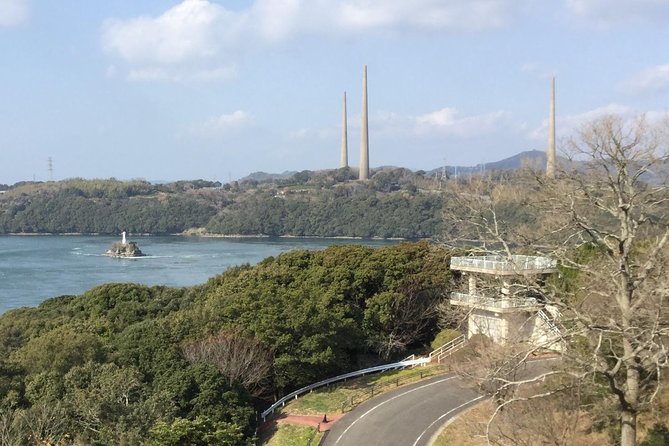
Then you move from water to messages, at the Hario Transmission Towers area (often referred to through the Hario Radio Tower). This is a WWII site that ties directly to the origin point of messages tied to the Pearl Harbor invasion.
What you’re really doing here is learning how technology and timing mattered. It’s not just an old structure, it’s a specific piece in the chain of events, which makes the history feel engineered rather than accidental.
Mukyudo Air-Raid Shelter: School History With Human Weight
At Mukyudo, you see an air-raid shelter used by students from Miyamura Elementary and Junior High School during WWII. What makes it stand out is that it served students across gender groups, which gives you a clearer sense that war shaped children’s lives in practical, physical ways.
This stop tends to hit hard because shelters are concrete. They are not symbolic like a statue. They are the kind of place where you can easily imagine the cramped fear, the waiting, and the uncertainty.
Katashima Torpedo Base Ruins: Training Facilities Without the Noise
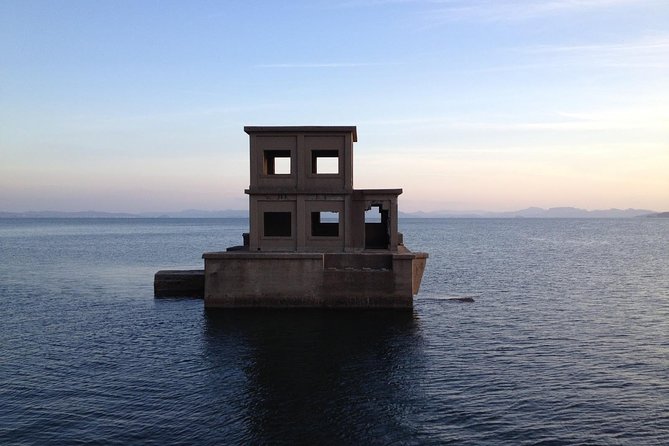
At Katashima Torpedo Base Ruins, you’re walking around a massive empty structure that once functioned as school training facilities. The emptiness is part of what makes it eerie, you see scale, layout, and purpose without the original bustle.
One practical consideration, wear shoes you trust. Even when the stop is short, ruins often mean uneven ground and places where you’ll want to slow down and look carefully.
Hasami Ceramics and Umegae Sake: Culture, Craft, and Local Industry
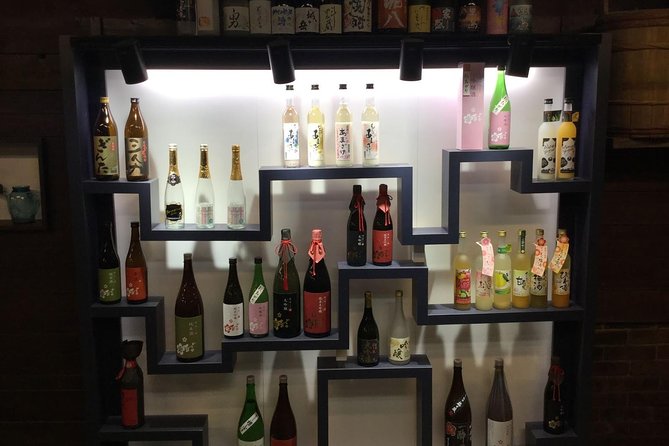
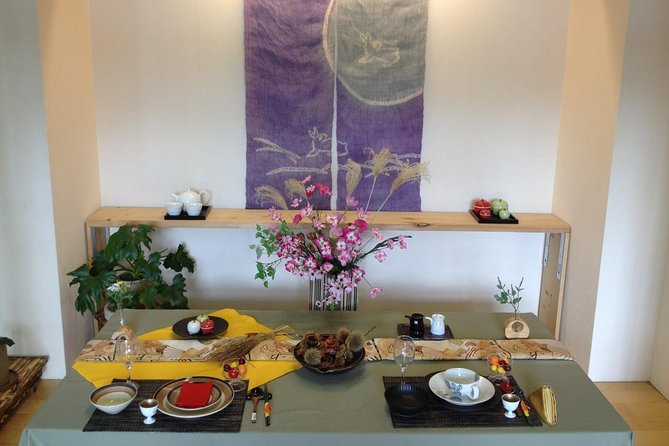
A lot of WWII tours skip the craft side of a city, but this one doesn’t. You’ll spend time around the Hasami Ceramics area, with stops tied to ceramics museums and festivals for porcelain lovers. It’s the kind of visit where you can appreciate how Nagasaki’s identity keeps moving, even when history is heavy.
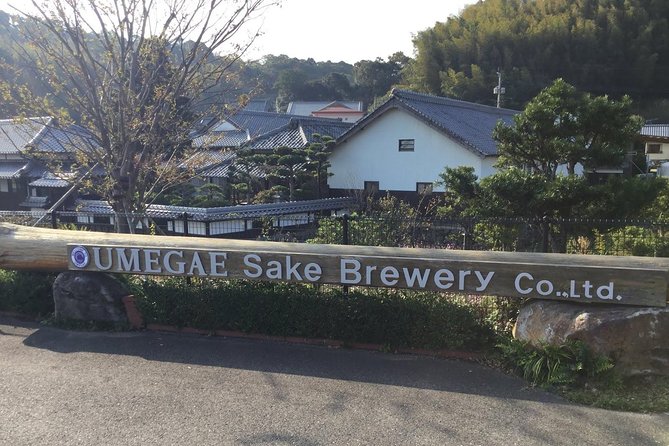
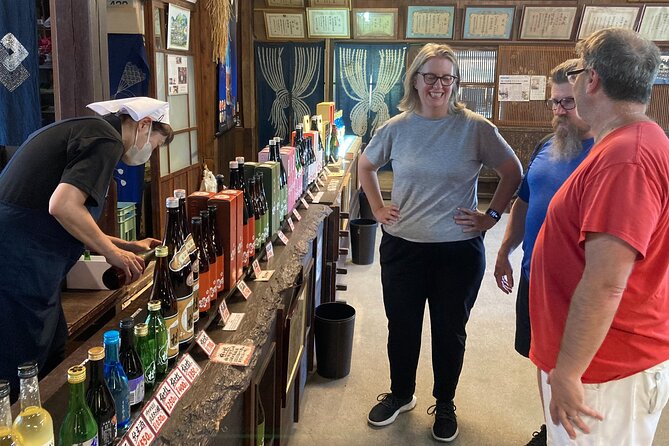
You’ll also visit Umegae Sake Brewery. For a lot of visitors, the sake stop is a pleasant contrast, but it is not random. Fermentation is about patience and process, and it’s a good reminder that resilience looks like daily work, not only survival.
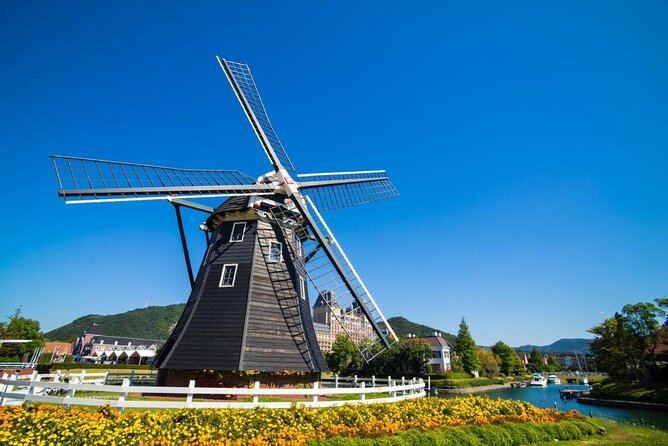
The tour also includes a thread of Dutch heritage, which is a key part of Nagasaki’s long trading and cultural exchange story. You may not walk through one single Dutch-themed room, but you’ll see how the city’s influences show up across its history and culture.
Nagasaki Peace Park: A Place to Let Your Thoughts Catch Up
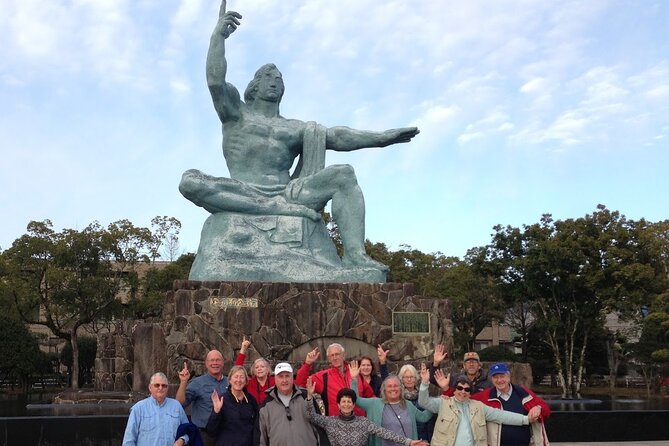
Then it’s Nagasaki Peace Park, where the atmosphere shifts into walking, reading, and reflecting. This is where you stop moving as fast and start letting the day land.
If you do not like silence and contemplation, you might feel the time here is “slow.” But that slowness is the point. It’s a built-in pause so the museum impact does not hit all at once.
Atomic Bomb Museum and Inasayama Observation Deck: The Emotional Peak
The Atomic Bomb Museum is the heart of the WWII portion, and it is sobering. The exhibits and photos are extremely graphic, and you may find it hard to stay focused if you are sensitive to war imagery.
My practical advice: give yourself mental space. If you notice your attention slipping or your chest tightening, step back, breathe, and let the text and visuals work at your pace. This is also a stop where your guide’s pacing really helps, because the day’s earlier context makes the museum easier to follow.
After that intensity, you go to Inasayama Observation Deck, with access included. The viewpoint experience is about perspective, literally. You’ll be looking over the city in a way that makes the scale feel more real, and it’s a helpful contrast to the close-up museum details.
There’s also a timing reality to keep in mind. One review note I found useful is that daytime views can feel stronger than the night view. So if your schedule has flexibility based on light and weather, prioritize what looks best to you on the day.
Lunch on the Go, Picnic Breaks, and Scheduled Beverage Time
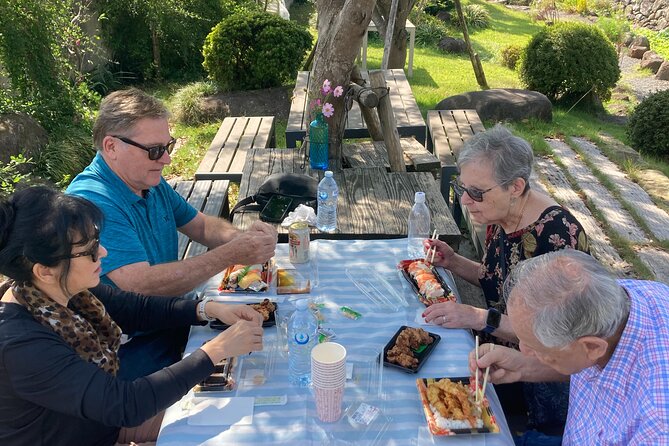
Food is handled thoughtfully. Lunch is provided and can be on the go or a picnic, depending on weather and time constraints, so you’re not left hungry or stuck searching for a restaurant.
You’ll also drink well during the day. You get still or sparkling water throughout the day, plus alcoholic and nonalcoholic beverages at certain times. That matters more than it sounds, because a full history day can drain you. The tour also includes WiFi on board, which helps if you want to quickly message someone or look up a stop while you’re traveling.
If you are a person who likes to plan, I’d bring your own small comfort items too, like tissues or hand sanitizer. The tour provides drinks, but comfort during emotionally intense stops is personal.
Price, Value, and When This Makes Sense for You
This costs $656.88 per group, up to 3 people. That sounds steep if you’re thinking per person, but the math changes fast when you book as a small group, especially because the price includes private transportation, admissions to two major attractions, and built-in meals and drinks.
For solo travelers, it can feel like a premium spend, because you are effectively paying for a private van and a guide’s time. For a couple or a trio, it becomes much more realistic, since you spread the cost while getting the private format.
Also, this tour is typically booked about 65 days in advance on average. If your Nagasaki day is tied to a specific travel window, plan early so you are not left scrambling for a history-focused day that fits your exact schedule.
Comfort, Timing, and the Weather Factor You Can’t Ignore
The tour requires good weather, and if it gets canceled due to poor weather, you’re offered a different date or a full refund. That’s not just a box-checking rule, it matters because several stops are outdoor or coastal, like the bridges and straits.
Because the day includes emotional heavy hitters, I’d also think about your energy. If you’re arriving from a long flight or you’re already stressed, try not to stack another intense activity right before this tour. Give yourself a small buffer so you can actually absorb what you’re seeing.
Who Should Book This WWII History and Culture Tour
Book it if you want a Nagasaki day that mixes WWII sites with living culture, not just memorial photos. It suits history lovers, people who like structure, and anyone who appreciates when a guide explains how places connect to events.
It also fits well if you value access. You get included admissions to the Atomic Bomb Museum and Inasayama Observation Deck, plus private transportation and a guide who keeps the day flowing.
Skip it or consider a different option if you want a purely upbeat sightseeing route. The Atomic Bomb Museum is graphic, and the day’s tone becomes heavy and reflective in a serious way.
Should You Book This Nagasaki WWII History and Culture Tour?
If your goal is to understand Nagasaki instead of just seeing it, I think this tour earns a yes. The included museum access, the private up-to-3 format, and the balance of shrine calm, wartime function, and local craft stops make the day feel complete.
Before you book, make two quick checks. First, are you okay with the graphic content at the Atomic Bomb Museum. Second, do you want a full 7 to 9 hour day that runs on a schedule and benefits from decent weather.
If those match your style, you’ll leave with clearer context and a stronger sense of how Nagasaki’s past and present actually connect.
FAQ
What is included in the ticket price?
Admission to the Atomic Bomb Museum and the Inasayama Observation Deck is included, along with bottled still and sparkling water throughout the day. The tour also includes lunch and alcoholic and nonalcoholic beverages at certain times.
Is lunch provided, and what form does it take?
Lunch is provided and can be on the go or a sit down picnic, depending on weather and time constraints.
How long is the tour?
The tour runs about 7 to 9 hours.
Is pickup offered and will I get a mobile ticket?
Pickup is offered, and you receive a mobile ticket.
Does the tour include transportation?
Yes. The tour includes private transportation in an air-conditioned vehicle, and WiFi is provided on board.
What happens if the weather is poor, or if I need to cancel?
This experience requires good weather. If it is canceled due to poor weather, you will be offered a different date or a full refund. If you cancel or ask for an amendment, it is non-refundable and the amount you paid will not be refunded.
Newly listed around Nagasaki
- Nagasaki Private Historical Tour with Licensed Guide★ 5.0 · 13 reviews
- Nagasaki Full Day Tour with Licensed Guide and Vehicle★ 5.0 · 27 reviews
- Taste Local Life: Nagasaki’s Historical Street Walking Tour★ 5.0 · 27 reviews
- Nagasaki: Half Day Sightseeing Private Tour with 1day Tram Ticket★ 4.5 · 8 reviews
- Nagasaki Private Customizable Full Day Tour★ 5.0 · 7 reviews
- Nagasaki Private Customizable Half Day Tour★ 5.0 · 16 reviews
- Nagasaki Like a Local: Private & Custom Experience (2-3 hrs)★ 5.0 · 14 reviews
- Gunkanjima Digital Museum Attraction Ticket★ 3.5 · 7 reviews
Historical Tours, compared.
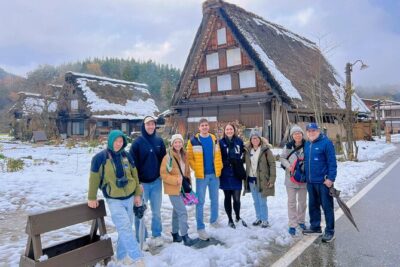
World Heritage Shirakawa-go and Experience Tours from Kanazawa
Read our review →
World Heritage Kyoto & Nara Uji Authentic Matcha Experience
Read our review →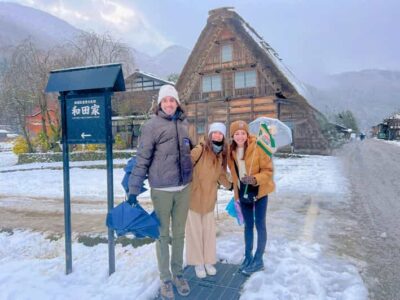
World Heritage Shirakawa-go Morning Guided Tour
Read our review →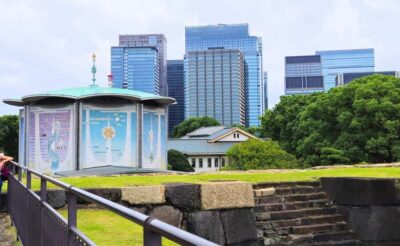
Hiroshima Historical Walking Tour – Why A-Bomb was Dropped
Read our review →
Hiroshima Peace (Heiwa) Walking Tour at World Heritage Sites
Read our review →
Yanaka Walking Tour: Historic and Traditional District of Tokyo
Read our review →
Shinjuku Historical Walking Tour & Secret Backstreets
Read our review →Browse the lists this tour appears in