
Review · NARA TOURS
Nara Early Bird Tour (Kyoto Departure Option Available)
Beat Nara crowds before the day gets loud. This early bird tour is built for calmer footsteps and better photos, with English-speaking guides who keep the story moving from shrine to temple to park.
I like that you cover Nara’s big names in one morning, starting before the afternoon crush. The pace also leaves room to pause at Fushimi-Inari for reflection, then roll into impressive Kyoto stops like Kinkaku-ji and Arashiyama.
One thing to consider: the schedule is tight, and the tour is strict about punctuality, since it runs as a small group with no late joins and no refund for missed time.
In This Review
- Key highlights worth waking up for
- Nara Early Bird Timing: Why mornings change everything
- Kyoto Station pickup and the 1-hour train to Nara
- A brief pause at Fushimi-Inari, then straight into the morning
- Kofuku-ji: Starting Nara with temple grandeur
- Todaiji admission cost: The only real add-on you should plan for
- Nara Park and deer moments: Best kept for the early window
- Kasuga Grand Shrine: Where the morning feels calm again
- Kinkaku-ji and Arashiyama: Kyoto highlights packed into the half-day plan
- Guide style: Small group energy, big storytelling
- Price and value: What $88 buys you, and what to budget extra
- Practical tips that make the morning smoother
- Who should book this early bird Nara tour
- Should you book it? My take
- Quick FAQ
- FAQ
- Where do I meet for the Nara Early Bird tour?
- What time should I arrive?
- How long is the tour?
- How do you get from Kyoto to Nara?
- What is included in the price?
- What is not included?
- Is Todaiji admission required?
- How big is the group?
- Is the tour suitable for everyone?
Key highlights worth waking up for
- Early start for crowd-free temple walking and easier photos
- Nara’s main sights handled in one day, including Todaiji area and Nara Park
- A thoughtful pause at Fushimi-Inari instead of rushing past
- Kyoto hits like Kinkaku-ji and Arashiyama fit into the half-day plan
- Small group size up to 12, so the guide can actually manage the route
- Back before noon, so you can add lunch in Nara or continue to Osaka or Kyoto
Nara Early Bird Timing: Why mornings change everything
Nara is beautiful, but it can turn into a photo bottleneck fast. This is exactly why I like the early departure plan, you get the calmer mood first, then you watch the crowds build after you’ve already done the hardest-to-walk sections.
You’re also not stuck waiting in long lines for viewpoints or entrances. Instead, you spend your energy where it matters, temples, shrines, and the park moments with deer. That combo is what makes the tour feel worth it even at a higher price point for a half-day format.
A few more Nara days to weigh up
- World Heritage Kyoto & Nara Uji Authentic Matcha Experience
★ 5.0 · 1,573 reviews - Nara Half Day Trip Walking Tour (Private Option Available)
★ 5.0 · 937 reviews - Nara Early Morning Tour (Kyoto or Osaka Departure Available)
★ 5.0 · 676 reviews
Kyoto Station pickup and the 1-hour train to Nara
Your day begins at Kyoto Station Central Ticket Gate, on the north side. Look for the big gate on the ground floor near Kyoto Tower visible outside, and near Hotel Granvia.
If you choose the Kyoto Station departure option, you’ll take the public train to Nara, roughly 1 hour. That’s a good setup because it keeps the schedule simple and lets you get straight into sightseeing without extra transfers.
This is also where the “small group” factor matters. With up to 12 people, you move as one unit, and it’s easier to hear explanations without shouting over the station chaos.
A brief pause at Fushimi-Inari, then straight into the morning
One of the nicest touches is the time set aside at Fushimi-Inari Shrine for a moment of contemplation. It’s not treated as a 30-second photo stop, you’re guided to slow down for a minute and actually notice what you’re seeing.
That kind of pause changes how the rest of the morning lands. After you do the quiet reset, Nara’s temples and the park feel more connected rather than like a checklist.
Kofuku-ji: Starting Nara with temple grandeur
The morning is designed to hit Nara’s main stops before the biggest wave arrives. Kofuku-ji Temple is one of the first big anchors on the route, and it sets the tone for what Nara does best, major Buddhist landmarks mixed with lived-in city surroundings.
The practical win here is timing. When you reach sites early, you spend less effort dodging people and more effort looking up, reading details, and taking photos without constant interruptions.
A different sort of day in Japan:
- Kyoto/Osaka: Kinkakuji, Bamboo Forest, and Nara Deer Park
★ 4.4 · 265 reviews - Nara: Half-Day UNESCO Heritage & Local Culture Walking Tour
★ 4.8 · 250 reviews - Nara 6hr Private Tour with Government-Licensed Guide
★ 5.0 · 219 reviews - E-Bike Nara Highlights – Todaiji, Knives, Deer, Shrine
★ 4.8 · 186 reviews
Todaiji admission cost: The only real add-on you should plan for
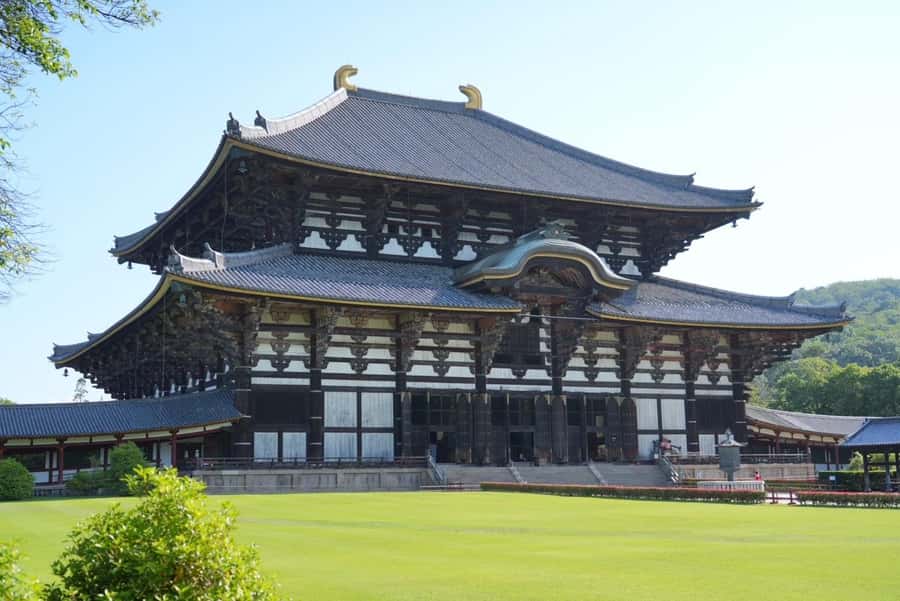
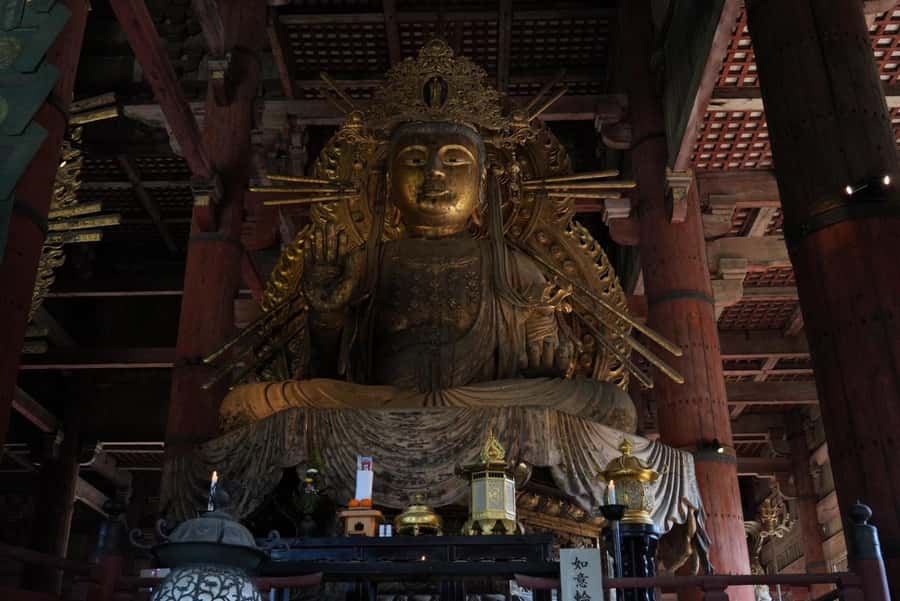
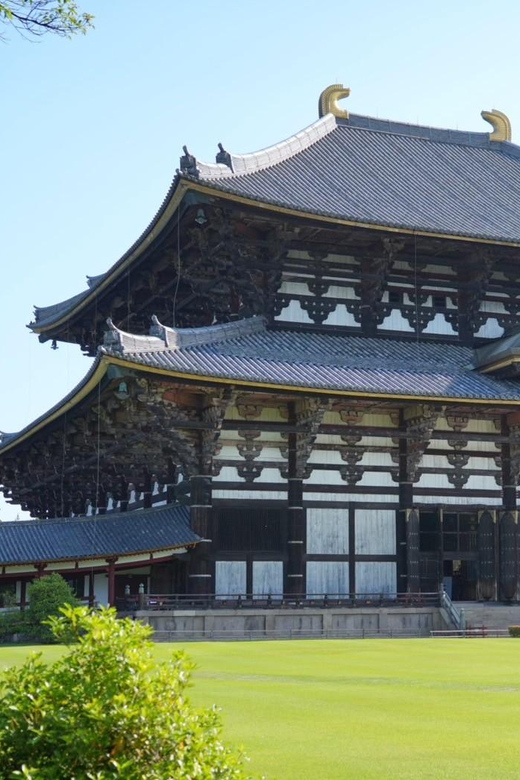
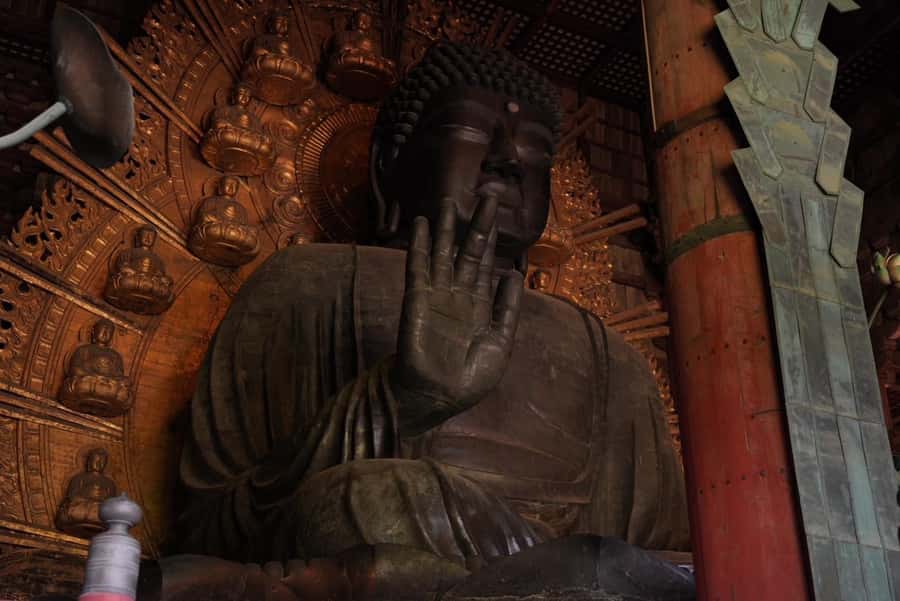
Todaiji Temple is a centerpiece of the day. The admission fee is not included, it’s 800 yen, so I strongly suggest you bring cash or be ready to pay on site.
This is the main “budget surprise” to watch for, but it’s also why I think the tour still represents solid value. You’re paying for a guide, route planning, and early access to the busiest areas, then you pay the one major ticket fee separately.
Once you’re inside the Todaiji area, you’re not just looking at buildings. The guide helps connect what you’re seeing with why it mattered historically and spiritually, which makes the visit feel more grounded than a quick walk-through.
Nara Park and deer moments: Best kept for the early window
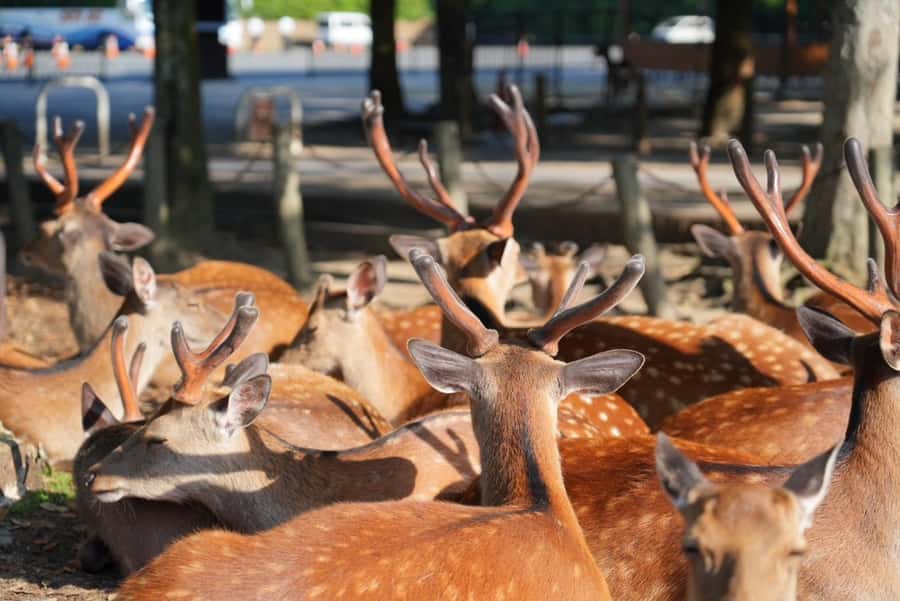
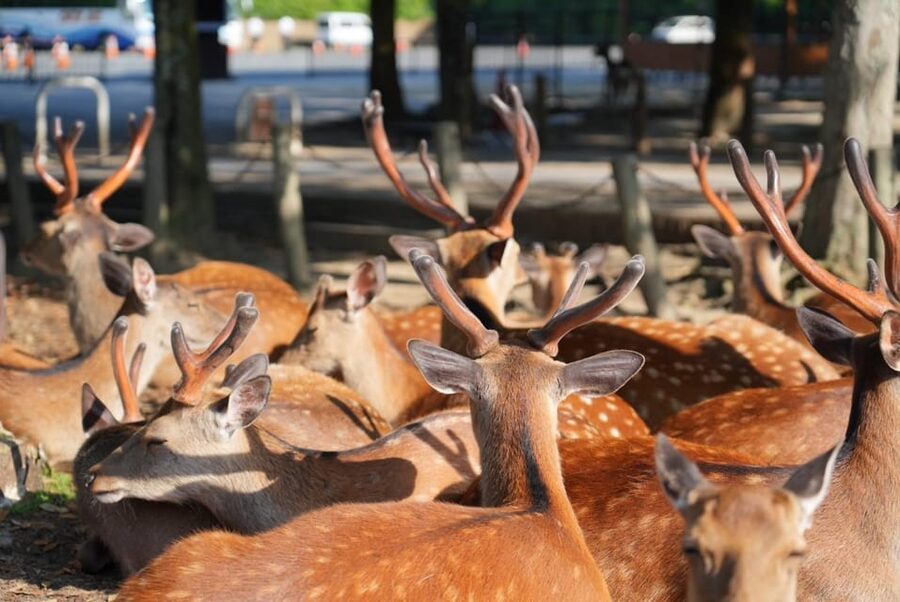
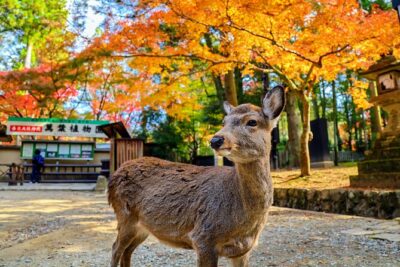
Yes, you’ll see the famous Nara deer, and the park energy is part of the charm. What I like about the early start is that your first deer encounters feel gentle instead of stressful, you get space to watch behavior and get photos without a wall of people pressing in.
If you want to interact, deer crackers are a typical way to do it. Guides can also tell you where to buy them and how to handle the moment politely, so it feels respectful instead of chaotic.
A small but real benefit: when the park is not jam-packed, you can actually notice the quieter details around the temples and paths. You’re not just photographing deer, you’re walking through a sacred park landscape where the deer are part of the daily rhythm.
Kasuga Grand Shrine: Where the morning feels calm again
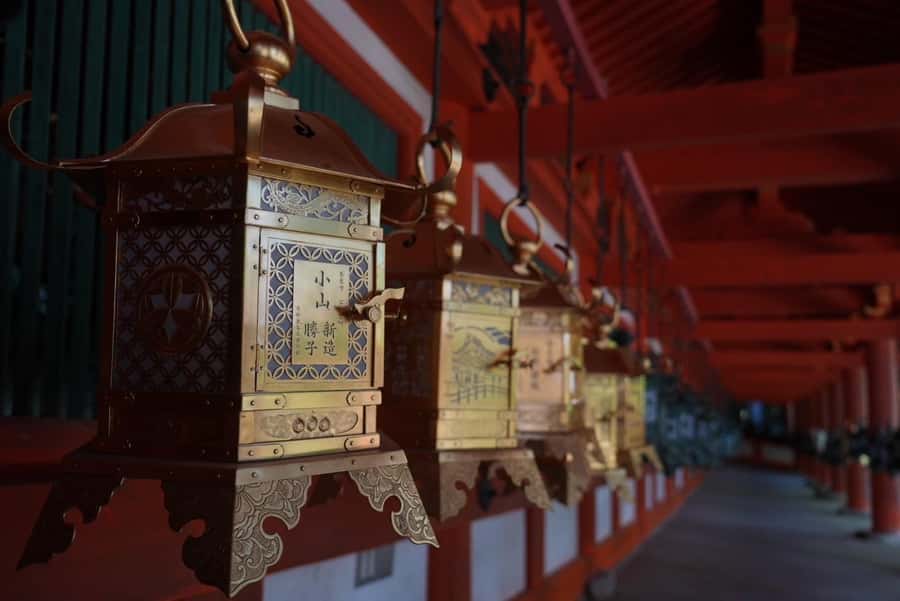
Kasuga Grand Shrine is another major stop on the tour, and it’s one of those places where early timing feels like a cheat code. You get a more peaceful atmosphere, with fewer distractions, so the shrine feels more intentional and less like a crowded attraction.
The guide pacing helps too. You’re given enough time to look around and absorb the vibe, but you’re also kept moving so you don’t lose the advantage of beating the afternoon crowds.
Kinkaku-ji and Arashiyama: Kyoto highlights packed into the half-day plan
The tour also aims to include major Kyoto sights, including the Buddhist temple at Kinkakuji and time around the district of Arashiyama. I like this approach because it turns your half-day into a “two-city hit,” Nara for the deep temple and deer moments, then Kyoto for the iconic scenery.
The practical challenge with packing Kyoto plus Nara is simple: you need comfortable shoes and patience for walking. The upside is that you leave with variety, you don’t have to choose between famous Kyoto sights and Nara’s signature experience.
In other words, this isn’t a slow, unhurried wandering day. It’s a smart, time-tested sprint done with enough guidance to keep it enjoyable.
Guide style: Small group energy, big storytelling
A standout theme is the guide quality. This tour runs with young, passionate, and animated guides who talk like they actually care about the places, not like they’re reading a script.
You might meet guides such as Shuma-kun, Genki, Futaba, Natsuho, Hina, Ai, Shin, Koichiro, Kota, or Kotaro, and the pattern is consistent: they explain what you’re looking at, answer questions, and guide you along better routes.
I also appreciate that many guides share extra tips for after the official route. For example, I’ve seen guides recommend where to eat in Nara after the tour, which helps you avoid spending your remaining morning searching with tired legs.
And yes, the best guides help kids too. Some of the best comments highlight how a guide can keep a young traveler engaged while still covering the important cultural points.
Price and value: What $88 buys you, and what to budget extra
At $88 per person, you’re not paying just for a checklist. You’re paying for an English-speaking guide plus transportation fee from Kyoto to Nara. For a half-day plan designed around crowd avoidance, that’s the core value.
The extra items you should plan for are straightforward:
- Todaiji Temple admission fee: 800 yen
- Food and drinks: not included
- Transportation back to Kyoto Station: listed as not included for one-day Nara trips
That last point matters. Even though the tour ends back at the meeting point, you should check how your exact option affects your onward travel needs. If you’re building a full day out of Nara, plan your return route ahead of time so you’re not stuck at the station with hungry feet.
Practical tips that make the morning smoother
Wear comfortable shoes. This is a walking-heavy morning, and the tour expects you to move at a steady pace between major sites.
Arrive early at the meeting point. You must be there 10 minutes ahead, and late arrivals cannot be accepted because other groups are in motion. I consider this the tour’s biggest “fine print” detail, and it’s worth treating like a real rule.
For photos, early timing is your best friend. With fewer people in the frame, you’ll get cleaner shots at temples and in the park without constant interruptions.
If deer crackers are part of what you want, go in with a calm mindset. The best interactions happen when you don’t panic, move slowly, and follow the guide’s cues.
Who should book this early bird Nara tour
This tour fits you if you:
- Want to see Nara’s top temple and shrine highlights without spending your day dodging crowds
- Appreciate a guide who explains context and cultural meaning
- Prefer a half-day format that leaves you energy for Osaka or Kyoto afterward
- Like the idea of small group pacing, not a huge bus-and-photos setup
It may not be the right match if you need wheelchair access, have had recent surgeries, are over 70, or rely on baby strollers. The tour also lists alcohol and drugs as not allowed, which is normal, but worth noting.
Should you book it? My take
If your main goal is a high-impact Nara morning, I think this is a strong choice. The early start is the whole point, and it shows in how the day feels, less chaotic, more watchable, and more photo-friendly.
The main drawback is the same thing that makes it work: the schedule is strict and walking is part of the deal. If you want slow temple drifting and long meal breaks, you might prefer a slower itinerary. If you want a guided, efficient morning with deer, big temples, and standout Kyoto sights, this is a smart use of limited time.
Quick FAQ
FAQ
Where do I meet for the Nara Early Bird tour?
You meet at Kyoto Station Central Ticket Gate, on the northern side of the station where Kyoto Tower is visible outside. It is the big gate on the ground floor near Hotel Granvia.
What time should I arrive?
Please be at the meeting spot 10 minutes earlier than the scheduled time. Late guests cannot be accepted and no refund is given.
How long is the tour?
For the Kyoto Station departure option, the tour lasts 4 hours. For the Kintetsu Nara Station meet-up option, it lasts 3 hours.
How do you get from Kyoto to Nara?
For the Kyoto Station departure option, you use the public train. The ride takes around 1 hour.
What is included in the price?
The price includes an English-speaking guide and the transportation fee from Kyoto to Nara.
What is not included?
Todaiji-Temple admission fee (800 yen), food and drinks, and transportation back to Kyoto Station (for people doing a one-day trip to Nara).
Is Todaiji admission required?
Yes. Todaiji admission is listed as not included, and the fee is 800 yen.
How big is the group?
The tour has up to 12 people.
Is the tour suitable for everyone?
It is not suitable for wheelchair users, people with recent surgeries, and people over 70 years. Baby strollers are not allowed, and alcohol and drugs are not allowed.
If you want, tell me your hotel area in Kyoto and whether you’re doing a same-day return to Kyoto. I can help you decide which option (Kyoto Station or Kintetsu Nara) fits your day best.
Newly listed around Nara
- Nara:5 Type of Tea Tasting & Mindful Tea Ceremony★ 5.0 · 28 reviews
- Nara:Authentic Tea Ceremony(Max 5 ppl) -Master Matcha Making★ 5.0 · 119 reviews
- Nara: UNESCO Heritage Sites & Deer Park Tour with Pro guide★ 4.5 · 10 reviews
- Nara: Todai-ji y parque de Nara (Spanish Guide)★ 5.0 · 16 reviews
- Nara: Sake Tasting Tour at the Birthplace of Japanese Sake★ 4.9 · 8 reviews
- Nara: Private City Tour With A Local Guide★ 4.2 · 8 reviews
- Nara: Private Tour with Private Guide★ 4.8 · 66 reviews
- Nara Like a Local: Customized Guided Tour★ 4.2 · 36 reviews
Nara Tours, compared.
World Heritage Kyoto & Nara Uji Authentic Matcha Experience
Read our review →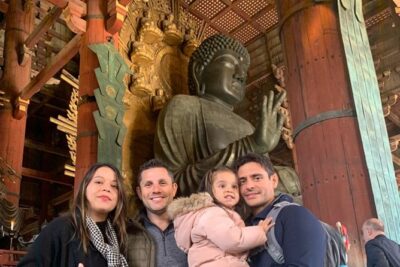
Nara Half Day Trip Walking Tour (Private Option Available)
Read our review →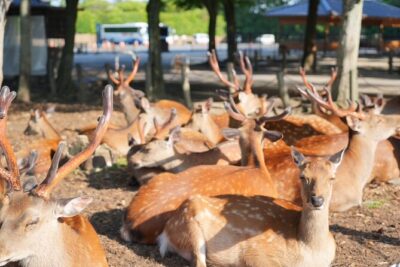
Nara Early Morning Tour (Kyoto or Osaka Departure Available)
Read our review →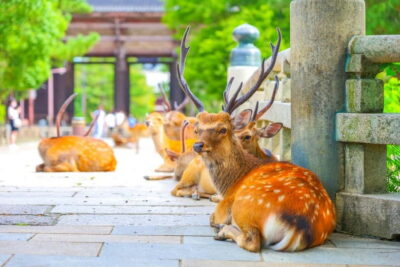
Kyoto/Osaka: Kinkakuji, Bamboo Forest, and Nara Deer Park
Read our review →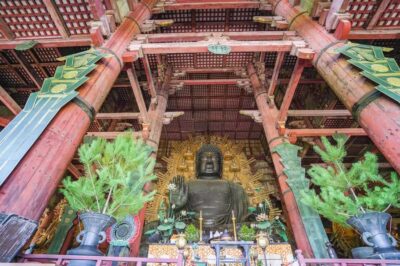
Half-Day UNESCO Heritage & Local Culture Walking Tour
Read our review →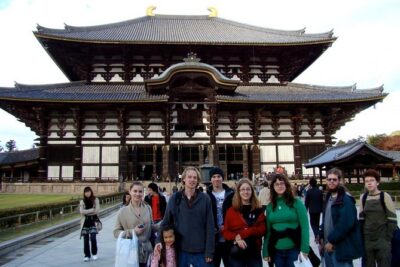
Nara 6hr Private Tour with Government-Licensed Guide
Read our review →
E-Bike Nara Highlights – Todaiji, Knives, Deer, Shrine
Read our review →
Nara:Authentic Tea Ceremony(Max 5 ppl) -Master Matcha Making
Read our review →Browse the lists this tour appears in