
Review · WALKING TOURS
Nara Half Day Trip Walking Tour (Private Option Available)
Nara in five hours feels surprisingly complete. This half-day route strings together major sights like Kofuku-ji and Todai-ji, plus the shrine world of Kasuga Taisha and the deer-filled lanes of Nara Park and Naramachi. It is a simple plan for first-timers, and there’s a private option if you want more control over pace and photos.
I love that the tour bundles admission tickets and lunch into one smooth schedule. That means less time hunting down ticket counters and more time inside the real places that make Nara feel special. You also get a mobile ticket, so you are not juggling paperwork while walking.
The other big win for me is the guide-led focus on how to act around the deer and how to read the temples and shrines like a local. You will be with a small group (max 8), and guides such as Shin, Yuki, and Nao get singled out for making the history feel clear and practical. One consideration: gluten-free requests cannot be accommodated on this tour.
In This Review
- Key highlights worth your time
- A half-day Nara walk that hits the icons and the sidestreets
- Meet at Gyoki-bosatsu, then get your bearings fast on foot
- Kofuku-ji five-story pagoda: a Fujiwara-era landmark
- Todai-ji main hall and Nandaimon: the Great Buddha moment
- Zōshichō lunch at a traditional restaurant: the break that resets you
- Kasuga Taisha and Kasugayama: lanterns, forest spirit, and shrine meaning
- Nara Park deer time: feeding etiquette that saves you from chaos
- Naramachi old streets and Nigiwai no Ie: the town behind the temples
- Price and value: what you are paying for in plain terms
- What to pack for Japan heat and winter chills
- Should you book this Nara half-day walking tour?
- FAQ
- How long is the Nara half-day walking tour?
- What is included in the tour price?
- Does the tour use a mobile ticket?
- Can the tour accommodate gluten-free diets?
- Can I request other dietary needs or allergies?
- Where is the meeting point, and where does the tour end?
- What should I bring for the weather?
Key highlights worth your time
- UNESCO hit list without rushing: Todaiji and Kasuga Taisha, plus Kofuku-ji’s five-story pagoda.
- Lunch included, in an old-town setting: a set meal at a traditional restaurant in Naramachi-style streets.
- Nara Park deer etiquette, not just photos: you learn how to behave so you do not end up getting crowded or shoved.
- Kasuga Taisha lantern atmosphere: the shrine vibe here is unlike most other shrine visits.
- Naramachi old neighborhoods on foot: merchant-house lanes and Nigiwai no Ie type streetscape.
A half-day Nara walk that hits the icons and the sidestreets
This tour is built for your first Nara day. In about five hours, you cover the famous temples and shrines, then shift into the smaller streets that show you what Nara felt like for merchants and townspeople. It is not a “speed through everything” plan, either. The stops are short, but the guide commentary helps you understand what you are looking at while you are still in front of it.
You are also not doing this as a faceless checklist. Guides on this route are repeatedly praised for speaking clear English and for explaining both the religious customs and the everyday behavior that comes with visiting places like Todaiji and Kasuga Taisha. Names you might get, based on past experiences, include Shin, Yuki, Miyabi, Nao, Yusuke, Hide, Eri-san, and Jimmy.
A few more Nara days to weigh up
- Nara: Half-Day UNESCO Heritage & Local Culture Walking Tour
★ 4.8 · 250 reviews - Nara – Craft Beer, Sake, and Food Walking Tour
★ 3.5 · 9 reviews - Kyoto Geisha Walking Tour: Gion District & Hidden Gems
★ 4.7 · 3,273 reviews
Meet at Gyoki-bosatsu, then get your bearings fast on foot
The tour starts at the Statue of Gyoki-bosatsu27, at Higashimuki Nakamachi, Nara, 630-8215. It ends back at the same meeting point, which makes the whole day feel tidy, even if you are using public transit.
Because the walking is real, but not punishing, plan for short breaks and an easy rhythm. Most people can do it, and the tour is listed as suitable for all ages, as long as you are comfortable with a paced walk plus a few rest moments.
If you are arriving from Nara Station, give yourself buffer time. The tour is near public transportation, but you still want to show up relaxed, not sprinting in while everyone else is gathering.
Kofuku-ji five-story pagoda: a Fujiwara-era landmark
You begin at Kofuku-ji Temple, famous for its five-story pagoda. This pagoda traces back to the Fujiwara clan era, built in 730, so you are starting your day with a site that anchors Nara’s long timeline.
The stop is only about 15 minutes, which is actually a good thing. You get the landmark view, you learn what makes it historically important, then you move on before you lose your energy. If you like architecture or old-school craftsmanship, this pagoda is the kind of detail you will still remember later when you think back on Nara’s “temple town” feel.
Practical note: the stop mentions an admission ticket as free for that part of the visit.
Todai-ji main hall and Nandaimon: the Great Buddha moment
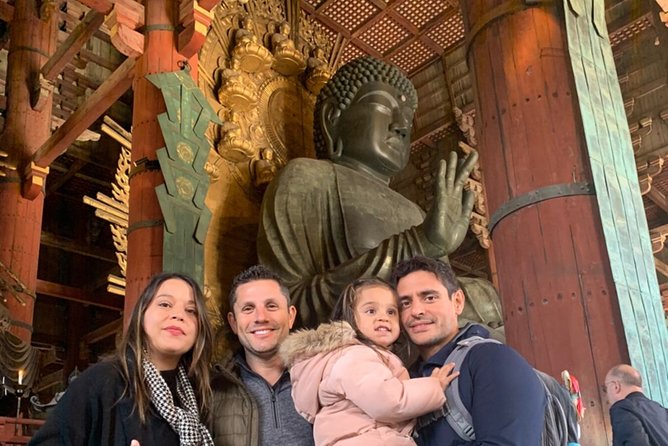
Next is Todai-ji Temple, with about 30 minutes on site at the Main Hall and Nandaimon gate area. As you approach, you will see the two imposing guardian statues, the Kongorikishi, which are meant to frame the crossing from normal street life into temple space.
Then comes the main event: the Great Buddha. The size and presence are the reason Todai-ji keeps showing up on every Nara “must see” list. But the guide value here is how they explain what you are seeing, not just pointing.
If your first time in Nara is also your first time in Japan’s temple world, you will likely appreciate the guide framing of customs. In several experiences, guides were praised for explaining how to behave and what gestures or etiquette mean, especially around major temple spaces.
Todai-ji entry is included here, and that matters for your day because it removes one more planning headache. You are simply there to look, listen, and absorb.
A different sort of day in Japan:
- World Heritage Kyoto & Nara Uji Authentic Matcha Experience
★ 5.0 · 1,573 reviews - Nara Early Morning Tour (Kyoto or Osaka Departure Available)
★ 5.0 · 676 reviews - Kyoto/Osaka: Kinkakuji, Bamboo Forest, and Nara Deer Park
★ 4.4 · 265 reviews - Nara 6hr Private Tour with Government-Licensed Guide
★ 5.0 · 219 reviews
Zōshichō lunch at a traditional restaurant: the break that resets you
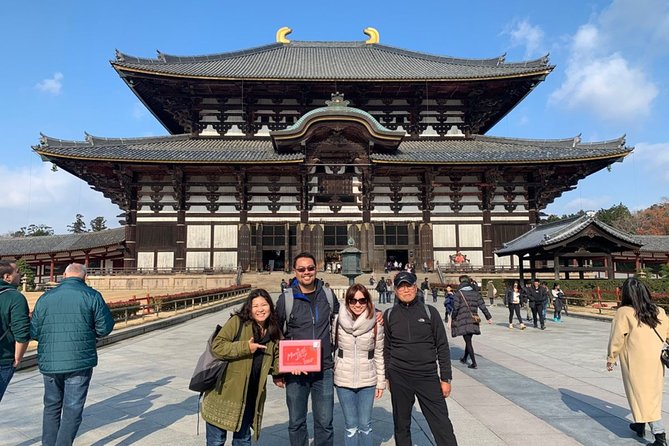
After Todai-ji, you get lunch at 107 Zōshichō, with about 45 minutes set aside. This stop is designed to keep you in the “old town” mood, so lunch does not feel like a random fast-food detour.
In past runs of this tour, the lunch has earned strong praise as one of the best authentic meals during a Japan trip. You will be eating at a well-established restaurant in an older Japanese town area, so the food plus the setting both help.
A few practical things to know:
- The tour says it cannot accommodate gluten-free requests.
- Allergy-free or other dietary restrictions are not guaranteed, because the food is prepared in kitchens that do not belong to the tour operator.
- If you have any dietary request, you must request it in advance by the day before, and changes on the tour day are not accepted.
If you are unsure what you can safely eat, use caution, and plan on asking your guide what the meal includes once you arrive.
Kasuga Taisha and Kasugayama: lanterns, forest spirit, and shrine meaning
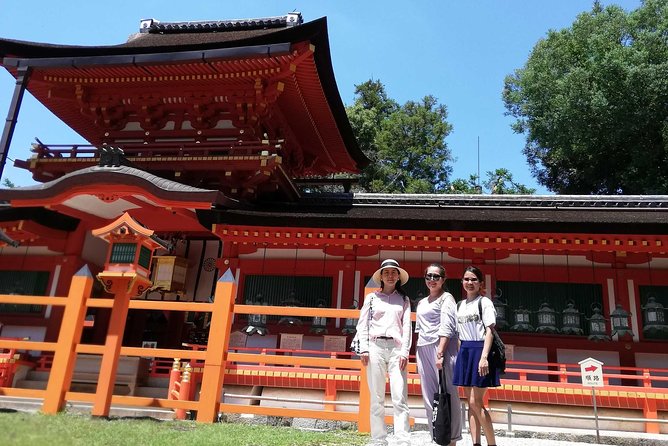
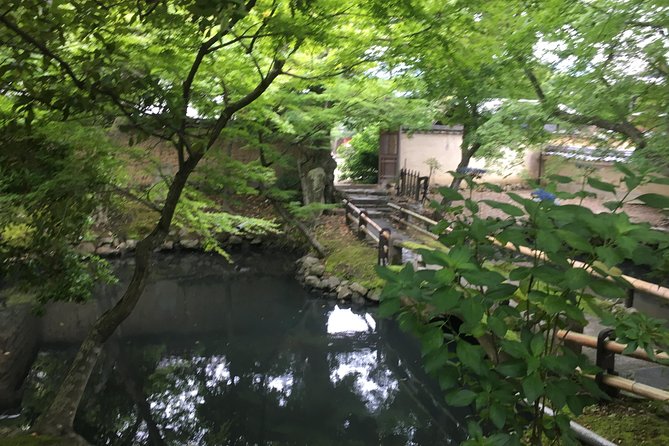
Then you head to Kasuga Grand Shrine, including Kasugayama Primeval Forest and Kasuga Taisha, with about 30 minutes. Kasuga Taisha is one of the key shrines connected with the Shinto tradition, and the atmosphere here is part history lesson, part sensory experience.
One detail that many people remember is the red shrine feel and the scale of lanterns. You spend time in the shrine zone where you can spot hundreds of lanterns, which makes this stop feel almost ceremonial in a way you do not get from every shrine visit.
A good guide makes the difference. The best moments tend to be when the guide links shrine customs to everyday Japanese culture, explaining why people come, what meanings are tied to the rituals, and how to approach the space respectfully without getting lost.
Admission is included for this stop.
Nara Park deer time: feeding etiquette that saves you from chaos
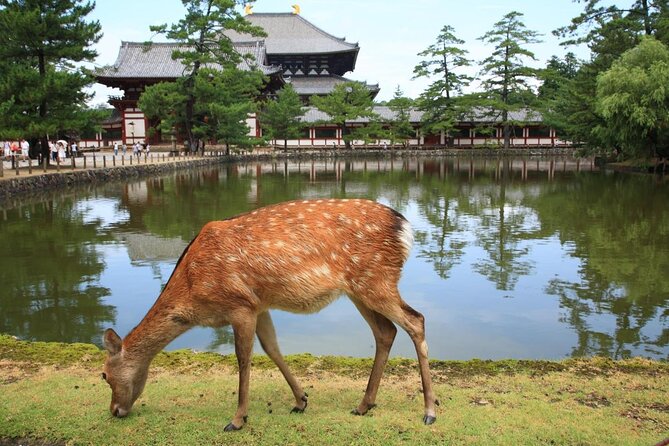
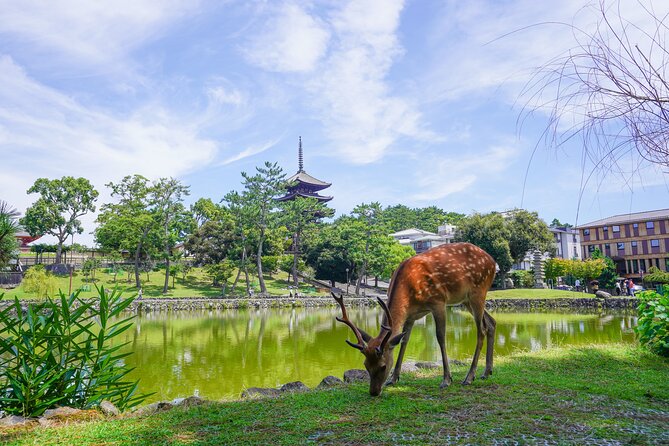
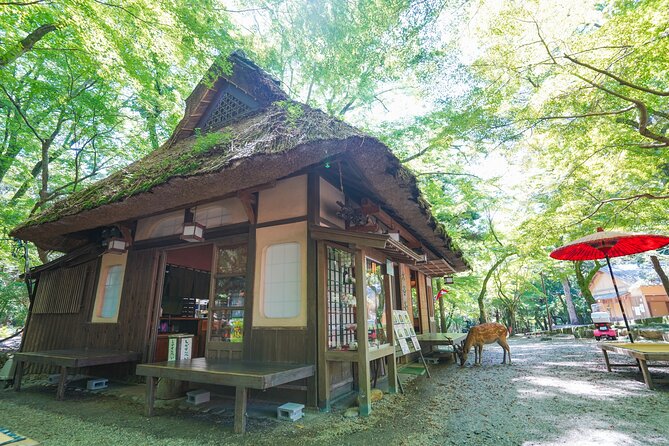
Next is Nara Park, for about 30 minutes. This is your deer encounter time, and yes, it is a big part of why Nara draws crowds. The practical value of this tour is that it does not treat deer as a free-for-all photo prop.
You are guided on how to interact with the deer in a respectful way. You may also get tips like where the deer tend to be more gentle and how to avoid turning your snack moment into a deer stampede. Many guides on this route emphasize that deer can get pushy, especially early, and that a little manners go a long way.
You will also see a beautiful red shrine housing hundreds of lanterns from within the Nara Park area. That pairing, deer roaming plus shrine glow, is exactly what makes Nara look like Nara on postcards, except you get a real-time view of how people and animals share the space.
Admission is not called out as something extra at this stop, and it is included as part of the overall plan.
Naramachi old streets and Nigiwai no Ie: the town behind the temples
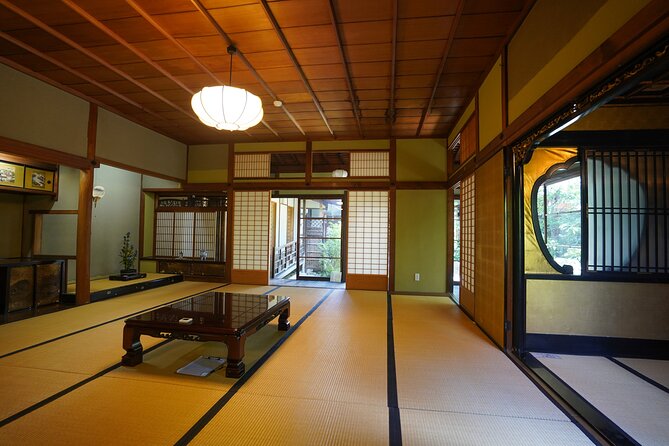
Finally, you explore Naramachi, about 35 minutes. This is the merchant-town side of Nara, and it can feel like stepping into a slower Japan than Tokyo. You walk among historical buildings and make it to Naramachi Nigiwai no Ie, a lively area tied to old-town character.
Why this last stop works: it changes the pace from grand temples and shrines into smaller streets and everyday craft. You get to see a different kind of Nara storytelling, with shopfronts, old lanes, and the sense of how people lived around the temple economy.
In some experiences, guides also point out places to shop for small Nara souvenirs and traditional sweets, and they recommend local stops at the end. If you like browsing for one or two thoughtful items, this is the time to do it, not when everyone is still arriving sweaty from temple lines.
Price and value: what you are paying for in plain terms
The price is $105.45 per person for an approximately 5-hour experience. At first glance, it can feel like a lot for walking.
Here is what you are actually buying:
- Guided context at major sites where doing it alone can mean “pretty buildings” without the meaning.
- Admission tickets included for the paid temple and shrine portions listed.
- Lunch included, so you are not budgeting extra meal time or dealing with decision fatigue.
- A maximum group size of 8, which keeps the route from turning into a herd.
When you add up admissions plus lunch on your own, the guided plan can start to look fair. The real value is that the guide helps you move through Nara with less guesswork, and you get a more coherent story than a pick-any-temples self-guided day.
If you want a true private experience, there is a private option available, but you will want to check how that changes the group dynamic and pace when you book.
What to pack for Japan heat and winter chills
Japan’s weather can swing hard. Summer can reach up to 40°C (110°F), and winter lows can drop to -5°C (20°F). The tour notes that summer can be very hot and humid, so you should treat this as an active walk, not a relaxed stroll.
Bring:
- Water, and plan to sip often.
- A hat for sun.
- Comfortable walking shoes, because your day is built around walking between temple areas and old neighborhoods.
Also bring some cash. The tour says you do not need to cover the guide’s food and drinks, and that you can bring cash if you want extra snacks or drinks.
Should you book this Nara half-day walking tour?
Book it if:
- You want a first-time Nara day that covers Todaiji, Kasuga Taisha, and Nara Park without you building a plan from scratch.
- You care about etiquette and context, not just photos.
- You like small-group pacing, with a guide who can explain what matters while you are standing in the place.
Skip it or choose something else if:
- You need a gluten-free meal, because gluten-free requests cannot be accommodated on this tour.
- You want a very long, unstructured wandering day. This is focused and time-managed, and that is the point.
My take: this is a strong value half-day because it gives you the big icons plus the town streets, and it does it with enough guidance that your stops feel connected. If you show up ready to walk, you will leave with the “Nara story” in your head, not just a pile of temple photos.
FAQ
How long is the Nara half-day walking tour?
It runs for about 5 hours.
What is included in the tour price?
The tour includes admission tickets to the listed shrines and temples and lunch.
Does the tour use a mobile ticket?
Yes, you receive a mobile ticket.
Can the tour accommodate gluten-free diets?
No, gluten-free requests are unable to be accommodated for this tour.
Can I request other dietary needs or allergies?
You can request dietary needs in advance by the day before, but allergy-free guarantees are not provided, since the food is prepared in kitchens that do not belong to the tour operator.
Where is the meeting point, and where does the tour end?
The meeting point is the Statue of Gyoki-bosatsu27 at Higashimuki Nakamachi, Nara. The tour ends back at the meeting point.
What should I bring for the weather?
Bring water and wear a hat, especially in hot and humid summer conditions.
Newly listed around Nara
- Todaiji Temple, Kasuga Shrine and Nara Park Guided Full Tour★ 5.0 · 13 reviews
- Nara:5 Type of Tea Tasting & Mindful Tea Ceremony★ 5.0 · 28 reviews
- Nara:Authentic Tea Ceremony(Max 5 ppl) -Master Matcha Making★ 5.0 · 119 reviews
- Nara: UNESCO Heritage Sites & Deer Park Tour with Pro guide★ 4.5 · 10 reviews
- Nara: Todai-ji y parque de Nara (Spanish Guide)★ 5.0 · 16 reviews
- Nara: Sake Tasting Tour at the Birthplace of Japanese Sake★ 4.9 · 8 reviews
- Nara: Private City Tour With A Local Guide★ 4.2 · 8 reviews
- Nara: Private Tour with Private Guide★ 4.8 · 66 reviews
Walking Tours, compared.
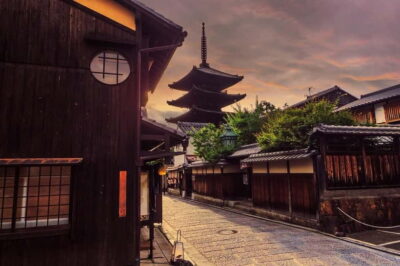
Kyoto Geisha Walking Tour: Gion District & Hidden Gems
Read our review →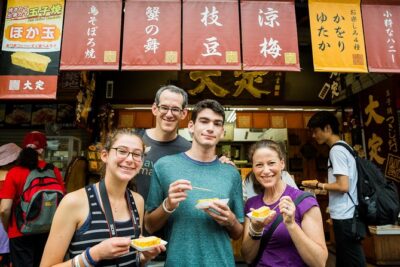
Tokyo Tsukiji Fish Market Food and Culture Walking Tour
Read our review →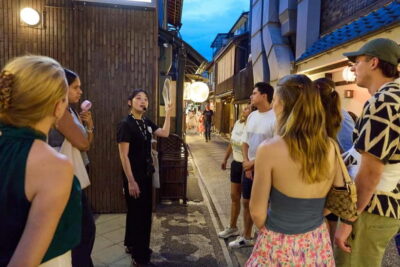
Gion Geisha District Walking Tour – Stories of Geisha
Read our review →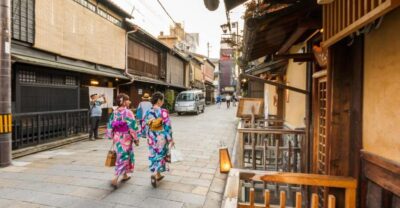
Shinjuku Local Bar and Izakaya Guided Walking Tour
Read our review →

Asakusa Walking Tour with Sensoji Temple Visit
Read our review →
Kyoto Gion Geisha District Walking Tour – The Stories of Geisha
Read our review →Browse the lists this tour appears in