
Review · WALKING TOURS
Old and Nostalgic Tokyo: Half-Day Yanaka Walking Tour
Old cemeteries, tiny shops, and a kinder Tokyo.
This Old and Nostalgic Tokyo Yanaka Walking Tour takes you out of the skyline mood and into Edo-era lanes, with Yanaka Reien at the center of it all, where 7,000 tombstones make the whole area feel both calm and unforgettable.
I also like the blend of sacred sites and everyday street life. You’ll visit Nezu Shrine, originally built in 1706 by the fifth Tokugawa shogun, and then spend time on Yanaka-Ginza, where you can sample local foods and sweets (just note that food and drinks are listed as not included, so you may still want to budget a little on the spot). The only real drawback is simple: there’s moderate walking, so you’ll want comfortable shoes and you might not love this if your mobility is limited.
With a small group capped at 8 and a live English guide, it’s a focused half-day that makes Yanaka feel reachable, not intimidating, especially when you start at JR Nippori station.
In This Review
- Key Things You’ll Appreciate on This Yanaka Walk
- Why Yanaka and Yanesen Feel Like Old Tokyo
- Nippori Meeting, 210 Minutes of Walking, and the Shoe Check
- Tennōji Temple: A Quick Stop That Changes the Pace
- Yanaka-Ginza and Snack Time on Old-Style Streets
- Yanaka Reien Cemetery: 7,000 Tombstones and Real Quiet
- Nezu Shrine, Built in 1706, and the Power of Guided Details
- Guides That Make the Whole Walk Click
- Value Check: Is $83 for 3.5 Hours a Smart Buy?
- Who This Yanaka Tour Suits Best (and Who Might Want to Skip It)
- Should You Book This Old and Nostalgic Tokyo Yanaka Walking Tour?
- FAQ
- How long is the Old and Nostalgic Tokyo Yanaka Walking Tour?
- Where do I meet the tour guide?
- What language is the tour guide?
- How many people are in the group?
- Is food and drinks included?
- What should I bring?
- Is the tour suitable for wheelchair users?
Key Things You’ll Appreciate on This Yanaka Walk
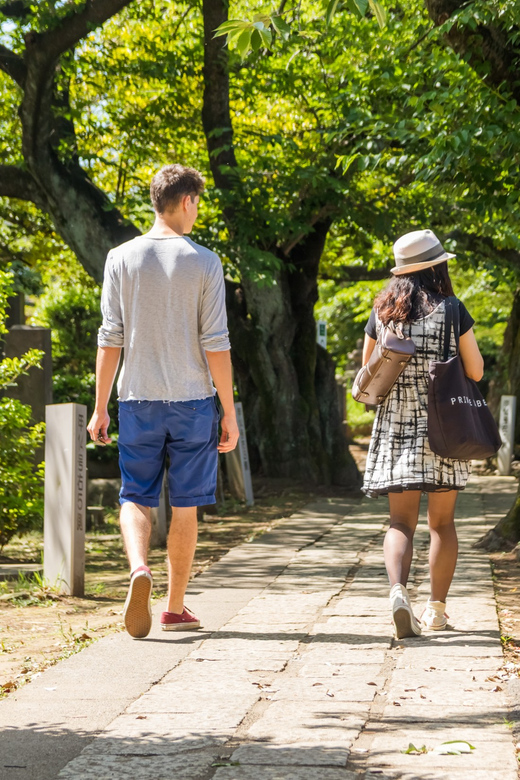
- Yanaka Reien cemetery, one of Tokyo’s largest (7,000 tombstones), plus spring cherry blossom viewing views
- Nezu Shrine built in 1706 by the fifth Tokugawa shogun, with the kind of details you miss on your own
- Yanaka-Ginza street time, a real old-style shopping stretch where snacks and sweets often come into play
- A “Yanesen” route through Yanaka, Nezu, and Sendagi, so you get more than one quick photo stop
- Small group (8 max) and a live English guide, meaning more Q and less wandering in circles
Why Yanaka and Yanesen Feel Like Old Tokyo
Yanaka is one of the easiest neighborhoods in Tokyo to visit if you want fewer skyscrapers and more “this is what Tokyo used to feel like.” The tour frames it as Yanesen, the old district idea built around Yanaka, Nezu, and Sendagi from the Edo period. That matters because you’re not just hopping between landmarks. You’re walking a pattern, seeing how the streets, slopes, and small streets connect.
I like that Yanaka also has a strong seasonal element. Even if you are not there for cherry blossoms, the cemetery area is famous for spring views. And the tour’s pacing makes room for those slow moments, like standing at a slope where you can look out over a maze of pathways and rooftops that feels time-stopped.
Another thing that clicks here is the atmosphere. This area has drawn Japanese writers for inspiration over the years, and the “old Tokyo” vibe is not just a marketing phrase. You’ll feel it in how quiet the side streets get once you’re off the main routes, plus how many small houses still look tucked behind tiny garden spaces.
More Walking Tours in Tokyo
- Tokyo Tsukiji Fish Market Food and Culture Walking Tour
★ 5.0 · 3,184 reviews - Tokyo: Shinjuku Local Bar and Izakaya Guided Walking Tour
★ 4.9 · 1,794 reviews - Tokyo: Tsukiji Fish Market Food and Walking tour
★ 5.0 · 1,724 reviews
Nippori Meeting, 210 Minutes of Walking, and the Shoe Check
You start at JR Nippori station, north gate (北改札). This is practical. Nippori is straightforward to find, and the tour begins with a clean jump-off point instead of a confusing scavenger hunt.
The tour runs about 210 minutes, so it’s long enough to be satisfying, short enough to keep your day flexible. Still, this is not a sit-and-smile experience. The walking is described as moderate, and the terrain includes slopes, plus cemetery ground that is not flat like a park path.
So before you go, do the common-sense prep:
- Wear comfortable shoes you can walk in for a while
- Think about your energy. This is not a wheelchair-friendly route, and it is not recommended for people with heart complaints or other serious medical conditions
- Plan to move at a steady pace with the group, since it’s a guided walk
Also, double-check the rules for where you put your shoes. Shoes indoors are not allowed, so you’ll likely deal with common Japanese footwear transitions. That’s normal, just not optional.
Tennōji Temple: A Quick Stop That Changes the Pace
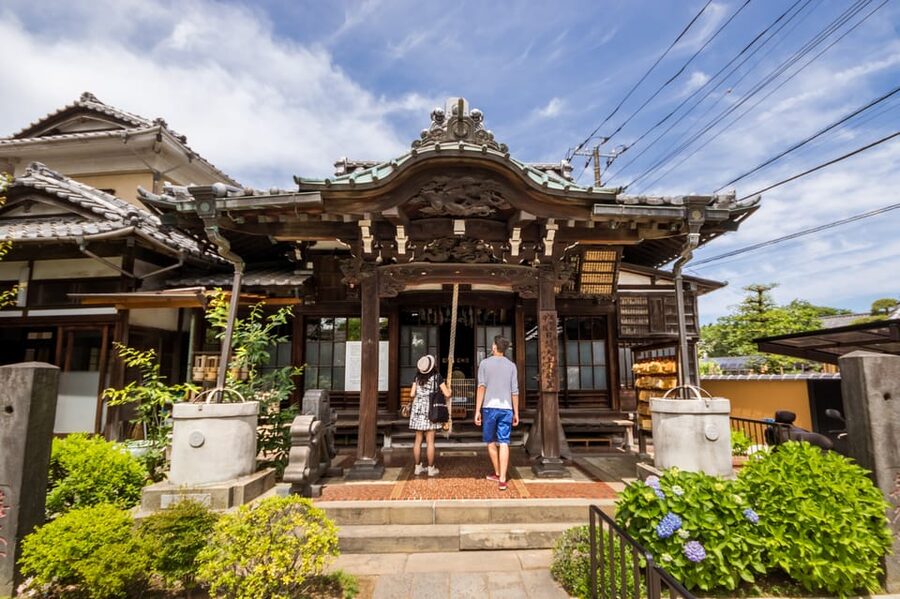
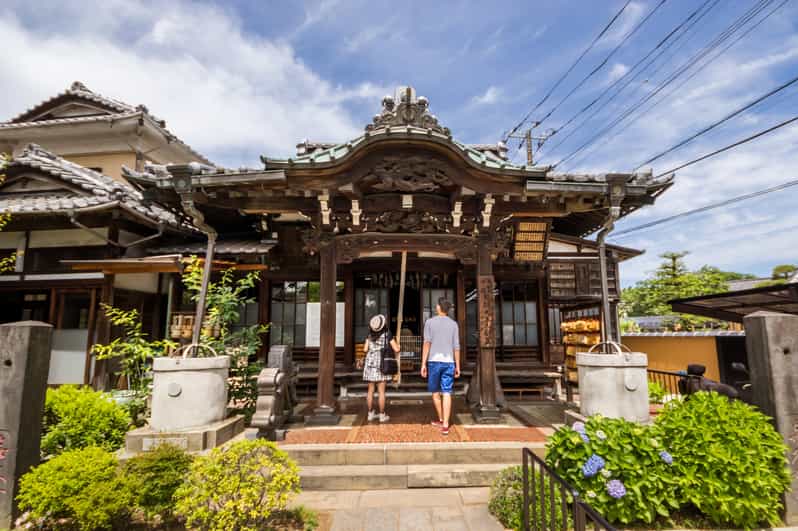
One of the early planned moments is Tennōji Temple, with about 20 minutes there. Even with just that time, the value is that it acts like a gear shift. You’re not going from station to shrine without a reset. You get a calm interlude before the tour leans into the more emotional space of the cemetery.
Temples in neighborhoods like this often reward a guide-led stop because you get context: what you’re looking at, why it matters, and what locals pay attention to. With a live English guide, that context helps you avoid the frustrating experience of staring at something and guessing.
If you tend to rush through religious spaces, this is one of the reasons I’d consider this tour. It gives you time to slow down without eating your whole afternoon.
Yanaka-Ginza and Snack Time on Old-Style Streets
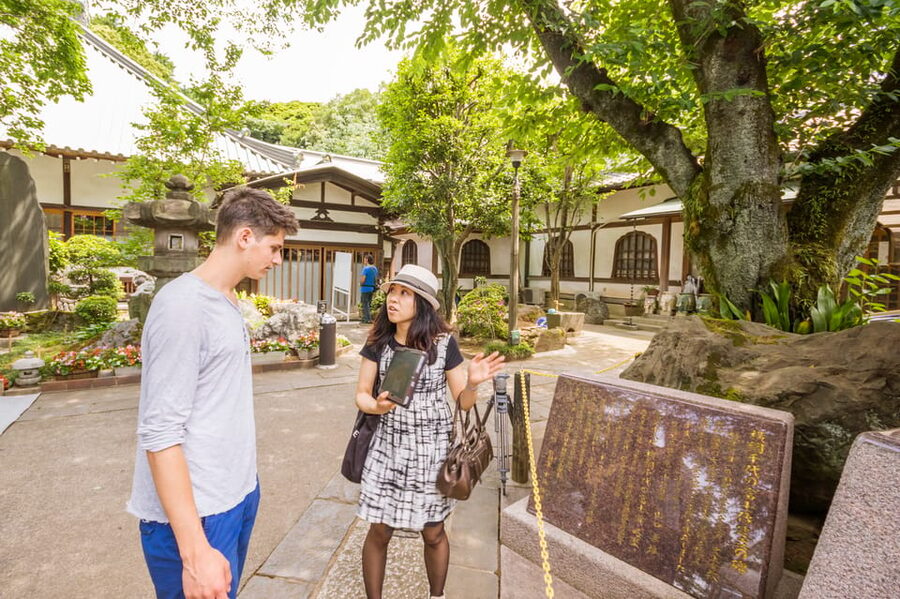
After the temple pause, the route swings toward Yanaka-Ginza, the old-style shopping street that gives this neighborhood its everyday texture. This is where the tour becomes more than sightseeing. It becomes street-level Tokyo.
The highlights call out sampling local foods and delicious sweets. At the same time, the tour information lists food and drinks as not included. In practice, that usually means you’ll have opportunities to try items, but you should be ready for the idea that anything you purchase is on you. I’d treat this as a “budget for snacks” tour rather than a “free lunch” tour.
This part also helps you understand Yanaka beyond the postcard version. In a place like this, shopping streets are how communities signal identity. You’ll likely notice the smaller scale of shops, the absence of big flashy signage, and the way people move through the area at a human pace.
And based on the guide quality people highlight, this segment is often where questions get answered. Guides like Mikko and Sumiko are praised for taking people to spots they would not find alone, which is exactly what you want when a shopping street is involved.
A few more Tokyo days to weigh up
- Tokyo: Asakusa Walking Tour with Sensoji Temple Visit
★ 4.8 · 1,583 reviews - Tokyo: Tsukiji Fish Market Guided Walking Tour
★ 4.9 · 1,397 reviews - Tokyo Castle & Imperial PalaceーShogun Walking Tour
★ 4.7 · 1,068 reviews - Tokyo: Imperial Palace Japanese History Walking Tour
★ 4.9 · 987 reviews
Yanaka Reien Cemetery: 7,000 Tombstones and Real Quiet
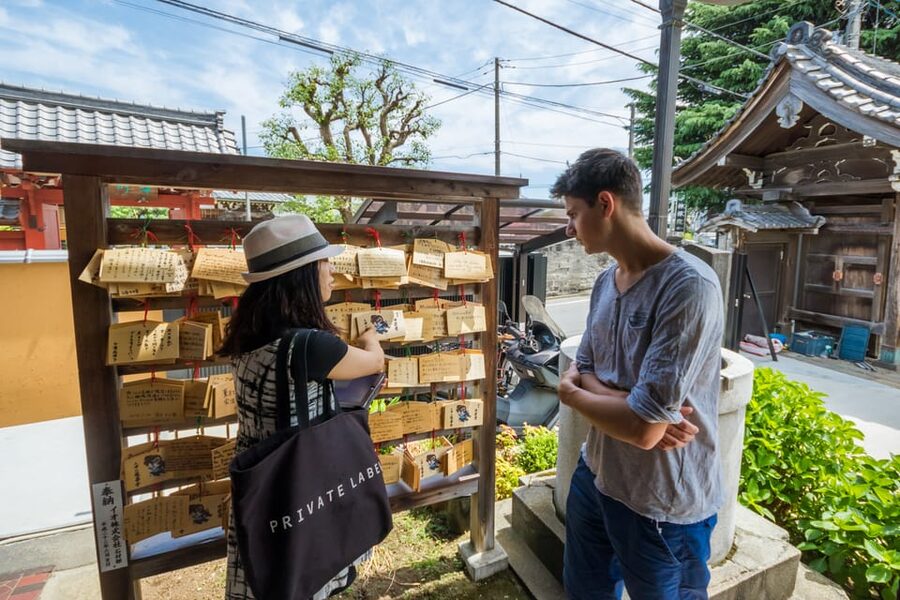
The big centerpiece is Yanaka Reien, described as one of Tokyo’s largest cemeteries with 7,000 tombstones. If you are expecting a “gloomy attraction,” don’t. The way the cemetery fits into the neighborhood is more like a slow, reflective walk through a long human story.
One reason this stop earns strong praise is that it’s not just numbers and facts. The cemetery setting often includes viewpoints from slopes, and you may get moments where the view turns into something almost maze-like, pathways stretching out below you. That ties back to the feeling of traveling back in time.
A note from past guests: the cemetery visit can include a stop connected to the grave of the last shogun. Even without going heavy on the political details, it’s the kind of moment that makes the area feel sharper and more specific, not just historic.
And if you’re timing your trip for seasons, the cemetery’s spring reputation matters. It’s known for cherry blossom viewing, so you’ll get the best of both worlds here: the solemnity of the cemetery and the beauty people come for during blossoms.
Nezu Shrine, Built in 1706, and the Power of Guided Details
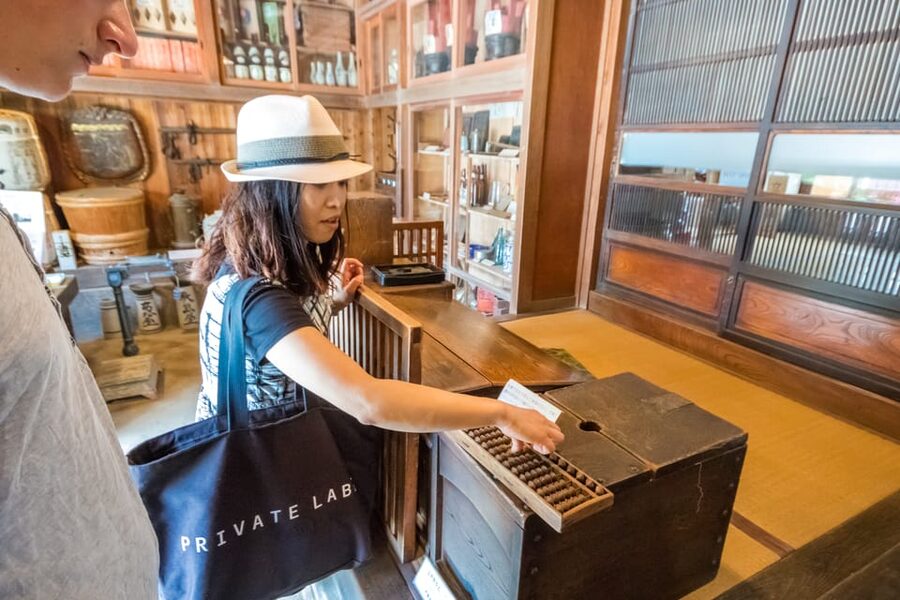
Next comes Nezu Shrine, built in 1706 by the fifth Tokugawa shogun. That date is not trivia you forget. It gives the shrine a real timeline. It also helps you understand that this is not a modern stop dressed up to look old. You’re looking at a place with centuries behind it.
A good shrine visit is about proportions and attention. On your own, you might notice the gate or a main building and miss smaller elements. With a guide, you can learn what to look for and why. That’s one reason English narration matters here. People come out of this tour saying the guide explains what they are seeing in a way that connects to Japanese culture, not just a checklist.
You may also catch seasonal color. One past group noted visiting when azaleas were in bloom, and that kind of detail changes the whole mood of a shrine area. You cannot count on any specific bloom date, but if you happen to arrive during a pretty stretch, the shrine can feel extra memorable.
Guides That Make the Whole Walk Click
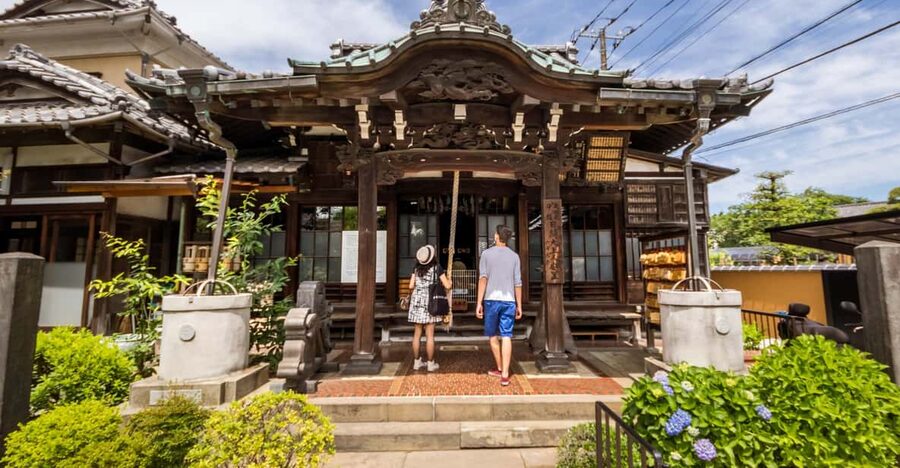
This tour is live guided and small, capped at 8 participants. That structure matters because it keeps the walk personal. You are less likely to get lost, and you’re more likely to get your questions answered without feeling rushed.
Past guests named several guides who stood out for specific traits. Michiko was praised for being energetic and kind, even with kids. Kaori earned strong recommendations for delivering a smooth, satisfying experience. Arika was described as delightful, and Yoshimi as world-class in explaining history and culture. Others like Rie, Sumiko, and Mikko were repeatedly praised for being friendly, answering questions, and showing route choices you would probably never find on your own.
Even if you do not care about the specific names, the pattern is consistent: people feel guided in a way that stays human. That is a big deal when you are walking an older neighborhood with lanes that can look similar from a distance.
Value Check: Is $83 for 3.5 Hours a Smart Buy?
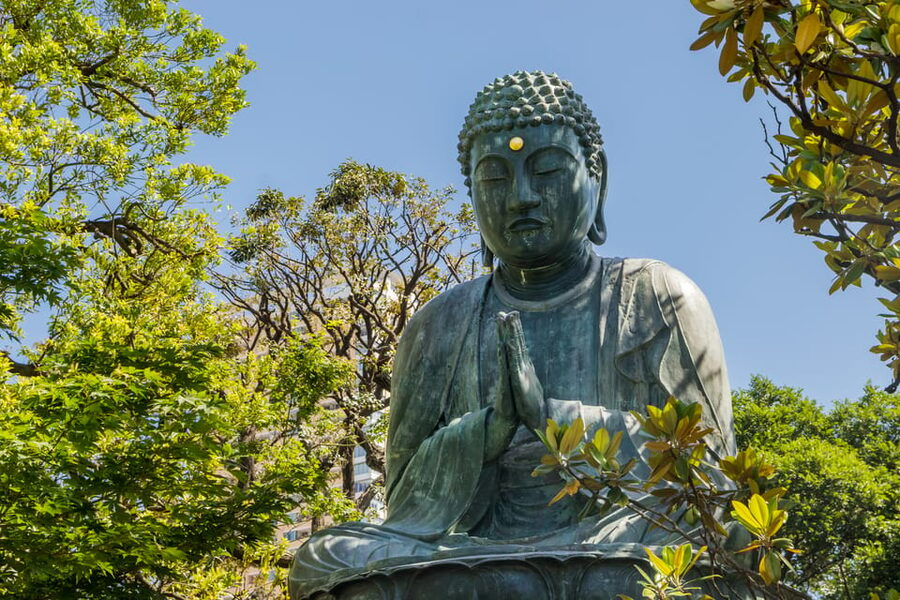
At $83 per person for about 210 minutes, the price is not bargain-basement, but it also isn’t excessive for what you get if your goal is interpretation plus access to key stops.
Here’s what you’re really paying for:
- A professional guide who speaks English
- A small-group format (max 8)
- A walking route that strings together major stops like Tennōji Temple, Yanaka Reien cemetery, and Nezu Shrine
- Time on Yanaka-Ginza, where you can sample snacks and sweets
The one cost caveat is that food and drinks are not included. If you expect everything edible to be covered, you could feel surprised. But if you plan to buy a couple items anyway, this becomes a fair trade for the guided time.
If you like neighborhoods more than big-ticket monuments, this is one of the more sensible “use your limited time” choices in Tokyo.
Who This Yanaka Tour Suits Best (and Who Might Want to Skip It)
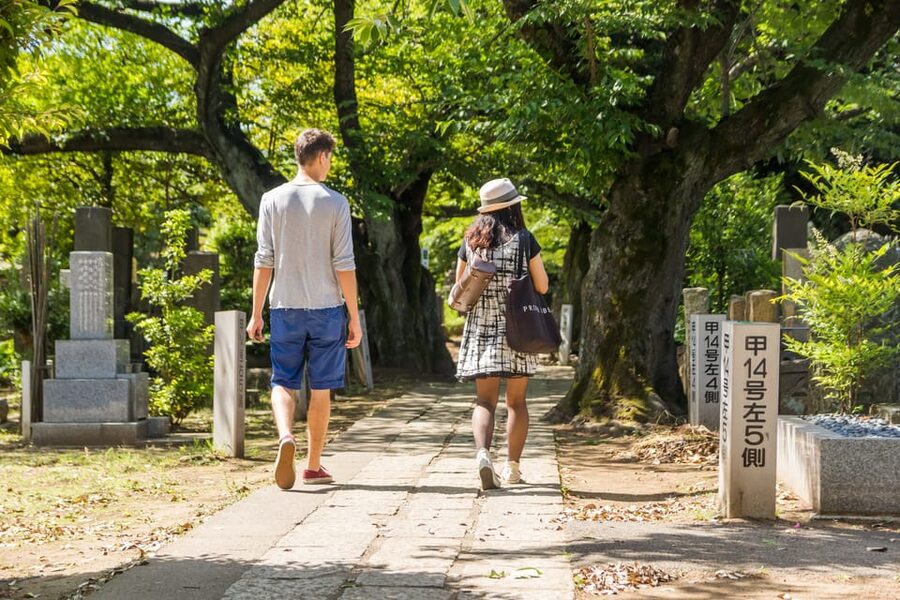
This is a great fit if you want:
- Old Tokyo atmosphere, with Edo-era neighborhood streets
- A calmer alternative to the busiest sightseeing circuits
- Cultural context delivered by a live English guide
- A “half-day you can feel” experience, not a rushed bus tour
It may not be the best choice if you:
- Need wheelchair-friendly access, since wheelchair users are not suitable for this activity
- Have heart complaints or serious medical conditions, since it’s not recommended
- Prefer minimal walking, because the route is described as involving moderate walking
- Have trouble with terrain and the rules around shoes indoors
Also, the vibe includes a cemetery stop. If cemeteries make you uncomfortable, consider whether the tone feels right for your travel style.
Should You Book This Old and Nostalgic Tokyo Yanaka Walking Tour?
I’d book it if you are the type of traveler who loves walking to understand a place. The combination of Yanaka Reien, Nezu Shrine, and Yanaka-Ginza gives you both perspective and texture, and the small-group format keeps it from turning into crowd-control.
I would not book it if your day is built around low physical effort, or if health or mobility limits make moderate walking a bad plan. And if you hate spending on snacks while traveling, treat this as a guided tour with optional purchases, not a full meal deal.
If you want Tokyo with fewer high-rises and more lived-in history, this half-day route is an easy yes.
FAQ
How long is the Old and Nostalgic Tokyo Yanaka Walking Tour?
The tour lasts about 210 minutes, which is roughly 3.5 hours.
Where do I meet the tour guide?
You meet at JR Nippori station, north gate (北改札).
What language is the tour guide?
The tour is conducted in English with a live tour guide.
How many people are in the group?
The group is small, limited to 8 participants.
Is food and drinks included?
Food and drinks are listed as not included. The experience includes opportunities to sample local foods and sweets, but you should plan to pay if you purchase items.
What should I bring?
Bring comfortable shoes for the walking portion.
Is the tour suitable for wheelchair users?
No. The activity is not suitable for wheelchair users.
Newly listed around Tokyo
- Tokyo: FC TOKYO Football Game at Ajinomoto Stadium★ 4.8 · 58 reviews
- Expert Anime Guide in Akihabara with a maid witch★ 4.9 · 19 reviews
- Experience Crafting a Flower-Adorned Mini Japanese Garden★ 4.7 · 15 reviews
- Exclusive Tokyo Ramen Kitchen Experience★ 4.7 · 34 reviews
- Eat/Drink like a LOCAL-Taverns & Ramen★ 4.9 · 23 reviews
- Private Edo-Tokyo Open Air Architectural Museum Tour★ 4.8 · 15 reviews
- Nikko: Edo Wonderland Edomura Cultural Theme Park Ticket★ 4.3 · 205 reviews
- Discover Japanese Coffee Brewing Experience at Tokyo★ 4.9 · 8 reviews
Walking Tours, compared.
Kyoto Geisha Walking Tour: Gion District & Hidden Gems
Read our review →
Tokyo Tsukiji Fish Market Food and Culture Walking Tour
Read our review →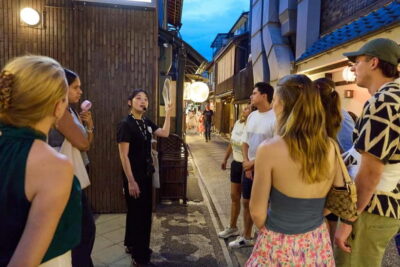
Gion Geisha District Walking Tour – Stories of Geisha
Read our review →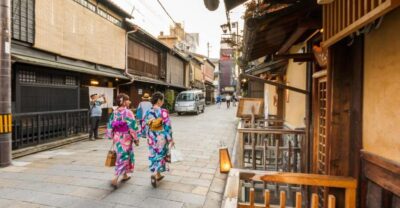
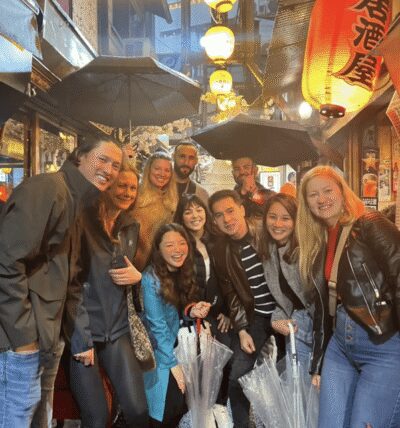
Shinjuku Local Bar and Izakaya Guided Walking Tour
Read our review →
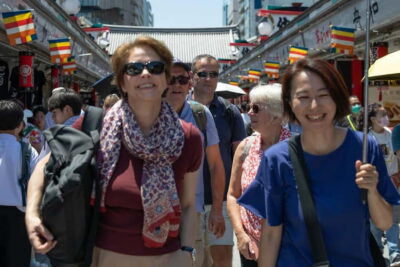
Asakusa Walking Tour with Sensoji Temple Visit
Read our review →
Kyoto Gion Geisha District Walking Tour – The Stories of Geisha
Read our review →Browse the lists this tour appears in