
Review · JAPANESE CRAFT WORKSHOPS
Osaka Calligraphy Experience
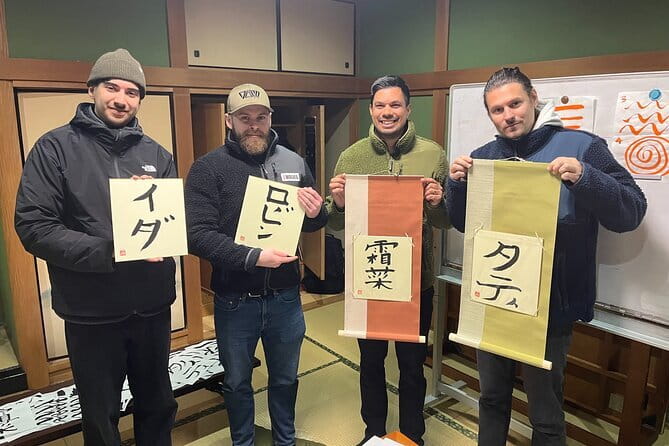
Ink and kanji make time fly in Osaka. This Osaka calligraphy experience turns Shodo into something you can actually do, starting with tools and technique and ending with you writing your name in Japanese. I loved the personalized guidance from Masato-sensei, who makes brush control feel simple even if your strokes start shaky. One consideration: it is a focused hands-on class, so it is not the best fit if you want a casual, sightseeing-first afternoon.
What you leave with matters. By the end, you take home your finished calligraphy piece, so the lesson does not disappear the moment you walk out the door. And since the class works for both beginners and more experienced learners, you can join with confidence and still feel challenged at your own level.
You meet at レンタルスペース Lien (リアン) in Nishishinsaibashi at 2:00 pm for about 2 hours. It uses a mobile ticket, and the group is kept small, with a maximum of 4 travelers.
In This Review
- Key things to know before you write your name in Japanese
- Finding レンタルスペース Lien (リアン) in Nishishinsaibashi
- Why Shodo feels different in a 2-hour class
- Tools, history, and the brush demo that sets you up for success
- Practice time: building kanji or hiragana confidence
- The highlight: turning your name into calligraphy
- Your take-home keepsake, and how to keep it meaningful
- Price and value: why $66 can be worth it
- What the small group setup changes for you
- Who should book this Osaka calligraphy class
- Should you book the Osaka Calligraphy Experience?
- FAQ
- What is the duration of the Osaka Calligraphy Experience?
- Where is the meeting point?
- What time does the class start?
- Is this class limited to a large group?
- Do I need to know Japanese calligraphy already?
- What will I make during the class?
- Do I get to take anything home?
- Is a mobile ticket used?
- What is the cancellation policy?
Key things to know before you write your name in Japanese
- Small group format (max 4 travelers), so you are not stuck watching from the sidelines
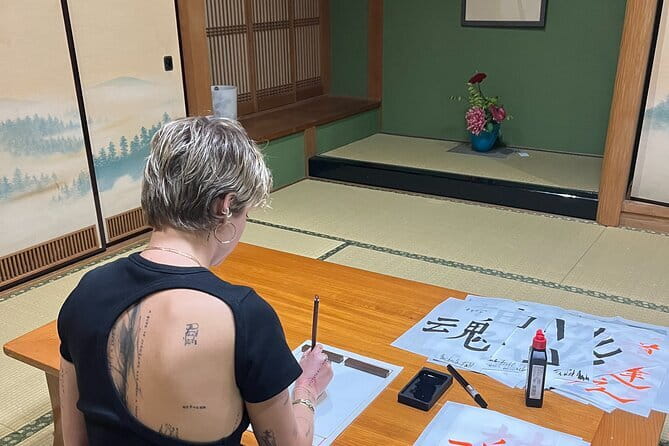
- Masato-sensei guidance on brush movement and pressure control, with patient, clear coaching
- Start with simple hiragana or kanji to build confidence step by step
- Learn stroke balance and ink control so your characters look intentional, not accidental
- Take home your completed calligraphy piece as a real souvenir, not a photo moment
- Write your name in Japanese as the highlight you can proudly practice later
Finding レンタルスペース Lien (リアン) in Nishishinsaibashi
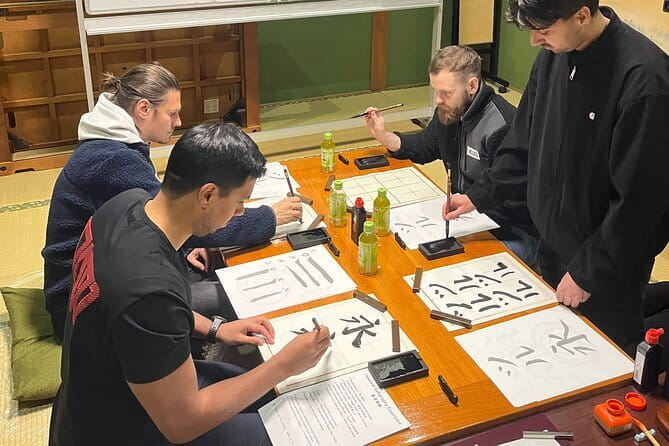
The location is in Chuo Ward, near Nishishinsaibashi, and the meeting point is at レンタルスペース Lien (リアン), 3F (2-chome 4-9). If you like arriving a few minutes early, this is a good choice, because you will get settled before the class starts.
The good news is that it is close to public transportation. Osaka neighborhoods can be a maze when you are walking without a plan, so being near train and subway stops matters. It also helps that the class is scheduled for 2:00 pm, which is a sweet spot for many itineraries. You can do a morning activity, eat lunch, then slow down for something meaningful in the afternoon.
Because it is in a rental space, the vibe is typically calm and practical. This is not a big theater. You will be sitting close enough to actually learn the motion, ask questions, and compare what you are doing to what the instructor demonstrates.
More Craft Workshops in Osaka
- Osaka: Tea Ceremony, Calligraphy, and Kimono Experience
★ 4.9 · 130 reviews - Kamigata Ukiyoe Museum:Ukiyo-e Woodblock Printing Experience
★ 4.9 · 79 reviews - Osaka: Private Japanese Calligraphy Experience
★ 5.0 · 66 reviews
Why Shodo feels different in a 2-hour class
Japanese calligraphy is not just about writing. It is about how you control your hand, your breath, and your attention. The structure here supports that idea. You start with an introduction to the history and tools, then you do the part that matters most, practicing strokes with coaching.
In a class like this, the best progress comes from two things: quick feedback and repetition. That is why the class cap of 4 travelers is such a big deal. You get more than a generic demo. You get the feeling that someone is watching your strokes and steering you toward better brush pressure and movement.
Also, the session is paced so beginners do not feel lost, but more advanced learners still get something useful. The “write your name in Japanese” goal gives everyone a reason to focus, and it is usually the moment people realize calligraphy is less about talent and more about technique.
Tools, history, and the brush demo that sets you up for success
The session begins with a short intro to the history of calligraphy and the tools used. Even if you already know a bit, this is a helpful reset. It frames what you are about to do as a disciplined art, not just pretty writing.
Then comes the part that helps you immediately: a demonstration of proper technique. You learn how brush and paper work together, and you get the key movements explained in plain language. This is where Masato-sensei’s teaching style shows up. People consistently mention that his explanations are clear and that he makes the learning process feel easy and fun, without rushing you.
Here is what you should watch for during the demo:
- Brush angle matters more than you expect
- Pressure control changes how strokes look and feel
- Stroke balance is about how the whole character holds together
You do not need to memorize everything at once. The instructor’s approach is step-by-step, and that matters because brush work is physical. It takes a few tries to translate instructions into motion.
Practice time: building kanji or hiragana confidence
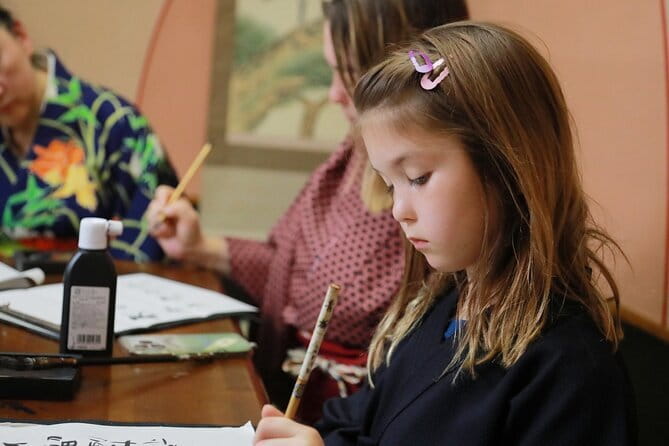
After the setup, you start with simple characters. The class mentions beginning with kanji or hiragana, which is important for your expectations. If you are a total beginner, you are not thrown straight into complicated characters. You get the confidence-building foundation first.
This phase is also where you learn how Shodo thinking works:
- Start with intent, then execute
- Keep your stroke rhythm steady
- Treat each movement as part of a single controlled action
Because you are learning ink control and stroke balance, you will likely notice that even small corrections improve the overall look. That is one reason beginners often have an “I can do this” moment during practice, and why more experienced students may find the coaching useful too.
The class tone stays patient. Reviews highlight how the teacher is calm, responsive, and willing to guide you through the process. That kind of instruction is especially valuable in calligraphy, where the goal is not speed, it is accuracy and clarity.
A different sort of day in Japan:
- Osaka Go Karting Tour with Funny Costume
★ 5.0 · 2,658 reviews - Osaka Castle: Museum and Tower Entry Ticket
★ 4.5 · 2,380 reviews - Osaka: Shinsekai Food Tour with 13-15 Dishes at 5 Eateries
★ 4.8 · 2,204 reviews - Osaka Food Tour: 13 Dishes at 5 Local Eateries
★ 5.0 · 2,149 reviews
The highlight: turning your name into calligraphy
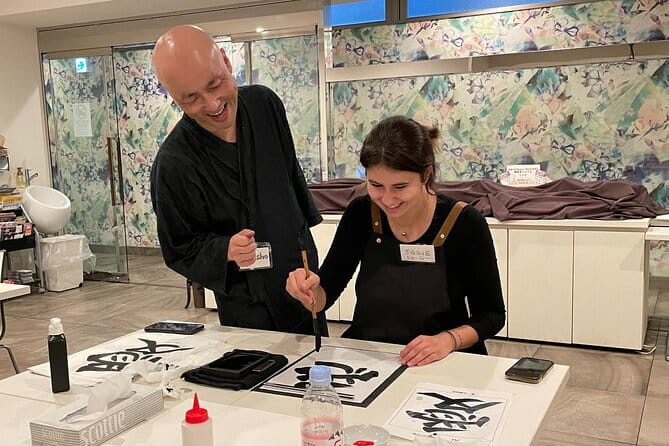
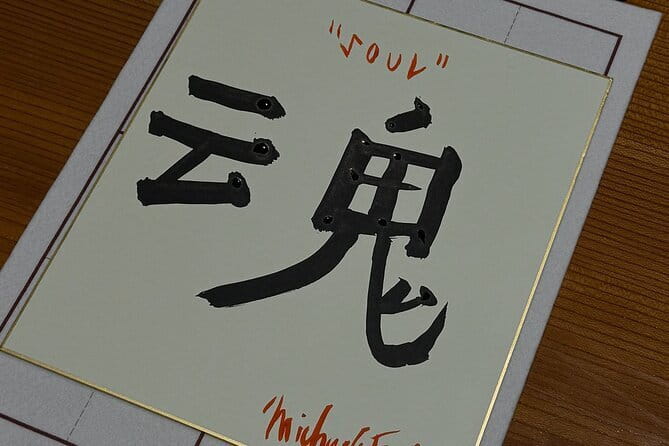
This is the main event: creating your own name in Japanese calligraphy. The session treats this like more than a craft project. You get step-by-step instruction so your name becomes your personal piece, not just a copied worksheet.
For most people, this is the part that feels most satisfying. You came to learn Japanese calligraphy, and then suddenly you are not practicing abstract strokes anymore. You are applying technique to something that matters to you.
Also, because you start with simple characters before your name, the transition feels natural. You have already practiced the basics of brush movement and pressure control, so when you write your name, you are building on something real.
Practical tip: slow down in the moment you start each character. Calligraphy rewards patience. If you rush, the stroke usually tells on you.
Your take-home keepsake, and how to keep it meaningful
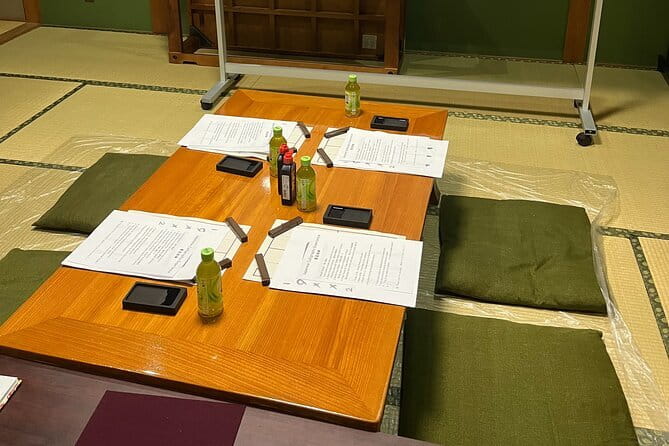
At the end of the session, you take home your completed calligraphy piece. That turns the class into a souvenir with personal value. You are not leaving with just a memory. You are leaving with something you can display, gift, or keep as proof you learned a real skill.
It also helps that the class outcome is specifically your name in Japanese calligraphy. Even if your name is written in a way that feels new to you, it still becomes yours in a way generic souvenirs never do.
If you are buying this as a gift, that personal angle is huge. One review mentions using the calligraphy experience as a girlfriend gift, and the result was described as wonderful. That makes sense. A handwritten, personalized keepsake hits different than most tourist items.
When you get home, a simple way to extend the experience is to practice again with the same focus on stroke balance and pressure control. Even a few minutes of replaying the motions can bring back the lesson.
Price and value: why $66 can be worth it
The price is listed at $66 for about 2 hours. For calligraphy, that is a reasonable rate considering what you receive: guided instruction, coaching on technique, and a finished piece to take home.
The value comes down to three practical parts:
- You get one focused activity with a clear outcome
- You get coaching, not just a passive demonstration
- You leave with a personalized keepsake tied to your name
If you compare this to paying for a museum visit plus a generic workshop with no real instruction, this class is more direct. It is also good value if you have limited time in Osaka. A 2-hour session fits into a travel schedule without turning into a full-day commitment.
And because the class is capped at 4 travelers, you are paying for a more personal learning environment. That is where the money often feels well spent.
What the small group setup changes for you
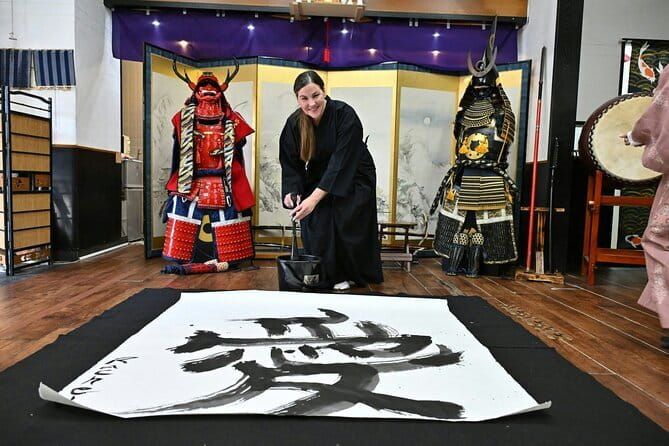
With a maximum of 4 travelers, you are not competing for attention. That is the difference between a workshop where you wonder if your instructor even saw your strokes, and a class where you know you are being guided.
In practice, this often means:
- More chances to ask quick questions
- More feedback on brush movement and pressure control
- More chances to correct early habits before they get locked in
It also keeps the energy relaxed. Calligraphy can be intimidating at first, especially if you think you need to be good at art. A small group makes it easier to stay calm and focused, and it makes it less awkward to try again when a stroke does not come out as you hoped.
Who should book this Osaka calligraphy class
This experience is a strong match if you want a cultural activity that is hands-on and specific. You learn technique, and you leave with an actual result you can display or gift.
It is also a good choice if:
- You are traveling solo and want a guided activity with conversation
- You enjoy classes where you practice, not just observe
- You like the idea of writing your name in Japanese as a souvenir
- You want beginner-friendly instruction that still respects skill levels
If you are the type who wants constant sightseeing, this might feel too focused. You are spending the time learning strokes. That is the point, but it is worth saying out loud.
Should you book the Osaka Calligraphy Experience?
If you want a meaningful, skill-based souvenir and you like the idea of learning Shodo basics in a structured way, I think you should book it. The combination of Masato-sensei’s patient instruction, the small group size, and the clear end goal, writing your name in Japanese, makes it easier to feel satisfied by the end of the class.
If you hate hands-on activities or you are hoping for a quick photo stop, consider passing. This is about learning and doing. You will do more than look. You will hold the brush and make the character.
One last practical note: if you are planning to buy it as a gift, the personalized keepsake angle is a big win.
FAQ
What is the duration of the Osaka Calligraphy Experience?
It runs for about 2 hours.
Where is the meeting point?
You meet at レンタルスペース Lien (リアン) Japan, 〒542-0086 Osaka, Chuo Ward, Nishishinsaibashi, 2-chome 4-9 3F.
What time does the class start?
The start time is 2:00 pm.
Is this class limited to a large group?
No. The class has a maximum of 4 travelers.
Do I need to know Japanese calligraphy already?
No. The session is designed for beginners and advanced learners alike, and you start with simple characters such as kanji or hiragana.
What will I make during the class?
You create a completed calligraphy piece, and the highlight is writing your name in Japanese.
Do I get to take anything home?
Yes. You take home your finished calligraphy piece.
Is a mobile ticket used?
Yes. The experience uses a mobile ticket.
What is the cancellation policy?
Free cancellation is available up to 24 hours before the experience starts for a full refund.
Newly listed around Osaka
- 2 Hours of Bar Hopping in Osaka Style★ 5.0 · 22 reviews
- Same-Day Osaka Food Crawl with local food and Hidden gems★ 5.0 · 114 reviews
- Osaka Authentic Local Izakaya Hopping Experience: Food & Drinks★ 5.0 · 99 reviews
- Well-balanced BENTO (lunch box) Cooking Class★ 5.0 · 35 reviews
- Anime Cosplay Photshoot-50 Digital Photos Provided★ 5.0 · 8 reviews
- OSAKA:Feel the Power! Learn Taiko Drum from Professionals★ 5.0 · 28 reviews
- Three Types of Ramen Cooking Class in Osaka★ 5.0 · 119 reviews
- Urban Canvas: Osaka Street Art Bike Tour★ 5.0 · 47 reviews
Japanese Craft Workshops, compared.
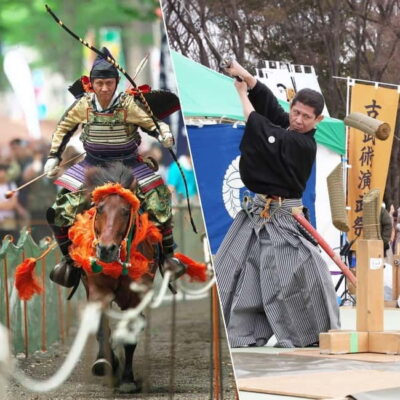
Samurai Sword & Archery Class from Samurai Descendant
Read our review →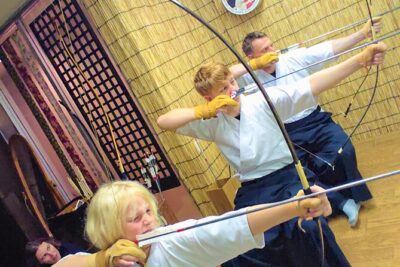
Japanesel Archery Experience HIROSHIMA CASTLE SHARAKU
Read our review →
Authentic knife making experience at a blacksmith in Kyoto
Read our review →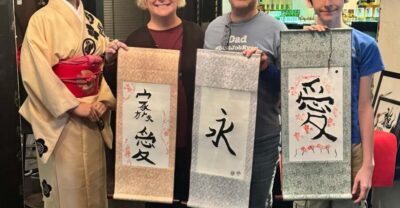
Browse the lists this tour appears in