
Review · SUSHI COOKING WORKSHOPS
Osaka Dotonbori: Hand Roll Sushi Experience
Two hours, one sushi arm workout. This hand-roll sushi lesson in Osaka is interesting because you learn the basics of sushi, then actually roll your own pieces while watching the Dotonbori River from a tatami room. I really liked the real wasabi tasting and the hands-on rhythm of making te-maki (hand-rolled sushi) yourself. The one thing to consider is that you might not get to pick every ingredient, so picky eaters may want to plan for what shows up.
Even in the middle of the busy Dotonbori area, the setup feels calm once you’re inside. The class runs in English, twice daily (12:00 and 14:00), and lasts about two hours, with all tools and ingredients handled for you. The location is easy enough to find once you know the trick, entrance on the main street, then up to the 2nd floor.
In This Review
- Key things to know before you go
- Osaka’s Dotonbori River View, But Make It Sushi Class
- Finding 海鮮物語道頓堀店 on Dotonbori’s Main Street
- The 2-Hour Flow: Rice, Wasabi, Then Your Own Hand Rolls
- 1) Sushi basics, then sushi rice work
- 2) Real wasabi tasting
- 3) Hands-on hand-rolled sushi
- Sushi Rice: Why Vinegar Mixing Is More Than a Step
- The Wasabi Tasting That Turns Expectations Upside Down
- Rolling Your Own Hand Rolls: Nori, Rice, and Getting the Shape Right
- Tatami Comfort and Group Energy
- Price and Value: 8,000 Yen for Two Hours of Sushi Skill
- Who This Is Perfect For (and Who Might Want to Rethink)
- Should You Book This Dotonbori Hand-Roll Sushi Lesson?
- FAQ
- What is included in the hand-roll sushi experience?
- How much does it cost?
- Where does the experience take place?
- When does the experience run?
- How long is the activity?
- Is the class taught in English?
- What should I bring?
- Is there a place to see the Dotonbori River during the class?
- Is wasabi included, and is it real wasabi?
- Do I need to pay for food separately?
- What kind of environment is inside the building?
Key things to know before you go
- Wasabi tasting first-hand: You’ll smell and taste real wasabi, not the mild stuff people expect.
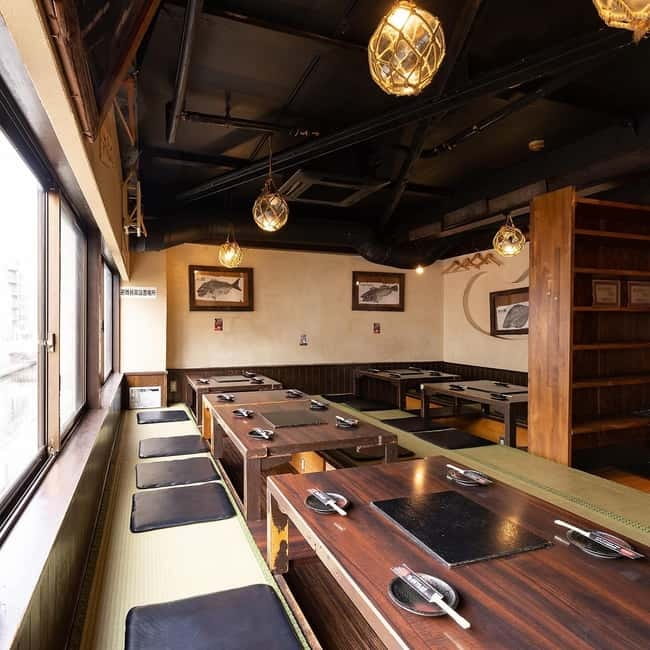
- Tatami room with river views: Your rolling breaks come with a view of Dotonbori along the water.
- You’ll learn sushi rice technique: The vinegar mixing process is part of the lesson, not just a lecture.
- All tools and materials included: You’re not hunting for gear, and you get guided setup for rolling.
- 2 sessions per day, 2 hours each: Plan your timing so you do not get stuck with a late change of plans.
- Soft drink included: It’s a small extra, but it helps during the hands-on flow.
Osaka’s Dotonbori River View, But Make It Sushi Class
Osaka’s Dotonbori is famous for food and neon energy, but this experience slows you down on purpose. You sit in a tatami room and build sushi by hand, which means you are not just eating, you are learning how flavors and textures work together. And because you’re tucked into the building above the main street, you get a different feel from the sidewalk chaos.
What makes this class work well is that it mixes “how it’s made” with “why it tastes the way it tastes.” You start with the idea of sushi, then you move into rice, then wasabi, then rolling. That order matters. If you only roll at the end, you miss the logic. If you only hear about rice, you miss the fun. Here, you do both.
The river view is a bonus that actually changes your mood. Sushi classes can feel cramped when you’re standing over a counter, but here you get a room to settle in. I also like that you get an English-language guide format, so you can follow what matters without guessing.
More Sushi Workshops in Osaka
- Sushi Making Osaka! Popular Sushi Class in Japan!
★ 5.0 · 500 reviews - Osaka Sushi Making Experience
★ 5.0 · 400 reviews - Osaka: Roll and Authentic Sushi Making Class in Dotonbori
★ 4.9 · 239 reviews
Finding 海鮮物語道頓堀店 on Dotonbori’s Main Street
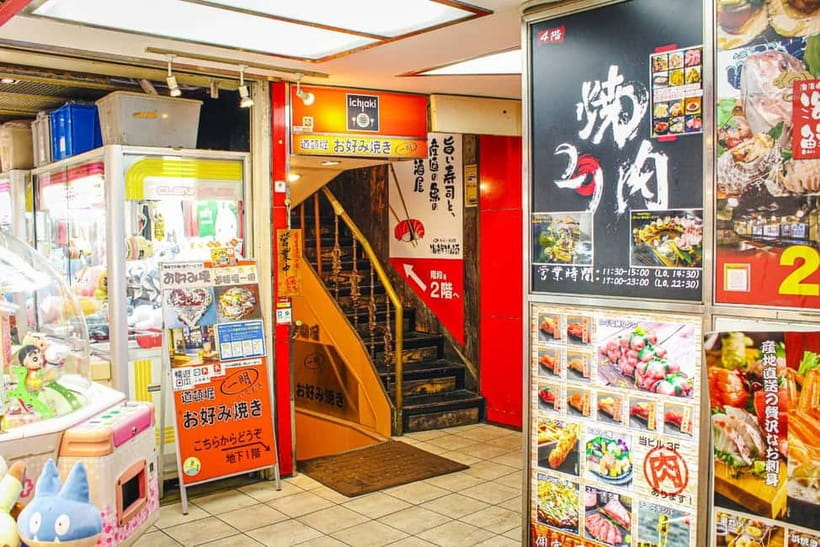
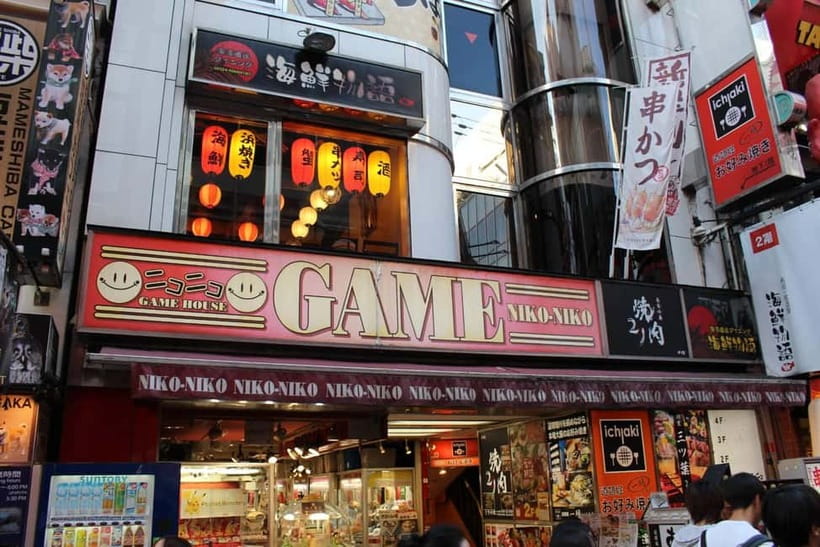
Location is simple once you know the building details. The meeting point is at 海鮮物語道頓堀店にお越しください. The experience itself is on the 2nd floor of the Nico Building at 1-6-12 Dotonbori, Chuo-ku, Osaka.
A couple practical notes:
- Entrance is on the main street, so you should not have to wander through side alleys to start.
- There’s a game arcade on the first floor of the building. That helps you orient yourself, especially if you spot a lot of activity downstairs.
- You’ll go up to the 2nd floor for the tatami room experience.
Bring the basics they ask for: hat, camera, water, and comfortable clothes. You do not need fancy clothes, but you do want something easy to move in while you’re rolling. Also, water matters because wasabi can be surprising, and eating should feel good, not rushed.
The 2-Hour Flow: Rice, Wasabi, Then Your Own Hand Rolls
This is a structured class, and that’s part of the value. It runs twice per day, at 12:00 and 14:00, and each session lasts about two hours. You can pick the time that fits your day in Osaka, whether you want an early food stop or a mid-afternoon activity.
Here’s what you do in the order that makes sense:
1) Sushi basics, then sushi rice work
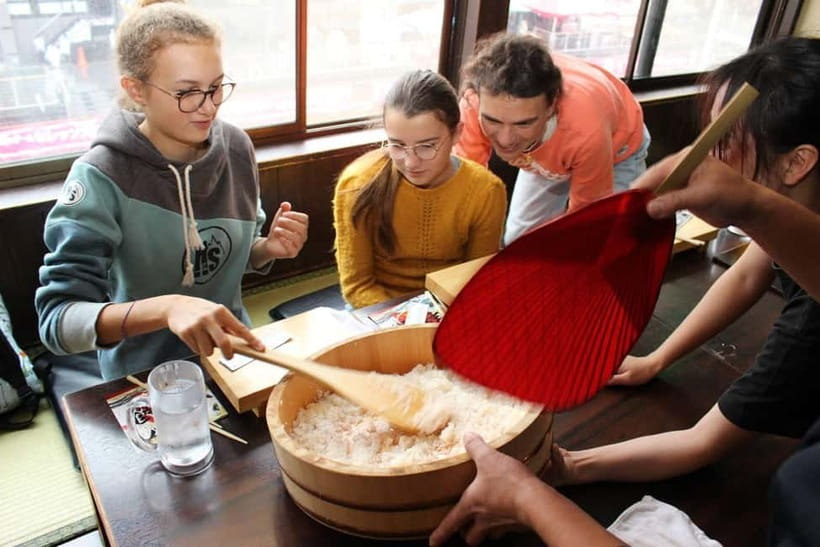
You begin with an introduction to sushi, then get into making sushi rice. The lesson includes why Japanese rice tastes the way it does, and how to mix vinegar with rice properly. Even if you already know sushi exists, the rice part usually changes how you look at it. Rice is not just filler. It’s the foundation of the balance between seasoning and texture.
A practical point: rice work can be hands-on and a little messy, so do not wear anything you will regret getting a bit sticky. This class is set up for it, and tools and materials are included.
A different sort of day in Japan:
- Osaka Go Karting Tour with Funny Costume
★ 5.0 · 2,658 reviews - Osaka Castle: Museum and Tower Entry Ticket
★ 4.5 · 2,380 reviews - Osaka: Shinsekai Food Tour with 13-15 Dishes at 5 Eateries
★ 4.8 · 2,204 reviews - Osaka Food Tour: 13 Dishes at 5 Local Eateries
★ 5.0 · 2,149 reviews
2) Real wasabi tasting
Next comes the wasabi tasting, and it’s one of the most popular parts for good reason. Real wasabi has a distinct aroma and a different kind of spiciness than most people expect. It can feel sharper and more fragrant, and the heat doesn’t behave like typical chili heat.
If you’ve only had wasabi as a green paste with mild bite, you’re in for a wake-up call. I like that the tasting is part of the learning plan, not a random extra. It ties directly to how you should think about flavor intensity in sushi.
3) Hands-on hand-rolled sushi
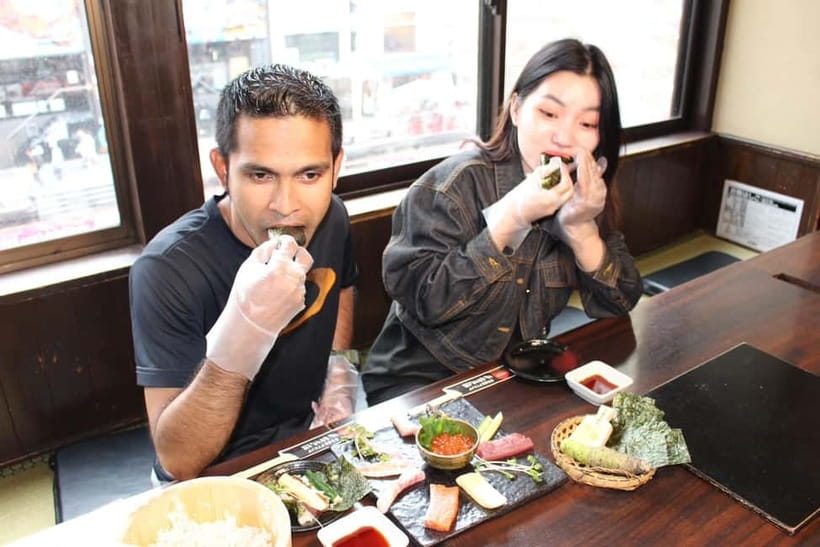
Finally, you roll your own hand-roll sushi. This is where the class becomes memorable. You get guidance on what to pay attention to as you make the roll, and you taste what you make.
You’ll also be eating during the session. One note from a past participant: if you were hoping for a huge set meal that looks like a sushi platter, this is more about tasting your work and making custom rolls with the options provided.
Sushi Rice: Why Vinegar Mixing Is More Than a Step
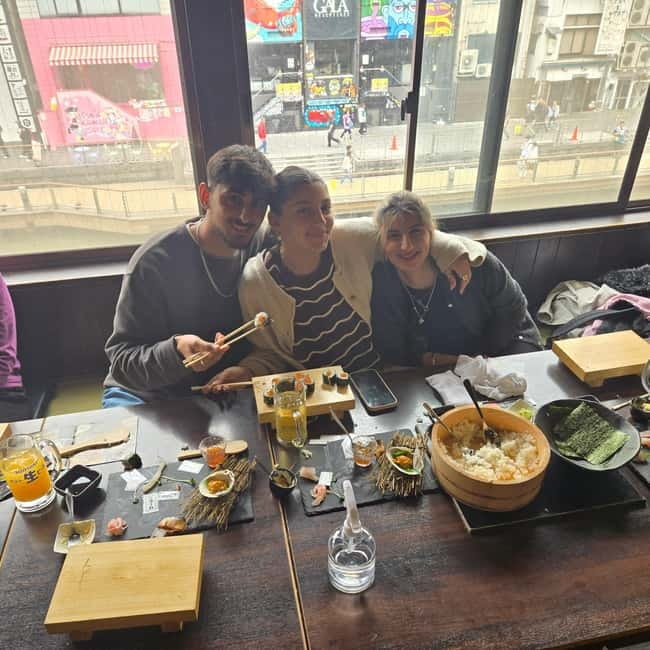
The rice session is where the class quietly teaches you the heart of sushi flavor. You learn about Japanese rice and the art of mixing vinegar into it. That vinegar step shapes more than taste. It affects the rice’s feel and how it carries flavor into the final bite.
What I like about including rice at the start is that it gives you a reason to appreciate what you’re doing later. When you roll with good rice, the roll behaves differently. It holds together. It tastes balanced. And you can understand why the chef’s rice prep matters, even if you only made a small portion yourself.
You do not need to be a cooking nerd to enjoy this part. Just pay attention to the mixing instructions and the guide’s rhythm. The class moves at a comfortable pace for learning, and because it’s only two hours total, you won’t feel like it drags.
The Wasabi Tasting That Turns Expectations Upside Down
Wasabi is the star here, and the class makes it clear you’re tasting the real thing. The tasting focuses on aroma and spiciness, and that combination is the key. Real wasabi often feels more nose-active than you expect. You notice scent first, then the heat arrives in a more “clean” way.
This is also a great moment if you’re traveling with food questions. People who love sushi want to know what makes it distinct beyond fish. This tasting helps you connect the dots between ingredient quality and your own senses.
If you’re sensitive to heat, you might want to go slowly. The class is designed for tasting, not suffering, and a soft drink is included, but you should still take your time. One practical tip: have a sip ready between bites so you can judge flavor, not just burn.
Rolling Your Own Hand Rolls: Nori, Rice, and Getting the Shape Right
When you reach the rolling portion, the experience shifts from listening to doing. You’ll make your own hand rolls, which means you’re responsible for the shape, the filling amount, and the way it wraps.
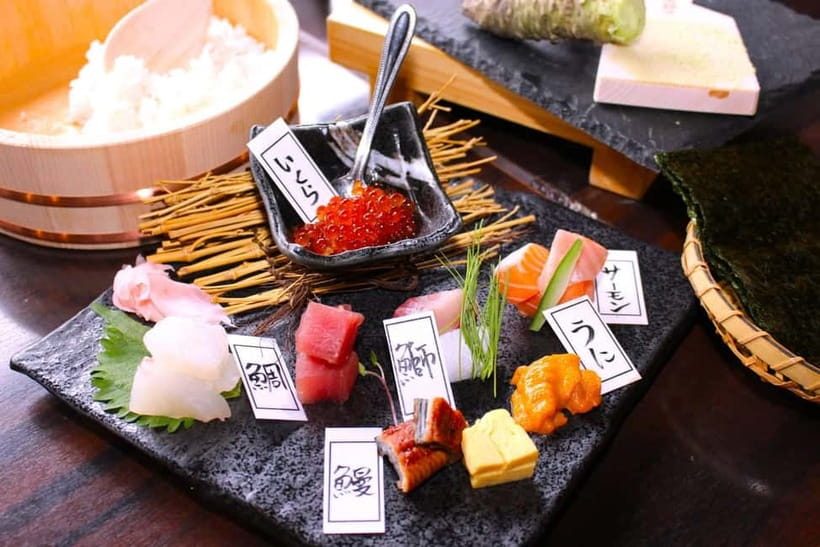
One review praised that there were many options to choose from to make your rolls, and that the chef shared a special homemade soy sauce to pair with the rolls. That combination is exactly what makes a hands-on sushi class feel like more than a demo. You taste the ingredients you pick and the sauce pairing, so you learn how sushi is assembled for balance.
Here’s the one possible mismatch to watch for: one participant felt disappointed because they could not choose the fish, and ended up with a fish they did not like. That’s not necessarily the case for every session, but it’s worth keeping in mind if you have strong preferences. If you are very selective, eat lightly before the class, then go with an open mind.
Also, the goal is learning your technique, not producing perfect restaurant-level rolls. Even if your first attempt looks a little rough, the point is the process. You’ll likely improve with each roll you make, and you’ll end up with plenty to eat from your work.
Tatami Comfort and Group Energy
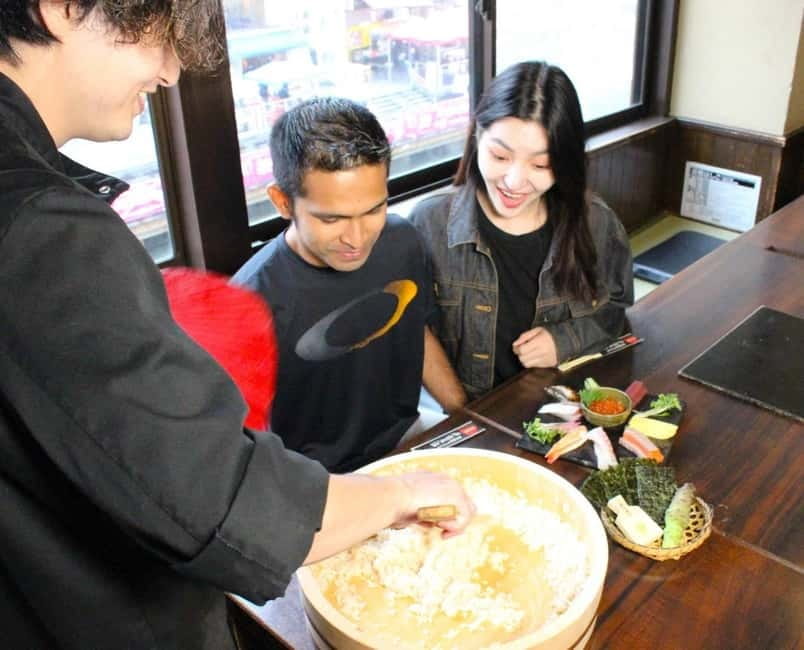
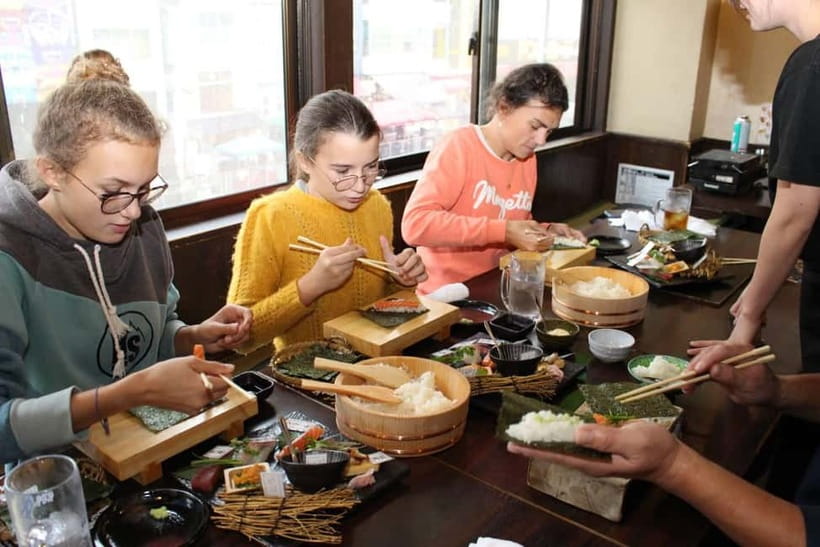
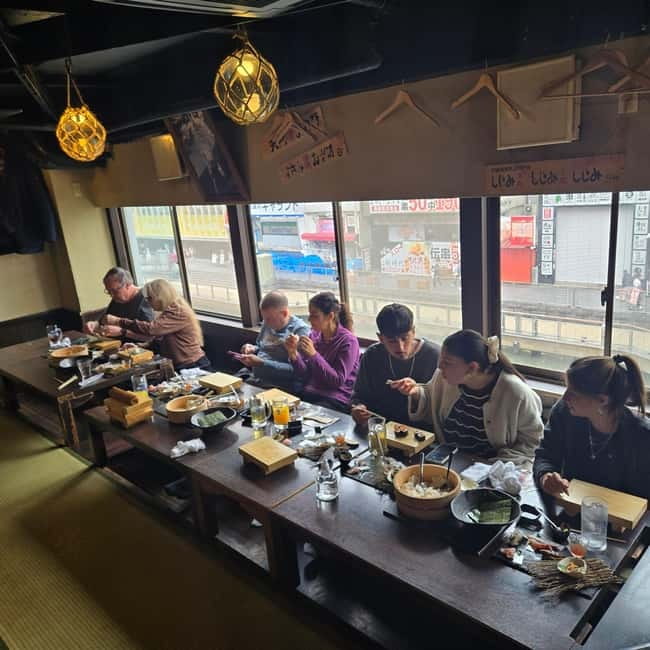
The room setup is part of the appeal. You’re in tatami seating with a view over Dotonbori River, which makes the class feel like a real experience, not a cramped cooking counter. It’s also a change of pace from eating in a loud restaurant where you barely have time to talk or observe.
Staff support seems strong based on reviews. People highlighted friendly assistance and a chef who teaches with clear guidance. One review also noted that both the chef and assistant were very kind and helpful, and that the atmosphere felt authentic and Japanese.
You should also know what you’re walking into inside the building. There’s a game arcade on the first floor, so the street-level area can be lively, but your activity is up on the 2nd floor. When you arrive, take a minute to confirm you’re headed to the right level before you get pulled in by arcade distractions.
Price and Value: 8,000 Yen for Two Hours of Sushi Skill
The class costs 8,000 yen per person (tax included), which matches the listed price around $54. On paper, that can look like “a lot” if you compare it to buying sushi off a menu. But cooking classes work differently. You are paying for instruction, tools, ingredients, and the chance to take home technique.
Here’s what you get for that money:
- Introduction to sushi
- Sushi rice making session (rice type and vinegar mixing)
- Wasabi tasting
- Hands-on hand-roll sushi making
- All materials and tools
- 1 drink service (soft drink)
That’s a lot bundled into a short time. Also, you’re not paying just for food, you’re paying for a guided sensory lesson. Wasabi alone can be worth it for many people because it changes how you understand sushi flavors. And the rolling time is real practice, not just watching.
If your goal is maximum quantity of sushi on a plate, this might feel lighter than a full meal. If your goal is to learn, taste, and walk away able to repeat the basics later, this is strong value.
Who This Is Perfect For (and Who Might Want to Rethink)
I think this is a great fit if you want:
- A cooking experience in Osaka that does not require advanced skills
- A food activity with a clear learning path, sushi basics to rice to wasabi to rolling
- A memorable setting, especially if you care about the view from a tatami room
It’s also ideal for families. One review described doing it with a family of five and calling it an amazing experience, with friendly support and fresh ingredients. Two hours is often a manageable length for groups with mixed ages.
You might want to rethink if:
- You are extremely picky about seafood and can’t accept ingredient variation
- You want a full-course meal style experience with lots of separate dishes
- You expect to choose every component like a build-your-own conveyor belt, because at least one participant reported limited fish choice
Should You Book This Dotonbori Hand-Roll Sushi Lesson?
I’d book it if you want a hands-on Osaka food activity that teaches you the parts people usually skip. The wasabi tasting plus the sushi rice instruction are the two standout learning moments. And the tatami room with Dotonbori River views turns a class into something you’ll remember beyond the flavor.
Skip it if you’re only chasing a big sushi feast or if ingredient choice is a dealbreaker for you. In that case, you might do better eating at a restaurant where you can order exactly what you want.
If you’re on the fence, a simple strategy works: schedule the 12:00 or 14:00 slot that matches your energy, eat a light snack beforehand, and come ready to learn, taste, and enjoy the river-view pause in the middle of Dotonbori.
FAQ
What is included in the hand-roll sushi experience?
You get an introduction to sushi, a sushi rice making session, a wasabi tasting, and hands-on hand-rolled sushi making. All materials and tools are included, plus 1 drink service (soft drink).
How much does it cost?
The price is 8,000 yen per person (tax included).
Where does the experience take place?
It is located on the 2nd floor of the Nico Building at 1-6-12 Dotonbori, Chuo-ku, Osaka. The meeting point is 海鮮物語道頓堀店にお越しください.
When does the experience run?
It takes place twice a day, at 12 pm and 2 pm, and each session lasts two hours.
How long is the activity?
Each session lasts two hours.
Is the class taught in English?
Yes, the experience language is English.
What should I bring?
Bring a hat, camera, water, and wear comfortable clothes.
Is there a place to see the Dotonbori River during the class?
Yes. The experience includes tatami room seating with stunning views of the Dotonbori River.
Is wasabi included, and is it real wasabi?
Yes. You’ll have a wasabi tasting with real wasabi, focusing on its aroma and spiciness.
Do I need to pay for food separately?
Meals and drinks beyond what is specified are not included. The class includes 1 soft drink, and you’ll taste what you make during the session.
What kind of environment is inside the building?
The entrance is on the main street, and there is a game arcade on the first floor. The class itself happens on the 2nd floor.
Newly listed around Osaka
- Osaka: Guided Walking Tour to Castle, Shinsekai, & Dotonbori★ 5.0 · 55 reviews
- Osaka: Dark Side of Osaka Night Walking Tour★ 4.9 · 89 reviews
- Osaka: Gluten-Free Ramen and Gyoza Cooking Class★ 5.0 · 42 reviews
- Osaka: Full-Day Sightseeing Tour by Private Vehicle★ 5.0 · 57 reviews
- Osaka: Cup Noodles Museum Guided Tour (90 Minutes)★ 4.8 · 38 reviews
- Osaka: Food Tour Kuromon Market & Dotonbori with Guide★ 4.5 · 15 reviews
- Osaka: Guided Food Tour with 12 Dishes at 4 Local Eateries★ 4.9 · 90 reviews
- Osaka E-Bike Tour With A Local Guide★ 4.7 · 75 reviews
Sushi Cooking Workshops, compared.
Sushi Making Tokyo Roll and Authentic Japanese Sushi Class
Read our review →
Roll and Authentic Sushi Making Class in Asakusa
Read our review →
Sushi Making Class in a Happi Coat near a Famous Spot
Read our review →
Sushi Making Tokyo! Popular Maki Sushi & Japanese Sushi(+Recipe!)
Read our review →
Tokyo Sushi Making Class in Tsukiji with Professional Chef
Read our review →
Tokyo Night Foodie Tour in Shinjuku – Seasonal Sushi, Wagyu Beef
Read our review →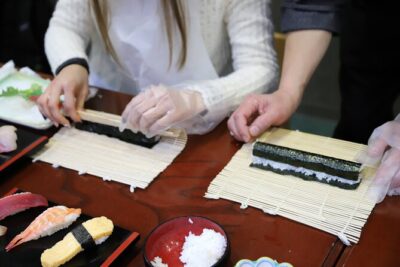
Tsukiji Fish Market Guided Tour and Sushi Making with Pro Chef
Read our review →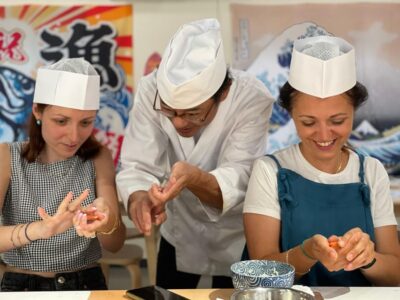
Tsukiji Fish Market Sushi Making Class with Pro Chef
Read our review →Browse the lists this tour appears in