
Review · SUSHI COOKING WORKSHOPS
Osaka Dotonbori: Sushi Making Experience
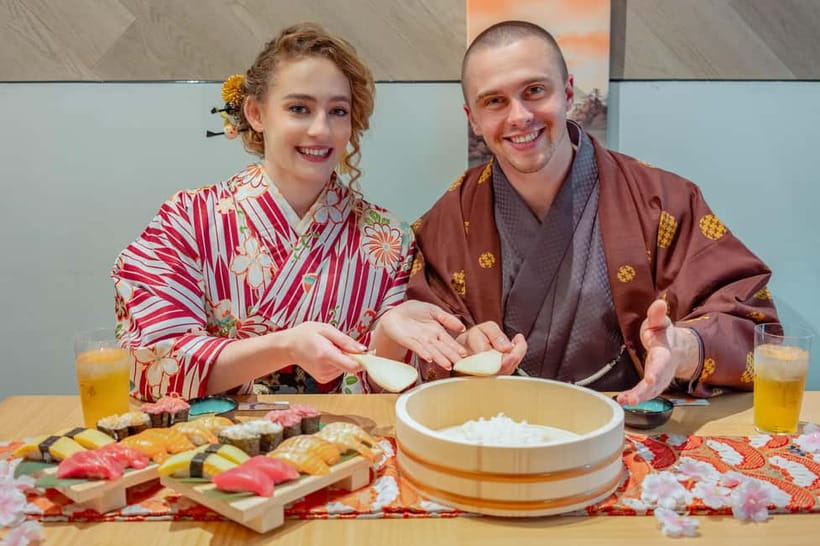
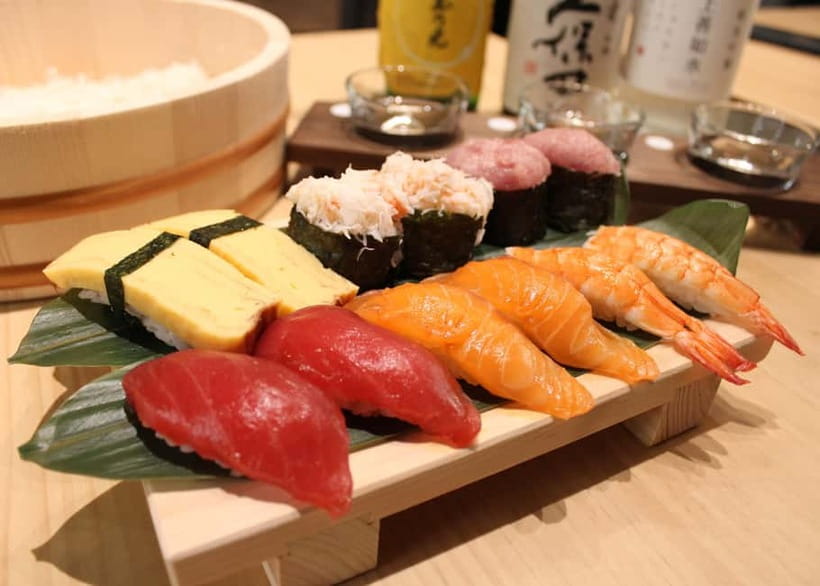
Dotonbori turns you into a sushi maker. In this Osaka sushi making experience, you learn the full flow, from vinegared shari to stacking neta, and you get to enjoy 12 pieces you make yourself, plus sake. I especially like the fun side too, including sushi cosplay and photo time, with English instructors such as Mako and Saki bringing the class to life.
My favorite part is how hands-on it stays, step by step, so you are not just watching. One possible drawback to weigh is that a few sessions can feel very beginner-friendly, so you might want extra correction if you are picky about technique, and one person also noted the seafood was not extremely fresh.
In This Review
- Key things to know before you go
- Dotonbori sushi class, what you actually learn
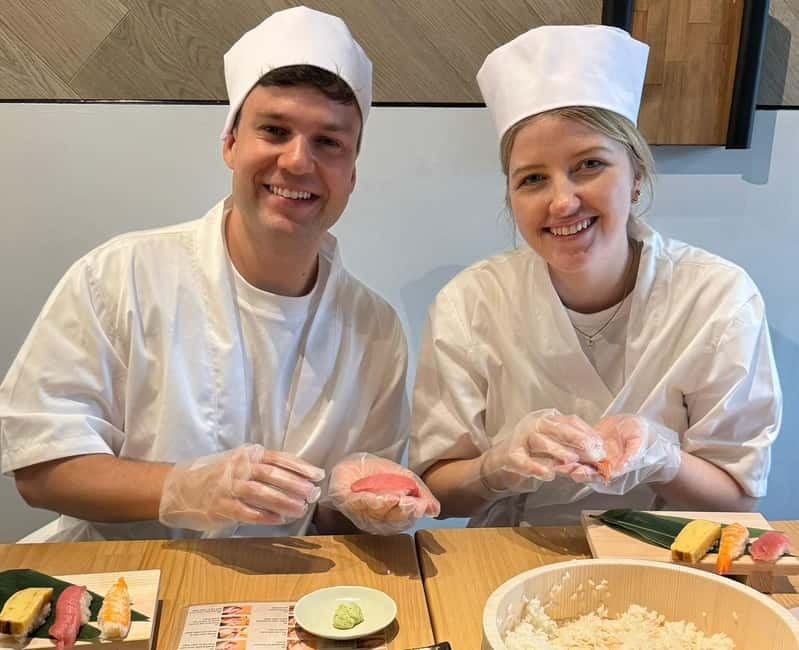
- The 90 minute flow: shari, shaping, neta, final sushi
- Step 1, make the shari (sushi rice)
- Step 2, shape the shari into a rice ball
- Step 3, add neta (topping) the right way
- Step 4, final shaping so it looks like sushi
- The cosplay and sake angle that makes it feel like Osaka
- Sushi Master certificate, and why you should care
- Vegan and Halal sushi, plus how dietary needs are handled
- Price and value: is $45 for 12 pieces reasonable?
- How good are the ingredients?
- Logistics that matter in Dotonbori
- Who this class suits best
- Should you book this Dotonbori sushi making workshop?
- FAQ
- How long is the sushi making class in Osaka Dotonbori?
- How many sushi pieces will I make?
- Is the instructor available in English?
- Is Japanese sake included?
- Are vegan or Halal sushi options available?
- What is included in the class besides ingredients?
- Is the activity wheelchair accessible?
- Can I cancel for a full refund?
Key things to know before you go
- 12 pieces in 90 minutes, with a clear build from shari to final shaping
- English instruction focused on what sushi is, what ingredients mean, and how to do the steps
- Sushi cosplay and photos, so it feels like an experience, not just a cooking class
- Sake pairing with the sushi you make, so you get a real Osaka food moment
- Vegan and Halal sushi options available, plus support for dietary needs when possible
- Sushi Master certification, so you leave with something tangible
Dotonbori sushi class, what you actually learn
If you only have a short window in Osaka, this kind of class is a smart move. You get a real skill, not just a meal. In 90 minutes, you learn the core mechanics of sushi making, and you finish by eating your own sushi with sake.
The class is built around a simple idea: sushi is not one trick. It is rice seasoning, proper shaping, and careful topping placement. The instructors walk you through that chain so the final bite feels earned.
One more thing that makes it work well in Dotonbori is the atmosphere. You are in a famous area for food and photos, and this class gives you a way to turn that energy into something practical. You will leave with sushi you made, and photos you can actually use later when you remember the day.
More Sushi Workshops in Osaka
- Sushi Making Osaka! Popular Sushi Class in Japan!
★ 5.0 · 500 reviews - Osaka Sushi Making Experience
★ 5.0 · 400 reviews - Osaka: Roll and Authentic Sushi Making Class in Dotonbori
★ 4.9 · 239 reviews
The 90 minute flow: shari, shaping, neta, final sushi
You will do four main steps. The good news is the process is repeatable, so even if your first try is messy, your second try usually improves fast.
Step 1, make the shari (sushi rice)
You start by learning shari basics: sushi vinegar goes over the rice. This matters because the flavor and texture of the rice are the foundation. If the rice is too bland or too sticky, everything after that feels off. The instructors explain what you should look for and how to handle the rice so it stays workable while you shape.
Step 2, shape the shari into a rice ball
Next comes shaping. This is where you learn that sushi rice is not treated like regular rice. You shape with the hands and a light touch, aiming for a stable form that will support the topping without collapsing. Expect the instructor to show the right pressure and consistency, then help you adjust as you go.
A different sort of day in Japan:
- Osaka Go Karting Tour with Funny Costume
★ 5.0 · 2,658 reviews - Osaka Castle: Museum and Tower Entry Ticket
★ 4.5 · 2,380 reviews - Osaka: Shinsekai Food Tour with 13-15 Dishes at 5 Eateries
★ 4.8 · 2,204 reviews - Osaka Food Tour: 13 Dishes at 5 Local Eateries
★ 5.0 · 2,149 reviews
Step 3, add neta (topping) the right way
Now you bring in the neta, the topping. The class uses a clear method: wasabi goes on the neta, then the neta and shari connect. You are learning placement, not just assembly. Good placement is the difference between a sushi piece that holds together and one that slides apart when you pick it up.
Step 4, final shaping so it looks like sushi
The final stage is shaping the sushi using your fingers. This is the moment where you feel the whole process click. The instructors guide you to form the piece into something that looks right, and more importantly, tastes right. You should walk away knowing the logic behind the shape, not only memorizing a step.
Throughout, you get English instruction and a friendly, hands-on vibe. Many people highlight that hosts explain techniques clearly and keep the room moving at a calm pace.
The cosplay and sake angle that makes it feel like Osaka
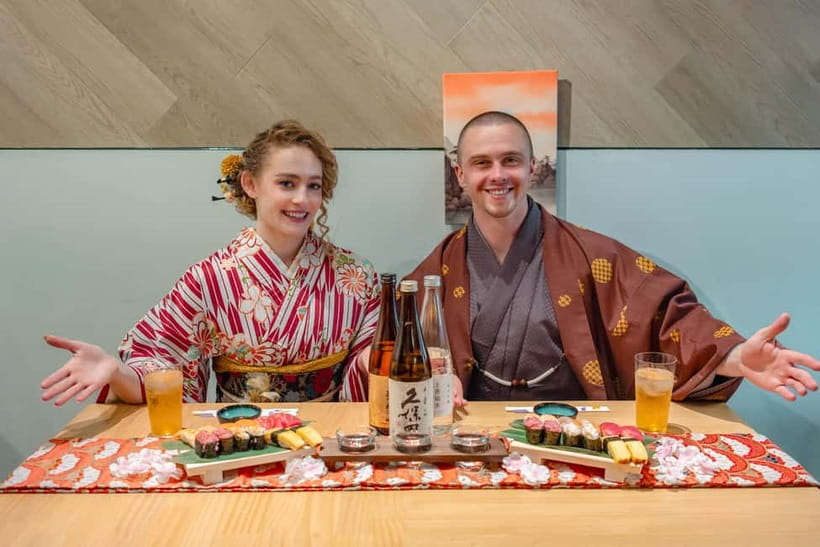
This is not only about cooking. The class adds two extras that make it more fun and more memorable.
First is sushi cosplay and a photo session. You get a chance to dress up and take photos, so you leave with a different kind of souvenir than just a certificate. It also changes the mood from kitchen seriousness to playful learning.
Second is sake. You taste Japanese sake alongside the sushi you make. That pairing matters because sushi in Japan is often about harmony: rice, toppings, and the drink moment. Even if you do not drink much, the class gives you the experience of trying the combination.
People also mention the instructors keep the mood light, with humor and conversation that goes beyond food facts. That matters in real life because a class like this can otherwise feel stiff. Here, it tends to feel like you are spending time with hosts who actually enjoy sharing the craft.
Sushi Master certificate, and why you should care
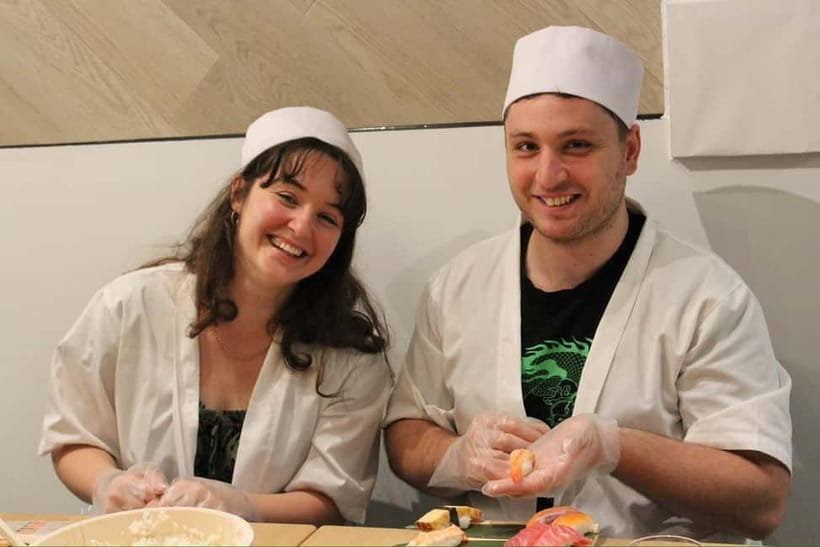
You finish with a certification of Sushi Master. On paper it sounds small, but in practice it changes how you remember the day. It turns the class into a skill you can point to later, not just a one-time snack experience.
It also matches what people consistently report: the instructors genuinely teach. They cover what sushi is, how the ingredients function, and the way you make it. Some sessions even feel close to private instruction when class slots are light, meaning you get more attention on your technique.
One guest even asked for more correction on mistakes, which tells you something important: the class is good for beginners, but if you want very strict technique coaching, you may want to bring that preference to the instructor in your own words when you arrive.
Vegan and Halal sushi, plus how dietary needs are handled
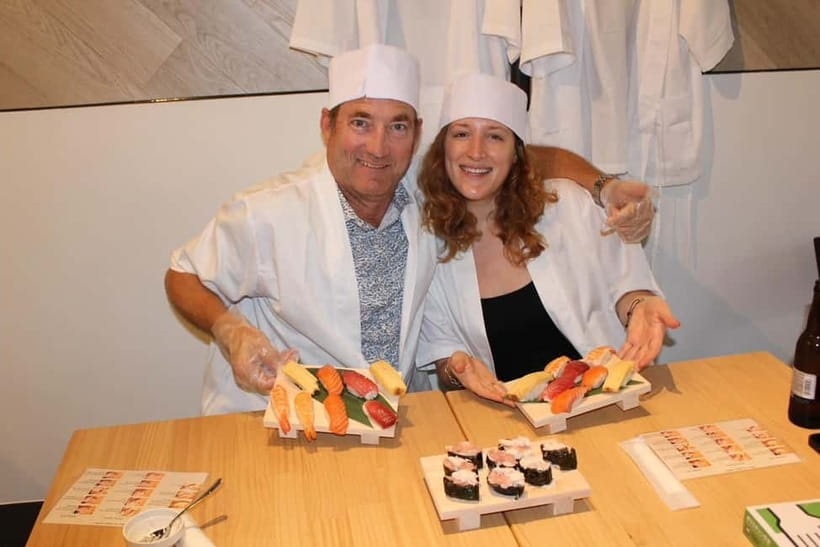
If you eat vegan or Halal, this class is set up to include you. Vegan sushi and Halal sushi options are listed, and that is a big deal in Japan, where menus can lean fish-heavy by default.
If you have an allergy rather than a full diet category, your best move is to tell the staff clearly when you book. One account notes they accommodated a gluten allergy by providing gluten-free soy sauce. That suggests the team can adjust at least some items when needed, but you should still confirm your specific requirement ahead of time so you can relax during the class.
Also pay attention to what you are choosing when toppings are part of the workflow. Since you build sushi by adding neta and using wasabi, it helps if you know what toppings will fit your needs before you start assembling.
Price and value: is $45 for 12 pieces reasonable?
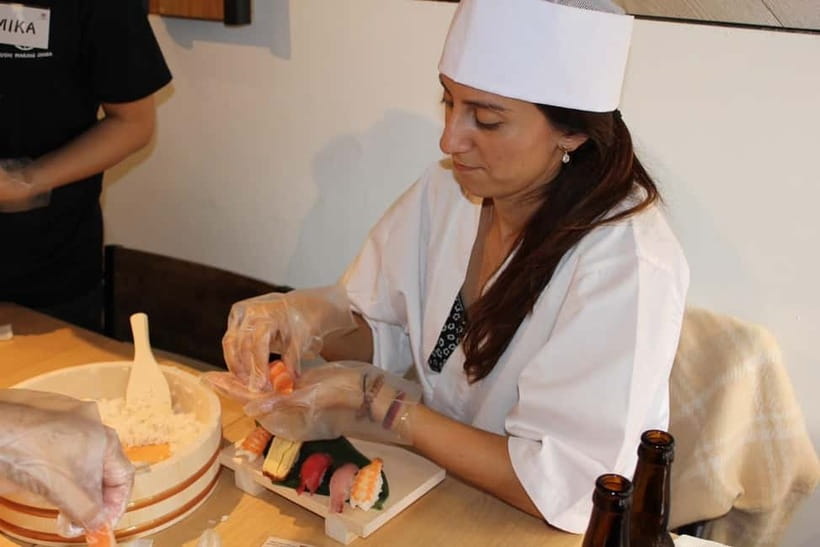
At $45 per person for about 90 minutes, you are paying for three things: instruction, ingredients, and a mini entertainment package.
Here is the math in human terms. You make 12 sushi pieces, not a tiny tasting. You also get sushi cosplay, a photo moment, sake, and a Sushi Master certificate. Add in the fact that the class is English-led, which removes a common friction point in Japan.
So the value question is not only the food. It is whether you want a hands-on skill session in a famous area. If you just wanted sushi, you could eat your way through Osaka for less. But if you want the story and the technique, the price can feel fair for what you get.
There is one thing to keep in mind: the class is popular. That does not mean it will be crowded in a bad way, but it does mean you should expect an organized flow and follow the instructors’ guidance to get the best result.
How good are the ingredients?
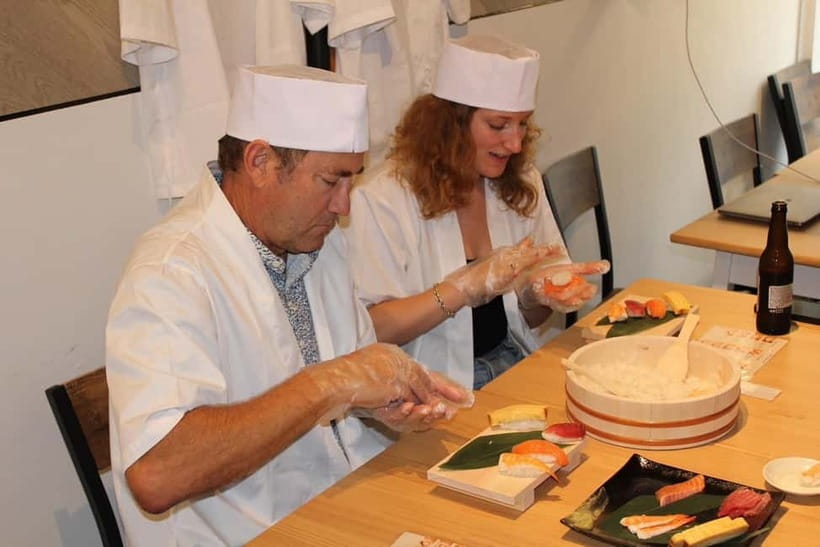
The class is marketed as a high-quality experience, and many people say the ingredients were top quality and tasty. One person notes the team buys from markets daily, which suggests they aim for freshness rather than using dull, pre-made supplies.
Still, balance matters. One account calls out seafood not being extremely fresh, though it was still good. So if you are very sensitive to fish quality, you might want to request the best-fitting menu option, or ask whether non-fish or alternative toppings are used for your dietary needs.
Remember, this is also a teaching class. The goal is consistent technique and a satisfying meal, not a fancy chef tasting where you inspect fish cuts under bright lights.
Logistics that matter in Dotonbori
Because you are in Dotonbori, you can treat this as a natural break in your Osaka day. It is a focused 90 minute activity, and after you finish, you can go right back out to explore. It also gives you something real to do beyond wandering neon streets.
Navigation can be the only minor weak spot. One person mentions the Google Maps location being off, and another mentions it being a little hard to navigate. My practical advice: check your meeting spot carefully before you go, and give yourself buffer time so you do not start the class stressed.
The class also skips the ticket line, which is helpful in busy areas. If you want a smooth start, arriving a few minutes early will help you get into the right rhythm before the rice starts moving.
Who this class suits best
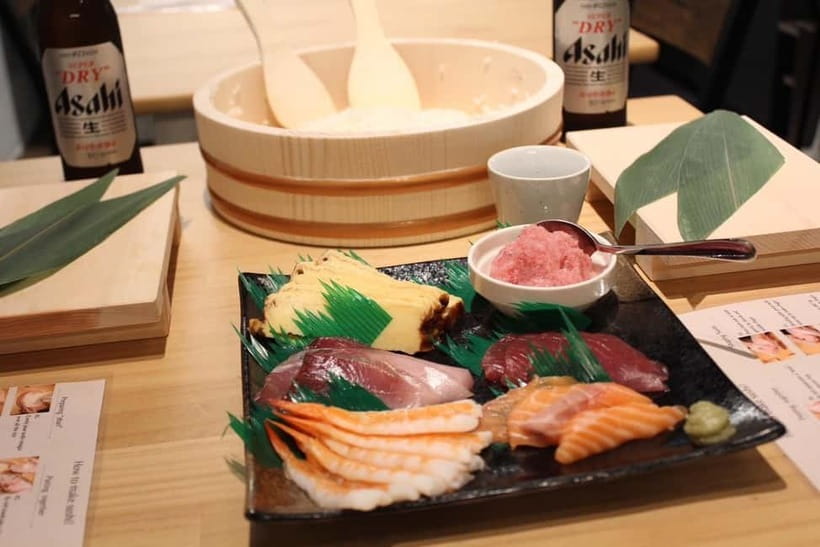
You will probably love this if:
- you are new to sushi and want a guided, step-by-step process
- you want a hands-on souvenir from Osaka Dotonbori, not only photos
- you want English instruction and a fun atmosphere
- you need vegan or Halal sushi options
- you like the idea of sake paired with what you make
You might consider another option if:
- you are already an advanced sushi maker and want very strict correction at every moment
- you are extremely picky about fish freshness and want total control over ingredient sourcing
- you hate cosplay or photos, because they are part of the experience here
Should you book this Dotonbori sushi making workshop?
For most visitors, I would say yes. The big reasons are simple: you get 12 pieces of sushi, you learn the core technique flow, you finish with sake, and you walk out with a Sushi Master certificate plus cosplay photos. At $45 for a 90 minute, English-led class that covers both food and fun, the value is strong.
If you have dietary needs, this is one of the better choices in Osaka because vegan and Halal sushi are explicitly available. Just make sure you communicate your needs clearly when you book, especially if you have specific allergies.
If you want a memorable Osaka food day that teaches you something you can actually do again at home, this is exactly the kind of experience that earns its place on your itinerary.
FAQ
How long is the sushi making class in Osaka Dotonbori?
The class lasts 90 minutes.
How many sushi pieces will I make?
You can make 12 pieces of sushi.
Is the instructor available in English?
Yes, the instructor is English speaking.
Is Japanese sake included?
Yes, you can enjoy Japanese sake with the sushi you make.
Are vegan or Halal sushi options available?
Yes, vegan and Halal sushi are available.
What is included in the class besides ingredients?
You get sushi cosplay, and a certification of Sushi Master.
Is the activity wheelchair accessible?
Yes, it is wheelchair accessible.
Can I cancel for a full refund?
Yes. You can cancel up to 24 hours in advance for a full refund.
Newly listed around Osaka
- Osaka: Guided Walking Tour to Castle, Shinsekai, & Dotonbori★ 5.0 · 55 reviews
- Osaka: Dark Side of Osaka Night Walking Tour★ 4.9 · 89 reviews
- Osaka: Gluten-Free Ramen and Gyoza Cooking Class★ 5.0 · 42 reviews
- Osaka: Full-Day Sightseeing Tour by Private Vehicle★ 5.0 · 57 reviews
- Osaka: Cup Noodles Museum Guided Tour (90 Minutes)★ 4.8 · 38 reviews
- Osaka: Food Tour Kuromon Market & Dotonbori with Guide★ 4.5 · 15 reviews
- Osaka: Guided Food Tour with 12 Dishes at 4 Local Eateries★ 4.9 · 90 reviews
- Osaka E-Bike Tour With A Local Guide★ 4.7 · 75 reviews
Sushi Cooking Workshops, compared.
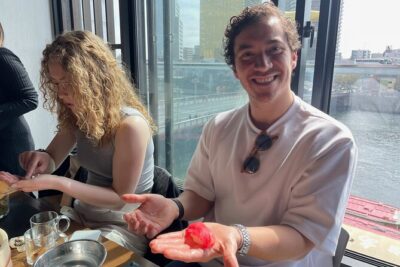
Sushi Making Tokyo Roll and Authentic Japanese Sushi Class
Read our review →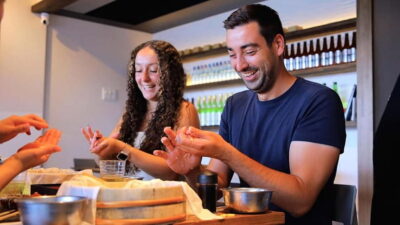
Roll and Authentic Sushi Making Class in Asakusa
Read our review →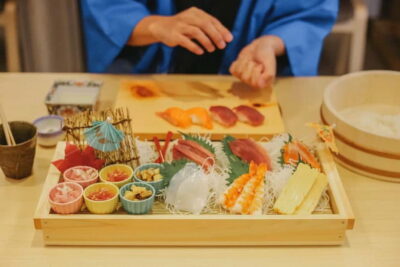
Sushi Making Class in a Happi Coat near a Famous Spot
Read our review →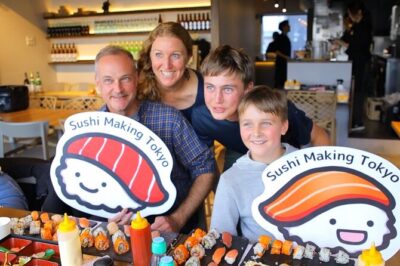
Sushi Making Tokyo! Popular Maki Sushi & Japanese Sushi(+Recipe!)
Read our review →
Tokyo Sushi Making Class in Tsukiji with Professional Chef
Read our review →
Tokyo Night Foodie Tour in Shinjuku – Seasonal Sushi, Wagyu Beef
Read our review →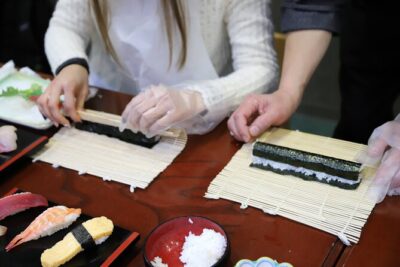
Tsukiji Fish Market Guided Tour and Sushi Making with Pro Chef
Read our review →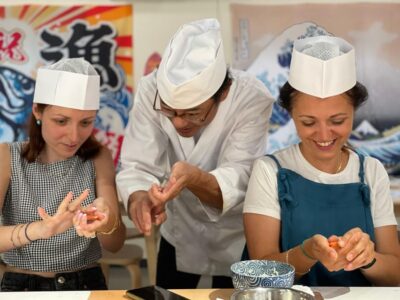
Tsukiji Fish Market Sushi Making Class with Pro Chef
Read our review →Browse the lists this tour appears in