Review · JAPANESE COOKING WORKSHOPS
Osaka Market Tour & Cooking Class with Local Expert Masato/Shohei
Sushi lessons start at a real Osaka market. You can pair a guided ingredient hunt with a small, shared cooking class led by a local chef like Masato or Shohei, then sit down to eat what you made with tea. I love how the focus stays practical: you learn what’s in season, what to buy, and how it turns into Japanese comfort food fast.
The second thing I like a lot is the teaching style. Reviews and the structure of the experience point to patient, careful guidance, including checks around allergies and diet needs before you ever step into the kitchen. It’s also a nice touch that the class can adapt, so you can keep the food experience comfortable and fun.
One consideration: if your idea of sushi is raw fish on the plate, this class does not include raw fish. That’s not a bad thing for most people, but it is worth knowing so your expectations match what you’ll actually cook.
In This Review
- Key highlights at a glance
- Where You Meet, How Long It Takes, and What That Means for Your Day
- Market Tour Option: Karahori Shotengai in About 30 Minutes
- The Chef Hosts: Masato or Shohei, Plus Other Team Members
- What You Actually Cook: Sushi, Bento-Style Plates, or Curry Rice
- Step-by-Step Cooking Class: Techniques You Can Repeat
- The Meal and Tea Finish: Eating Your Own Results
- Allergies, Dietary Needs, and How to Set Yourself Up for Success
- Group Size and Pace: Shared, But Not Chaotic
- Logistics That Affect Comfort: Getting There, What to Bring, and Timing
- Value Check: Why $120 Can Make Sense for Osaka
- Who Should Book This Cooking Class, and Who Might Skip It
- Should You Book It or Pass?
- FAQ
- Is hotel pickup included?
- How long is the Osaka cooking class?
- Where does the tour start and end?
- What dishes are included in the class?
- Does the sushi class include raw fish?
- If I select the market tour option, what will I do?
- Can you accommodate dietary restrictions or allergies?
- What is the cancellation window?
Key highlights at a glance
- Karahori Shotengai market option for a focused, guided walk around local stalls
- 3-dish cooking class with techniques you can repeat at home
- Sushi-focused menu default if you don’t choose a preference in advance
- Ingredient specifics like tamagoyaki and Wagyu beef (raw fish is not included)
- Small group size (max 13) so questions do not get lost
- Diet and allergy support on request, including lactose free, gluten free, vegetarian, and vegan
Where You Meet, How Long It Takes, and What That Means for Your Day
Most people do this as part of a food day in central Osaka. The meeting point is Matsuyamachi Station (2 Chome-6 Andojimachi, Chuo Ward), and the experience ends back around there. That matters because you do not waste time figuring out complicated transfers mid-class, and you’re not stuck returning to your hotel late.
Plan on about 2 hours 30 minutes. In practice, that’s long enough to shop for ingredients (if you choose the market option), cook multiple dishes, and then eat. But it’s not so long that you’ll feel dragged across the city. If your schedule is tight, this is the kind of activity that fits naturally into a morning or early afternoon.
More Cooking Classes in Osaka
- Osaka: Ramen and Gyoza Cooking Class in Dotonbori
★ 5.0 · 378 reviews - Osaka Cooking Class: Okonomiyaki &Japanese cuisines experience
★ 5.0 · 261 reviews - Ramen and Gyoza Cooking Class in Osaka
★ 5.0 · 202 reviews
Market Tour Option: Karahori Shotengai in About 30 Minutes
If you select the market tour option, your host brings you to Karahori Shotengai, a covered shopping street with small stalls. The guided portion is about 30 minutes, so it’s not a half-day food safari. Instead, it’s designed to help you understand what to buy and why, without turning it into a long walk that drains energy before the cooking starts.
Here’s what you’ll likely get out of that short market time:
- You see vegetables and condiments sold in the small-stall style that Japan does so well.
- You learn how local ingredients show up in everyday cooking, not just in restaurant plates.
- You connect specific items to the flavors you’ll cook later.
The big benefit of choosing this add-on is mental. Once you’ve seen the ingredients in the market, the kitchen work feels less like following steps and more like building a meal with intention. The drawback is simple: you’ll be on your feet for an extra bit before cooking, so plan comfortable shoes.
The Chef Hosts: Masato or Shohei, Plus Other Team Members
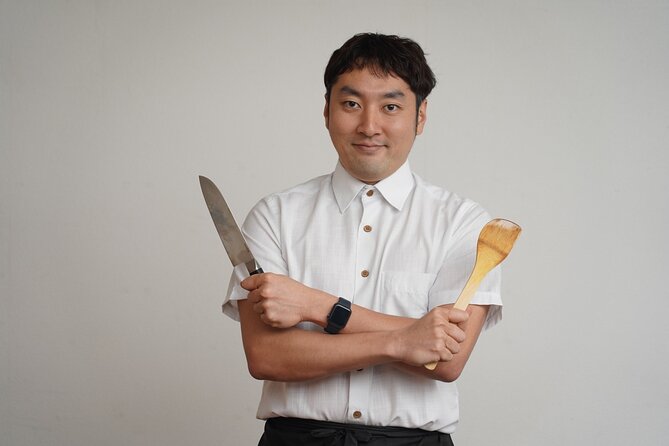
This is hosted by Masato (with Shohei listed as part of the experience setup) and, if Masato is unavailable, an equally wonderful chef colleague takes over. That’s not a small detail. In cooking classes, the tone matters. A good host can keep the pace moving while still making sure everyone can ask questions.
From the way the experience is described, the chef is there for more than presentation. You’re expected to learn ingredients, techniques, and culinary traditions as you cook. If you’re the type who asks why something matters, you’ll likely enjoy the back-and-forth.
What You Actually Cook: Sushi, Bento-Style Plates, or Curry Rice
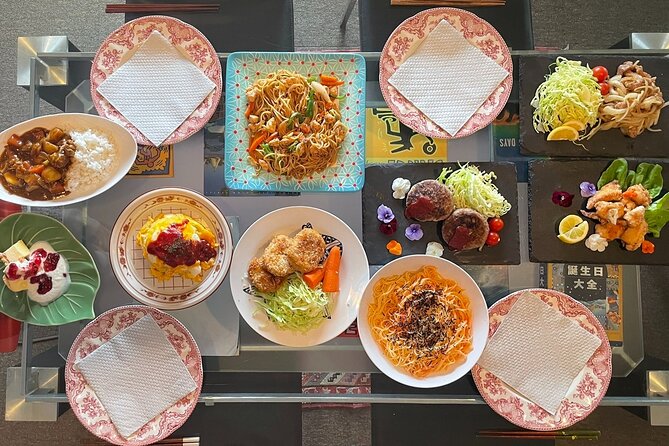
The class is built around making three authentic Japanese dishes from scratch. You are not watching from the sidelines. You’re working with your hands, guided step by step.
Menu choice is important here. When booking, you can indicate your menu preference. If you do not specify, the default class is a sushi-making experience. The described sushi menu includes:
- tamagoyaki (rolled Japanese omelet)
- Wagyu beef
- seasonal vegetables such as lotus root, bamboo shoots, and shiitake mushrooms
Also, an important boundary: raw fish is NOT included in this class. That means you’re learning sushi-building skills without the raw-fish component. For many people, that actually makes the class more approachable, especially if you’re cautious about food handling or you simply want to focus on techniques and flavor.
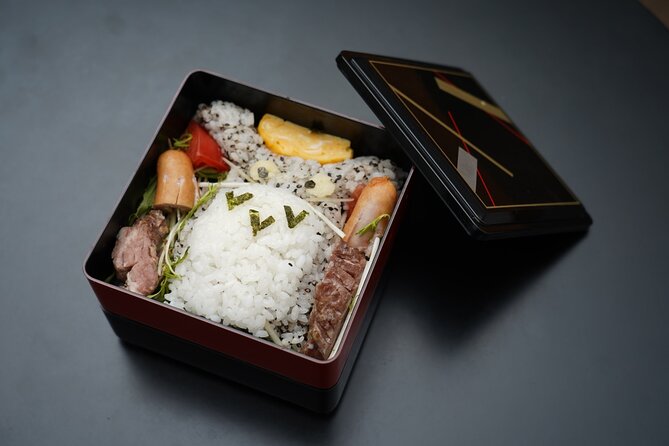
If you choose something else, the experience can cover dishes like character bento boxes or Japanese curry rice. I like having options, because it lets you pick what matches your cooking curiosity. Sushi is great for mastering structure and texture. Bento-style cooking is more about playful presentation and building components. Curry rice tends to appeal to people who want bold flavor and a comfort-food finish.
More Cooking Workshops in Osaka
- Osaka: Sumo Stage Show with Bento or Snack + Fight & Photo
★ 4.3 · 364 reviews - Cooking Ramen&Gyoza/KatsuCurry/Bento/Okonomiyaki+Store Tour@Osaka
★ 5.0 · 138 reviews - Three Types of Ramen Cooking Class in Osaka
★ 5.0 · 119 reviews - Osaka: Cooking Class Ramen & Gyoza Course in Nanba
★ 4.9 · 86 reviews
Step-by-Step Cooking Class: Techniques You Can Repeat
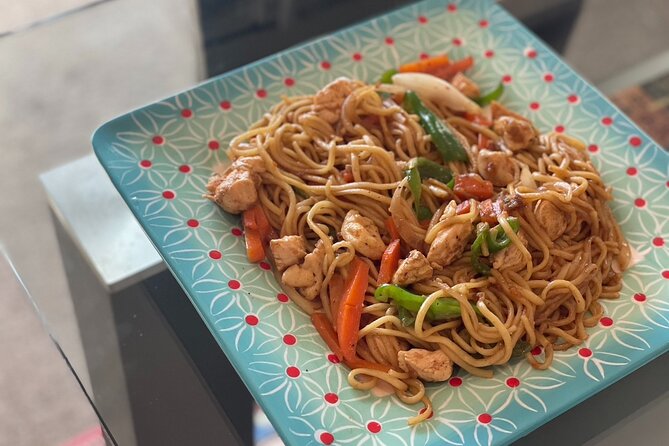
This is not just about eating well in Osaka. The point is skills. The experience is designed so you learn:
- ingredients and what role each one plays
- techniques used in Japanese home cooking
- cooking traditions behind the flavors
In a good class like this, you come away with answers to questions you probably have already wondered in restaurants, like:
- How do those flavors stay balanced?
- What makes Japanese textures so consistent?
- How do you manage timing when multiple dishes cook at once?
Because you cook three dishes, you’ll also learn how Japanese meal structure works. Even when you’re making a “simple” plate, there are usually multiple elements, and the way they’re prepared supports the final harmony.
The Meal and Tea Finish: Eating Your Own Results
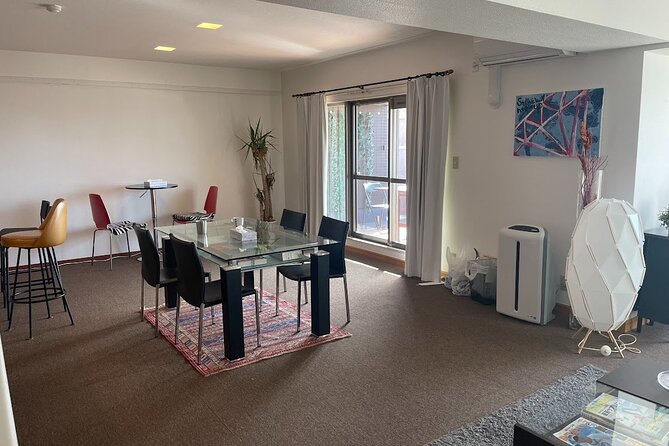
After you finish cooking, you sit down to enjoy the meal you made. That sounds obvious, but it’s the payoff that turns a class into a real experience. Cooking makes you pay attention in a different way. When you eat right after, you can taste the difference between ingredients you only heard about and ingredients you handled and learned.
Then the day ends with tea. It’s a small finish, but it’s also practical. You’re coming off a busy 2.5-hour block of shopping and cooking. Tea helps reset your palate and your energy, so you can continue exploring Osaka afterward without feeling heavy or foggy.
Allergies, Dietary Needs, and How to Set Yourself Up for Success
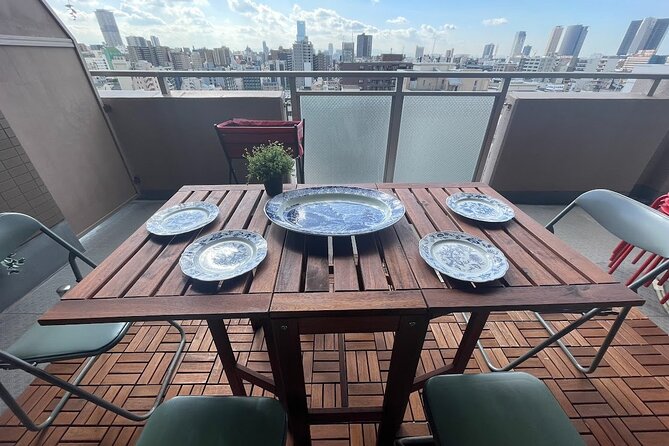
One of the strongest strengths here is how they handle allergies and restrictions. The booking info says to advise them at time of booking, and it also notes they can accommodate lactose free, gluten free, vegetarian, and vegan diets on request.
This matters because the kitchen process can be sensitive. Japanese cooking relies on ingredients that can be easy to overlook, like soy-based sauces and certain dairy or wheat derivatives. If you give your needs up front, you’re more likely to get a class that is safe and still enjoyable.
My practical advice: when you book, list your restrictions clearly and simply. Include what you cannot eat and how strict you need it to be. If you’re unsure about an ingredient, ask. A class like this works best when you’re relaxed, not guessing.
Group Size and Pace: Shared, But Not Chaotic
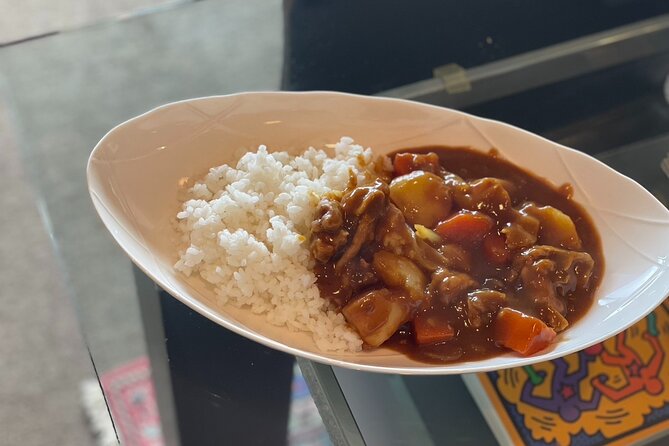
The experience caps at a maximum of 13 travelers. That keeps it from turning into a crowded cooking show. In a group this size, you can generally get help when you need it, and you can ask questions without waiting forever.
The experience is also described as something you can go at your own pace. That does not mean it becomes slow. It means the chef and host can respond to different comfort levels, like if someone is new to cooking Japanese flavors or if someone already cooks at home and wants more detail.
Logistics That Affect Comfort: Getting There, What to Bring, and Timing
Hotel pickup and drop-off are not included. So you’ll want to plan your arrival to Matsuyamachi Station and keep the walk time realistic. Because you’re starting near public transportation, you won’t need a complex plan, but you do need to be at the meeting point on time.
You’ll also use a mobile ticket. That’s handy, but do not wait until the last minute to check your phone battery and ticket access. Simple tip, but it saves stress when you’re traveling.
What to bring is mostly about comfort:
- comfortable closed-toe shoes for the market option
- a light layer, since you might switch between indoor and covered spaces
- if you have allergies or restrictions, bring the reminder in writing on your phone
If you want photos, this is a good activity for that too, because you’re seeing both the ingredients and the finished meal. Just remember, the hands-on part matters more than the camera.
Value Check: Why $120 Can Make Sense for Osaka
At $120 per person, you’re paying for more than food. You’re paying for three things that are hard to recreate on your own while traveling:
1) a guided ingredient lesson in a real Osaka market setting
2) a chef-led cooking workflow
3) the meal you make, plus tea to end it
If you try to copy this independently, you’d usually spend money on groceries and still lack the ingredient knowledge and technique coaching. This class bundles those into one short, structured experience in a small group.
Is it the cheapest meal you’ll ever have? No. But if your goal is to learn, not just eat, this is the kind of value that pays back later. You’re not only tasting Japanese cuisine, you’re learning how to build it.
Who Should Book This Cooking Class, and Who Might Skip It
This works best for you if:
- you want a hands-on food experience in Osaka, not just another restaurant stop
- you enjoy learning ingredients and techniques you can use at home
- you want a small group class with time to ask questions
- you have dietary needs and want those handled on request
You might skip or choose carefully if:
- you specifically want sushi with raw fish, because raw fish is not included
- you’re very pressed for time and do not want the added market walking, since the market option adds effort before cooking
If you’re unsure, start by choosing the menu that matches your appetite. Sushi is the default, but bento-style or curry-focused options can be a better fit depending on what you want to learn.
Should You Book It or Pass?
I’d book this if your trip includes Osaka food and you want skills, not just snacks. The market option helps you understand what you’re cooking, the class keeps the group small, and the chef approach is described as patient with a strong focus on allergies and preferences. The tea-and-meal finish makes it feel complete, not like a stop on the way to something else.
I’d hesitate only if raw fish sushi is a must-have for you. If that’s your priority, look for a different sushi experience. Otherwise, this class is a smart, practical way to leave Osaka with recipes, confidence, and a better sense of how Japanese home cooking builds flavor.
FAQ
Is hotel pickup included?
No, hotel pickup and drop-off are not included. You meet at Matsuyamachi Station.
How long is the Osaka cooking class?
It runs about 2 hours 30 minutes.
Where does the tour start and end?
It starts at Matsuyamachi Station (2 Chome-6 Andojimachi, Chuo Ward, Osaka) and ends back at the meeting point.
What dishes are included in the class?
The class teaches three dishes from scratch. If no menu preference is provided, it defaults to sushi-making.
Does the sushi class include raw fish?
No. Raw fish is not included in this class.
If I select the market tour option, what will I do?
You’ll have a guided, about 30-minute walk at Karahori Shotengai market.
Can you accommodate dietary restrictions or allergies?
Yes. On request, the experience can accommodate lactose free, gluten free, vegetarian, and vegan diets. You should advise allergies, dietary restrictions, or cooking preferences at booking.
What is the cancellation window?
You can cancel for a full refund up to 24 hours before the experience start time.
More Shopping Tours in Osaka
- Osaka: Cooking Class & Sake Tasting with Local Market Visit
★ 4.8 · 31 reviews - Nara, Todaiji Temple & Kuroshio Market Day BUS Tour from Osaka
★ 3.5 · 18 reviews - Osaka: Food Tour Kuromon Market & Dotonbori with Guide
★ 4.5 · 15 reviews - Osaka Food Walking Tour with Market Visit
★ 4.5 · 14 reviews
More Market Tours in Osaka
- Kuromon Market Food Walking Tour in Osaka (6 stops, 6 tastes)
★ 5.0 · 550 reviews - Osaka: Kuromon Market Food Walking Tour (6 stops, 6 tastes)
★ 4.6 · 272 reviews - [Same Day OK] Osaka 4 hour, Castle, Market, Walking tour
★ 5.0 · 186 reviews - Kuromon Market Tour: All inclusive 6~8 Dishes & 3~4 samplings
★ 5.0 · 103 reviews
Newly listed around Osaka
- 2 Hours of Bar Hopping in Osaka Style★ 5.0 · 22 reviews
- Same-Day Osaka Food Crawl with local food and Hidden gems★ 5.0 · 114 reviews
- Osaka Authentic Local Izakaya Hopping Experience: Food & Drinks★ 5.0 · 99 reviews
- Well-balanced BENTO (lunch box) Cooking Class★ 5.0 · 35 reviews
- Anime Cosplay Photshoot-50 Digital Photos Provided★ 5.0 · 8 reviews
- OSAKA:Feel the Power! Learn Taiko Drum from Professionals★ 5.0 · 28 reviews
- Urban Canvas: Osaka Street Art Bike Tour★ 5.0 · 47 reviews
- Volleyball in Osaka & Kyoto with Locals!★ 5.0 · 21 reviews
Japanese Cooking Workshops, compared.
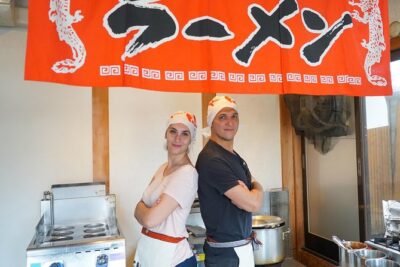
Ramen Cooking Class at Ramen Factory in Kyoto
Read our review →
Ramen & Gyoza Cooking Class in Tokyo with Local Supermarket Visit
Read our review →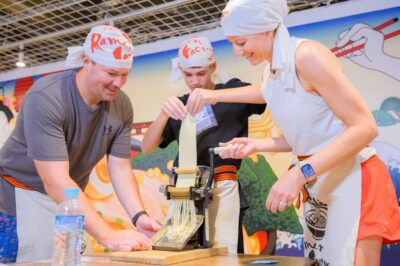
Ramen Cooking Class at a Ramen Factory with Souvenir
Read our review →
Japanese Washoku Bento Small Group Cooking Class
Read our review →
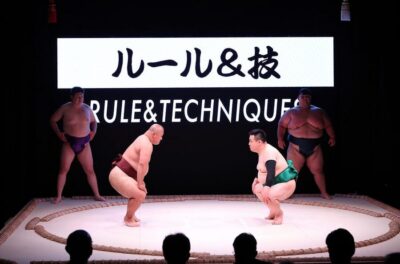
Sumo Stage Show with Bento or Snack + Fight & Photo
Read our review →