
Review · SUSHI COOKING WORKSHOPS
Osaka: Sushi Class in Dotonbori
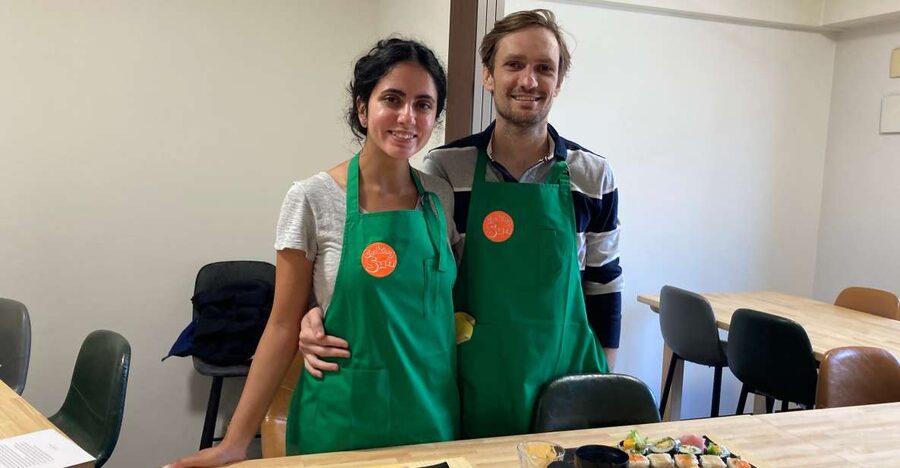
Sushi class in Osaka sounds touristy, until you press the rice. This hands-on Dotonbori-area lesson teaches three distinct types, including oshizushi (Osaka pressed sushi) plus nigiri and a salad-style roll. I like that you learn real technique, not just assemble pieces, and you finish with a plate that actually fills you up.
One thing to consider, the meeting spot is a specific room in a small building, so you’ll want to follow the room number carefully, not guess.
This is the kind of class where you can chat with the instructor in English and get trip food tips as you work, including instructors like Yoshi, Yoko, Ami, and Eriko. The group stays small (up to 8), so you get hands-on guidance while you practice each sushi style.
In This Review
- Key highlights you will care about before you book
- Sushi class in Osaka: why this is a smart use of your time
- Finding Cooking Sun Osaka, Room 202, without losing time
- Your 3-hour workflow: you make, you learn, you eat
- Salad roll: building a lighter roll with a tamagoyaki core
- Nigiri: the classic skill of rice and topping placement
- Oshizushi in Osaka: the pressed square box sushi method
- Ingredient inclusion and real value for $67
- Who this sushi class is best for
- Important dietary notes: vegetarian and gluten-free
- What to expect from the instruction style
- Should you book this Osaka sushi class?
- FAQ
- What sushi types will I make in the class?
- How long is the sushi class?
- Is the class taught in English?
- How big is the group?
- Can I request a vegetarian or gluten-free option?
- Where do I meet for the class?
- What does the $67 price include?
- Is free cancellation or pay later available?
Key highlights you will care about before you book
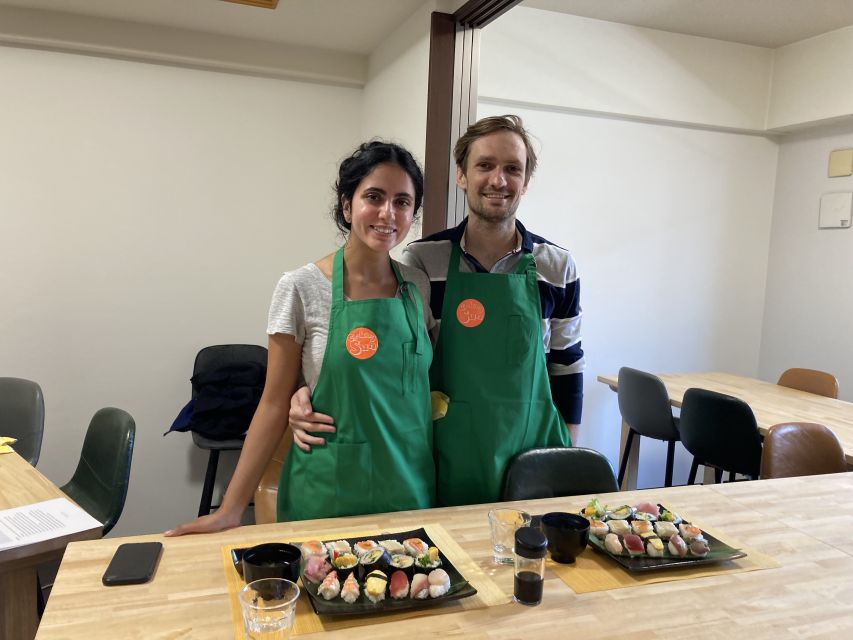
- Three Osaka sushi styles in one 3-hour class, not a rushed demo
- Hands-on oshizushi, using a square frame so your sushi looks like box sushi
- Nigiri technique with vinegared rice, focusing on ingredient placement
- Salad roll build, with nori, fresh veg, and a tamagoyaki egg core
- English instruction in a small group (up to 8), so you can ask questions
- Fresh, included ingredients, with a substantial amount of food to eat
Sushi class in Osaka: why this is a smart use of your time
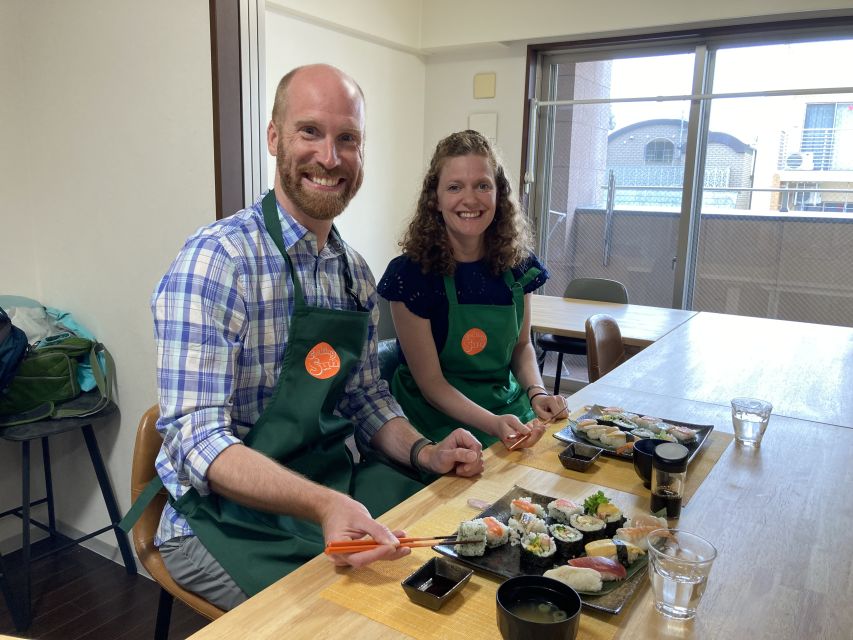
Osaka is famous for street food, but sushi is where you slow down. A class like this helps you understand what makes sushi sushi, especially rice texture, topping placement, and the reason certain styles are popular in Kansai.
I like the mix here because you do three approaches that feel different in your hands. Nigiri teaches careful topping placement on vinegared rice. Oshizushi teaches a more mechanical method, pressing rice into a square frame so everything sticks together. And the salad roll gives you a lighter option that still uses classic sushi logic, nori, rice, and technique.
At $67 for 3 hours, you should think of it as a skill lesson plus lunch. You are not just paying for food, you are paying for guided practice and the ingredients to make a real plate of sushi.
More Sushi Workshops in Osaka
- Sushi Making Osaka! Popular Sushi Class in Japan!
★ 5.0 · 500 reviews - Osaka Sushi Making Experience
★ 5.0 · 400 reviews - Osaka: Roll and Authentic Sushi Making Class in Dotonbori
★ 4.9 · 239 reviews
Finding Cooking Sun Osaka, Room 202, without losing time
The meeting point is Cooking Sun Osaka, room 202. When you arrive, press 202 and the call button at the entrance, then wait for someone to buzz you in.
One practical note: some people have trouble with this kind of address because it is not a big street-facing restaurant sign. If you are taking a taxi, ask the driver to wait while you confirm the building name and room number, then call up as directed. On foot, take an extra moment to spot the entrance and match it to the room instructions.
If you want your first 10 minutes to be calm, plan to arrive a few minutes early. In a class this hands-on, starting on time matters because you lose practice time when you are late.
Your 3-hour workflow: you make, you learn, you eat
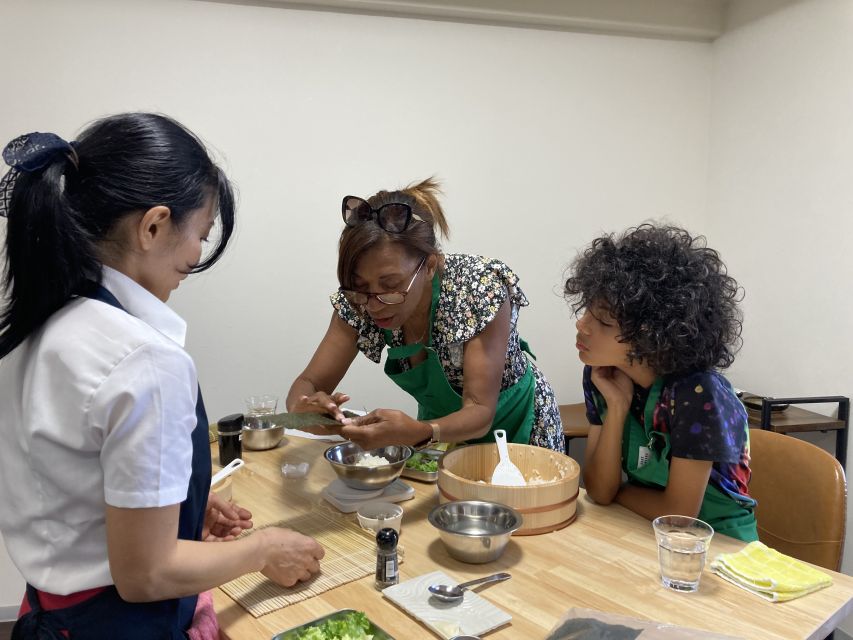
The class runs about 3 hours and stays small, limited to 8 participants. That small size is not just for comfort, it changes how you learn. You can ask, get corrected, and try again without waiting your turn for long stretches.
You also get a clear payoff at the end. You do not leave with a paper certificate and a couple bites. You eat what you made, and the portions are enough that you should come hungry.
And since the instructors work in English, you can ask about what you are doing and why. The best classes do this in the moment, while your hands are still learning the steps.
Salad roll: building a lighter roll with a tamagoyaki core
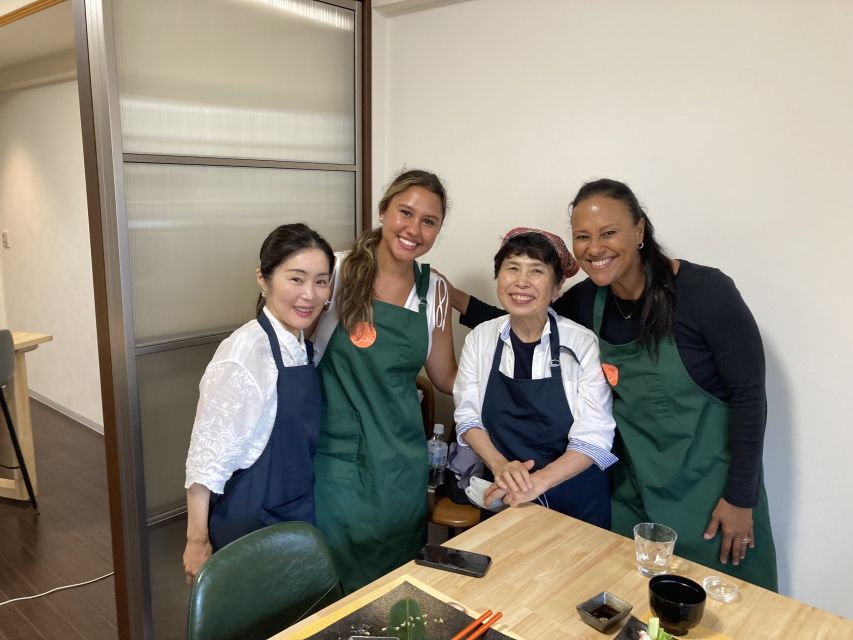
You will make a salad roll type, and it is more structured than it sounds. The components include crab-flavored kamaboko, lettuce, cucumber, and tuna mixed with mayonnaise. You then wrap it with nori and include a tamagoyaki (egg roll) core.
Here is why this matters for you. Many sushi beginners focus only on fish, but this roll teaches the balance of ingredients you will see all over Japan. You learn how to layer fillings so each bite has something crunchy, something creamy, and something savory.
Watch the nori. Nori is your glue and your wrapper, and if it dries out or tears, your roll falls apart. In classes like this, you get guidance on handling nori and keeping your filling packed but not overstuffed.
If you eat a little lighter on your trip, this roll is also a smart stomach strategy before you move on to nigiri and oshizushi.
A different sort of day in Japan:
- Osaka Go Karting Tour with Funny Costume
★ 5.0 · 2,658 reviews - Osaka Castle: Museum and Tower Entry Ticket
★ 4.5 · 2,380 reviews - Osaka: Shinsekai Food Tour with 13-15 Dishes at 5 Eateries
★ 4.8 · 2,204 reviews - Osaka Food Tour: 13 Dishes at 5 Local Eateries
★ 5.0 · 2,149 reviews
Nigiri: the classic skill of rice and topping placement
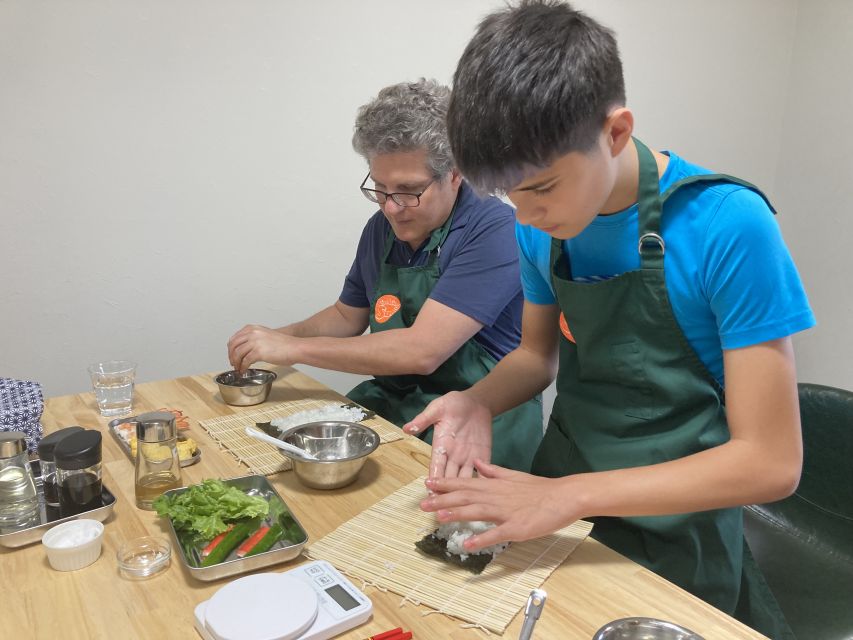
Next comes nigiri, one of Japan’s most recognizable sushi styles. The basic idea is simple: vinegared rice with an ingredient placed on top, such as fish, shellfish, or omelet.
Even with that simple formula, nigiri is all about details. You are learning how vinegared rice behaves in your hands, how to shape it without smashing it, and how to balance the topping so it sits naturally.
This is the moment where technique becomes visible. If your rice is too wet, the topping slides. If your rice is too dry, it can crumble. If your topping is placed too loosely, the sushi breaks when you pick it up.
You will likely get feedback as you go, which is why a small-group setting matters. In a class with more people, you might only get one quick look. Here, you can correct mistakes and try again.
Oshizushi in Osaka: the pressed square box sushi method
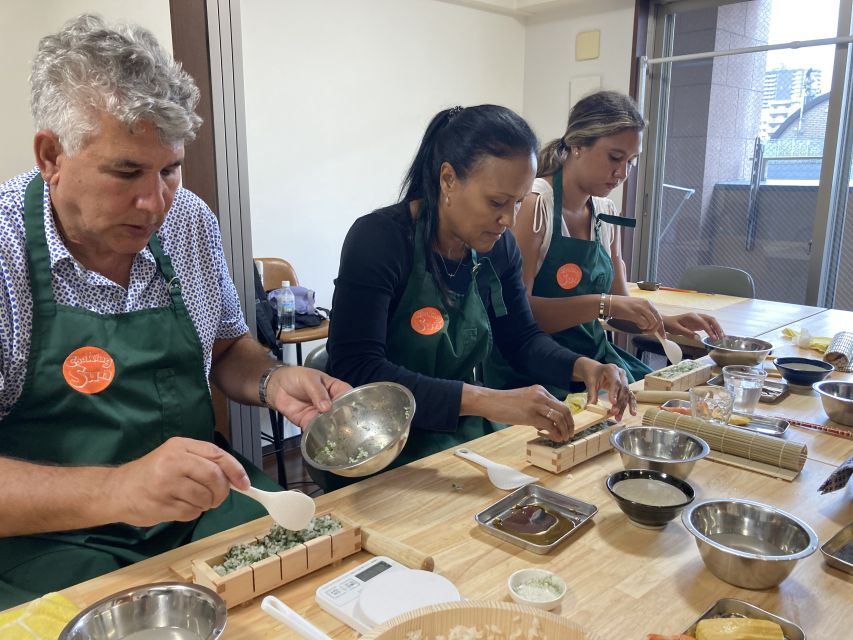
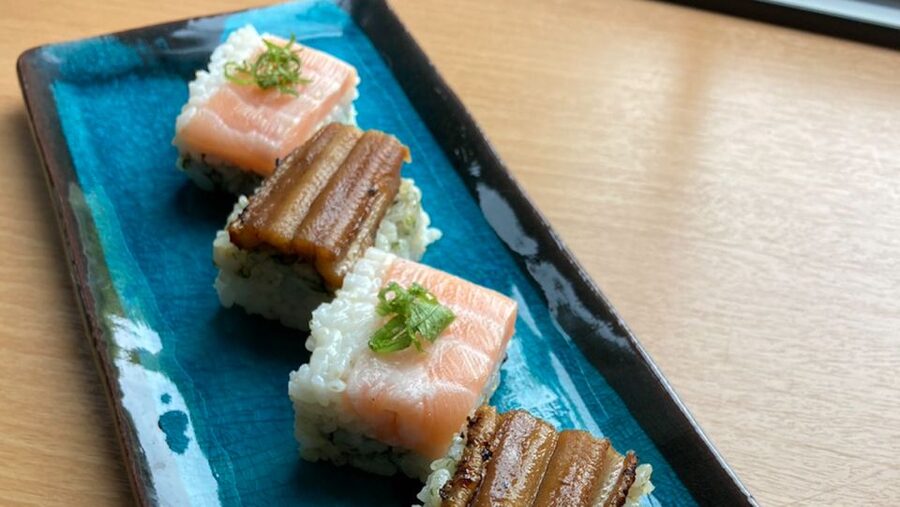
This is the Osaka specialty you do not get in every sushi class: oshizushi, also called box sushi in Osaka. The technique is traditional for the Kansai region.
You fill a square wooden frame with sushi rice and toppings, then press the rice with your hand so everything adheres. The result is a square you can cut into pieces right before eating.
Why you will probably enjoy this part, it feels like craft. You are not just wrapping or placing, you are compressing and trusting the method. Pressing teaches you how sushi rice acts as a binding medium.
It also gives you a different eating experience than nigiri. Nigiri is bite-sized and delicate. Oshizushi is more structured, and the first bite tells you whether your press was firm enough.
And since it is built in a frame, it is easier to get something that looks clean even if you are a beginner. That matters on a trip, because you want results you can be proud of, not just lessons you pretend to understand later.
Ingredient inclusion and real value for $67
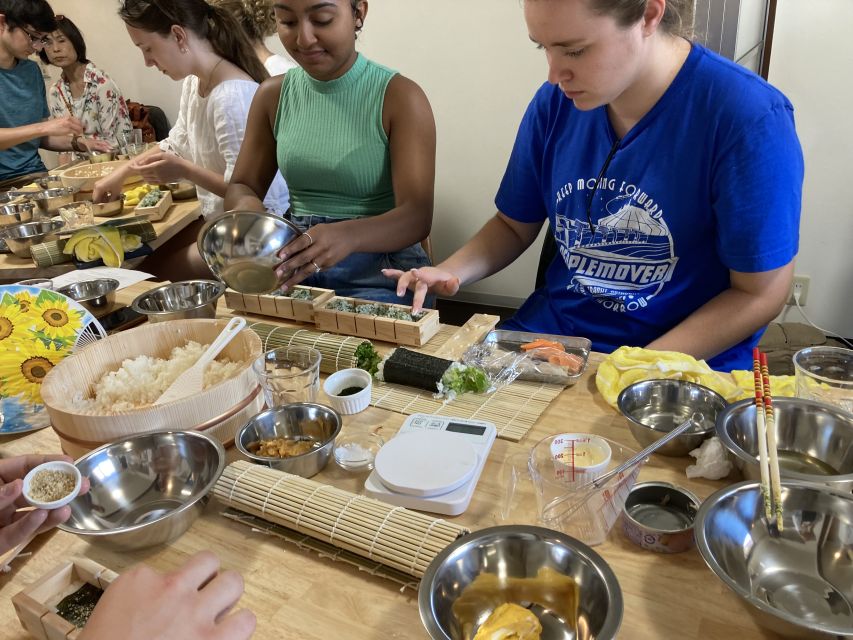
You get all the ingredients for sushi making included in the price. That is a big deal because the cost of quality fish, rice, nori, and rice seasonings adds up fast if you try to recreate this at home.
The value comes from two places:
First, you get instruction in English from an actual chef or cooking teacher, not just a recipe card. Learning rice handling and pressing technique is hard to do from videos, especially when you are figuring out textures and timing.
Second, you end up with enough food to eat as a real meal. Multiple people have emphasized that the class leaves them fed, not peckish. In practical terms, that means you can reduce the number of extra meals you buy later that day.
If you are the type who likes to take home a skill, this class is worth it even if you are not a sushi superfan. If you only want to eat, you might find better deals on a normal restaurant meal. But if you want both, the math usually works in your favor.
Who this sushi class is best for
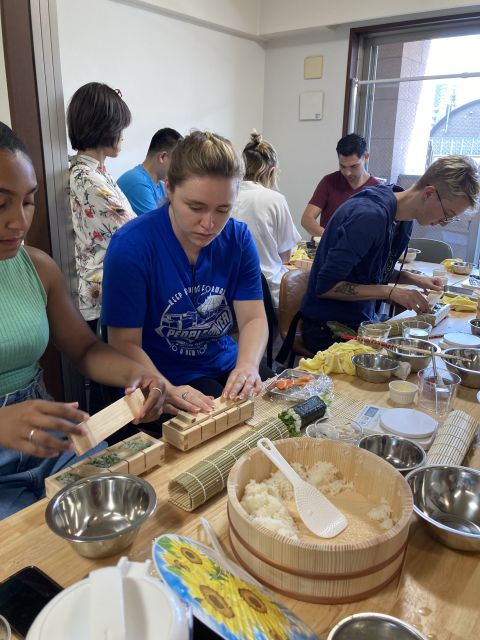
This is a strong fit for:
- Beginners who want guided steps and a clear payoff plate
- Sushi lovers who want to learn more than one style
- People who enjoy hands-on cooking and want to ask questions
It is also a good “small group” option if you do not want a crowded classroom vibe. The class is limited to 8 participants, and experiences tend to stay interactive.
If you are traveling with someone who likes food and culture but also wants practical skills, sushi making is one of the few activities that hits both.
Important dietary notes: vegetarian and gluten-free
If you need a vegetarian option or gluten-free option, you should leave a note upon booking. That is the right time to communicate it because ingredient substitutions matter, especially for items like fish-based components and any sauces or add-ins that could contain gluten.
If you have food allergies beyond gluten, you should also double-check what is workable with your instructor during booking notes, since sushi ingredients vary by class.
What to expect from the instruction style
The class is taught in English, and instructors tend to give clear, step-by-step guidance. In the experiences I see here, teachers like Yoshi, Yoko, Ami, and Eriko are attentive and interactive, not distant.
A nice extra: the class format leaves room for conversation. Some instructors will ask about your trip and suggest where to go and what to eat next. That turns a cooking class into a mini food briefing for the rest of your Osaka day.
You will also learn more than the steps. In past sessions, instructors have talked about Japanese cooking methods and how ingredients are used and preserved. Even if you only remember one or two points, it makes you more confident ordering food later.
Should you book this Osaka sushi class?
If you want a hands-on food activity that ends with a real meal, I think you should book it. The three techniques make it feel worth the time, and the small group size helps you actually learn what you are doing.
I would skip it only if you are set on a purely sightseeing day and do not want to spend time in a kitchen. Also, if you hate following precise meeting-point instructions, give yourself extra time arriving at Cooking Sun Osaka and confirm room 202 on arrival.
Otherwise, this is one of those “learning + eating” experiences that fits neatly into an Osaka itinerary, especially if you are already planning to be near Dotonbori.
FAQ
What sushi types will I make in the class?
You will make three types: a salad roll, nigiri, and oshizushi (pressed sushi, also called box sushi in Osaka).
How long is the sushi class?
The class lasts about 3 hours.
Is the class taught in English?
Yes, the instructor teaches in English.
How big is the group?
The class is limited to a small group, up to 8 participants.
Can I request a vegetarian or gluten-free option?
Yes. You should leave a note when booking for vegetarian and or gluten-free needs.
Where do I meet for the class?
Meet at Cooking Sun Osaka, room 202. When you arrive, press 202 and use the call button at the entrance.
What does the $67 price include?
The price includes all ingredients needed for sushi making.
Is free cancellation or pay later available?
You can cancel up to 24 hours in advance for a full refund, and there is a reserve now, pay later option where you pay nothing today.
Newly listed around Osaka
- (Ticket Included) Explore Osaka Castle & Museum of History★ 4.8 · 21 reviews
- Hidden Osaka – Yukaku Red Light Tour & Culinary Adventure★ 4.8 · 96 reviews
- Osaka: Walking Tour and Top Highlights★ 4.8 · 104 reviews
- Same Day OK! Osaka: Local Food, Izakaya & Local Bites Tour!★ 4.8 · 17 reviews
- Osaka: Private Ceramic Painting Workshop★ 5.0 · 13 reviews
- Eat Like a Local in Osaka – Private Custom Street Food Tour★ 4.3 · 33 reviews
- Pickleball in Osaka & Kyoto with Locals!★ 4.6 · 64 reviews
- Osaka:SUMO BEATS SHOWCASE: Taiko Drum and Wagyu burger!★ 4.2 · 37 reviews
Sushi Cooking Workshops, compared.
Sushi Making Tokyo Roll and Authentic Japanese Sushi Class
Read our review →
Roll and Authentic Sushi Making Class in Asakusa
Read our review →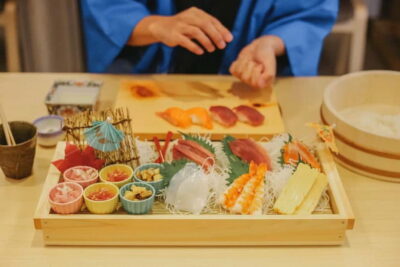
Sushi Making Class in a Happi Coat near a Famous Spot
Read our review →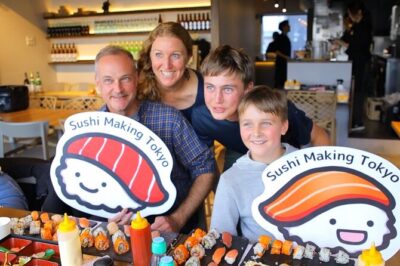
Sushi Making Tokyo! Popular Maki Sushi & Japanese Sushi(+Recipe!)
Read our review →
Tokyo Sushi Making Class in Tsukiji with Professional Chef
Read our review →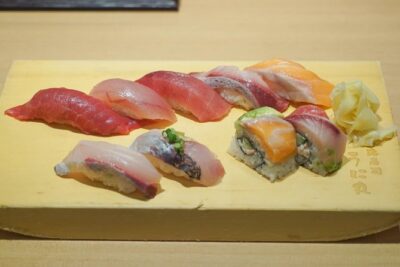
Tokyo Night Foodie Tour in Shinjuku – Seasonal Sushi, Wagyu Beef
Read our review →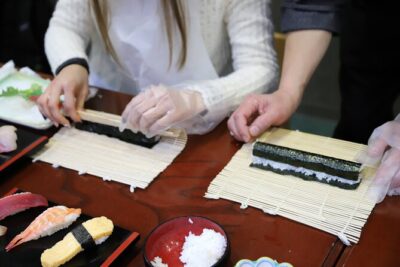
Tsukiji Fish Market Guided Tour and Sushi Making with Pro Chef
Read our review →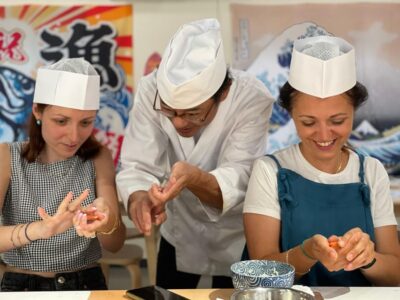
Tsukiji Fish Market Sushi Making Class with Pro Chef
Read our review →Browse the lists this tour appears in