
Review · WALKING TOURS
Osaka Walking Tour
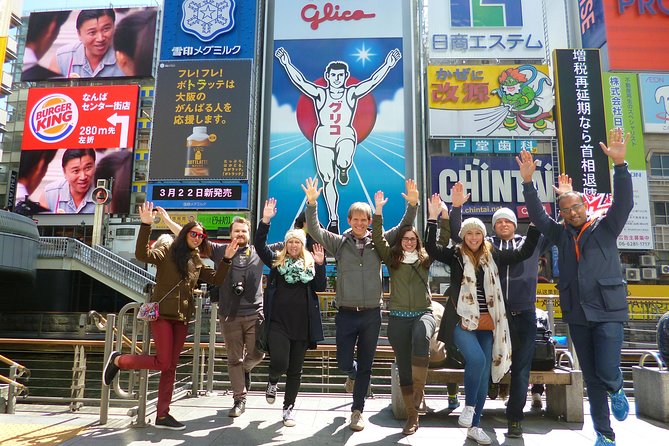
Osaka can feel like a maze your first morning, so start with a guided loop. This 3-hour walk gives you an efficient taste of several Osaka styles, from the big, modern Umeda zone to the street-food energy of Shinsekai and the lights around Dotonbori.
I like how it mixes real local stops with an easy pace, so you’re not just sightseeing buildings. I also love the Kushikatsu tasting, plus a non-alcoholic drink, because it helps the whole tour feel practical, not just scenic.
One thing to consider: you may still need to pay for subway rides during the tour, since subway fare is not included. If you’re expecting a full food crawl with lots of tastings, the snack portion is intentionally small.
In This Review
- Key highlights you should care about
- Starting in Umeda, right where Osaka’s energy starts
- What you’ll notice right away
- Osaka Station City stop: modern convenience as your orientation tool
- Shinsekai: the street-food core where Kushikatsu makes sense
- The alley-and-market feeling in between
- Hozenji and Dotonbori energy, with a guide to keep it meaningful
- Riding the subway like locals, and what it costs you
- Pacing, walking style, and why it matters in humid Osaka
- Group size helps the pace
- Value check: is $53.06 worth it for a 3-hour walk?
- Should you book this Osaka walking tour?
Key highlights you should care about
- Small group size (max 10), which makes it easier to ask questions and keep up
- Kushikatsu tasting in Shinsekai, one of Osaka’s most “only in Osaka” snacks
- A tour that ends at Ebisu Bridge, right where Dotonbori’s iconic energy lives
- You ride public transit like a local, with subway fare listed separately
- Rain or shine timing, so you can still build your day even when Osaka weather turns
Starting in Umeda, right where Osaka’s energy starts
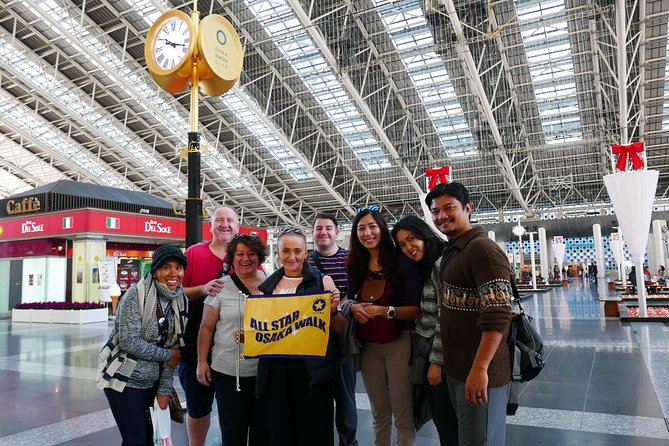
The tour begins at the Osaka Tourist Information Center, on the ground level of JR Osaka Station, in front of the central gate. You meet at 9:50 am, and the walk starts exactly at 10:00 am, with your guide holding an All Star Osaka yellow flag. The end point is Ebisu Bridge (Ebisu-bashi), so you’re finishing in the thick of the Dotonbori entertainment district.
That opening matters. JR Osaka Station is big, busy, and full of corridors that all look the same after five minutes. A guided start here saves you from wasting your limited first-day time doing navigation math. Instead of you guessing which exits make sense, you’re already pointed in the right direction, with your guide leading you through the station area and the nearby Osaka Station City zone.
Also, this is a small-group format. The tour is capped at 10 people, which changes the feel from a herded walk into something closer to a shared outing. In the reviews, names like Hideoki, Harry, Rika, and Kaori came up again and again for being clear, friendly, and helpful, especially for first-timers trying to wrap their head around Osaka’s layout.
More Walking Tours in Osaka
- Osaka: Hotspots & Hidden Gems Walking Tour Private or Group
★ 4.9 · 1,300 reviews - Osaka Backstreet Nightlife & Street Food Walking Tour
★ 5.0 · 1,011 reviews - Osaka Local Foodie Walking Tour in Dotonbori and Shinsekai
★ 5.0 · 985 reviews
What you’ll notice right away
Even before you get to the neon, you’ll likely pick up a theme: Osaka is practical and layered. You’ll pass through modern spaces (Osaka Station City) and then work your way toward older-feeling districts (like Shinsekai) where street life and snack culture do the talking.
Osaka Station City stop: modern convenience as your orientation tool
One of the first structured moments is Osaka Station City, a modern hub in the north center of the city. The tour spends about 45 minutes here, and you don’t pay for any ticket at this stop.
This section is not just “look at a mall.” It’s a reset button for your senses. Osaka Station City is the kind of place where locals can walk, shop, and transit without thinking too hard. When you experience it early in the day, you start understanding why Osaka commuters move so efficiently even when everything feels crowded.
If you’re anything like me, the station can feel overwhelming. Having a guide makes it easier to translate the signage, understand where your next direction comes from, and learn a few local habits so you don’t feel lost later when you’re outside.
Shinsekai: the street-food core where Kushikatsu makes sense
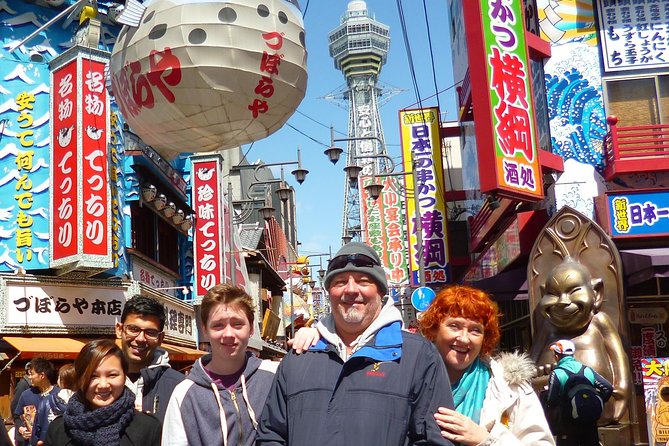
Next comes Shinsekai, one of Osaka’s most recognizable downtown areas. This is where the tour shifts gears from transit hubs to a neighborhood built around eating out, with lots of small restaurants and the sense that you can wander and still find something worth trying.
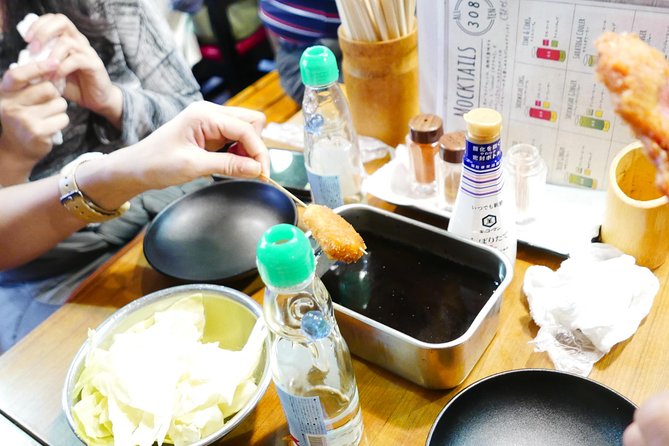
The tour stops at a restaurant for the included snack: Kushikatsu (deep-fried skewered snacks). A non-alcoholic drink is included as well. Kushikatsu is one of those foods that’s simple on paper but feels very local in practice. It’s also a smart move for a walking tour because it’s fast, shareable, and fills the “why are we here” gap that some city walks miss.
In the reviews, the Kushikatsu stop gets positive mentions as part of what makes this tour a strong “first few hours in Osaka” choice. Guides such as Mikano (spelled that way in one review), Keiko, and Ichi were praised for pacing and for explaining what you’re seeing, not just pointing and walking. That’s especially important in Shinsekai, because the area has a playful, lived-in rhythm that’s easier to appreciate when you understand what you’re looking at.
A few more Osaka days to weigh up
- Osaka Bar Hopping Night Walking Tour in Namba (3 bars, 6 tastes)
★ 5.0 · 958 reviews - Osaka: Deep Backstreets Walking Tour with Dinner Option
★ 4.9 · 902 reviews - Ultimate Osaka Walking Tour: Castle, Dotonbori & Hidden Gems
★ 5.0 · 862 reviews - Osaka: Main Sights and Hidden Spots Guided Walking Tour
★ 4.9 · 702 reviews
The alley-and-market feeling in between
From Shinsekai, the walk continues through smaller lanes lined with restaurants and passes by a lively commercial district with theaters and flashy billboards. Those bits are short, but they’re doing a job. They show you Osaka’s street layer, the one that exists between the big landmarks.
Osaka is famous for food and street scenes, but you only get the full feeling by walking through the in-between parts. That’s where you catch the atmosphere that photos alone miss.
Hozenji and Dotonbori energy, with a guide to keep it meaningful
The tour description also points you toward the Dotonbori entertainment district waterfront area, plus a visit to Hozenji temple. Those elements matter because they broaden the tour beyond “snack and neon.”
Hozenji is the kind of stop that gives you context. Osaka may be known for commerce and nightlife, but it also has older religious and cultural layers that explain how the city developed its identity. On a short walk like this, a temple visit works best when it’s explained in plain terms, which is exactly how many guide comments read, including from people who praised their guides’ English and clarity.
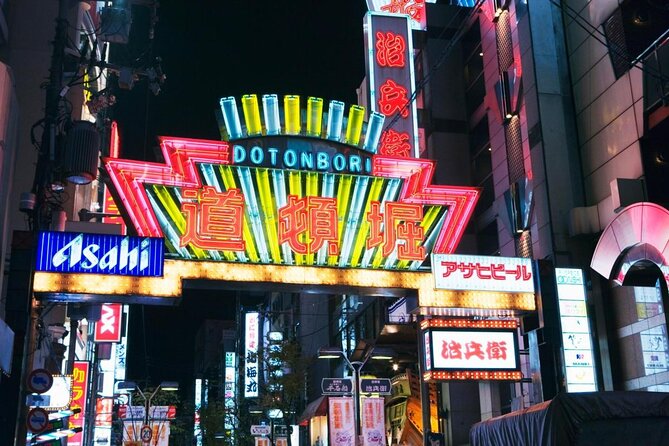
Then comes Dotonbori, and you’ll end at Ebisu Bridge. This is a strong finish. Ebisu-bashi sits in one of Osaka’s most photo-friendly and atmosphere-heavy zones. Even if you plan to explore Dotonbori later, ending your tour here is convenient because you can roll right into your next plan.
If you want to keep the night easy, this is ideal. You finish in the area where you already want to be, instead of traveling back to your hotel first.
Riding the subway like locals, and what it costs you
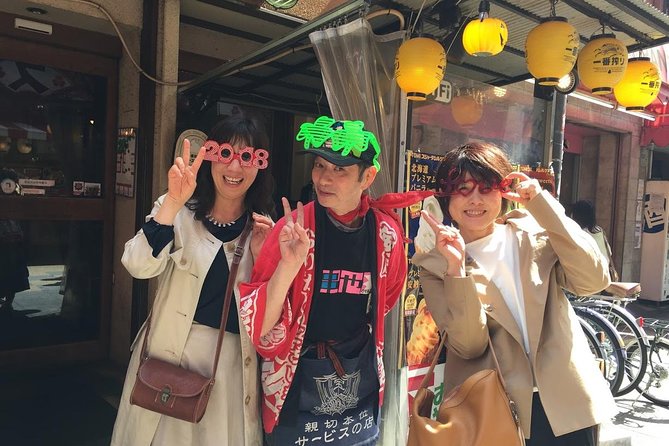
The tour includes a public transit component, described as riding the subway like a local. The important part for your planning: subway fare is not included.
The listed costs are:
- Adult and Youth: 430 yen
- Child: 220 yen
So you should keep a little cash or a transit method ready. This is one of those “small detail, big time saver” issues. If you’re used to tours where everything is wrapped up, it’s easy to miss this and then hit a small friction point in the middle of your walk.
Why the subway ride matters on a short tour: it helps you experience Osaka’s real flow. You’re not only seeing districts, you’re moving between them in the way locals do. That makes the neighborhoods feel connected instead of like separate postcards.
Pacing, walking style, and why it matters in humid Osaka
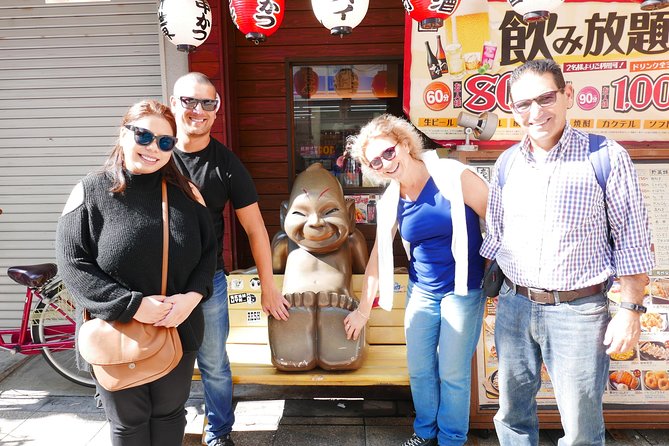
This is a moderate-walking tour designed for most travelers, but it’s still a walking tour. Wear comfortable shoes. The itinerary also notes the use of escalators and some steps, and it says to mind a baby with a stroller.
The practical takeaway is simple: bring footwear you can move in for a few hours without thinking about it. Osaka heat and humidity can turn a pleasant walk into a sweaty slog if you’re in the wrong shoes.
Group size helps the pace
Because the group is max 10, the pacing tends to be more manageable. That also makes it easier for slower walkers to keep up and faster walkers to slow down without feeling rushed. Many of the stronger reviews mention a comfortable pace and a guide who didn’t rush people through stops.
Value check: is $53.06 worth it for a 3-hour walk?
Price listed: $53.06 per person, for about 3 hours, with a mobile ticket.
Here’s how I’d judge the value:
- You get a local guide for the whole time, not just a short introduction.
- You get a Kushikatsu tasting plus one non-alcoholic drink.
- The itinerary covers multiple Osaka zones in a short window, including a snack stop and an end location at Ebisu Bridge where you can keep exploring.
The cost becomes more reasonable if you’re on a tight schedule and you want orientation fast. This is the kind of tour that helps you plan the rest of your Osaka day with fewer detours.
Where it can feel less worth it is if you expect lots of food tastings, long stays at each site, or a fully ticketed transit plan. The tour is built around a single food tasting, and subway fare is separate. It’s still a solid deal for the guide-led orientation and the single meaningful snack, but it’s not trying to be a 10-stop food festival.
Should you book this Osaka walking tour?
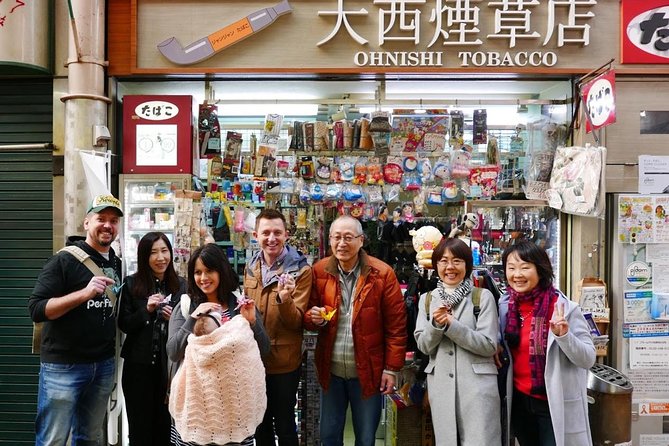
I’d book it if:
- You’re short on time and want a quick, practical first look at Osaka
- You want a guide to help you understand how districts connect, especially around Osaka Station and Dotonbori
- You’re happy with one included food tasting, as long as it’s something truly local like Kushikatsu
I might skip it if:
- You want a long, multi-tasting food crawl with lots of different dishes
- You hate paying extra for subway rides mid-tour, since fare is listed separately
- You prefer fully private, fully hands-off exploring, because this tour is small-group and guide-led
If you do book, I’d do one smart prep move: decide what you want your next step to be after Ebisu Bridge. Since the tour ends right in Dotonbori, you can turn that into a smooth plan for dinner, shopping, or a nighttime stroll without backtracking.
Overall, this is a strong “get oriented and eat one iconic snack” Osaka introduction, with guides like Hideoki, Harry, Rika, Kaori, Keiko, and Ichi repeatedly praised for making the city feel easier to understand.
Newly listed around Osaka
- (Ticket Included) Explore Osaka Castle & Museum of History★ 4.8 · 21 reviews
- Hidden Osaka – Yukaku Red Light Tour & Culinary Adventure★ 4.8 · 96 reviews
- Osaka: Walking Tour and Top Highlights★ 4.8 · 104 reviews
- Same Day OK! Osaka: Local Food, Izakaya & Local Bites Tour!★ 4.8 · 17 reviews
- Osaka: Private Ceramic Painting Workshop★ 5.0 · 13 reviews
- Pickleball in Osaka & Kyoto with Locals!★ 4.6 · 64 reviews
- Eat Like a Local in Osaka – Private Custom Street Food Tour★ 4.3 · 33 reviews
- Osaka:SUMO BEATS SHOWCASE: Taiko Drum and Wagyu burger!★ 4.2 · 37 reviews
Walking Tours, compared.
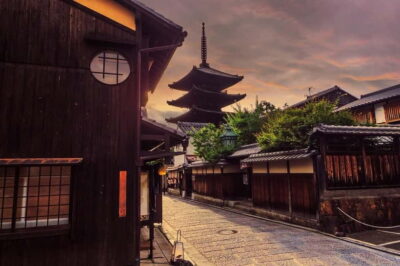
Kyoto Geisha Walking Tour: Gion District & Hidden Gems
Read our review →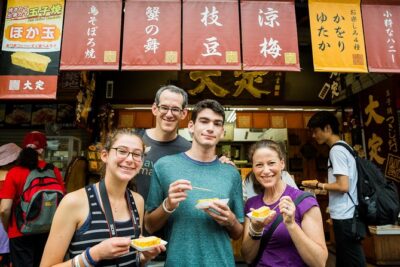
Tokyo Tsukiji Fish Market Food and Culture Walking Tour
Read our review →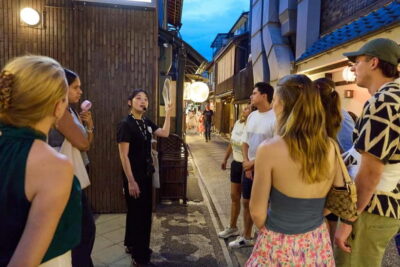
Gion Geisha District Walking Tour – Stories of Geisha
Read our review →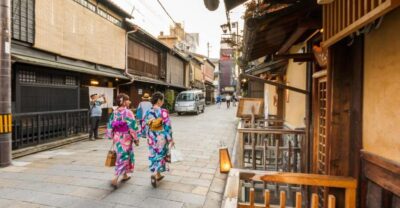
Shinjuku Local Bar and Izakaya Guided Walking Tour
Read our review →

Asakusa Walking Tour with Sensoji Temple Visit
Read our review →
Kyoto Gion Geisha District Walking Tour – The Stories of Geisha
Read our review →Browse the lists this tour appears in