

Review · WALKING TOURS
Otaru: Private Guided Walking Tour with Local Guide
Otaru moves at a human pace, and a private walking tour helps you see the right corners without wasting time. With a nationally licensed guide, you get history and street-level context, plus a route that you can adjust to your interests for a smooth half-day in Hokkaido.
I especially like two things about this experience: the focus on major Otaru landmarks and the freedom to steer the itinerary (4 or 6 hours). You also get a personal guide who can translate what you are seeing into real cultural meaning, not just dates on a sign.
The main thing to consider is fit. If your Otaru time is really short, like a cruise port stop, this can feel like more money than you need for a quick photo round.
In This Review
- Key things that make this tour worth your time
- What you are really buying with this private Otaru walk
- Timing and length, 4 hours vs 6 hours
- Pickup that keeps you moving, not waiting
- Starting on the Otaru Canal footpath, why that matters first
- Otaru Sankaku Ichiba, the triangular market experience
- The Otaru Music Box Museum, nostalgia with brick and glass
- Kitaichi Glass, craftsmanship tied to fishing history
- Where “local spots” fit in, sweets and side streets
- Private guides make the difference, especially with customization
- Price and value: $106 per person for a half day with a licensed guide
- What to wear and bring for comfort in Otaru
- Who should book this Otaru private guided tour
- Should you book it?
- FAQ
- How long is the Otaru private guided walking tour?
- Is the tour private?
- What languages will the guide speak?
- Can I customize the itinerary?
- What is included in the tour price?
- What is not included?
- Does the tour run in the rain?
- Where does pickup happen, and when do I meet the guide?
Key things that make this tour worth your time
- Nationally licensed guide-interpreter (English and Japanese) so you get accurate cultural explanations
- Private, on-foot pacing that works for couples, solo travelers, and small groups
- Otaru Canal footpath for an easy start and the most recognizable scenery
- Otaru Sankaku Ichiba at a historic triangular market established in 1957
- Otaru Music Box Museum with a brick-clad building and a nostalgic feel
- Kitaichi Glass craftsmanship tied to Otaru’s fishing industry, plus time to see the work up close
What you are really buying with this private Otaru walk
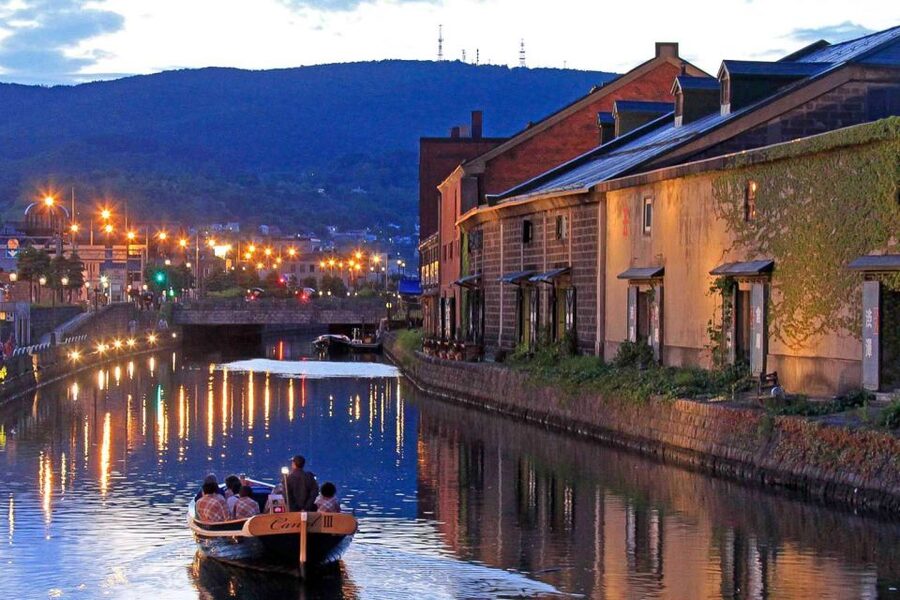
This is not a bus tour where you are herded between stops. You are paying for a guide who can read the flow of Otaru on foot and shape the route around what you care about. That matters here because Otaru rewards slower wandering: lanes, waterfront views, old buildings, and shops that only make sense when someone points out what to notice.
The “private” part is also practical. You can ask questions as you go. You can linger near the canal, speed up when you already get the vibe, and choose a 4-hour or 6-hour version based on how much walking you want.
You will spend most of your time outdoors, so wear shoes you trust. And plan to pay for food and any museum or attraction entrance fees, since those are not included.
More Walking Tours in Sapporo
- Sapporo: The Indigenous Ainu People & Jozankei walking tour
★ 4.9 · 25 reviews - Sapporo Walking Tour
★ 4.9 · 17 reviews - Sapporo Highlights: Golden Route Morning Guided Walking Tour
★ 4.9 · 16 reviews
Timing and length, 4 hours vs 6 hours
You can choose a shorter or longer tour, and that choice changes the feel of the day.
A 4-hour plan is best if you want the highlights without feeling like you are running late. Expect a concentrated walk through central Otaru with stops that hit the biggest themes: the canal area, the market atmosphere, and one or two signature culture stops.
A 6-hour plan gives you more breathing room. It is the better option if you like browsing shops, taking photos without speed-walking, and adding extra time for sweets and casual meals along the way. It also helps if you want your guide to build in more customization, like a stronger focus on food or on craft history.
Either way, you are not stuck with a fixed sequence. The guide can customize your route or take care of itinerary planning for you.
Pickup that keeps you moving, not waiting
Pickup is built around where you are already staying. Your guide will meet you in your hotel lobby, outside the train station, or at your requested pickup address, about 10 minutes before your scheduled pickup time.
If you are close enough to walk, pickup may be done on foot. That small detail matters because the first 20 to 30 minutes of a city walk are usually the most time-sensitive part of the day.
Also note the tour runs rain or shine. That means you should bring a rain layer or compact umbrella and be ready for wet pavement around the canal.
Starting on the Otaru Canal footpath, why that matters first
The tour typically starts with an easy win: a relaxing stroll along the Otaru Canal footpath. This is the most famous sightseeing stretch in Otaru, and it is a smart first stop for two reasons.
First, it gives you orientation. When you see the canal layout early, the rest of the old-town feel clicks faster. Second, it sets the tone. Otaru’s charm is not just buildings. It is the relationship between water, warehouses, and the streets that evolved around trade.
You do not need to be an architecture nerd to enjoy this part. You just need a comfortable pace and a guide to point out what is historically significant versus what is simply pretty.
Practical tip: the canal area can be slippery in rain. Go slow, keep your footing sure, and take photos from a steady spot rather than while walking.
A few more Sapporo days to weigh up
- Sapporo Highlights: Golden Route Morning Walking Tour
★ 4.5 · 14 reviews - Kyoto Geisha Walking Tour: Gion District & Hidden Gems
★ 4.7 · 3,273 reviews - Tokyo Tsukiji Fish Market Food and Culture Walking Tour
★ 5.0 · 3,184 reviews - Kyoto: Gion Geisha District Walking Tour – Stories of Geisha
★ 4.7 · 2,187 reviews
Otaru Sankaku Ichiba, the triangular market experience
Next up is Otaru Sankaku Ichiba, a historic triangular market that was established in 1957. The name tells you a lot, but what you really get here is market energy. Even if you do not do a full seafood meal, the atmosphere is part of the lesson.
This is also where your guide can help you decide what to taste. The experience is built to let you enjoy fresh seafood here, but food is not included, so you control the budget. That is a good setup because market pricing can vary, and you may want lighter snacks instead of a full dish.
Why this stop works on a private walk: a guide can suggest what to look for and how to read the place quickly. You are not stuck trying to figure out the best stall on your own with a time limit.
A small drawback to keep in mind: if you hate crowds or fast foot traffic, markets can feel intense. This is the one area where you may want to slow down, ask questions, and aim for calmer moments rather than peak rush.
The Otaru Music Box Museum, nostalgia with brick and glass
Then the tour often turns from seafood and streets into something quieter: the Otaru Music Box Museum. The key detail is the building itself, with a brick-clad main structure that creates a nostalgic, old-style atmosphere.
If you are the kind of traveler who likes tactile objects and small design details, you will likely enjoy this stop. A music box museum is not about speed. It is about looking closely, listening if you choose to, and letting the visuals do their thing.
This is also a good break point during a walking tour. Even if it is still active indoors, it tends to be less physically demanding than outdoor canal sections.
One consideration: entrance fees are not included. If you are trying to keep the day as close to the base price as possible, decide ahead of time whether you want to go in and spend the money.
Kitaichi Glass, craftsmanship tied to fishing history
The tour highlights Kitaichi Glass, where you can feel and see Otaru craftsmanship up close. This part matters because the museum stops in Otaru are not just for sightseeing. They connect the city’s identity to work people once did every day.
You learn about the company’s history and its important role in the city’s fishing industry. That connection is more meaningful than it sounds. In places like Otaru, glasswork was never just decorative. It supported trade, tools, and everyday needs around the sea.
Seeing the impressive glasswork is the obvious payoff. The better one is the context your guide provides so you can understand why this craft became a local signature.
Practical tip: if you care about glass details, give yourself a little extra time here. Even small changes in viewing angle can make the work look totally different.
Where “local spots” fit in, sweets and side streets
The tour is built to include time for local favorites, such as restaurants and sweet shops, plus hidden corners your guide may recommend. Since food and drinks are not included, you are not locked into a set menu. That flexibility is a real advantage because Otaru’s best finds are often the small ones, not the loud ones.
This also helps the 4-hour vs 6-hour decision. With more time, you can do a proper sweet stop rather than just a quick taste. With less time, you can still get the flavor of Otaru, just more focused.
A useful mindset: treat the meal stops as choices, not obligations. Your guide can steer you, but you decide what fits your appetite and your schedule.
Private guides make the difference, especially with customization
The standout theme from guides on this style of tour is preparation. One guide, Katsuko, reportedly planned around points the group had already indicated they wanted to see, which is exactly how you want a private guide to work. Another guide, Tracy, was praised for clear English and a cheerful, knowledgeable introduction to Otaru while taking guests to the major sites.
That is the practical value of a private, licensed guide in Otaru: you get a smoother story. Instead of wandering and hoping you have the right context, you get it delivered as you move.
And because you can customize, you can tilt the day toward what you care about. You might prioritize canal photos and craft shops. Or you might lean harder into the market and seafood experience. If you know what you like, bring it up at the start so the route can match your pace.
Price and value: $106 per person for a half day with a licensed guide
At $106 per person for a 4 to 6 hour private walking tour, you are paying for three big things: a nationally licensed guide-interpreter, the private format, and a route that covers multiple high-importance Otaru stops without transit friction during the walking portion.
Whether it feels like a deal depends on your style of travel:
- If you are comfortable paying for curated time, this can be good value because you are buying planning, translation, and pacing.
- If you only want quick photos and you do not care about explanations, you may decide Otaru is better handled on your own.
- If your visit is limited to a cruise day, keep expectations realistic. Otaru is lovely, but a guided half-day can still feel like extra cost if you do not think you will get enough time to make it count.
My advice: decide based on time and curiosity. If you will be genuinely interested in market culture, crafts like Kitaichi Glass, and the way Otaru developed around trade, the price is easier to justify.
What to wear and bring for comfort in Otaru
Since this is a walking tour with rain-or-shine operation, comfort matters more than style.
- Wear comfortable shoes with grip.
- Bring a light rain layer.
- Bring something for quick breaks if you need it, since food and drinks are not included.
- If you plan to enter museums or shops with fees, mentally budget for those extras.
Also, plan for the normal “tour friction”: time spent chatting, time spent photographing, and time spent deciding what you actually want to taste. A private guide helps you handle that without rushing.
Who should book this Otaru private guided tour
Book it if you want:
- a focused Otaru Canal to craftsmanship to market route
- a guide who can explain Japanese culture and history with English support
- a private pace that works for your own interests
- a half-day experience that feels planned but not rigid
I would be a little cautious if:
- you have very limited time and just want a quick overview
- you are not interested in guided context and would rather wander freely
- you dislike crowds, since the market stop can feel busy
This is also a good fit for anyone who likes the “small big picture” style of travel, where craft history, waterfront trade, and local food culture connect across a few blocks.
Should you book it?
Yes, if you are spending real time in Otaru and you want more than scenery. The standout elements are the combination of canal walking, Sankaku Ichiba market culture, and craft-centered stops like Kitaichi Glass, all guided by a nationally licensed interpreter.
I would pass or rethink it if you are basically doing Otaru as a quick stop and you know you will skim everything. In that case, the cost can feel steep for what becomes a short, photo-heavy day.
If you like guided pacing, ask questions, and want your Otaru stops to mean something, this private walking tour is a strong match.
FAQ
How long is the Otaru private guided walking tour?
It lasts 4 to 6 hours. You can choose the shorter or longer option based on your schedule.
Is the tour private?
Yes. This is a private group tour, with a local licensed guide.
What languages will the guide speak?
The tour is guided in English and Japanese.
Can I customize the itinerary?
Yes. You can customize your route or let the guide plan the itinerary, based on your interests.
What is included in the tour price?
You get a private, personalized walking tour, a licensed local guide, and pickup from your accommodation on foot if within a reasonable distance.
What is not included?
Food and drinks are not included, and any entrance fees are not included. You may also have to cover public or private transportation fees during the tour.
Does the tour run in the rain?
Yes. The experience takes place rain or shine.
Where does pickup happen, and when do I meet the guide?
The guide will be waiting in your hotel lobby, outside the train station, or at your requested pickup address. Plan to arrive about 10 minutes before the scheduled pickup time.
Newly listed around Sapporo
- Hakodate Exploration Tour with Private Guide★ 4.5 · 9 reviews
- Hakodate 4hr Private Tour with Government-Licensed Guide★ 5.0 · 7 reviews
- Hakodate Rickshaw Tour★ 5.0 · 18 reviews
- SkyExpress Private Transfer: New Chitose Airport – Niseko (8 Pax)★ 5.0 · 15 reviews
- Chitose Airport to Niseko Private Transfer | Licensed Driver★ 5.0 · 19 reviews
- Sopporo: Hokkaido Shrine and Atama Daibutsu Full-Day Tour★ 4.8 · 12 reviews
- Silver Ring Workshop – Smith at Keio Plaza Sapporo★ 5.0 · 7 reviews
- Sapporo TV Tower Admission Ticket★ 4.7 · 21 reviews
Walking Tours, compared.

Kyoto Geisha Walking Tour: Gion District & Hidden Gems
Read our review →
Tokyo Tsukiji Fish Market Food and Culture Walking Tour
Read our review →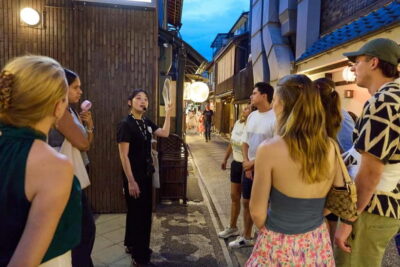
Gion Geisha District Walking Tour – Stories of Geisha
Read our review →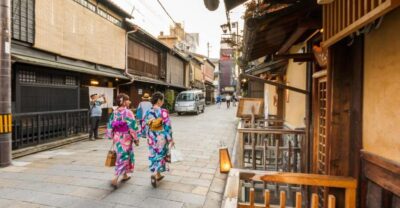
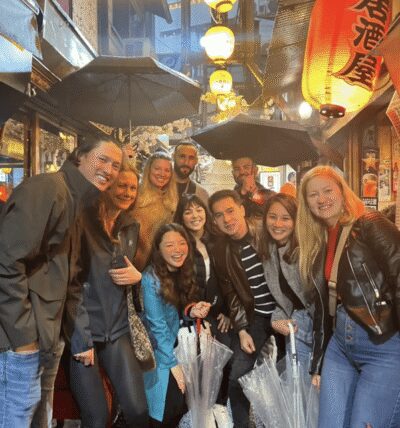
Shinjuku Local Bar and Izakaya Guided Walking Tour
Read our review →

Asakusa Walking Tour with Sensoji Temple Visit
Read our review →
Kyoto Gion Geisha District Walking Tour – The Stories of Geisha
Read our review →Browse the lists this tour appears in