
Review · WALKING TOURS
Sapporo: The Indigenous Ainu People & Jozankei walking tour
A day that starts with people, not postcards. This tour pairs a guided visit to the Sapporo Ainu Cultural Center with a winter-friendly walking route through Jozankei, then ends in a real hot spring soak. It is a long day, but it feels structured, not rushed, especially with an English guide who knows how to keep the pace moving.
I especially love the way the Ainu museum experience is designed for close contact, not just looking through glass. You get hands-on craftwork made by Ainu artisans, plus clear context for life, history, and art in Hokkaido’s indigenous culture.
My one caution is physical comfort. The day includes a fair amount of walking on uneven ground, and it is not suitable for wheelchair users or people with back problems.
In This Review
- Key highlights you will actually use
- Entering the Sapporo Ainu Cultural Center the right way
- The Sapporo start: meeting Myomu and planning for no lunch
- Getting to Jozankei: why the park setting matters
- Jozankei walking tour stops: shrine, parks, and the bridge
- The footbath stop at Gesen Park: small break, big payoff
- Hotel Shika no Yu onsen: 2 hours of real day-bath time
- Timing and pacing: long day, structured flow
- Price and value: what $170 really buys you
- Who this tour fits best, and who should think twice
- Should you book this Sapporo Ainu and Jozankei tour?
- FAQ
- What time and where do I meet for the tour?
- How long is the tour?
- What is included in the price?
- Is lunch included?
- What hot spring experience do I get at the end of the day?
- What should I bring?
- Is the tour suitable for wheelchair users?
- Is there a cancellation policy?
Key highlights you will actually use
- Touch and experience Ainu craftwork at the Sapporo Ainu Cultural Center, not just view it behind glass
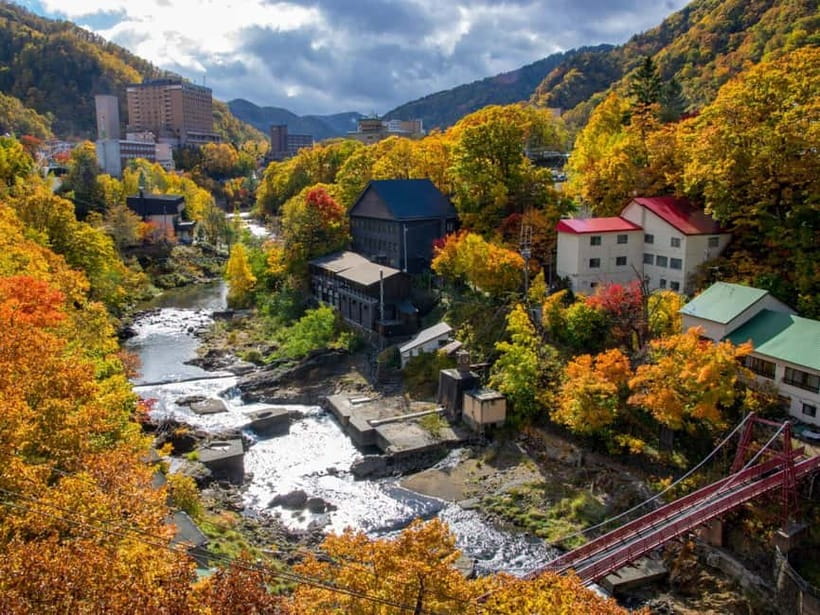
- A guided Jozankei stroll through Jozankei Shrine and Temple, Gesen Park, and Futami Park
- Futami Tsuribashi Suspension Bridge crossing, plus a footbath stop that breaks up the walking
- Hotel Shika no Yu 2-hour day-bath to close the day properly
- English guide with a friendly pace, including time to chat during down moments between rides
Entering the Sapporo Ainu Cultural Center the right way
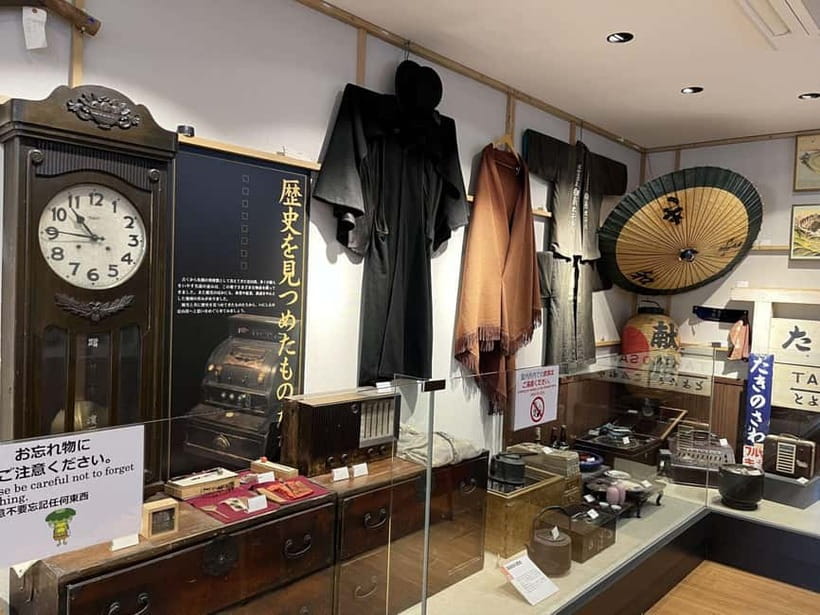
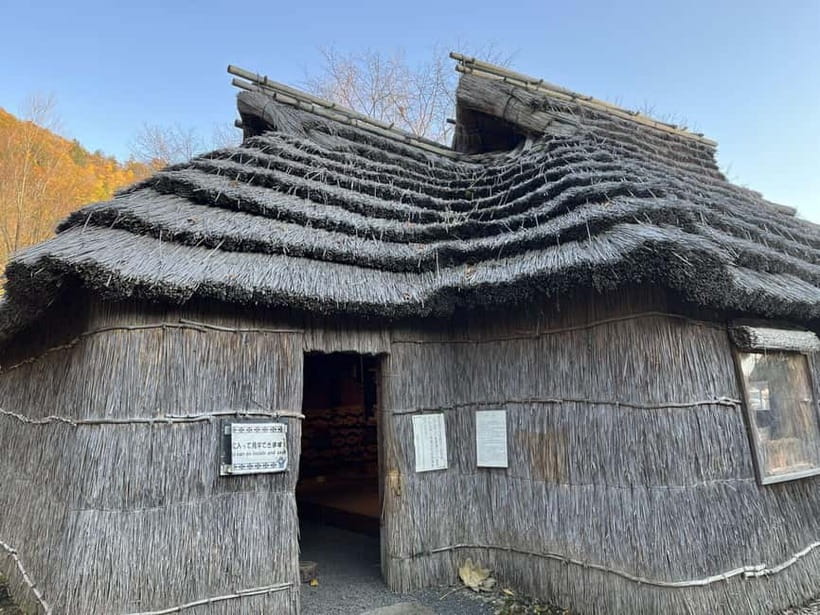
The Ainu Cultural Center visit is the heart of the morning, and it sets the tone for the whole day. You head there from Sapporo, then spend about 1.5 hours learning how the Ainu lived, what shaped their culture, and how their art reflects daily life. The big win is that this facility is built for direct engagement.
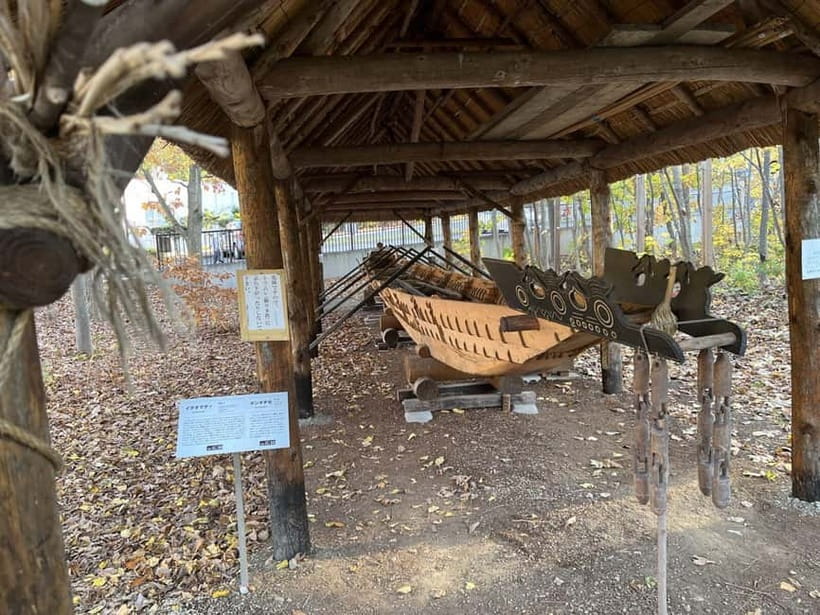
This is not a sit-and-stare museum day. The center is described as the first of its kind in Japan that focuses on the original inhabitants, and it’s designed so visitors can feel, touch, and experience traditional Ainu craftwork made by Ainu artisans. That changes how you remember what you see. Instead of facts floating in your head, you get sensory context for materials and techniques.
A guide makes a difference here. In particular, Scott is mentioned as a strong communicator, explaining details in a way that feels conversational rather than like a lecture. If you care about understanding a culture beyond surface-level symbolism, this is the stop that pays you back later when you start connecting dots about Hokkaido.
More Walking Tours in Sapporo
- Sapporo Walking Tour
★ 4.9 · 17 reviews - Sapporo Highlights: Golden Route Morning Guided Walking Tour
★ 4.9 · 16 reviews - Sapporo Highlights: Golden Route Morning Walking Tour
★ 4.5 · 14 reviews
The Sapporo start: meeting Myomu and planning for no lunch
Your day begins at 9 a.m. at the Myomu meetup point outside Sapporo Station. It helps to arrive a few minutes early, especially in winter when stations can feel busy and visibility can be low. The directions are clear, turn left after you exit through the main JR gates, head toward the South Exits, and look for the circular white stone structure with your guide wearing a Snow Monkey Resorts tour tag.
From there, the schedule moves by train and coach. You spend about 80 minutes on the train, then you switch to a bus for the route to Jozankei. It’s useful to know the day is long, so you should treat it like a real outing, not a light stroll with occasional transport.
One practical item that matters: lunch is not included. That means you need to plan your own meal before you go, or be ready to eat during free time in Jozankei. I like doing this in a simple way. I pack a snack and water for the ride portions, then I let the Jozankei time become meal time instead of trying to squeeze everything in.
Getting to Jozankei: why the park setting matters
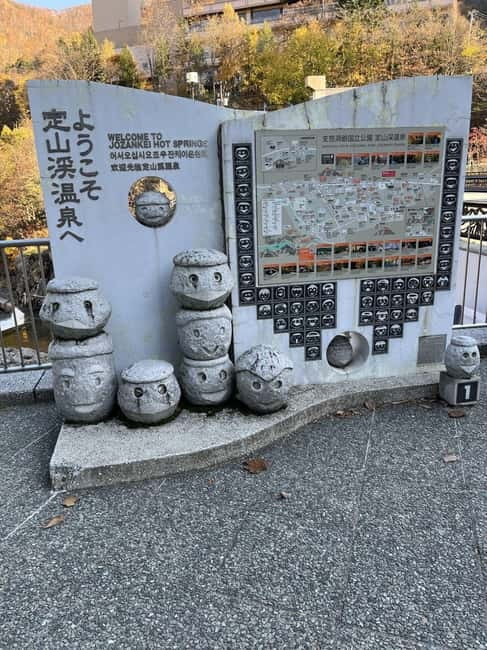
Once you reach Jozankei, you are in an area tied to Shikotsu-Toya National Park. The area’s character comes from topography and natural phenomena created by hundreds of years of volcanic activity. That sounds like geology class, but it helps you appreciate why the water and hot spring culture here feel so central.
The coach ride is about 1 hour to get into the area. Then you have the main block of time for sightseeing, roughly 4.25 hours, including guided stops and some free time. This chunk is important because it lets you take in the village without feeling like you are sprinting between photos.
In winter, conditions can affect comfort. One thing that shows up in feedback is that bus wait times can feel longer under winter schedules. That is not a dealbreaker, but it is real. If you hate waiting, bring a calm mindset and plan to use downtime for small breaks, warming up, and hydrating.
Jozankei walking tour stops: shrine, parks, and the bridge
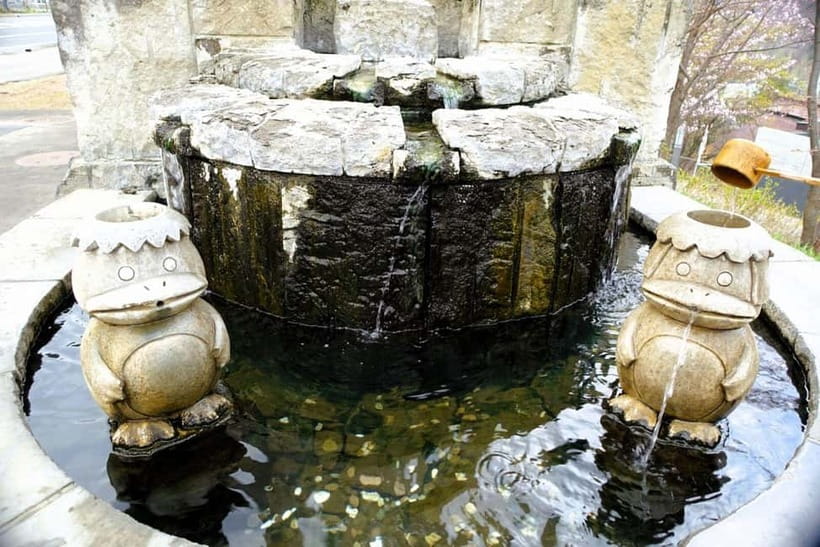
This is a walking day, and the route is arranged so you get variety without zigzagging endlessly. You visit major cultural and scenic highlights, then you work toward a signature photo moment: the Futami Tsuribashi Suspension Bridge.
Here’s what you can expect along the way:
- Jozankei Shrine and Temple: a spiritual pause that gives the area more meaning than just scenery. It’s one of the stops that frames Jozankei as an actual community, not a themed attraction.
- Gesen Park, plus a footbath: you get a break from the cold and a small taste of hot water culture before the main soak later.
- Futami Park: another viewpoint and walking target that helps you spread out the time instead of doing one long straight line.
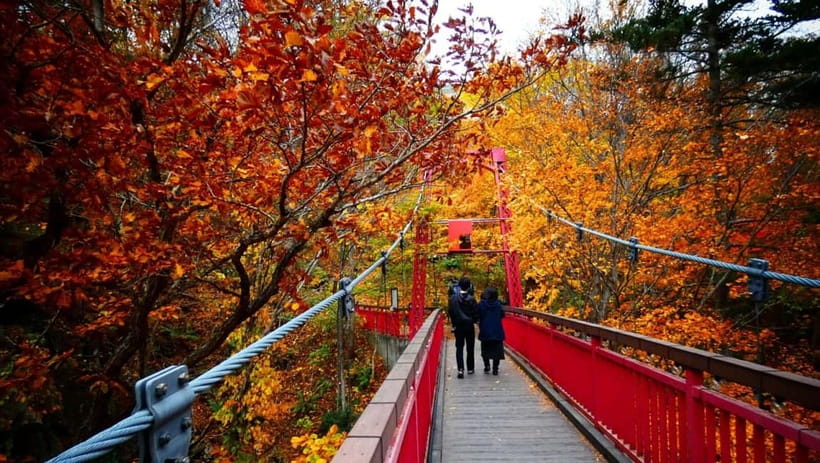
The bridge crossing is the big physical landmark. The Futami Tsuribashi Suspension Bridge turns the walk into an event. Even when it’s not a warm day, you get that satisfying feeling of moving from one side of the river or valley to the next, with views that look extra crisp in winter light.
A key tip: bring comfortable shoes and expect uneven surfaces. In snowy or icy conditions, grip matters more than style. And because this tour includes multiple outdoor stops, you will feel happier if you dress in layers you can adjust as you switch between cold air and indoor spots.
A few more Sapporo days to weigh up
- Otaru: Private Guided Walking Tour with Local Guide
★ 4.6 · 7 reviews - Kyoto Geisha Walking Tour: Gion District & Hidden Gems
★ 4.7 · 3,273 reviews - Tokyo Tsukiji Fish Market Food and Culture Walking Tour
★ 5.0 · 3,184 reviews - Kyoto: Gion Geisha District Walking Tour – Stories of Geisha
★ 4.7 · 2,187 reviews
The footbath stop at Gesen Park: small break, big payoff
The footbath is a smart pacing tool. You get a chance to warm your feet without committing to the full etiquette-heavy onsen yet. It also gives you a natural moment to slow down, take a breather, and reset for the final stretch of sightseeing.
This stop also makes practical sense for the day’s rhythm. You are walking for hours, and your feet take the hit first. A footbath can be the difference between finishing the day feeling tired and finishing it feeling pleasantly worn out.
I recommend treating it like part of the tour experience, not just a bonus. Sit, warm your feet, and take a moment. You’ll be ready to move again with better comfort, and you’ll enjoy the bridge and the final onsen stop more.
Hotel Shika no Yu onsen: 2 hours of real day-bath time
The day ends with a relaxing hot spring soak at Hotel Shika no Yu. The main onsen time is a 2-hour day-bath experience, which is long enough to actually feel the benefit instead of treating the bath like a quick dip.
This is also where you need to follow onsen bathing etiquette. The tour data is direct that rules must be respected, and you should plan on taking cues on-site. Since etiquette expectations are common in Japan, the best approach is simple: be observant, ask if something is unclear, and move carefully and quietly so you do not disrupt others who are there to relax.
You should also come prepared. Bring a towel and a change of clothes for the onsen experience. Hydration matters too, so keep water handy for after outdoor walking. Cold air can make you forget you are thirsty.
One more practical point: if you want maximum comfort, think about timing. The onsen stop is last, so the earlier hours should be about pacing and conserving energy so the bath actually feels like a reward instead of a chore.
Timing and pacing: long day, structured flow
The total duration is 570 minutes, which is about 9.5 hours. It is not a half-day. But it is also not chaotic. The flow moves in a logical order: Ainu culture in the morning, travel to Jozankei, sightseeing in the hot spring village, then onsen to finish.
The travel segments matter because they affect how you spend your energy. You do a train ride first, then bus rides to and from the Jozankei area. That can mean more waiting time during winter schedules, so pack a few mental tricks: keep warm, stay patient, and use downtime to check what you will do next.
The walking segment in Jozankei is the heaviest part, and it lasts for hours. You should expect that your comfort will depend on your footwear, your ability to handle uneven ground, and your willingness to walk at a steady pace.
Good news: the day is guided in English, and Scott is highlighted as someone who stays personable and keeps the conversation going during down time. That makes the rides feel shorter, and it helps if you have questions about what you are seeing.
Price and value: what $170 really buys you
At $170 per person, this tour sits in the category where you are paying for convenience and interpretation, not just transport. Here is what you are getting for the cost:
- An English-speaking guide
- Transportation fees from Sapporo Station to all listed destinations and activities
- Entry and admission tickets for each attraction on the route
That bundling is a big part of the value. You avoid the mental overhead of coordinating multiple legs by yourself, and you also avoid the awkward “how do I get there and what am I supposed to do once I arrive” problem.
What is not included is also important. Lunch is not included, and you do not have accommodation tied to the price. So your true day cost depends on what you eat and what you do for lodging separately.
The onsen component is also part of the value equation. A 2-hour day-bath at Hotel Shika no Yu is a real capstone. If you are the type of traveler who wants onsen time without spending hours comparing options, this package can be a fair deal.
One more value note: the tour runs in a way that supports conversation, and that is not trivial. When the guide can answer questions and explain what matters, you get more than a checklist of stops.
Who this tour fits best, and who should think twice
This is a strong match if you want a guided day that combines cultural learning and hot spring relaxation. It suits people who:
- care about learning about the Ainu in a hands-on way
- want a structured sightseeing route in Jozankei
- are comfortable walking for hours and handling winter conditions with good shoes
- like ending the day with a proper onsen soak
It is not a good match if you have mobility or medical constraints. The tour data says it is not suitable for people with back problems and wheelchair users. Uneven surfaces and the walking-heavy portion of Jozankei matter here.
If you hate waiting during transfers, consider this too. In winter, bus schedules can include longer coach waits, and that can stretch your patience.
Should you book this Sapporo Ainu and Jozankei tour?
I would book this if you want more meaning than a standard sightseeing day. The Ainu Cultural Center visit is the standout for depth, especially because you can touch and experience craftwork and get clear explanations from a guide like Scott. Then Jozankei gives you scenic walking and a real hot spring finish instead of ending the day on a bus ride with nothing to show for it.
Skip it if you cannot handle long walking time, uneven ground, or if your back needs strict caution. Also skip it if you are chasing the simplest possible day with minimal transfers.
If you are in good walking shape and you want a day that respects both culture and relaxation, this one is worth it. It gives you a clear story arc from indigenous culture to winter village sights to a 2-hour onsen day-bath that actually lets your body cool down from the cold and call it a win.
FAQ
What time and where do I meet for the tour?
You meet at the Myomu meetup point after exiting the main JR gates of Sapporo Station, turning left and heading toward the South Exits. You should be there at 9 a.m.
How long is the tour?
The total duration is 570 minutes.
What is included in the price?
The price includes an English-speaking tour guide, transportation fees from Sapporo Station to all listed destinations and activities, and all entry or admission tickets for the attractions on the tour.
Is lunch included?
No, lunch is not included.
What hot spring experience do I get at the end of the day?
You end with a 2-hour day-bath experience at Hotel Shika no Yu hot spring, and you should follow onsen bathing etiquette.
What should I bring?
Bring comfortable shoes, a towel, a change of clothes, and water.
Is the tour suitable for wheelchair users?
No, it is not suitable for wheelchair users.
Is there a cancellation policy?
The tour offers free cancellation up to 24 hours in advance for a full refund.
Newly listed around Sapporo
- Hakodate Exploration Tour with Private Guide★ 4.5 · 9 reviews
- Hakodate 4hr Private Tour with Government-Licensed Guide★ 5.0 · 7 reviews
- Hakodate Rickshaw Tour★ 5.0 · 18 reviews
- Chitose Airport to Niseko Private Transfer | Licensed Driver★ 5.0 · 19 reviews
- SkyExpress Private Transfer: New Chitose Airport – Niseko (8 Pax)★ 5.0 · 15 reviews
- Sopporo: Hokkaido Shrine and Atama Daibutsu Full-Day Tour★ 4.8 · 12 reviews
- Silver Ring Workshop – Smith at Keio Plaza Sapporo★ 5.0 · 7 reviews
- Sapporo TV Tower Admission Ticket★ 4.7 · 21 reviews
Walking Tours, compared.
Kyoto Geisha Walking Tour: Gion District & Hidden Gems
Read our review →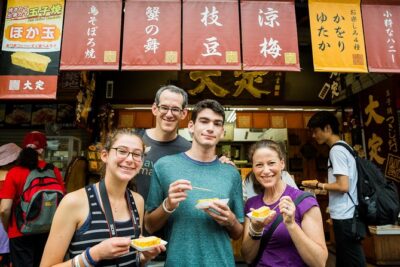
Tokyo Tsukiji Fish Market Food and Culture Walking Tour
Read our review →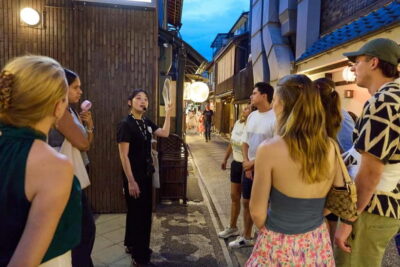
Gion Geisha District Walking Tour – Stories of Geisha
Read our review →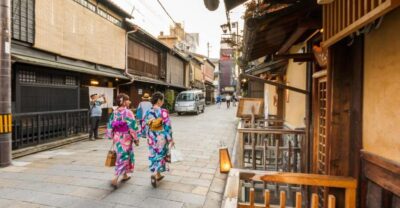
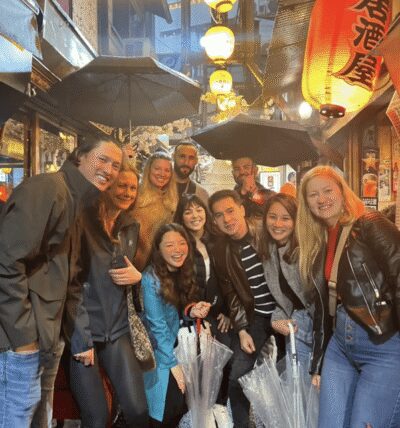
Shinjuku Local Bar and Izakaya Guided Walking Tour
Read our review →
Asakusa Walking Tour with Sensoji Temple Visit
Read our review →
Kyoto Gion Geisha District Walking Tour – The Stories of Geisha
Read our review →Browse the lists this tour appears in