
Review · WALKING TOURS
Sapporo Walking Tour
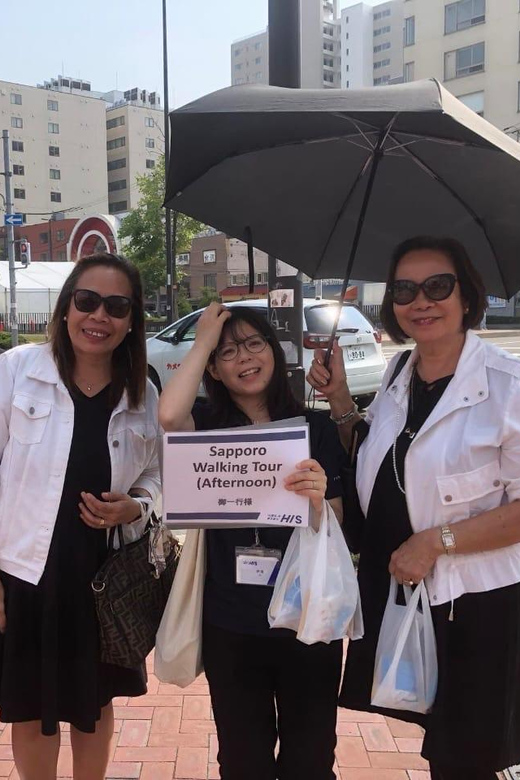
Sapporo hits different when you walk it. This small-group Sapporo walking tour with English guides from H.I.S. turns the big sights into something you can actually connect to, not just photograph. I especially like the chance to see the city’s center through history and local stories, plus the included Sapporo TV Tower Observatory ticket. The one real consideration is that in some cases, meeting instructions can be a bit unclear because the meeting point may be inside a building, so plan a few extra minutes and check details.
You’ll cover the classic Sapporo highlights at a comfortable walking pace, ask questions along the way, and get practical ideas for what to do next. If winter weather makes the sidewalks tight, the tour may shift to underground walkways for safety, which is smart, if a little less scenic.
In This Review
- Key things I’d plan around
- Getting oriented fast, without feeling rushed
- Starting at Sapporo Station, then walking the core
- Former Hokkaido Government Office (Red Brick) and why it matters
- The Clock Tower and Odori Park, Sapporo’s open-air center
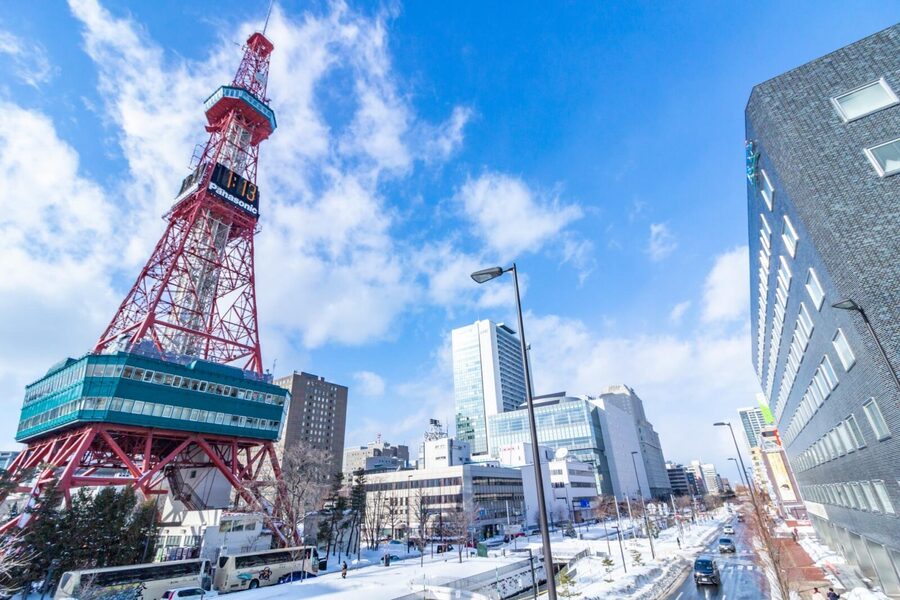
- Sapporo TV Tower Observatory, included and worth timing
- The sweets stop: Kitakaro, Snow Brand Parlor, or a guide’s pick
- Tanuki Koji and Nijo Fish Market on the afternoon option
- Winter realities: narrow sidewalks and underground walkways
- How guides like Jessica and Hiro shape the whole tour
- Pace, group size, and how to get the most out of 3 hours
- Price and value: what $58 buys you
- Should you book this Sapporo walking tour?
- FAQ
- What is the duration of the Sapporo Walking Tour?
- How many people are in the group?
- What language are the tours offered in?
- What is included in the ticket price?
- Is food or drink included?
- Where does the tour begin?
- Will the tour run in bad weather?
- How does the tour handle snowy sidewalks?
- What should I bring?
- Is cancellation possible?
Key things I’d plan around
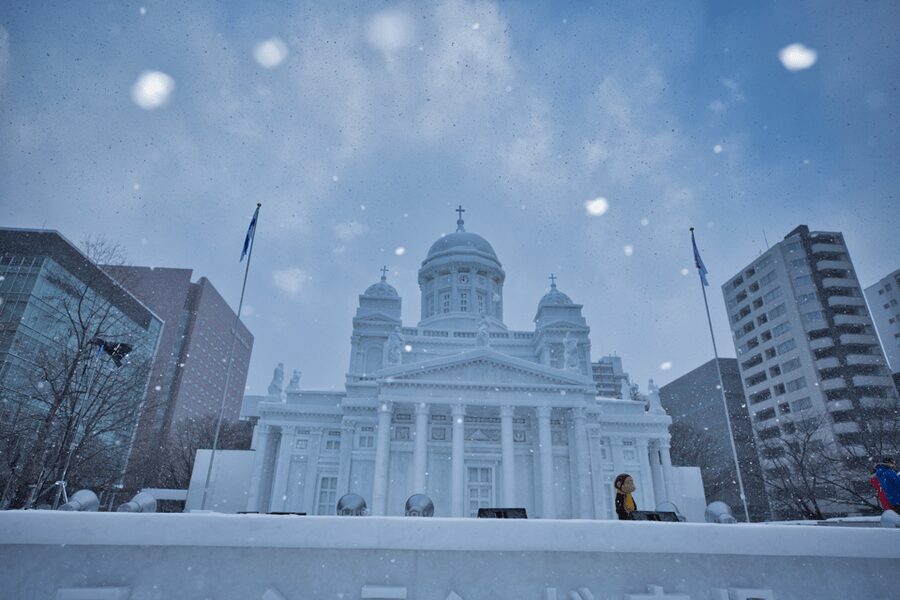
- Up to 8 people keeps the pace easy and questions welcome
- TV Tower Observatory admission included saves time and adds real payoff at the top
- History stops that make sense together, like the Red Brick Office and the Clock Tower area
- Sweets stop built in, with options such as Kitakaro or a Snow Brand Parlor, depending on what’s running
- Winter safety routing, with possible use of underground walkways when sidewalks get narrow
Getting oriented fast, without feeling rushed
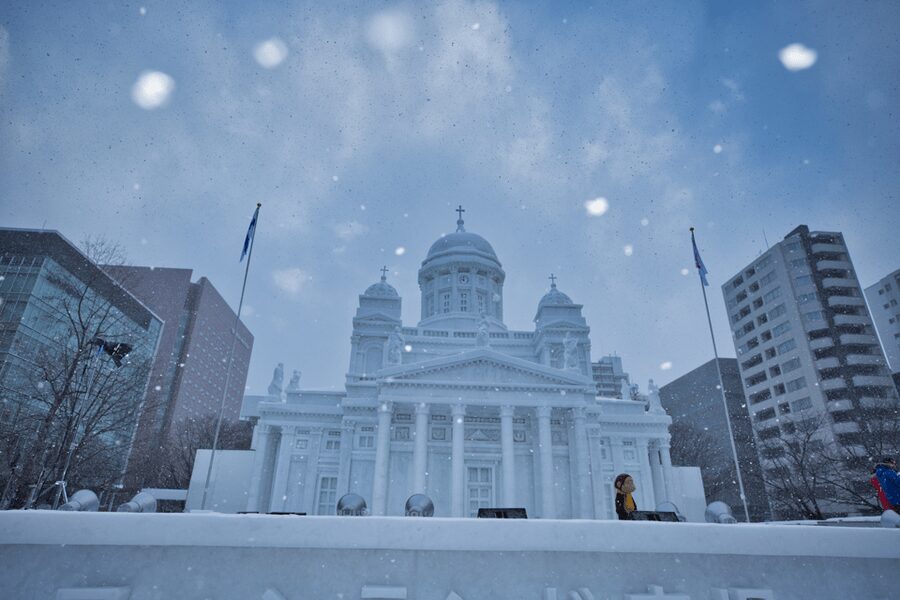
Sapporo is one of those cities where the main sights are close enough to walk, but spread out enough that you can waste time wandering in circles. This tour is built to fix that. You start in the heart of it, then move along a route that links major landmarks with the kind of context that helps you recognize what you’re looking at later.
I also like the way the group size works. With a cap of 8 participants, the guide can actually respond to you, not just talk at you. That matters most when you ask small, specific questions like where locals eat, what’s worth trying, or what to skip if you’re short on time.
The route is designed to be doable in changing weather. Even with rain or snow, the tour continues as long as conditions allow. That flexibility is useful in Hokkaido, where forecasts can shift and “just a drizzle” can turn into something colder fast.
More Walking Tours in Sapporo
- Sapporo: The Indigenous Ainu People & Jozankei walking tour
★ 4.9 · 25 reviews - Sapporo Highlights: Golden Route Morning Guided Walking Tour
★ 4.9 · 16 reviews - Sapporo Highlights: Golden Route Morning Walking Tour
★ 4.5 · 14 reviews
Starting at Sapporo Station, then walking the core
The tour begins at Sapporo Station, which is exactly where you want to start if you’re new to town. It anchors you. From there, you’re not guessing how the city is laid out, you’re following a logical path that brings you into the historic and cultural center.
One practical thing: the meeting point can vary by option, and it may even be indoors. A guide can’t start your tour if people are stuck trying to find the right door, so I recommend you arrive a little early and confirm the exact location in your booking details. The tour may call you if you’re not there by the meeting time, so don’t treat it like a suggestion.
Once you’re rolling, the walking portion is the point. This is not a ride-by slideshow. You’ll be on foot through streets and open spaces where the guide can explain what makes Sapporo feel like Sapporo, including little contrasts between old architecture, planned city spaces, and modern downtown life.
Former Hokkaido Government Office (Red Brick) and why it matters
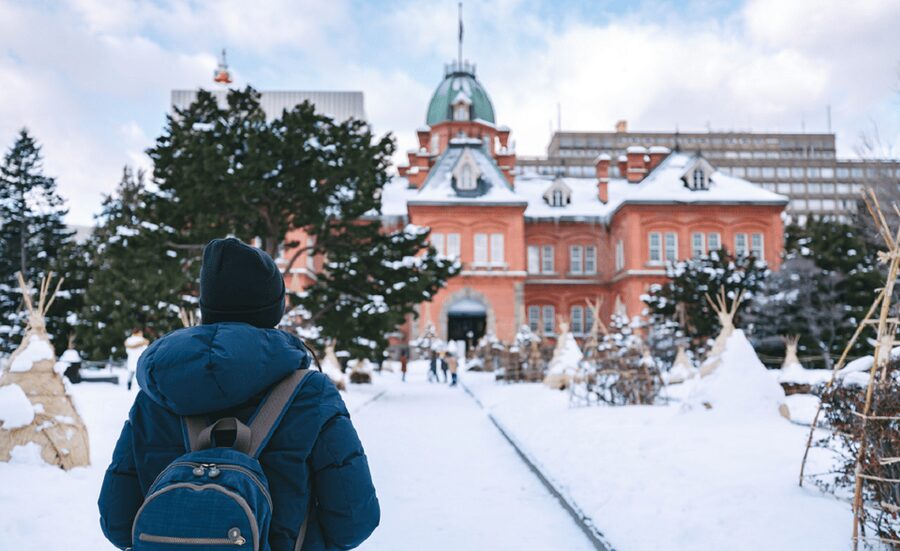
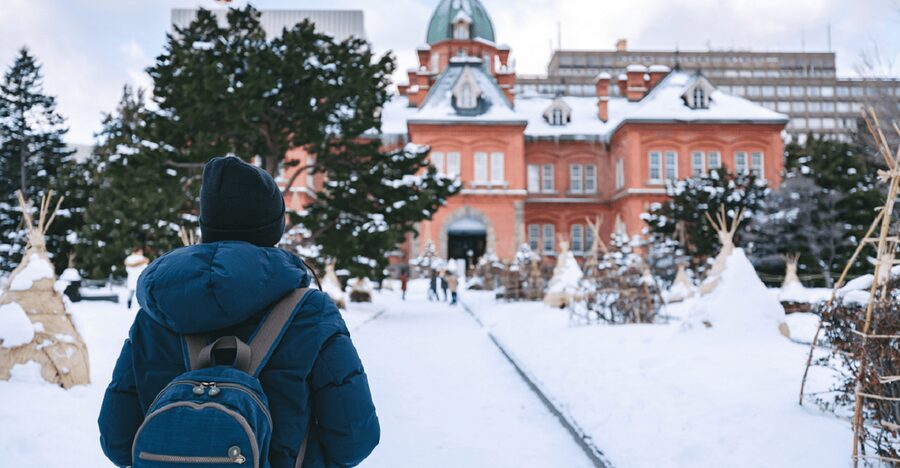
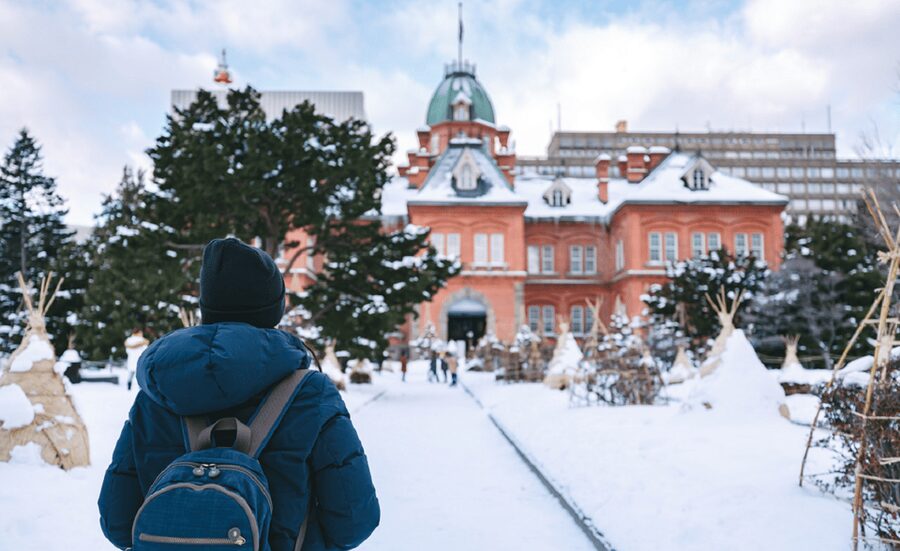
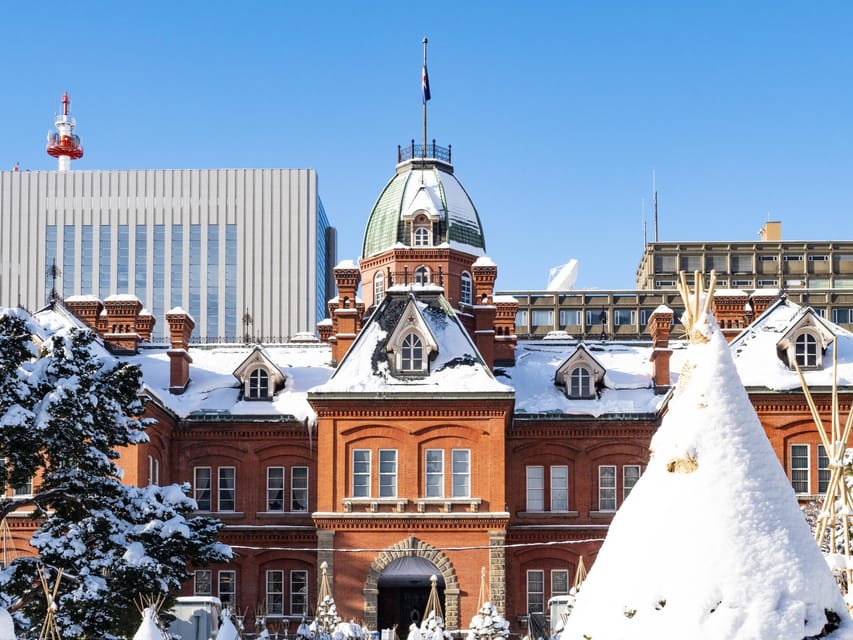
The Former Hokkaido Government Office Building, also called the Red Brick Office, is a favorite stop because it tells you how Sapporo grew up. Even if you’ve seen red brick buildings elsewhere in Japan, this one carries its own local meaning. It represents the era when Sapporo was taking shape as a major regional center.
What I like about stopping here on a walking tour is that the building becomes more than a photo spot. With the guide’s explanation, you start to notice details: how the structure looks, how it sits in the surrounding area, and how it connects to the rest of your route. Later, when you look at similar historic sites on your own, you’ll be able to place them in the broader story rather than just ticking a box.
There’s also a practical benefit. This is one of the more structured “anchor” stops early in the tour, so even if winter weather is unsettled, you get a meaningful landmark while you still have energy.
The Clock Tower and Odori Park, Sapporo’s open-air center

Next you’ll move toward the Sapporo Clock Tower and into Odori Park, which is where the city’s rhythm shows up. The Clock Tower works well as a quick orientation point. It gives you a recognizable reference as you walk through the city center.
Odori Park is more than green space. In Sapporo, it’s a central spine that helps you understand how the downtown is organized. On a clear day, it also makes a great walking break because it opens your view and gives you space to breathe. In colder weather, it still serves a purpose, just a shorter one, since you’ll want to keep moving.
If you’re visiting in winter, pay attention to how the park area and surrounding routes handle snow. That becomes part of what the guide teaches, especially when sidewalk width and traction start to matter.
A few more Sapporo days to weigh up
- Otaru: Private Guided Walking Tour with Local Guide
★ 4.6 · 7 reviews - Kyoto Geisha Walking Tour: Gion District & Hidden Gems
★ 4.7 · 3,273 reviews - Tokyo Tsukiji Fish Market Food and Culture Walking Tour
★ 5.0 · 3,184 reviews - Kyoto: Gion Geisha District Walking Tour – Stories of Geisha
★ 4.7 · 2,187 reviews
Sapporo TV Tower Observatory, included and worth timing
The tour includes Sapporo TV Tower Observatory admission, so you don’t have to stop and figure out tickets while you’re on the go. This is one of those “logistics solved for you” inclusions that actually improves your day.
From up high, you can connect dots you didn’t even realize you were drawing while walking. The streets, the downtown core, and the way the city spreads out become easier to read. That matters even if you’re not the type to stare at maps. After the observatory, you can plan your next meal or shopping stop with more confidence because the geometry of the city feels clearer.
In practical terms, doing this with the tour is efficient. The guide knows the timing rhythm of the stops, so you’re not adding extra waiting time. The observatory becomes a payoff moment instead of another chore.
The sweets stop: Kitakaro, Snow Brand Parlor, or a guide’s pick
A walking tour needs at least one “treat yourself” moment, and this one builds it in. Depending on the option, you’ll stop at a sweets shop such as Kitakaro or a Snow Brand Parlor, or you’ll visit a guide’s recommended sweets spot.
Here’s why I think this is a smart inclusion. First, it gives you a break that doesn’t derail the itinerary. Second, it introduces you to Sapporo-flavored eating culture early, so you know what to look for later when you’re wandering on your own.
Also, sweets stops can help you warm up, especially in Hokkaido winters. You get a short indoor pause, then head back outside with better energy. Just remember that food and drink are not included, so budget a little extra if you plan to order more than a small bite.
Tanuki Koji and Nijo Fish Market on the afternoon option
If you book an afternoon version of the tour, you’ll also cover Tanuki Koji Shopping Street and Nijo Fish Market. These stops change the feel of the day from “classic landmarks” to “how Sapporo shops and eats.”
Tanuki Koji is ideal for people who like to browse without overcommitting. It’s a place where you can see everyday retail life and pick up snacks or small souvenirs if something catches your eye. It’s also a good way to experience a different type of Sapporo than the historic core.
Nijo Fish Market brings a food-focused energy. Even if you’re not buying much, walking through a fish market tells you about local sourcing and food culture in a more direct way than a restaurant recommendation alone. I like that this pairing makes the tour useful after it ends. You’re not just walking sights, you’re learning what the city tastes like and where to head next.
Winter realities: narrow sidewalks and underground walkways
In winter, Sapporo’s charm comes with a physical challenge: snow can make sidewalks narrow. On this tour, that’s taken seriously. For safety reasons, depending on snow and road conditions, you may walk through underground walkways instead of outside.
I appreciate this approach because it doesn’t treat winter like a special obstacle you have to endure. It treats winter like a different environment with a safer solution. If you end up indoors for part of the route, you might miss some outdoor views, but you’ll keep the day moving and reduce slip-and-slide stress.
My practical advice for cold months is simple. Wear warm clothes, and bring boots or other cold-protection footwear. Even if you’re dressed for a typical Japanese winter day, walking between spots with stops near outdoor areas can add up fast.
And yes, bring comfortable shoes in any season. This is a walking tour, so your feet will do the work, not your camera.
How guides like Jessica and Hiro shape the whole tour
The big reason this tour earns such strong feedback is the guide interaction. Guides such as Jessica and Hiro are praised for being friendly, clear in English, and willing to share personal, local perspective. That last part matters. It turns the city from a list into a place with opinions, habits, and practical tips.
I also like the way the tour invites questions. You can ask what to eat, where to go next, or anything else that pops into your mind while you’re walking. That turns dead time into useful conversation.
There’s also an important balance at play. The tour covers obvious sights, but it leaves room for “not mandatory nice points,” meaning you don’t just do the standard photo stops. You get a sense of what’s worth your attention so you can explore later with less guesswork.
Pace, group size, and how to get the most out of 3 hours
A 3-hour walking tour is long enough to feel like you saw the city’s core, but short enough that you don’t end the day exhausted. The sweet spot here is that you get multiple landmark stops plus an observatory moment, without dragging you between far-apart locations.
With small-group service limited to 8, you can actually follow along. You’re not competing with a crowd. That makes it easier to hear explanations and easier for the guide to notice if you have questions.
If you want to get extra value, come with a couple of topics in mind. For example: what kind of food you like, whether you want souvenir browsing, or how much winter walking you’re comfortable with. When you know what you’re curious about, the guide’s suggestions become tailored instead of general.
Price and value: what $58 buys you
At $58 per person, the price feels reasonable for what’s included and how the tour is structured. The tour includes an English guide plus Sapporo TV Tower Observatory admission, which already takes care of a real cost and a real planning headache.
Then there’s the less obvious value: time and interpretation. Without a guide, you can walk between many of these stops yourself. But you’ll miss the context that makes those stops feel connected. A good guide helps you translate buildings and streets into meaning you can use later when you’re deciding what to do next.
Is it worth it if you’re the type to “wing it” with a map? Maybe not always. But if you want a fast start, clearer planning, and a warm human guide voice in the middle of a cold city, this price lands in the “good deal” category.
Should you book this Sapporo walking tour?
Book it if you want a straightforward introduction to central Sapporo with a real guide, not just a self-guided route. It’s a great fit for first-timers, couples, and anyone who values learning the city as they walk it. The included TV Tower ticket and the optional afternoon add-ons make it more useful than a basic highlights stroll.
I’d think twice if you’re very sensitive to cold and you hate winter walking. The tour may route through underground walkways, which helps, but you still need the right shoes and warm layers to stay comfortable.
If you do book, do two things before you go: confirm the exact meeting location, and wear shoes you trust. Get those right, and you’ll get the main reward this tour aims for, a Sapporo day that feels understandable, not just seen.
FAQ
What is the duration of the Sapporo Walking Tour?
The tour is listed as 3 hours (with different options available). Starting times depend on availability.
How many people are in the group?
The group is limited to a small group, with up to 8 participants.
What language are the tours offered in?
The tour host or greeter provides English.
What is included in the ticket price?
The tour includes an English guide and an admission ticket for the Sapporo TV Tower Observatory.
Is food or drink included?
No. Food and drink are not included.
Where does the tour begin?
The meeting point is at Sapporo Station, but the exact meeting location may vary depending on the option booked.
Will the tour run in bad weather?
The tour continues as scheduled if weather permits, even if it rains or snows.
How does the tour handle snowy sidewalks?
When snow makes sidewalks narrow, the tour may use underground walkways for safety, depending on conditions.
What should I bring?
You should bring comfortable shoes. In winter, also prepare warm clothes and boots or other cold-protection items.
Is cancellation possible?
Yes. You can cancel up to 24 hours in advance for a full refund.
Newly listed around Sapporo
- Hakodate Exploration Tour with Private Guide★ 4.5 · 9 reviews
- Hakodate 4hr Private Tour with Government-Licensed Guide★ 5.0 · 7 reviews
- Hakodate Rickshaw Tour★ 5.0 · 18 reviews
- Chitose Airport to Niseko Private Transfer | Licensed Driver★ 5.0 · 19 reviews
- SkyExpress Private Transfer: New Chitose Airport – Niseko (8 Pax)★ 5.0 · 15 reviews
- Sopporo: Hokkaido Shrine and Atama Daibutsu Full-Day Tour★ 4.8 · 12 reviews
- Silver Ring Workshop – Smith at Keio Plaza Sapporo★ 5.0 · 7 reviews
- Sapporo TV Tower Admission Ticket★ 4.7 · 21 reviews
Walking Tours, compared.
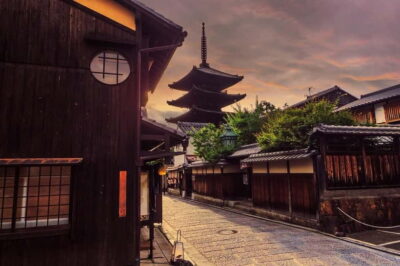
Kyoto Geisha Walking Tour: Gion District & Hidden Gems
Read our review →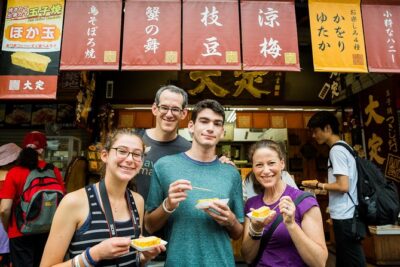
Tokyo Tsukiji Fish Market Food and Culture Walking Tour
Read our review →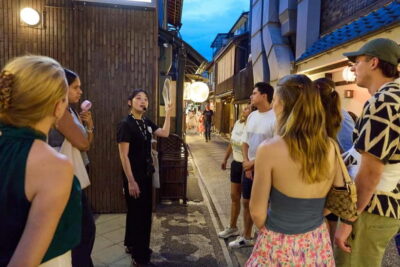
Gion Geisha District Walking Tour – Stories of Geisha
Read our review →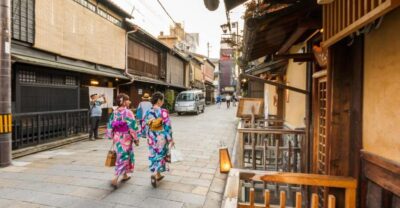
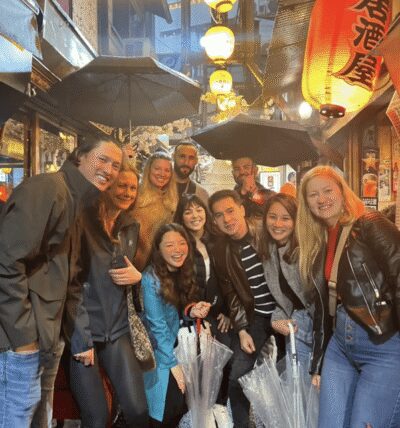
Shinjuku Local Bar and Izakaya Guided Walking Tour
Read our review →

Asakusa Walking Tour with Sensoji Temple Visit
Read our review →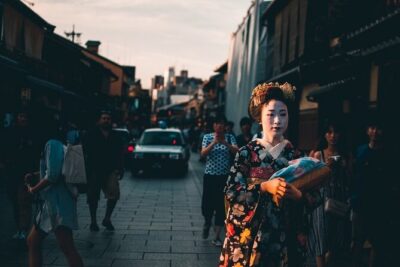
Kyoto Gion Geisha District Walking Tour – The Stories of Geisha
Read our review →Browse the lists this tour appears in