
Review · WALKING TOURS
Private Customizable Walking Tour of Tokyo
Tokyo, with a private plan, at street level. This Private Customizable Walking Tour of Tokyo is built for people who want Tokyo’s big moments without a fixed script, so you can choose your start time, swap neighborhoods in or out, and keep a comfortable pace with a real guide. Hotel pickup and drop-off make it feel like the city starts on your terms.
I like two things a lot: it is genuinely private, meaning only your group is doing the day, and the guide helps you handle the messy middle of Tokyo sightseeing, like choosing how long to go and even suggesting a day travel pass. You also get a tour style that mixes modern buzz (think Shibuya and Shinjuku) with classic Tokyo (Meiji Jingu, Asakusa, and the Imperial Palace East Gardens) without you having to plan every turn.
One consideration: the tour is still a walking tour. You will move by subway between areas, and while the guide helps with the logistics, subway costs and food are on you, plus observation deck tickets for places like Tokyo Skytree and Shibuya Sky may be add-ons.
In This Review
- Key things that make this tour work
- Why this private walking tour feels different right away
- Price and value, what you really get for $202.18 per person
- How the day is paced: half-day vs full-day
- Hotel pickup to subway reality: the logistics that matter
- Shibuya Crossing and Hachiko, where Tokyo feels loudest
- Harajuku plus Meiji Jingu, youth fashion next to a massive forest
- Shinjuku and the 45th floor viewpoint: neon with a sense of scale
- Asakusa and Senso-ji, Tokyo’s older heartbeat
- Akihabara, for anime, games, and electronics overload
- Marunouchi and the Imperial Palace edges, polished Tokyo with big history cues
- Nihonbashi and Tsukiji, food culture and the story behind it
- Yanaka, a nostalgic side trip that feels different from the big hubs
- Optional skyline moments: Skytree, Tokyo Tower, and Shibuya Sky
- Who this tour fits best (and who might want a different style)
- Practical packing and planning tips that make the day smoother
- Should you book this private customizable Tokyo walking tour?
- FAQ
- How long is the Private Customizable Walking Tour of Tokyo?
- Does the tour include hotel pickup and drop-off?
- Are subway costs included?
- Are admission tickets included for observation decks like Skytree or Shibuya Sky?
- Is this a private tour?
- What about kids?
- What happens if the tour is canceled due to weather?
Key things that make this tour work
- Private, customizable route: you decide the start time and what neighborhoods to include.
- Hotel pickup and drop-off: less friction, more time in Tokyo’s streets.
- Flexible length: choose a half-day or full-day pace (about 4 to 8 hours).
- Practical transit support: the guide can help you buy a day travel pass for subway use.
- Big-city highlights, not just viewpoints: crossings, temples, shopping streets, and older neighborhoods.
- Optional ticket upgrades: observation decks can be added, but they are not automatically included.
Why this private walking tour feels different right away
Tokyo is huge, and most first visits get ruined by one of two problems: you either follow a rigid group route and feel rushed, or you plan solo and spend too long figuring out transit. This tour tries to solve both. You get a professional guide who comes to your hotel and then adjusts the day to your interests, your walking comfort, and the time you want to spend.
You are not on a coach. Even though pickup and drop-off are included, this is still about being out on foot. That is a good thing, because Tokyo is a city you experience by moving through it, not just by looking at it. You get to step into daily life around stations, shop streets, shrines, and markets.
The “private” part matters more than you might think. When you are not sharing with a crowd, your guide can slow down for photos, food stops, restroom breaks, or just the moment you want to linger. In the tour notes, guides are also highlighted for keeping days engaging and adaptable, including for families, and for helping first-time visitors feel confident with the subway.
More Walking Tours in Tokyo
- Tokyo Tsukiji Fish Market Food and Culture Walking Tour
★ 5.0 · 3,184 reviews - Tokyo: Shinjuku Local Bar and Izakaya Guided Walking Tour
★ 4.9 · 1,794 reviews - Tokyo: Tsukiji Fish Market Food and Walking tour
★ 5.0 · 1,724 reviews
Price and value, what you really get for $202.18 per person
At $202.18 per person, the headline price is not cheap, but it can be fair value if you are using the day well. Here is what you are paying for:
- A professional guide
- Hotel meet-up and drop-off
- A private experience for only your group
- The ability to choose a half-day or full-day length (roughly 4 to 8 hours)
- Local planning help, including help with a day travel pass
What is not included is also important. Subway fares and food and drinks are excluded, so you should budget for transit and meals separately. Some major “wow” stops also may require optional observation deck tickets (not included for Tokyo Skytree, Tokyo Tower, and Shibuya Sky).
So the value question becomes: do you want someone to steer you from one Tokyo neighborhood to the next, explain what you are seeing, and keep the day comfortable? If yes, this tour is priced like a premium, but it saves you the time and uncertainty that usually costs first-timers a lot more in frustration than in money.
How the day is paced: half-day vs full-day
You choose how long you want to tour, and the guide builds the flow around that. In practice, a half-day tends to work best for you if Tokyo is new and you want a tight sampler of major districts. A full-day is where you can mix modern Tokyo, old Tokyo, and at least one “high view” moment, without turning everything into a sprint.
The biggest practical win is that your guide can shape the itinerary to match your priorities. If you are more into neighborhoods and street life, you can lean that way. If temples and historic sites matter more, you can do that too.
Keep in mind: you are on foot. Even with subway connections, you should expect a day that feels active. The tour is designed so most people can participate, and it is near public transportation, but you will still be walking through station areas and shopping streets.
Hotel pickup to subway reality: the logistics that matter
The tour includes hotel pickup and drop-off, which is the best kind of convenience in Tokyo. Getting started from your hotel eliminates the “where is the closest station” guessing game.
Still, here is the reality check: travel between neighborhoods is by subway, and public transportation costs are excluded. The guide can help you purchase a travel pass for the day, which is a big deal if you are not used to Tokyo transit. This is the difference between spending your first morning learning tickets and spending it seeing Tokyo.
Also, the tour is private, but it is not a car tour. You will be walking through the city and using trains to connect areas. The schedule is flexible, but it is not a sit-down tour. Plan for comfortable shoes, and you will be happy.
A few more Tokyo days to weigh up
- Tokyo: Asakusa Walking Tour with Sensoji Temple Visit
★ 4.8 · 1,583 reviews - Tokyo: Tsukiji Fish Market Guided Walking Tour
★ 4.9 · 1,397 reviews - Tokyo Castle & Imperial PalaceーShogun Walking Tour
★ 4.7 · 1,068 reviews - Tokyo: Imperial Palace Japanese History Walking Tour
★ 4.9 · 987 reviews
Shibuya Crossing and Hachiko, where Tokyo feels loudest
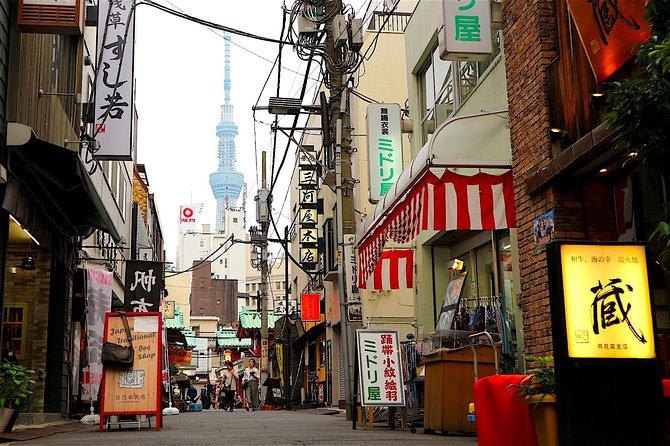
Shibuya is the movie version of Tokyo, and it is also real life. You start by stepping into a district that mixes youth culture, fashion, and a constant stream of people.
One standout stop is Shibuya Crossing, described as the busiest pedestrian crossing in the world. You do not need fancy commentary here. Just being there is the point. Your guide can help you cross safely, time your photos, and understand why this area became such a symbol of modern Tokyo.
You also get the chance to see the bronze statue of Hachiko. This is one of those places you recognize instantly when you see it, even if you do not know the story at first. Your guide can connect the statue to the idea of loyalty and everyday Japanese storytelling, which helps it land emotionally rather than just as a “photo stop.”
How this stop can feel: electrifying and fast.
Possible drawback: it can be crowded and loud, so if you hate busy streets, you may want to ask your guide to keep your time there tight.
Harajuku plus Meiji Jingu, youth fashion next to a massive forest
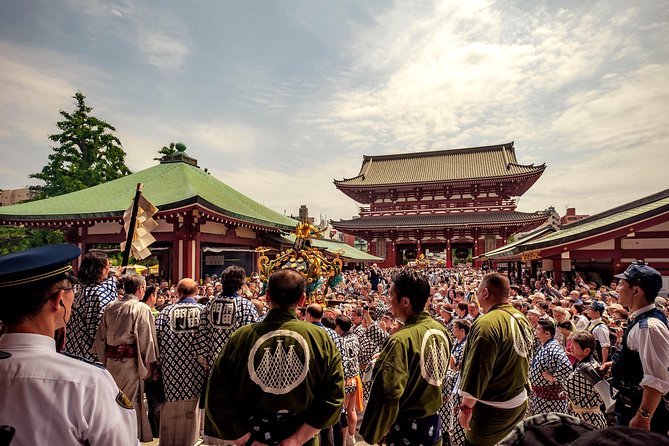
After Shibuya, the day often shifts to Harajuku. This is where youth fashion shows up in full color. The tour places Harajuku Street right next to Meiji Shrine, and that proximity is what makes this pairing so smart: you go from pop energy to calm.
In Harajuku, your guide can steer you through the trend-forward backstreets near Meiji Shrine. Expect street art, wacky fashion, and plenty of Instagram-friendly food culture. The point is not to “shop everything.” The point is to see how Tokyo’s youth culture expresses itself in real streets, not staged displays.
Then you step into Meiji Jingu Shrine, set in a huge forest area (listed at 700,000 square meters). This is one of Tokyo’s best reality checks. The city noise fades fast, and you can actually slow down. Your guide can explain Shintoism as Japan’s indigenous religion, which adds meaning to what you are seeing as you move through the shrine grounds.
How this stop can feel: contrast, in the best way.
Possible drawback: you may want to control your pace here. Walking through grounds and taking in details takes longer when you are actually paying attention.
Shinjuku and the 45th floor viewpoint: neon with a sense of scale
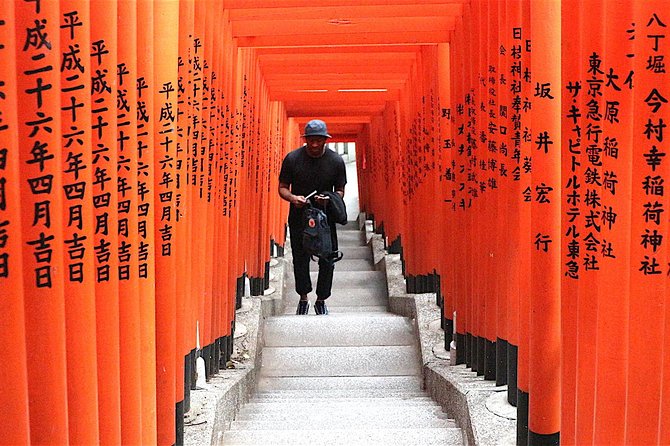
Shinjuku is Tokyo’s entertainment district, and it shows you what “big city” feels like in Japan. Your tour can include a view from an observatory on the 45th floor of the Tokyo Metropolitan Government building.
This is valuable because it gives you orientation. Tokyo can feel like one endless blur of neighborhoods. A high view helps you map what you have been walking through, so later parts of the day make more sense.
You also get to experience Shinjuku’s signature look: tall buildings, bright signs, and the sense that something is happening at every corner. Even if you are not a nightlife person, Shinjuku is an easy place to understand modern Tokyo.
How this stop can feel: energetic and visual.
Possible drawback: if you have an especially tight half-day, you might need to choose between extra observation upgrades later in the day and spending more time on street level here.
Asakusa and Senso-ji, Tokyo’s older heartbeat
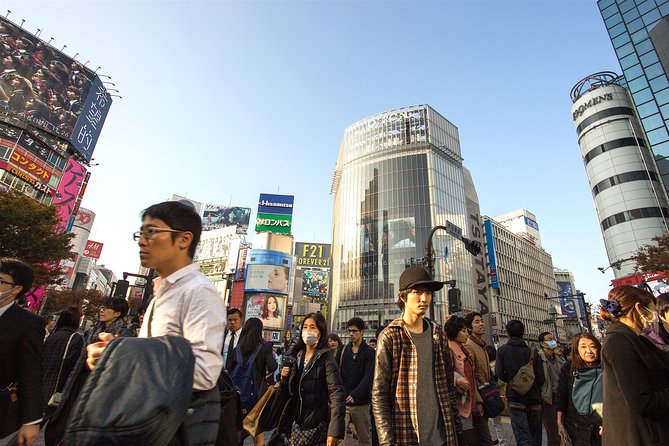
Asakusa is where Tokyo slows down, but it does not go quiet. It feels traditional, yet it is also a shopping and snack zone.
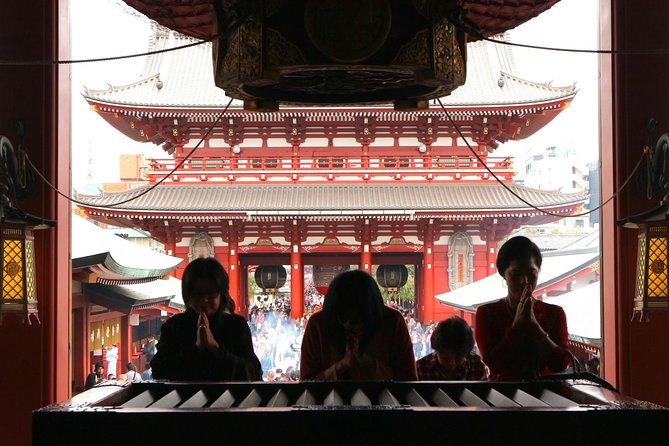
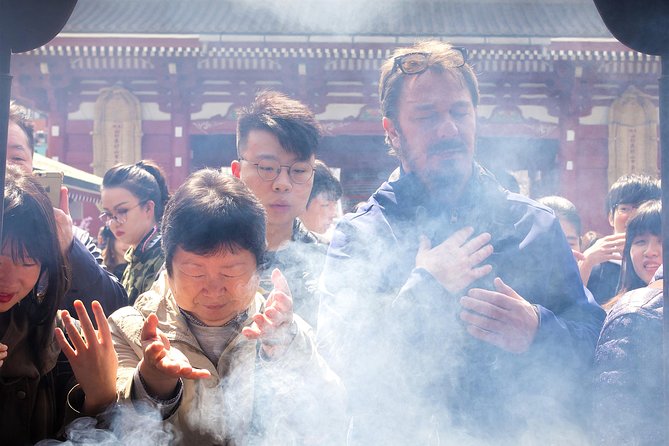
A key stop here is Senso-ji Temple, described as Tokyo’s oldest temple dating back to 628. That age matters, because it turns the visit into something bigger than a quick photo. Your guide can help you understand Buddhism in a practical way, so you are not just looking at structures, you are learning what they mean.
You can also wander Nakamise Shopping Street, a 250-meter stretch of stalls on the approach. This is where you can pick up small souvenirs, sample street snacks, and just watch how a historic area feeds daily life.
How this stop can feel: meaningful and sensory.
Possible drawback: it can get busy in peak hours. If you prefer less crowd energy, ask your guide to time your route.
Akihabara, for anime, games, and electronics overload
Akihabara is Tokyo’s hub for anime, manga, video games, and electronics. It can be pure fun for enthusiasts, but even if you are not deep into fandoms, it’s still a window into a major modern industry in Japan.
Your guide can help you interpret what you are seeing, from store layouts to the vibe of “tech as culture.” This is also one of the easier places to pause for browsing because you can move at your own interest level inside and around shops.
How this stop can feel: intense, in a good way if you like browsing.
Possible drawback: it can feel like sensory overload, especially if you are tired. In that case, shorten the stop and focus on one or two key streets or shops.
Marunouchi and the Imperial Palace edges, polished Tokyo with big history cues
Marunouchi is a sleek business district around the Imperial Palace area. The contrast with earlier stops is immediate: fewer pop-culture storefronts, more clean architecture and a “watch the city from street level” mood.
Your guide can point out architectural highlights such as Tokyo International Forum and Tokyo Station in this area. Even if you do not memorize every building, this stop helps you understand Tokyo as an engineered city, where old power and new design share the same space.
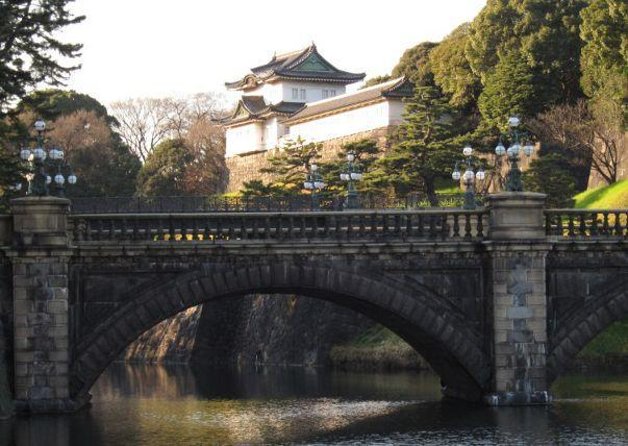
Then you can add the East Gardens of the Imperial Palace, including remnants of Edo Castle, such as moat walls. This is the kind of stop that benefits from a guide. Without context, you might think you are just looking at park land. With it, you get the sense of how Tokyo’s political center evolved over centuries.
How this stop can feel: calm and structured.
Possible drawback: if your group prefers hands-on experiences (food, shopping, markets), this can feel more “look and learn” than “do.”
Nihonbashi and Tsukiji, food culture and the story behind it
Nihonbashi is described as the original center of trade and commerce from the Edo period (1603 to 1868). You also get the chance to see traditional food and craft shops, and your guide can explain the foundation of Japanese cooking. That matters because it connects what you eat to where Tokyo’s food culture came from.
Tsukiji is next in the flow. Even though the tuna auction moved to Toyosu, the outer market remains. You can explore fresh food stalls and see the “street market” energy that still defines the area. Your guide can help you navigate where to go for snacks and where to look for the most interesting stalls.
How these stops can feel: delicious and historically anchored.
Possible drawback: food and drink are not included, so budget for snacks if you have a hunger day. Also, markets can mean lots of walking and standing.
Yanaka, a nostalgic side trip that feels different from the big hubs
Yanaka is where Tokyo starts to feel like it still remembers older times. The tour highlights it as a nostalgic downtown district with hundreds of temples, sweets, and even a tea house where you can experience a traditional tea ceremony.
This stop is a great reset when you have been in busy districts. It gives you a chance to slow down, enjoy sweets, and see a Tokyo neighborhood that is not trying to be the loudest place in the city.
How this stop can feel: gentle and old-school.
Possible drawback: if you are running tight on time, Yanaka can take longer because it invites wandering.
Optional skyline moments: Skytree, Tokyo Tower, and Shibuya Sky
Tokyo has multiple “see the whole city” options, and the tour is flexible about adding them. Tokyo Skytree is the world’s tallest tower at 634 meters, and observation deck tickets can be added on. Tokyo Tower is a post-war rebirth symbol and was Japan’s tallest structure from 1958 until 2012, but its observation tickets can also be added. Shibuya Sky is another major option, with a 360-degree observatory view, and tickets can be added.
None of these are included by default, and that is honestly a good thing. It lets you decide based on your budget and your weather. If clouds are rolling in, you might want to skip one and keep your day on the ground.
How this part can feel: cinematic and orienting.
Possible drawback: you need extra cash for tickets, and you might wait in line depending on the day.
Who this tour fits best (and who might want a different style)
This tour is a strong fit if you:
- Are seeing Tokyo for the first time and want a guided overview
- Want to tailor the day around your interests instead of following a strict route
- Prefer walking and subway travel over a scripted bus tour
- Are traveling with family, because guides can adjust pace and keep kids engaged (the tour is family-friendly, with kids 11 and under free when you tell the operator)
You might think twice if you:
- Hate walking for hours, even with subway breaks
- Want a super low cost day with no planning
- Only care about one or two attractions, since you are paying for a full guided experience
Practical packing and planning tips that make the day smoother
A few simple things will make your tour feel easier.
- Wear comfortable shoes. This is still a walking tour, even with subway segments.
- Bring a payment method for the things that are not included, like subway fares, food, and optional tower tickets.
- If you like viewpoints, decide in advance which skyline moment you want most. You can add Skytree, Tokyo Tower, or Shibuya Sky, but choose based on your time and budget.
- If you want a smoother day, pick a half-day first. Then you can book a second focused outing for the neighborhood you loved most.
Should you book this private customizable Tokyo walking tour?
I think you should book it if your goal is confidence and flow. This tour is built for first-time orientation, with the right mix of modern Tokyo energy and classic sights, all handled by a guide who can adjust the day to you.
I would skip it only if you want a low-effort checklist, or if your group cannot comfortably handle several hours of walking and subway travel. Otherwise, the hotel pickup, private format, and flexible route choices are the big reasons this feels like one of the more practical ways to see Tokyo in a single day.
If you do book, choose your priorities early. Decide whether you want maximum variety (more neighborhoods) or deeper time in fewer areas. Then tell your guide, and let them shape the day around that. That is when it really clicks.
FAQ
How long is the Private Customizable Walking Tour of Tokyo?
The tour runs about 4 to 8 hours, and you can choose either a half-day or full-day length.
Does the tour include hotel pickup and drop-off?
Yes. The guide comes to your hotel for meet-up and provides drop-off afterward.
Are subway costs included?
No. Public transportation (subway) costs are excluded. The guide can help you purchase a travel pass for the day.
Are admission tickets included for observation decks like Skytree or Shibuya Sky?
Not always. Tokyo Skytree, Tokyo Tower, and Shibuya Sky observation deck tickets are listed as add-ons, so they are not included by default.
Is this a private tour?
Yes. It is a private tour or activity, and only your group participates.
What about kids?
Children aged 11 and under are free of charge. You just need to tell the operator that children are coming when you book.
What happens if the tour is canceled due to weather?
This experience requires good weather. If it is canceled due to poor weather, you will be offered a different date or a full refund.
Newly listed around Tokyo
- Private Tokyo Food Tour – A Journey Through Time Through Food★ 5.0 · 36 reviews
- Private Tokyo Tour with Licensed Guide & Vehicle (Max 15 persons)★ 5.0 · 107 reviews
- Private Tokyo Custom Full-Day Tour by Chartered Vehicle★ 5.0 · 16 reviews
- Private Tokyo Custom Half-Day Tour by Chartered Vehicle★ 4.5 · 13 reviews
- Private Outstanding Nikko Tour with English Speaking Driver★ 4.0 · 11 reviews
- Private Sightseeing to Mt Fuji and Hakone with English Driver★ 5.0 · 51 reviews
- Private Snow Monkeys park Day Trip From Tokyo or Nagano★ 4.5 · 26 reviews
- 4 Day Tour – Mount. Fuji, Tokyo, Hakone, Kamakura and Yokohama★ 5.0 · 19 reviews
Walking Tours, compared.
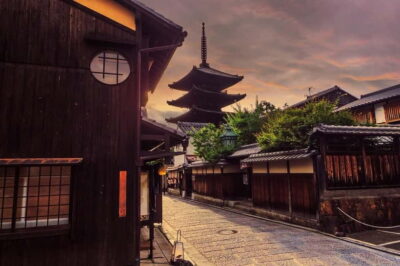
Kyoto Geisha Walking Tour: Gion District & Hidden Gems
Read our review →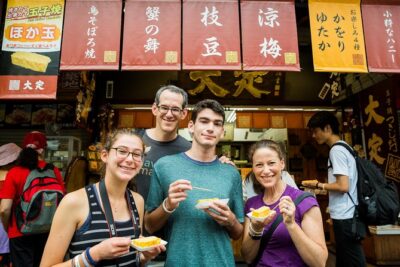
Tokyo Tsukiji Fish Market Food and Culture Walking Tour
Read our review →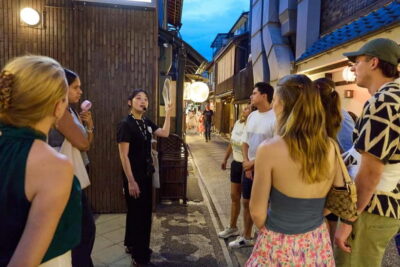
Gion Geisha District Walking Tour – Stories of Geisha
Read our review →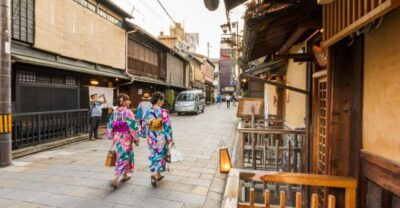
Shinjuku Local Bar and Izakaya Guided Walking Tour
Read our review →
Asakusa Walking Tour with Sensoji Temple Visit
Read our review →
Kyoto Gion Geisha District Walking Tour – The Stories of Geisha
Read our review →Browse the lists this tour appears in