
Review · SAMURAI SWORD & NINJA TRAINING
SAMURAI EXPERIENCE in Tokyo(Harajuku)【SAMURAI’ve】
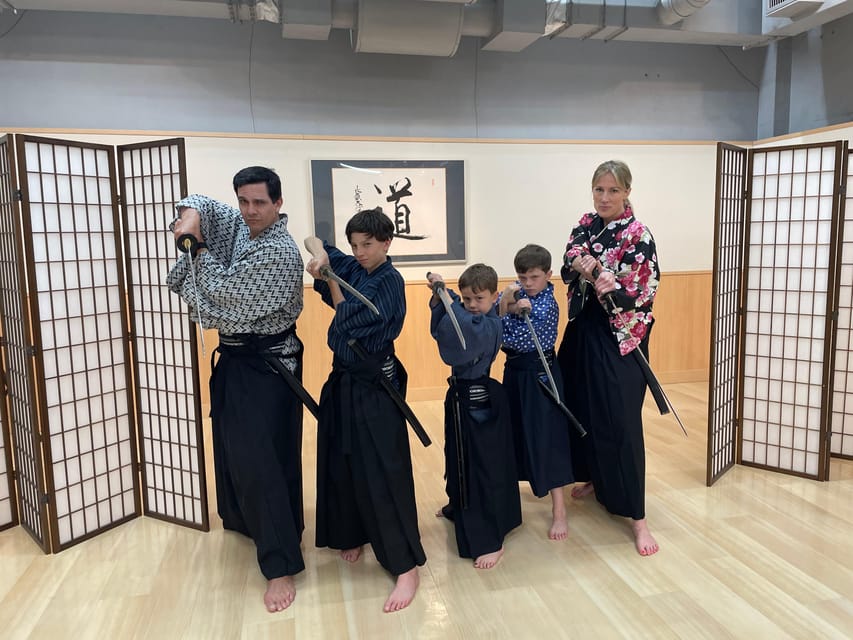
Wear a kimono, then learn samurai sword basics. In Harajuku, SAMURAI’ve turns a classic Tokyo neighborhood stop into a hands-on workshop where you learn samurai manners and starter sword moves in a small group setting. You’ll also get the fun part, dressing up in a kitsuke kimono and finishing with pictures that look like a movie scene.
I especially like how they start with Reigi sahou (samurai etiquette and behavior) before anyone touches choreography. I also love the practical payoff: you leave with a few sword moves you can recreate for friends and family, plus a photoshoot that makes the whole hour feel complete. The one drawback to plan for is time, it’s just 1 hour, so you’ll learn basics and staged moves, not full-length combat training.
In This Review
- Key Things I’d Bet You’ll Care About Most
- Harajuku Location, Honshu Energy, and Why This Works
- Finding the Dojo: The Red Door, Basement Steps, and Arrival Plan
- Kitsuke Kimono and Reigi Sahou: Learning Manners Before Moves
- Your Starter Sword Practice and the Tachimawari Test
- The Photoshoot Finish: Sword-In-Hand Pictures That Feel Worth It
- Price and Value: Is $70 for 1 Hour Worth It?
- Who This Workshop Suits Best (And Who Should Skip It)
- Languages, Group Size, and Why You’ll Probably Feel Comfortable
- What to Bring, Wear, and Plan Around (So It Feels Easy)
- Should You Book SAMURAI’ve in Tokyo Harajuku?
- FAQ
- How long is the SAMURAI experience in Tokyo?
- What is the price per person?
- What does the tour include?
- What should I bring and wear?
- Where do I meet the instructor?
- What languages are available for instruction?
- Is this suitable for young children or wheelchair users?
Key Things I’d Bet You’ll Care About Most
- Kitsuke kimono help from a qualified instructor, not a DIY struggle
- Reigi sahou manners first, so sword moves make more sense
- Basic sword techniques plus Tachimawari stylized movement practice
- Small group size (max 10), so you get clearer guidance
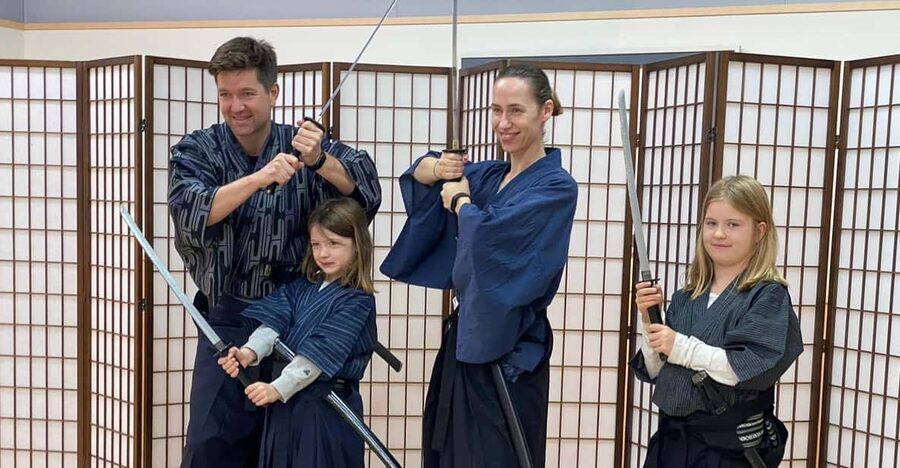
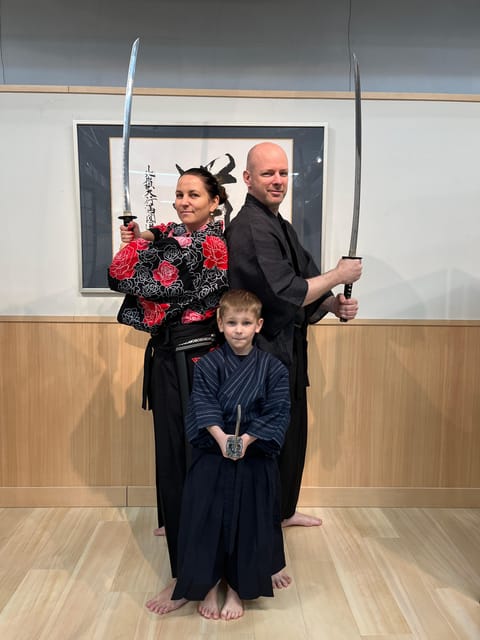
- Sword-in-hand photo moment in authentic samurai attire
Harajuku Location, Honshu Energy, and Why This Works
This experience is set in Tokyo’s Harajuku area, so it fits nicely into a day when you already want street fashion, cafes, and people-watching. And because it runs for a tight 1 hour, it’s the kind of activity you can slot in without needing a full-day commitment.
The vibe here is also practical. You’re not just watching. You’re learning the rhythm of samurai behavior, then applying it to sword-fighting style movements. That order matters. When you understand the “how to act” part, the “how to move” part feels easier to pick up.
One more value point: small group size. With a limit of 10 participants, you’re less likely to feel like a number. You get more of the instructor’s attention during the hands-on parts.
More Samurai & Ninja Sessions in Tokyo
- Tokyo: Samurai Restaurant Show Ticket with 2 Drinks
★ 4.5 · 1,307 reviews - Tokyo: Samurai Ninja Museum Guided tour and Experience
★ 4.6 · 1,010 reviews - Tokyo: Samurai Sword & Archery Class from Samurai Descendant
★ 5.0 · 603 reviews
Finding the Dojo: The Red Door, Basement Steps, and Arrival Plan
The meeting point is easy to miss if you arrive fast and distracted. Enter through the red door and go to the second floor basement. It’s a short walk from Kitasandou Station (about 5 minutes) and Harajyuku Station (about 8 minutes), so you can choose whichever station matches your day.
Here’s how I’d handle it: give yourself a little buffer and aim to arrive early. Once you’re at the door, follow the instructions exactly. The basement location can change how quickly you recognize the spot, especially if you’re used to street-level entrances.
Comfort matters on arrival too. You’ll be moving and you’ll change into kimono, so wear clothes that feel easy to move in and that you can manage without stress.
Kitsuke Kimono and Reigi Sahou: Learning Manners Before Moves
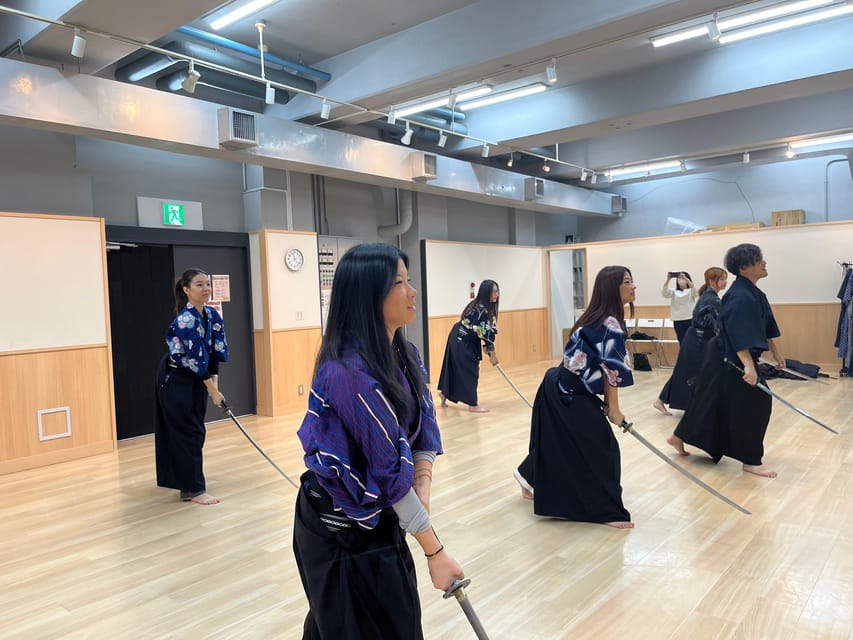
The workshop starts with a qualified instructor who is active in video and stage productions at the dojo in Tokyo. That tends to translate into instruction that feels clear and stage-ready, like they know how to explain body position and sequence so you can actually do it.
First up is kitsuke kimono. You’ll be shown how to put it on correctly. This is one of the best parts for visitors who want authenticity without having to figure out complicated straps and folds on their own. The goal is to get you dressed in a way that looks right and helps you move.
Then comes the manners lesson, Reigi sahou. This is about the behavior and etiquette style associated with samurai. Even if you’ve never heard the term before, the workshop approach makes it practical. You learn not just what to do with your hands, but how to stand, carry yourself, and respond in a more formal, respectful way.
Why this matters: sword training and choreography aren’t only about arms and legs. They’re about posture, timing, and intention. Starting with manners helps you hit the movement cues with less confusion and more confidence.
Your Starter Sword Practice and the Tachimawari Test
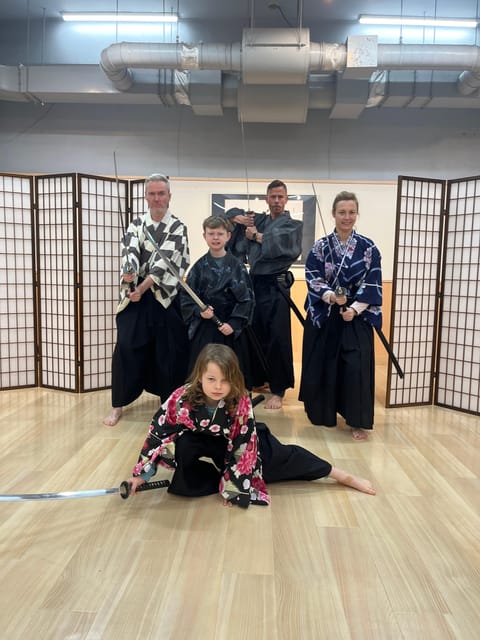
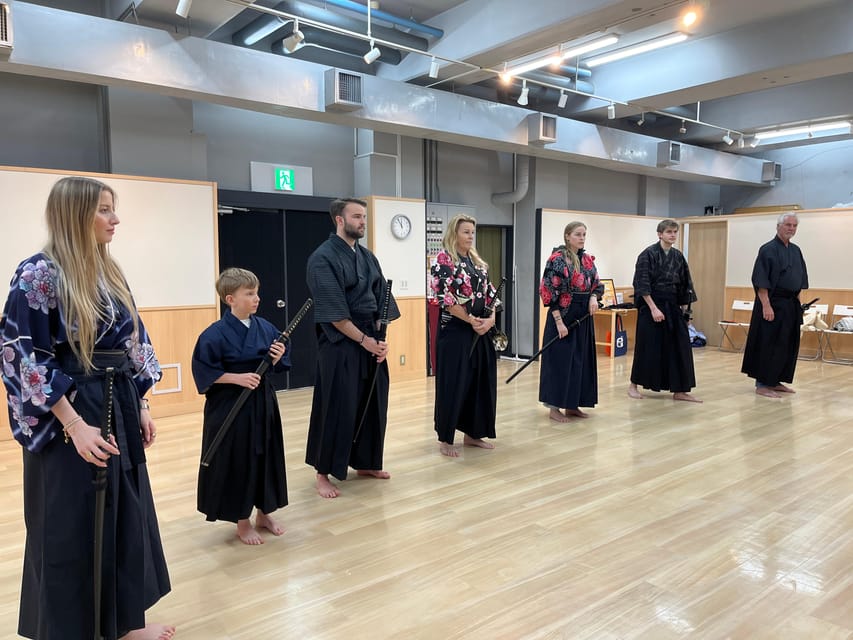
Once you’re dressed and your etiquette basics are in place, the session shifts into sword-fighting skill building. You’ll start with basic sword moves and get guidance on how to perform them as cleanly as possible for a workshop setting.
The highlight is Tachimawari. This is described as stylized movement used in sword-fighting scenes. In other words, this is not random swinging. It’s choreographed practice that focuses on form, sequence, and visual flow, the kind of movement you’d associate with staged action in film or performance.
During the workshop, you’ll put the moves you learned to the test as part of this stylized movement practice. If you like the idea of learning something you can recognize in Japanese media, this is your payoff moment. It also gives you something concrete to remember beyond “I held a sword.”
Practical note: you’re in a 1-hour experience, so the instructor will focus on what you can learn fast and perform safely in a group class. The win here is quality of instruction for beginners, not trying to cram in years of training.
More Samurai and Ninja sessions in Tokyo:
- Ninja+Kabuki Tokyo
★ 4.5 · 512 reviews - Skip the lines Basic Ticket at SAMURAI NINJA MUSEUM TOKYO
★ 5.0 · 470 reviews - Best Samurai Experience in Tokyo
★ 5.0 · 458 reviews - Tokyo: Legend Samurai Entertainment Night in Kanda Shrine
★ 4.6 · 367 reviews
The Photoshoot Finish: Sword-In-Hand Pictures That Feel Worth It
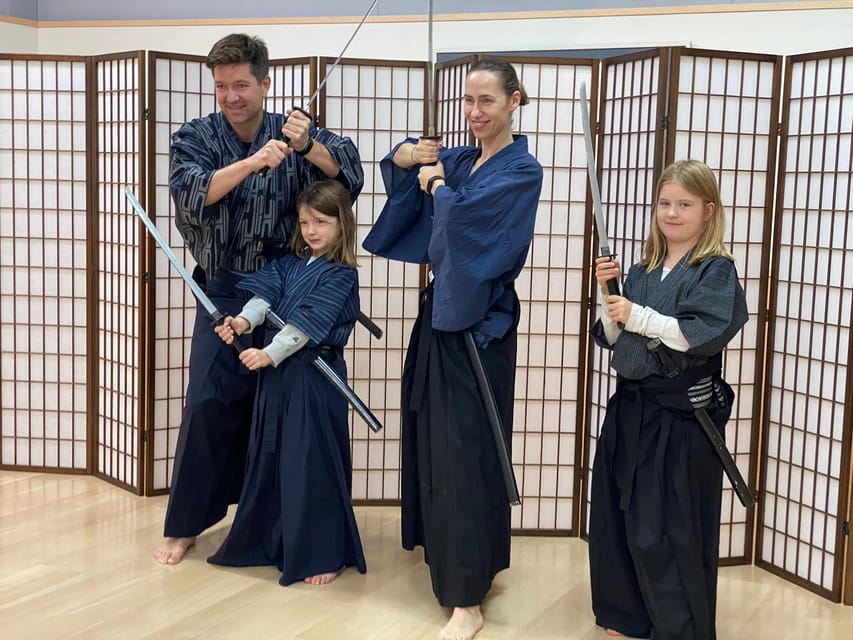
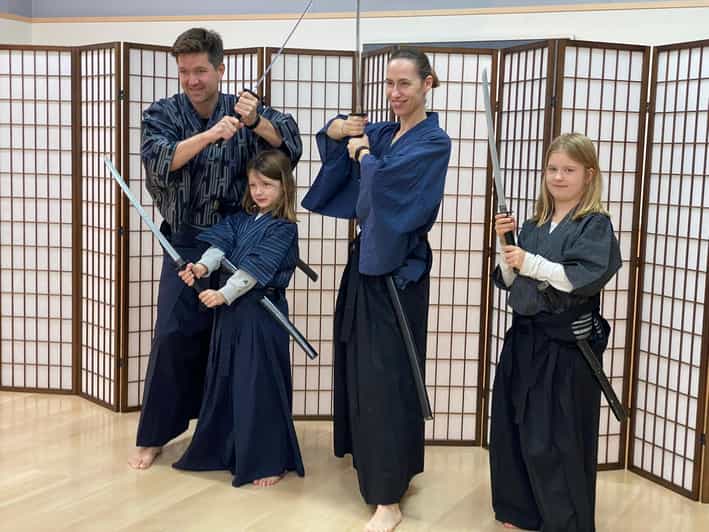
After the movement portion, you cap the experience with a photoshoot while you’re wearing an authentic samurai kimono and holding your sword. This is included, which is a big deal for value.
A lot of cultural workshops stop at the learning part. Here, you also get the fun documentation, and it’s built into the schedule. That means you don’t need to scramble for a photographer, and you don’t lose the best outfit moment hunting for a good angle.
How to make the photos work for you:
- Wear comfortable clothes underneath so you don’t feel irritated while posing.
- Follow the instructor’s cues for how to hold position, since the look is part of the training.
- Plan on taking a few extra seconds before the final poses. When you’re in kimono, small adjustments help your photos look more natural.
If you’re going with kids or family, this photoshoot is often the most memorable part because it’s both participation and celebration.
Price and Value: Is $70 for 1 Hour Worth It?
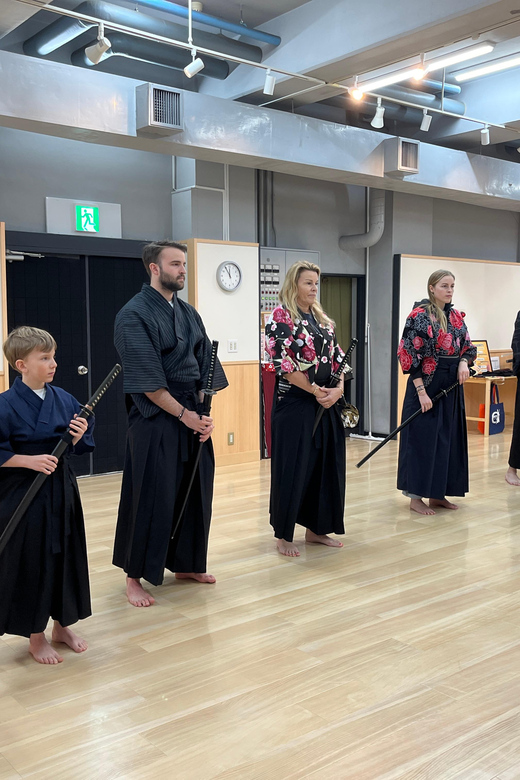
At about $70 per person for 1 hour, you’re paying for several things at once: instructor guidance, samurai kimono to wear, an etiquette lesson, hands-on sword experience, and a photoshoot.
Here’s why that can be good value compared with doing these pieces separately:
- Kimono dressing alone can easily become a pricey hassle if you try to do it on your own.
- Instruction is included, and it’s delivered in multiple languages (English, Japanese, Chinese).
- You’re not just learning moves, you’re also getting the staged Tachimawari moment and then a set of photos.
In short, you’re buying structure. For visitors who want an authentic-feeling experience without figuring out the logistics, $70 can make sense, especially with the small group cap of 10 participants.
Who This Workshop Suits Best (And Who Should Skip It)
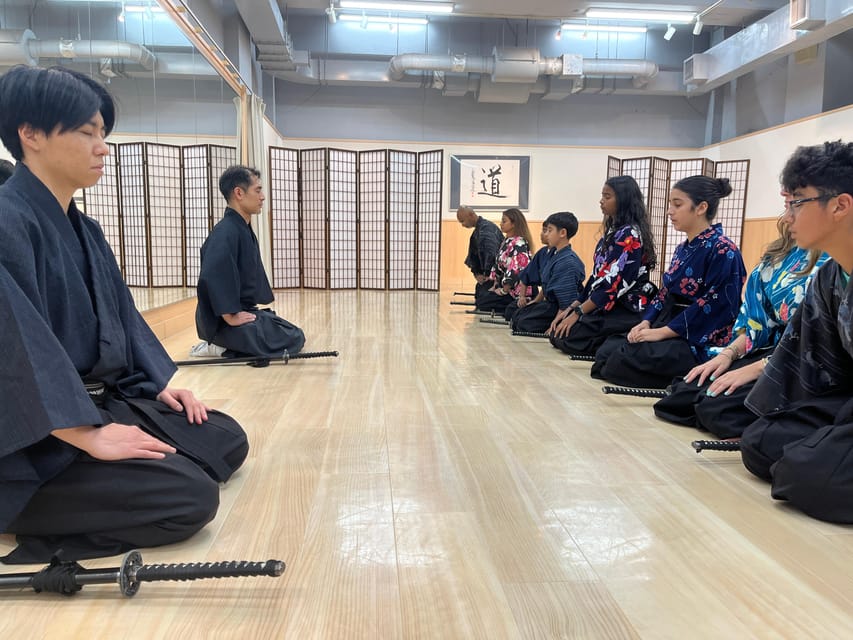
This is designed for people of any age and gender as long as you have the samurai spirit, with the basic rule that children under 5 are not suitable. Wheelchair users are also not suitable.
So who will enjoy it most:
- First-timers who want a guided, beginner-friendly introduction to samurai etiquette and sword-themed movement
- Families with school-age kids who want a fun activity beyond typical sightseeing
- Visitors who love getting dressed up but want an instructor to handle the kimono properly
- Anyone who wants a short Tokyo experience that delivers a clear story arc, manners first, then moves, then photos
If you’re looking for a deep, long training program, this isn’t that. But if you want an hour that feels genuinely different from another museum stop, it delivers.
Languages, Group Size, and Why You’ll Probably Feel Comfortable
The instructor supports English, Japanese, and Chinese. That matters, because sword movement and etiquette cues can get confusing if explanations are vague. Here, you’re more likely to understand what to do, and you can follow the steps without guessing.
Also, you’re in a small group limited to 10 participants. In practical terms, that reduces the “line up and wait” factor and helps the instructor spot issues in posture or sequence. It’s the difference between being a spectator and being part of the class.
From the overall feedback vibe, the teaching style seems friendly and supportive. Many people highlight that the instructors explain movements clearly and keep the tone fun, which is exactly what you want when you’re doing something unfamiliar.
What to Bring, Wear, and Plan Around (So It Feels Easy)
You don’t need special gear for this one. Bring comfortable clothes. That’s your main requirement.
Plan around the fact that food and drinks are not included. If you’re doing this in Harajuku, I’d either eat before or plan a snack after. You’ll be dressed and moving, so you don’t want to feel hungry and grumpy mid-lesson.
Transportation to the meeting point is also not included, so factor in your normal transit time. The short walk from both Kitasandou Station and Harajyuku Station makes it manageable, but you still need to build in a few minutes to find the red door and basement entrance.
Duration is 1 hour, so treat it like a scheduled appointment, not a casual stroll stop. Give it your focus.
Should You Book SAMURAI’ve in Tokyo Harajuku?
Book it if you want a memorable, structured experience in Tokyo that blends kimono dressing, samurai etiquette, and hands-on sword-themed movement, finished with a photoshoot. The small group size and the multi-language instruction are a strong combo for beginners, and the schedule is tight enough to fit into a normal day.
Skip it if you want long-form sword training, wheelchair-accessible programming, or something where you can just watch without participating. Also, if you hate dressing changes or don’t like being guided step-by-step, the kimono and pose portion might feel stressful.
If you’re okay with a beginner-level, staged workout and you want a story you can take home in photos and simple moves, this is a very solid choice for Harajuku.
FAQ
How long is the SAMURAI experience in Tokyo?
The experience lasts 1 hour.
What is the price per person?
It costs $70 per person.
What does the tour include?
You get an instructor, a samurai kimono to wear, a samurai etiquette lesson, a samurai sword fighting experience, and a photoshoot.
What should I bring and wear?
Wear comfortable clothes.
Where do I meet the instructor?
Enter through the red door and go to the second floor basement. It is about a 5-minute walk from Kitasandou Station and about an 8-minute walk from Harajyuku Station.
What languages are available for instruction?
The instructor can teach in English, Japanese, and Chinese.
Is this suitable for young children or wheelchair users?
Children under 5 years are not suitable, and wheelchair users are not suitable. Otherwise, anyone can join regardless of age and gender as long as they have the samurai spirit.
Other Anime & Manga Trips in Tokyo
- Official Street Go-Kart Tour – Akihabara
★ 5.0 · 1,578 reviews - Tokyo Go Kart: Asakusa, Skytree, and Akihabara **IDP MUST**
★ 5.0 · 988 reviews - Tokyo: Tokyo Tower, Shibuya Crossing, Harajuku, Go Kart Tour
★ 4.7 · 446 reviews - Tokyo Studio Ghibli Museum and Ghibli Film Appreciation Tour
★ 4.5 · 421 reviews
Newly listed around Tokyo
- Tokyo private transfer for Yokohama Port★ 4.5 · 63 reviews
- Luxury Kimono Photoshoot at Ginza Tokyo★ 5.0 · 7 reviews
- Tokyo Allstar Food Tour★ 4.5 · 206 reviews
- Tokyo Art Aquarium Museum E-Ticket with optional Tokyo Metro Pass★ 5.0 · 17 reviews
- Tokyo: Best Ginza Food Tour at 3 Local Eateries★ 5.0 · 83 reviews
- Private One Day Nikko Tour with Bilingual driver★ 3.5 · 11 reviews
- PRIVATE tour in 180SX to Daikoku+++++★ 5.0 · 6 reviews
- Kabuki Talk★ 5.0 · 10 reviews
Samurai Sword & Ninja Training, compared.
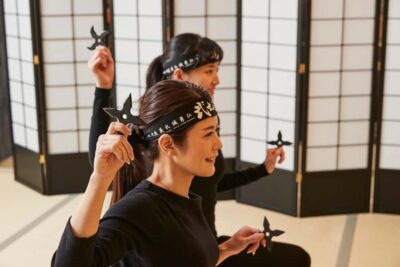
Samurai Ninja Museum Guided tour and Experience
Read our review →
Kendo and Samurai Experience with Uniform and Gear
Read our review →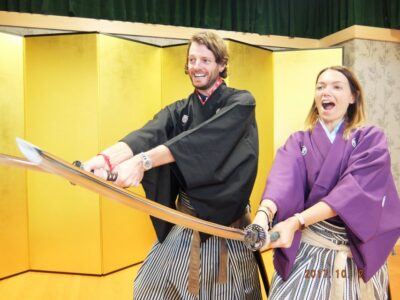
Samurai Sword Class by Experts in Traditional Arts
Read our review →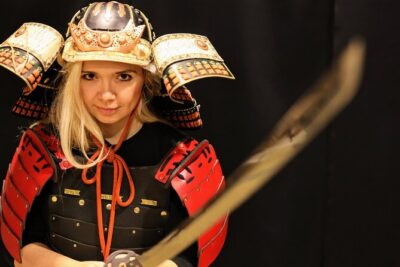
Skip the lines Basic Ticket at SAMURAI NINJA MUSEUM KYOTO
Read our review →
Samurai Sword & Archery Class from Samurai Descendant
Read our review →
Browse the lists this tour appears in