
Review · SUSHI COOKING WORKSHOPS
Sushi Making Experience in Shinjuku【Temari】
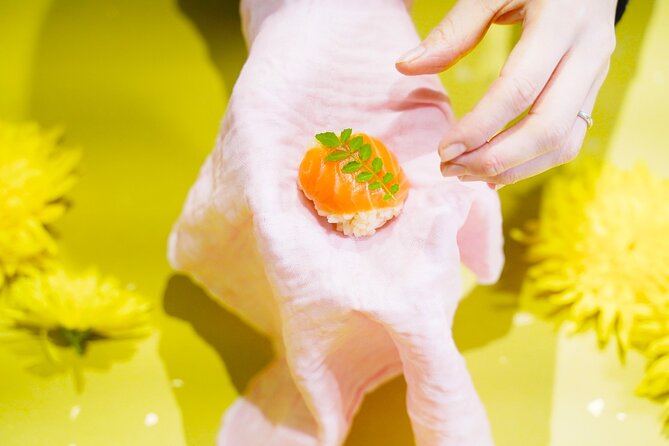
Sushi balls, not fancy knives. At Flower Wall Mone in Shinjuku, you make Temari sushi that looks like a little sphere, using vinegared rice plus cut sushi ingredients and handy utensils. It is a fun way to get hands-on with Japanese food culture, without needing any serious knife skills.
I also like that this is built for beginners. You get the ingredients and tools, plus a staff demonstration so you understand the basic rhythm before you go solo at your table. And yes, you also get to eat what you make.
One consideration: instruction is helpful, but it is not a super long, step-by-step coaching session. Some staff may not speak fluent English, and you might rely on a translator machine to keep things smooth.
In This Review
- Key highlights worth circling on your Tokyo plan
- Flower Wall Mone and the vibe check before you start
- What happens in the first part: rice, ingredients, and the demo
- Making your temari sushi: the “ball” technique you will use again
- What you actually eat, and how to think about the instruction level
- Timing, group size, and why the 90 minutes matter
- Location in Shinjuku, and how to pair it with your day
- First-timer tips that make the whole thing easier
- Who this Shinjuku sushi-making class suits best
- Should you book Sushi Making Experience in Shinjuku (Temari)?
Key highlights worth circling on your Tokyo plan
- Temari sushi shaping at your pace: you form bite-sized round shapes with provided tools
- Cute food + real technique: vinegared rice, then build and finish your own sushi ball
- Small group, max 10: easier to ask questions and focus on your own creations
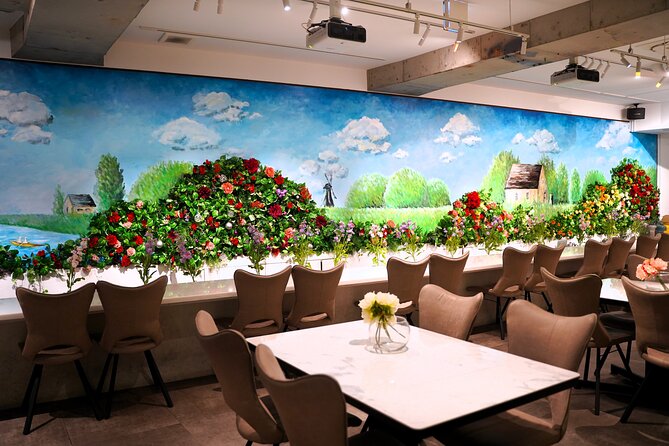
- Flower Wall Mone setting: a cafe and bar surrounded by flowers, right in Shinjuku
- Included drink and sweet: you are not just working on empty stomach energy
Flower Wall Mone and the vibe check before you start
Your experience begins at FLOWER WALL MONE (フラワーウォール モネ)新宿, a cafe and bar in Shinjuku. It is the kind of place where you can quickly feel in vacation mode, because the space is filled with flowers around you. That matters more than you might think, since you are about to sit down for 90 minutes doing something oddly satisfying with your hands.
When you arrive, you will tell staff you have a reservation for the Temari Sushi Experience. After that, they take your drink order and have sushi items prepared for your group size. Since it is a mobile ticket, have your phone ready for the check-in flow.
You are not just waiting for a class to start. You are settling in with a drink right away, and that sets the tone. It also helps if you are pairing this with other Shinjuku plans, because you get an early start instead of a delayed “everybody gather then wait” routine.
More Sushi Workshops in Tokyo
- Sushi Making Tokyo Roll and Authentic Japanese Sushi Class
★ 5.0 · 3,971 reviews - Tokyo: Roll and Authentic Sushi Making Class in Asakusa
★ 4.9 · 1,957 reviews - Tokyo: Sushi Making Class in a Happi Coat near a Famous Spot
★ 4.9 · 1,377 reviews
What happens in the first part: rice, ingredients, and the demo
Once everything is on the table, it is time to begin making temari-zushi. The core idea is simple: temari sushi is shaped like a ball, so you are forming cute rounds out of vinegared rice and cut sushi ingredients. If you have never done sushi shaping before, this is the kind of setup that removes the intimidation.
The staff demonstrates how to make it once, so you know what “good enough” looks like. Think of the demo as getting your hand memory started. After that, you do the work yourself with the ingredients and rice in front of you.
You will likely notice that the tools and components are provided, which is a big deal for first-timers. Instead of figuring out what kind of utensil you need or how to portion things, you focus on the shaping. That keeps the experience fun and prevents the usual cooking-class frustration.
Language note: some staff may not be fluent in English. The experience setup includes the possibility of using a translator machine, so don’t worry if your Japanese is limited. You still need to pay attention during the demo, because that is when the key steps get explained.
Making your temari sushi: the “ball” technique you will use again
The main work is forming bite-sized round sushi shapes. You start with vinegared rice, then add cut sushi ingredients so everything can be molded into a small sphere. The “temari” part is the shaping, not some complicated cooking process.
Here is the practical mindset that helps: aim for consistency over perfection. Temari sushi looks cute even when it is not identical across the table. What you want is a shape that holds together, and toppings that sit where you expect them to.
In many classes, people get stuck because they do not know how hard to press. You can avoid that by remembering the goal: enough pressure to keep the ball together, but not so much that it turns into a dense brick. If you have any doubts, follow the demo step once more mentally and then adjust based on how your first couple rounds behave.
You will choose your favorites among the available ingredients. That is one reason this experience works well with friends and family. You can make something that tastes like your comfort zone without needing to translate a whole menu.
The experience also moves at your pace once you start. There is no constant staff hovering over every hand after the demo, but you are not totally on your own either. You can contact them for help or questions if you get stuck.
What you actually eat, and how to think about the instruction level
This class is not about watching a sushi chef perform at speed. It is about participating, eating, and leaving with a small skill you can use again later at home or when you see temari sushi in restaurants.
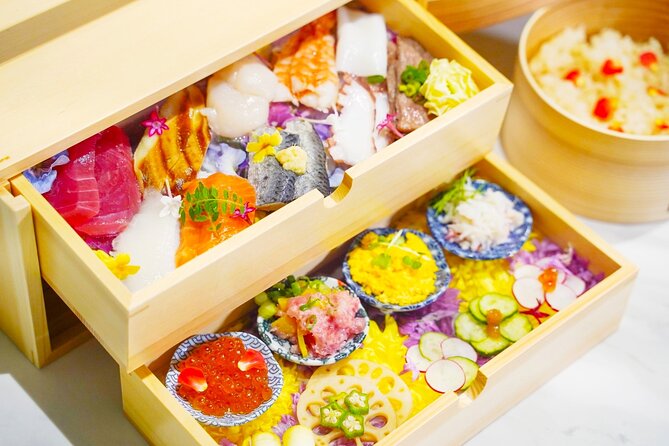
You will make the sushi with vinegared rice and prepared cut ingredients, then eat your own creations. You are also included with 1 drink and 1 sweet, which rounds out the meal and makes the experience feel like more than just a snack. In other words, you get both the activity and the reward.
Now the honesty part: if you expect a long, teacher-led tutorial with constant feedback, you may find the time tight. The structure is built around one demonstration, then making your own at your table. Since the experience is about 1 hour 30 minutes, there is limited time for repeated coaching.
That can be a positive. It keeps the energy moving and prevents the class from dragging. But if you want lots of one-on-one fine-tuning, you should set expectations in advance and focus on the demo as your main instruction moment.
Also, because some staff may use translation support, your best strategy is to ask your question once clearly after the demo, then work through the steps with what you have in front of you. Small, repeated questions can slow things down in any group setting.
A few more Shibuya and Shinjuku Nightlife around Tokyo:
- Tokyo: Shinjuku Food Tour (13 Dishes at 4 Local Eateries)
★ 5.0 · 6,603 reviews - Tokyo Bar Hopping Tour in Shinjuku (All-You-Can-Drink + Dinner)
★ 5.0 · 3,587 reviews - Official Street Go-Kart in Shibuya
★ 5.0 · 3,435 reviews - Tokyo: Shinjuku Food Tour (15 Dishes and 4 Eateries)
★ 4.9 · 2,033 reviews
Timing, group size, and why the 90 minutes matter
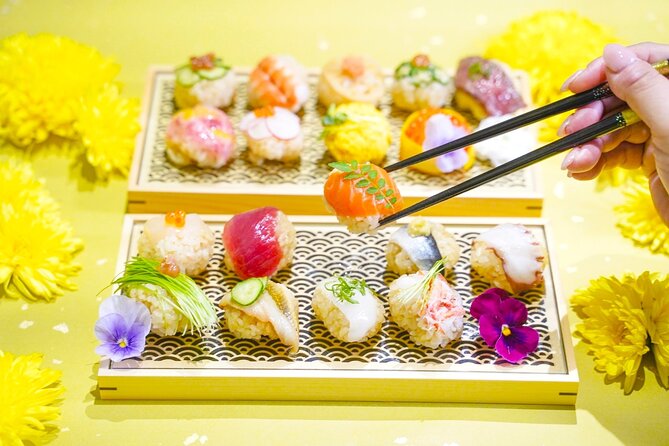
This experience runs for about 1 hour 30 minutes and can feel like the perfect “Tokyo break” size. It is long enough to feel like an activity, but short enough that you can still connect it to sightseeing or dinner afterward.
The class caps at 10 travelers. That is a sweet spot. You are still in a group setting, but it is small enough that staff can prepare things without feeling stretched. For you, it means less waiting and more table time for shaping your sushi balls.
Price is $71.85 per person, and the key value drivers are not just “you get sushi.” You are paying for the provided ingredients and utensils, the staff demo, and the included drink and sweet. If you count those pieces, the cost starts to look less like a pure instruction fee and more like a guided meal that also teaches a technique.
One more practical detail: the experience is commonly booked around 28 days in advance. That is your hint that you should not leave it to the last minute if you are traveling in peak periods. Shinjuku has a lot of options, but popular time slots can disappear quickly.
Location in Shinjuku, and how to pair it with your day
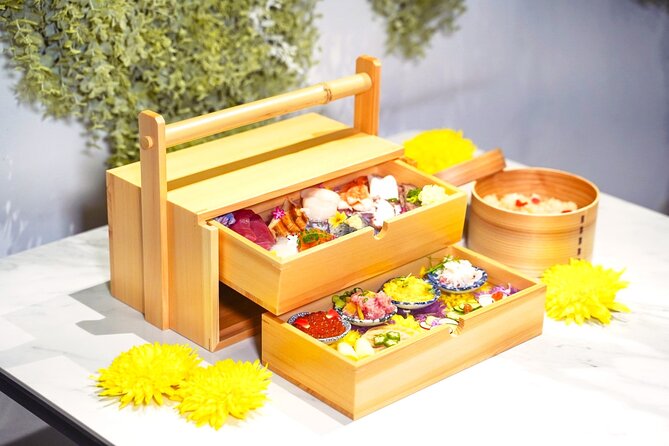
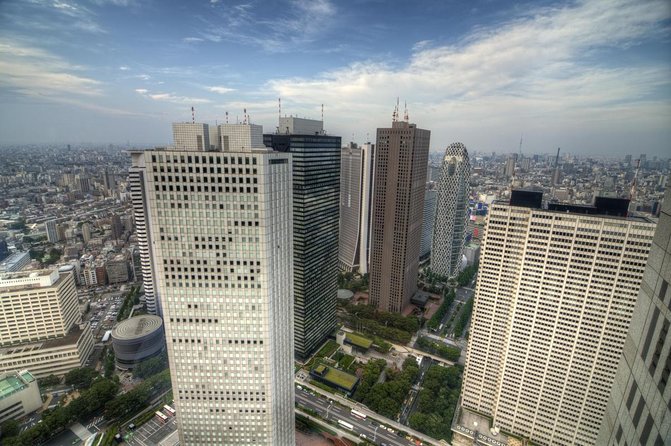
Shinjuku is convenient, which is helpful because this is a meet-at-the-spot experience. The meeting point is at Flower Wall Mone in Shinjuku City, Shinjuku, and it is near public transportation. That means you do not need to build your day around a far-flung neighborhood.
You can pair it with other Shinjuku stops easily. For example, do it earlier in the evening if you want the drink and sweet to feel like part of your day’s food plan. Or schedule it before dinner plans so you have a full stomach before you start hunting for your next meal.
Because the class includes alcohol in the drink offering, think about what you want to do afterward. If you are planning a late-night walk, shopping, or a return trip to another part of Tokyo, consider your comfort with alcohol and travel time.
Also, check your schedule so you have a little buffer. Even with a smooth setup, you will be shaping food and eating what you make. It is not a “quick photo then go” kind of activity.
First-timer tips that make the whole thing easier
If this is your first cooking class in Japan, you will do best by focusing on three things: watch the demo closely, move at your pace, and keep your expectations realistic for a 90-minute session.
1) Watch the demo like it is a recipe
You get one clear demonstration. Before you start, look for how staff handles the rice portion, how they balance toppings, and how they press and shape.
2) Go for tidy, not perfect
Temari sushi is forgiving. Cute matters more than identical spheres. Your goal is to make something that holds together and tastes good.
3) Use your table as your workspace
Everything you need is provided, so spread out just enough to work comfortably. If you try to work like you are at a restaurant, you will waste time. Treat it like a hands-on craft table.
4) Ask for help once, then proceed
Since staff may not stay constantly at your side after the demo, ask a question at the right moment. Then do the next steps with fewer interruptions.
5) Remember the drink and sweet are included
This is not just a snack break. With a drink and sweet included, you can plan this as part of your meal strategy in Shinjuku.
Who this Shinjuku sushi-making class suits best
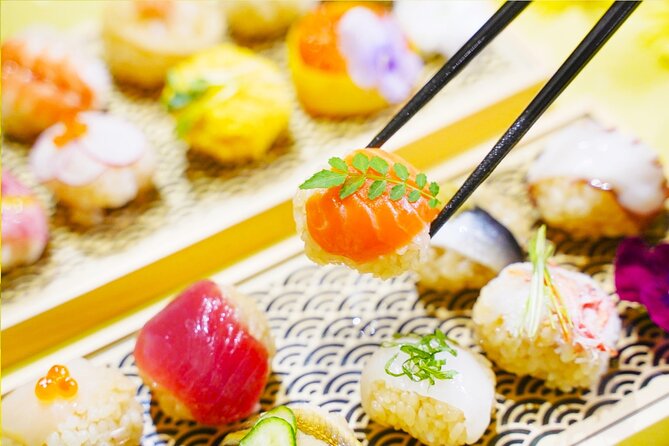
This Temari Sushi Experience is a strong fit for people who want a hands-on Japanese food activity without heavy cooking prep. It is especially good if you are traveling with friends, a couple, or family, because everyone can participate with the provided ingredients and utensils.
It is also a solid choice if you want something a little different from the usual sushi tasting. Instead of eating and moving on, you practice shaping bite-sized rounds and learn what temari sushi actually feels like to make.
If you are the type of traveler who loves slow, highly structured instruction from start to finish, you might want to be cautious. The format is built around one demo and then independent making at your table.
For younger travelers: participants under 20 must be accompanied by a parent or guardian. Drinking alcohol under the age of 20 is prohibited by law, so you should plan your drink decision accordingly.
Should you book Sushi Making Experience in Shinjuku (Temari)?
Book it if you want a beginner-friendly sushi experience that feels playful and hands-on, with a cute payoff. The combination of Temari sushi shaping, a real sit-down food moment, and the included drink and sweet makes it a good value for a 90-minute Tokyo activity.
Skip it, or at least adjust expectations, if you want a long, teacher-led sushi workshop with repeated coaching. This is about doing the work yourself after a single demonstration, and it works best when you are comfortable learning by making.
If your schedule allows, I would book ahead. With the class size limited to 10 and the popularity trend suggesting bookings about a month out, reserving early helps you lock in a time that fits your Shinjuku day.
Newly listed around Tokyo
- Private Tokyo Tour with Licensed Guide & Vehicle (Max 15 persons)★ 5.0 · 107 reviews
- Private Tokyo Food Tour – A Journey Through Time Through Food★ 5.0 · 36 reviews
- Private Tokyo Custom Full-Day Tour by Chartered Vehicle★ 5.0 · 16 reviews
- Private Tokyo Custom Half-Day Tour by Chartered Vehicle★ 4.5 · 13 reviews
- Private Outstanding Nikko Tour with English Speaking Driver★ 4.0 · 11 reviews
- Private Sightseeing to Mt Fuji and Hakone with English Driver★ 5.0 · 51 reviews
- Private Snow Monkeys park Day Trip From Tokyo or Nagano★ 4.5 · 26 reviews
- 4 Day Tour – Mount. Fuji, Tokyo, Hakone, Kamakura and Yokohama★ 5.0 · 19 reviews
Sushi Cooking Workshops, compared.
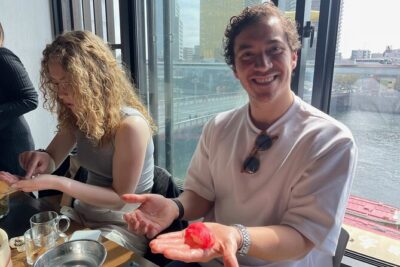
Sushi Making Tokyo Roll and Authentic Japanese Sushi Class
Read our review →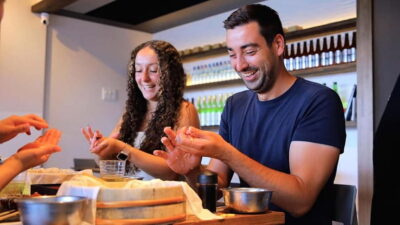
Roll and Authentic Sushi Making Class in Asakusa
Read our review →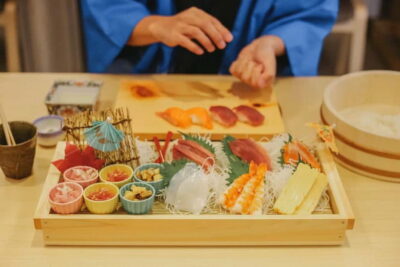
Sushi Making Class in a Happi Coat near a Famous Spot
Read our review →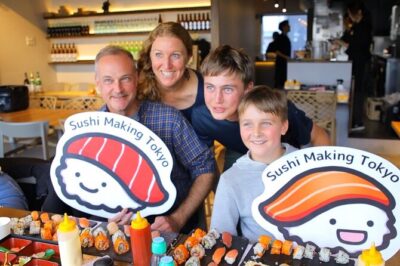
Sushi Making Tokyo! Popular Maki Sushi & Japanese Sushi(+Recipe!)
Read our review →
Tokyo Sushi Making Class in Tsukiji with Professional Chef
Read our review →
Tokyo Night Foodie Tour in Shinjuku – Seasonal Sushi, Wagyu Beef
Read our review →
Tsukiji Fish Market Guided Tour and Sushi Making with Pro Chef
Read our review →
Tsukiji Fish Market Sushi Making Class with Pro Chef
Read our review →Browse the lists this tour appears in