
Review · WALKING TOURS
The Old Quarter of Tokyo – Yanaka Walking Tour
Tokyo has a quieter soul in Yanaka. This 3-hour walk threads temples, shrines, and residential lanes with stories that make old Tokyo feel close and real. What I love most is the small-group attention and the temple-and-shrine storytelling, not just check-the-box sightseeing. One drawback to plan for, you are on your feet outdoors for much of the time, so hot or rainy weather can make it feel longer than it sounds.
You meet near Nippori Station, then you finish at Yanaka Ginza, a handy place to keep the day going on your own. The tour is capped at max 10 travelers, led by an English-speaking local expert, and you get a mobile ticket for easy entry. Some stops are free, but a few temple or break stops are not included, so keep a little cash or card ready.
In This Review
- Key highlights that make this Yanaka walk worth your time
- Yanaka on foot, why this quiet Tokyo pocket feels different
- Meeting at Nippori Station and the small-group rhythm
- Tennoji Temple and the Yanaka Buddha at 1690
- Yanaka Cemetery, customs you should know before you walk in
- Ueno-Sakuragi Atari, a break in renovated wooden homes
- The 100-year-old cyder tree and a Yanaka symbol pause
- Enju-ji Temple, the god of strong legs
- Nezu Shrine and its torii gates, plus shrine etiquette that saves you
- Hebimichi back street, then Yanaka Ginza for food and shopping
- Price and value: is $40 a good deal for a 3-hour walk?
- Pace, weather, and what to bring so the day feels easy
- Who should book this Yanaka walk, and who might skip it
- Should you book the Old Quarter of Tokyo Yanaka Walking Tour?
- FAQ
- How long is the Yanaka Walking Tour?
- How much does the Old Quarter of Tokyo – Yanaka Walking Tour cost?
- How many people are in the group?
- Where does the tour start and end?
- Is the tour in English?
- Is admission included at every stop?
- Is food included in the ticket price?
- Is there a mobile ticket?
- What should I do if the weather is bad?
- Are service animals allowed?
Key highlights that make this Yanaka walk worth your time
- Small group of up to 10 means your guide can answer your questions without shouting over the crowd
- Old Tokyo fabric still shows in wooden streets and neighborhood structures you will rarely see in guidebook routes
- Shinto and Buddhism explained in everyday terms as you move between shrines and temples
- A cemetery stop with real cultural context so you know what you are looking at and how to behave
- Photo opportunities built into the route so you are not constantly asking, can we stop here
- Yanaka Ginza as the natural ending point with shops and sweets you can try at your own pace
Yanaka on foot, why this quiet Tokyo pocket feels different
Yanaka is one of those parts of Tokyo where modern skyscrapers feel far away, even though you are still in the city. The streets have a slower rhythm. You walk past small homes, local shops, and sacred places that feel integrated into daily life, not fenced off like a museum.
What makes this tour work is the “why” behind what you see. Temples and shrines are not just scenery. You learn the ideas people attach to them, plus the basic etiquette so you can observe with respect.
And yes, it is a walking tour, so it rewards you for being curious with your eyes, not just your phone. If you like neighborhoods where life continues around you, this is a strong match.
More Walking Tours in Tokyo
- Tokyo Tsukiji Fish Market Food and Culture Walking Tour
★ 5.0 · 3,184 reviews - Tokyo: Shinjuku Local Bar and Izakaya Guided Walking Tour
★ 4.9 · 1,794 reviews - Tokyo: Tsukiji Fish Market Food and Walking tour
★ 5.0 · 1,724 reviews
Meeting at Nippori Station and the small-group rhythm
The start point is near Nippori Station, and the tour ends at Yanaka Ginza. That flow matters. You start where transit is easy, then you finish in a lively shopping street so you can eat or browse without backtracking.
This is designed as a half-day style outing, about 3 hours total. The route includes multiple short stops, often around 15 to 20 minutes, plus walking between them. It is not a marathon, but you will still want comfortable shoes. In fact, that is one of the most repeated practical tips from people who did this route.
The group size caps at 10, so you usually get a more personal experience than bigger city tours. In the guide comments I saw, people kept praising English clarity, being able to ask questions, and guides who adjust to the group’s pace. If you want your questions answered, that small size is a real advantage.
Tennoji Temple and the Yanaka Buddha at 1690
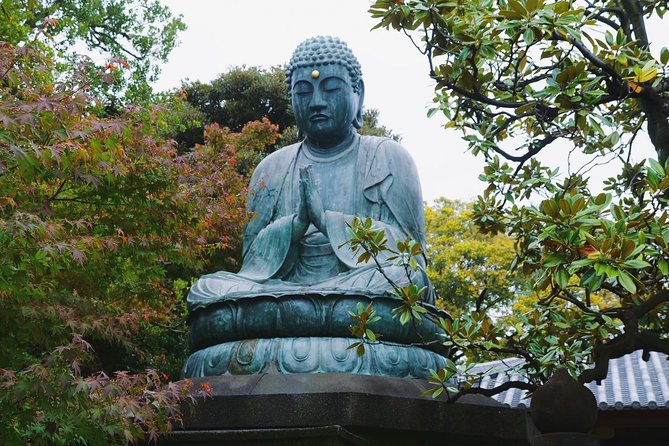
You begin at Tennoji Temple, where you hear about the Yanaka Buddha. The temple ties to a specific creation date, 1690, which helps anchor the story in real time rather than vague “long ago” history.
This stop is also where the tour starts doing something useful: explaining Japanese religion through examples you can actually see. You learn how temples fit into Japanese life, and why the same country can hold multiple religious traditions side by side. It is not a lecture that floats above the street. It is a guided way to interpret what surrounds you.
The time here is short, around 15 minutes, and admission is free. That makes it an easy first win because you do not have to juggle ticket logistics before you even get moving.
Yanaka Cemetery, customs you should know before you walk in
Next comes Yanaka Cemetery. This is one of the stops that can feel intimidating if you do not know what you are walking into. The good part is that you are not sent in blind. You walk through and learn what a Japanese cemetery is like and the customs locals follow.
This matters because cemetery etiquette is not universal, even across countries with similar Christian, Buddhist, or Shinto roots. Respectful behavior is part of visiting well. A cemetery stop also changes the tone of the tour. The walk quiets down, and you start noticing how sacred space shapes everyday routes.
Admission is free here as well, and the stop runs about 15 minutes. It is enough time to understand the basics and ask questions without turning it into a long detour.
A few more Tokyo days to weigh up
- Tokyo: Asakusa Walking Tour with Sensoji Temple Visit
★ 4.8 · 1,583 reviews - Tokyo: Tsukiji Fish Market Guided Walking Tour
★ 4.9 · 1,397 reviews - Tokyo Castle & Imperial PalaceーShogun Walking Tour
★ 4.7 · 1,068 reviews - Tokyo: Imperial Palace Japanese History Walking Tour
★ 4.9 · 987 reviews
Ueno-Sakuragi Atari, a break in renovated wooden homes
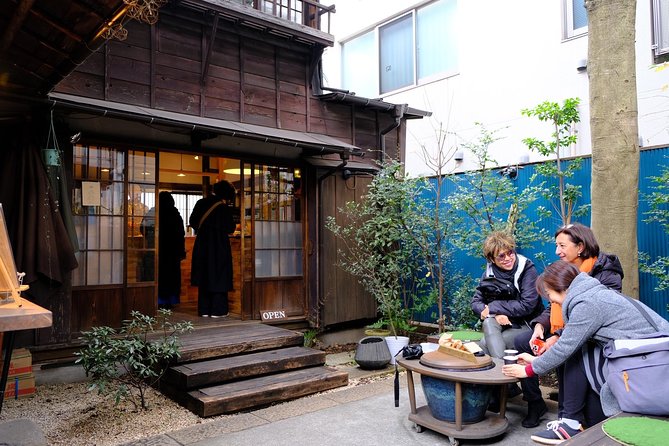
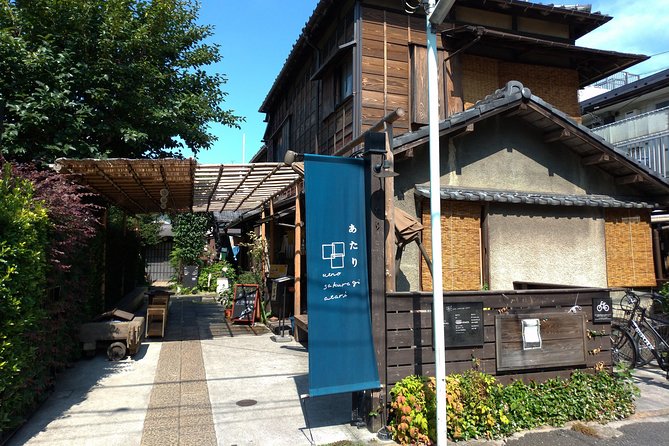
After temples and cemetery, you get a breather at Ueno-Sakuragi Atari. The focus here is practical and atmospheric: about 80-year-old wooden houses were renovated into spaces like a cafe, a bakery, and a beer hall, and the whole area functions as a community hangout.
This is where the tour shifts from “story time” to “Tokyo in daily use.” You get a moment to sit, rehydrate if you need to, and reset before heading back into more shrine and temple stops. It is only around 15 minutes, but it can make the overall 3 hours feel more comfortable.
Admission is not included for this stop, but that usually just means you can spend on what you want rather than being forced into a specific purchase. If you are sensitive to costs, this is still manageable. Just plan on the fact that drinks and snacks are extra.
The 100-year-old cyder tree and a Yanaka symbol pause
Between the major religious stops and the later shrine area, there is a short pause for a 100-year-old cyder tree, described as a symbol of Yanaka. This kind of stop is more than a photo moment. It teaches you how neighborhoods mark identity through living things, not only monuments.
It also gives your legs a mini rest. Even if you are not the type who loves nature-based details, take it as a chance to look at your surroundings without the guide constantly pointing forward.
If you like grounding a place in a single memorable reference, this is the kind of stop that sticks.
Enju-ji Temple, the god of strong legs
Enju-ji Temple is not the typical “name and incense” stop. Here, the focus is on a shrine idea that is very practical. The enshrined deity is described as a god of strong legs.
You will also learn something tangible about how people express wishes. Wishes connected to foot problems are written on wooden boards, which turns belief into something you can see directly. That is the kind of detail that makes religious sites feel less abstract and more human.
Time is brief here, about 5 minutes, and admission is not included. Because it is short, the main takeaway is the theme: Japanese religion often shows up as help for specific, everyday needs.
Nezu Shrine and its torii gates, plus shrine etiquette that saves you
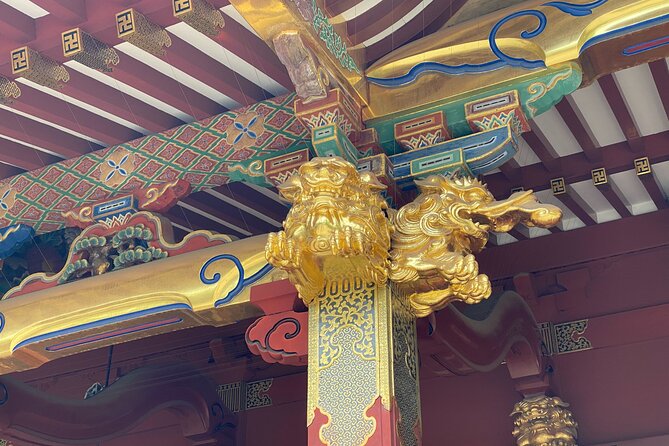
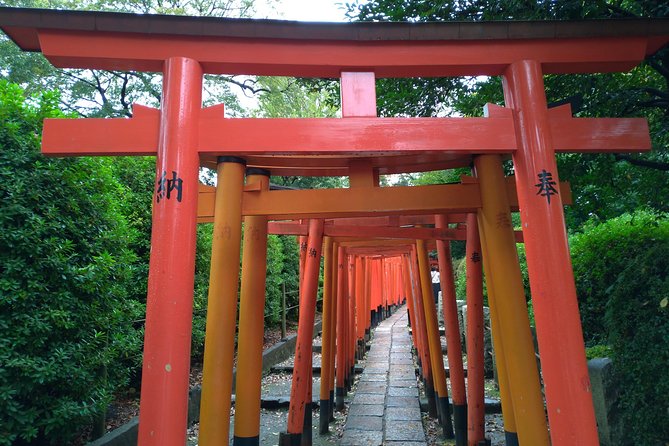
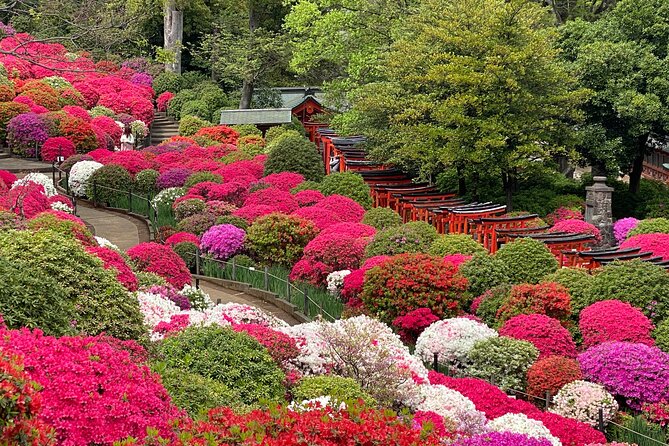
Nezu Shrine is a photo stop that also teaches manners. You see lots of red torii gates, compared in style to Fushimi Inari in Kyoto, and you are given time for pictures.
But the best part is learning shrine etiquette. That means you will not just walk through space randomly. You will understand how to behave in a Shinto setting, which makes the visit feel more grounded and less like you are trespassing with a camera.
This stop is around 20 minutes, and admission is free. That mix is nice because it gives you time to move at a calm pace through the gates while still keeping the whole tour on track.
If you have even a little interest in how Japan’s religious systems show different flavors of devotion, this is usually the highlight people talk about.
Hebimichi back street, then Yanaka Ginza for food and shopping
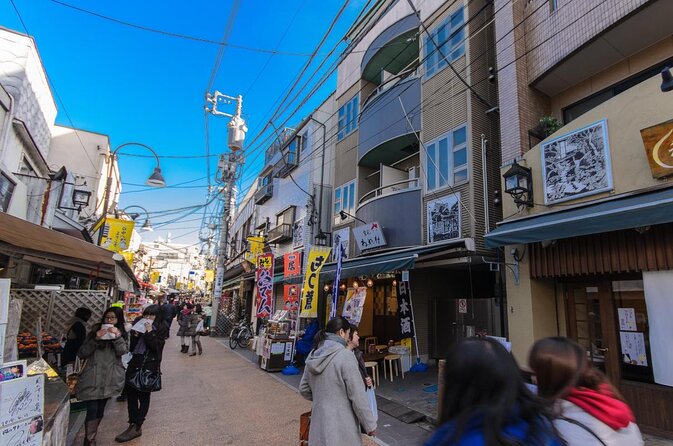
After Nezu Shrine, the tour heads into a residential back street area called Hebimichi. This is where you get the “ordinary life” payoff. You see daily life close up, not through a curated shopping lane but along a quieter residential path where people are simply living.
You get a real sense of why Yanaka is often recommended as a contrast to central Tokyo. The tour is not trying to impress you with scale. It is trying to show you texture, the stuff you would miss if you only chase big landmarks.
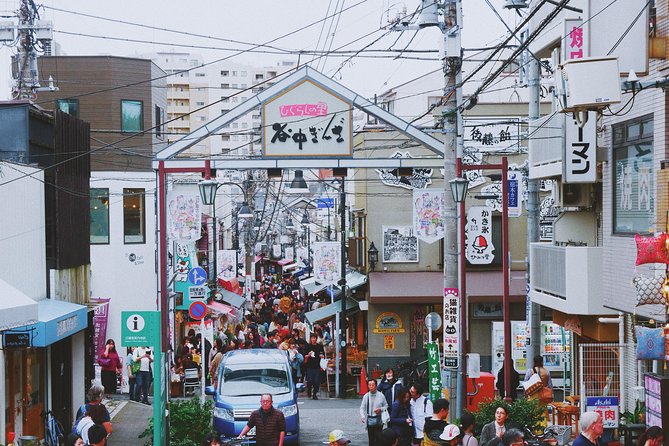
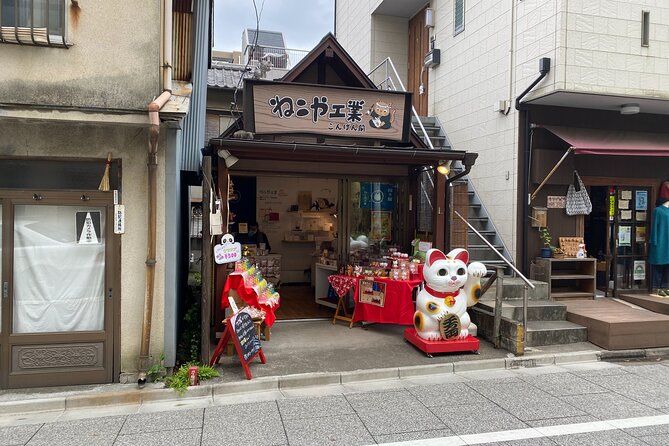
Then you land at Yanaka Ginza, the shopping street finale. Here your guide explains what to look for in the local shops and where to find everyday Japan treats. You can try local foods and sweets, but food fees are not included.
This ending is smart. Finishing at a place where you can snack keeps the tour from ending too abruptly. Also, because you are now in a shopping street, you can decide how long to stay based on your energy.
Price and value: is $40 a good deal for a 3-hour walk?
At $40 per person, you are paying for three main things: guided interpretation, organized timing, and access to cultural context that is hard to piece together alone on the sidewalk.
Admission varies by stop, and some parts like the Atari break and certain temple stops are not included. Still, even if you buy one drink or one snack, the overall cost tends to stay reasonable because the structure limits how much time you spend at paid attractions.
The value comes from the guide’s ability to connect dots. Guides featured in the feedback, including Polina, Aya, Junko, Mami, Mei, Rei, and Kiyo, get praised for clear English, answering questions, and sharing stories that make the neighborhood feel lived in. One theme I liked in the comments was the use of visual aids like laminated photos. Even if you already read guidebooks, those small tools help you remember what you learned after you walk away.
So, ask yourself this: do you want to wander Yanaka on your own, or do you want the meaning behind what you see, plus a smoother route so you do not waste time guessing? If you want guidance, $40 for a 3-hour small-group walk is a fair price.
Pace, weather, and what to bring so the day feels easy
The route is built from short walks and short stops, about 3 hours total. That rhythm usually works well, but you should plan for real walking. On a hot, humid day, even “only” a few kilometers can feel like more.
The tour also requires good weather. If conditions are poor, you will be offered a different date or a full refund. So check forecasts the day before, and pack like you are walking around Tokyo, not touring a building.
Bring:
- Comfortable shoes with traction for uneven sidewalks
- Sun protection, hat, and water, since breaks are short
- A small amount of cash or card for any snacks or drinks at your optional stops
Service animals are allowed, and most people can participate. But if you have mobility limits, you should think carefully, because the route is on foot and the stops involve moving through neighborhood streets.
Who should book this Yanaka walk, and who might skip it
This tour is ideal if you want Tokyo that feels human-sized. You will love it if you enjoy:
- Temples and shrines with context, not just architecture
- Quiet neighborhoods with local routines
- Learning how Shinto and Buddhism show up in daily cues
- A small-group format where questions are easy
You might want to skip or adjust your plans if you prefer only big-ticket sights, since this is about neighborhood flow and cultural interpretation. Also, if you dislike walking or you are traveling with very limited mobility, the outdoor time may be tough.
If you are pairing this with other Tokyo stops, I like it as a contrast day. Start with the modern stuff, then switch to Yanaka for a calmer, older-feeling perspective.
Should you book the Old Quarter of Tokyo Yanaka Walking Tour?
Book it if you want Tokyo beyond the usual high-volume routes. Yanaka works especially well when you have a guide who can explain the meaning behind what you are seeing, and when you finish in Yanaka Ginza so you can keep the day going without friction.
I would book it for a first-time Tokyo visit too, not just repeat travelers. It gives you a sense of the city’s older layers, and the tour format keeps you from wandering in circles or missing the etiquette details that make a visit feel respectful.
Skip it only if you dislike walking outdoors or if you only want famous landmarks. For everything else, this is a strong way to see a quieter side of Tokyo with real, practical context.
FAQ
How long is the Yanaka Walking Tour?
The tour is about 3 hours long (approx.).
How much does the Old Quarter of Tokyo – Yanaka Walking Tour cost?
It costs $40.00 per person.
How many people are in the group?
The tour has a maximum of 10 travelers.
Where does the tour start and end?
It starts at Nippori Station, 2 Chome-19 Nishinippori, Arakawa City, Tokyo 116-0013. It ends at Yanaka Ginza, 3-chōme-13-1 Yanaka, Taito City, Tokyo 110-0001.
Is the tour in English?
Yes. It is led by an English-speaking local expert.
Is admission included at every stop?
Some stops are listed as admission free. Other stops note that admission is not included.
Is food included in the ticket price?
No. Food, drinks, and personal expenses are not included.
Is there a mobile ticket?
Yes. The tour uses a mobile ticket.
What should I do if the weather is bad?
The experience requires good weather. If it is canceled due to poor weather, you will be offered a different date or a full refund.
Are service animals allowed?
Yes, service animals are allowed.
Newly listed around Tokyo
- Tokyo private transfer for Yokohama Port★ 4.5 · 63 reviews
- Luxury Kimono Photoshoot at Ginza Tokyo★ 5.0 · 7 reviews
- Tokyo Allstar Food Tour★ 4.5 · 206 reviews
- Tokyo: Best Ginza Food Tour at 3 Local Eateries★ 5.0 · 83 reviews
- Private One Day Nikko Tour with Bilingual driver★ 3.5 · 11 reviews
- Tokyo Art Aquarium Museum E-Ticket with optional Tokyo Metro Pass★ 5.0 · 17 reviews
- PRIVATE tour in 180SX to Daikoku+++++★ 5.0 · 6 reviews
- Kabuki Talk★ 5.0 · 10 reviews
Walking Tours, compared.
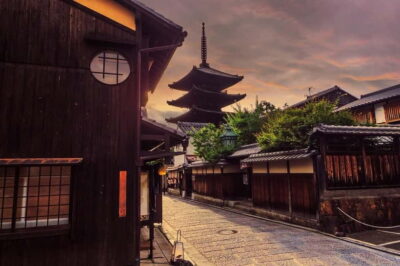
Kyoto Geisha Walking Tour: Gion District & Hidden Gems
Read our review →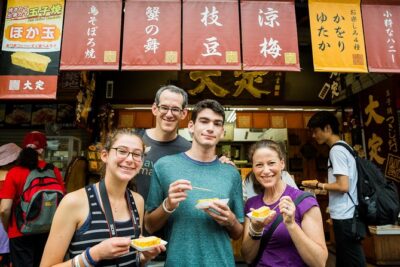
Tokyo Tsukiji Fish Market Food and Culture Walking Tour
Read our review →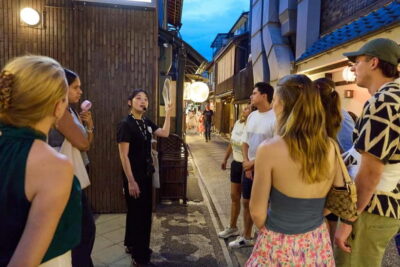
Gion Geisha District Walking Tour – Stories of Geisha
Read our review →
Shinjuku Local Bar and Izakaya Guided Walking Tour
Read our review →
Asakusa Walking Tour with Sensoji Temple Visit
Read our review →
Kyoto Gion Geisha District Walking Tour – The Stories of Geisha
Read our review →Browse the lists this tour appears in