
Review · SAMURAI SWORD & NINJA TRAINING
Tokyo 2-Hour Genuine Samurai Experience: Kendo in Japan
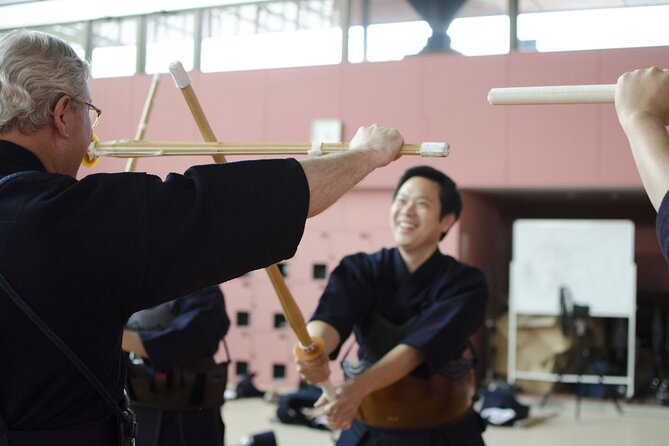
Wear the armor, then learn the rules. This Tokyo kendo workshop is fun because you practice practical swordsmanship, not just watching demonstrations, and you learn the etiquette that makes kendo work in a room full of strangers. I love that everything is provided, including the protective gear and shinai, and I love the one-on-one style attention from the instructor. One thing to plan for is the physical effort, the gear can feel warm and heavy, so go with comfortable athletic clothes and a mindset for active movement.
You get a clean structure in a short 2-hour session, with a mock tournament at the end so your new moves actually get tested. I like that you can pick a morning or afternoon time to match your day, and you’re not pushed into an all-day plan. If you’re expecting a calm, seated cultural show, this is more of an energetic dojo workout than a passive experience.
In This Review
- Key takeaways
- Why This Tokyo Kendo Class Feels Like Samurai Training
- Two Hours in the Dojo, Morning or Afternoon Sessions
- Meeting Point in Northern Tokyo: How You’ll Get There and What It Means
- Step-by-Step: What Happens When You Arrive and Get Dressed
- Techniques, Etiquette, and Instructor Demos That Keep You From Guessing
- The Tournament-Style Combat Game: Where It Gets Real
- Price and Value: Is $118.92 Fair for a 2-Hour Kendo Session?
- Who This Kendo Workshop Fits Best (And Who Might Skip It)
- Quick Practical Tips So You Have a Better Session
- Should You Book This Tokyo Kendo Experience?
- FAQ
- How long is the Tokyo Kendo experience?
- Where does the activity take place?
- Is hotel pickup included?
- What equipment is provided?
- What is the minimum age?
- What should I wear?
Key takeaways
- Full bogu protection and rental equipment mean you show up ready to move
- Mock tournament sparring turns basics into real timing and control
- English instruction and guide demonstrations help you get it fast
- Kendo etiquette and culture are taught alongside the techniques
- Small class size up to 15 keeps the pace focused
Why This Tokyo Kendo Class Feels Like Samurai Training
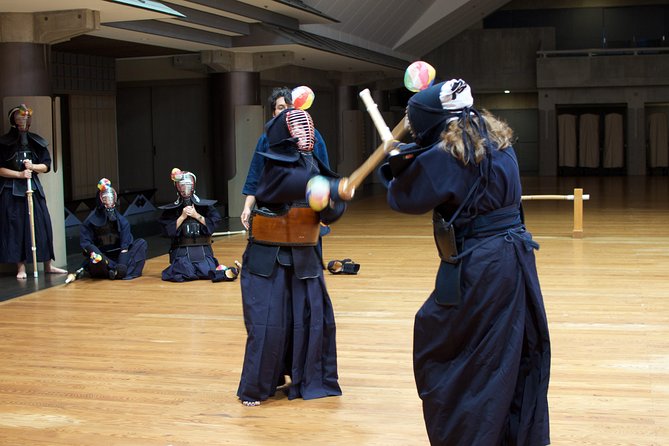
Kendo is often described as samurai swordsmanship, but what I like about this experience is that it sticks to what matters in training: stance, distance, timing, and the rituals that keep practice safe and respectful. You’ll be taught practical movements and the culture behind them, so the experience feels more grounded than a quick photo stop.
The best part is that you’re not left guessing. You get a professional instructor who speaks English in an easy-to-follow way, plus guide demonstrations that show how your body should move. Then you try. That try, adjust, try again rhythm is what makes kendo addictive.
The class also feels welcoming for beginners. One theme in the feedback is that instructors take the time to explain basics and make sure you can participate, even if you’ve never touched a shinai before.
More Samurai & Ninja Sessions in Tokyo
- Tokyo: Samurai Restaurant Show Ticket with 2 Drinks
★ 4.5 · 1,307 reviews - Tokyo: Samurai Ninja Museum Guided tour and Experience
★ 4.6 · 1,010 reviews - Tokyo: Samurai Sword & Archery Class from Samurai Descendant
★ 5.0 · 603 reviews
Two Hours in the Dojo, Morning or Afternoon Sessions
The session runs about 2 hours, and you can choose a morning or afternoon slot. That flexibility matters in Tokyo, where the best days are built around short, high-impact activities that fit neatly between trains, meals, and museum time.
A 2-hour format also keeps expectations realistic. You’re not expected to master everything. Instead, you get the fundamentals you need to join the action at the end, including tournament-style sparring or combat games.
Class size is limited to a maximum of 15 travelers. In practice, that usually means fewer long gaps and more chances to correct your form. It also helps you feel less like you’re watching a performance and more like you’re part of a working dojo session.
Meeting Point in Northern Tokyo: How You’ll Get There and What It Means
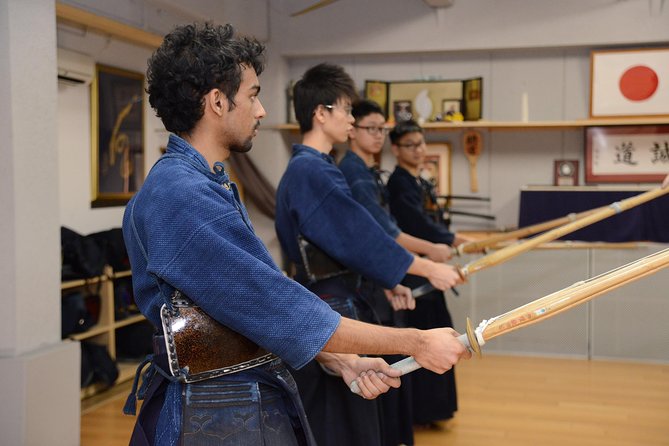
This ends back at the same place you start. The meeting point is listed at 誠道館ビル4 Chome-7 Higashinippori, Arakawa City, Tokyo 116-0014, Japan. It’s also described as near public transportation, which is a big deal for this kind of active class. You don’t want a long walk in full armor gear, or a stressful scramble right before training.
Hotel pickup and drop-off is not included, even though pickup is sometimes offered. The safest approach is to treat the dojo address as your primary plan and check your exact options during booking. If pickup is available for your time slot, great. If not, you still have a clear meeting point.
Once you’re done, you’re positioned in a neighborhood where it’s easy to keep exploring. The location is described as near shrines and food stalls, so you can turn this into a real half-day rhythm instead of a stand-alone stop.
Step-by-Step: What Happens When You Arrive and Get Dressed
The flow in the dojo matters because kendo gear changes how you move and how you feel. When you arrive, you’ll be guided through getting set up with your kendo uniform and protective equipment. The included rentals cover the armor and gear, so you don’t need to bring anything except yourself and the right mindset.
From the training side, you’ll learn how to put on the uniform and what pieces do. One review notes the keikogi (jacket-like top) and hakama (skirt-like trousers), plus protective armor called bogu. That matters because bogu isn’t just for safety. It also shapes how you strike, how you keep your guard, and how you breathe while moving.
You also get bottled water during the session. Kendo requires focus and effort, and the protective gear can make you feel warmer than you expect. I recommend arriving hydrated and ready to move right away.
More Samurai and Ninja sessions in Tokyo:
- Ninja+Kabuki Tokyo
★ 4.5 · 512 reviews - Skip the lines Basic Ticket at SAMURAI NINJA MUSEUM TOKYO
★ 5.0 · 470 reviews - Best Samurai Experience in Tokyo
★ 5.0 · 458 reviews - Tokyo: Legend Samurai Entertainment Night in Kanda Shrine
★ 4.6 · 367 reviews
Techniques, Etiquette, and Instructor Demos That Keep You From Guessing
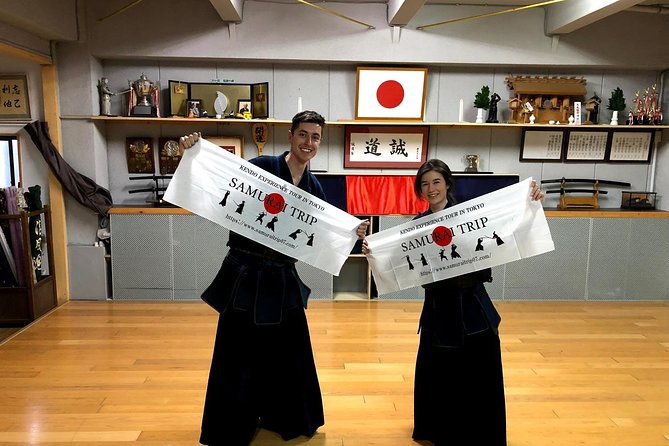
This is a hands-on workshop with an instructor who demonstrates and explains. You’ll practice practical kendo moves and learn the etiquette behind the sport, which is a huge part of why kendo works as training and not just as hitting.
Here’s what you should expect from the instruction style:
- You get guide demonstrations before you try
- You learn basic stance and striking targets
- You build confidence by practicing in short, repeatable drills
One detail that stands out is how often people mention the instructor being patient and supportive, including with kids. That aligns with the overall format: beginner-friendly, but still real, with protective gear and active training.
A helpful mindset: kendo isn’t about power. It’s about clean form and correct contact. You’ll likely get instant feedback if your strike lands in the wrong place or your posture slips. That fast correction is part of the value, because you don’t spend the whole session repeating the same ineffective motion.
The Tournament-Style Combat Game: Where It Gets Real
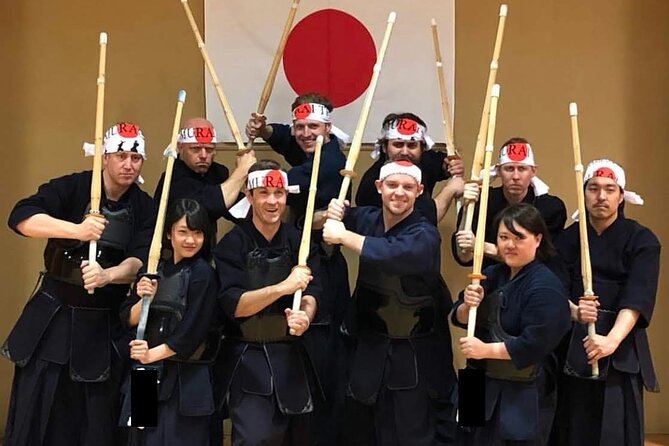
The end of the class includes a tournament-style combat game. This is where many first-timers get their biggest surprise: kendo is exciting, loud, and very physical, even when you’re just learning fundamentals.
The setup typically tests what you worked on earlier: distance control, timing, and guard position. You’ll practice with protective armor and participate in sparring or a game format designed to mimic competition pressure without turning it into chaos.
One review mentions hearing scoring callouts like kote-men and landing proper strikes. Even if you’re new, those moment-to-moment cues help you understand what the instructor is looking for: strike cleanly, keep your form, and respond with control.
Also, this part explains why the class is described as having a strong physical level. You’re not just doing arm movements. You’re stepping, moving your hips, raising and dropping your guard, and reacting quickly.
Price and Value: Is $118.92 Fair for a 2-Hour Kendo Session?
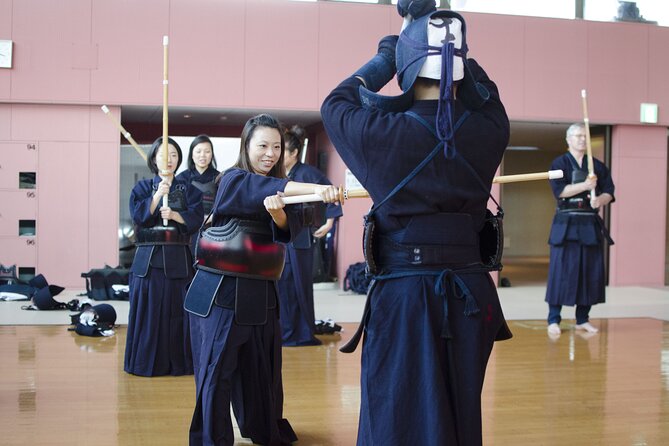
At $118.92 per person, this isn’t a budget activity. But it also isn’t overpriced for what you get in a Tokyo dojo setting.
Here’s what supports the value:
- Professional instructor time for a full 2-hour class
- Rental of kendo armor and equipment, which can be a real cost if you tried to DIY
- Bottle water and a souvenir towel, small things, but thoughtful
- Active participation with a mock tournament component, not just watching
You do need to account for what is not included. Food and drinks aren’t included, and hotel pickup and drop-off aren’t included. So if you’re planning this as a quick add-on, you’ll want to budget for a meal either before or after.
Where I think the price makes the most sense is for people who want something genuinely physical and culturally specific in a short time window. If you want a “hands-on” Tokyo story you can actually feel in your body, this is closer to a class than a tour.
Who This Kendo Workshop Fits Best (And Who Might Skip It)
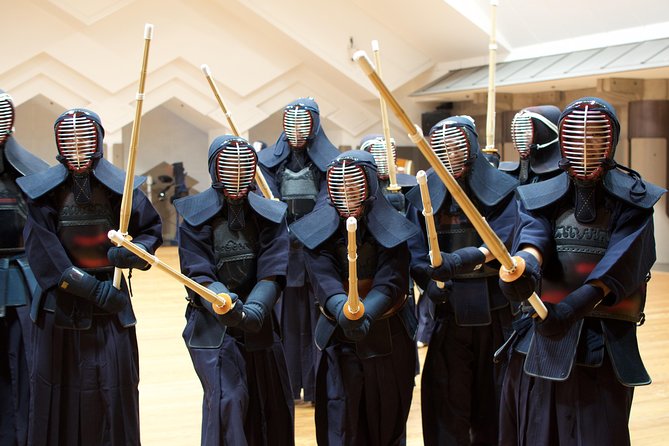
This kendo experience is a strong match if you want:
- A beginner-friendly introduction to kendo etiquette and fundamentals
- A workout that feels structured, guided, and safe with protective gear
- A short Tokyo activity with a clear start and finish
It’s also appealing for families. The minimum age is 9, and reviews highlight that instructors handle kids well and keep training fun while still serious.
I’d be cautious if:
- You know your knees struggle with kneeling or repetitive movements. One review specifically advises telling the sensei if you have knee issues so you can skip painful options.
- You’re looking for a low-energy cultural experience. Kendo is active. Expect effort, warm gear, and concentration.
If you’re a fitness-ready traveler, you’ll likely love this. If you’re nursing injuries, I’d plan modifications ahead of time by speaking up clearly in the dojo.
Quick Practical Tips So You Have a Better Session
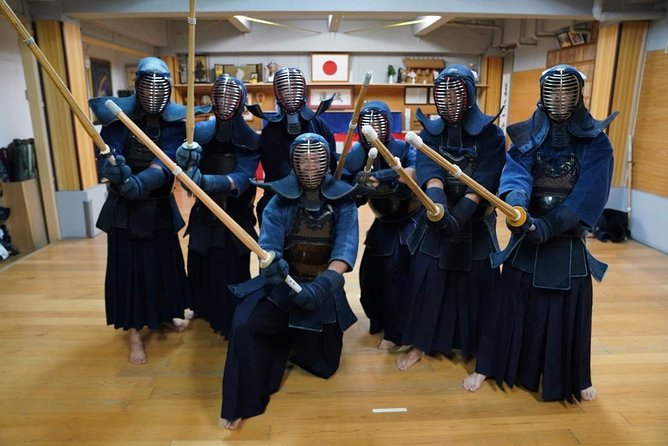
Before you go, treat this like a sport, not a costume event:
- Wear athletic clothes you can move in easily, since you’ll train actively
- Hydrate beforehand, since the gear can get warm
- Plan for a short, intense burst of physical effort over a 2-hour period
- Arrive ready to follow instructions quickly, because the drills build
If you get the chance to practice with local students in the group format, even a little of that energy helps. The class is designed around participation, and you’ll get more out of it when you jump in rather than watch from the edges.
Should You Book This Tokyo Kendo Experience?
Book it if you want a real, hands-on dojo session with equipment provided, English instruction, and a tournament-style game that tests what you learn. It’s one of those Tokyo activities that works especially well for people who are tired of the same kind of sightseeing and want something you can actually do.
Skip it if you’re not up for physical activity, you have serious mobility limits, or you want a purely passive cultural experience. In kendo, participation is the point.
If you’re on the fence, here’s my simple rule: if you can handle a sporty, focused 2 hours, you’ll likely walk out feeling like you earned your Tokyo story, not just collected it.
FAQ
How long is the Tokyo Kendo experience?
The session is about 2 hours.
Where does the activity take place?
It meets at 誠道館ビル4 Chome-7 Higashinippori, Arakawa City, Tokyo 116-0014, Japan.
Is hotel pickup included?
Hotel pickup and drop-off are not included. Pickup is listed as offered, so check your booking details for what applies to your time.
What equipment is provided?
You get rental of kendo armor and equipment, plus bottled mineral water and a Japanese hand towel.
What is the minimum age?
The minimum age is 9 years.
What should I wear?
Wear athletic clothing suitable for physical activity, since you’ll be moving and training.
Newly listed around Tokyo
- Tokyo private transfer for Yokohama Port★ 4.5 · 63 reviews
- Luxury Kimono Photoshoot at Ginza Tokyo★ 5.0 · 7 reviews
- Tokyo Allstar Food Tour★ 4.5 · 206 reviews
- Private One Day Nikko Tour with Bilingual driver★ 3.5 · 11 reviews
- Tokyo Art Aquarium Museum E-Ticket with optional Tokyo Metro Pass★ 5.0 · 17 reviews
- Tokyo: Best Ginza Food Tour at 3 Local Eateries★ 5.0 · 83 reviews
- PRIVATE tour in 180SX to Daikoku+++++★ 5.0 · 6 reviews
- Kabuki Talk★ 5.0 · 10 reviews
Samurai Sword & Ninja Training, compared.
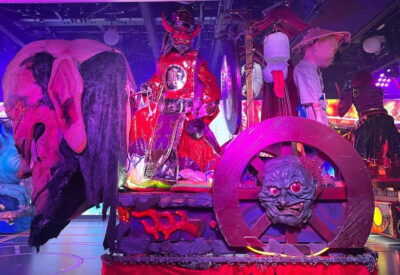
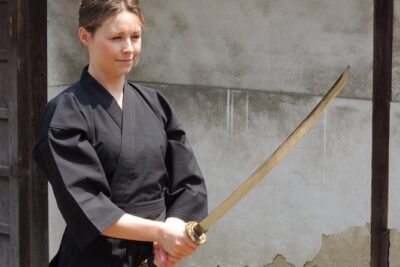
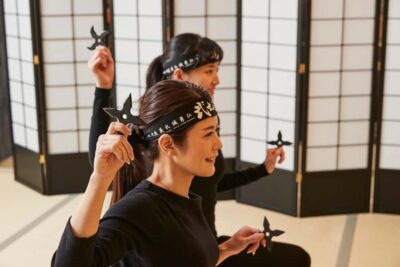
Samurai Ninja Museum Guided tour and Experience
Read our review →
Kendo and Samurai Experience with Uniform and Gear
Read our review →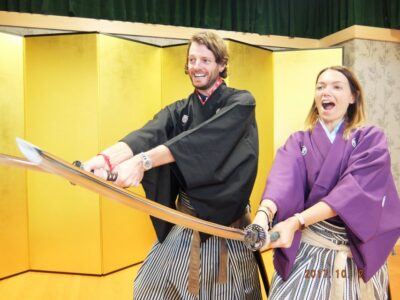
Samurai Sword Class by Experts in Traditional Arts
Read our review →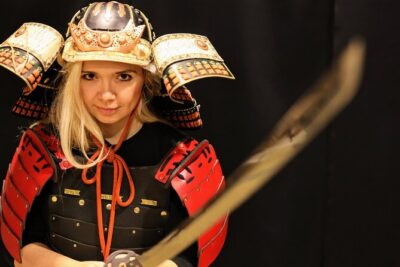
Skip the lines Basic Ticket at SAMURAI NINJA MUSEUM KYOTO
Read our review →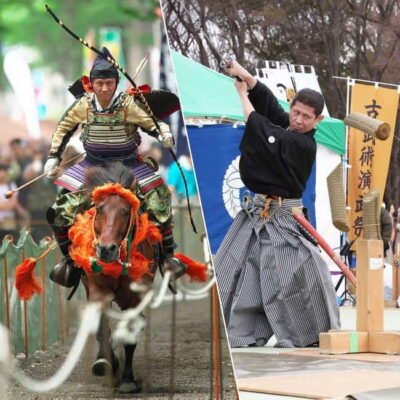
Samurai Sword & Archery Class from Samurai Descendant
Read our review →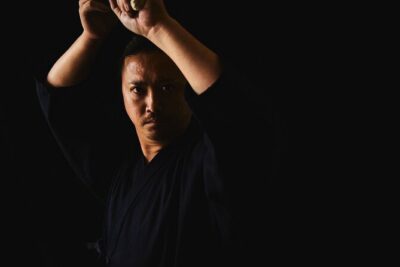
Browse the lists this tour appears in