
Review · WALKING TOURS
Tokyo: Asakusa, Kappabashi, and Ueno Walking Tour
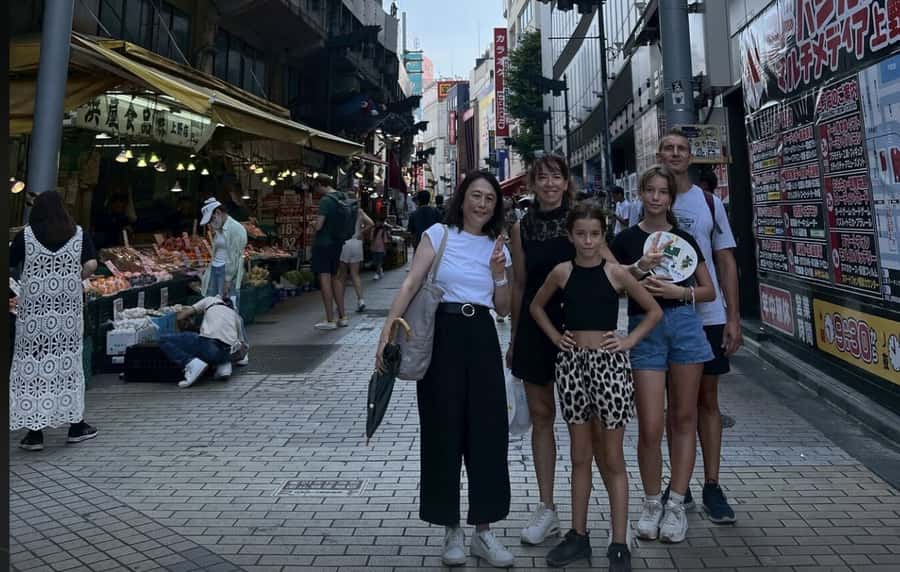
Tokyo in this 3-hour loop feels like three different movies in one day, and the guide helps you read them. You start at Kaminarimon, walk the sights around Sensō-ji, then shift gears to the Kappabashi knife-and-kitchenware streets and finish at Ueno’s Ameyoko market.
What I like most is how the tour mixes big landmarks with street-level Tokyo details you would miss on your own. I also like the practical browsing time, especially on Kappabashi, where you can actually stop, compare shops, and ask questions rather than speed-walking through.
One consideration: it is a walking tour with a moderate pace, and it is not for wheelchair users. If it is rainy, you may get a slightly adjusted flow, which is usually fine, but it is still good to wear grippy shoes.
In This Review
- Key highlights you will feel right away
- Where the tour starts near Kaminarimon, and why that matters
- Kaminarimon and Nakamise, seeing the temple street with context
- Sensō-ji Temple and the customs of prayer
- Asakusa Shrine, then Hoppy Street for the local rhythm
- Kappabashi kitchenware street, where browsing can actually be productive
- Ueno Ameyoko Shopping Street, ending with a market that feels lived-in
- Guides and group experience, from rain flexibility to meal help
- Price and what $41 gets you in 3 hours
- Who this tour suits best, and who should reconsider
- Should you book the Asakusa, Kappabashi, and Ueno Walking Tour?
- FAQ
- Where do I meet the guide?
- How long is the walking tour?
- Is the tour price $41 per person only for the guide?
- What languages are available for the live guide?
- Is the tour wheelchair accessible?
- Will I be doing a lot of walking?
- Can I cancel or pay later?
Key highlights you will feel right away
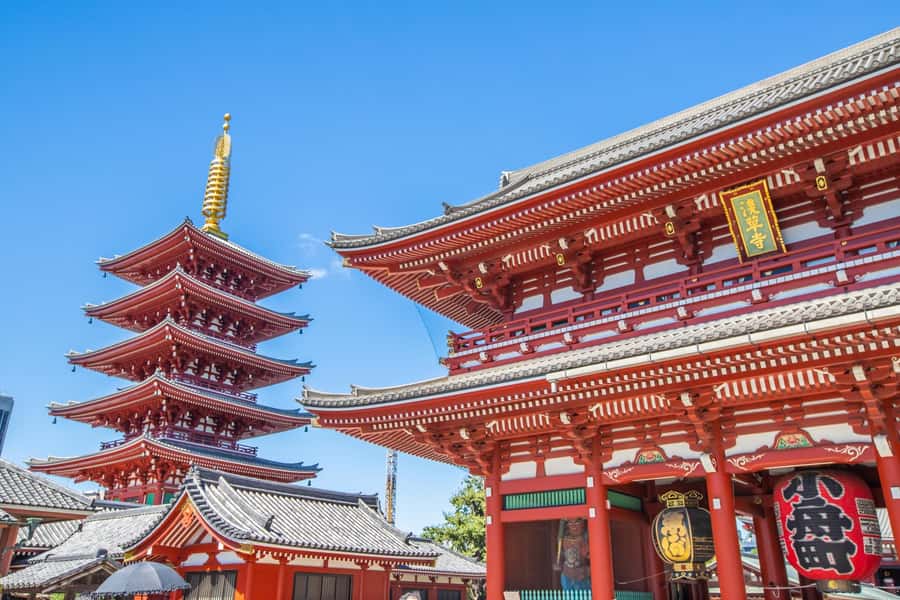
- Senso-ji plus a real worship moment, so you know what you are looking at when you see people pray
- Nakamise Shopping Street orientation, including what to look for beyond snacks
- Hoppy Street flavor in Asakusa, where the vibe turns from temple calm to old-school street life
- Kappabashi’s 300-year kitchenware reputation, with time to browse knives, pottery, curtains, and food samples
- Ueno Ameyoko’s postwar market energy, with a guided look plus shopping time at the end
Where the tour starts near Kaminarimon, and why that matters
The tour begins at スターバックスコーヒー 雷門店 (Starbucks Coffee, Kaminarimon area). The guide waits on the left side of the Starbucks, which is a nice detail because that stretch can be crowded and easy to misread.
Meeting this close to Kaminarimon is a smart choice. You get oriented fast, and you do not waste time figuring out train exits, walking distances, or which side of the street you should be on. In Tokyo, that first 10 minutes sets the tone for the whole walk.
You will be on foot for about the full 3 hours, so comfortable shoes matter. And if the weather is unpredictable, you will be glad you are not stuck doing long indoor detours, since this route is built for walking.
More Walking Tours in Tokyo
- Tokyo Tsukiji Fish Market Food and Culture Walking Tour
★ 5.0 · 3,184 reviews - Tokyo: Shinjuku Local Bar and Izakaya Guided Walking Tour
★ 4.9 · 1,794 reviews - Tokyo: Tsukiji Fish Market Food and Walking tour
★ 5.0 · 1,724 reviews
Kaminarimon and Nakamise, seeing the temple street with context
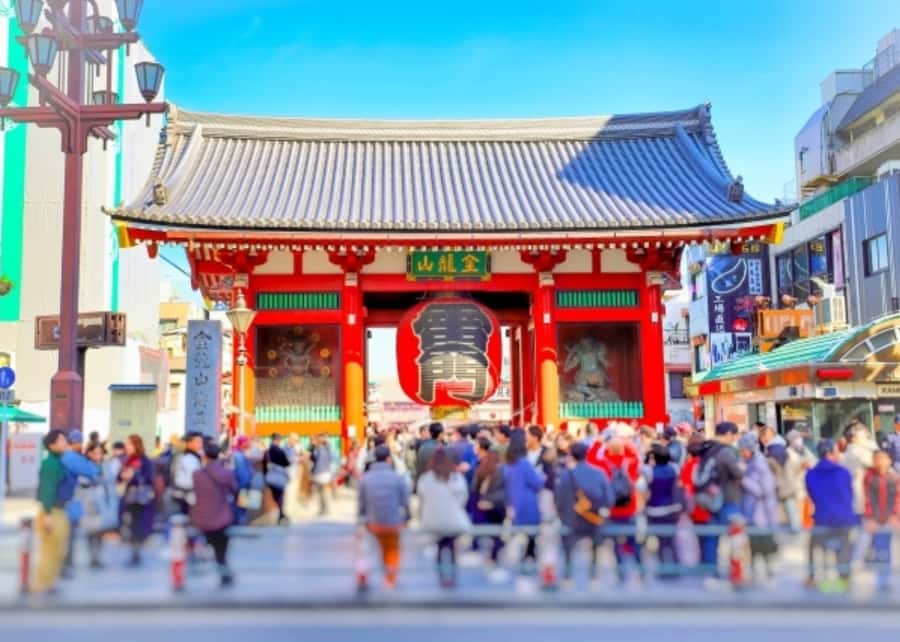
From the meeting point, you head to Kaminarimon, the famous gate that acts like a visual headline for Asakusa. A good guide will point out what you are seeing and how to move through the crowds without losing the story.
Next comes Nakamise Shopping Street, the classic corridor lined with shops that sell traditional snacks and small crafts. This is the part where many people just grab something sweet and keep going. On this tour, you get enough context to make the shopping street feel purposeful. You will learn what kinds of items matter here, so you can browse without feeling pulled in 10 directions.
A practical tip for Nakamise: go slow early. The street can get thicker later in the day, and early browsing helps you spot what you actually want before your attention gets scrambled by the crowd.
Sensō-ji Temple and the customs of prayer
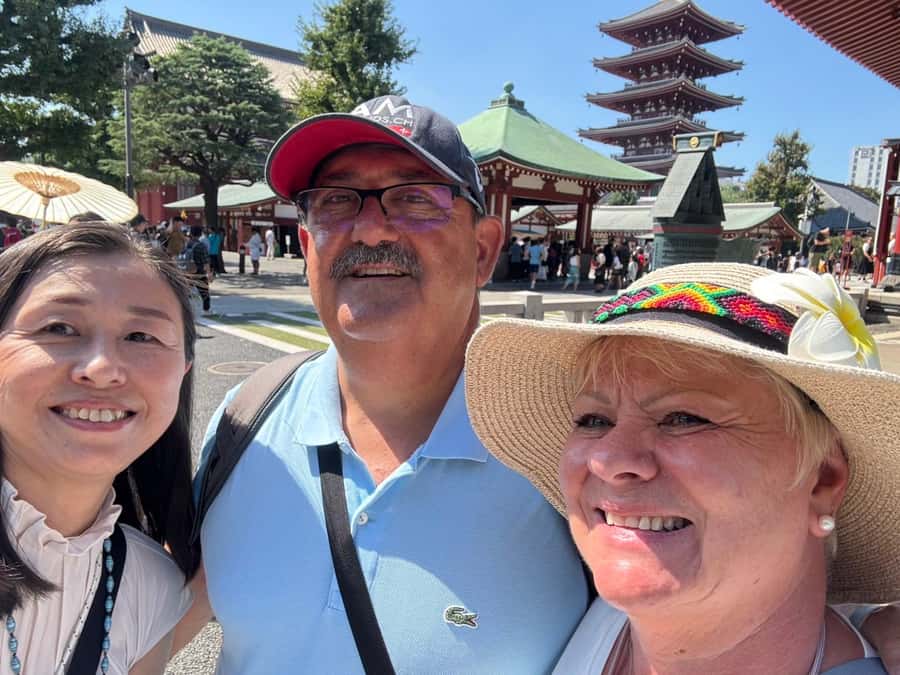
This is the centerpiece. You spend time at Sensō-ji, with guidance that helps you understand the flow of the temple area, not just its postcard views. You will walk through the approach under the big gate feeling the scale of the place, then settle into the temple grounds with explanations that make the decorations and behavior of worshippers easier to interpret.
One of the most useful parts here is the mention of experiencing a simple prayer and learning the unique customs of worship. Even if you are not religious, this kind of small guided etiquette moment helps you avoid feeling lost or standing in the wrong place.
Sensō-ji can be loud and crowded, so pace matters. Guides on this route are often praised for keeping a relaxed rhythm even when it rains or crowds build, which is exactly what you want around a major shrine.
Asakusa Shrine, then Hoppy Street for the local rhythm
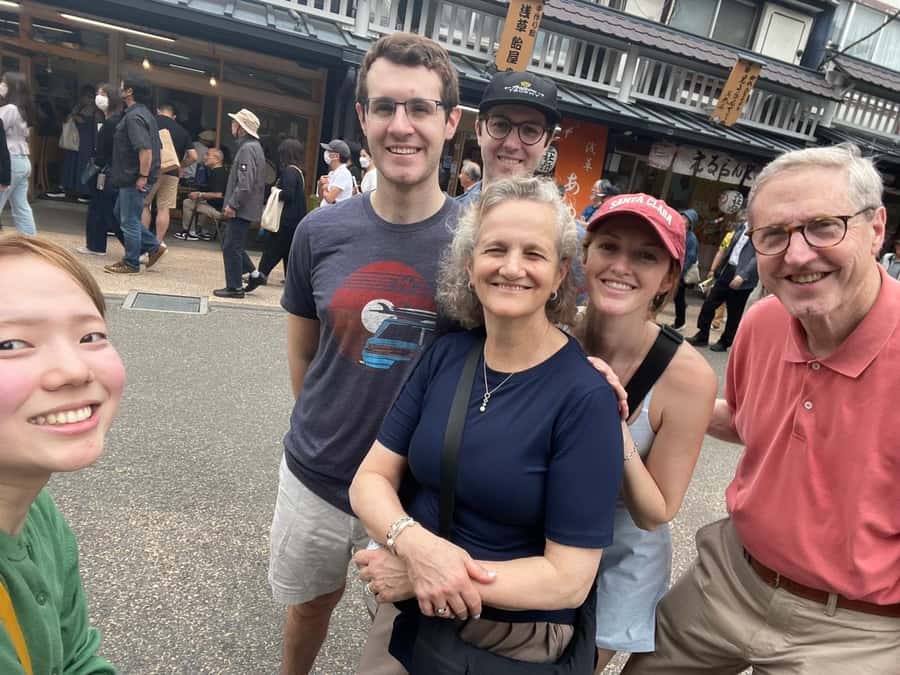
After Sensō-ji, you head to Asakusa Shrine. This stop is shorter, but it gives you a chance to see the contrast between the big temple draw and the calmer shrine atmosphere nearby. It is also a nice break from the constant shopfront energy on Nakamise.
Then the tour shifts into something different: Hoppy Street, a retro alleyway in Asakusa. This is where the walking tour earns its keep, because it turns you from sightseer mode into street-life mode. You get a feel for the kind of old-fashioned izakayas you would spot only if you are paying attention to side streets, not just main corridors.
If you like Tokyo details like signage, narrow passages, and how neighborhoods actually feel after the tourists thin out, this stretch is a highlight. It is also a good mental reset before you head to Kappabashi, where everything gets practical and purchase-focused.
A few more Tokyo days to weigh up
- Tokyo: Asakusa Walking Tour with Sensoji Temple Visit
★ 4.8 · 1,583 reviews - Tokyo: Tsukiji Fish Market Guided Walking Tour
★ 4.9 · 1,397 reviews - Tokyo Castle & Imperial PalaceーShogun Walking Tour
★ 4.7 · 1,068 reviews - Tokyo: Imperial Palace Japanese History Walking Tour
★ 4.9 · 987 reviews
Kappabashi kitchenware street, where browsing can actually be productive
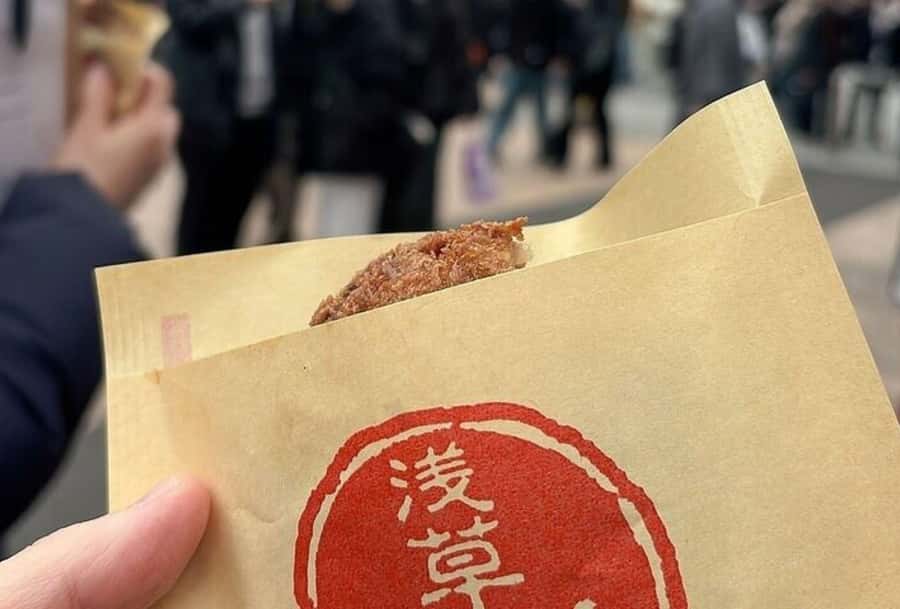
The best shopping street segments are the ones you understand. Kappabashi is famous for kitchenware, and the tour helps you make sense of why people come here and how the shops differ.
You spend real time in the kitchenware district, described as being in business for over 300 years. That is not just trivia. It helps explain why you will see everything from knife shops to pottery sellers to places that sell curtains and food samples. The guided approach keeps you from treating it like one long blur of storefronts.
Here is the part you will feel most: the tour builds in a long window of guided time plus free time to shop. That matters because Kappabashi is not a place where you want to sprint. You might want to compare steel types, look at different styles, or just ask questions while you are looking at something up close. One of the guides, Naoko, was noted for being patient, which is exactly the kind of support you want when you are trying to buy something you do not fully understand yet.
What to expect while you browse:
- Knives and kitchen tools that can range from practical to giftable
- Pottery that is often more about form and feel than brand names
- Curtains and home items, which show how the district is not only for cooking
- Food samples, a fun Tokyo detail that is also useful if you like design and realism
One more practical note: do not plan on buying too many heavy items unless you know how you will carry them. Your tour ends later in Ueno, so if you buy anything bulky, you might want a plan for how to transport it.
Ueno Ameyoko Shopping Street, ending with a market that feels lived-in
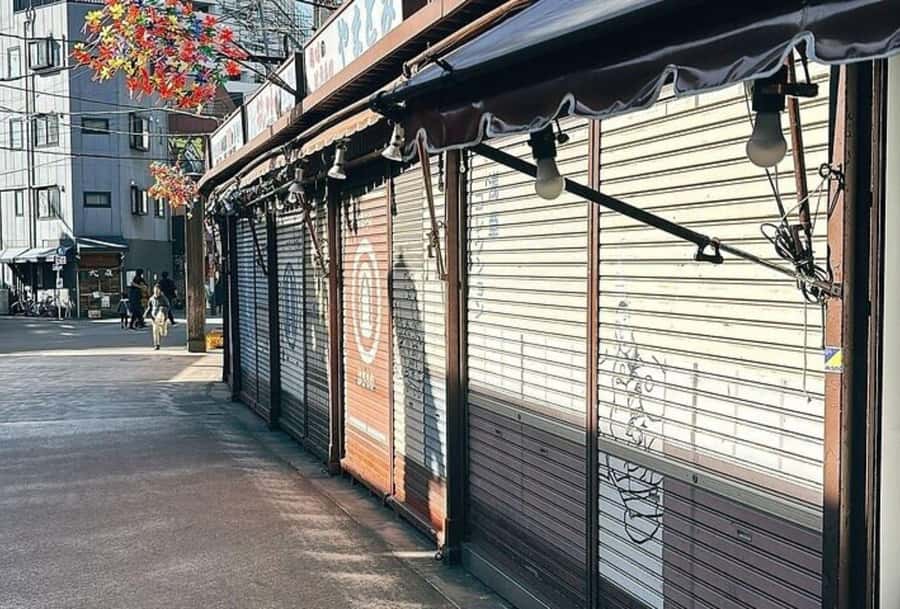
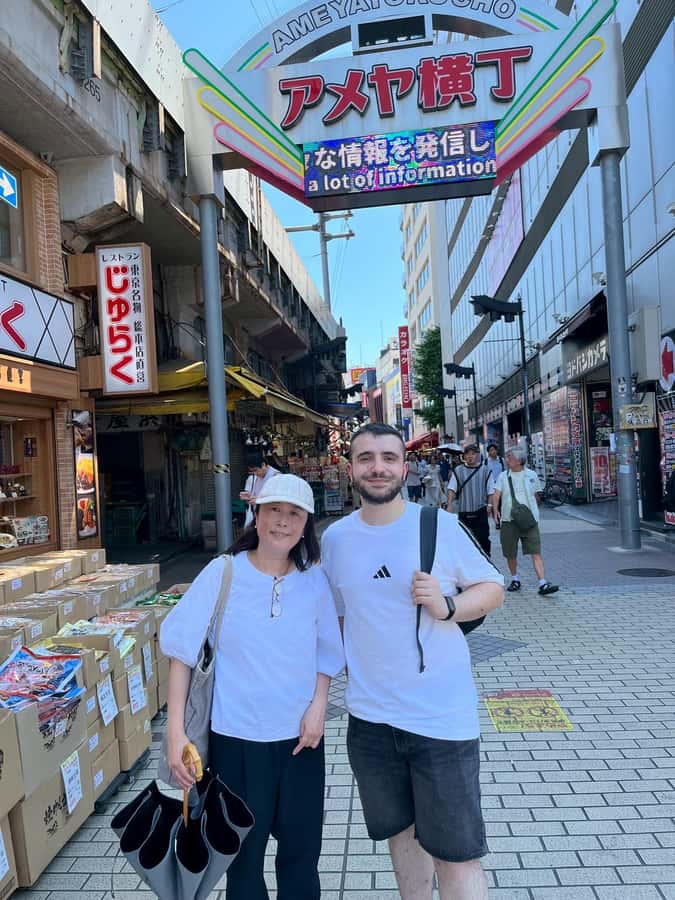
Your tour finishes at Ameyayokocho, also spelled Ameyoko, in Ueno. This is where the energy changes again, toward a postwar-style market culture that developed from a black market after World War II.
You get a guided walk through the Ameyoko shopping street, with time for shopping at the end. This is the segment that works for almost everyone because it is not a single-purpose street. You can focus on fresh produce, clothing, or small goods, depending on what you need.
If you like street food, this is the place to aim for it, since the area is known for the kind of snacks that are easy to eat while walking. Just remember the obvious Tokyo reality: markets can be crowded, so keep your bag zipped and your phone secure.
Ending here is also a smart geography choice. Ueno is a major hub, so after the tour you can head wherever you want next without feeling stuck.
Guides and group experience, from rain flexibility to meal help
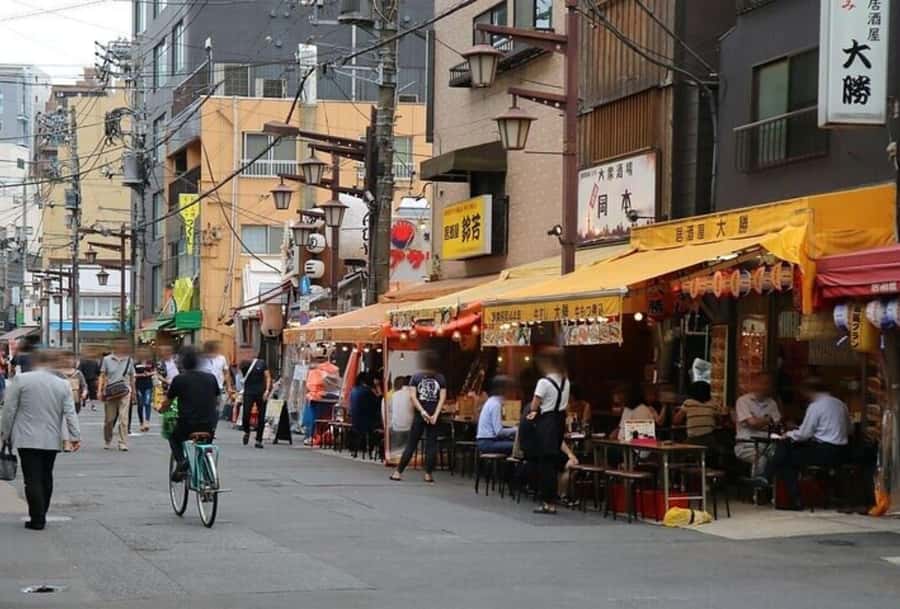
The tour’s value is not just the sights. It is also how the guide moves you through them.
A couple of guide styles stood out from real experiences: Yohei was described as warm and friendly, and he even helped someone find a place to eat after the walk. That kind of extra thinking is useful when you are finishing in a busy market area and you still want an easy dinner plan.
In rain, guides like Toshi san and Madokoro-san were praised for keeping a relaxed pace and adjusting the plan on the fly, including shifting time rather than forcing the original route no matter what. One practical detail like skipping a stop such as Ueno Park and spending longer in Kappabashi can make the day feel less hectic when the weather changes suddenly.
And for shoppers, Mika and Naoko were noted for being kind and patient, which matters a lot in Kappabashi, where buying can be slow and full of questions.
Price and what $41 gets you in 3 hours
At $41 per person for a 3-hour guided walk, you are paying for more than a route map. You are buying:
- A local guide to connect the dots between Asakusa’s big temple area and its everyday street life
- A guided shopping approach that helps you spend time in the right places
- Cultural context, especially around Sensō-ji and simple worship customs
- A structured finish at Ameyoko so you do not feel like you are wandering alone at the end
Food and drinks are not included, so you should budget for snacks if you want to sample sweets on Nakamise or pick something up at Ameyoko. Even so, the tour can still be good value because you are not paying restaurant prices for a guided experience, you are paying for orientation and time.
Who this tour suits best, and who should reconsider
This works especially well for:
- First-time Tokyo visitors who want a clear, walkable route without over-planning
- People who like Japan’s contrast, temple culture in Asakusa, practical shopping in Kappabashi, and market life in Ueno
- Shoppers who want time to browse Kappabashi rather than rushing past it
- Travelers who appreciate guides who adapt if it rains, so the day stays enjoyable
It is less ideal for:
- Anyone who needs wheelchair access, since the tour is not suitable for wheelchair users
- Anyone who struggles with moderate walking, since you are on your feet much of the time
Should you book the Asakusa, Kappabashi, and Ueno Walking Tour?
If you want a Tokyo day that mixes iconic sights with real shopping streets, this is a strong pick. The route gives you the big landmark moment at Sensō-ji, then it teaches you how to look around Asakusa before you move into Kappabashi for hands-on browsing. Finishing at Ameyoko is a smart way to end with options, not a single fixed destination.
Book it if you like guided context and you want help turning Tokyo’s chaos into something you can actually navigate. Skip it if you need mostly transit-based sightseeing, or if your mobility limits make a 3-hour walking plan tough.
FAQ
Where do I meet the guide?
You meet at スターバックスコーヒー 雷門店. The guide waits on the left side of the Starbucks.
How long is the walking tour?
The tour lasts about 3 hours.
Is the tour price $41 per person only for the guide?
Yes. The included item is a guided walking tour. Food and drinks are not included.
What languages are available for the live guide?
The live guide is available in English, Spanish, Chinese, French, Korean, Portuguese, and Japanese.
Is the tour wheelchair accessible?
No. The tour is not suitable for wheelchair users.
Will I be doing a lot of walking?
It is a moderate amount of walking, so comfortable shoes are recommended.
Can I cancel or pay later?
You can cancel up to 24 hours in advance for a full refund, and the tour offers reserve now & pay later.
Newly listed around Tokyo
- Tokyo: Asakusa Temple & Shrine Walking Tour with Local Guide★ 5.0 · 105 reviews
- Tokyo: Asakusa Walking Tour with Japanese Comedian★ 4.6 · 18 reviews
- Tokyo: Asakusa Sightseeing Tour by Rickshaw★ 4.9 · 195 reviews
- Tokyo Asakusa sightseeing and history walking tour★ 4.7 · 9 reviews
- Tokyo: Old Town Asakusa Guided Tour -Senso-ji Temple Visit★ 5.0 · 12 reviews
- Tokyo Asakusa & Senso-Ji Walking tour With A Guide★ 4.5 · 40 reviews
- Tokyo: Asakusa Sensoji Night Walk with a Local Brandy★ 4.7 · 7 reviews
- Tokyo: Asakusa Kimono Dressing and Matcha Experience★ 4.9 · 173 reviews
Walking Tours, compared.
Kyoto Geisha Walking Tour: Gion District & Hidden Gems
Read our review →
Tokyo Tsukiji Fish Market Food and Culture Walking Tour
Read our review →
Gion Geisha District Walking Tour – Stories of Geisha
Read our review →
Shinjuku Local Bar and Izakaya Guided Walking Tour
Read our review →
Asakusa Walking Tour with Sensoji Temple Visit
Read our review →
Kyoto Gion Geisha District Walking Tour – The Stories of Geisha
Read our review →Browse the lists this tour appears in