
Review · WALKING TOURS
tokyo city walk tour visit Tokyo in one day
One day in Tokyo, no guesswork. This private Tokyo city walk focuses on walking with a local guide, choosing the sights that match your energy, and turning famous landmarks into real stories you can actually use. I like how you can choose the places you want, and I also like the way your guide explains the why behind each stop, not just the where.
The main thing to consider is the pace. It’s a full day on your feet, and the tour length of sightseeing depends on your body’s ability, plus meal and any paid entry tickets are on you.
In This Review
- Key highlights to plan your Tokyo day
- How a one-day Tokyo walk stays fun instead of exhausting
- Pickup, metro, and getting oriented fast
- Tokyo Tower: landmark energy, plus photo-friendly angles
- Sensoji Temple: big crowds, big meaning, and stories you can feel
- Meiji Shrine: Shinto lessons with an imperial-era connection
- Shibuya for the view: fashion energy and a sunset plan
- Akihabara for anime culture, with room for fun detours
- Museums: how to choose what fits your group
- Shinjuku nightlife and Kabukicho: shopping plus a reality check
- Ginza shopping strategy, including guidance on discounts
- Secret stops and local food: the real reason this works
- Price and logistics: when $258 per group feels like good value
- Who should book this one-day Tokyo city walk
- Should you book this Tokyo city walk tour?
- FAQ
- How much does the Tokyo city walk tour cost?
- How long is the tour?
- Where can pickup happen?
- Is the tour private?
- What languages are available for the live guide?
- Are admission tickets included?
- Does the tour include food?
- Are transit and other transaction fees included?
- Is the tour wheelchair accessible?
- What is the cancellation policy?
Key highlights to plan your Tokyo day
- Pick-your-own route across icons like Tokyo Tower, Sensoji, Meiji Shrine, Shibuya, Akihabara, and Shinjuku
- Private group up to 5, so you can ask questions and adjust quickly
- Personal earphones so you can hear clearly while moving around
- Local-style schedule that blends viewpoints, shopping streets, and photo stops
- City navigation support, including metro use and how to get where you need to go
- Optional museum and interest-based detours, from kids-friendly options to photo-focused exhibits
How a one-day Tokyo walk stays fun instead of exhausting
This is a private group day built for real people with real limits. You’re not stuck in a rigid script where you power through places you don’t care about. Instead, you choose how many stops you want, and your guide adjusts the plan to your pace. That matters in Tokyo, where even “simple” sightseeing can turn into lines, crowds, and long walks.
You get a guide (Rui) plus personal earphones, which sounds small until you’re standing on a busy street or temple approach path trying to catch every word. In a one-day itinerary, those moments add up.
Also, pickup is included, with a specific emphasis on meeting around Ginza by hotel pickup. If you’d rather start from Ginza or Shinjuku City, you have that option too. That lets you build a day that makes sense for your hotel location and your first morning in town.
More Walking Tours in Tokyo
- Tokyo Tsukiji Fish Market Food and Culture Walking Tour
★ 5.0 · 3,184 reviews - Tokyo: Shinjuku Local Bar and Izakaya Guided Walking Tour
★ 4.9 · 1,794 reviews - Tokyo: Tsukiji Fish Market Food and Walking tour
★ 5.0 · 1,724 reviews
Pickup, metro, and getting oriented fast
Your day typically begins with one of the pickup options, either Ginza or Shinjuku City, then you move by subway/metro for about 10 minutes. The point isn’t to “ride transit for the sake of it.” It’s to get your bearings quickly so the rest of the day feels connected instead of chopped up.
In my experience, the biggest stress for first-time Tokyo visitors is figuring out which train, which exit, and where the big sight is once you pop out of the station. A good guide helps you avoid that mental tax, and Rui’s approach is practical: you learn how to use public transport while keeping the day moving.
Rui also works well for families. There’s a pattern of taking the edge off waiting and transitions, like recommending a park spot for kids to play while the group is getting ready for the next move. If you’re traveling with children, that kind of attention can save your whole afternoon.
Tokyo Tower: landmark energy, plus photo-friendly angles
Tokyo Tower is the kind of place that shows up in TV and dramas, so even if you’ve never been to Japan before, it can feel familiar. It’s also a classic photo stop: you get strong skyline presence and easy “I’m really here” visuals.
What makes Tokyo Tower work in a one-day walk is that it’s both iconic and flexible. You can take photos, learn what makes the tower culturally recognizable, and move on without needing a long museum-style time commitment. Your guide also shares secrets about the tower, which you should expect to be the small, practical details like best viewing spots and what to notice while you’re there, rather than something you have to write down like a textbook.
If you like Japanese drama settings, Tokyo Tower is a smart early anchor because it gives you a reference point for the rest of your day’s Tokyo variety.
Sensoji Temple: big crowds, big meaning, and stories you can feel
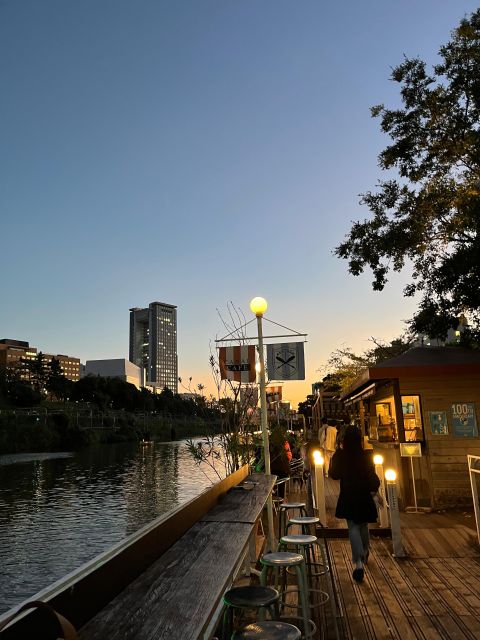
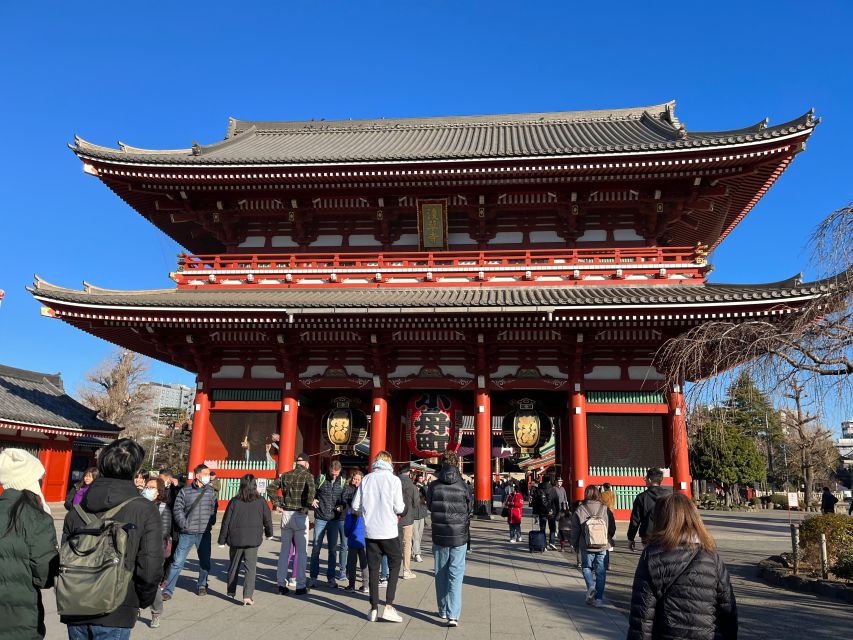
Sensoji Temple is one of the most popular temples in Japan. You’ll hear the number a lot for a reason: it sees over 300 million visitors per year. That’s the kind of statistic that tells you one thing right away. This is a place where you need a strategy, not just good intentions.
This stop is also ideal for the “local equals interesting” style of touring. You’re not only looking at architecture. You’re learning the long-running story that keeps people coming back, including special meanings and traditions trusted by millions.
Practical tip: when you’re dealing with a high-traffic temple area, your time gets better when you have a guide who knows where to stand for photos and how to keep the group moving. The earphones help here too, because you can actually hear your guide while you navigate the crowd flow.
If you like temples that feel like living places instead of museum props, Sensoji gives you that. It’s old, active, and easy to turn into a memorable, photo-rich morning.
A few more Tokyo days to weigh up
- Tokyo: Asakusa Walking Tour with Sensoji Temple Visit
★ 4.8 · 1,583 reviews - Tokyo: Tsukiji Fish Market Guided Walking Tour
★ 4.9 · 1,397 reviews - Tokyo Castle & Imperial PalaceーShogun Walking Tour
★ 4.7 · 1,068 reviews - Tokyo: Imperial Palace Japanese History Walking Tour
★ 4.9 · 987 reviews
Meiji Shrine: Shinto lessons with an imperial-era connection
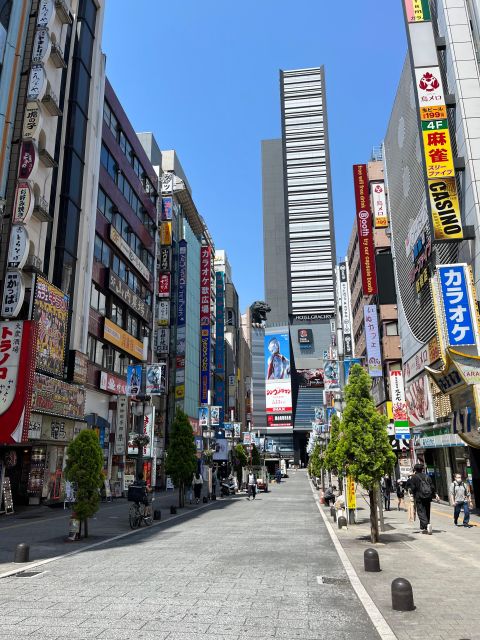
Meiji Shrine is one of Tokyo’s most famous shrines, and it’s a great counterbalance to the heavier, older temple energy of Sensoji. Here you get a chance to understand Shinto in a way that feels relevant, not academic.
Your guide explains Shinto basics and also connects the shrine to special meaning linked to the Japanese empire family. That detail matters because it helps you see Meiji Shrine as more than a scenic stop. It’s a place with political and cultural symbolism, tied to how Japan has talked about identity over time.
If you want a calmer moment in the day, Meiji Shrine is usually where that happens. You’re walking at a gentler rhythm, and the stories give the setting weight.
If you’re short on time and you can only pick a few cultural stops, choose Meiji Shrine for the Shinto context and Sensoji for the famous temple atmosphere.
Shibuya for the view: fashion energy and a sunset plan
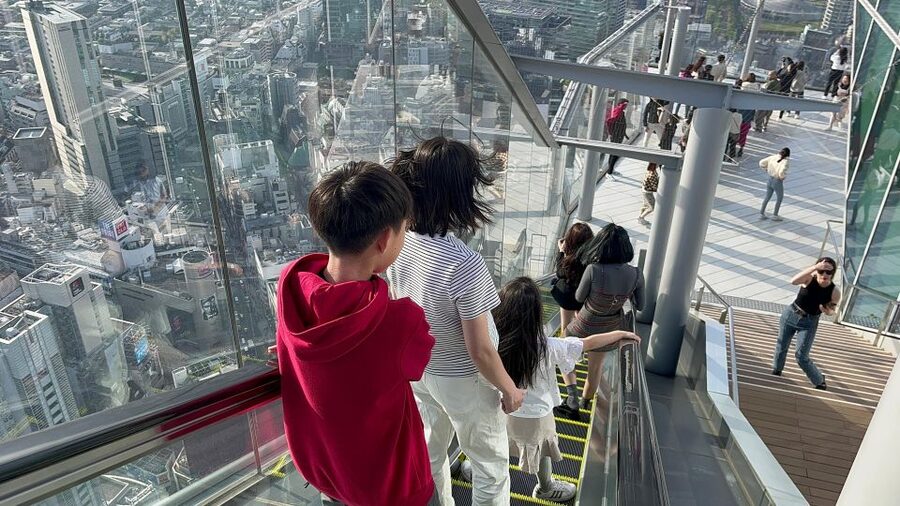
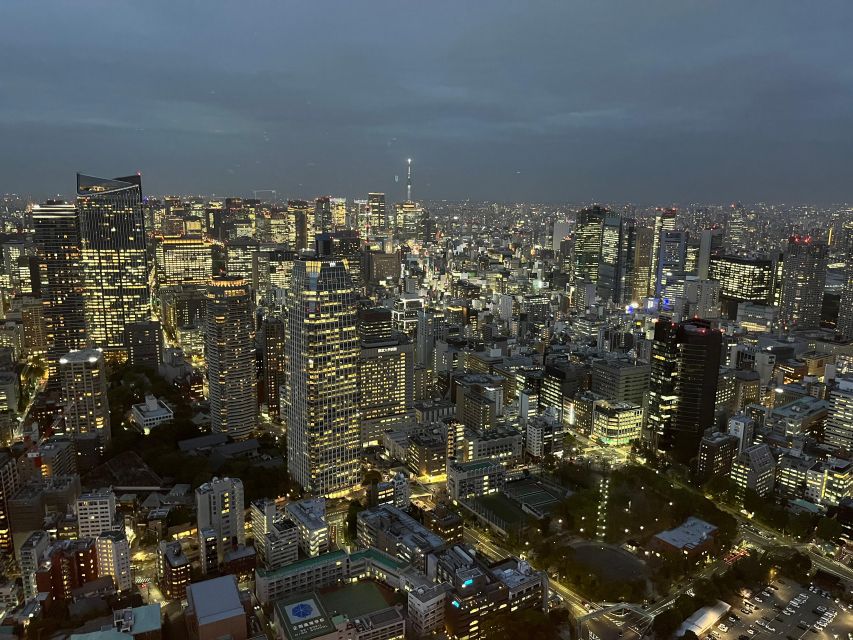
Shibuya is the fashionable side of Tokyo, but it’s not only about shopping. It’s also about the city view opportunities, and your guide can set things up so you time it for sunset.
The tour specifically calls out that the sunset in Shibuya is one of the best in Tokyo. In a one-day schedule, that’s valuable, because sunset planning is one of those things you usually regret getting wrong. A guide helps you stop trying to guess what time you should arrive and instead builds your schedule around the light.
What I like about including Shibuya is the contrast. After temples and shrines, Shibuya brings modern Tokyo intensity. It’s a place to feel the scale of the city and how Tokyo looks when day turns into night.
If shopping isn’t your thing, you can still enjoy Shibuya by focusing on the view spot and the street energy, then moving on before you lose the afternoon.
Akihabara for anime culture, with room for fun detours
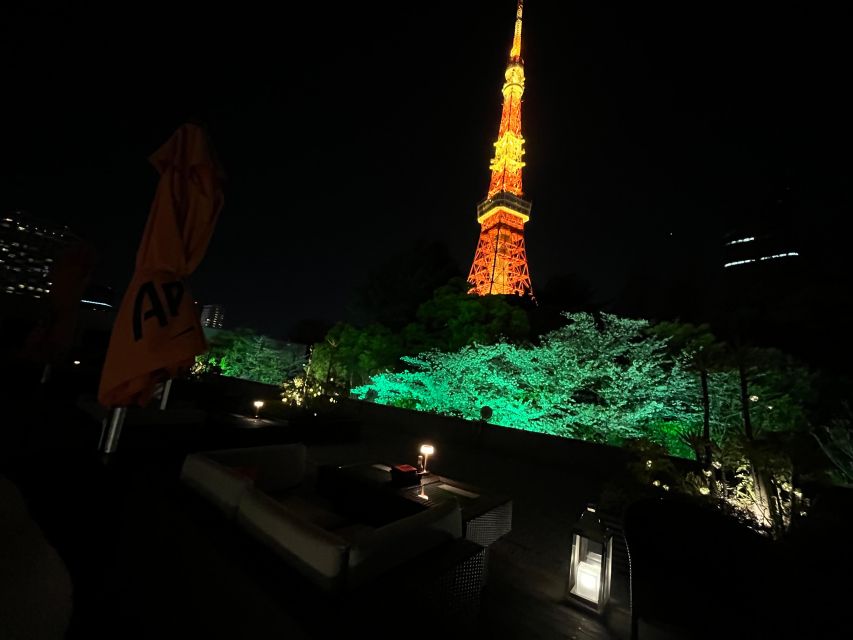
Akihabara is the place to go if you love anime. Even if you don’t, it’s one of the easiest ways to understand Japan’s pop-culture influence in everyday life.
This tour keeps Akihabara in the mix for a reason: it’s not just one store. It’s an entire zone of themed shops and culture signals. That makes it ideal for a flexible one-day day because your guide can adapt the stop to your taste, from tech and collectibles to pop-culture brands.
One of the strongest practical perks is that Rui has a track record of adding kid-friendly, interest-based detours when families ask for them. For example, families have requested anime-related stops like Pokemon shops, and Rui has also steered groups toward quirky photo experiences. If you’re traveling with children, that ability to keep things fun and not just educational can be the difference between a good day and a great day.
Museums: how to choose what fits your group
Tokyo’s museum options are wide, so a guide’s job is to reduce decision fatigue. This tour is set up so you can ask which museum type is best for your group, including options for:
- Art for children or for adults
- Photo-focused light and themed displays
- Science museums for family-friendly learning
If you’re choosing a museum in a one-day plan, you want to pick something that matches your group’s mood. After walking most of the morning, a museum can be a great reset, but only if it matches what you actually want to see.
So instead of forcing yourself into a “famous museum” just because it’s famous, you’ll get help narrowing it down. That makes museums feel like part of your day instead of an obligation.
Shinjuku nightlife and Kabukicho: shopping plus a reality check
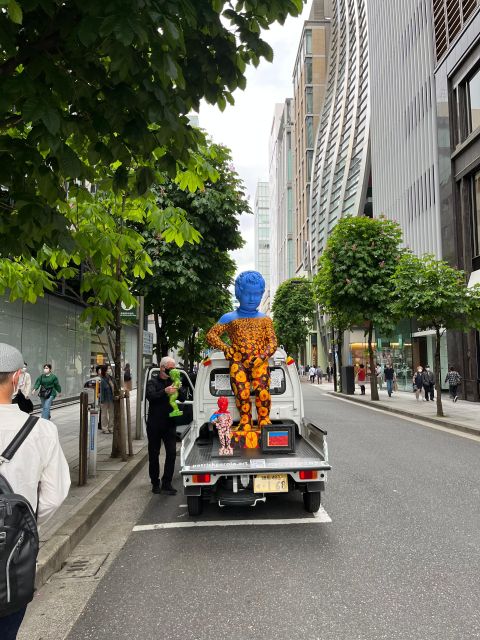
Shinjuku gives you Tokyo at night. The tour includes shopping areas and emphasizes the area around Kabukicho, described as one of the world’s biggest red-light district zones. That’s a big descriptor, and it’s worth treating it with respect.
This stop is most useful when you want to see another side of the city, not just the polished brochure Tokyo. Your guide helps you move through the area and keeps the focus on what you’re there to learn and experience.
A practical consideration: this part of Tokyo is not designed for a quiet walk. If you’re sensitive to street energy, large crowds, or adult-themed surroundings, talk to your guide early so your route and timing can match your comfort level.
If you’re curious and want a real window into how Tokyo functions after dark, Shinjuku is the logical choice.
Ginza shopping strategy, including guidance on discounts
Ginza is known for brand shopping, and this tour can help you approach it in a smart way. Your guide specifically mentions showing you shopping discounts, which is the kind of practical heads-up you usually miss when you arrive on your own.
If you love shopping, Ginza can eat time fast, so it helps to have a plan. Rui’s style tends to keep stops purposeful, so you’re not wandering aimlessly for hours. You get shopping streets and focused direction, plus story context that explains why the neighborhood feels the way it does.
If shopping isn’t your top priority, you can still use Ginza as a structured end or reset point because it’s easy to understand and navigate.
Secret stops and local food: the real reason this works
The biggest difference between a “see Tokyo” tour and a “Tokyo makes sense” day is the secret stops and local food direction. This tour is built with a secret stop block that can stretch the day into deeper local-feeling territory.
Rui has a reputation for making smart choices based on your requests. People have mentioned:
- Getting taken to recommended places for food, including sushi that felt like great value
- Trying playful photo experiences and fun city details, like photo booths
- Getting practical help with the train system while keeping kids comfortable
- Having the guide take photos along the way and send them afterward
That last point matters more than it sounds. When you’re spending a day moving between neighborhoods, it’s hard to get great photos without constantly handing your phone back and forth. Having a guide help with photo timing often means you get better shots and fewer interruptions.
Rui also adapts for weather and comfort. There’s an example of staying enthusiastic and flexible when it turns cold and rainy, even adding small support like helping with items you might need to get through the day comfortably.
If you want a one-day Tokyo experience that feels like someone is showing you their city, this combination of storytelling, photo guidance, and food recommendations is the core value.
Price and logistics: when $258 per group feels like good value
The tour price is $258 per group, up to five people, for a 1-day experience. That pricing structure is where the value shows up.
First, you’re not paying per person like many sightseeing options. In a small group, the guide cost gets spread out fast.
Second, the tour includes guide fee and personal earphones. Earphones are a real upgrade in noisy streets, especially when you’re trying to hear explanations without leaning into each other.
Third, the biggest cost you control yourself is usually the variable stuff: eating fees and any entry tickets that aren’t free. The tour notes that most places in Tokyo can be free, which is helpful for budgeting, but you should still plan for meals. Also, you may need to cover transaction fees for things like buses and other transit add-ons, depending on how your route is set.
So here’s the realistic budget mindset: if you pick mostly free sights and one or two paid options, the day can be a strong value. If you go heavy on paid attractions and full-service meals, the total spend rises, but you still get the advantage of a guide who helps you avoid wasted time.
Also, because it’s private, you can adjust your order and quantity of stops. That flexibility can save you from the most common Tokyo mistake: cramming too much and ending the day exhausted.
Who should book this one-day Tokyo city walk
This fits best if you’re:
- Visiting Tokyo for the first time and want the major icons without building a complicated route
- Traveling with a small private group, including families up to five total
- Interested in a mix of temples, shrines, neighborhoods, shopping, and photos
- Someone who likes learning stories, not just ticking boxes
- A drama fan drawn to Tokyo Tower vibes, or an anime fan drawn to Akihabara
It’s less ideal if you want a fully seated, slow-paced day or if you have limited mobility and expect long outdoor walking. The tour is marked wheelchair accessible, but it’s still a walking-focused day where your guide will adjust based on your body’s ability.
Should you book this Tokyo city walk tour?
I’d book it if you want Tokyo to feel organized, personal, and easy on your brain. The best reason is the mix of choose-your-own stops, clear guidance, and story-led sightseeing that makes landmarks more than photos.
I’d skip or reconsider if you strongly prefer an all-planned, always-seated itinerary, or if you already have a perfect Tokyo route you’ve rehearsed with enough buffer time to handle lines and crowd flow.
If you’re the type who likes asking questions and getting practical food and photo help, this is a very solid one-day way to experience Tokyo without turning your trip into a stress project.
FAQ
How much does the Tokyo city walk tour cost?
It costs $258 per group for up to 5 people for a 1-day tour.
How long is the tour?
The tour duration is 1 day. Exact timing depends on availability for starting times.
Where can pickup happen?
Pickup options are Ginza and Shinjuku City, and there is also mention of hotel pickup around Ginza.
Is the tour private?
Yes, it is a private group.
What languages are available for the live guide?
The guide languages are Japanese, Chinese, and English.
Are admission tickets included?
Entry tickets are not included if a place is not free. Most places in Tokyo are noted as free, but paid entry may come up.
Does the tour include food?
Eating fees are not included.
Are transit and other transaction fees included?
No. Transaction fees like bus and other similar costs are not included.
Is the tour wheelchair accessible?
Yes, the tour is wheelchair accessible.
What is the cancellation policy?
Free cancellation is available, with a full refund if you cancel up to 24 hours in advance.
Newly listed around Tokyo
- Tokyo: Daikoku: JDM and Tokyo Car Culture Experience★ 4.9 · 148 reviews
- Tokyo: Kawaii Bento Cooking Class – Cute Character Lunchbox★ 4.9 · 55 reviews
- Tokyo: Daikoku JDM Car Culture Tour★ 4.6 · 12 reviews
- Tokyo: Daikoku JDM Car Meet Tour + LibertyWalk & Autobacs!★ 5.0 · 63 reviews
- Tokyo Customized Private Tour: See Top Attractions in 1 Day★ 4.8 · 67 reviews
- Tokyo: Daikoku Car Meet Tour at Night with JDM Guides★ 4.6 · 193 reviews
- Tokyo: Customized Private Tour with a Local Guide★ 4.7 · 17 reviews
- Tokyo: Crazy Cute & Kawaii Harajuku Food Tour★ 4.4 · 15 reviews
Walking Tours, compared.
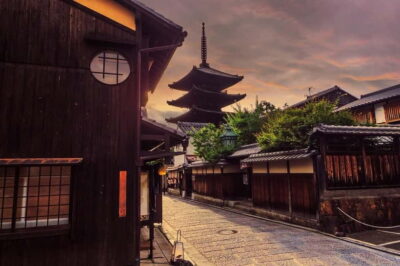
Kyoto Geisha Walking Tour: Gion District & Hidden Gems
Read our review →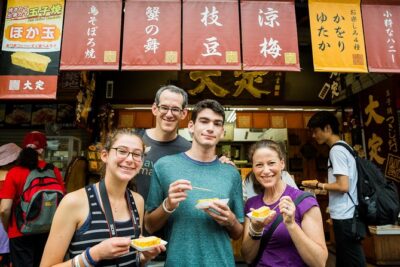
Tokyo Tsukiji Fish Market Food and Culture Walking Tour
Read our review →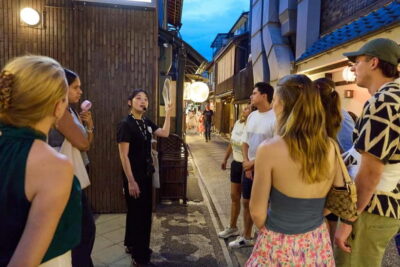
Gion Geisha District Walking Tour – Stories of Geisha
Read our review →
Shinjuku Local Bar and Izakaya Guided Walking Tour
Read our review →
Asakusa Walking Tour with Sensoji Temple Visit
Read our review →
Kyoto Gion Geisha District Walking Tour – The Stories of Geisha
Read our review →Browse the lists this tour appears in