
Review · SAMURAI SWORD & NINJA TRAINING
Tokyo: Elite Ninja Samurai Hands-on Mission Insights, 90 min
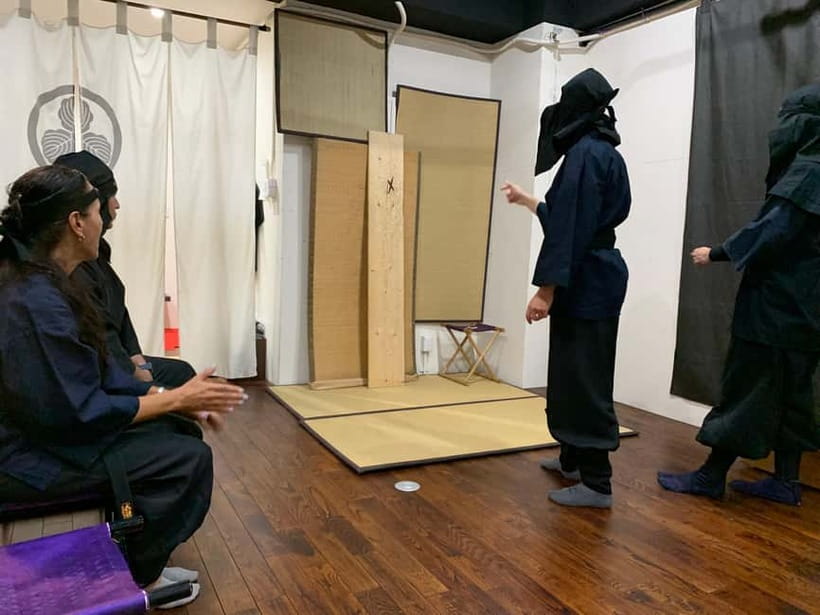
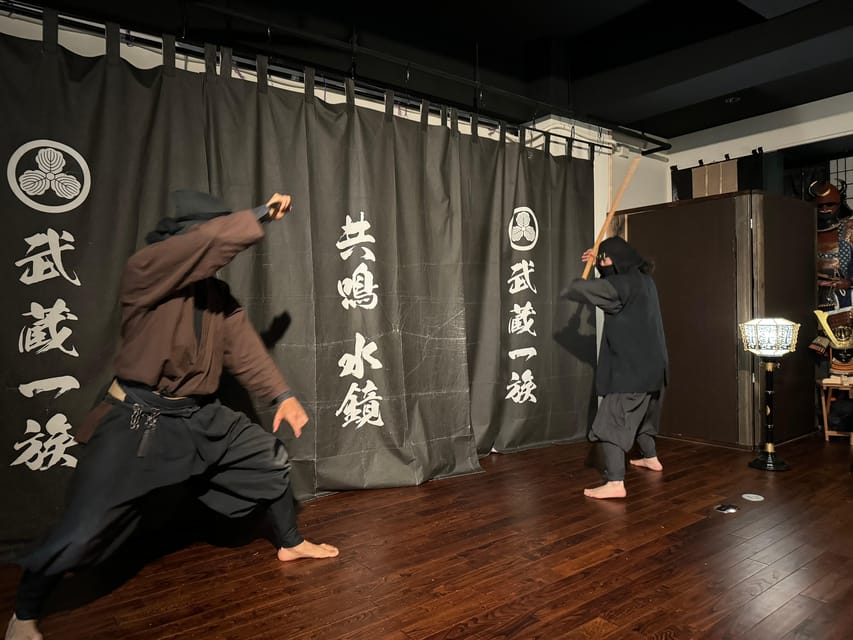
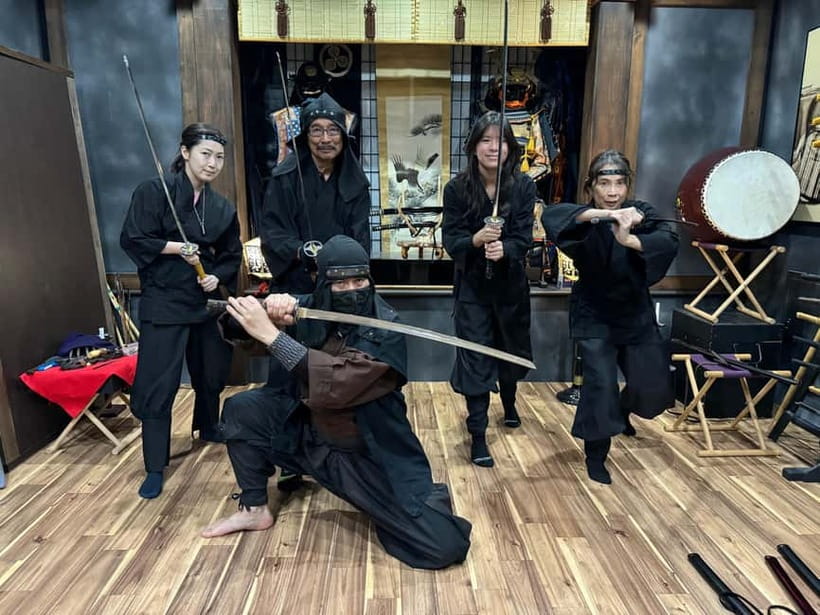
Ninja training starts in a quiet dojo. In Asakusa, the Musashi Ninja Clan Asakusa Dojo turns a 90-minute block into practical, hands-on weapon and stealth basics, with real-time interpretation in English or Japanese.
I like that this is not just posing for photos. You work through a set of techniques you can actually feel in your body, from stealth steps to short sword movements and shuriken throwing. I also like the structure, opening meditation and a short meditation near the end, so the training has a mindset component, not only muscle memory.
The main drawback to consider is timing. With only 1.5 hours, you’ll learn the fundamentals across five technique areas, but you should not expect long, detailed repetition of just one weapon system.
In This Review
- Key points before you go
- Where this ninja and samurai mission happens in Asakusa
- The people behind the training: Dan ranks and nationally licensed interpretation
- The clan history you’re taught alongside the skills
- The full 90-minute flow, from meditation to photos
- Five techniques you practice, and what each one teaches
- Stealth steps
- Shuriken throwing
- Blowgun shooting
- Short sword movements (with kunai or short sword practice)
- Kujikiri
- Ninja outfit, gear, and what is actually included
- What the price gets you, and whether it feels fair at $116
- Who this Tokyo ninja experience suits best
- Practical logistics: timing, starting place, and how to show up right
- Should you book this ninja and samurai hands-on mission?
- FAQ
- How long is the Tokyo ninja and samurai hands-on mission?
- Where is the meeting point?
- What languages are available?
- What do you actually practice during the session?
- Is real-time interpretation provided?
- What’s included in the price?
- Do I have to pay a spectator fee?
- Are there any restrictions on who can join?
- Can children participate?
- Is there anything I should prepare about my outfit?
Key points before you go
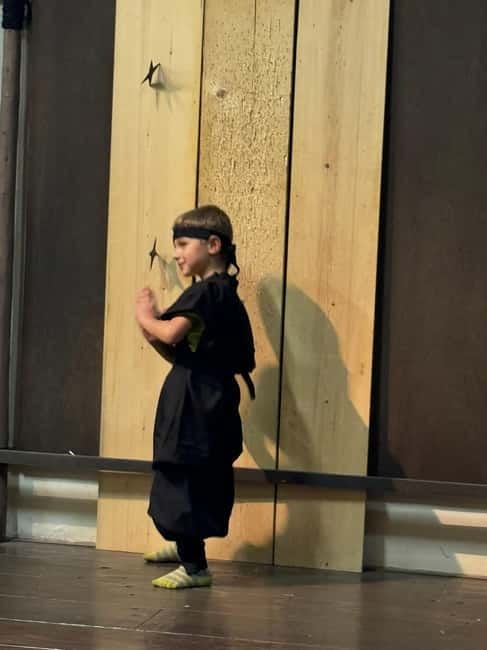
- Five core ninpo techniques you practice directly, including shuriken throwing, blowgun shooting, stealth steps, short sword movements, and kujikiri
- Real-time interpretation in every session, supported by nationally licensed interpreters
- Handmade clan tools and weapons, plus an outfit rental and training gear provided
- Traditional private-dojo training flow, from opening meditation to photo time
- A specific historical framing, tying the clan’s Tokugawa-era service to how shinobi identity endured
Where this ninja and samurai mission happens in Asakusa
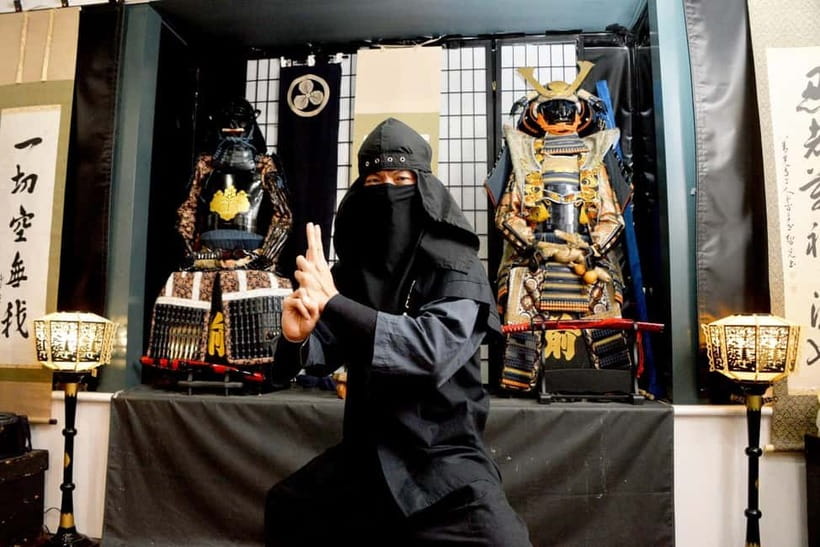
This experience meets at Musashi Ninja Clan Shinobi Samurai Honjin Dojo of Asakusa, in the Matsugaya area of Taito-ku. The address is 3fl, 3-Chome-1-13 Matsugaya, Taito-ku, Tokyo (台東区松が谷3-1-13). The dojo is on the 3rd floor of a beige, five-story building.
Finding it is doable if you use the street-level clues. The 1st floor entrance is by a Japanese cafe bar called Kiraku. If you stand across the street, you can spot a large beetle on the second floor of a different building. Nearby, there’s also a Japanese knife store named Takanojin and a coffee shop called Sensing Touch of Earth, and the knife store Musashi Japan is across the street (but it is not the training place). The neighborhood link here is Kappabashi, with the Kappabashi crossing signage at Kappabashi Dogugai Street and Kappabashi Hondori Street.
Timing matters because you’re going straight into training right after arrival. The activity lasts 1.5 hours, and the session begins back at the meeting point, so plan to arrive early enough to get your outfit fitted and meet the instructors without feeling rushed.
More Samurai & Ninja Sessions in Tokyo
- Tokyo: Samurai Restaurant Show Ticket with 2 Drinks
★ 4.5 · 1,307 reviews - Tokyo: Samurai Ninja Museum Guided tour and Experience
★ 4.6 · 1,010 reviews - Tokyo: Samurai Sword & Archery Class from Samurai Descendant
★ 5.0 · 603 reviews
The people behind the training: Dan ranks and nationally licensed interpretation
The training is led by instructors who hold black belts at the 6th Dan level or higher. That matters because you are not just learning tricks. You are learning a sequence, safety posture, and how to move in a controlled way while attempting techniques that can look simple but are physically and mentally demanding.
A second big factor is interpretation. The experience offers real-time translation, and the interpreters are nationally licensed. In practice, that means you can follow what you are doing and why you are doing it, not only copy movements. If you tend to lose details in group activities, this kind of translation support is the difference between a fun demo and a real learning experience.
The clan history you’re taught alongside the skills
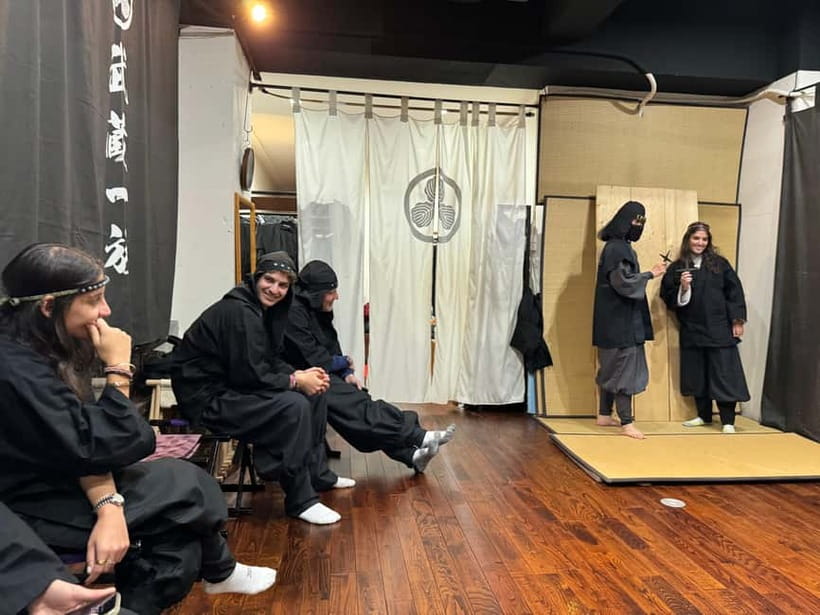
This workshop also comes with a story, and it’s not generic. The clan frames itself as a lasting shinobi samurai clan that supported the Tokugawas from 1582 to 1868. You’ll hear how their ancestors escorted Tokugawa Ieyasu in 1582, and how the clan then served the Tokugawa Shogunate for 265 years.
Then, during the Meiji Restoration in 1868, the clan became independent so it could continue keeping its identity as shinobi. The session also distinguishes two types of shinobi: shinobi samurai and shinobinomono. In this framing, shinobi samurai had samurai lineage, and shinobinomono involved training local people.
Why this matters for you: if you’re the type who wants to understand what you’re practicing, this historical context gives your techniques a purpose. You can think less about random weapon motions and more about the mindset behind them. If you only want quick fun, the story may feel like extra, but it also helps you remember the sequence later.
The full 90-minute flow, from meditation to photos
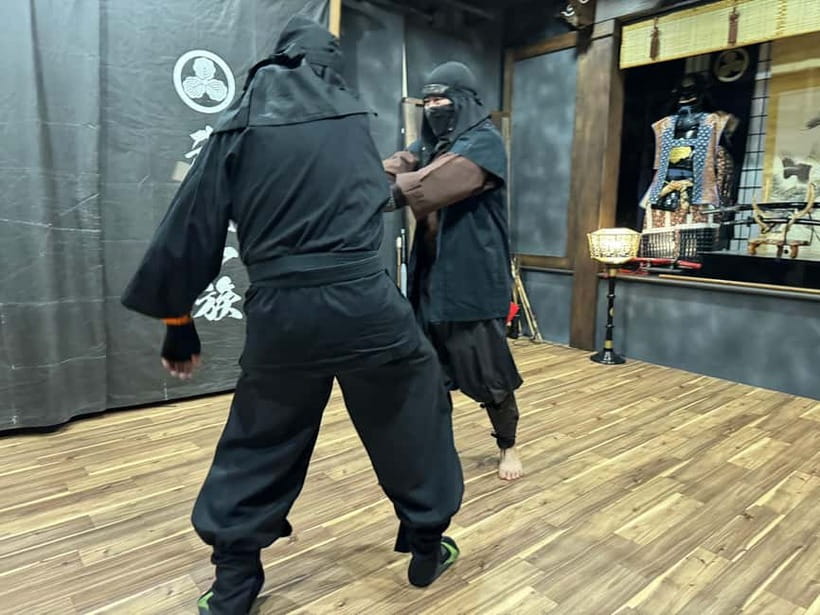
The training follows a clear arc, and you’ll feel it move from form, to fundamentals, to application.
First comes an opening meditation. It sets the tone and helps you transition from street-level Tokyo into dojo discipline. Then there’s an instructor demonstration, which is important for two reasons: you see proper form before you try, and you also get the safety expectations early.
Next, you get a hands-on introduction to the handmade tools and weapons used by the clan. After that, you work through the five techniques in training blocks. Toward the end, you do short meditation and kujikiri, followed by photo time.
Photo time is included. It’s a chance to capture the ninja outfit moment, but it also helps you document what you practiced so you can remember the key cues later.
More Samurai and Ninja sessions in Tokyo:
- Ninja+Kabuki Tokyo
★ 4.5 · 512 reviews - Skip the lines Basic Ticket at SAMURAI NINJA MUSEUM TOKYO
★ 5.0 · 470 reviews - Best Samurai Experience in Tokyo
★ 5.0 · 458 reviews - Tokyo: Legend Samurai Entertainment Night in Kanda Shrine
★ 4.6 · 367 reviews
Five techniques you practice, and what each one teaches
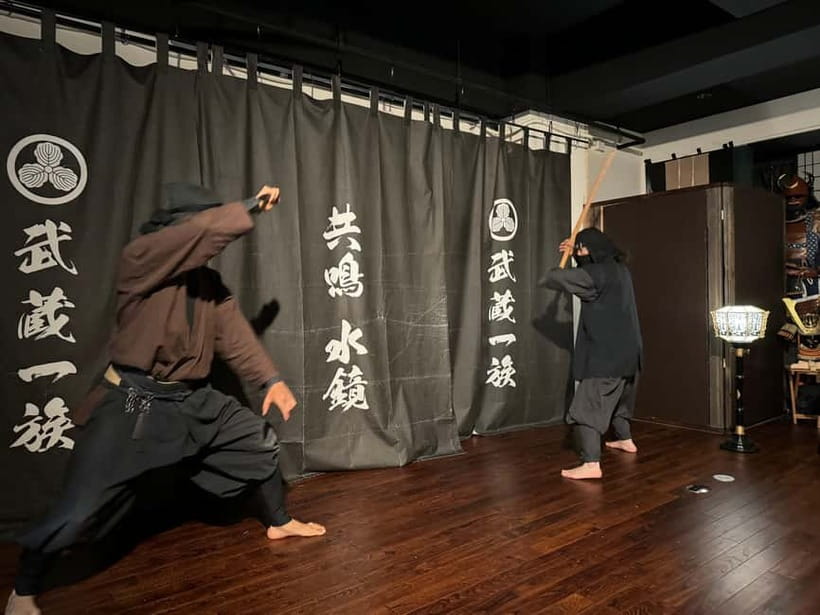
You’ll learn and try five basic techniques. They are presented as part of ninpo training, meaning the emphasis is not only physical. You’re also building tactical awareness and control.
Stealth steps
Stealth steps focus on how you move quietly and intentionally. In a hands-on setting, you are practicing body weight control and foot placement, not just walking more softly. If you’ve ever tried to move quietly in shoes that are not built for it, you’ll quickly understand why this takes practice.
Shuriken throwing
Shuriken throwing is the obvious crowd-pleaser, but the real value is learning the mechanics and the stance. Throwing small objects accurately is harder than it looks, and you’ll likely get coached on timing and follow-through. This is also where the demonstration step matters, because proper form is the difference between a clean try and a frustrating one.
Blowgun shooting
Blowgun shooting is another technique that forces patience. With a blowgun, you’re thinking about breath control and aim. Even if you are not a marksman, you can still improve quickly with coaching on posture and consistency.
Short sword movements (with kunai or short sword practice)
The short sword section is where the training connects to close-range movement. You’ll practice short sword movements using kunai or a short sword approach. Expect a focus on controlled swings and transitions, not dramatic action poses.
Kujikiri
Kujikiri is practiced during a short meditation segment near the end. It’s not only a physical action. It also fits the theme of mindset, focus, and discipline. You’ll walk out with a sense that ninpo training is designed to be carried, not just performed.
Ninja outfit, gear, and what is actually included
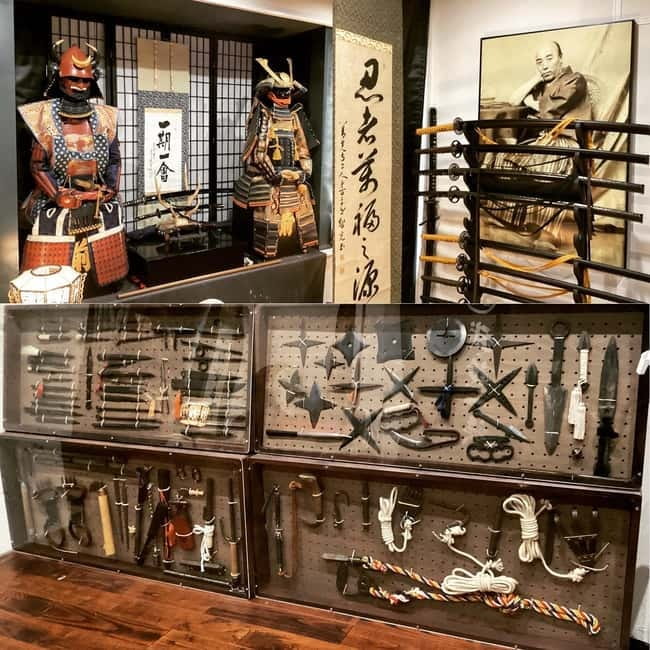
You wear the clan’s ninja outfit during the mission, which is included in the price. You also rent training weapons as part of the session: a bokken wooden sword rental and a ninja star rental.
A practical tip: you will be asked to inform your height so the outfit can be ready. Do not skip that step when you book, because it affects fit and comfort during movement practice. Clothing that rides up can ruin stealth steps, and it can distract you during throws or stance work.
Also note the rules that help the session stay safe and respectful: no intoxication, no alcohol or drugs, and no chewing gum. This is the kind of workshop where discipline is part of the experience, not an afterthought.
What the price gets you, and whether it feels fair at $116
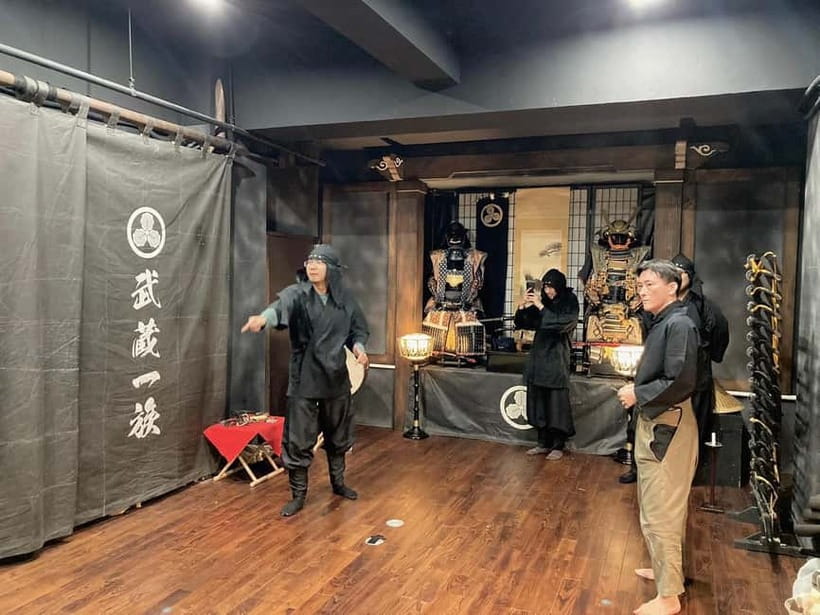
At $116 per person for 1.5 hours, you’re paying for structured instruction, translation support, and included training gear. The value is strongest if you want more than a photo moment.
You’re not only trying weapons. You’re practicing five technique categories under instructor guidance, with opening meditation and a closing meditation segment that frames the training. You also get real-time interpretation, which can be the biggest hidden value for English speakers in Tokyo, because it keeps the session from turning into vague instructions.
One caution on value: if you come with someone who wants to watch without participating, there is a spectator fee of 2500 yen per spectator, paid upon entering the dojo. If your plan includes spectators, do the math before you book.
Who this Tokyo ninja experience suits best
This mission is a good fit if you want hands-on Tokyo culture that feels specific and intentional. It suits:
- People who like structured instruction and want to understand the meaning behind movements
- Travelers who appreciate real-time translation, especially for terms like ninpo and the practice flow
- Anyone who is curious about how shinobi identity connects to the Tokugawa era, then transitions after the Meiji Restoration
It may not be the best fit if:
- You want long sessions for deep weapon repetition
- You are pregnant, since the experience is not suitable for pregnant women
- You want to be a spectator only, because the spectator fee applies and the session is built around doing the techniques
Practical logistics: timing, starting place, and how to show up right
Plan for an experience that starts at the meeting point and runs straight into training. The start time depends on availability, and sessions run about 1.5 hours. Because you have an outfit fitting component, arriving a little early is smart.
For transit, you have convenient walking options: Asakusa Station of the Tsukuba Express is about a 6-minute walk, and Tawaramachi Station on the Ginza Line is about an 8-minute walk.
If you are traveling with children, children under 12 can take the experience when accompanied by a participating guardian. Also be prepared to share height so the outfit fits correctly.
Should you book this ninja and samurai hands-on mission?
I’d book it if you want an active Tokyo experience with a real structure: meditation, demonstration, five core techniques, and interpretation that keeps you oriented. The mix of hands-on practice and historical framing makes it more memorable than most “ninja themed” activities.
Skip it if you want a passive show, if your priority is one single technique for lots of repetitions, or if you need an activity that is suitable for pregnancy. And if you’re bringing a non-participating companion, remember the 2500 yen spectator fee.
If your goal is to walk out understanding how shinobi training feels and why each piece fits, this is a strong, practical choice for Asakusa.
FAQ
How long is the Tokyo ninja and samurai hands-on mission?
The experience lasts about 1.5 hours.
Where is the meeting point?
It starts at Musashi Ninja Clan Shinobi Samurai Honjin Dojo of Asakusa at 3fl, 3-Chome-1-13 Matsugaya, Taito-ku, Tokyo (台東区松が谷3-1-13).
What languages are available?
The instruction and interpretation are offered in English and Japanese.
What do you actually practice during the session?
You practice stealth steps, shuriken throwing, blowgun shooting, short sword movements (kunai or short sword practice), and kujikiri, plus opening and short meditation.
Is real-time interpretation provided?
Yes. Real-time interpretation is offered in all sessions.
What’s included in the price?
The price includes ninja outfit rental, a bokken wooden sword rental, and a ninja star rental.
Do I have to pay a spectator fee?
Yes. If any spectator comes along, there is a spectator fee of 2500 yen per person, paid upon entering the dojo.
Are there any restrictions on who can join?
The experience is not suitable for pregnant women. It also requires no intoxication, no alcohol or drugs, and no chewing gum.
Can children participate?
Children under 12 can take the experience when they have a participating guardian.
Is there anything I should prepare about my outfit?
Yes. You should inform the staff of each participant’s height so they can have the outfit ready.
Newly listed around Tokyo
- Tokyo: Tsukiji Fish Market food Tour★ 4.8 · 7 reviews
- Tokyo: Family Sumo Workshop & Live Wrestling Show with Lunch★ 4.9 · 99 reviews
- Tokyo: Flagship 2-Hour Street Go-Kart Tour by Street Kart★ 4.9 · 94 reviews
- Tokyo: Exclusive Access to Sumo Morning Practice with Photos★ 4.8 · 107 reviews
- Tokyo’s Upmarket District: Explore Ginza with a Local Guide★ 4.5 · 26 reviews
- Tokyo: English Standup Comedy Night★ 5.0 · 8 reviews
- Tokyo: Enjoy Sumo match and know about it! [Ticket included]★ 4.4 · 7 reviews
- Tokyo: Evening Photography Tour★ 4.8 · 61 reviews
Samurai Sword & Ninja Training, compared.
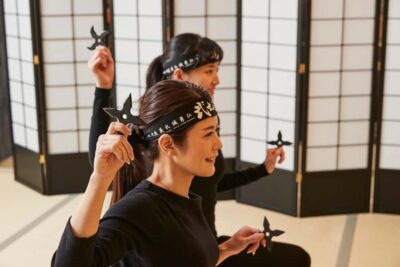
Samurai Ninja Museum Guided tour and Experience
Read our review →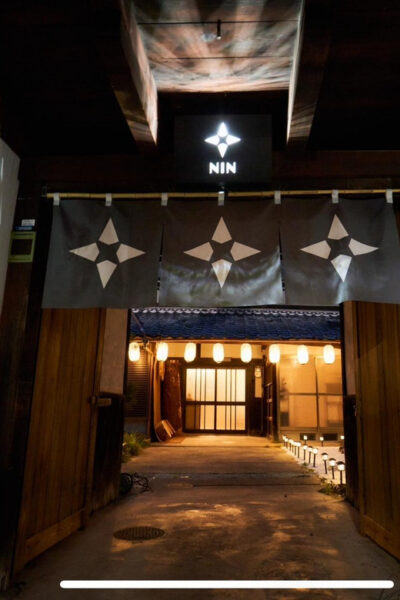
Kendo and Samurai Experience with Uniform and Gear
Read our review →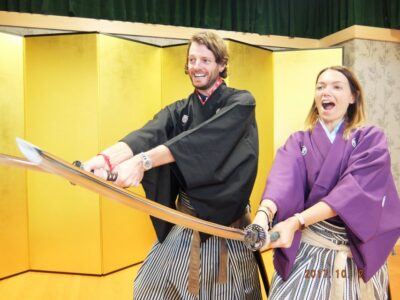
Samurai Sword Class by Experts in Traditional Arts
Read our review →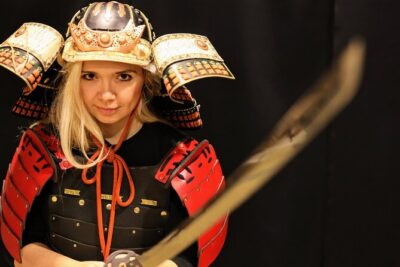
Skip the lines Basic Ticket at SAMURAI NINJA MUSEUM KYOTO
Read our review →
Samurai Sword & Archery Class from Samurai Descendant
Read our review →
Browse the lists this tour appears in