
Review · 3-HOUR EXPERIENCES
Tokyo Like a Local: Private & Personalised Experience (2-3 hours)
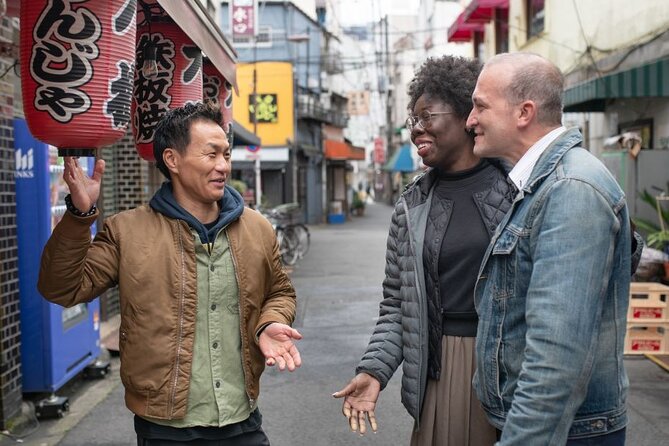
Tokyo feels like a game, until you know the rules. This private, personalized walk helps you learn them fast, with a local host who can tailor the stops to your interests. It’s especially useful if your first day in Tokyo needs structure.
I love the way the tour mixes big-name icons with practical street-level guidance, like learning the rhythm of Shibuya and then stepping into old Tokyo at Asakusa. I also like the focus on transport confidence, so you’re not stuck asking strangers how to get everywhere.
One possible drawback: it’s primarily a walking experience, so if you want lots of far-flung sights, you may need public transport between areas, which can add extra cost.
In This Review
- Key points before you go
- Your First-Day Tokyo Cheat Code: Private, Custom, and Walkable
- How the Pre-Tour Questionnaire Turns Into a Real Itinerary
- Where You Start: NewDays Harajuku Near Omotesando Exit
- Stop-by-Stop Tokyo: From Hachiko to Senso-ji
- Shibuya intro walk: neighborhoods, backstreets, and how Tokyo works
- Hachiko in Shibuya: loyalty and friendship, explained locally
- Shibuya scramble crossing: mastering the world’s busiest intersection
- Shibuya shopping street: where to focus your eyes
- Asakusa Senso-ji: the oldest famous Buddhist temple experience
- Nakamise street: snacks, crafts, and easy souvenir logic
- The Subway Help You’ll Actually Use Later
- Walking Tour Reality Check: Transfers Can Add Cost
- Food and Tickets: What You Get, What You Pay
- Guide Style Matters: Examples From Real Hosts
- Value and Price: Why $107.20 Can Make Sense
- Should You Book This Tokyo Like a Local Tour?
- FAQ
- How long is the Tokyo Like a Local private tour?
- What’s included in the price?
- Is food or attraction entry included?
- Do I need to buy train tickets during the tour?
- Where does the tour start?
- What if the weather is bad or I need to cancel?
Key points before you go
- Personal host, flexible plan based on a pre-tour questionnaire and your must-sees
- Shibuya orientation including Hachiko and how to handle the scramble crossing
- Asakusa essentials at Senso-ji and Nakamise street for snacks and small finds
- Subway help that actually matters for first-time visitors, including ticket guidance
- Walking-first logistics, with transfers possible by transit or taxi
Your First-Day Tokyo Cheat Code: Private, Custom, and Walkable
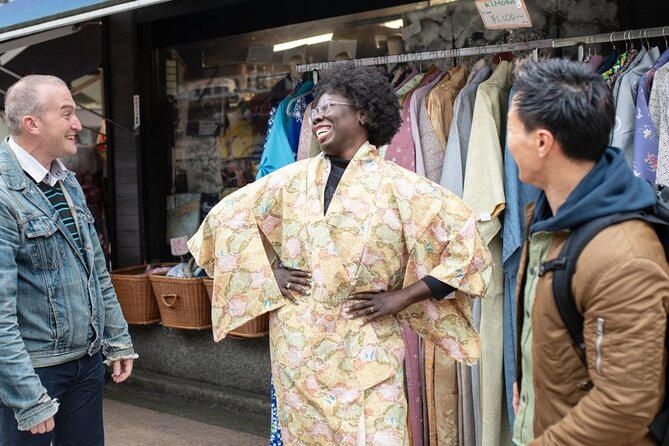
If Tokyo is overwhelming, that’s normal. This tour is built for that exact moment when you land and everything looks cool, but you also have no clue how to move through it. The big idea is simple: you get a personal host who adapts the route to you, then helps you practice the two things that make Tokyo easier, finding your way and understanding what you’re looking at.
The format is also smart. It’s private and 2 to 3 hours, so you get real attention rather than riding along in a crowd while trying to follow directions. And because you can choose neighborhoods and priorities in advance, it’s not just a generic highlights route.
That said, this is not a sit-and-ride city tour. You should expect lots of walking, and for that reason, you’ll get the most value if you wear comfortable shoes and come ready to be outside.
A few more Tokyo days to weigh up
- Mt Fuji and Hakone 1-Day Bus Tour Return by Bullet Train
★ 5.0 · 26,383 reviews - 1-Day Tokyo Bus Tour
★ 5.0 · 14,250 reviews - Tokyo: TOKYO SKYTREE® Admission ticket
★ 4.5 · 11,192 reviews
How the Pre-Tour Questionnaire Turns Into a Real Itinerary
The tour starts long before you meet the guide. After booking, you receive a short questionnaire to share your interests, preferences, and must-sees. Then your guide reaches out directly to craft the itinerary to your style, whether you lean history, food, hidden corners, culture, or nightlife advice.
This matters because Tokyo is not short on choices. Two people can name the same three areas and still want totally different experiences. The customization is how the tour avoids feeling like a checklist. Instead, your host can shape pacing and emphasis, for example adding practical stops for basics, or spending more time around the spots you care about most.
It’s also why guide-to-guide variation can make a difference. If you explain what you want clearly, you’re more likely to end up with the right balance of iconic sights and useful local context.
Where You Start: NewDays Harajuku Near Omotesando Exit
You meet at NewDays Harajuku, in Jingūmae near Shibuya, by the Omotesando Exit. The location is practical because NewDays is easy to spot, and you’re near public transport connections.
For a walking tour, the meeting point matters more than most people think. Tokyo station areas can be confusing on day one, and starting at a clear, transit-adjacent spot reduces stress. If you have a tight schedule, this also helps because you can arrive, meet the host, and start moving without hunting.
If you requested pickup, keep in mind this still stays walk-centered. A private vehicle is not part of the plan, so your “getting around” will be mostly on foot.
Stop-by-Stop Tokyo: From Hachiko to Senso-ji
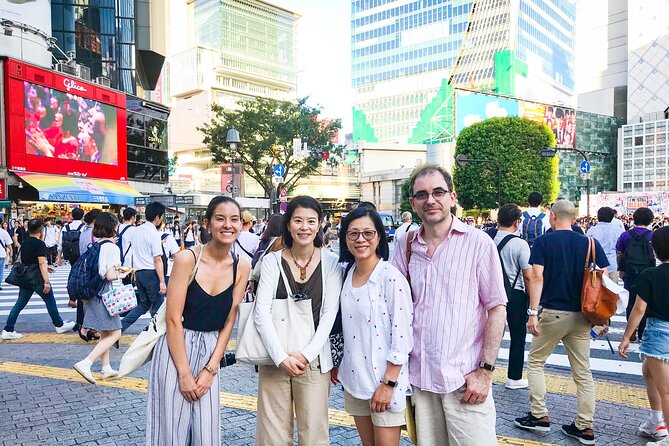
This tour is shaped around a classic route: Shibuya for orientation and energy, then Asakusa for traditional Tokyo.
A different sort of day in Japan:
- Tokyo: teamLab Planets TOKYO Digital Art Museum Entry Ticket
★ 4.6 · 9,779 reviews - Mt Fuji & Hakone Cruise, Drum Show Bullet Train 1 Day from Tokyo
★ 4.0 · 7,413 reviews - Tokyo: Sumo Show Experience with Chicken Hot Pot and a Photo
★ 4.8 · 6,678 reviews - Tokyo: Shinjuku Food Tour (13 Dishes at 4 Local Eateries)
★ 5.0 · 6,603 reviews
Shibuya intro walk: neighborhoods, backstreets, and how Tokyo works
The first stop is the foundation. You get an authentic introduction to Tokyo with your local host, exploring vibrant streets and cultural highlights tailored to your interests. Think hidden backstreets, small explanations of local customs, and a sense of how people actually move through the city day to day.
If you book your first day or first half day, this stop is the glue. It helps you interpret what you’re seeing later. And if you’re trying to plan the rest of your trip, your host’s food advice and nightlife pointers can save you a lot of trial and error.
Potential downside to consider: if you only want museum-style history or very specific shopping targets, your best results come from telling your guide exactly what matters to you during the questionnaire.
Hachiko in Shibuya: loyalty and friendship, explained locally
Next is Shibuya’s iconic landmark, the Hachiko statue. Your host shares its story and why it’s culturally significant. It’s not just a photo stop. It’s a quick way to understand how Tokyo remembers people and meaning, and how a statue becomes a living meeting point.
This is a great stop for orientation too. You get anchored to a real landmark in a real, busy area, which makes the rest of your walk feel less chaotic.
Shibuya scramble crossing: mastering the world’s busiest intersection
After Hachiko, you head to the scramble crossing, the one that seems designed for confusion. Your host helps you navigate it with local insights, so you don’t end up second-guessing when to move.
This part is one of the most valuable, because the crossing is not just a place, it’s a skill. When you learn how people flow through the lanes and when to cross, you save time the rest of your trip. You also avoid the uncomfortable feeling of standing still while everyone else seems to know the timing.
Shibuya shopping street: where to focus your eyes
Then you shift into Shibuya’s shopping street scene, known for fashion, food, and local culture. This stop can be as simple or as deep as your guide makes it. You’ll often get pointers on what to look for, where locals tend to linger, and what kinds of casual eats you can realistically order.
This is also a good moment to ask practical questions, like what neighborhoods are better for a certain vibe, or where you’d find specific items without wasting time. The guide can connect what you see here to what you might do later.
Drawback to watch: if you plan to add lots of purchases, keep your walking pace in mind. A busy shopping street can move quickly, and you may need to slow down deliberately if you’re browsing hard.
Asakusa Senso-ji: the oldest famous Buddhist temple experience
Now for the change of pace. You explore Asakusa’s historic Buddhist temple, Senso-ji, with your host explaining traditions and history. Even if you’ve seen temple photos online, having a person explain what’s important helps you notice details you’d otherwise miss.
Senso-ji is also a great “Tokyo contrast” moment. Shibuya gives you speed and modern energy, and Asakusa gives you ceremony and slower movement. Seeing both in one day gives your trip a narrative arc.
Nakamise street: snacks, crafts, and easy souvenir logic
The last stop is a lively traditional street lined with local snacks and crafts. Your host helps you discover unique finds and hidden favorites, and this is a fun way to end without the fatigue of something too far away.
This area is ideal for simple wins: small edible treats, easy souvenirs, and a chance to practice everyday Japanese street life, like handling a menu or picking items efficiently.
One thing to keep in mind: because it’s a popular area, crowds can be intense at peak times. If you’re sensitive to crowd pressure, your host can sometimes adjust pacing within the area.
The Subway Help You’ll Actually Use Later
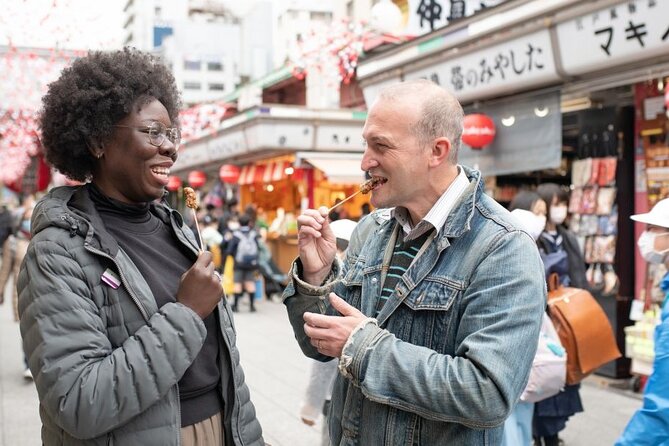
This tour’s biggest practical promise is learning Tokyo’s transport system. In plain terms, you’ll get help understanding how to move, how to buy tickets, and how to navigate the flow between stations.
That kind of help pays off fast if you’re new. Once you know the basics, you spend less time searching and more time wandering. It also reduces the “I’ll figure it out later” trap, because later in Tokyo can turn into wrong trains and wasted hours.
In past experiences with hosts on this style of orientation, guides like Saito and Susumu have been singled out for helping with subway understanding and making transfers feel manageable. Michael and Mariana have also been praised for teaching subway tricks and guiding navigation in a way that felt like traveling with an experienced friend.
If you’re traveling with a kid, or you have seniors in the group, this practical orientation tends to matter even more. It cuts down decision fatigue and makes it easier to keep everyone moving at the same pace.
Walking Tour Reality Check: Transfers Can Add Cost
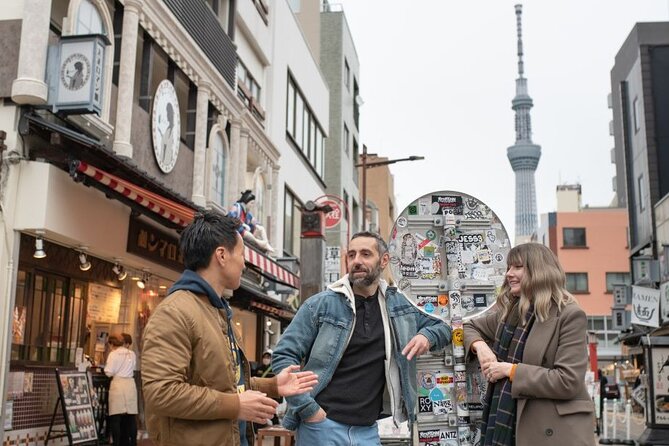
Even though it’s framed as a walking experience, the plan acknowledges that you may use public transportation or a local taxi to transfer between sites. Exact transportation costs are something you can discuss with your host after the reservation is finalized.
So, what should you do with that information? Plan for the possibility of an extra transport spend, even if the core of the tour is walking. Wear shoes you trust. If you need an elevator or step-free route, you can ask your guide what’s realistic based on your start and stop locations, but the tour data only states that most travelers can participate, not that it is fully step-free everywhere.
Also remember: because there is no private vehicle, the tour depends on your host’s timing and the day’s flow. If you have a strict next appointment right after, leave a buffer.
Food and Tickets: What You Get, What You Pay
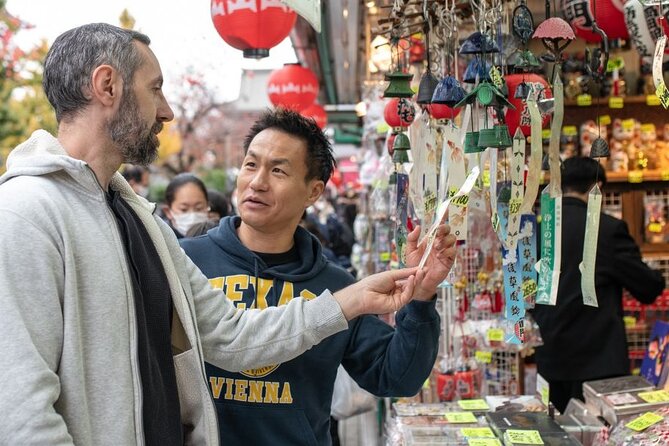
The tour includes a private walking experience with insider tips and a customized plan. It does not include food, drinks, or tickets to attractions. That means you’ll still be responsible for meals and any paid entry fees.
This can be a good thing for value. A private guide can point you toward options that match your budget and tastes, without forcing you into overpriced set menus or packages. But you should come with a rough plan for how you’ll handle lunch or snacks.
If you want to keep costs predictable, consider deciding in advance whether you prefer casual street food, temple area snacks, or a proper sit-down meal after the tour. Your host can then steer you accordingly.
Guide Style Matters: Examples From Real Hosts
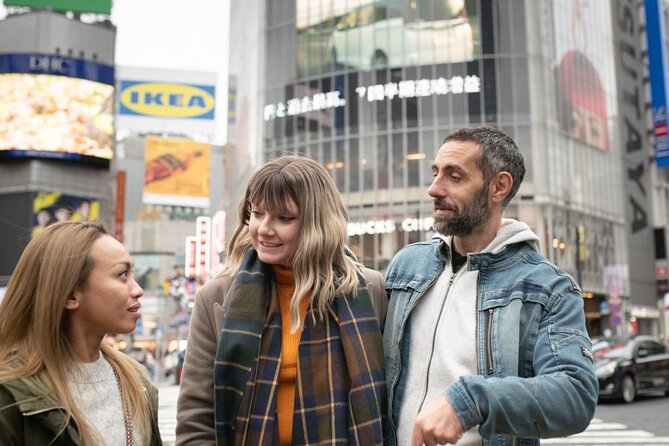
The tour is private, so guide personality and communication can strongly shape your day. The names that come up often include Tomo, Shoko, Alberto, Shuto, Ayaka, Camila, Hiroto, Izumi, Antonio, Gabriel, and Jonny.
What you should look for in a good day is consistent with what these hosts tend to do well:
- tailoring the route to your interests
- giving practical navigation help
- being flexible when pacing changes
- recommending places to eat, sometimes even after the tour
That last point can be surprisingly useful if you have only a couple of days in Tokyo. A guide who sends store or food links after your walk can help you turn a vague plan into specific options.
Value and Price: Why $107.20 Can Make Sense
At $107.20 per person for 2 to 3 hours, this tour is priced like a premium “first-day help” experience. The question is whether you’re buying time, guidance, or stress reduction.
In Tokyo, a few hours can disappear fast if you’re stuck figuring out train lines, station exits, and what’s worth the effort. The value here is not just that you see Hachiko and Senso-ji. You’re also buying:
- a private host instead of crowd navigation
- an itinerary matched to your interests via the questionnaire
- orientation around the subway system and how to get around
It’s also booked about 55 days in advance on average, which is a good sign of steady demand. That timing suggests it’s common to plan this as an early anchor activity rather than a last-minute add-on.
Should You Book This Tokyo Like a Local Tour?
I think this is a strong choice if you want your first day to feel organized without turning into a rushed bus tour. It’s ideal for first-timers, couples, families, and anyone who likes a mix of iconic stops and practical guidance.
Book it if:
- you want subway confidence and clear walking directions
- you care about both Shibuya orientation and Asakusa tradition
- you’ll use the questionnaire to shape your priorities
Skip it or adjust expectations if:
- you hate walking or have limited mobility
- you only want one hyper-specific theme and are not comfortable telling the guide exactly what you want
- you have back-to-back plans with no buffer, since walking and possible transfers can affect timing
If your goal is to leave Tokyo feeling like you can move on your own, this tour is built for that exact outcome.
FAQ
How long is the Tokyo Like a Local private tour?
It lasts about 2 to 3 hours.
What’s included in the price?
You get a private and personalized walking experience with insider tips, a pre-tour questionnaire to tailor the route, and direct communication with your host for planning and recommendations.
Is food or attraction entry included?
No. Food, drinks, and tickets to attractions are not included.
Do I need to buy train tickets during the tour?
Transportation is not included. Public transportation or local taxis may be used to transfer between sites, and any transportation costs can be discussed with your host after your reservation is finalized.
Where does the tour start?
The meeting point is NewDays Harajuku, 1F Omotesando Exit, at 1-chōme 1820, Jingūmae, Shibuya, Tokyo.
What if the weather is bad or I need to cancel?
You can cancel for a full refund up to 24 hours in advance. The experience requires good weather, and if it’s canceled due to poor weather, you’ll be offered a different date or a full refund.
Newly listed around Tokyo
- Tokyo Layover 5 Hours Private Tour★ 5.0 · 40 reviews
- Tokyo Private Walking Tour with a Local★ 4.0 · 7 reviews
- Tokyo Keen Japanese Knife and Sashimi Workshop★ 5.0 · 46 reviews
- Traditional Japanese Comedy, Juggling & Magic Live Show in Tokyo★ 5.0 · 37 reviews
- Tokyo: SEGA Joypolis E-Tickets with Optional Tokyo Metro Pass★ 4.0 · 14 reviews
- Samurai Experience – Learn Bushido through Kendo, in Tokyo★ 5.0 · 88 reviews
- Tokyo private transfer to Haneda Airport (HND)★ 4.5 · 110 reviews
- Tokyo Walking Tour : Sumo, Sushi, Tea, Temples and Tokyo Tower★ 5.0 · 21 reviews
3-Hour Experiences, compared.

3-Hour Kyoto Insider Sake Brewery Tour with Tastings & Pairings
Read our review →

3h Tokyo E-Bike Tour: Hidden Gems, and Local Life with guide
Read our review →
3-hour Guided E-Bike Tour of the City’s Hidden Gems
Read our review →
3-Hour Bike/E-Bike Tour of the City’s Highlights
Read our review →
Browse the lists this tour appears in