
Review · WORKSHOPS
Tokyo Keen Japanese Knife and Sashimi Workshop
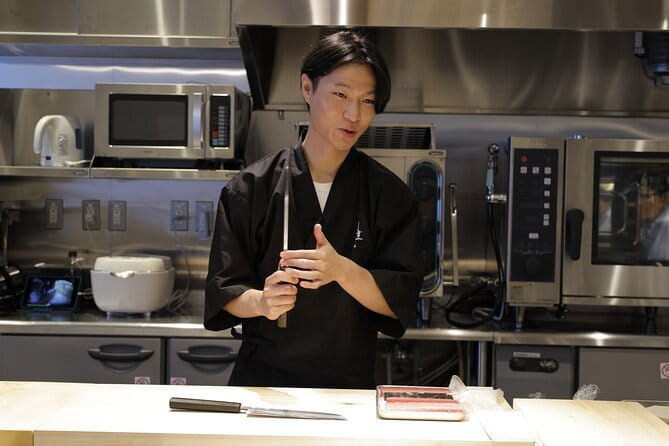
Knife work is art, and this class teaches it. In a tight two hours in Nishiazabu, I like that you do more than watch, you cut, sharpen, and then eat your own bowl. You also get clear cultural context for Japanese blades, so the skills actually mean something, not just moves. One thing to consider is that you should come with a genuine interest in knives and Japanese cooking, because the session is hands-on and fairly focused.
I especially like the small group size (up to 8), which keeps the instruction patient and practical. Another standout is the payoff: you sharpen on a whetstone, slice sashimi, and finish with zuke-don plus miso soup, and even a tasting of Kappodo original sake. The only drawback is that private transportation is not included, so you’ll want to plan how you’ll reach the studio by public transit.
If you want an experience that feels like Tokyo craft at table speed, this is a strong fit. You’ll leave with specific techniques you can repeat at home, even if your kitchen tools are not exactly the same as theirs.
In This Review
- Key points to know before you go
- A Nishiazabu knife workshop that turns skills into lunch
- Price and value: what $130.78 buys you in real terms
- Enter the studio: how the class sets expectations fast
- The knife story you actually need: making and customs
- From demonstration to practice: cutting sashimi with a Japanese knife
- Whetstone sharpening: the skill you can bring home
- Zuke-don lunch: the easiest way to taste the technique
- Who teaches it: making foreign visitors feel at ease
- What you actually take away (besides good memories)
- Logistics that can affect your day
- Who should book this, and who might skip it
- Should you book the Tokyo Keen Japanese Knife and Sashimi Workshop?
- FAQ
- How long is the Tokyo Keen Japanese Knife and Sashimi Workshop?
- What is included in the price?
- Do I get to cut sashimi, or is it only a demonstration?
- Will I learn how to sharpen a knife?
- Is private transportation included?
- How large is the group?
- What is the cancellation policy?
Key points to know before you go
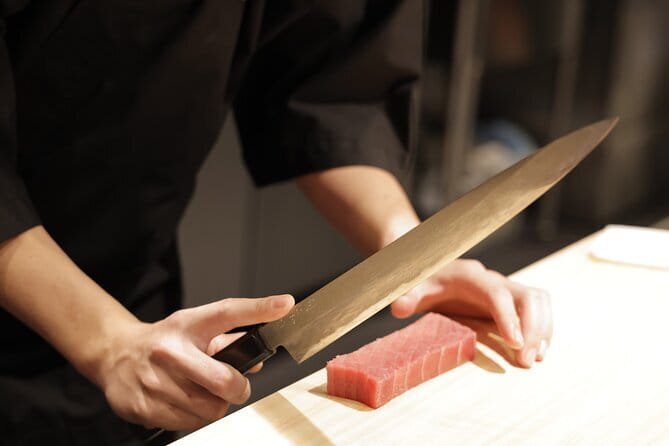
- Up-close knife training: you watch technique, then you practice sashimi cutting yourself
- Real sharpening practice: whetstone skills are taught step-by-step, even for first-timers
- Lunch is the lesson: zuke-don (marinated sashimi over rice) turns technique into something you eat
- Small group format: with a maximum of 8 people, questions are easier to answer
- Cultural context included: you learn customs tied to Japanese knives, not just kitchen shortcuts
- Extras that add value: participation certificate and a 10% shop discount on the same day
A Nishiazabu knife workshop that turns skills into lunch
This Tokyo experience is built around one idea: Japanese knife technique is easier to understand when you do it. The format is part demonstration, part practice, and part cooking class, all in about 2 hours. That timing matters. You get enough time to learn real motions and then see how they affect food, without the session stretching into something you have to power through.
The location also helps the vibe. The class meets at Kappodo H.Q in Nishiazabu, at the Tokyo D kitchen studio cooking workshop area. If you like walking into a place that feels dedicated to the craft, this one fits. And because it’s near public transportation, you’re not stuck solving complicated logistics when you’re already in Tokyo.
A few more Tokyo days to weigh up
- Mt Fuji and Hakone 1-Day Bus Tour Return by Bullet Train
★ 5.0 · 26,383 reviews - 1-Day Tokyo Bus Tour
★ 5.0 · 14,250 reviews - Tokyo: TOKYO SKYTREE® Admission ticket
★ 4.5 · 11,192 reviews
Price and value: what $130.78 buys you in real terms
At $130.78 per person, this isn’t a budget activity. But it also isn’t just a cooking class that happens to mention knives. You’re paying for several things that typically cost extra when done separately: instruction on multiple knife skills, hands-on practice time, a full lunch you help prepare, and sake included.
Let’s break down the value you actually receive:
- Hands-on sharpening with a whetstone (not just a talk about it)
- Sashimi cutting practice, where technique becomes visible instantly
- Lunch you make, with tuna bowl zuke-don and miso soup
- Kappodo original sake tasting
- Tools and aprons included, so you don’t have to bring gear or worry about equipment fees
- A participation certificate, plus 10% off items at the 1F shop on the same visit day
If you’re the type of traveler who likes to leave with a repeatable skill, the value can feel pretty fair. If you only want a quick bite of Japanese culture without getting your hands into the process, it might feel like more effort than reward.
Enter the studio: how the class sets expectations fast
Your session starts and ends at the same meeting point at Kappodo H.Q. That simplicity is underrated in Tokyo. You can focus on the experience instead of constantly checking routes and transfers.
Once you’re inside, the structure becomes clear: you begin with explanation and observation, then you shift into doing. The flow usually goes like this:
- Knife origins and what makes Japanese blades different
- Cutting demonstration and technique watch-time
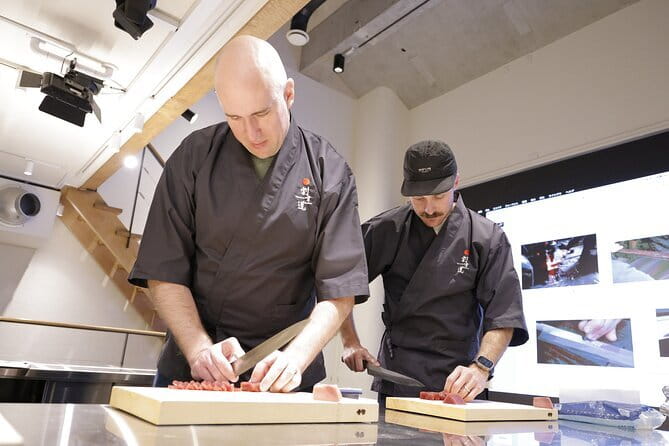
- Your turn: using a Japanese knife to cut sashimi
- Whetstone sharpening practice while the lunch ingredients marinate
- Cooking class: assembling zuke-don and eating what you made
This is a smart pacing plan. It keeps the session from becoming either too lecture-heavy or too rushed. And it builds confidence, because you see the result of sharpness in real food before you start sharpening yourself.
The knife story you actually need: making and customs
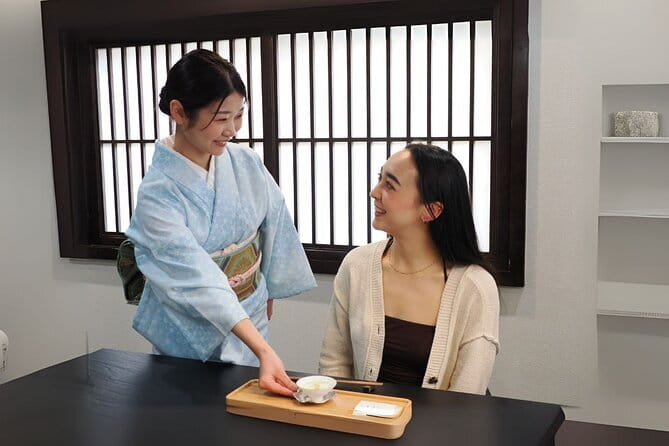
Before hands-on cutting, you get a detailed explanation of how a Japanese knife is made, plus the culture and customs around Japanese knives. Even if you don’t care about metallurgy, this part helps you understand why knife technique is treated with respect in Japan.
The big value here is mental framing. You’re not just learning to cut. You’re learning how Japanese knives are used as precision tools. That mindset changes everything once you start slicing sashimi, because your posture, grip, and angle suddenly matter.
Also, if you’ve seen people cut in Japan and wondered why it looks different from what you’d do at home, this is where you get the reason. You learn that Japanese knife work isn’t about forcing power, it’s about control and sharpness.
A different sort of day in Japan:
- Tokyo: teamLab Planets TOKYO Digital Art Museum Entry Ticket
★ 4.6 · 9,779 reviews - Mt Fuji & Hakone Cruise, Drum Show Bullet Train 1 Day from Tokyo
★ 4.0 · 7,413 reviews - Tokyo: Sumo Show Experience with Chicken Hot Pot and a Photo
★ 4.8 · 6,678 reviews - Tokyo: Shinjuku Food Tour (13 Dishes at 4 Local Eateries)
★ 5.0 · 6,603 reviews
From demonstration to practice: cutting sashimi with a Japanese knife
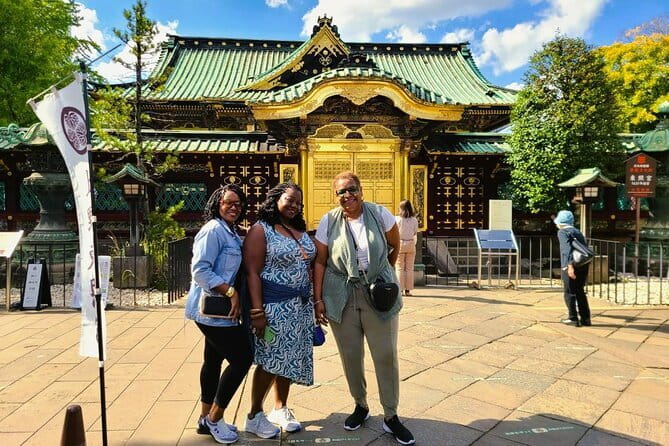
One of the strongest parts of this workshop is that you don’t stay in observer mode. You watch the instructor demonstrate knife work, then you use a Japanese knife yourself to cut sashimi.
That is where the learning becomes real.
Cutting sashimi is a great training choice because it’s unforgiving. A dull edge, a wrong angle, or rushed movement will show in the result. The sharpness you experience becomes obvious. And you quickly learn that technique is not only about the blade. It’s also about how you position the food and how steady your hands are.
In practical terms, you’ll come away with a better sense of:
- how Japanese knives behave compared to what many people use at home
- how thin slicing changes the eating experience
- why sharpness is not optional for fish
If you’re comfortable with tactile learning and you don’t mind a structured activity, this part is genuinely the highlight.
Whetstone sharpening: the skill you can bring home
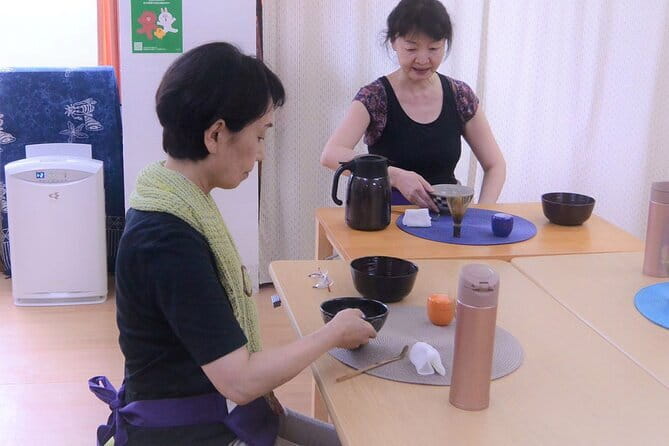
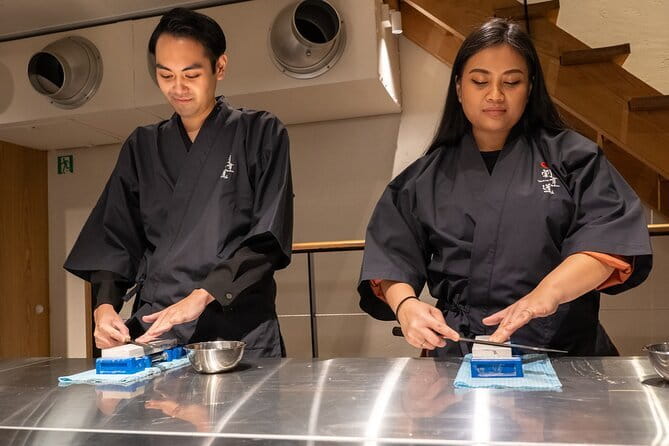
While the tuna is marinating for lunch, you learn how to sharpen a Japanese knife using a whetstone. This is hands-on training for first-timers, and the instructor helps you through it.
This segment is where many classes either fail or succeed. A good sharpening lesson doesn’t just tell you that sharpness matters. It teaches you how to create it.
What you take from this portion is not just a feeling that a sharper knife is better. You get actual motions and process you can try again later, when you’re faced with the real world version of your own knives.
A whetstone also teaches patience. You can’t skip steps. You have to slow down and focus on consistency. Even if your first results at home aren’t perfect, the workshop gives you a starting method instead of leaving you stuck searching for YouTube advice.
Zuke-don lunch: the easiest way to taste the technique
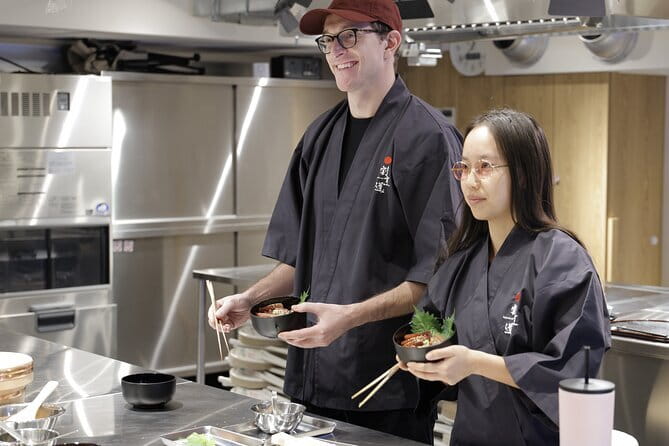
Then comes the fun part: cooking, eating, and connecting the dots.
You practice making zuke-don, a bowl of rice topped with marinated sashimi. It’s usually tuna, but the fish can vary based on availability. You’ll learn the process while the marinating happens, then you assemble your bowl and eat it at the end.
This meal matters because it makes knife skills tangible. Knife work changes texture, and texture changes how fish tastes. When you’ve sliced the sashimi yourself, zuke-don stops being generic Japanese comfort food. It becomes your lunch from start to finish.
The included meal includes:
- the tuna bowl you made
- miso soup
- a tasting of Kappodo original sake
- lunch and drinks during the class
It’s also a nice reset after the sharper edge learning. Sharpening can feel technical. Cooking turns it into something warm, satisfying, and social.
Who teaches it: making foreign visitors feel at ease
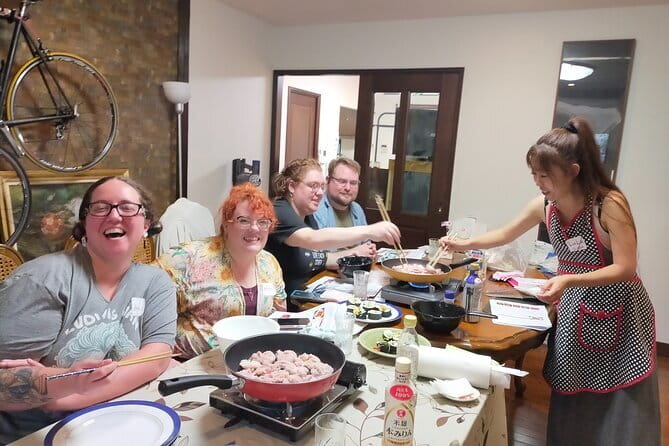
The workshop is designed for an international audience. The class includes a tour guide, and the instruction is available in Japanese and English.
In reviews connected to this experience, the teaching team is described as professional and patient, and that patient, friendly tone matters when you’re holding a knife and trying to learn new motions. You’re more likely to ask questions when the atmosphere feels comfortable.
One real detail that stands out: Chef Naoya and interpreter Hiromi were specifically mentioned as part of the experience, and their combined role is to make both the technique and the cultural explanations clear.
I like that the class aims to make you safe and comfortable while still focusing on real technique. You’re not watered down. You’re guided.
What you actually take away (besides good memories)
Here’s what makes this workshop more than a one-time activity.
You leave with:
- a better understanding of why Japanese knives are treated differently in Japan, including customs around their use
- a new way to think about sharpening, based on whetstone practice
- sashimi cutting technique you can translate into other thin-slicing tasks
- a solid, repeatable lunch idea: zuke-don with marinated sashimi over rice
And you also get a small but satisfying keepsake: a certificate of participation. It’s not a life-changing souvenir, but it marks the fact that you learned a real craft skill, not just attended a show.
Logistics that can affect your day
This workshop runs about 2 hours. That’s long enough to learn and practice, but short enough to fit cleanly into a Tokyo afternoon.
Group size matters here. With a maximum of 8 travelers, you’re less likely to feel lost in a big room, and it’s easier for the instructor to spot what needs correction.
Two more practical notes:
- Private transportation is not included, so plan to get to Nishiazabu via public transit.
- You get a mobile ticket, which simplifies entry.
Also, there’s a 10% off perk at the 1F shop on the same day as your workshop visit. If you end up thinking seriously about buying a knife or related tools, that discount can help soften the cost.
Who should book this, and who might skip it
I think this is ideal for:
- travelers who love cooking and want hands-on skills, not just watching
- people curious about Japanese knives and sharpening methods
- food lovers who want lunch that’s connected to technique
You might choose something else if:
- you’re only looking for a casual taste of Japanese culture
- you don’t want to handle a knife or focus on method
- you expect a long, wandering Tokyo tour day, because this is a focused workshop
Should you book the Tokyo Keen Japanese Knife and Sashimi Workshop?
Yes, if your goal is to leave with real technique and a meal that proves you learned something. The best part is the pairing: sharpening and slicing, followed by zuke-don made from the food you handled. For the price, you’re not just paying for ingredients. You’re paying for instruction time, practice, and tools.
Skip it only if you want a relaxed, low-effort activity. This one is hands-on by design. If that sounds like your kind of Tokyo day, book it early, show up ready to learn, and treat the lunch like the exam you get to enjoy.
FAQ
How long is the Tokyo Keen Japanese Knife and Sashimi Workshop?
The class lasts about 2 hours.
What is included in the price?
Your ticket includes all tools and aprons used in the lessons, a lunch meal (the tuna bowl you make) plus miso soup, tasting of Kappodo original sake, a tour guide, and a certificate of participation. There’s also a 10% discount at the 1F shop on the same day of your workshop visit.
Do I get to cut sashimi, or is it only a demonstration?
You get to use a Japanese knife to cut sashimi as part of the workshop, after watching the instructor’s knife work.
Will I learn how to sharpen a knife?
Yes. You learn how to sharpen a Japanese knife using a whetstone, with instructor help even if it’s your first time.
Is private transportation included?
No, private transportation is not included.
How large is the group?
This workshop has a maximum of 8 travelers.
What is the cancellation policy?
Free cancellation is available. You can cancel up to 24 hours in advance for a full refund. If you cancel less than 24 hours before the start time, the amount paid is not refunded.
Newly listed around Tokyo
- Tokyo Like a Local: Private & Personalised Experience (2-3 hours)★ 4.5 · 81 reviews
- Tokyo Layover 5 Hours Private Tour★ 5.0 · 40 reviews
- Traditional Japanese Comedy, Juggling & Magic Live Show in Tokyo★ 5.0 · 37 reviews
- Tokyo Private Walking Tour with a Local★ 4.0 · 7 reviews
- Tokyo: SEGA Joypolis E-Tickets with Optional Tokyo Metro Pass★ 4.0 · 14 reviews
- Samurai Experience – Learn Bushido through Kendo, in Tokyo★ 5.0 · 88 reviews
- Tokyo private transfer to Haneda Airport (HND)★ 4.5 · 110 reviews
- Tokyo Walking Tour : Sumo, Sushi, Tea, Temples and Tokyo Tower★ 5.0 · 21 reviews
Workshops, compared.
Sushi Making Tokyo Roll and Authentic Japanese Sushi Class
Read our review →
Roll and Authentic Sushi Making Class in Asakusa
Read our review →
Ramen Cooking Class at Ramen Factory in Kyoto
Read our review →
Sushi Making Class in a Happi Coat near a Famous Spot
Read our review →

Tokyo Sushi Making Class in Tsukiji with Professional Chef
Read our review →
Ramen & Gyoza Cooking Class in Tokyo with Local Supermarket Visit
Read our review →Browse the lists this tour appears in