
Review · SAMURAI SWORD & NINJA TRAINING
Samurai Experience – Learn Bushido through Kendo, in Tokyo
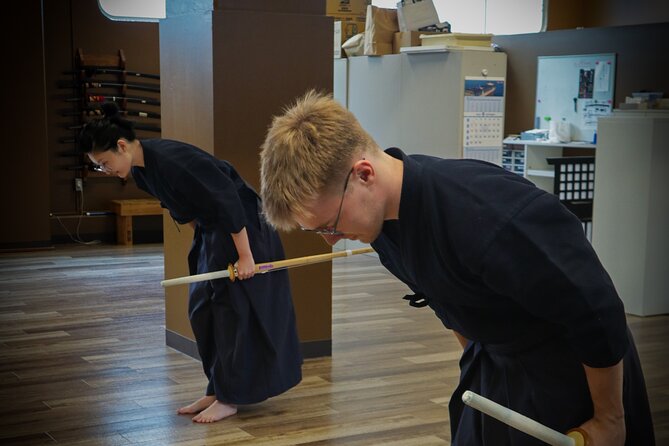
Kendo training in Tokyo turns curiosity into action. I love that this is a hands-on lesson in a working dojo, taught by Daichi, not a performance you sit through. You’ll train with a bamboo sword (shinai) and learn how kendo ties movement to discipline.
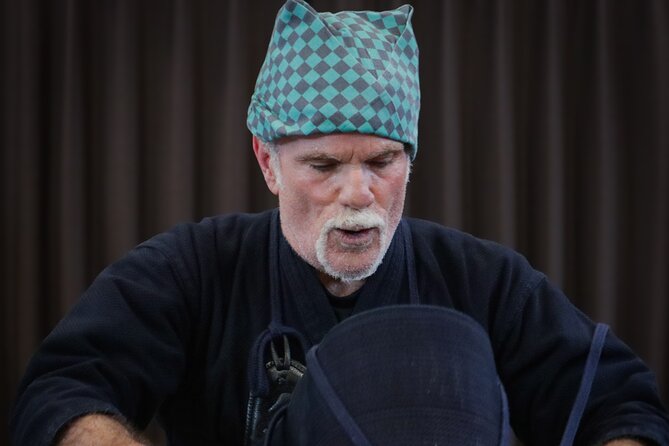
I also like how beginner-friendly the structure feels, with clear coaching and English support so you can actually keep up. You’ll get the basics of posture, focus, and timing, and you’ll even wear the proper kendo gear during the session.
One consideration: this is about core fundamentals in about two hours, so you won’t master advanced techniques or leave as a full kendoka. Still, you should leave with usable form, mental cues, and a taste of what kendo is really like.
In This Review
- Key things that make this Tokyo kendo session worth your time
- Where you meet, how the session starts, and what to expect in the dojo
- Kendo gear, what’s provided, and how to prepare without overthinking
- Daichi’s coaching style, English support, and how learning stays simple
- Bushido in real motion: mind, body, sword
- The training flow inside the session, from basics to a final bout
- Photos and souvenirs: getting proof without turning it into a performance
- Price and value: what $132.14 buys in a two-hour dojo class
- Who should book this kendo session, and who might want a different plan
- Should you book Samurai Experience – Learn Bushido through Kendo in Tokyo?
- FAQ
- Will I get photos or videos from the session?
- Does the instructor speak English?
- Do I need to bring anything for the training?
- What if I’m not athletic or I have no martial arts experience?
- How long is the experience?
- What group size should I expect?
- Where does the experience start and end?
- Is there free cancellation?
Key things that make this Tokyo kendo session worth your time
- Train in a working Japanese dojo with active practitioners, not a stage setup
- Daichi teaches in fluent English, with room for questions
- Small group size (max 8) means you get more hands-on correction
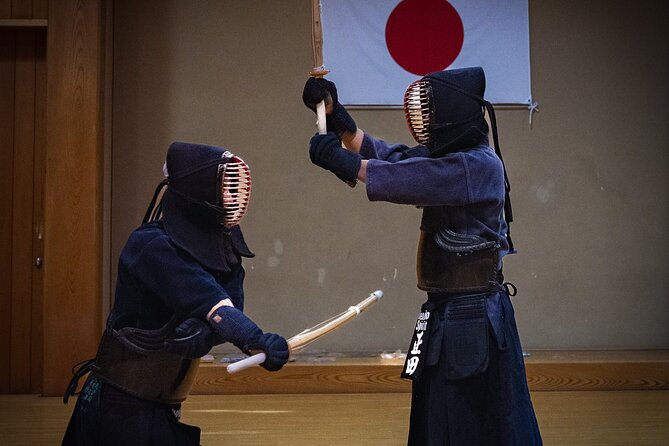
- All the gear is provided, including kendo attire rental and shinai rental
- Photos and videos are taken and sent by email after the session
- You end with a lively partner bout, so the training becomes real fast
Where you meet, how the session starts, and what to expect in the dojo
Your session starts at 10:00 am at Nihonbashikobunachō, Chuo City, Tokyo (Japan, 103-0024). The meeting point is in a specific building address, and it’s also noted as being near public transportation, which matters in Tokyo where getting across town can eat your day.
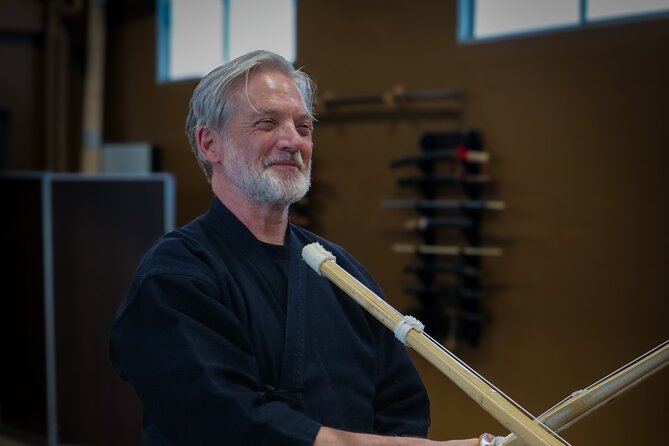
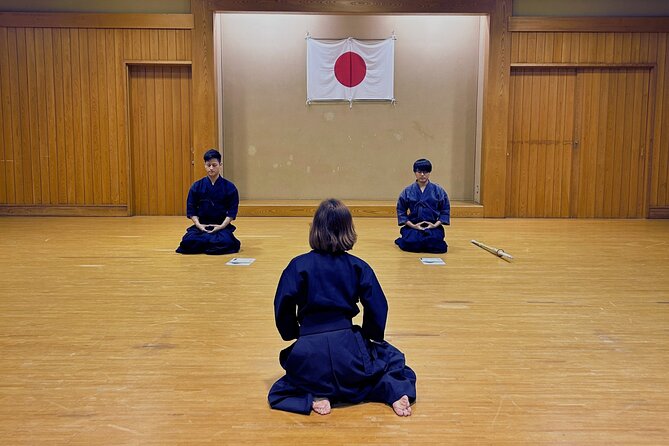
When you arrive, you’re not just “joining a class.” You’re stepping into a real training space where Japanese kendo practitioners work on technique, timing, and focus. Expect a calm, focused atmosphere, and plan to move quickly once the lesson begins. The whole program runs about two hours, so the flow is pretty efficient.
You’ll be part of a small group with a maximum of 8 people. That group size is a big deal for value, because it usually means more personal attention on things like footwork, stance, and how you hold your shinai.
More Samurai & Ninja Sessions in Tokyo
- Tokyo: Samurai Restaurant Show Ticket with 2 Drinks
★ 4.5 · 1,307 reviews - Tokyo: Samurai Ninja Museum Guided tour and Experience
★ 4.6 · 1,010 reviews - Tokyo: Samurai Sword & Archery Class from Samurai Descendant
★ 5.0 · 603 reviews
Kendo gear, what’s provided, and how to prepare without overthinking
Good news first: you don’t need to bring anything for the training itself. The session includes kendo attire rental and a shinai rental, plus bottled water and a souvenir.
If you worry about what to wear, the setup is straightforward. You’ll receive T-shirts and pants to wear under the kendo uniform, so you’re not trying to figure out layers or sweat management at the last minute. You’ll also get the Japanese cultural experience tools used during the session, though the exact items aren’t listed, so just expect some props tied to the lesson.
This is the kind of activity that works well if your trip schedule is tight. You can show up from the day’s sightseeing with minimal prep time, then spend two hours doing something physical and structured.
A small practical tip: wear comfortable shoes for the walk in, and keep your day bag light. Once you’re in uniform, you’ll want to move freely, especially when you shift stance and practice strikes.
Daichi’s coaching style, English support, and how learning stays simple
The instructor for the session is Daichi, and he has 19 years of kendo training as an active practitioner. The important part for you is not the number, it’s what it usually means in class: corrections come from ongoing practice, not just theory.
A huge plus for non-Japanese speakers is that Daichi has overseas work experience and speaks fluent English. That changes everything. You can ask questions, understand what you’re doing, and adjust your posture and timing instead of guessing from gestures.
The teaching approach is also designed for beginners. The FAQ states that over 90% of participants are beginners, and they teach slowly and carefully. In other words, you’re not signing up for a “jump straight into sparring” situation.
From the way the experience is described, you’ll train key elements that connect mind and body: focus, posture, and timing. That’s classic kendo logic. You’re not just swinging a stick. You’re learning how to align intention, movement, and judgment.
Bushido in real motion: mind, body, sword
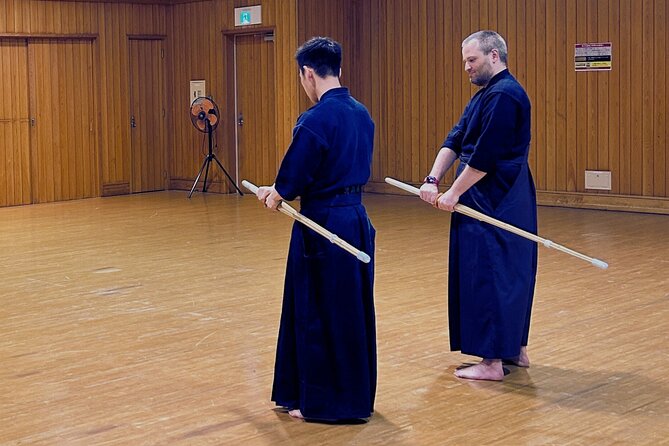
Kendo is often sold as sport, but the spirit side is the point here. The session is framed around learning Bushido through kendo, using the discipline of modern practice to explain older values.
I like that this isn’t presented as abstract philosophy. Instead, you learn how the mindset shows up in physical choices. For example, attention and calm body control affect how your strike lands, how you recover, and how you keep timing with a partner.
The reviews reinforce this theme of mind, body, and sword. Several people highlight that the instructors didn’t just teach the physical moves, they taught the “spirit of kendo” through technique and mental cues. One review even specifically praises how participants learned spiritual and mental aspects along with the physical training.
You’ll also hear context about history and culture behind kendo. It’s not just “do this, do that.” It’s why these practices matter in Japan today, including how discipline and respect shape training behavior inside the dojo.
If you’re used to sightseeing by looking, this is a refreshing shift. You’re trading passive watching for purposeful movement, and you’ll feel the difference in your body and attention.
More Samurai and Ninja sessions in Tokyo:
- Ninja+Kabuki Tokyo
★ 4.5 · 512 reviews - Skip the lines Basic Ticket at SAMURAI NINJA MUSEUM TOKYO
★ 5.0 · 470 reviews - Best Samurai Experience in Tokyo
★ 5.0 · 458 reviews - Tokyo: Legend Samurai Entertainment Night in Kanda Shrine
★ 4.6 · 367 reviews
The training flow inside the session, from basics to a final bout
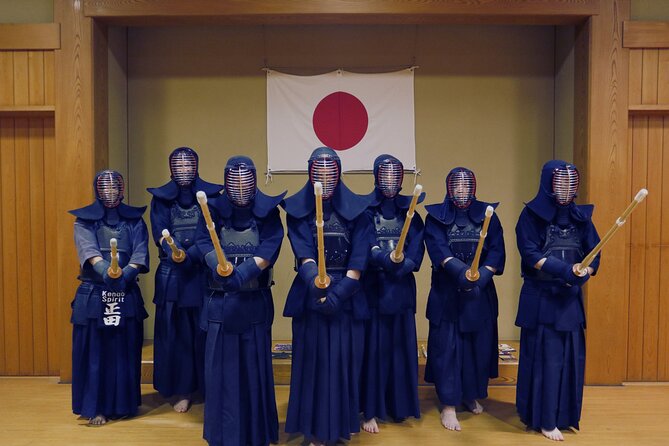
The structure makes sense for a beginner-friendly two hours. You start with posture and fundamentals, then you build. You’ll practice strikes and timing using the shinai, and you’ll get feedback on how you move through each action.
Because the dojo is active and the group is small, you should expect coaching to be direct. Reviews repeatedly mention strong attention from the instructors during training, and people note how involved the session feels, not distant or observational.
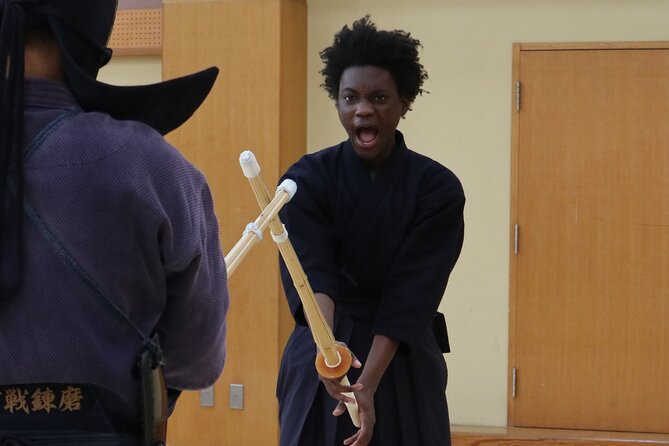
A key moment is the end of the session, where there’s an exciting partner exchange. Some reviews describe a battle at the end, and others mention a duel or match feeling like the payoff. That matters because it turns all the earlier basics into something you have to apply under a bit of pressure.
You also learn something practical you can use later: how to generate power and how to coordinate footwork, torso, and the swing. One review specifically mentions learning how to give a strong hit, and another calls out that the instructors turned in a lot of moves quickly within the two hours.
Even if you’re not athletic, that’s the value of this format. You get enough repetition to leave with real improvements, not just a photo and a story.
Photos and souvenirs: getting proof without turning it into a performance
This experience includes a photographer. You’ll have both photos and videos taken during the session, and you’ll receive the data by email after the experience.
That’s a smart middle ground. You’re not trying to stop practice every five minutes for pictures, and you also won’t leave wondering whether you’ll have memories of the moment you wore the uniform and swung the shinai.
You also get a souvenir as part of the included items. That’s a small cost saver compared with “buy a postcard shop item later,” and it gives you something tangible from the dojo day.
Price and value: what $132.14 buys in a two-hour dojo class
At $132.14 per person for about two hours, this may look high compared with some tours. But the value comes from what’s included, and how much of your time is spent actually training.
Here’s what you get built into the price:
- kendo attire rental
- shinai rental
- Japanese cultural experience tools
- bottled water
- souvenir
- guide
- photo and video coverage (with email delivery)
For many Tokyo activities, the cost is mostly for access and interpretation. Here, you’re paying for gear, time with an instructor, and hands-on coaching in a working dojo setup. The small group limit (max 8) also supports the idea that you’re not stuck in a crowd while an instructor talks at you.
You should also factor in that the session is beginner-friendly. If you’ve ever tried to book a martial arts class in another country, you know the friction can be real. The English support and careful pacing reduce that friction a lot.
Who should book this kendo session, and who might want a different plan
This is a great match if you want a break from typical sightseeing and you’re open to being active. You’ll enjoy it most if you like learning by doing, and if you care about understanding discipline, not just watching swords swing.
It’s also a strong family option based on at least one review mentioning a parent and their 12-year-old child training together. If you’re bringing a teen, you’ll likely appreciate the beginner-friendly approach and the attention from instructors.
It may be less ideal if you want a long, slow cultural walk with plenty of downtime. This is a focused training block, not a leisurely tour. And as mentioned earlier, it’s not a full training program you can treat as a replacement for months of practice. You’ll take home fundamentals, not mastery.
Should you book Samurai Experience – Learn Bushido through Kendo in Tokyo?
If you want one Tokyo experience that trades passive sightseeing for structured physical learning, I think you should book this. The combination of a real dojo setting, Daichi’s English support, beginner-friendly pacing, and included gear makes it a strong value for the time.
I’d book it especially if you’re the kind of traveler who likes “I did something” days, not just “I saw something” days. And if you’re curious about Bushido, this is a practical way to connect the principles to body mechanics and mental focus.
If, on the other hand, you’re hoping for an easy stroll or you want advanced sparring, you might find the basics more appealing than you expected. But for most people, that beginner foundation plus the final partner bout is exactly the right kind of memorable.
FAQ
Will I get photos or videos from the session?
Yes. A photographer will take both photos and videos during the experience, and you’ll get the data by email after the session.
Does the instructor speak English?
Yes. Daichi has overseas work experience and speaks fluent English, so you can ask questions throughout.
Do I need to bring anything for the training?
No. The session includes kendo attire rental, shinai rental, and the cultural experience tools rental. Bottled water is also included.
What if I’m not athletic or I have no martial arts experience?
You can still join. The FAQ says over 90% of participants are beginners, and the group is taught slowly and carefully.
How long is the experience?
It’s about 2 hours (approximately).
What group size should I expect?
There is a maximum of 8 travelers, so the session stays small.
Where does the experience start and end?
It starts at the meeting point in Nihonbashikobunachō, Chuo City (103-0024 Tokyo) and ends back at the same meeting point.
Is there free cancellation?
Yes. You can cancel up to 24 hours in advance of the experience for a full refund. Canceling less than 24 hours before the start time is not refundable.
Newly listed around Tokyo
- Tokyo Like a Local: Private & Personalised Experience (2-3 hours)★ 4.5 · 81 reviews
- Tokyo Layover 5 Hours Private Tour★ 5.0 · 40 reviews
- Traditional Japanese Comedy, Juggling & Magic Live Show in Tokyo★ 5.0 · 37 reviews
- Tokyo Private Walking Tour with a Local★ 4.0 · 7 reviews
- Tokyo Keen Japanese Knife and Sashimi Workshop★ 5.0 · 46 reviews
- Tokyo: SEGA Joypolis E-Tickets with Optional Tokyo Metro Pass★ 4.0 · 14 reviews
- Tokyo private transfer to Haneda Airport (HND)★ 4.5 · 110 reviews
- Tokyo Walking Tour : Sumo, Sushi, Tea, Temples and Tokyo Tower★ 5.0 · 21 reviews
Samurai Sword & Ninja Training, compared.
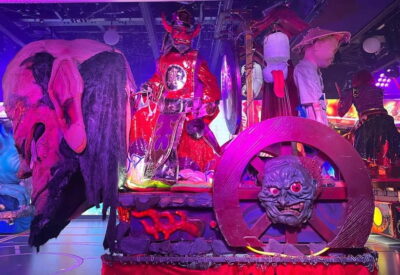
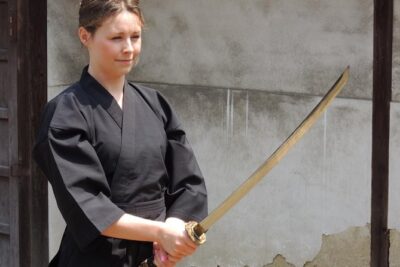
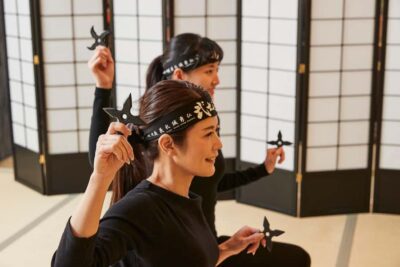
Samurai Ninja Museum Guided tour and Experience
Read our review →
Kendo and Samurai Experience with Uniform and Gear
Read our review →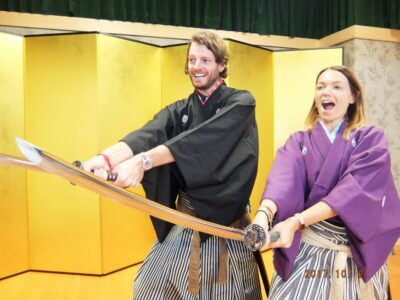
Samurai Sword Class by Experts in Traditional Arts
Read our review →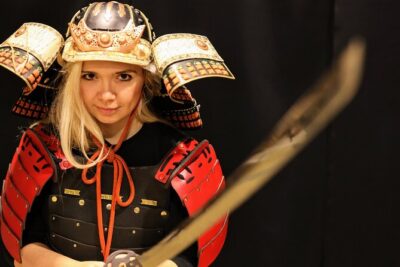
Skip the lines Basic Ticket at SAMURAI NINJA MUSEUM KYOTO
Read our review →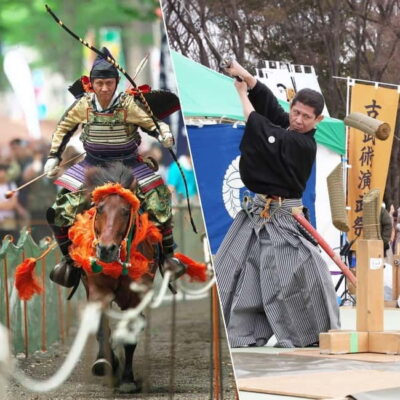
Samurai Sword & Archery Class from Samurai Descendant
Read our review →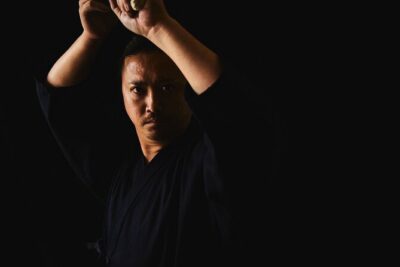
Browse the lists this tour appears in