
Review · JAPANESE COOKING WORKSHOPS
Tokyo: Private Japanese Cooking Class with a Local Chef
Dinner starts at Shinjuku, not a restaurant.
This private Japanese cooking class takes you to Chef Sato’s home kitchen in Shinjuku, where you cook a day-specific menu and learn the why behind Japanese flavors. I like that the setting feels personal and relaxed, and you get hands-on help while everything stays practical.
Two things I especially love: the seasonal menu that changes by day (so you are not always repeating the same “tourist Japan” plate), and the way Chef Sato teaches in clear English with lots of conversation. One consideration is that the menu depends on the weekday, so if you only want one specific dish, tell yourself to check the day schedule before you book.
Why this class feels different from standard food tours
- Home-kitchen cooking with Chef Sato: you cook with a real local host, not behind glass.
- Day-of-week menus: traditional teishoku and home staples on Saturday through Tuesday, with more popular comfort foods midweek.
- 2 to 4 dishes per class: enough time to learn technique, not just assemble food.
- Seasonal ingredients as the point: the class focuses on how ingredients drive the flavor.
- Free drink plus recipes: you get Japanese barley tea, and in many sessions you receive recipe handouts.
- Optional extra outing after morning class: a 1PM to 3:30PM add-on can take you beyond guidebook stops.
In This Review
- Entering Chef Sato’s Shinjuku Apartment Kitchen
- The Day-By-Day Menu System (and What You’ll Actually Cook)
- How the 270-Minute Class Flows, Step by Step
- Cooking With Seasonal Ingredients, Not Fancy Ingredients
- The Meal: Eating Together in a Real Home Setting
- The Optional 1PM to 3:30PM Tokyo Walk After Morning Classes
- Price and Value for a Private 3-Hour Cooking Class
- Who This Class Suits Best (and Who Should Skip It)
- Tips to Make the Most of Your Shinjuku Cooking Day
- Should You Book This Tokyo Cooking Class?
- FAQ
- Where is the meeting point?
- How long is the cooking class?
- What are the class start times?
- Do you cook at home or in a restaurant?
- What kinds of dishes are cooked?
- How many dishes will we make?
- Is there an additional activity?
- What’s included in the price?
Entering Chef Sato’s Shinjuku Apartment Kitchen
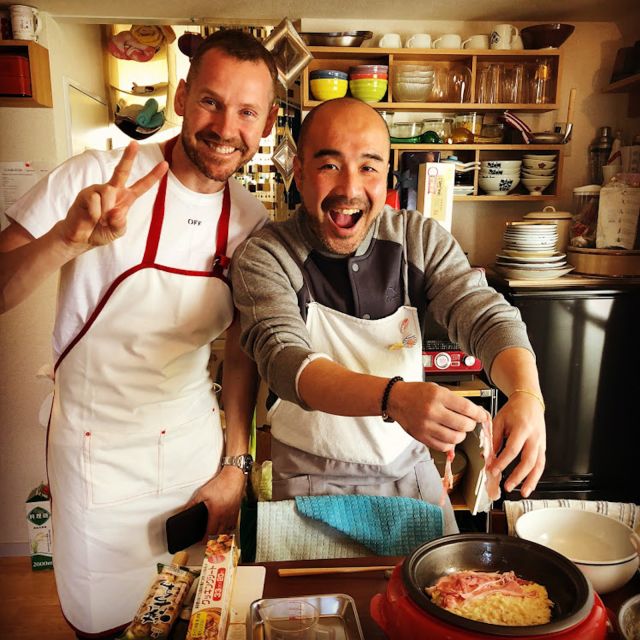
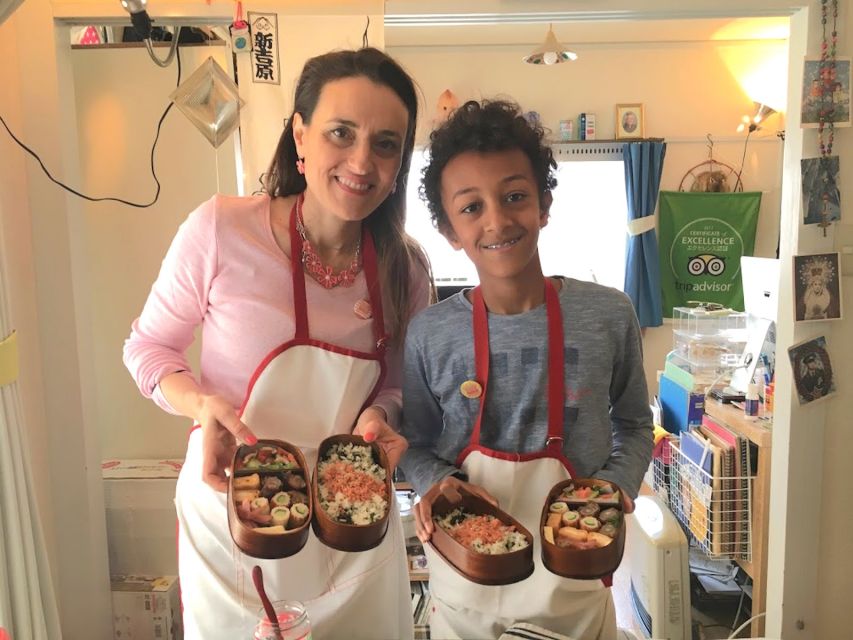
The experience begins at Shinjuku Station, east exit police box, where pickup is arranged from that meeting spot. From there, the group heads to Chef Sato’s place, a cute apartment setting that immediately shifts you from “Tokyo sightseeing” into “Tokyo life.” You are not watching food magic happen at a distance. You are working at a real home table and learning as you go.
Chef Sato’s teaching style shows up in a small but important way: he explains ingredients and cooking logic in English, and he keeps the pace comfortable. That matters because Japanese home cooking often looks simple, but the flavor balance depends on details like seasoning timing and texture. Several past participants described the class as relaxed and friendly, and the common thread is that you get encouraged to participate rather than just observe.
Practical note: you are cooking in a home environment, so you’ll want to come ready to move, chop, and stand for a while. If you prefer a purely hands-off experience, this might feel more active than you expect.
The Day-By-Day Menu System (and What You’ll Actually Cook)
This class uses a weekly rhythm, and it’s the easiest way to understand value. You cook one of the scheduled menus, and you’ll typically prepare 2 to 4 items. That dish count is key: it gives you enough practice to learn technique, while still leaving room to eat the meal together.
Here’s how the menu days work:
Saturday through Tuesday: traditional meal days
You’re looking at classics like teishoku, donburi, obento-style plates, tonjiru, and rice balls, depending on the day. Teishoku is a set meal concept built around rice plus a seasonal main dish and two seasonal side dishes. The backbone is seasonal ingredients, treated as the foundation of the flavor.
Wednesday through Friday: popular food days
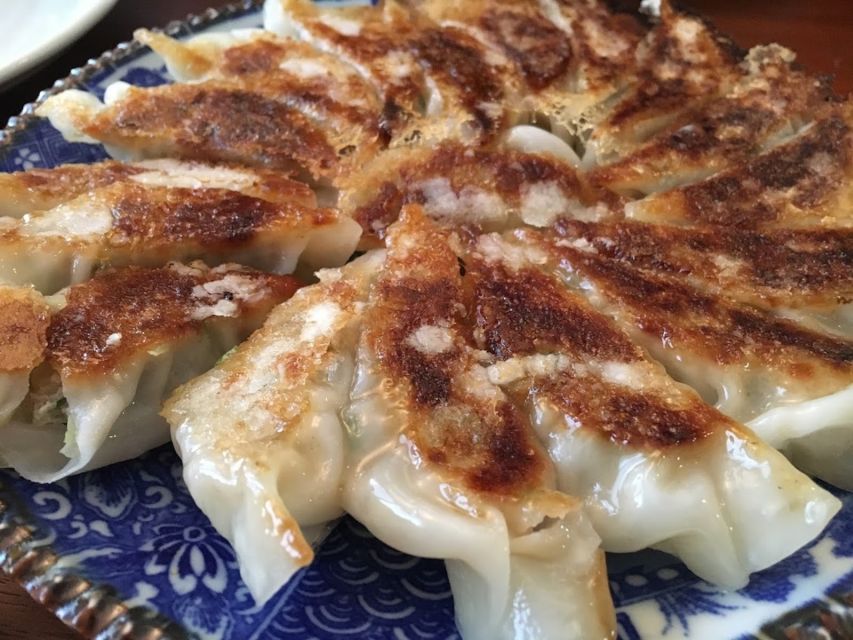
These days lean toward dishes people crave for comfort and everyday joy. You might get teishoku with a fried dish as the main, or options that can include curry rice, okonomiyaki, gyoza, ramen, rice burger, kara-age, or yakisoba.
In real sessions, people have cooked items like gyoza and ramen from scratch, and others described menus that included dishes such as katsu curry over rice, fresh spring tofu salad, chikuwa vegetable appetizers, miso soup, and teriyaki chicken. The takeaway for you is this: you’re not locked into a single “template.” Chef Sato uses the weekday theme, then guides you through what matters for that specific meal.
If you have dietary restrictions, plan to communicate them ahead of time. One participant noted that Chef Sato checked food preferences before class, which is exactly what you want if you need adjustments.
More Cooking Classes in Tokyo
- Ramen & Gyoza Cooking Class in Tokyo with Local Supermarket Visit
★ 5.0 · 823 reviews - Tokyo: Easy Ramen Cooking Experience in Kabukicho, Shinjuku
★ 4.6 · 321 reviews - Ramen and Sushi Cooking Class with Sake Pairing Set in Tokyo
★ 5.0 · 291 reviews
How the 270-Minute Class Flows, Step by Step
The class runs 3 hours (270 minutes), and it splits into two time options. Morning classes run 10:30AM to 1PM, and evening classes run 6PM to 8:30PM. Either way, you are cooking, learning, eating, and then finishing with questions and conversation.
In the morning option, you also get a bonus: an optional short trip from 1PM to 3:30PM. That extra time is the difference between “I made a meal” and “I also understand the neighborhood.”
Inside the kitchen, the learning is mostly technique and taste, not memorization. People described participating in chopping, seasoning, and prepping rather than following a script. That’s why dish count matters. When you make 2 to 4 items, you get repetition with real outcomes: you see how a sauce thickens, how dumpling wrappers behave, and how noodle texture changes as ramen comes together.
You will also likely hear cooking philosophy as you go. Multiple participants said Chef Sato shared the significance of Japanese cooking and tied it back to seasonal ingredients and family influence. Even if you’re not a “food philosophy” person, those explanations help your brain connect steps to results, which makes it easier to recreate the dishes later.
Cooking With Seasonal Ingredients, Not Fancy Ingredients
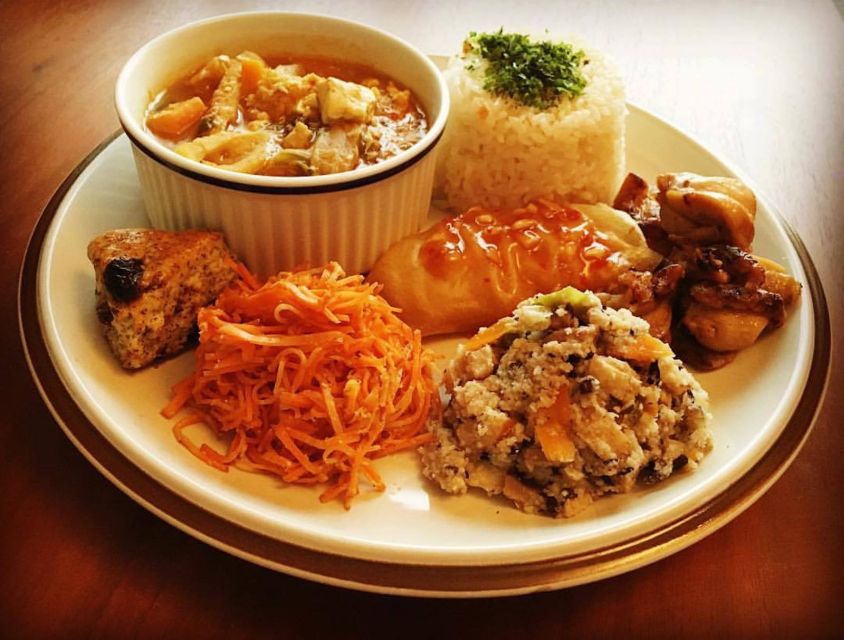
The phrase seasonal ingredients comes up for a reason. Japanese home cooking often isn’t about rare imports. It’s about choosing ingredients that fit the time of year and letting that freshness do work in the dish.
Chef Sato’s approach is very practical. Instead of treating ingredients like decoration, he connects them to flavor and texture. Past participants mentioned learning how meals differ from what they were used to at home, including how Japanese seasoning works and how the same “simple” ingredients can taste completely different with the right balance.
One review also mentioned handouts and recipe notes, plus little problem-solving moments like learning how to prep potatoes properly. That kind of detail is gold if you plan to cook after your trip, because it’s exactly the stuff you forget unless someone shows you in the moment.
And because you are cooking at home, you get a feel for portioning and how dishes fit together. A Japanese meal is often a set of tastes, not just one main event. When you build that rhythm in your own kitchen later, your results tend to improve fast.
The Meal: Eating Together in a Real Home Setting
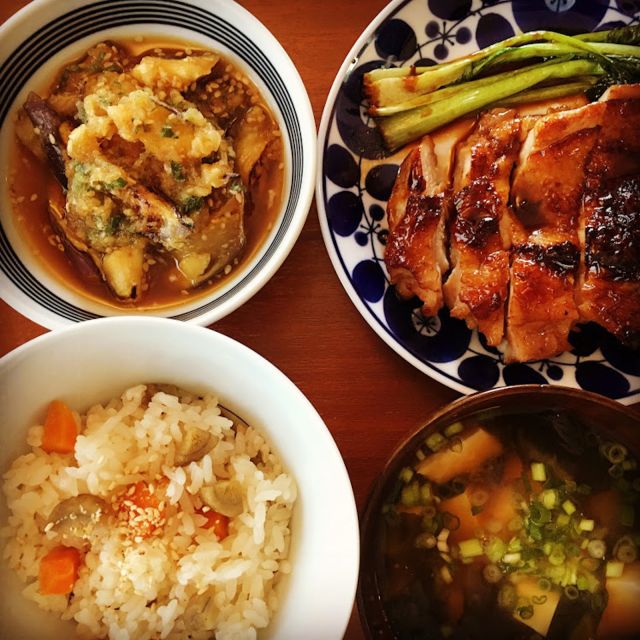
The meal is not an afterthought. After cooking, you sit down and eat the dishes you helped make, in the same home setting where you cooked.
This is where the experience becomes more than food technique. Several past participants described the atmosphere as welcoming and natural, like being invited into a friend’s home rather than attending a staged demo. People specifically mentioned Chef Sato’s warmth, conversation, and the comfort of the pace.
A few examples from what participants reported include tasting homemade miso made by his family, plus eating a full course style lunch. Even when the menu changes by weekday, the “eat what we made together” piece stays consistent.
If you like food that’s both comforting and structured, this works well. You’ll often get rice as the base, plus a seasonal main and sides on traditional days. On popular food days, the balance shifts toward familiar cravings like fried items, ramen, or gyoza, but the lesson still centers on how Japanese flavors come together.
More Cooking Workshops in Tokyo
- Tokyo: Wagyu and 7 Japanese Dishes Cooking Class
★ 4.9 · 273 reviews - Tokyo Washoku 4-hour Cooking Class: From Market to Table
★ 5.0 · 253 reviews
The Optional 1PM to 3:30PM Tokyo Walk After Morning Classes
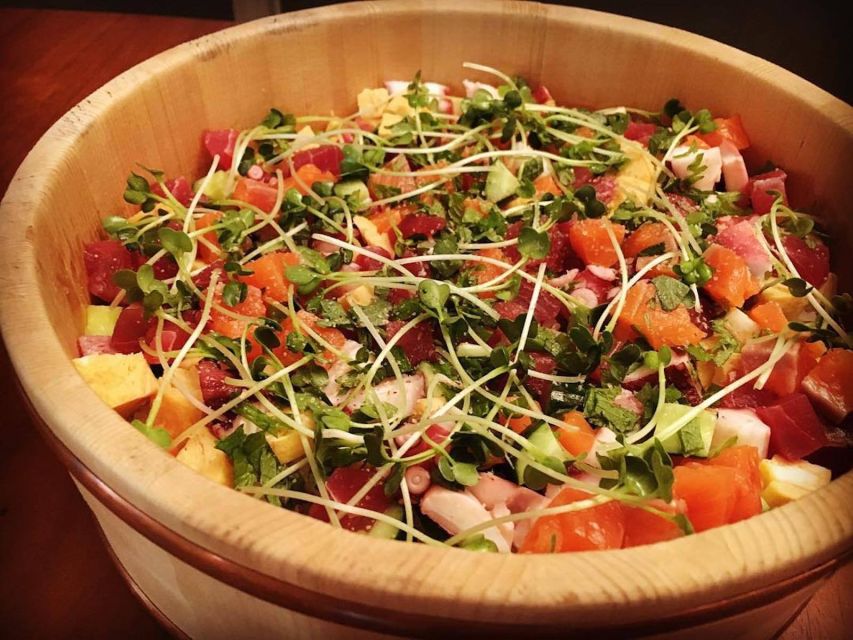
If you book the morning slot, you get something extra: an optional short trip from 1PM to 3:30PM, included as a daily add-on. The idea is simple. You’ve just spent time learning how Japanese ingredients and daily life connect. Now you get to see the neighborhood in a more local way.
What makes it special is the way Chef Sato is described as pointing out places you would likely miss on your own. In at least one experience, the route included not just Shinjuku but also Nakano style stops, with “awesome places” that people felt weren’t in typical guide plans.
The practical benefit for you is orientation. After this, you’re better at navigating Tokyo with your own eyes. You’ll remember the vibe of the area, what streets feel like at different times, and which spots are worth a second look for dinner or a dessert run.
If you’re booking the evening class only, you still get the cooking and the home atmosphere. The extra outing is tied to the morning schedule, so plan your day around that if you want both cooking and neighborhood time.
Price and Value for a Private 3-Hour Cooking Class
At $120 per person for about 3 hours, this is not the cheapest way to eat in Tokyo. But it’s also not trying to compete with a casual meal out.
Here’s why it can still feel like good value:
- Private group format: you get individualized interaction with Chef Sato and can ask questions as you cook.
- Meals included: you eat what you make, and it’s built around Japanese meal structure.
- Free drink: Japanese barley tea is included.
- English instruction: you’re not translating on your own while food moves fast.
- Pickup at the meeting point: you start at Shinjuku Station, east exit police box, and then you’re taken to the apartment.
If your main goal is learning how to cook, the value is better than it looks. A restaurant meal gives you food. A cooking class gives you technique you can reuse. Many participants said they couldn’t wait to make the recipes back home, and that usually happens when the learning is hands-on and the teaching is clear enough to replicate.
The only real “watch-out” is dish preference. Because the menu changes by day, you’ll want to check what day you’re booking. If you’re chasing one specific dish, you may need to align your schedule with the weekday menu theme.
Who This Class Suits Best (and Who Should Skip It)
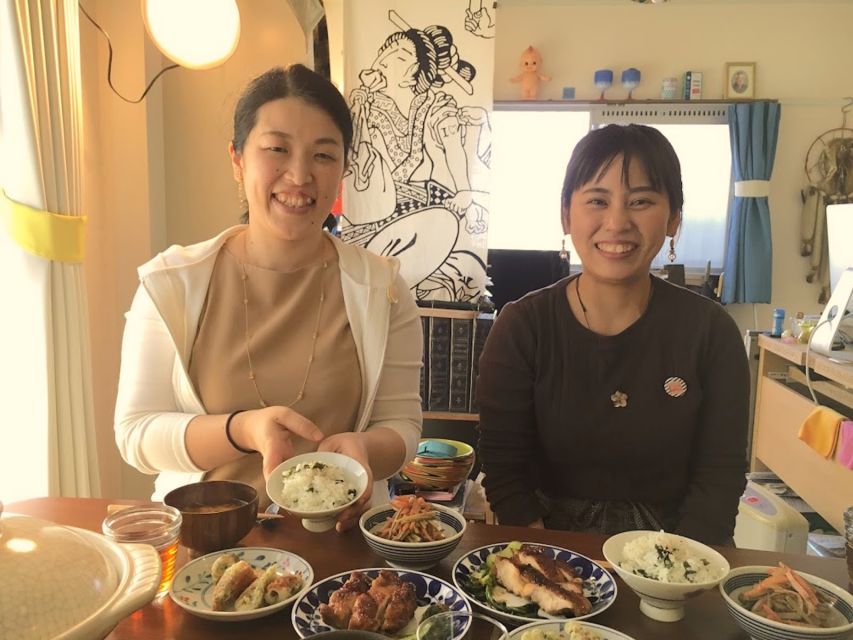
This class fits best if you want an authentic-feeling Tokyo day that connects food with daily life. It’s ideal for:
- Couples or small groups who want a private experience rather than a crowded class
- Beginner to intermediate home cooks who want clear guidance and ingredient logic
- Food lovers who like seasonal eating and want to cook beyond just sushi and tempura
You might skip it if:
- You want a fast, checklist style activity with lots of sightseeing and minimal kitchen work
- You’re not comfortable cooking for a few hours, even in a friendly home setting
- You need strict menu guarantees for specific dishes or allergies, since the class follows the day schedule and uses seasonal ingredients
A smart approach is to message Chef Sato about preferences and restrictions before you go, and treat the weekday menu as a starting point, not an absolute promise.
Tips to Make the Most of Your Shinjuku Cooking Day
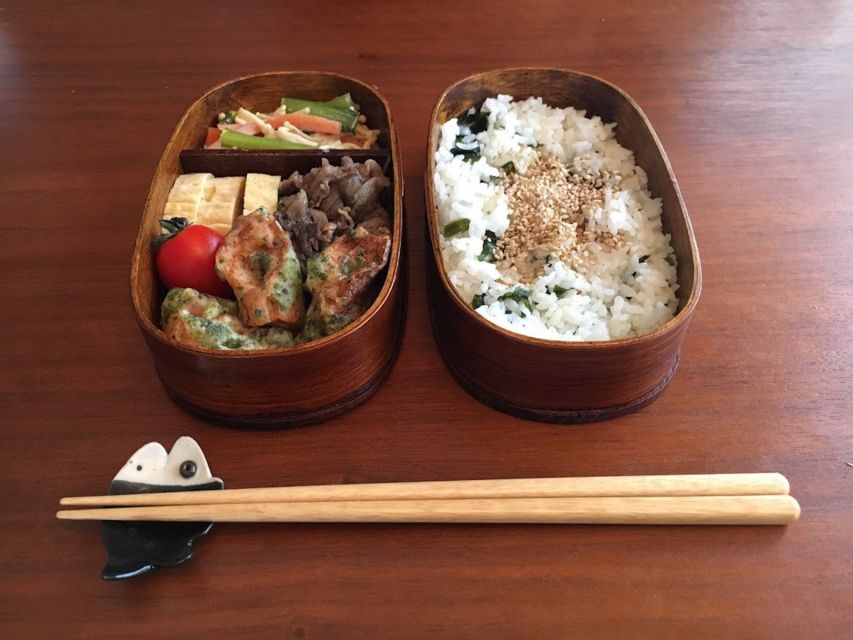
Before you go, aim for this mindset: you are there to learn technique, not just collect photos.
Here are practical tips that match how the class is described:
- Ask questions while you cook. Chef Sato explains steps in English, and he seems to encourage interaction.
- Pay attention to timing and seasoning. Several people said the flavors felt unlike what they were used to, which usually means details matter.
- Use the recipes afterward. Handouts were mentioned in multiple sessions, so treat them as your future cooking plan.
- Choose morning if you want the extra Tokyo walk. The 1PM to 3:30PM outing can add real neighborhood context.
- Tell him your food preferences. At least one class included tailoring before arrival, which is helpful if you have likes or dislikes.
Also, come with a simple hunger plan. You’ll be eating what you cook, so avoid scheduling another big meal right after, especially if you take the morning class and the optional walk.
Should You Book This Tokyo Cooking Class?
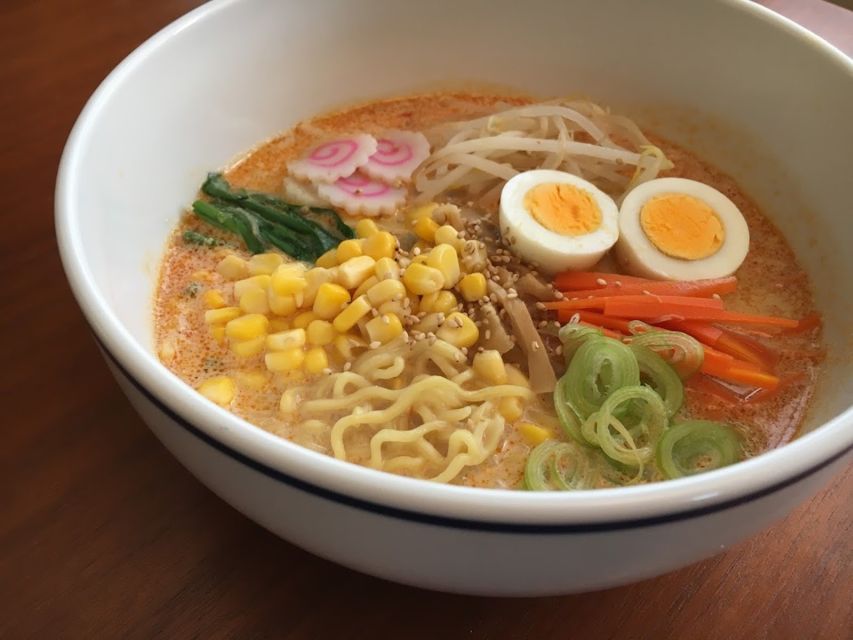
Yes, if you want a Tokyo experience that feels personal, practical, and rooted in how people actually eat at home. The private setting with Chef Sato, the seasonal menu system, and the hands-on cooking with English support are the reasons this consistently earns top marks.
I’d book it especially if you enjoy learning and you plan to cook again later. The class is built for people who want more than taste, they want technique and clarity.
But if you only care about a single dish and your schedule can’t line up with the weekday menu, double-check the day you’re booking and message for fit. Also, remember it’s a home-kitchen experience, so you’ll be participating, not just watching.
If that sounds like your kind of Tokyo day, this is an easy “yes” to add to your trip.
FAQ
Where is the meeting point?
You meet at Shinjuku Station east exit police box, 3-38-38-1, Shinjuku, Shinjuku-ku, Tokyo 160-0022, Japan.
How long is the cooking class?
The class is about 3 hours, listed as 270 minutes.
What are the class start times?
There are two time options: a morning class from 10:30AM to 1PM, and an evening class from 6PM to 8:30PM.
Do you cook at home or in a restaurant?
You cook in Chef Sato’s apartment in Shinjuku, in a home-kitchen setting.
What kinds of dishes are cooked?
The menu changes by day of the week. Traditional meal days (Saturday to Tuesday) focus on set meals like teishoku, donburi, and items such as tonjiru and rice balls. Popular food days (Wednesday to Friday) include dishes such as curry rice, okonomiyaki, gyoza, ramen, kara-age, and yakisoba.
How many dishes will we make?
You will cook one of the menus with 2 to 4 items.
Is there an additional activity?
After the morning class, there is an optional short trip from 1PM to 3:30PM, which goes to places not found in guidebooks.
What’s included in the price?
Included are meals, Japanese barley tea (free drink), and pickup at the meeting point. The class is taught in English by the instructor.
Newly listed around Tokyo
- Tokyo: FC TOKYO Football Game at Ajinomoto Stadium★ 4.8 · 58 reviews
- Expert Anime Guide in Akihabara with a maid witch★ 4.9 · 19 reviews
- Experience Crafting a Flower-Adorned Mini Japanese Garden★ 4.7 · 15 reviews
- Old and Nostalgic Tokyo: Half-Day Yanaka Walking Tour★ 4.9 · 30 reviews
- Exclusive Tokyo Ramen Kitchen Experience★ 4.7 · 34 reviews
- Eat/Drink like a LOCAL-Taverns & Ramen★ 4.9 · 23 reviews
- Private Edo-Tokyo Open Air Architectural Museum Tour★ 4.8 · 15 reviews
- Nikko: Edo Wonderland Edomura Cultural Theme Park Ticket★ 4.3 · 205 reviews
Japanese Cooking Workshops, compared.
Ramen Cooking Class at Ramen Factory in Kyoto
Read our review →
Ramen & Gyoza Cooking Class in Tokyo with Local Supermarket Visit
Read our review →
Ramen Cooking Class at a Ramen Factory with Souvenir
Read our review →
Japanese Washoku Bento Small Group Cooking Class
Read our review →

Sumo Stage Show with Bento or Snack + Fight & Photo
Read our review →
Ramen and Sushi Cooking Class with Sake Pairing Set in Tokyo
Read our review →Browse the lists this tour appears in