Review · TICKETS
Tokyo: Robot Piloting Attraction Ticket
Giant-robot time takes over your body. At MOVeLOT in Ryogoku, you step into a story about protecting a base from alien attacks, then get guided, step-by-step robot control. The hosts, including Tomo (and team members like Atsu), make it feel like you are part of the project, not just watching it.
I especially love the mix of VR action and real mechanics. You start with VR shooting games, then you move to hands-on tasks where you program how the robot launches and handles targets. You end up doing more than pressing buttons, you learn the logic behind the experience.
One heads-up: the robot is a prototype, so your piloting time is limited and the mech can’t do full locomotion. The legs are removed, and right now you mainly move the arms and shoot the blasters, so expectations should stay grounded.
In This Review
- Key takeaways before you go
- Ryogoku check-in: getting set up in the Robot Base world
- VR shooting games: the fun warm-up that actually prepares your brain
- Programming the robot launch: your mini engineer moment
- Your robot piloting time: what ASTRO can do right now
- The prototype setup: why limitations still feel worth it
- Pricing and value: why $32 can make sense here
- Timing and logistics: how to get the best 50 minutes
- Who should book, and who should skip
- Should you book the Robot Base pilot experience?
- FAQ
- How long is the Robot Base Lab experience?
- Where is the meeting point?
- What is included in the price?
- How long do I get to pilot the robot?
- What can the robot do during the prototype phase?
- Do I need to speak Japanese to participate?
- What should I bring with me?
- Are there age or size limits?
- Is the experience accessible for everyone?
- Is overseas insurance required?
- What is the cancellation policy?
Key takeaways before you go
- A human-piloted robot experience in a small Tokyo lab near Ryogoku Station
- VR shooting games that lead naturally into controlling a real machine
- Hands-on programming for launch and control, so you are not just along for the show
- Limited robot functions right now (arms and blasters, prototype stage)
- About 10 minutes piloting per person, which can shrink if your group is 4
- Friendly English and Japanese guidance, from people actively building the tech
Ryogoku check-in: getting set up in the Robot Base world
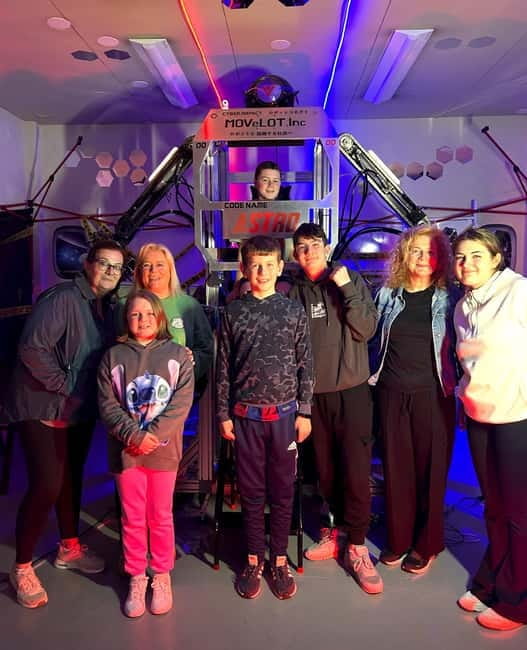
Your session starts at the Robot Base / MOVeLOT株式会社 site. The practical detail that matters here is location: it’s about a 7-minute walk from Toei Ryogoku Station (Oedo Line), exit A3, or around 13 minutes from JR Ryogoku Station. Build in a few extra minutes if you are mixing train lines or arriving from a busy day of Tokyo walking.
Once you arrive, you will do a quick photo stop and safety briefing before the fun begins. This part is not just formalities. It sets expectations for how the robot works, where your movement boundaries are, and what the staff need you to do to keep the demo running smoothly. That matters because the space is tight and the robot is physically big.
In the reviews, the hosts come up again and again for the same reason: they are cheerful, organized, and ready to help people get it fast. Tomo in particular is mentioned as welcoming and very helpful, including for guests who were bringing kids who already knew VR controls.
A few more Tokyo days to weigh up
- Mt Fuji and Hakone 1-Day Bus Tour Return by Bullet Train
★ 5.0 · 26,383 reviews - 1-Day Tokyo Bus Tour
★ 5.0 · 14,250 reviews - Tokyo: TOKYO SKYTREE® Admission ticket
★ 4.5 · 11,192 reviews
VR shooting games: the fun warm-up that actually prepares your brain
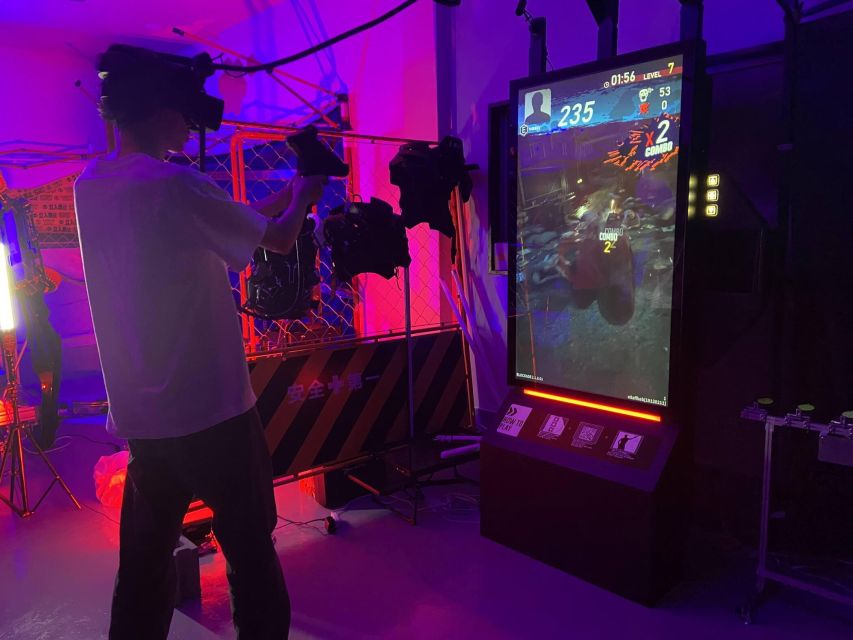
Right after you get your bearings, you jump into VR shooting games. Think of this as the warm-up that trains your timing and aim before you touch the real mech. The experience is built like a story ramp, you go from arcade-style action to mission-style control, then to actual robot piloting.
Several people describe the VR as exciting but also easy to adapt to, even if you are not a hardcore gamer. That is a big deal for value. A lot of tech experiences fall apart for first-timers, but this one is set up so you can participate without a steep learning curve.
Also, you should know what type of session this is. You are not watching a lecture. You are actively doing VR missions, then moving to programming and robot control. In a short slot, the structure is the whole point.
Programming the robot launch: your mini engineer moment
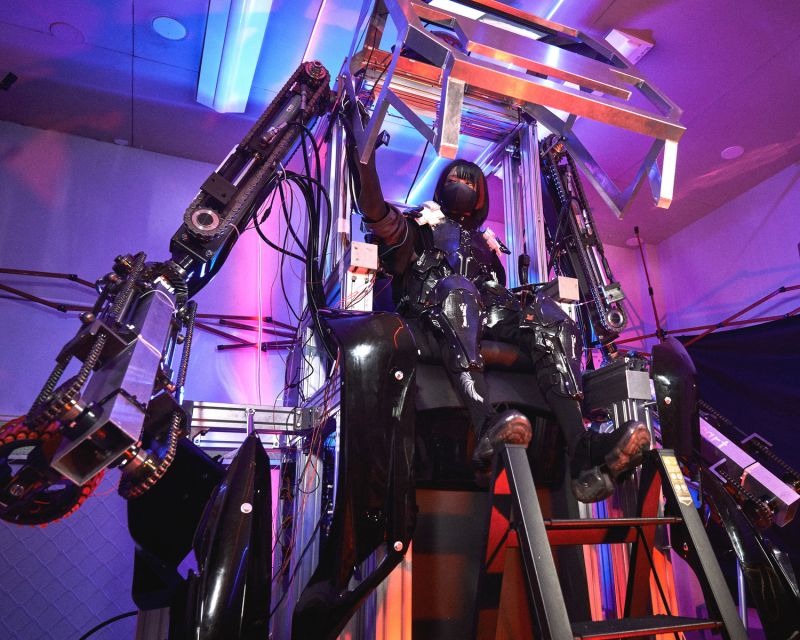
Next comes the part that makes this more than a gimmick: programming the robot launch. You do not need a robotics degree. You get hands-on with how the controls translate into behavior, and the staff help you set it up so you can succeed.
Some guests also mention a Lego Technik style mini build where you program controls using a laptop. Even if your exact sub-activity varies by session, the theme is the same: you are learning the idea of control mapping, not just pushing a joystick in the moment.
Why I like this step for you: it gives context. When you later move the real robot arms and shoot, it makes sense why the motions happen the way they do. You get a taste of the future without the whole experience turning into pure fantasy.
Your robot piloting time: what ASTRO can do right now
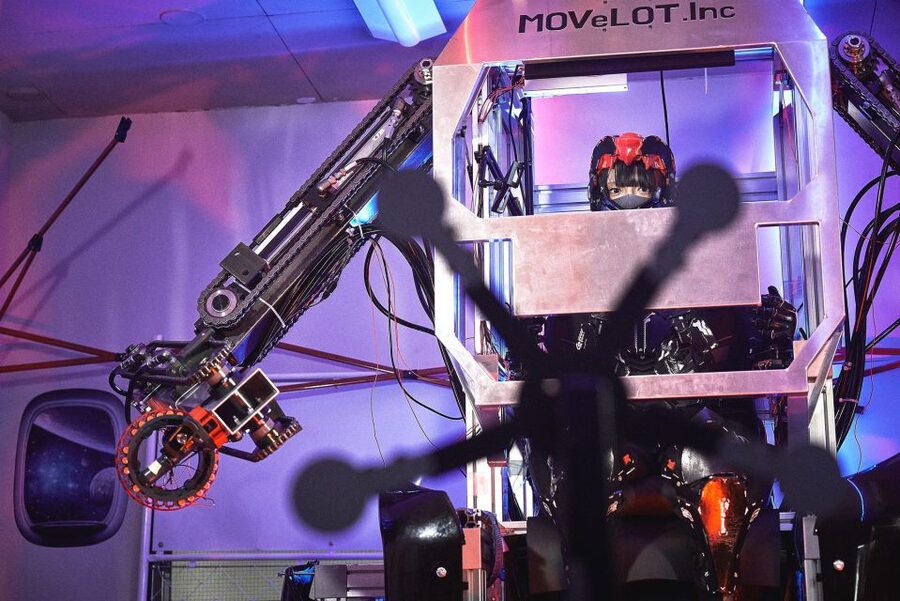
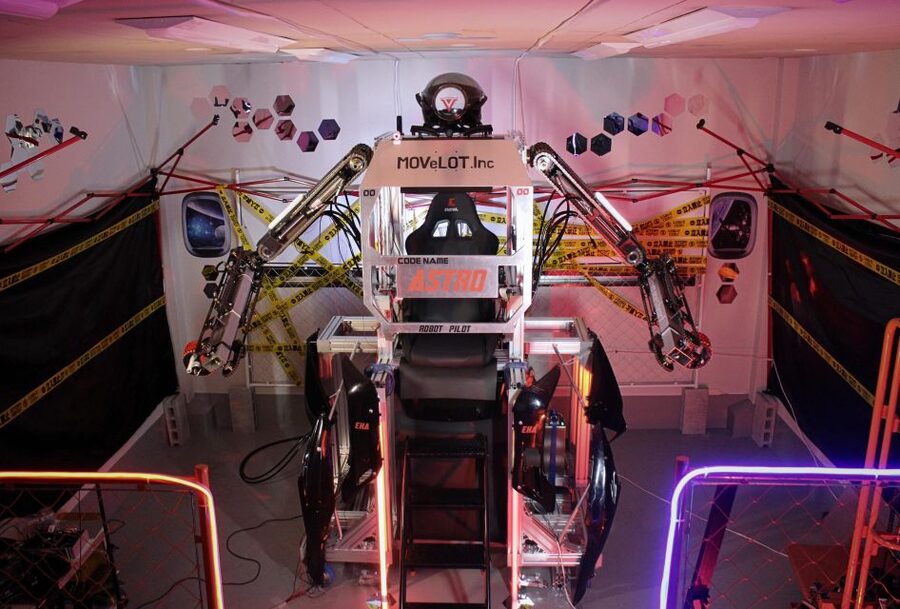
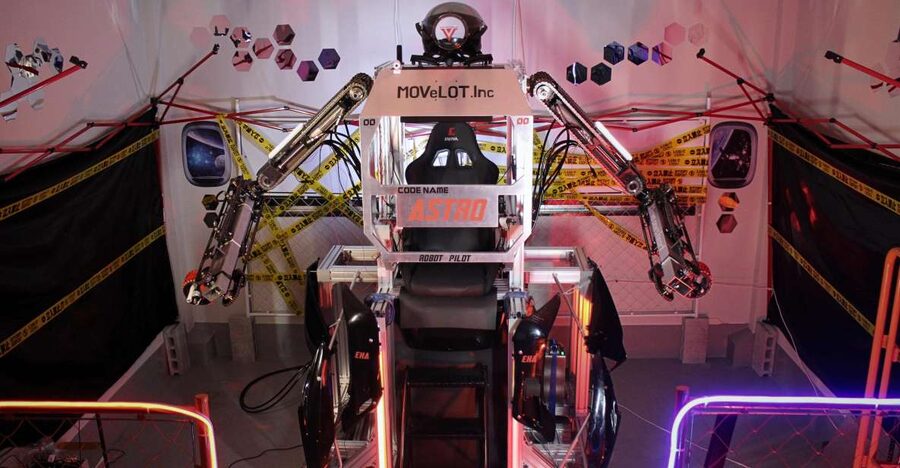
The main event is getting into the pilot role with the robot prototype, with the story framing it as eliminating threats around a hangar and preparing for an enemy attack. You get transported into the plot, then you activate and pilot the robot prototype, described as ASTRO.
Here is the practical reality: the robot is still in the first phase of development. That means your piloting controls are limited. The legs have been removed to fit the lab setup, and at the moment you can mainly:
- Move the arms
- Shoot the blasters
You should treat it like a targeted, action-heavy demo, not a full mech sim. The payoff is that you are controlling a real, human-piloted machine with staff guidance, not just playing a video.
The piloting portion is about 10 minutes per person. If your group is at the maximum size of 4, you should expect that your piloting time can be shorter. The staff keep the session on time because the time slot cannot be extended for late arrivals.
One more helpful tip: the lab space is small. You need to follow staff instructions for your position and your movements. It is not about being nervous, it is about preventing accidents and keeping the prototype safe.
A different sort of day in Japan:
- Tokyo: teamLab Planets TOKYO Digital Art Museum Entry Ticket
★ 4.6 · 9,779 reviews - Mt Fuji & Hakone Cruise, Drum Show Bullet Train 1 Day from Tokyo
★ 4.0 · 7,413 reviews - Tokyo: Sumo Show Experience with Chicken Hot Pot and a Photo
★ 4.8 · 6,678 reviews - Tokyo: Shinjuku Food Tour (13 Dishes at 4 Local Eateries)
★ 5.0 · 6,603 reviews
The prototype setup: why limitations still feel worth it
This is where you should calibrate expectations, and it affects whether you will feel satisfied or slightly disappointed.
On the downside, the prototype limits what you can do. You cannot walk, you cannot strafe with full-body movement, and you are not driving a complete humanoid platform with legs. If you came in expecting full arm-and-leg mecha control, you will feel the gap.
On the upside, those limits are part of the story of robotics development. This is a first-phase system, and you get to see and feel how stage one works in real life. You are also learning the constraints that engineers deal with, including how a robot fits into a specific lab environment.
And in the reviews, people who come back say they can see progress over time. That is the best argument for this experience: you are visiting a working R&D effort, so the demo can improve between visits.
If you are a Gundam, anime, VR, or mechatronics fan, this format lands. You get science plus story plus hands-on control in one short session.
Pricing and value: why $32 can make sense here
The ticket is about $32 per person for a 50-minute experience. On paper, that sounds like a short window, and it is. But for this kind of attraction, the price makes sense because you are not paying only for a ticket to a room.
You are paying for a real facility built around:
- VR shooting games
- Programming tasks tied to robot launch control
- Robot piloting time with staff coaching
- A fully framed story experience that connects the parts
Also, the group size is limited to 4 participants, which helps you get attention rather than being lost in a crowd. When a tech activity is too crowded, it becomes a slow line of waiting. Here, the structure tries to keep you moving.
If you can spare the time and you want something unusual in Tokyo that is not just another photo stop, this is a strong value for the novelty and hands-on element.
Timing and logistics: how to get the best 50 minutes
Because the session is short, your biggest enemy is being late. Staff guidance says the time slot cannot be extended for late arrivals, so you should aim to arrive a bit early and check in right away.
Also, plan for comfort. Bring comfortable shoes, and have a drink since you will be standing and moving in a controlled lab area. Check-in requires an ID or passport, so do not pack it too deep in your bag.
One more practical point from the way the experience is run: people note there is limited waiting space. So if you arrive too early, you might end up killing time nearby at a cafe. The upside is that Ryogoku has plenty of nearby options, so you can do a quick coffee stop while your slot approaches.
Who should book, and who should skip
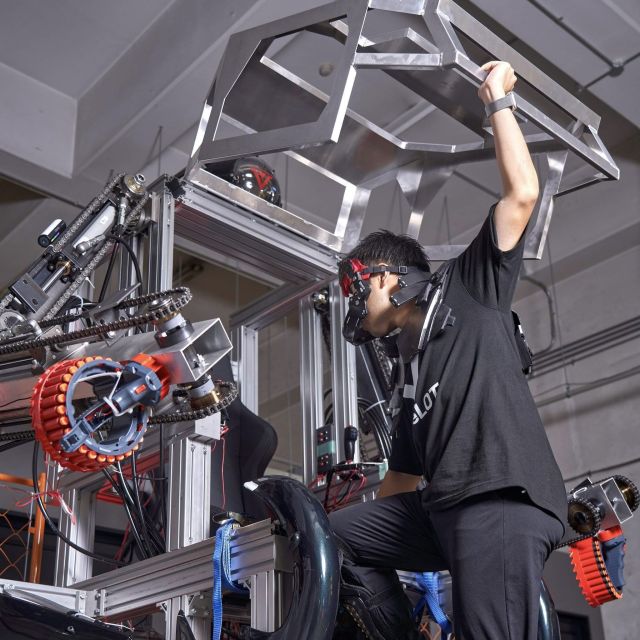
This is best for people who like doing, not just watching. You will likely enjoy it if you:
- Love VR gaming and want a VR-to-real-tech bridge
- Are curious about robotics and control systems
- Enjoy anime-style story setups
- Like hands-on building or programming elements
It is not a good fit if you are in the excluded groups listed by the experience:
- Children under 11
- People under 110 cm (3 ft 6 in)
- People over 100 kg (220 lbs)
- Pregnant women
- People with mobility impairments
If any of those apply, skip this one and look for a different Tokyo activity that matches your needs better.
And a note on safety: the facility takes precautions, but they require visitors to have overseas insurance in case of injury. If you are traveling without coverage that works in Japan, check your policy before you go.
Should you book the Robot Base pilot experience?
Yes, I think you should book it if you want a genuinely hands-on Tokyo tech experience with a story on top. The highest praise points are consistent: the VR is fun, the programming part gives it meaning, and the robot piloting is a memorable thrill because it is real, not pretend.
Book with realistic expectations: you are piloting a prototype with arm and blaster control, not a full walk-and-fight mech. If that limitation sounds fine, you will probably come out feeling like you saw the future in motion, with friendly people guiding you the entire way.
If you want the full mecha fantasy of full-body movement, you might leave wanting more. In that case, treat this as a smart, early-stage look at where robotics demos are headed, not the final version.
FAQ
How long is the Robot Base Lab experience?
The ticket duration is listed as 50 minutes total.
Where is the meeting point?
Check in at MOVeLOT. It’s about a 7-minute walk from Toei Ryogoku Station (Oedo Line) exit A3, or about 13 minutes from JR Ryogoku Station.
What is included in the price?
The ticket includes a 50-minute entry to a robotics development facility, VR shooting games, programming the launch of the robot, and a robot pilot experience.
How long do I get to pilot the robot?
The robot piloting experience is about 10 minutes per person. If your group is larger, your time may be shorter.
What can the robot do during the prototype phase?
Right now, you can mainly move the arms and shoot the blasters. The robot legs have been removed to fit the lab.
Do I need to speak Japanese to participate?
No. The instructor is available in English and Japanese.
What should I bring with me?
Bring a passport or ID card, comfortable shoes, and drinks.
Are there age or size limits?
Yes. It is not suitable for children under 11, people under 110 cm, and people over 100 kg.
Is the experience accessible for everyone?
The information lists it as not suitable for people with mobility impairments.
Is overseas insurance required?
Yes. Even with safety measures in place, visitors must have overseas insurance in case of injury.
What is the cancellation policy?
There is free cancellation up to 24 hours in advance for a full refund, and you can use reserve now and pay later to keep plans flexible.
Newly listed around Tokyo
- Tokyo: Sumo Morning Practice Tour in Ryogoku and Photo Shoot★ 4.7 · 47 reviews
- Tokyo: Sumo Morning Practice with journalists. Not fake show★ 4.9 · 121 reviews
- Tokyo Sumo Morning Practice: Witness the Life of a Wrestler★ 4.8 · 56 reviews
- Tokyo Sumo Morning Practice: Viewing & Exclusive Interaction★ 4.9 · 74 reviews
- Tokyo: Morning Sumo Practice Viewing★ 4.8 · 136 reviews
- Tokyo: Sumo Morning Practice Viewing Tour at a Real Stable★ 4.9 · 32 reviews
- Tokyo: Snow Monkey Park and Zenkoji Temple Private Day Tour★ 4.7 · 127 reviews
- Tokyo: Skytree and Tokyo Tower Helicopter Tour★ 5.0 · 8 reviews
Tickets, compared.

teamLab Planets TOKYO Digital Art Museum Entry Ticket
Read our review →


Japanese Dance Cabaret Theater Asakusa-Kaguwa Ticket
Read our review →