
Review · SAMURAI SWORD & NINJA TRAINING
Tokyo: Samurai Adventure! Authentic Sword Experience
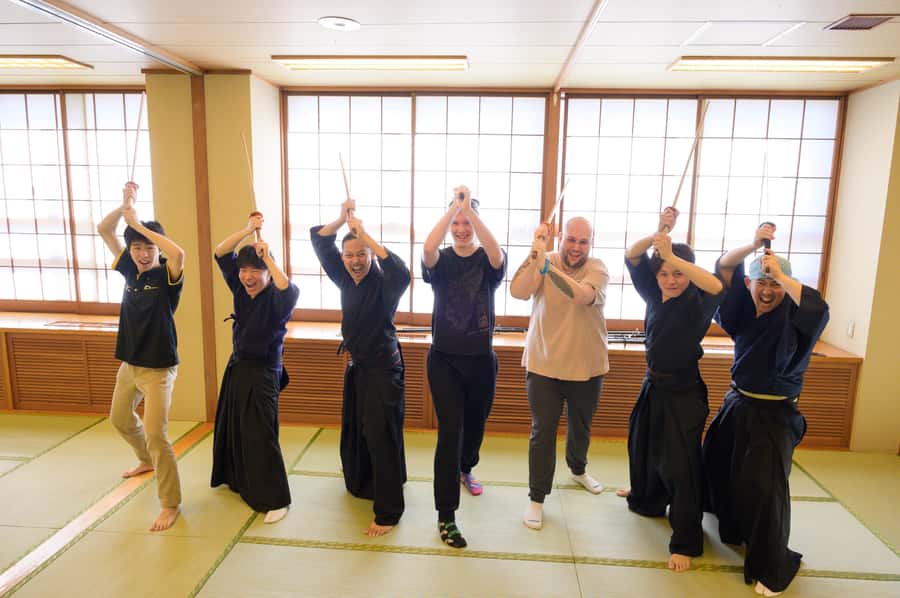
Tokyo gets a little more real with swords. This hands-on samurai adventure lets you learn basic handling and moves in a safe way, and you get it right in the Tokyo Station, Ginza, Tsukiji orbit. I especially like the fact that it is beginner-friendly and that you are taught by people who perform action, so the lesson has energy and clear coaching from Dai and Kume. One thing to consider, though, is that it is physical training, so it is not a good fit if you have back issues, vertigo, or mobility limitations.
The experience is built around practice swords and staged instruction, not actual fighting. You can choose a public class with aspiring Japanese actors, or a private course if you want more focused attention and a level-matched lesson. If you are here for a quick, memorable cultural activity that still feels hands-on, this is a strong pick.
In This Review
- Key points you should know
- First Stop: Samurai Experience Photo Studio ICHI (Then Off to the Dojo)
- Public vs Private Course, and How Each Changes Your Experience
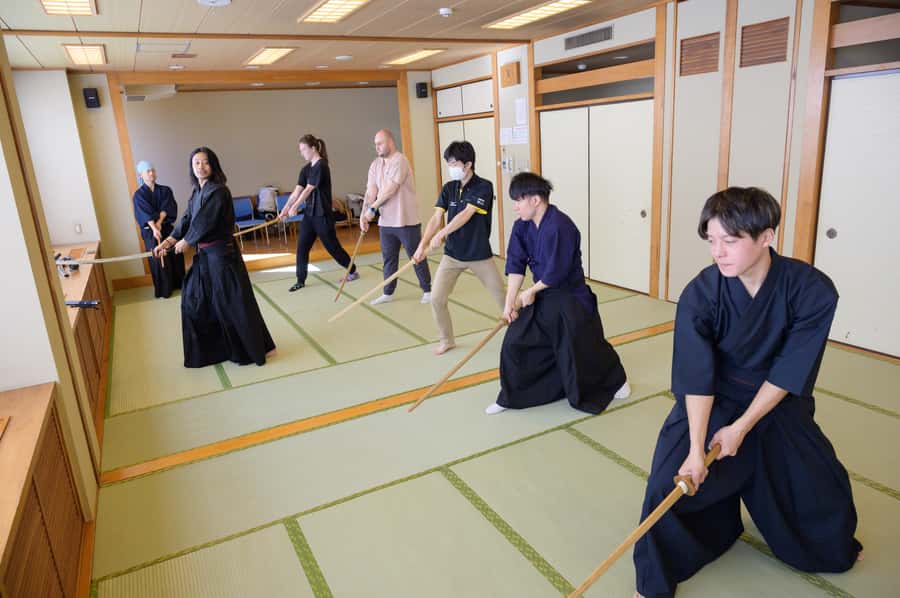
- Warm-Up, Then Samurai Basics: Grip, Stance, and Safe Strikes
- Paired Practice and a Close-Up Demonstration
- Dressing Up, Photos, and the Keepsake Factor
- Price and Value: Why $24 Can Be a Lot of Experience
- Where You Fit In: Who This Is For (and Who Should Skip It)
- Logistics That Matter in Tokyo: Timing, Language, and Rules
- Should You Book This Samurai Adventure?
Key points you should know
- Safe training with wooden practice swords, with no actual sparring required
- Public course includes aspiring Japanese actors, plus observation and practice with the class
- Private course adds a short history and culture intro, then tailored coaching by Dai and Kume
- You learn the fundamentals first: grip, stance, and basic strikes plus defenses
- Pair practice and a close-up demonstration bring the movie-scene feeling
- Photo time with the samurai, plus an optional costume for extra fun
First Stop: Samurai Experience Photo Studio ICHI (Then Off to the Dojo)
Your adventure starts at Samurai Experience Photo Studio ICHI, which you can find by searching the name on Google Maps. The idea is simple: you check in at the studio, get ready, and then move to a nearby building where the training happens.
This studio-to-dojo setup matters more than you might think. The photo studio sets the tone. You get in the right mindset before any instruction begins, and you are not trying to figure things out while everyone else is already lined up. One review also noted a short walk between the studio dressing spot and the dojo area, so plan for that small transition.
What you wear makes a difference here. The activity calls for comfortable clothes and closed-toe shoes that can handle some movement. No high heels, and you will want something that lets you squat, turn, and raise your arms without feeling restricted. If you show up in stiff office wear or slick shoes, you will feel it fast.
More Samurai & Ninja Sessions in Tokyo
- Tokyo: Samurai Restaurant Show Ticket with 2 Drinks
★ 4.5 · 1,307 reviews - Tokyo: Samurai Ninja Museum Guided tour and Experience
★ 4.6 · 1,010 reviews - Tokyo: Samurai Sword & Archery Class from Samurai Descendant
★ 5.0 · 603 reviews
Public vs Private Course, and How Each Changes Your Experience
You can pick either a public course or a private course, and that choice changes the feel of the day.
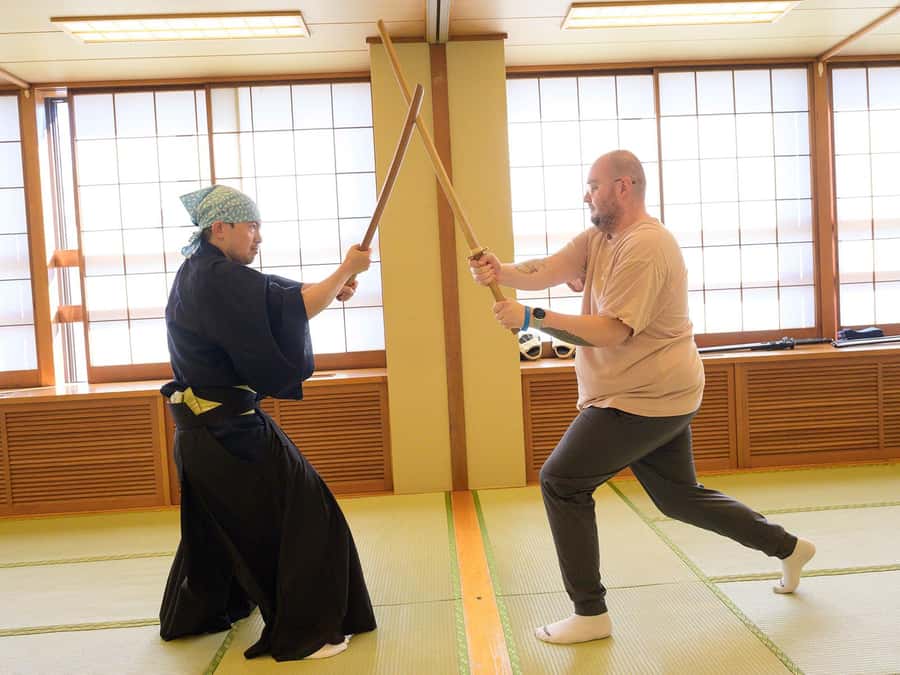
In the public course, you join a class where aspiring Japanese actors are learning samurai action. You can watch first, then practice alongside them. This format is great if you learn well by seeing how others do the moves, and if you like the social energy of a group session. It also gives you something extra culturally: you are interacting with Japanese students during an activity that is part performance craft, part martial discipline.
In the private course, you get a briefer introduction to samurai history and culture first, then Dai (or another instructor on the team) tailors the lesson to your level and your goals. Private lessons tend to appeal to two types of people: martial arts practitioners who want clean technique feedback, and culture-focused visitors who want the background explained in a way that fits what they are doing with their own hands.
A useful real-world consideration is attention. The public class is not guaranteed to stay exactly the same in size each day. On days when the group is smaller, you may get more direct coaching than you would in a full class. If you are debating between public and private on your trip, you can base it on how much you want individual correction versus a shared, lively session.
Warm-Up, Then Samurai Basics: Grip, Stance, and Safe Strikes
Training starts with warm-up exercises, then moves into fundamental samurai movements. This is where the experience earns its value. You are not just standing around watching actors do cool moves. You are learning how the motion works, step by step.
The core basics you practice include:
- How to properly grip and hold the sword
- How to set your stance
- How to swing in a controlled, correct way
- How to execute basic strikes and defensive moves using practice wooden swords
The key safety detail is that during the lesson you do not engage in actual sword fighting. Instead, you learn movement safely with practice swords. That matters for beginners. You can participate without feeling like you are going to get tangled up in live sparring. It also means the lesson focuses on form, not adrenaline.
If you have never trained with a sword before, this sequence is exactly what you want. You start with positioning, then develop movement habits before you try anything paired. It is the difference between doing a stunt and learning a skill.
Also, action-actor instructors like Dai and Kume bring a performance mindset to the teaching. One review highlighted their kindness and the way they fix small issues during the session. That kind of attention helps you avoid picking up bad habits early.
Paired Practice and a Close-Up Demonstration
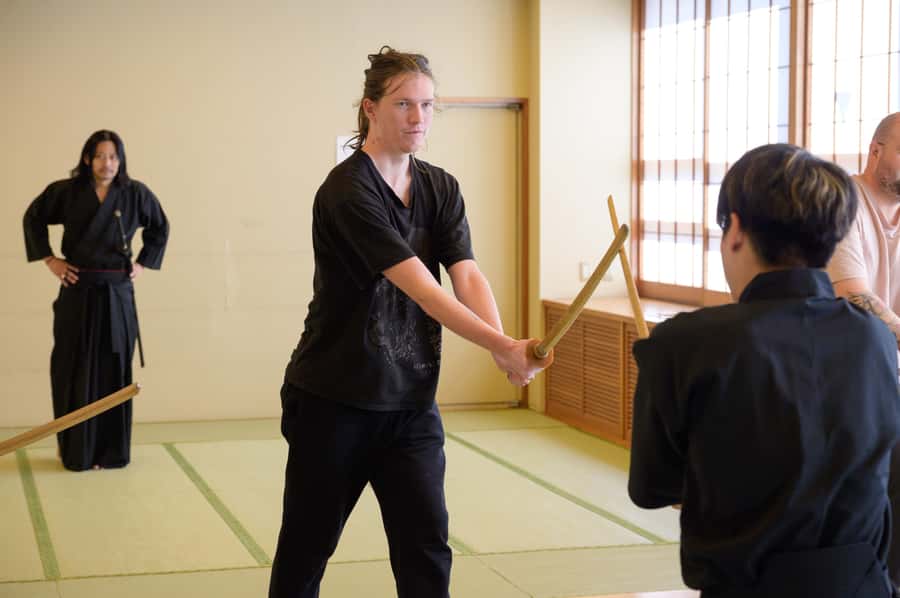
Once you master the basics, the workshop shifts into a more dramatic phase. You engage in paired practice with a professional samurai, and you also see a powerful demonstration by the samurai.
This is the part that feels like an action movie, but it is still taught with control. Paired work lets you experience timing and spacing. Even if you are not doing anything dangerous, you are learning how your movement interacts with another person’s movement. That is the real magic for many visitors, because it turns technique into something you can feel.
The close-up demonstration is where you get to appreciate skill in person. Watching a performance is one thing, but seeing a samurai technique demonstrated close to you gives scale and clarity to what you just tried to do with the wooden sword. You can understand why certain angles matter, and why footwork and grip make a visible difference.
And yes, this is still a tourist-friendly setup. The workshop is designed for beginners, and the instructors guide you through what to do. If you choose to simply observe portions, you can still enjoy it. But if you want the memory of doing it yourself, plan to participate in the hands-on segments.
More Samurai and Ninja sessions in Tokyo:
- Ninja+Kabuki Tokyo
★ 4.5 · 512 reviews - Skip the lines Basic Ticket at SAMURAI NINJA MUSEUM TOKYO
★ 5.0 · 470 reviews - Best Samurai Experience in Tokyo
★ 5.0 · 458 reviews - Tokyo: Legend Samurai Entertainment Night in Kanda Shrine
★ 4.6 · 367 reviews
Dressing Up, Photos, and the Keepsake Factor
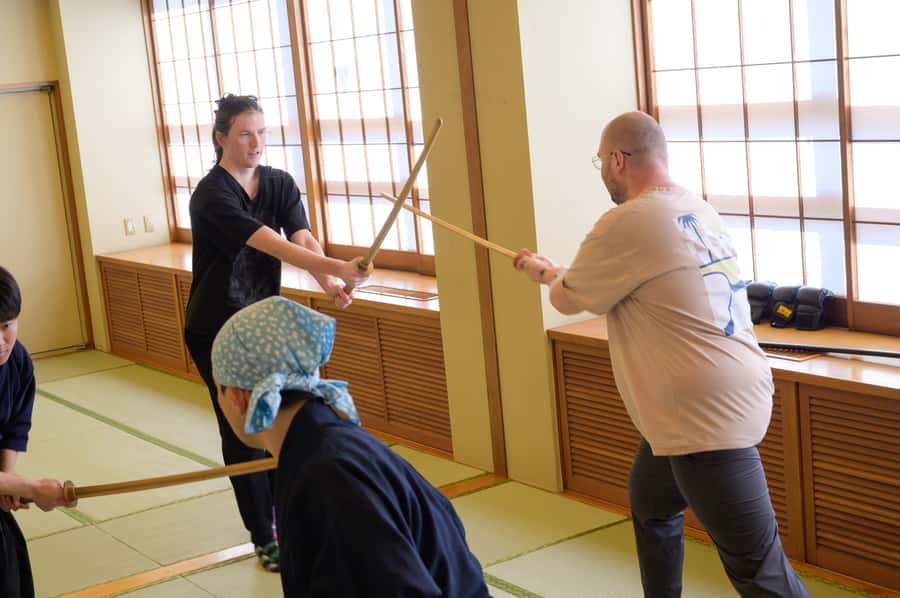
At the end of the session, you get a photo session with the samurai. This is not just a casual picture. The whole experience is structured to lead you here, after you train and then step into that final, photogenic moment.
There is also an optional samurai costume. The base inclusions cover the training and photo step, while the costume option is extra. If you like the idea of looking the part, factor that into your budget and come ready to move in your clothing setup, not just to pose.
One thing I appreciate about this format is that it does not treat the photo like an afterthought. You are trained first, then you get the keepsake while you still feel connected to what you learned. It makes the photo more meaningful than a random street shot.
If you like sharing your trip in a way that shows more than scenery, this photo step is a big reason to book. It captures the action without needing you to become a sword expert.
Price and Value: Why $24 Can Be a Lot of Experience
At $24 per person, this is not trying to be a big-ticket “private training camp” experience. It is built as a compact, guided workshop with real participation.
Here is what you actually get for that price:
- Introduction to samurai history
- Live samurai training demonstrations
- Hands-on swordsmanship practice with wooden practice swords
- A photo session with the samurai
When I look at value like this, the biggest win is the mix of instruction plus participation. A pure performance costs less, but you do not walk away with technique practice. A pure martial arts class costs more, but it does not usually come with the cultural framing and tourist-focused ease of joining.
This workshop lands in the middle. You spend your time doing real basics, getting coaching, and ending with a memory you can take home. That is the kind of value that works well when you already have a packed Tokyo itinerary and you want one activity that feels active, not just sightseeing.
Where You Fit In: Who This Is For (and Who Should Skip It)
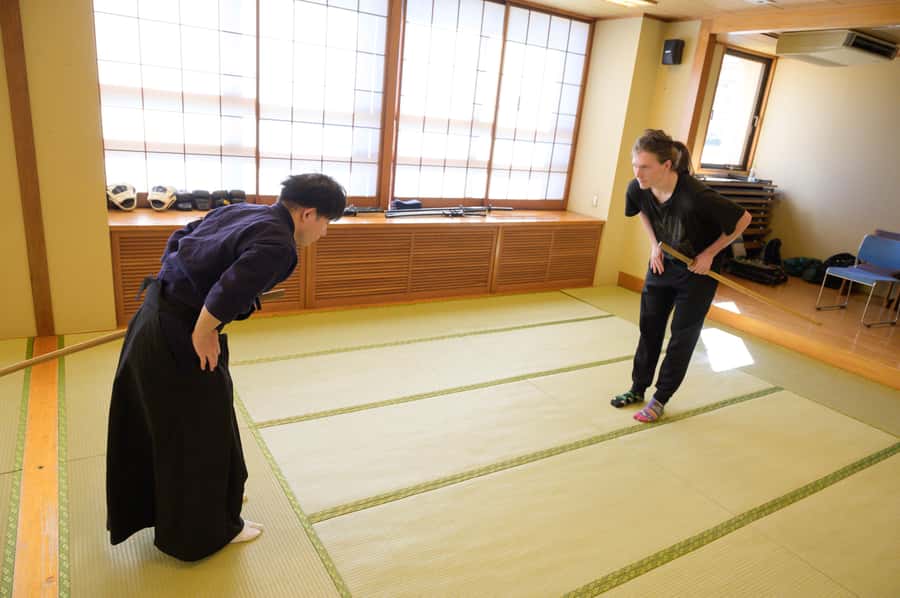
This is a great match if you want:
- A hands-on Tokyo experience with real coaching
- Beginner-friendly instruction that uses safe practice swords
- A chance to interact with performers and instructors like Dai and Kume
- A physical activity that still feels approachable
It also works well for groups and mixed ages. One review mentioned a three-generation group, and the tone throughout the session seems focused on helping people succeed, not showing off.
But the “not for everyone” list matters. This activity is not suitable for:
- Pregnant women
- People with back problems
- Wheelchair users
- People with vertigo
- People with pre-existing medical conditions
If any of those apply, you should skip it. The training is physical, and the workshop includes stance changes, arm movements, and controlled practice that could be uncomfortable or risky depending on your condition.
Practical tip: even if you are healthy, you will get more from the session if you arrive in comfortable clothing you can move in. Respect the rules, and you will have an easier time staying focused during warm-up and technique drills.
Logistics That Matter in Tokyo: Timing, Language, and Rules
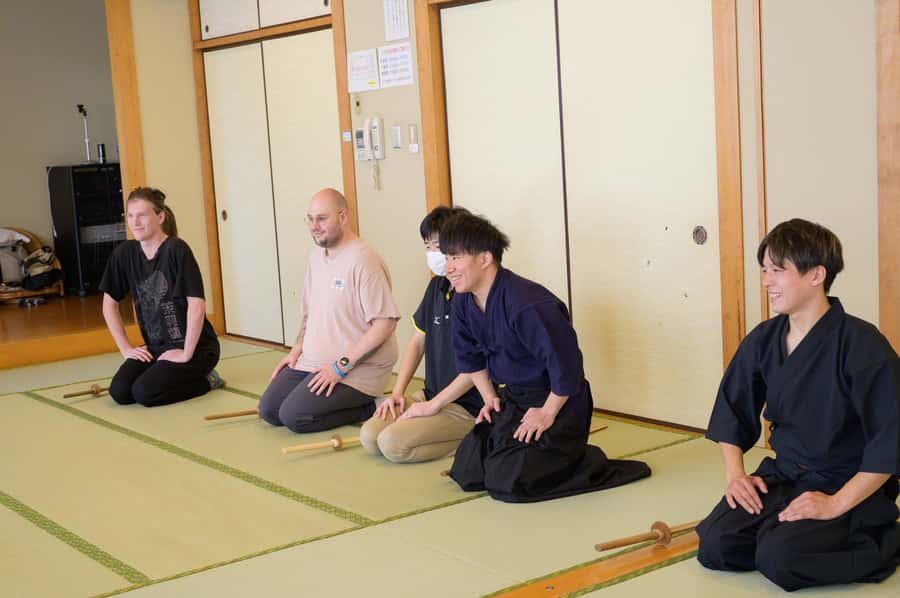
The workshop is accessible from Tokyo Station, Ginza, and Tsukiji, which helps if you are staying central. It is registered on Google Maps as Samurai Experience Photo Studio ICHI, so it is not hard to locate.
Languages are Japanese and English, which is a relief if you worry about missing instructions. If you do not speak Japanese, you can still follow along and learn the movements.
Arrival time counts. You should arrive 15 minutes early so the start stays on track. That window is also where you can get oriented, change into appropriate clothing, and handle anything you need before training begins.
You also need to follow the on-site rules:
- No smoking
- No drones
- No alcohol or drugs
- No explosive substances
- No electric wheelchairs
- Closed-toe shoes and no high-heeled shoes
These rules are there for safety and smooth training, especially around sword handling and the photo step.
Should You Book This Samurai Adventure?
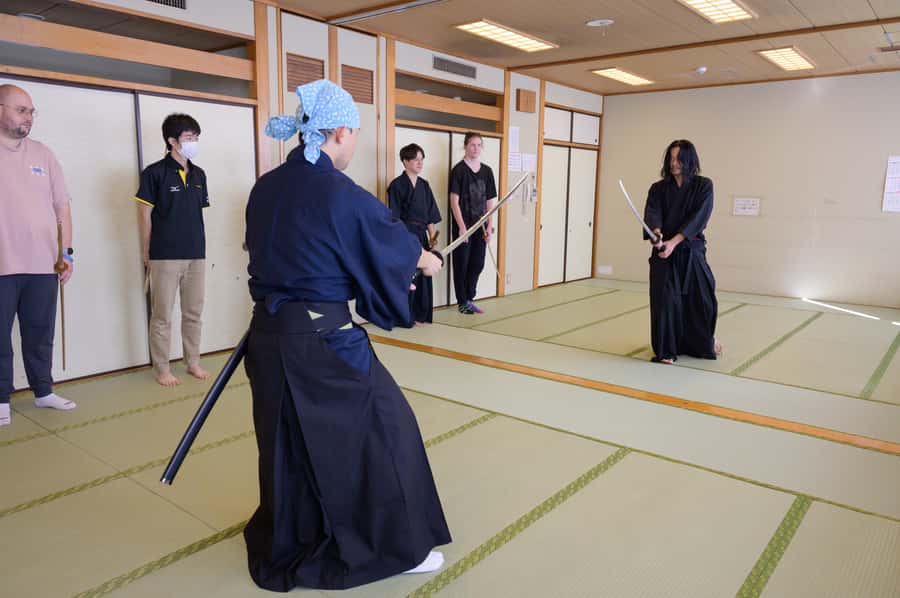
I recommend booking this if you want a short, high-impact experience that blends culture plus action, and you are okay paying for a guided workshop rather than a long multi-day training commitment. At $24, you are getting more than a show, and you are getting a real skill-building sequence with practice wooden swords.
I would skip it if you are dealing with physical limitations like back problems or vertigo, or if you want something fully sedentary. This is movement-based training. It is designed for beginners, but it still asks your body to cooperate.
If you are the kind of traveler who likes doing one memorable “hands-on” thing in Tokyo instead of only collecting photos, this is a smart use of time. And if you want the story behind the moves, choose the private course for the culture intro and tailored coaching, especially if you have questions you want answered while you practice.
Newly listed around Tokyo
- Tokyo: Sumo Morning Practice Tour in Ryogoku and Photo Shoot★ 4.7 · 47 reviews
- Tokyo Sumo Morning Practice: Witness the Life of a Wrestler★ 4.8 · 56 reviews
- Tokyo Sumo Morning Practice: Viewing & Exclusive Interaction★ 4.9 · 74 reviews
- Tokyo: Sumo Morning Practice with journalists. Not fake show★ 4.9 · 121 reviews
- Tokyo: Morning Sumo Practice Viewing★ 4.8 · 136 reviews
- Tokyo: Sumo Morning Practice Viewing Tour at a Real Stable★ 4.9 · 32 reviews
- Tokyo: Snow Monkey Park and Zenkoji Temple Private Day Tour★ 4.7 · 127 reviews
- Tokyo: Skytree and Tokyo Tower Helicopter Tour★ 5.0 · 8 reviews
Samurai Sword & Ninja Training, compared.
Samurai Ninja Museum Guided tour and Experience
Read our review →
Kendo and Samurai Experience with Uniform and Gear
Read our review →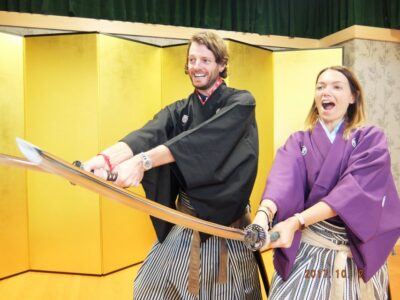
Samurai Sword Class by Experts in Traditional Arts
Read our review →
Skip the lines Basic Ticket at SAMURAI NINJA MUSEUM KYOTO
Read our review →
Samurai Sword & Archery Class from Samurai Descendant
Read our review →
Browse the lists this tour appears in