
Review · SAMURAI SWORD & NINJA TRAINING
Tokyo: Samurai Experience with a real sword
Tokyo can be intense. This experience turns it into controlled sword practice. You start in full kimono and hakama mode, then go hands-on with a real katana, guided by Shiden-ryu technique and proper samurai etiquette (zarei). I also love the payoff: you get a professionally handled session with video and photos to take home, so it feels like more than a quick photo op. One thing to consider is that the schedule is tight in a 2-hour block, so you will want to show up early and ready to follow instructions.
What makes it work is the rhythm, from etiquette to sword handling to drills and cutting. The session is designed so you learn the basics, then get enough time to do the interactive parts without feeling rushed or lost. A possible drawback for some people is that cutting with a real sword is only for ages 12 and up, and the whole activity is not suitable for wheelchair users or pregnant women.
In This Review
- Key points before you go
- Kimono and zarei: where the samurai mood starts
- Learning the real sword: iai basics and handling techniques
- Uchikomi: your interactive sword-to-sword moment
- Cutting objects with a real katana, plus the video keepsake
- What else may happen: calligraphy and a small meal
- Price and time: is $102 value for money?
- Where this fits in your Tokyo plan
- Plan your arrival: meeting point, what to bring, and rules
- Should you book this Samurai Experience with a real sword?
Key points before you go
- Kimono and hakama dressing gives you the full samurai look, not just a costume moment
- Shiden-ryu iai demo and instruction shows you drawing and sword basics in a structured way
- Uchikomi sword-to-sword combat drills let you participate, not just watch
- Real katana cutting with video recording is the main keepsake, and it is age-restricted
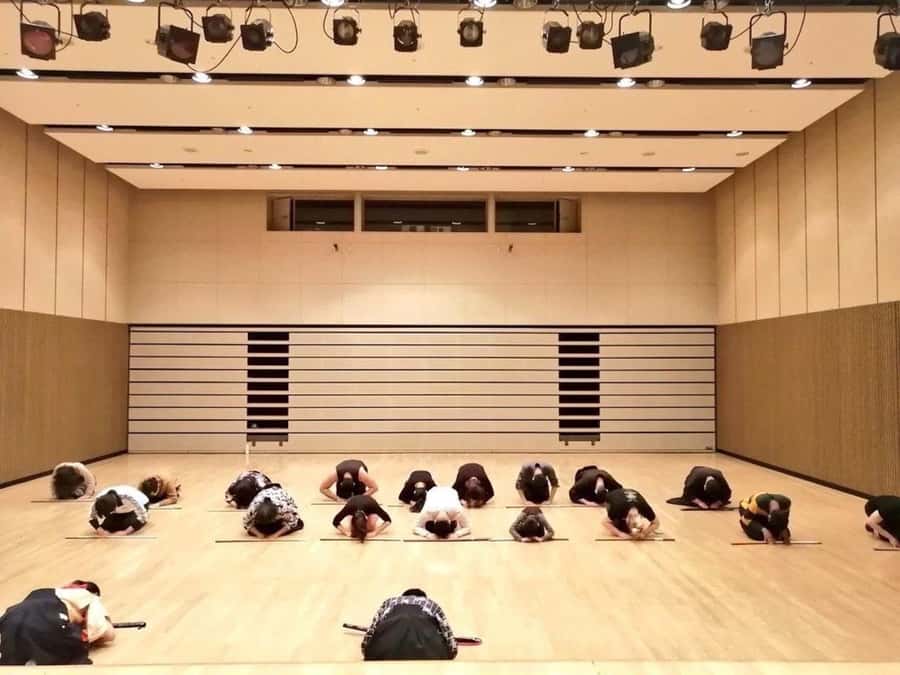
- Zarei etiquette (including seated etiquette) is built into the training, so it feels authentic
Kimono and zarei: where the samurai mood starts
The best part of this tour is how it starts before the sword ever comes out. You meet the staff at a very specific spot near McDonald’s on the west side: after you exit the ticket gates, go out the west exit, then head to the ground floor and look for the staff holding a meeting board. Arrive 20 minutes early so you are not scrambling while everyone is getting organized.
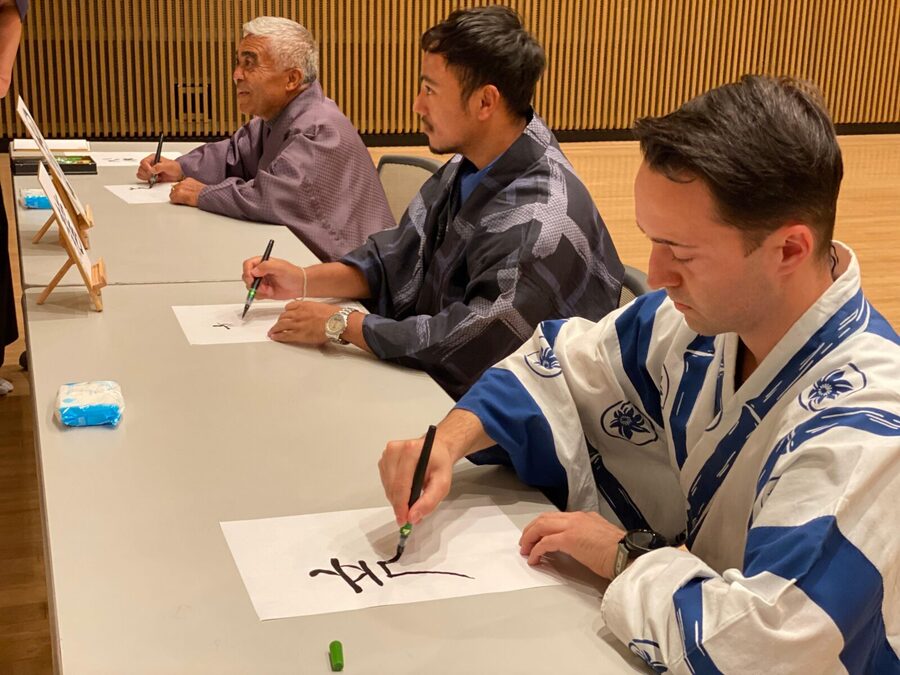
Once you are in, you change into the traditional outfit. The session includes reception and kimono dressing, plus time to fit you properly in the look that samurai movies never capture right. The staff then walk you through samurai etiquette, zarei, which matters more than it sounds. You are not just learning moves, you are learning how to stand, how to present yourself, and how to behave while holding a sharp weapon.
I also like that the etiquette section includes more than one style of form. The experience lists zarei, and it also includes seated etiquette, which helps the training feel like a full ritual rather than a quick “sword demo and go.”
Practical tip: bring comfortable clothes for changing, and plan on using the included time to get settled. If you are coming straight from a day of walking, wear shoes you can take off quickly.
More Samurai & Ninja Sessions in Tokyo
- Tokyo: Samurai Restaurant Show Ticket with 2 Drinks
★ 4.5 · 1,307 reviews - Tokyo: Samurai Ninja Museum Guided tour and Experience
★ 4.6 · 1,010 reviews - Tokyo: Samurai Sword & Archery Class from Samurai Descendant
★ 5.0 · 603 reviews
Learning the real sword: iai basics and handling techniques
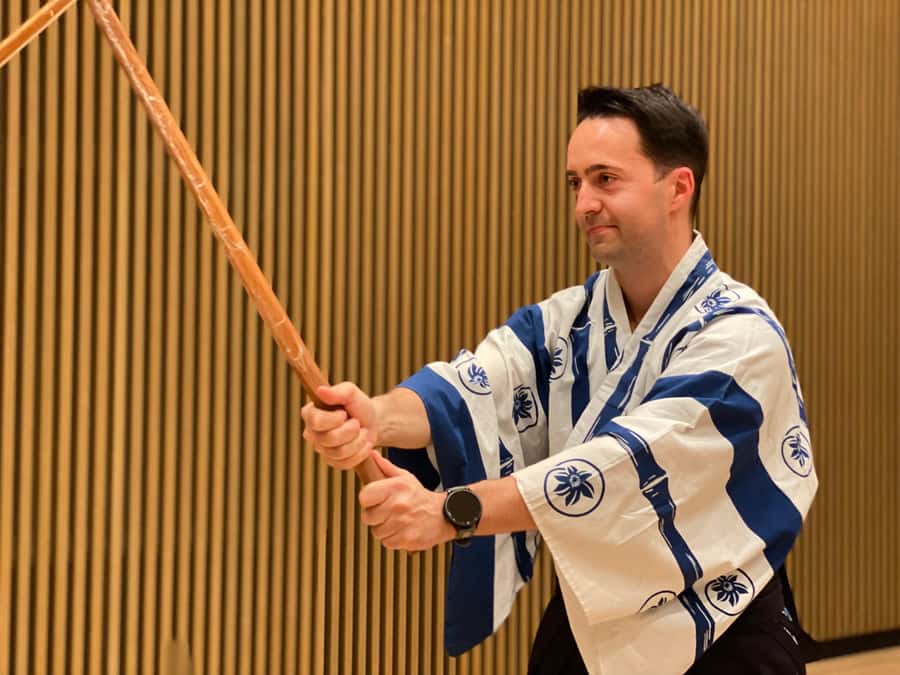
After dressing and etiquette, the training shifts to the practical side. You get instruction on sword handling techniques, then you move into samurai forms and movements. A demonstration is part of the flow, and it is specifically tied to Shiden-ryu, a style associated with iai sword practice.
What is special here is that you do not jump straight to fighting. You learn how to handle the sword first, so the next parts feel logical. Iai is often misunderstood as just “drawing a katana.” In training terms, it is the controlled relationship between the draw, the movement, and the cut. Even if you only experience the basics for a short time, you can see why this discipline is taken seriously.
You will also receive guidance that covers rules and etiquette from the start. That is important because you are not dealing with a prop sword. You are handling a genuine weapon and practicing under professional supervision.
In one of the most positive parts of the experience, people highlight the clear teaching and the feeling of discipline. The session is led by a coach and English-speaking staff, and one guide name that shows up in a standout description is Hiryu, noted for deep knowledge of samurai history and philosophy. Even if language levels vary day to day, having staff who can explain the sequence is what makes it work.
Practical tip: if you rely on translation apps, have them ready. Even with English support, you might hear a bit of Japanese phrasing for etiquette terms like zarei.
Uchikomi: your interactive sword-to-sword moment
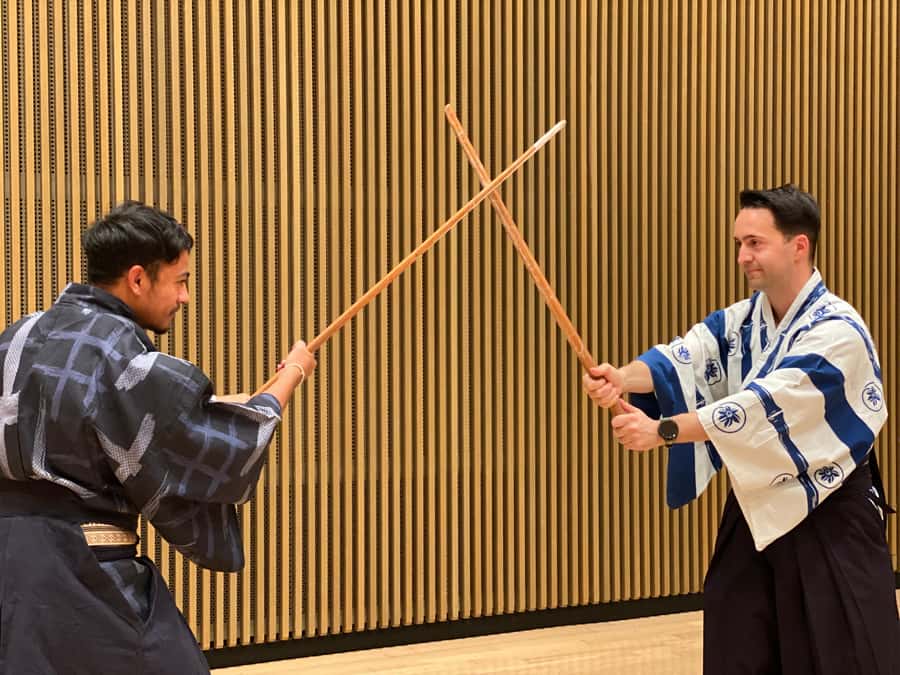
Then comes the part most people came for: participation in a sword-to-sword fight experience. The program includes uchikomi, which is essentially repeated engagement drills in sword practice. Instead of a chaotic free-for-all, you are doing structured contact with a partner or coach guidance, so you can practice timing and movement.
This section is where the tour becomes more than a cultural show. You feel like you are training, not performing. You follow cues, step into position, and try to match the flow. It also gives you a sense of why sword arts are about control. The movements are not only about strength. They are about posture, distance, and finishing the action cleanly.
The drill format also helps beginners. You are not expected to be a martial artist in a 2-hour session. You are expected to learn a starting point and execute what you practiced, safely and with guidance.
Practical tip: if you are nervous about the physical part, you can still succeed here. Focus on doing what they ask during each segment, and you will pick up the rhythm fast.
Cutting objects with a real katana, plus the video keepsake
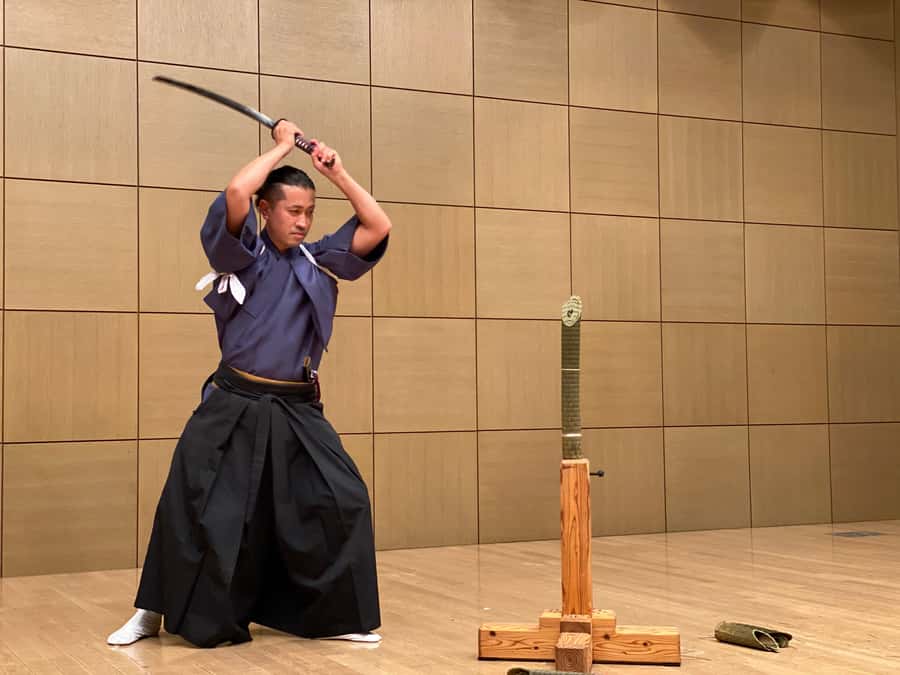
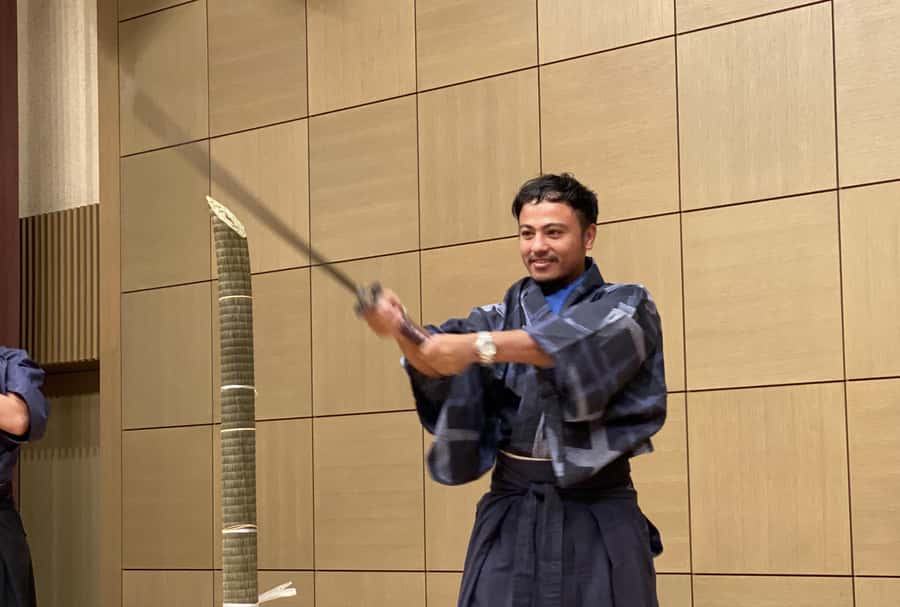
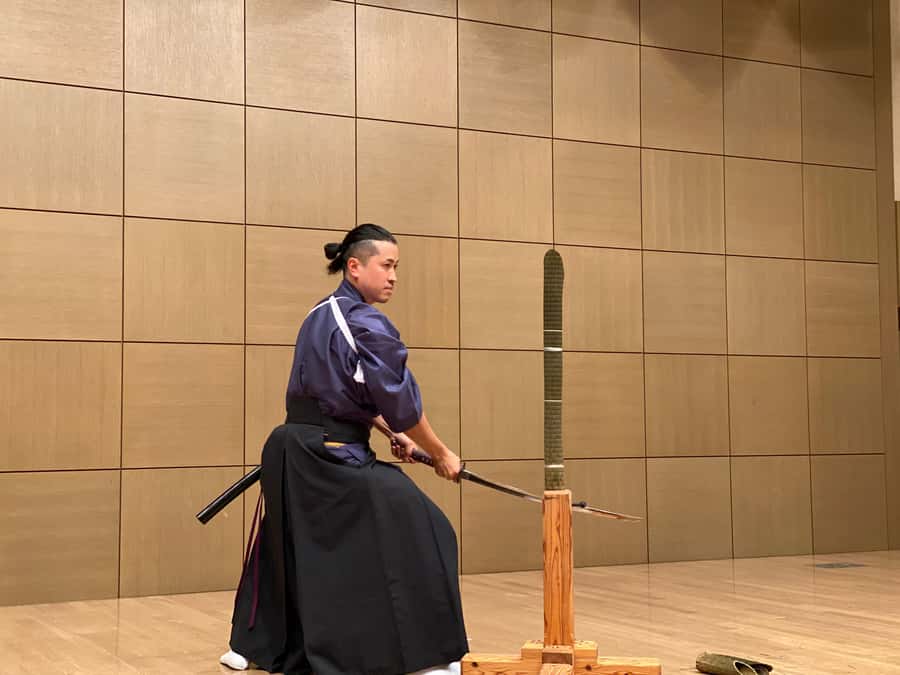
The cutting segment is the big highlight, and it is also the most time-pressured. You get cutting objects with a real sword, and the program specifically notes that video recording is available as you cut objects. Your action is captured so you can take home something you cannot recreate later.
This is also where the age rule matters: cutting objects is available for participants aged 12 and above. If you are traveling with mixed ages, it is worth checking how the session adapts if someone cannot do the cutting part. The data makes it clear that cutting is age-restricted, so the best plan is to align expectations before you arrive.
What I like about including the recording is that it turns the most intense moment into a souvenir that feels real. You are not just snapping a photo in costume. You are capturing your practice in action, as guided during the session.
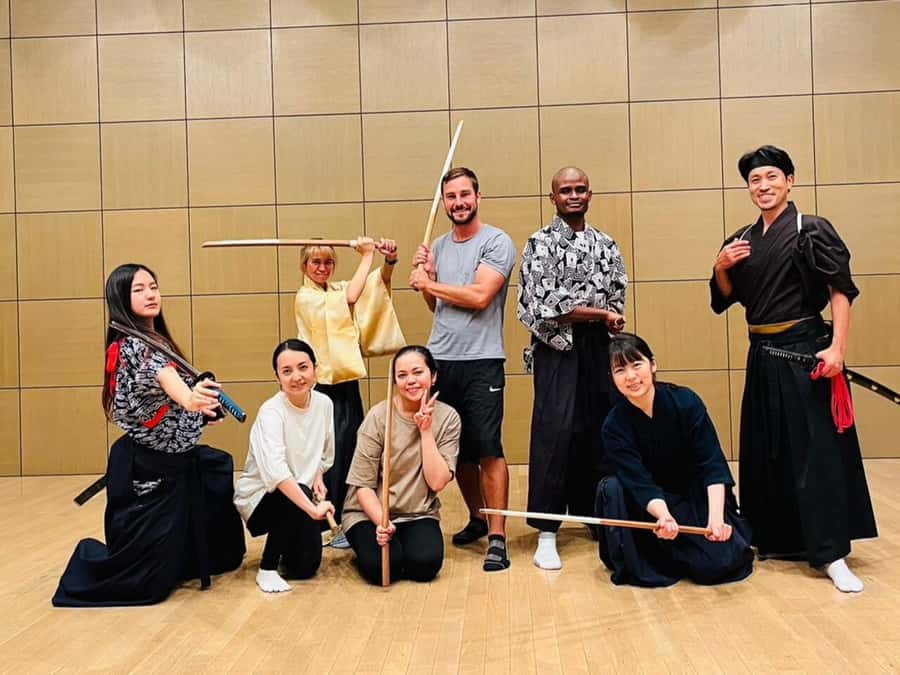
You also get a presentation and video recording stage, plus a commemorative photo session. So you leave with multiple keepsakes that cover different angles: performance in motion, plus still photos.
Practical tip: wear secure clothing and bring a drink with a secure lid, since you may need hydration during the session. Avoid anything messy or spill-prone.
More Samurai and Ninja sessions in Tokyo:
- Ninja+Kabuki Tokyo
★ 4.5 · 512 reviews - Skip the lines Basic Ticket at SAMURAI NINJA MUSEUM TOKYO
★ 5.0 · 470 reviews - Best Samurai Experience in Tokyo
★ 5.0 · 458 reviews - Tokyo: Legend Samurai Entertainment Night in Kanda Shrine
★ 4.6 · 367 reviews
What else may happen: calligraphy and a small meal
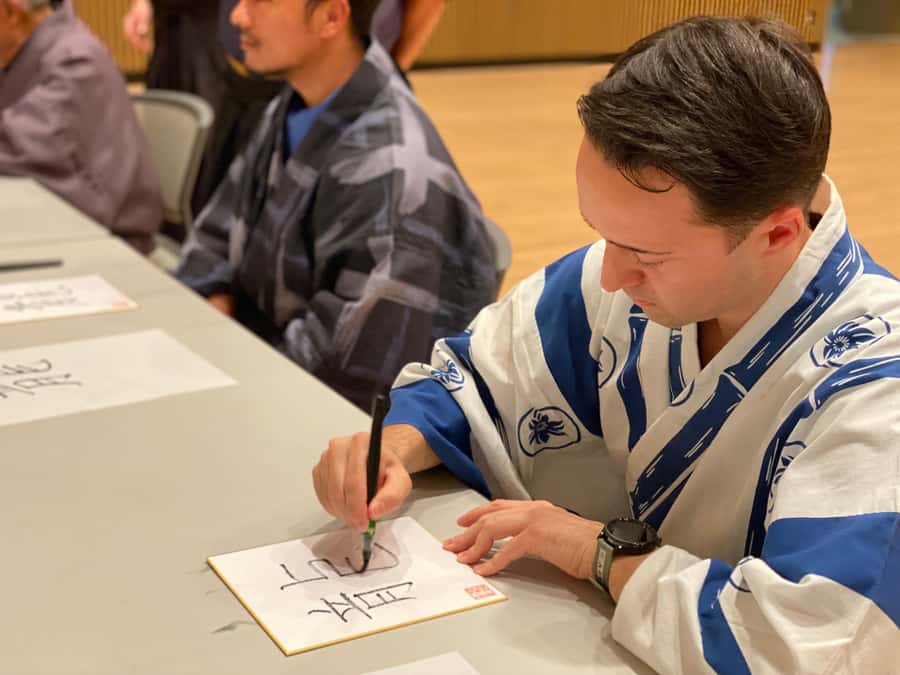
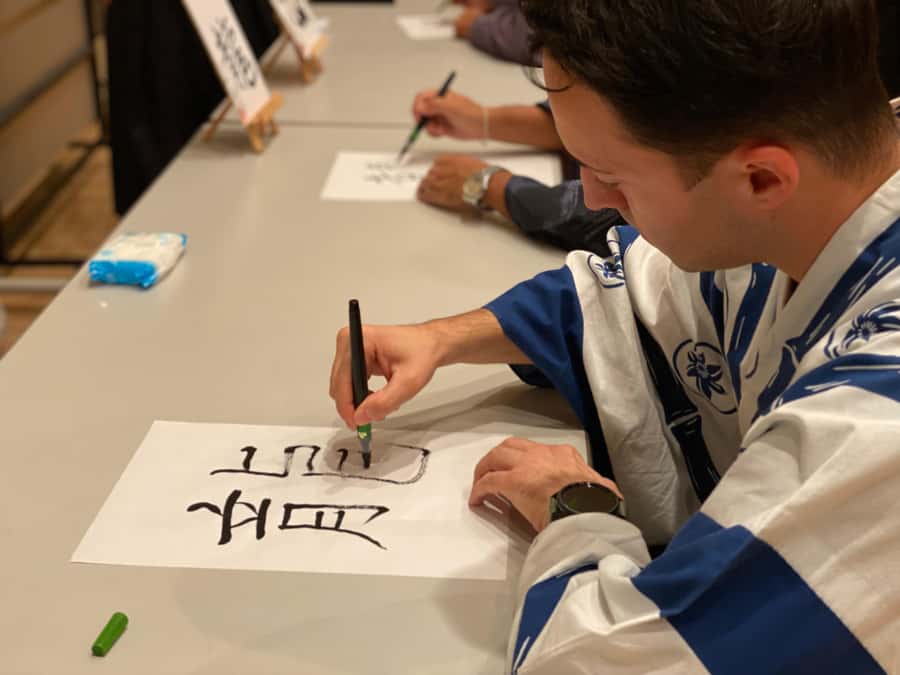
The core training segments are sword-focused, but some people also report extra cultural touches. Calligraphy comes up in a positive description, along with a small meal and warm hospitality. The listed included items in the program emphasize coaching, photography charge, and the experience fee, while calligraphy and food appear as additional moments in at least one detailed account.
So treat it like this: even if the sword portion is the headline, you might get a bonus cultural stop that makes the time feel more rounded. When calligraphy is included, it pairs nicely with zarei and the overall sense of discipline, because it is also about controlled movement and focus.
Food, when offered, is a welcome buffer. Two hours sounds short, but you are changing clothes, practicing, and concentrating. A small meal can help you finish the experience without feeling wiped out.
Practical tip: if you get a snack or meal, take it as part of the pacing. You will have a better second half of your Tokyo day if you do not run on empty.
Price and time: is $102 value for money?
At $102 per person for a 2-hour session, the value comes from what you actually get. This is not a generic samurai show. You dress in kimono and hakama, learn etiquette (zarei), receive instruction tied to Shiden-ryu iai, practice sword handling, do interactive drills, and get a video and photos.
You are paying for access to:
- professional coaching and English-speaking staff
- venue time
- photography and recording
- use of a real sword for training with structured tasks (including cutting for eligible ages)
If you compare it to experiences where you only watch someone else do the work, this one is better for hands-on learners. You leave with a souvenir that shows you doing the main action, and that makes it easier to justify the cost when your Tokyo schedule is already expensive.
One pricing consideration is that the 2-hour format means you will not become a sword master. You are paying for an introduction that is structured, safe, and meaningful, not for long training.
Also, meeting location can vary within Tokyo depending on the date, so always follow the confirmation message you receive.
Practical tip: if you plan to do other paid attractions the same day, schedule this early or mid-day. You will want enough energy afterward for the rest of your sightseeing.
Where this fits in your Tokyo plan
This experience fits best if you want something interactive that goes beyond photos. It is a strong match for:
- people who like hands-on activities
- anyone curious about Japanese martial arts culture
- travelers who want a memorable souvenir, not just a short attraction
- couples or small groups who enjoy structured instruction
It is also a good cultural “reset.” After days of temples and neighborhoods, the training format gives you a different kind of connection to Japanese tradition: discipline, posture, and ritual.
On the other hand, it is not suitable for wheelchair users and it is not suitable for pregnant women, based on the tour information. If you have mobility concerns, you should think carefully about the physical requirements and changing clothes.
Language is another practical fit question. The program lists English-speaking staff, and one detailed account notes you might use a translation tool if staff English is limited on the day. If you can handle basic instructions or you have Google Translate ready, you will be fine.
Plan your arrival: meeting point, what to bring, and rules
Plan on a smooth start by handling the basics early. Here is what the tour data tells you to bring:
- a change of clothes (you will dress into kimono and then change back)
- water
- comfortable clothes
They also advise bringing a drink with a secure lid. Do not show up with an open bottle or anything you will worry about during training.
Rules are also clear:
- no smoking
- no alcoholic drinks in the vehicle
You will also be asked for height and weight via the reservation form. That is a small admin step, but it directly affects kimono and hakama fitting and your comfort during movement.
Should you book this Samurai Experience with a real sword?
Book it if you want a real activity with a real sword, plus a souvenir that captures the action. The value is strongest when you like instruction and you want to do the interactive parts: etiquette (zarei), sword handling, sword-to-sword drills (uchikomi), and cutting (for age-eligible participants). People also praise the organization and the coach’s depth, with Hiryu specifically mentioned, which usually means the training feels thoughtful rather than thrown together.
Skip or reconsider if you or your travel partner cannot do cutting due to age limits, or if you have mobility or pregnancy considerations, since the tour is not suitable for wheelchair users or pregnant women.
If you want one unforgettable Tokyo moment that is more than a photo, this is a solid choice. Just show up early, follow the rules, and treat it like training, not a show.
Newly listed around Tokyo
- Tokyo: Sumo Morning Practice Tour in Ryogoku and Photo Shoot★ 4.7 · 47 reviews
- Tokyo Sumo Morning Practice: Witness the Life of a Wrestler★ 4.8 · 56 reviews
- Tokyo Sumo Morning Practice: Viewing & Exclusive Interaction★ 4.9 · 74 reviews
- Tokyo: Sumo Morning Practice with journalists. Not fake show★ 4.9 · 121 reviews
- Tokyo: Morning Sumo Practice Viewing★ 4.8 · 136 reviews
- Tokyo: Sumo Morning Practice Viewing Tour at a Real Stable★ 4.9 · 32 reviews
- Tokyo:Stroll in Old traditional culture towns~Yanaka & Nezu★ 4.9 · 186 reviews
- Tokyo: Snow Monkey Park and Zenkoji Temple Private Day Tour★ 4.7 · 127 reviews
Samurai Sword & Ninja Training, compared.
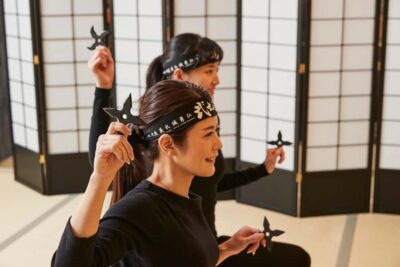
Samurai Ninja Museum Guided tour and Experience
Read our review →
Kendo and Samurai Experience with Uniform and Gear
Read our review →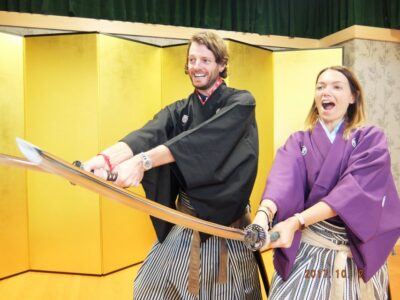
Samurai Sword Class by Experts in Traditional Arts
Read our review →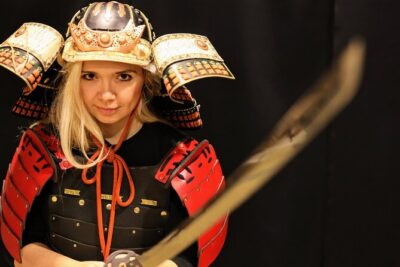
Skip the lines Basic Ticket at SAMURAI NINJA MUSEUM KYOTO
Read our review →
Samurai Sword & Archery Class from Samurai Descendant
Read our review →
Browse the lists this tour appears in