
Review · SAMURAI SWORD & NINJA TRAINING
Tokyo: Samurai Kendo Practice Experience
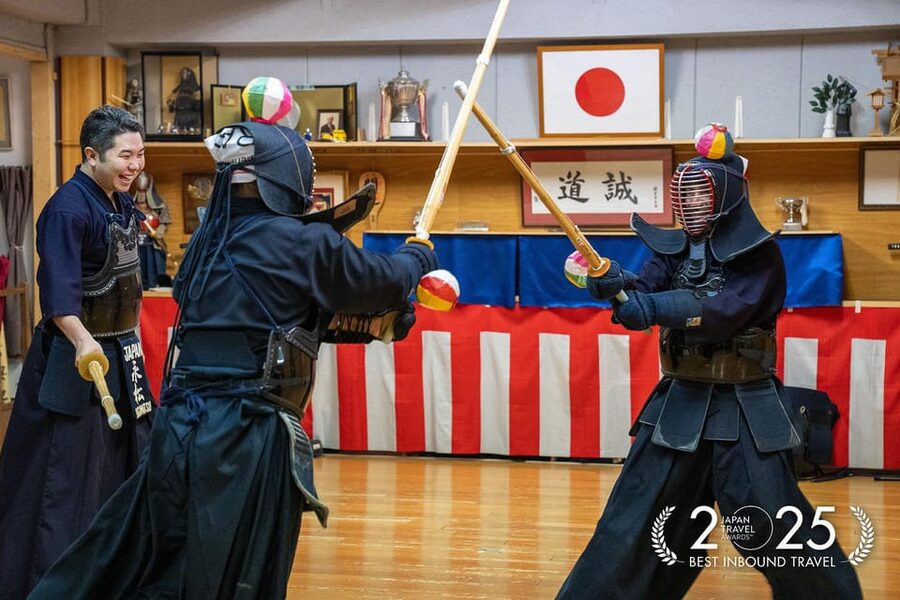
Bamboo swords, real discipline, and real sweat. This 2 hour kendo practice near JR Uguisudani takes you into a working dojo at 誠道館, where etiquette and bamboo sword strikes feel like part training, part tradition.
I love that you start by putting on full kendo armor, not just watching from the sidelines. I also love the way you learn the basics in a structured way, including the classic striking targets men, kote, do, then get chances to apply them with a light, rules-based spar feel.
One thing to consider is fit and eyewear. You may be asked to practice with your own clothes if sizes are limited, and wearing regular glasses under the head protector can be risky, so plan for that ahead of time.
In This Review
- Key highlights you will feel in your first 10 minutes
- Entering 誠道館, a calm dojo inside a real Tokyo neighborhood
- Your 2-hour flow: armor up, etiquette first, then strikes
- The armor rental: why full equipment is worth it
- Learning men, kote, do, and the counters that make it feel like kendo
- Light sparring and dojo games: action without the chaos
- Instructor background and teaching style in English and Japanese
- What you actually get for $116, and why it is decent value
- What to wear and bring so you do not feel stressed
- Who should book this kendo session, and who should think twice
- Should you book this Samurai Kendo practice in Tokyo?
- FAQ
- How long is the Tokyo Samurai Kendo practice session?
- Where is the meeting point for 誠道館?
- What does the price include?
- Is food or hotel pickup included?
- What languages are used during the practice?
- What should I wear or bring for the session?
- What is the booking and cancellation policy like?
Key highlights you will feel in your first 10 minutes
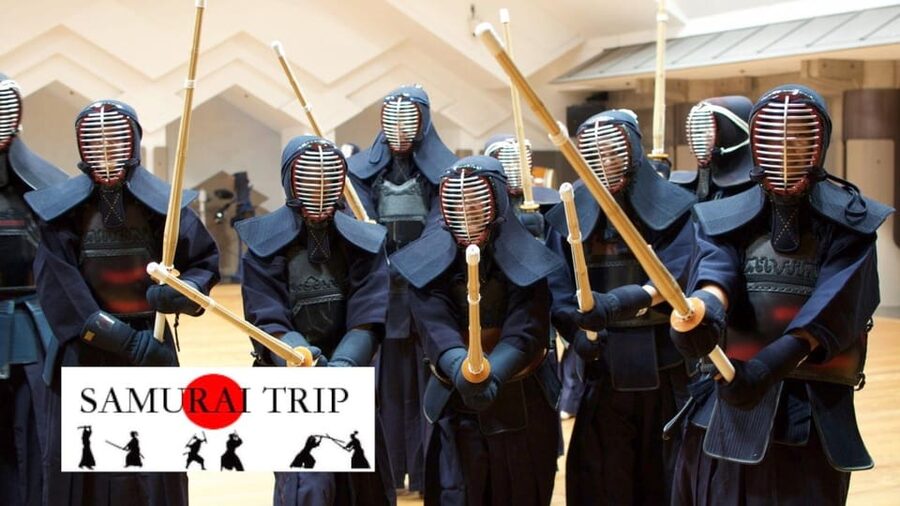
- Full kendo armor rental so you practice in the real setup, not a costume version
- Small group (up to 6) for more direct coaching and quicker correction
- English and Japanese instruction with clear basics you can follow even as a beginner
- Men, kote, do training plus counter techniques so it feels more than just stance practice
- Light spar and game-like drills that add action while keeping it safe
- Free mineral water and a Japanese hand towel included with the session
Entering 誠道館, a calm dojo inside a real Tokyo neighborhood
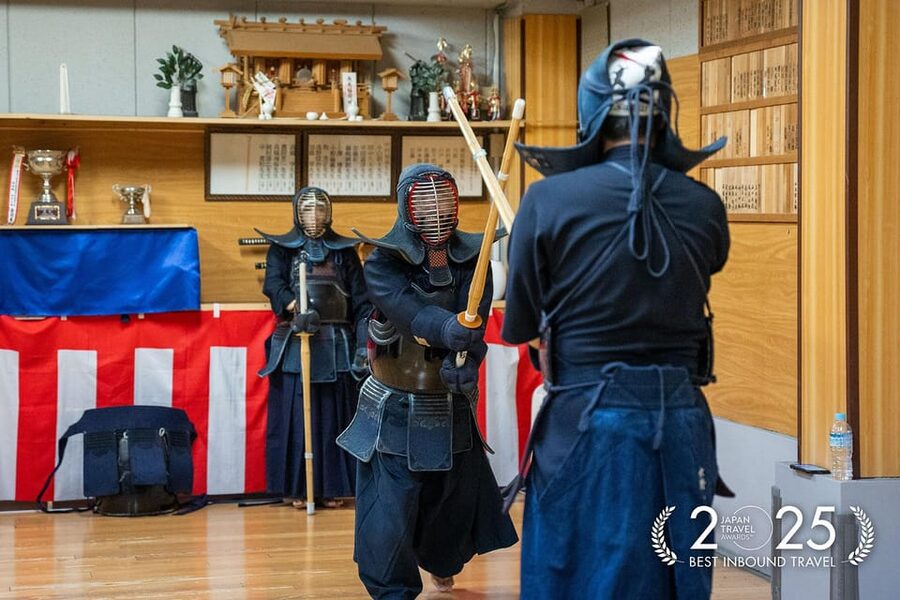
Kendo training has a specific mood. Even before anyone hands you a shinai, you get the sense that the dojo expects focus, respect, and quiet attention. At 誠道館, the setup feels grounded, not staged. You meet about 10 to 12 minutes from JR Uguisudani station North exit, then follow directions to the address at 4-7-2, Higashinippori, Arakawa-ku, Tokyo.
This matters because kendo is partly physical, partly mental. The etiquette you are taught, how you line up, how you listen before a drill, and how you move afterward all shape the experience. That is why people come away feeling more than just exercise. They leave with a better sense of how Japanese martial arts training actually runs day to day.
The location is also worth a practical note. A couple of people described it as slightly hard to find since it is run out of a house. My advice: give yourself a few extra minutes for walking, and double-check your map route before you leave the station.
More Samurai & Ninja Sessions in Tokyo
- Tokyo: Samurai Restaurant Show Ticket with 2 Drinks
★ 4.5 · 1,307 reviews - Tokyo: Samurai Ninja Museum Guided tour and Experience
★ 4.6 · 1,010 reviews - Tokyo: Samurai Sword & Archery Class from Samurai Descendant
★ 5.0 · 603 reviews
Your 2-hour flow: armor up, etiquette first, then strikes
The session is about 2 hours long, and it is usually paced to get beginners moving quickly without skipping the basics. While exact timing can shift depending on what is happening in the dojo, here is the kind of progression you should expect.
First, you get set up with your equipment rental and a quick orientation. This is where you learn how to wear the armor properly, where straps should sit, and how your stance changes once the gear is on. Then comes etiquette and rules. Kendo has a formal feel, and the instructors use that structure to make sure everyone stays safe and understands what is happening.
Next, you work through fundamental striking targets. The training commonly includes men (head strikes), kote (wrist strikes), and do (body strikes). You will practice technique and accuracy, not just swings. Then instructors typically add a few counter techniques, so you learn how to respond when your opponent reacts.
Near the end, you shift into something closer to action. Many sessions include light sparring and playful drills, with the emphasis still on control. Some classes use game-like targets such as balloons to keep it fun and lower-pressure for first-timers, while others do controlled one-on-one exchanges. Either way, you get that satisfying moment where the training clicks and you start reacting like you are in a match.
The armor rental: why full equipment is worth it
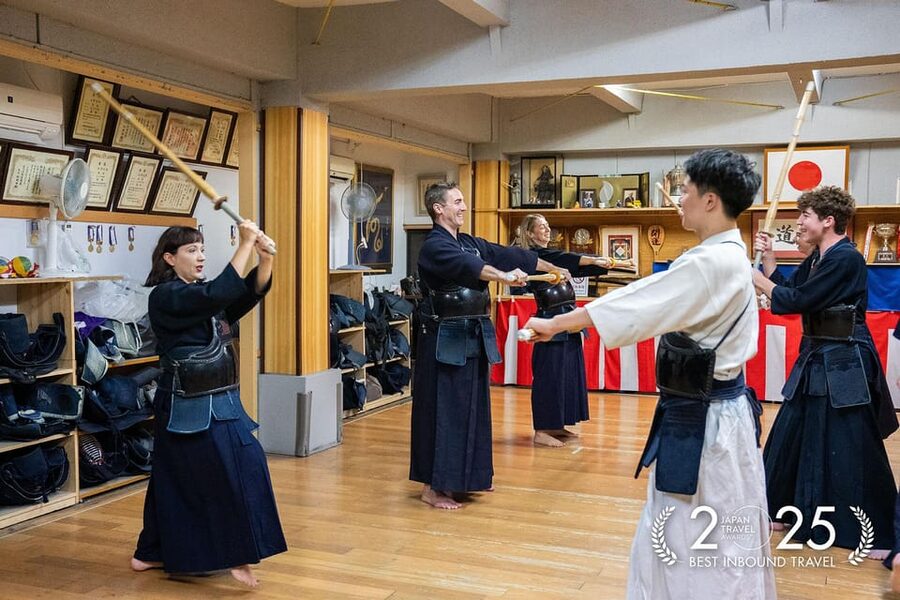
This is one of the main reasons the experience earns such strong ratings. In kendo, you do not just learn how to swing. You learn how to swing while wearing protective gear that changes your posture, your movement, and your perception of distance.
You wear full kendo armor and equipment, which typically includes the head protector and body protection. It turns the session into something close to the real sport, even for a beginner. You also get a short burst of humility. Once the armor is on, you can feel how experts move with speed and precision, and you realize how much timing matters.
That brings up the practical side. Wear loose fitted exercise clothing when you arrive. If the dojo does not have a size for your kendo wear, you may need to practice using your own personal cloth instead, so having comfortable clothes matters.
If you wear glasses, take the warning seriously. The head protector can make it hard to fit glasses safely, and there is a possibility of damage. The provided guidance is not to wear glasses with the helmet, and contact lenses are the suggested option.
Also, plan on sweating. This is active training in full gear, even if it is beginner friendly. People recommend bringing fresh clothes, because you will likely want to change after.
Learning men, kote, do, and the counters that make it feel like kendo
A lot of martial arts intro lessons teach theory or movement drills. This one aims for fundamentals you can actually use. You learn the core striking targets and how they fit into scoring and match behavior.
In the session, you commonly practice three main strike types:
- Men: head strikes using correct angle and timing
- Kote: wrist strikes, focusing on precision and control
- Do: body strikes, usually with attention to posture and reach
Then the instructors layer on a few counter techniques. That is the difference between doing random swings and learning a system. When you practice counters, you start to understand kendo as a back-and-forth exchange, not a one-way hitting drill.
Many sessions also include official rules explanations. You may not memorize everything instantly, but you will understand why certain moves are acceptable and what the instructor is correcting in real time. That also affects your sparring comfort level. You will be less anxious because you know the boundaries.
One more detail that makes this experience special is the instructor coaching style. Several people described sensei who are helpful but strict, and they correct fast. If you freeze when someone talks quickly, it helps to remember that you can watch the demonstration and copy the timing while you process the explanation. In kendo, your body learns before your brain catches up.
More Samurai and Ninja sessions in Tokyo:
- Ninja+Kabuki Tokyo
★ 4.5 · 512 reviews - Skip the lines Basic Ticket at SAMURAI NINJA MUSEUM TOKYO
★ 5.0 · 470 reviews - Best Samurai Experience in Tokyo
★ 5.0 · 458 reviews - Tokyo: Legend Samurai Entertainment Night in Kanda Shrine
★ 4.6 · 367 reviews
Light sparring and dojo games: action without the chaos
The best part of training for most first-timers is the moment you get to apply what you learned. This session includes light sparring, and it is built to keep things safe while still giving you real intensity.
You are not just doing solo practice. You pair up and practice exchanges, often with controlled strikes and clear instructor direction. The goal is respectful engagement, not reckless power. When the dojo is working well, it feels like structured competition with training wheels.
You may also see playful elements. One reviewer mentioned balloon drills. That is not about making kendo silly. It is about giving beginners a low-pressure way to track timing and target selection. When you can hit a moving, obvious target, your confidence rises and your footwork starts to follow.
Some people also described how strict the sensei can be, including sharp focus on head and armor contact. That can be intense if you are sensitive to being hit, even lightly. My advice is simple: go in expecting disciplined coaching. In this dojo style, safety and respect are enforced through attention to detail, not through softness.
Instructor background and teaching style in English and Japanese
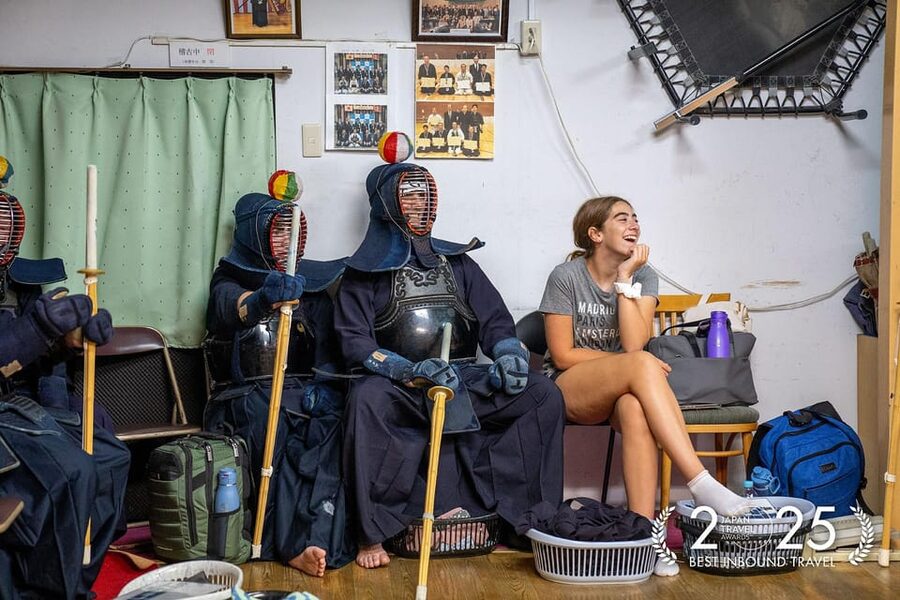
The instructors teach in English and Japanese, and they guide you through a beginner-friendly pathway. You do not need martial arts experience to start, but you should expect the session to move quickly once the basics are explained.
The instructor background described for this experience includes kendo training and connection to Keio University kendo circles, plus international teaching experience. That matters because the best beginner lessons are not watered down. They translate real kendo discipline into a form first-timers can follow.
Teaching tone is part of the authenticity. Some people found the sensei blunt at times, and one mentioned that it could feel a bit rough if you are unsure what is being communicated. That is a common issue in any dojo where the instructor’s priority is training rhythm. If you want to do well, watch what the sensei does with the weapon and feet, then mirror that while you track the English keywords.
Finally, group size helps. With a cap around 6 participants, you are more likely to get direct correction, and the instructor can notice if your stance or timing is off before it becomes a habit.
What you actually get for $116, and why it is decent value
At about $116 per person for 2 hours, this is not the cheapest thing on a Tokyo list. But it is also not just a class with no gear. You get rental of kendo armor and equipment, a professional instructor/guide, free mineral water, and a Japanese hand towel.
That changes the value equation. Equipment rentals in Tokyo can add up, and a small-group teaching setting takes time and attention. If you tried to replicate this with a random gym or a self-guided video setup, you would spend more time figuring out safety, fit, and the rules of practice.
Also, this session is built around doing. You are not just learning moves. You practice targets and you get light sparring structure. For many people, that is what makes the price feel fair.
Two things are not included. Food is not included, and there is no hotel pickup. So plan to arrive ready to train, and eat beforehand or after. Also, bring water from the convenience store if you think you need more than the included mineral water.
What to wear and bring so you do not feel stressed
This experience has a few clear prep tips that can make or break your comfort.
Bring or wear loose fitted exercise clothing. The dojo may not have kendo wear sizes for everyone, and you might practice with your own clothes. Comfortable athletic clothing helps either way.
If you wear glasses, reconsider them for this activity. The guidance says it is not advisable due to difficulty of wearing the head protector and the possibility of spectacle damage. Contact lenses are recommended instead.
If you have time, bring fresh clothes for after. Even though you are inside a dojo, the combination of armor, exertion, and controlled sparring is sweaty. People specifically recommend fresh clothes, and that advice is practical.
One more small planning thought: you might want to set aside a few minutes to take pictures and chat. Some sessions include time for that, and the group size is small enough that conversations can be easy.
Who should book this kendo session, and who should think twice
I think this is a strong fit if you want a hands-on intro to Japanese martial arts that still respects tradition. It is especially good for people who like structured activities. You will learn the etiquette, the main targets, and you will get applied practice rather than only technique drills.
It is also a good choice for active beginners. Kendo can feel surprisingly approachable once you are in the gear and coached through footwork and striking basics. Several people described it as fun and mentally satisfying because it builds respect for the sport.
Families can work too. One review mentioned pre-teens joining and enjoying the workout and training gear. That suggests it can be family-friendly if kids can follow instructions and handle discipline.
Who should think twice:
- Anyone who cannot manage protective gear fitting, including sizing concerns for kendo wear
- Anyone who depends on glasses without an alternative like contact lenses
- Anyone who is easily bothered by strict coaching or sharp feedback during contact drills, even if it stays controlled
If you fall into one of those categories, it does not mean you cannot go. It means you should prepare more carefully and communicate needs before the session begins.
Should you book this Samurai Kendo practice in Tokyo?
Yes, I would book it if you want an authentic, do-it-yourself martial arts experience in Tokyo that goes beyond watching. The biggest selling points are the full armor rental, the small group feel, and the practical teaching of men, kote, do with real application and light sparring.
Before you go, do three things to set yourself up for a good time:
- Wear easy exercise clothing and plan for sweating.
- Sort out eyewear in advance, contact lenses are the safe plan.
- Give yourself extra time to find 誠道館 from JR Uguisudani.
If you want a calm introduction to Japanese swordsmanship with enough action to feel rewarding, this is a solid choice.
FAQ
How long is the Tokyo Samurai Kendo practice session?
The experience lasts about 2 hours.
Where is the meeting point for 誠道館?
You meet about 10 to 12 minutes from JR Uguisudani station North exit. The address is 4-7-2, Higashinippori, Arakawa-ku, Tokyo, 誠道館.
What does the price include?
The price includes the professional guide/instructor, rental of kendo armor and equipment, free mineral water, and a free Japanese hand towel.
Is food or hotel pickup included?
No. Food is not included, and there is no hotel pickup.
What languages are used during the practice?
Instruction is available in English and Japanese.
What should I wear or bring for the session?
Bring or wear loose fitted exercise clothing. If there is no size for kendo wear, you may be asked to practice using your own personal cloth. Glasses are not advisable due to difficulty wearing the head protector and the possibility of damage, and contact lenses are recommended.
What is the booking and cancellation policy like?
The experience offers free cancellation up to 24 hours in advance for a full refund, and you can reserve now and pay later.
Newly listed around Tokyo
- Tokyo private transfer for Yokohama Port★ 4.5 · 63 reviews
- Luxury Kimono Photoshoot at Ginza Tokyo★ 5.0 · 7 reviews
- Tokyo Allstar Food Tour★ 4.5 · 206 reviews
- Tokyo Art Aquarium Museum E-Ticket with optional Tokyo Metro Pass★ 5.0 · 17 reviews
- Tokyo: Best Ginza Food Tour at 3 Local Eateries★ 5.0 · 83 reviews
- Private One Day Nikko Tour with Bilingual driver★ 3.5 · 11 reviews
- PRIVATE tour in 180SX to Daikoku+++++★ 5.0 · 6 reviews
- Kabuki Talk★ 5.0 · 10 reviews
Samurai Sword & Ninja Training, compared.
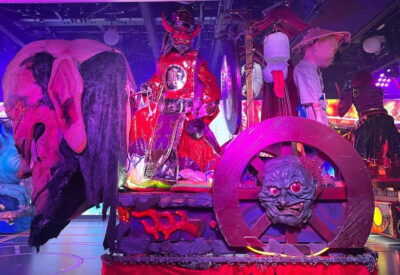
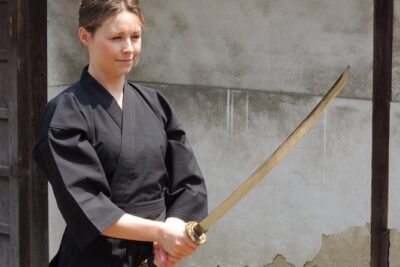
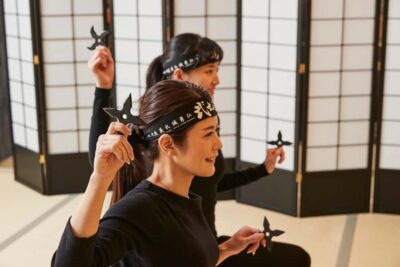
Samurai Ninja Museum Guided tour and Experience
Read our review →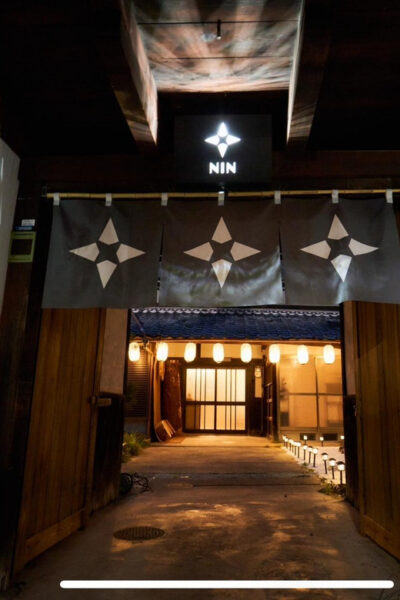
Kendo and Samurai Experience with Uniform and Gear
Read our review →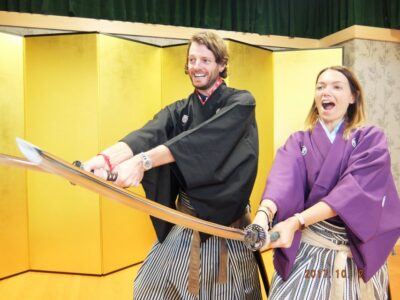
Samurai Sword Class by Experts in Traditional Arts
Read our review →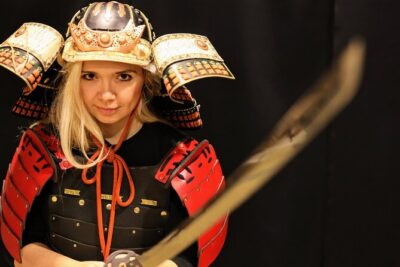
Skip the lines Basic Ticket at SAMURAI NINJA MUSEUM KYOTO
Read our review →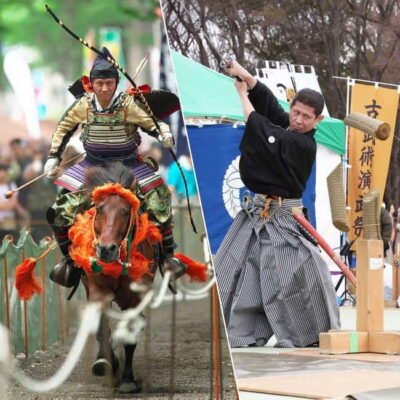
Samurai Sword & Archery Class from Samurai Descendant
Read our review →
Browse the lists this tour appears in