
Review · SAMURAI SWORD & NINJA TRAINING
Tokyo: Samurai Sword Academy in the Hometown of Last Samurai
Sword training in Tokyo, minus the tourist show. This experience is based in Hino City, the hometown of the Shinsengumi, and it focuses on Tennen Rishin-ryu as it is taught today at the Hino Dojo. I like the step-by-step structure, starting with posture and footwork, then moving into kata and cutting practice with an instructor beside you.
Two things I really enjoy here are the lineage and the teaching style. The chairman, Masao Inoue, a descendant of Shinsengumi executive Genzaburo Inoue, leads the program, which makes the whole class feel connected to the people who kept this sword art going. My only caution is physical, since the class is not suitable if you have back problems, mobility limitations, heart conditions, vertigo, recent surgery, or if you are not well.
In This Review
- Key highlights you should know before you go
- Entering the Hino Dojo and feeling the Shinsengumi setting
- What happens during the 2-hour Tennen Rishin-ryu session
- Masao Inoue and the dojo lineage that makes it feel authentic
- Handling the sword: wooden first, then the real deal
- The training style: small group attention without rushing you
- Value for $116: why the price feels fair for what you get
- Getting there from Tokyo and planning your day
- Who should book, and who should skip this sword class
- Extra touches that make the experience stick
- Price, culture, and safety, all in the same 2 hours
- Should you book the Samurai Sword Academy in Hino?
- FAQ
- Where is the meeting point?
- How long is the sword academy experience?
- How many people are in the group?
- What languages do the instructors speak?
- Do I get to handle a real Japanese sword?
- What practice clothing is provided?
- Is this class suitable for beginners?
- What is the age requirement?
- Is it okay if I have a health condition or limited mobility?
Key highlights you should know before you go
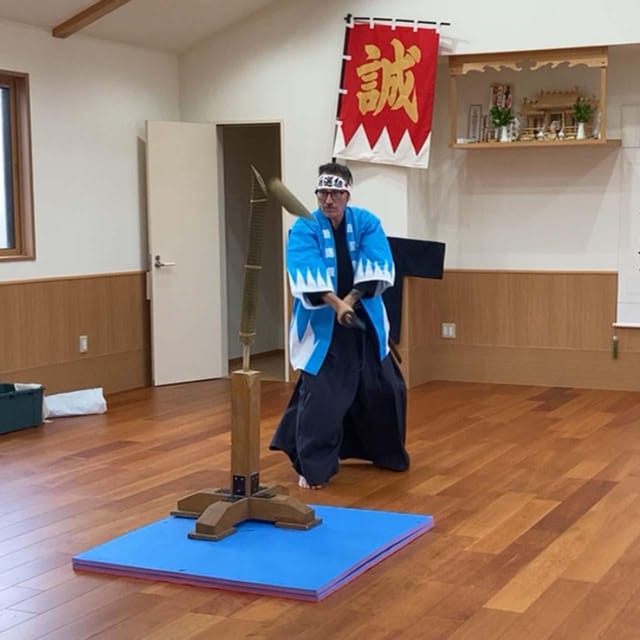
- Real dojo atmosphere at the Hino Dojo, where Tennen Rishin-ryu is practiced by today’s students
- Instructors who teach seriously, but stay friendly, with patience for slower learners
- Handling a Japanese sword, not just trying motions with a toy or prop
- Staged training that builds safety, with correct foot placement and posture before harder drills
- Small group size (up to 4), which means you get more attention than big-group demos
- A final surprise and a Shinsengumi map, plus a clear sense of where the story happened
Entering the Hino Dojo and feeling the Shinsengumi setting
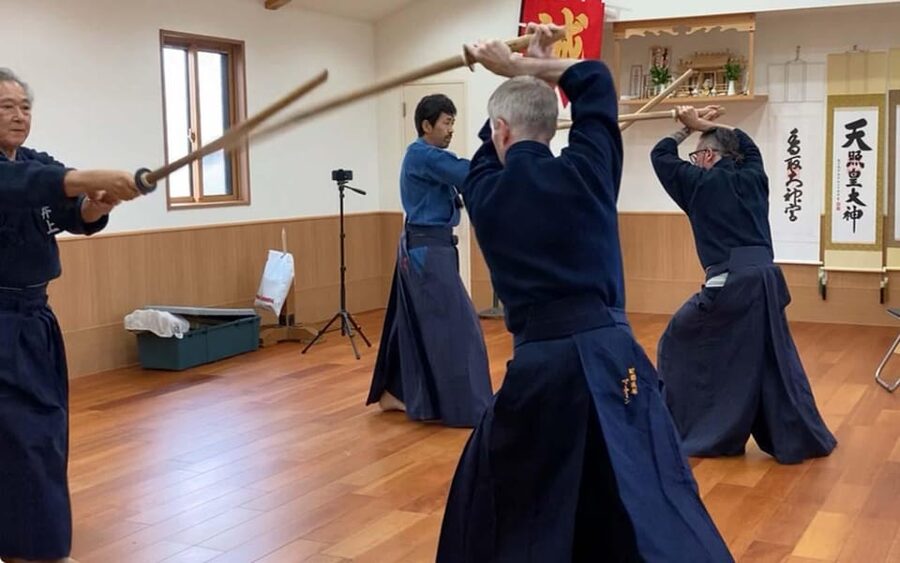
The experience is anchored in Hino City on Honshu, which matters because this isn’t a generic sword workshop. You’re learning at the Tennen Rishin-ryu Hino Dojo, tied to the swordsmen who formed the Shinsengumi at the end of the Edo period. That connection is why the class feels more grounded than a one-off performance.
Meeting point is at the second floor of the Inoue Genzaburo Museum, about a five-minute walk from Hino Station on the JR Chuo Line. The short walk is a nice practical touch, especially if you’re coming in on a regular Tokyo train day.
More Samurai & Ninja Sessions in Tokyo
- Tokyo: Samurai Restaurant Show Ticket with 2 Drinks
★ 4.5 · 1,307 reviews - Tokyo: Samurai Ninja Museum Guided tour and Experience
★ 4.6 · 1,010 reviews - Tokyo: Samurai Sword & Archery Class from Samurai Descendant
★ 5.0 · 603 reviews
What happens during the 2-hour Tennen Rishin-ryu session
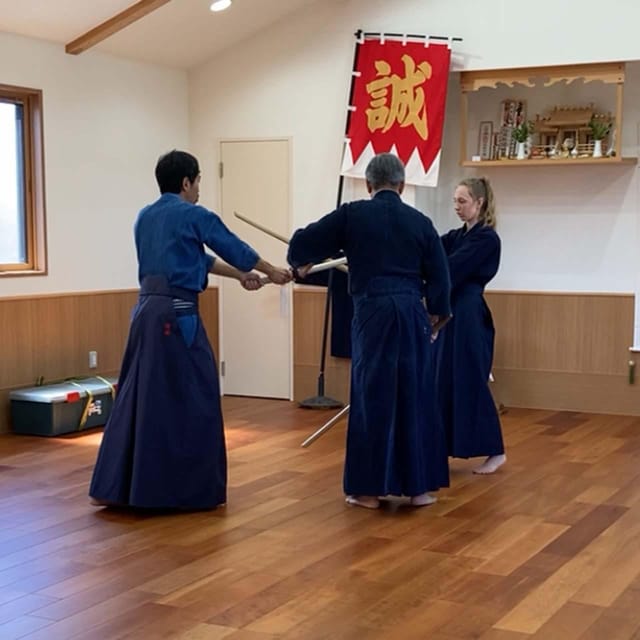
This is a 2-hour program, and the timing is designed like a real class. You start with fundamentals: posture, stance, and foot placement, taught in a way that helps you control your movement rather than just copy shapes.
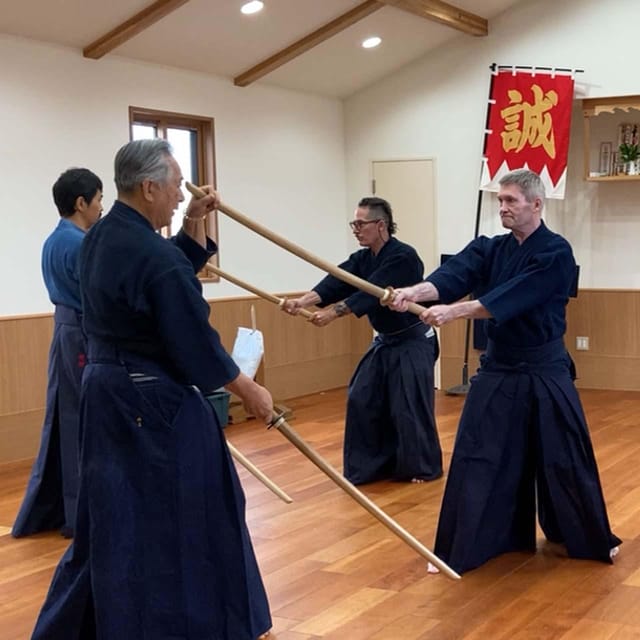
From there, you move into sword practice using wooden training swords and kata-style work. The instructors focus on how your body supports the technique, and multiple reviews highlight that you learn not just what to do, but why it helps prevent mistakes and reduce strain.
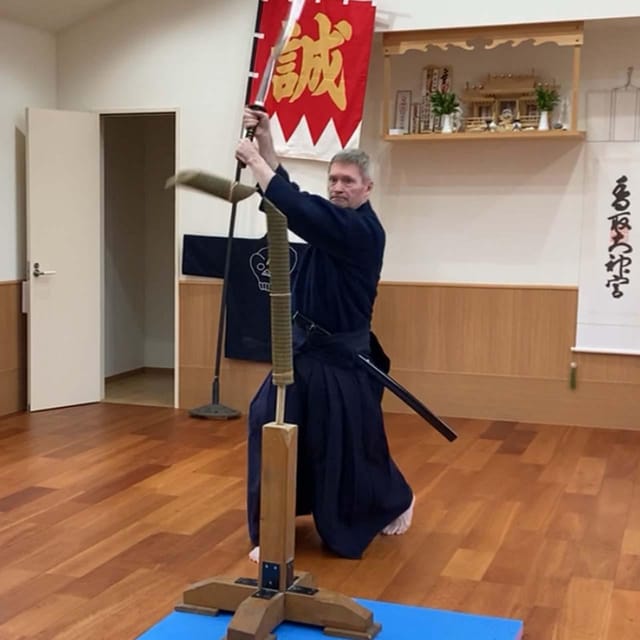
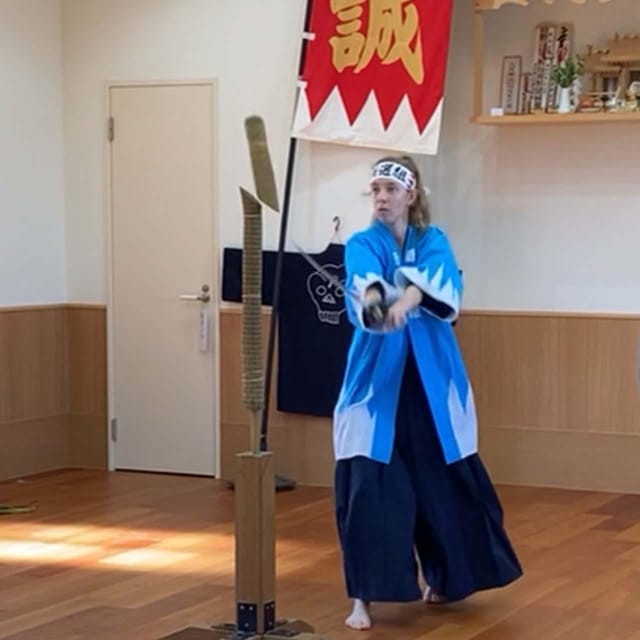
The session then steps up to what most people come for: handling a real Japanese sword as part of the training flow. You should expect practice that can include cutting, and one review specifically mentions cutting tatami mats and also an attempt at cutting bamboo. Even if your exact cut is different day to day, the structure is clear: you build up to it, you don’t jump straight into danger.
Masao Inoue and the dojo lineage that makes it feel authentic
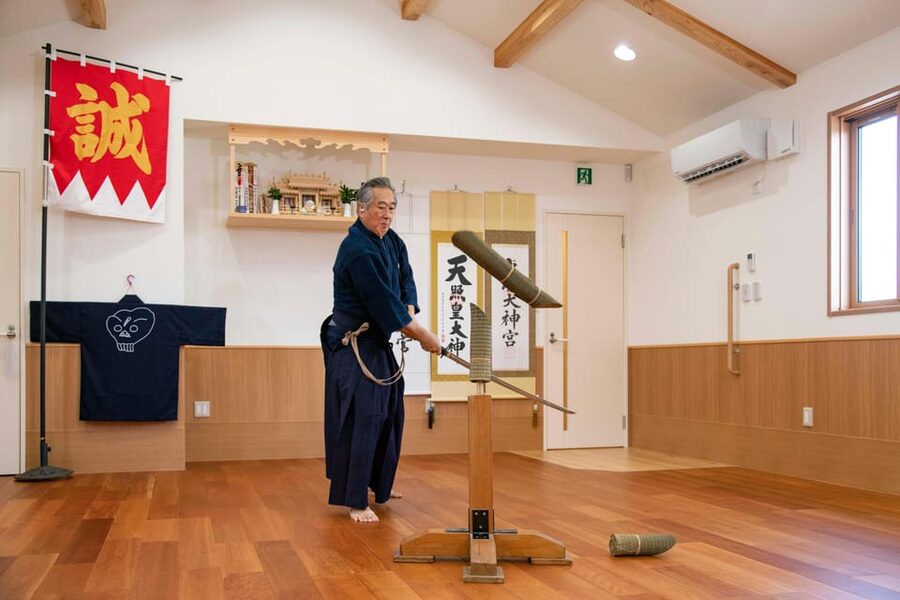
The program is led by Masao Inoue, the chairman of the Tennen Rishin-ryu Hino Dojo, and a descendant of the Shinsengumi executive Genzaburo Inoue. That isn’t just a bio detail. It shapes how the class is presented, with respect for tradition and a serious tone that still stays welcoming.
In plain terms, you get a sense that the instructors see this as transmission, not entertainment. Reviews repeatedly call out a blend of seriousness and friendliness, which is the ideal mix for something with swords where safety and focus matter.
If you like context, you’ll probably enjoy how the class ties back to Hino City as the Shinsengumi’s hometown. You’re learning technique, but you’re also learning the place.
Handling the sword: wooden first, then the real deal
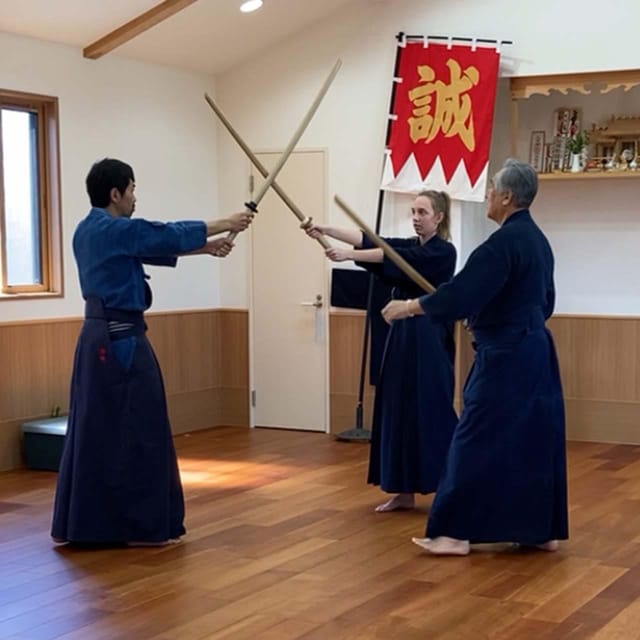
A lot of sword experiences stop at posing. Here, the included gear makes it more hands-on: wooden sword, Japanese sword, and practice clothing.
You’ll change into dogi and hakama (practice uniform) and also wear the dandara baori connected with the Shinsengumi look. That costume piece matters because it helps you step into the role of a trainee, not just a sightseeing tourist.
Then you practice. The big promise here is that you can experience handling a Japanese sword, which is why this class gets high marks. You get coaching on safe movement, and the staged training approach makes it easier to keep your balance while learning control.
Practical note: sword arts use specific body positioning. If you’re stiff or tense, you’ll benefit from listening carefully and moving slowly at first. That’s exactly how the class is structured.
More Samurai and Ninja sessions in Tokyo:
- Ninja+Kabuki Tokyo
★ 4.5 · 512 reviews - Skip the lines Basic Ticket at SAMURAI NINJA MUSEUM TOKYO
★ 5.0 · 470 reviews - Best Samurai Experience in Tokyo
★ 5.0 · 458 reviews - Tokyo: Legend Samurai Entertainment Night in Kanda Shrine
★ 4.6 · 367 reviews
The training style: small group attention without rushing you
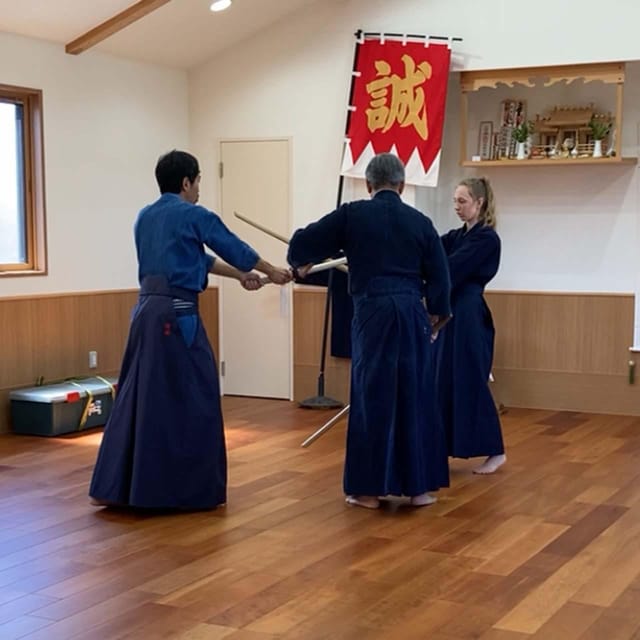
The class is limited to 4 participants, and that changes the vibe fast. With small groups, instructors can notice your foot placement and posture in the moment, not after the fact.
This is also where you see why people rate it so highly for instruction quality. Reviews mention patient teaching, explanations that include safety reasons, and instructors who work with your pace if you’re not moving as fast as others.
Because it’s a real dojo, the environment also supports concentration. It’s not a crowded showroom. You’re in a training hall setting with equipment and space meant for practice, not just watching.
Value for $116: why the price feels fair for what you get
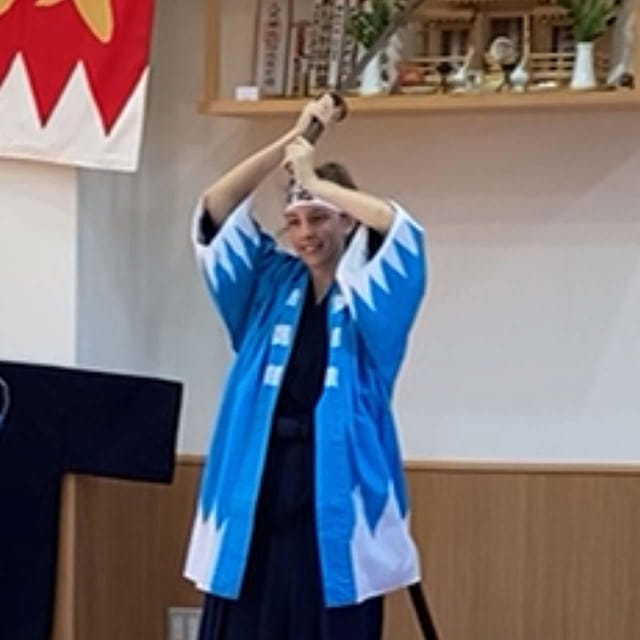
At $116 per person for 2 hours, the best way to judge value is what’s included and how much real coaching you receive. You’re not just paying to touch a sword. The cost covers:
- instruction by a master and instructor
- swordsmanship experience
- both wooden and Japanese sword practice
- dogi and hakama, plus the dandara baori
For many people, the standout value is that you get to work through the fundamentals first. That matters because it makes the real sword handling feel safer and more meaningful.
If you’re hoping to learn enough to enjoy the culture and training, this looks like a solid use of time. If you only want a quick photo moment, you’ll likely find it more work than you expected.
Getting there from Tokyo and planning your day
The location is convenient because it’s a short walk from Hino Station on the JR Chuo Line. Practically, that makes it easier to tack onto a broader Tokyo day trip plan without needing private transport.
Because the session itself is 2 hours, you should plan your travel window with buffer time. You don’t want to arrive flustered, especially for a class where posture and foot placement are the first things you’ll be asked to focus on.
If you’re taking this as a highlight, build your schedule so you’re not rushed afterward. It’s the kind of activity where you’ll feel better if you can relax for a bit and let your body recover, even if you move carefully.
Who should book, and who should skip this sword class
This activity is not suitable for people who are pregnant, have back problems, mobility impairments, heart problems, vertigo, use a wheelchair, have a cold, have recent surgeries, or have low level of fitness. It is also listed as not suitable for children under 18, and people over 75 or dealing with altitude sickness.
So who is it best for? If you are generally healthy and want an authentic, structured introduction to Japanese swordsmanship, this fits well. If you want cultural connection tied directly to technique, the Hino Dojo setting is a big plus.
It also suits travelers who like clear instruction. Reviews mention that the teachers explain why techniques work, like how proper foot placement helps avoid injury. That kind of teaching is great if you want to understand the movement, not just copy it.
Extra touches that make the experience stick
The class doesn’t end at bowing and leaving. One of the details that shows up in reviews is a final surprise at the end. You’ll also receive a Shinsengumi map with key historical spots, which is a smart add-on because it turns the training into a follow-up mini itinerary.
That’s the kind of small value boost I appreciate: it gives you something useful after the sword practice. Instead of leaving with only memories, you leave with directions for what to explore next in Hino.
Price, culture, and safety, all in the same 2 hours
This is a sword class, so safety is part of the product. You’ll see that in the teaching approach, starting with posture and footwork before heavier drills.
It’s also cultural, in a way that doesn’t feel like a lecture. The lineage, the dojo atmosphere, the uniforms tied to the Shinsengumi look, and the Hino setting all connect. You’re not just learning a move, you’re learning how the art is practiced and why it matters.
Should you book the Samurai Sword Academy in Hino?
Book it if you want more than a demo and you value a structured class with small-group attention. The strongest reasons to go are the authenticity of the dojo setting, the connection to Shinsengumi lineage through Masao Inoue and the dojo’s leadership, and the chance to handle a Japanese sword with staged training.
Skip it if you’re looking for a casual, low-effort activity. This is physical. It’s also not listed as suitable for a long list of health situations.
If you’re healthy enough and curious enough to learn, this feels like a high-impact Tokyo-area day outing: technique first, history attached, and instructors who treat the craft with respect.
FAQ
Where is the meeting point?
You meet on the second floor of the Inoue Genzaburo Museum, about a five-minute walk from Hino Station on the JR Chuo Line.
How long is the sword academy experience?
The program lasts 2 hours.
How many people are in the group?
It is a small group, limited to 4 participants.
What languages do the instructors speak?
The instructor can teach in English and Japanese.
Do I get to handle a real Japanese sword?
Yes. A Japanese sword is included in the experience, along with wooden swords for training.
What practice clothing is provided?
You’ll be provided with dogi and hakama (practice uniform) and a dandara baori (Shinsengumi uniform).
Is this class suitable for beginners?
The training starts with fundamentals like correct posture and footwork, then moves into kata and practice. The format is designed to teach skills in stages.
What is the age requirement?
Children under 18 years old are not suitable for this activity.
Is it okay if I have a health condition or limited mobility?
The activity lists many cases as not suitable, including back problems, mobility impairments, wheelchair use, vertigo, heart problems, recent surgeries, and having a cold.
Newly listed around Tokyo
- Tokyo: Sumo Morning Practice Tour in Ryogoku and Photo Shoot★ 4.7 · 47 reviews
- Tokyo Sumo Morning Practice: Witness the Life of a Wrestler★ 4.8 · 56 reviews
- Tokyo Sumo Morning Practice: Viewing & Exclusive Interaction★ 4.9 · 74 reviews
- Tokyo: Sumo Morning Practice with journalists. Not fake show★ 4.9 · 121 reviews
- Tokyo: Morning Sumo Practice Viewing★ 4.8 · 136 reviews
- Tokyo: Sumo Morning Practice Viewing Tour at a Real Stable★ 4.9 · 32 reviews
- Tokyo: Snow Monkey Park and Zenkoji Temple Private Day Tour★ 4.7 · 127 reviews
- Tokyo: Skytree and Tokyo Tower Helicopter Tour★ 5.0 · 8 reviews
Samurai Sword & Ninja Training, compared.
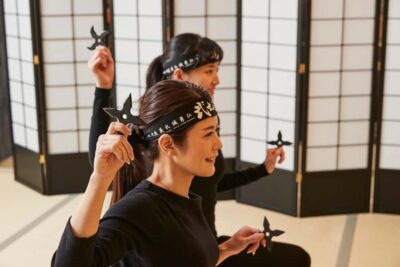
Samurai Ninja Museum Guided tour and Experience
Read our review →
Kendo and Samurai Experience with Uniform and Gear
Read our review →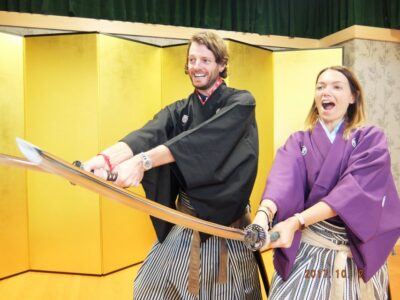
Samurai Sword Class by Experts in Traditional Arts
Read our review →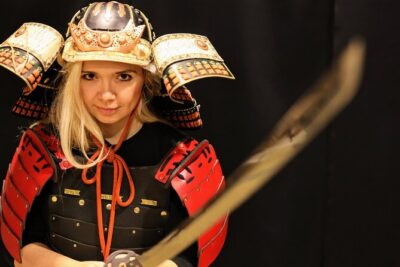
Skip the lines Basic Ticket at SAMURAI NINJA MUSEUM KYOTO
Read our review →
Samurai Sword & Archery Class from Samurai Descendant
Read our review →
Browse the lists this tour appears in