
Review · TRADITIONAL MUSIC & DANCE SHOWS
Traditional Japanese Music show & Experience Tour in Osaka
Osaka has a way of turning everyday streets into stories, and this hour of hogaku music is one of them. I love how close you get to the sound, with live playing of instruments like the shamisen and wadaiko, plus time to ask questions.
You’ll leave with more than photos. You’ll walk away knowing what you just heard, and you get a hands-on moment to hold and play traditional instruments yourself.
One thing to consider: the whole experience is about 1 hour, and the set list can change by day. It is short, so I recommend going in ready to pay attention and soak it all up quickly.
In This Review
- Key reasons to book this Osaka music experience
- 60 Minutes of Osaka Hogaku Music, Live and Practical
- What You Actually Hear: Shamisen, Koto, Wadaiko, and More
- The First 25 Minutes: Listening Like a Music Detective
- The Best Part: 25 Minutes to Handle and Try the Instruments
- Photo Time With Instruments and Performers (Your Souvenir, Done Right)
- Small Group Size in Osaka: Better Interaction Than Big Shows
- Where It Starts: Osaka Meeting Point Near Shinsaibashi
- Schedule Options: Wednesday 11:00 and Friday 18:30
- Price and Value: Why $46.12 Makes Sense Here
- Who This Osaka Show Is Perfect For
- A Few Practical Tips Before You Go
- Should You Book This Traditional Japanese Music Experience in Osaka?
- FAQ
- What time does the traditional Japanese music experience run in Osaka?
- How long is the experience?
- What instruments can I expect to see and try?
- Is there an instrument provided during the hands-on portion?
- How many people are in the group?
- Where do I meet, and will I return there?
- Is this a mobile ticket experience?
- What is the cancellation policy?
Key reasons to book this Osaka music experience
- Live instruments up close, including shamisen, koto, wadaiko, and more
- Real Q&A time with professional musicians, not just a silent show
- Hands-on playing where you can handle and try the instruments
- A built-in photo moment with instruments and performers as a souvenir
- Small group size (max 7) for better interaction and less waiting
- Day-dependent program, so different sessions can feel different
60 Minutes of Osaka Hogaku Music, Live and Practical
This is a traditional Japanese music performance in Osaka focused on hogaku, the art of Japanese musical traditions. What makes it genuinely useful, not just entertaining, is the structure. You do a short concert first, then you switch gears to learning by doing.
The session runs about 60 minutes total. The schedule breaks down into three parts: 25 minutes of a live concert, about 25 minutes where you try playing traditional instruments, and 10 minutes for photos with the instruments and performers. That pacing matters. You hear the music in context first, then you get your hands on the instruments before everything fades into memory.
Cost-wise, it is $46.12 per person, which is not a bargain-bucket price. But you are paying for a small-group experience with professional musicians, live playing, instrument handling, and a photo time slot. For many culture activities in Japan, the hands-on portion is either missing or tacked on for a few rushed seconds. Here, you get a dedicated playing window.
Compare these Traditional Music and Dance shows in Osaka:
- Osaka: UTAGE Japanese Taiko Live Show
★ 4.9 · 167 reviews - OSAKA NIGHT FUSION Japanese Taiko Kabuki Samurai Dance Show
★ 4.8 · 155 reviews - Osaka: UTAGE Modern Japanese Taiko Live Show
★ 5.0 · 81 reviews
What You Actually Hear: Shamisen, Koto, Wadaiko, and More
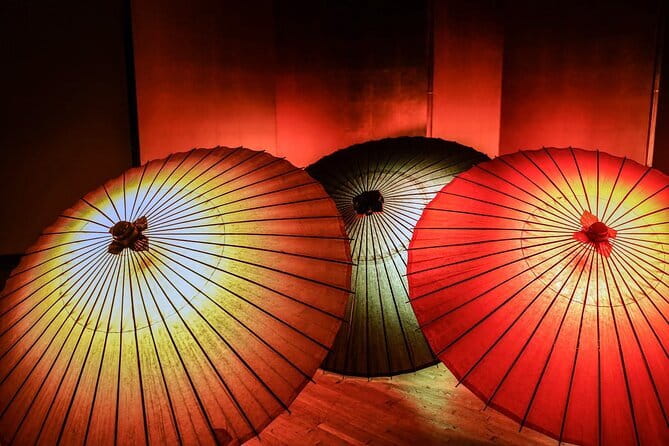
Expect a mix of well-known Japanese instruments, and the exact lineup can vary depending on the day. From the core set of instruments, you can look for:
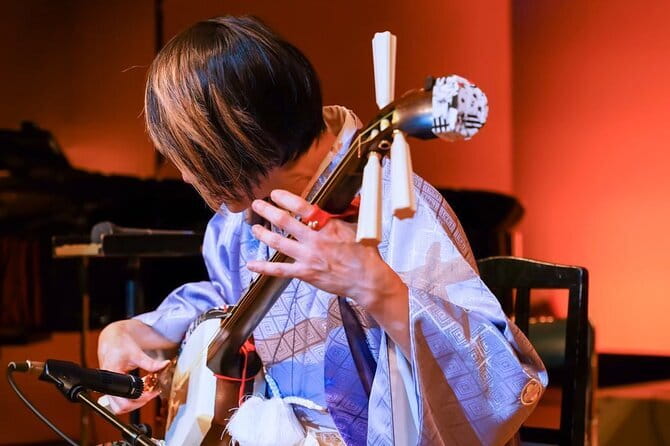
- Shamisen, the Japanese lute with a distinct twang and rhythm
- Koto, the Japanese harp with a bright, melodic character
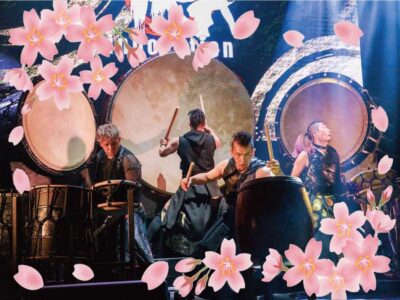
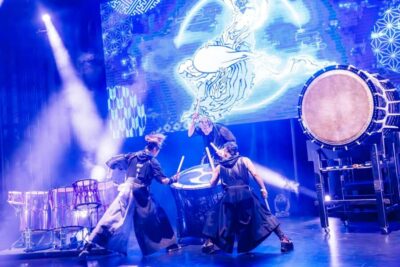
- Wadaiko, Japanese drums that can land with real physical force
- Other traditional instruments, depending on the program
What I like about this mix is that it gives you contrast. Shamisen and koto tend to carry melody and texture, while wadaiko brings the pulse and energy. Even if you do not know the names yet, your ears start sorting them quickly once you hear them in live succession.
Also, the program changes by day. That is a good thing. It means you are not just buying a generic performance, you are catching a specific session on a specific day. If you are staying in Osaka for a while, this can make a second booking more appealing, as long as schedules line up.
The First 25 Minutes: Listening Like a Music Detective
The concert portion is where you calibrate your ear. You get 25 minutes of live performance by professional musicians, and the goal is not passive sitting. It is about understanding what you are hearing.
Since you are in a small group, you can watch details that you usually miss in bigger venues, like how musicians coordinate hands, timing, and posture. You will likely notice that Japanese instruments often communicate through rhythm and technique as much as through melody. Wadaiko, in particular, tends to feel like a conversation, where the beat carries emotion as much as structure.
If you want to make the most of this segment, arrive a touch early and settle in. Bring your attention with you. In a short 25-minute concert, concentration pays off.
The Best Part: 25 Minutes to Handle and Try the Instruments
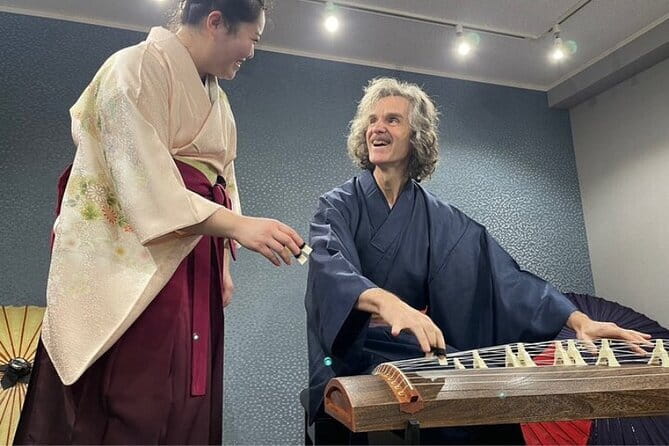
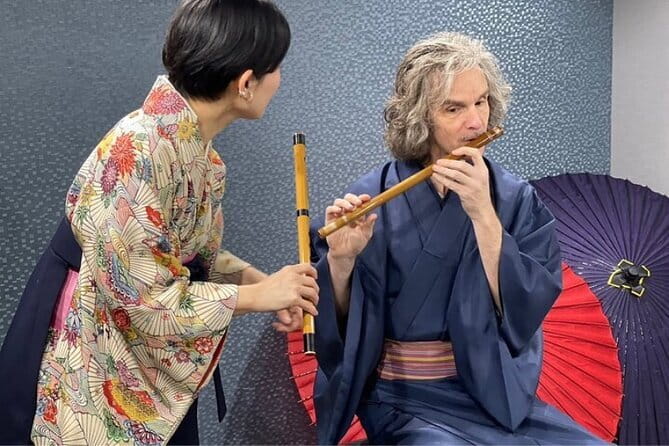
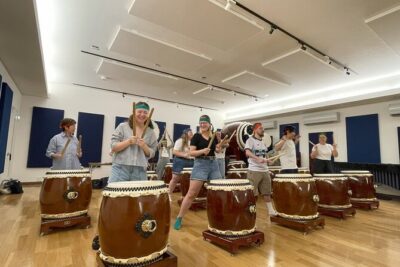
Then comes the moment that turns a show into an experience you remember: you try playing traditional instruments yourself. The tour provides an instrument for the experience, and you get a chance to handle and play during this 25-minute block.
This is the part I think many people are secretly hoping for. Watching instruments is fun. But touching, positioning, and attempting a sound is where you start understanding the music beyond its surface.
Here is how to approach it so you get real value:
- Expect your first attempts to feel awkward. That is normal. Focus on the technique cues you are given.
- Ask questions during the Q&A time. Even simple questions about how a player controls tone or timing can change how you hear the concert later.
- Be comfortable with learning on the spot. This is not a long workshop, it is an active try-it session.
Also, the review feedback style for this experience tends to match this specific strength: people are pleasantly surprised by how close the musicians are and how genuinely hands-on the playing time feels. That is exactly what you should look for when choosing a cultural activity like this.
A few more Osaka days to weigh up
- Osaka: Sumo Show & Experience w/ Optional Kimono & Hot Pot
★ 4.5 · 609 reviews - Osaka: Sumo Stage Show with Bento or Snack + Fight & Photo
★ 4.3 · 364 reviews - Osaka: English Stand Up Comedy Show at Osaka Comedy Club
★ 4.7 · 203 reviews - Osaka: A Modern Samurai, Kabuki, Taiko, & Dance Show
★ 4.5 · 66 reviews
Photo Time With Instruments and Performers (Your Souvenir, Done Right)
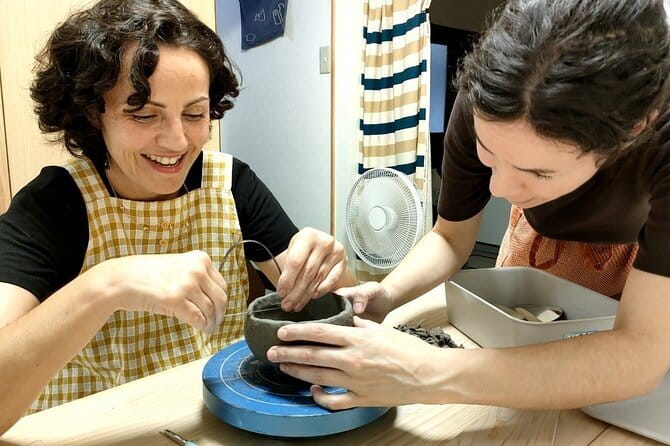
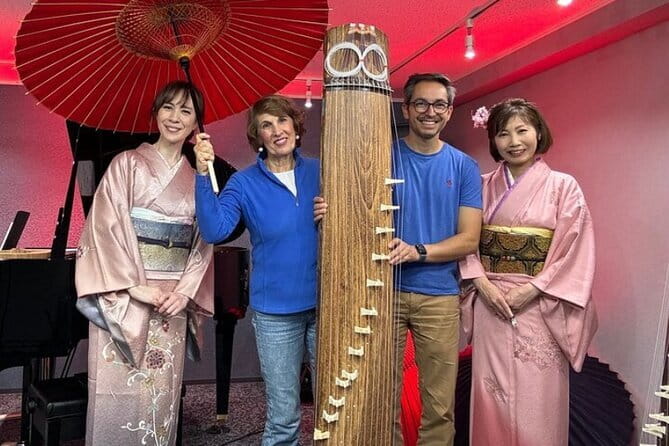
The last 10 minutes is for photos with the instruments and performers. This is not an afterthought. It is built in, so you are not scrambling to capture something while the music is still going or while everyone is standing up at once.
If you want photos that look natural, pay attention to how the instruments are positioned during the playing portion. Then, during photo time, follow the guidance given on posture and hold. Your pictures will look more intentional, and it will keep things moving smoothly for the group.
One practical tip: make sure your phone is charged and ready before you start. A quick check beats a stressful last-minute scramble when the photo moment arrives.
Small Group Size in Osaka: Better Interaction Than Big Shows
This activity caps at a maximum of 7 travelers. That small group size is a big part of the value. It means you can hear explanations clearly, and you can actually ask questions instead of shouting across a room.
There is also a minimum of 2 participants required to hold the activity. If the minimum is not met, you will be offered a different date or a full refund. For planning, this matters most during quieter travel weeks.
Overall, small-group format is what makes the professional musicians feel accessible. It turns what could be a one-way performance into a shared moment, where you can learn as you go.
Where It Starts: Osaka Meeting Point Near Shinsaibashi
The meeting point is in Minamisenba, Chuo Ward, at アルファ 心斎橋3-chōme-5-27, Osaka 542-0081, Japan. The activity ends back at the meeting point, so you do not need to worry about figuring out a separate drop-off.
Because it is near public transportation, you can build it into a day without complex logistics. Still, do yourself a favor and give a little extra time to locate the exact spot, especially if you are walking from a nearby station. Japan is easy, but the small street-level specifics can take a minute.
Schedule Options: Wednesday 11:00 and Friday 18:30

There are two listed start times: Wednesday at 11:00 and Friday at 18:30. If you are choosing between them, think about your day rhythm.
- The 11:00 session can work nicely as a morning cultural break, before your afternoon goes full Osaka shopping and street-food mode.
- The 18:30 session is a good evening activity. It gives you something calm and cultural after the day’s walking.
Since the concert content varies depending on the day, these two options may feel different from each other. If you can fit both, you might get a new mix of instruments and explanations.
Price and Value: Why $46.12 Makes Sense Here
At $46.12 per person for about 60 minutes, this is not a free-and-fun street activity. But it is priced like an organized cultural session with real professionals and a hands-on component.
You get four things that are hard to find together:
- Live performance in a short, easy-to-follow format
- Learning about instruments like shamisen, koto, and wadaiko
- Time to ask questions directly
- A designated instrument try-it section plus a photo moment
If you only wanted a concert, you could probably find longer or cheaper options. If you only wanted an instrument workshop, you might pay more and still not get a full performance arc. This sits in a sweet spot: short, guided, and interactive.
Who This Osaka Show Is Perfect For
This experience fits best if you want culture you can understand fast and participate in.
You should strongly consider booking if:
- You like music but want an explanation that helps you follow what you hear
- You want hands-on time with traditional instruments, not just watching
- You enjoy small-group settings and want to ask questions
- You are traveling with friends or solo and want a structured, friendly activity
It may be less ideal if you want a long, deep study session or if you dislike interactive activities. Since the session is only about an hour, you need to be comfortable with short-and-focused.
A Few Practical Tips Before You Go
These are small choices that make the experience smoother:
- Bring a charged phone for the 10-minute photo portion
- Come ready to listen during the concert, then switch quickly into playing mode
- Be prepared for the content to vary by day, so do not expect the exact same instruments every time
- Wear comfortable clothing and shoes, since you will be handling instruments and moving between parts of the session
Also, service animals are allowed, and most travelers can participate. That makes it a relatively flexible cultural stop for many trip styles.
Should You Book This Traditional Japanese Music Experience in Osaka?
Book it if you want a short, high-impact introduction to traditional Japanese music where you do more than watch. The combination of live instruments, direct Q&A, time to handle and try playing, and a photo moment makes this feel like more than a ticket. The small group size also keeps it personal, and the schedule is simple enough to plan around.
Skip it only if you are looking for a longer performance, a beginner-free lecture style, or an activity with a flexible duration. This one is designed to be focused, guided, and to the point.
If your goal is to hear hogaku up close and leave with an actual experience, not just a memory, this is a great bet in Osaka with Harmony in Japan Tour.
FAQ
What time does the traditional Japanese music experience run in Osaka?
There are two listed start times: Wednesday at 11:00 and Friday at 18:30. The experience lasts about 1 hour total.
How long is the experience?
It is approximately 1 hour, made up of 25 minutes of concert, 25 minutes to try playing instruments, and 10 minutes for photos.
What instruments can I expect to see and try?
You may experience shamisen, koto, wadaiko, and more, depending on the day.
Is there an instrument provided during the hands-on portion?
Yes. A Japanese musical instrument is included for the experience, so you can handle and try playing during the session.
How many people are in the group?
The group maximum is 7 travelers. A minimum of 2 participants is required to hold the activity.
Where do I meet, and will I return there?
You meet at アルファ 心斎橋3-chōme-5-27 in Minamisenba, Chuo Ward, Osaka, and the activity ends back at the meeting point.
Is this a mobile ticket experience?
Yes, you will receive a mobile ticket.
What is the cancellation policy?
Free cancellation is available up to 24 hours before the start time for a full refund. If you cancel less than 24 hours before the experience starts, there is no refund.
Newly listed around Osaka
- Meet Locals experience Fun Chat Drink Osaka International Party★ 5.0 · 61 reviews
- Sushi and Japnese foods cooking class in Osaka★ 5.0 · 51 reviews
- Sharpen Japanese Knives in Osaka★ 5.0 · 10 reviews
- Sushi Class in Osaka Dotonbori★ 5.0 · 37 reviews
- Kyoto Day Trip from Osaka Port – Private Shore Excursion★ 5.0 · 13 reviews
- Guided Photography Tour in Osaka: Capturing Memories★ 4.5 · 20 reviews
- Nara, Todaiji Temple & Kuroshio Market Day BUS Tour from Osaka★ 3.5 · 18 reviews
- Retro Osaka Street Food Tour: Shinsekai★ 4.5 · 77 reviews
Traditional Music & Dance Shows, compared.


OSAKA NIGHT FUSION Japanese Taiko Kabuki Samurai Dance Show
Read our review →
KABUKI Show at Kabukiza Theatre Admission Ticket
Read our review →
KABUKI, BUNRAKU, etc. presented by National Theatre
Read our review →
Browse the lists this tour appears in