Review · SUSHI COOKING WORKSHOPS
Sushi and Japnese foods cooking class in Osaka
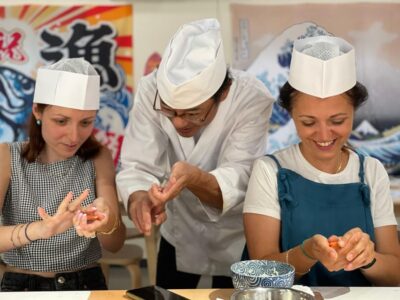
Sushi in Osaka, made with your hands. It is a small-group dinner experience led by a licensed chef, with you learning to roll sushi and then eating what you made. I especially like how hands-on it is, and how the teaching feels personal rather than rushed. One possible drawback: the studio is tiny, so you need to show up on time and stick to the booked group size.
This is not just a cooking demo. You’ll learn how sushi rice and rolling technique come together, then sit down for dinner with miso soup and a Japanese omelet, plus snacks. After you eat, dessert is taiyaki, and you head right back to the meeting point.
If you want a class that feels like food culture at home, this one fits. If you’re looking for a big, sightseeing-heavy day or a wide menu of dishes, you might find the format a bit focused.
In This Review
- Key highlights before you go
- Entering an Osaka sushi-making class you can actually follow
- Meeting outside Noda Station and walking into a home kitchen
- Rolling sushi step-by-step: rice, nori, sashimi, and your own mistakes
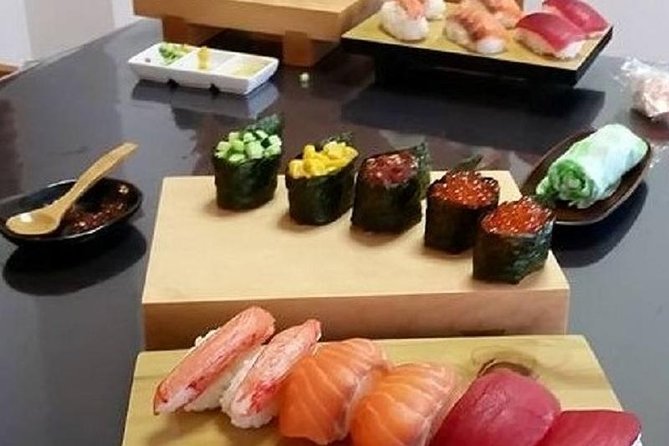
- What you eat: sushi rolls, miso soup, Japanese omelet, and Osaka snacks
- The sake and beer upgrade: if you want to make it an evening
- Price and value: what $165.13 buys you in Osaka
- Who this Osaka sushi class is perfect for
- Practical tips so your class runs smoothly
- Should you book this Osaka sushi-making class?
- FAQ
- How long is the sushi-making class in Osaka?
- Where does the experience start?
- Is hotel pickup included?
- What is included in the dinner?
- Is there an English-speaking instructor?
- How big is the class?
- Can I upgrade for sake or beer?
- What if I’m late?
- What happens if weather is poor?
Key highlights before you go
- Licensed chef instruction focused on technique, not just plating
- Hands-on sushi rolling with multiple tries at your own pace
- Dinner included: sushi rolls, miso soup, Japanese omelet, and snacks
- Optional sake or Osaka beer tasting if you want to extend the meal
- Small studio vibe that keeps the class calm, personal, and practical
- Taiyaki dessert at the end, to wrap up the experience
Entering an Osaka sushi-making class you can actually follow
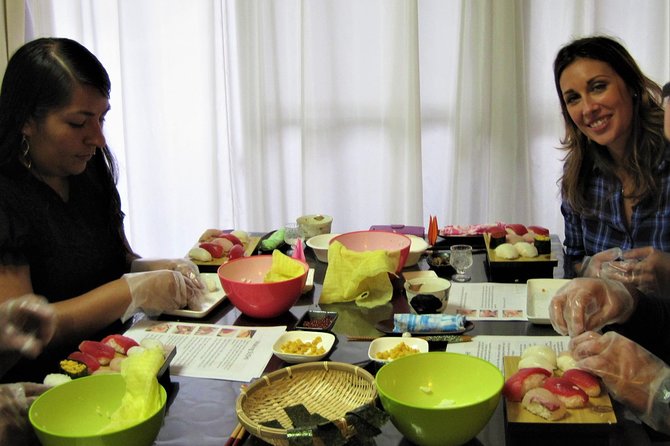
This Osaka sushi-making class is built around one clear goal: help you roll sushi the way Japanese kitchens do it, with you doing the work. You’ll start with the fundamentals, like making sushi rice, then move into rolling with nori and fillings like thin-sliced fish. It’s “learn, try, fix, try again,” which is exactly what you want when sushi feels intimidating.
What I like most is the payoff. You don’t just make a couple of bites to taste, you make enough to form a real dinner. And you’re not only focused on rolls either, because the meal includes miso soup and a Japanese omelet, so you get a fuller sense of a typical Japanese home-style plate.
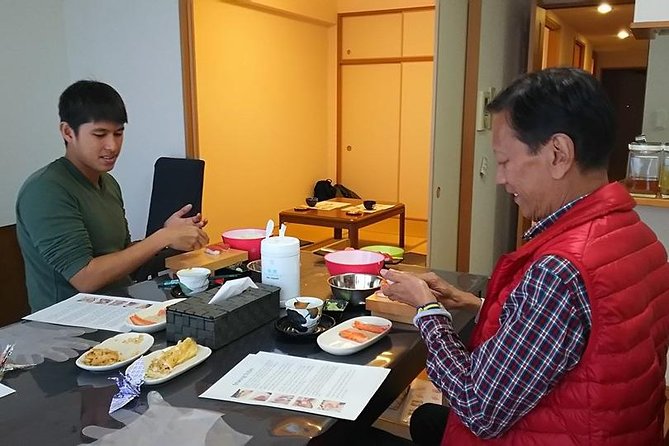
The class is also intentionally small. That means you get time with the instructor while your hands are actually doing the work, not just watching for 2 hours and hoping you remember what to do later.
More Cooking Classes in Osaka
- Osaka: Ramen and Gyoza Cooking Class in Dotonbori
★ 5.0 · 378 reviews - Osaka Cooking Class: Okonomiyaki &Japanese cuisines experience
★ 5.0 · 261 reviews - Ramen and Gyoza Cooking Class in Osaka
★ 5.0 · 202 reviews
Meeting outside Noda Station and walking into a home kitchen
You begin outside Noda Station in Osaka, at 1 Chome-1 Ohiraki, Fukushima Ward. From there, you’ll walk to a nearby home to start the lesson. That short move matters more than you might think, because it sets the tone: you are stepping into a real domestic cooking space, not a showroom kitchen.
The class is described as limited to just eight participants, and the booking is capped at two travelers, which is why it tends to feel private. You’ll also want to arrive with a little buffer because the contract becomes invalid if you’re 10 minutes late, and it’s not refunded. With something this compact, late arrivals can disrupt timing for everyone at the stations.
One more practical note: the cooking studio is small, and the lesson is run for the people who booked it. If your group changes last minute or you’re counting on drop-in flexibility, this isn’t that kind of setup.
Rolling sushi step-by-step: rice, nori, sashimi, and your own mistakes
The lesson starts with the instructor demonstrating how sushi rice is prepared. Sushi rice is the foundation, and this is where most people struggle when they try to make rolls later at home. You’ll learn what to watch for during rice handling, and how to keep things consistent as you work.
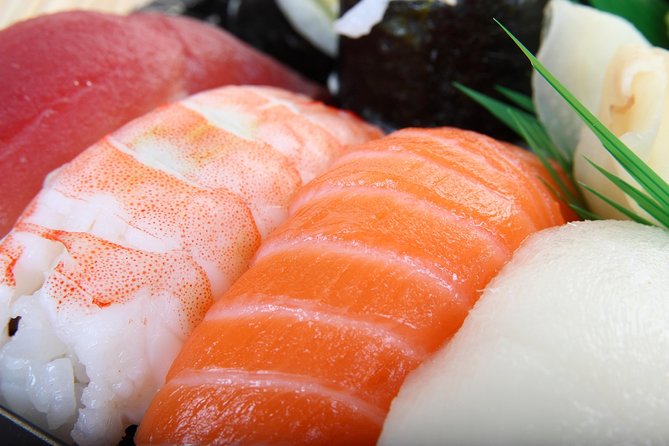
Then comes the rolling part. You’ll practice the technique of placing ingredients inside dried seaweed rolling paper, which is nori. The class includes putting sashimi (thin-sliced fish) and other ingredients into the roll, so you learn how the fillings affect texture and how much you should use.
The way the class is structured is the secret sauce. You get a demonstration, then you take your turn at your station, with a few tries until your roll looks more like what you were aiming for. That repeated try-and-correct rhythm is why this class has such a high satisfaction level for people who are nervous about sushi.
Also, expect technique plus small cultural explanations. In the notes from participants, the instructor is described as warm, patient, and quick to answer questions in English. Even if you’ve never rolled sushi before, the pace is set to help you catch up without feeling embarrassed.
What you eat: sushi rolls, miso soup, Japanese omelet, and Osaka snacks
After you finish cooking, you sit down and eat your creations. The dinner includes sushi rolls you made, plus miso soup and a Japanese omelet. There are also Japanese snacks included, so your meal doesn’t feel like “a roll and a hope.”
The Japanese omelet here is the kind of dish that helps you understand Japanese cooking beyond sushi. It’s not just a side item, it’s part of the broader home-meal rhythm. And miso soup gives you that savory balance that makes sushi feel complete, not just fancy finger food.
What’s especially good for value is that the included meal is not separate from the class. You’re not paying for a snack-sized demo dinner. You’re paying for instruction and then a real sit-down meal, in the same small-group setting you cooked in.
And dessert is not skipped. You’ll end with taiyaki, the fish-shaped cake filled with sweet paste (often red bean). It’s a sweet finish that feels appropriate after a savory cooking session, and it also signals you’re wrapping up the lesson in one tidy block.
More Cooking Workshops in Osaka
- Osaka: Sumo Stage Show with Bento or Snack + Fight & Photo
★ 4.3 · 364 reviews - Cooking Ramen&Gyoza/KatsuCurry/Bento/Okonomiyaki+Store Tour@Osaka
★ 5.0 · 138 reviews - Osaka: Cooking Class Ramen & Gyoza Course in Nanba
★ 4.9 · 86 reviews - Osaka Cooking Class and Sake Tasting with Local Supermarket Visit
★ 5.0 · 79 reviews
The sake and beer upgrade: if you want to make it an evening
If you choose the upgrade, the class offers a local sake tasting option, with an option to include Osaka-brewed beer. The tasting description includes either six sake pours or a set that includes four sakes plus a bottle of beer. The included details also mention two local sake cups when the sake option is selected.
So how should you think about it? Treat it as a “small tasting add-on” that turns dinner into a more adult, longer experience. It is not an all-day brewery tour, it’s part of your meal, and the timing is built around the cooking session.
If you’re not sure you want alcohol, you can still go for the base class and get full value from the sushi lesson and included dinner. The upgrade is for people who already like sake, want to compare styles, or simply want one more layer of Japanese flavor with the meal.
Price and value: what $165.13 buys you in Osaka
At $165.13 per person for about 2 hours 30 minutes, you’re paying for several things at once: a licensed-chef-led cooking lesson, all ingredients for the session, an English-speaking instructor, and dinner built from what you cook. You’re also paying for the comfort of a tiny class where you can ask questions while you’re working.
Let’s break down where the value comes from. Sushi is pricey when you buy it in a restaurant, and a cooking class that includes a dinner is often hard to find at this level of intimacy. Here, your meal is integrated into the class. You don’t end up with a “token portion,” you sit down with miso soup, Japanese omelet, snacks, and taiyaki.
You’re also paying for the technique transfer. Sushi rolling is one of those skills where watching alone doesn’t stick. Learning the rice handling and the rolling mechanics in a short session is the kind of “you can repeat this at home” value that makes the price feel more reasonable.
Group discounts and a mobile ticket are included features, but those are the small extras. The big value is instruction plus dinner, done in a setting that feels like a real home kitchen.
Who this Osaka sushi class is perfect for
This class is ideal if you want a genuine food experience that isn’t a high-pressure restaurant lesson. If you like hands-on activities, enjoy learning technique, and want a small, friendly group setting, you’ll probably love it.
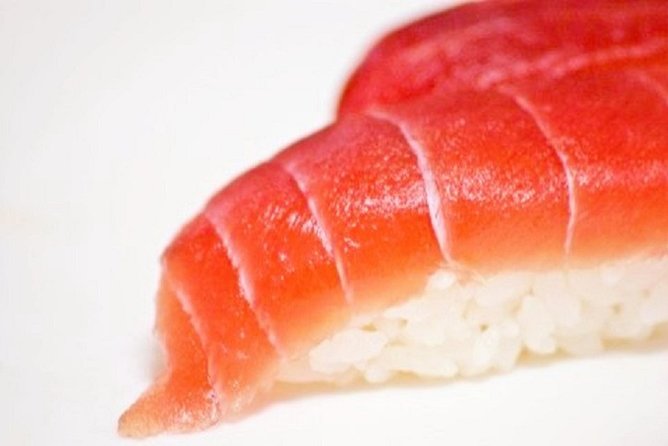
It also suits sushi lovers who want fundamentals. You’re learning about rice, nori rolling, and how sashimi and fillings go inside the roll. That makes it a good starting point for building your own sushi skills later.
If you’re traveling with a family member or partner, the small booking size can be a plus. There are multiple mentions of the experience feeling very personal, warm, and welcoming, which matters when you’re spending an evening learning something new.
If you want a long list of different dishes, or you’re hoping for a big sightseeing day, this isn’t that. The focus is sushi rolling and the home-meal set around it. You’ll leave fed and skilled, not exhausted by an itinerary.
Practical tips so your class runs smoothly
Plan to arrive a few minutes early at the meeting point outside Noda Station. Because being late can invalidate the contract, you do not want to risk it. If you’re checking trains and you’re not sure which exit, give yourself extra margin.
Wear clothes that are comfortable for working with food. Even with guidance, rolling takes a bit of hand movement. Also, bring an open mind about getting things wrong. Sushi rolling is a skill, and the class is designed for a few tries.
If you’re interested in the sake option, consider whether you actually want alcohol during the class dinner. It’s an add-on, not required. If you do pick it, pace yourself so you can enjoy the flavors and stay present while you cook.
Finally, remember the studio is small. That means questions matter, but interruptions do too. If you have dietary concerns, you should address them when you book so expectations are clear from the start.
Should you book this Osaka sushi-making class?
I think you should book it if you want a real skills lesson with dinner included, in a small Osaka home-kitchen setting. The combination of sushi rolling instruction, miso soup, Japanese omelet, and dessert taiyaki makes it feel like an evening you can build your trip around, not just a quick activity between sights.
Choose something else if you’re looking for a larger group, a long menu of cooking variety, or a class that doesn’t require tight timing. For most people, though, the value is strong because you’re paying for technique, ingredients, and a full meal.
If you book, do it with confidence, arrive on time, and treat your first roll as practice. That mindset is half the fun.
FAQ
How long is the sushi-making class in Osaka?
The class runs about 2 hours 30 minutes.
Where does the experience start?
You meet outside Noda Station in Osaka, at 1 Chome-1 Ohiraki, Fukushima Ward, Osaka, 553-0007, Japan.
Is hotel pickup included?
No, hotel pickup and drop-off are not included.
What is included in the dinner?
Dinner includes the sushi you make, miso soup, and a Japanese omelet, along with a selection of snacks. Taiyaki is served for dessert.
Is there an English-speaking instructor?
Yes, the cooking instructor is English-speaking.
How big is the class?
It’s limited to a small group, described as up to eight participants. The activity also notes a maximum of 2 travelers per booking.
Can I upgrade for sake or beer?
Yes. There is an optional upgrade for a local sake tasting, with an option that includes Osaka-brewed beer. The tasting is described as either six sakes or four sakes plus a bottle of beer, with sake cups included as part of the option.
What if I’m late?
If you are 10 minutes late, the contract becomes invalid and it will not be refunded.
What happens if weather is poor?
The experience requires good weather. If it is canceled due to poor weather, you will be offered a different date or a full refund.
More Sushi Workshops in Osaka
- Sushi Making Osaka! Popular Sushi Class in Japan!
★ 5.0 · 500 reviews - Osaka Sushi Making Experience
★ 5.0 · 400 reviews - Osaka: Roll and Authentic Sushi Making Class in Dotonbori
★ 4.9 · 239 reviews - Osaka: Sushi Class in Dotonbori
★ 4.9 · 160 reviews
Newly listed around Osaka
- Traditional Japanese Music show & Experience Tour in Osaka★ 5.0 · 25 reviews
- Meet Locals experience Fun Chat Drink Osaka International Party★ 5.0 · 61 reviews
- Sharpen Japanese Knives in Osaka★ 5.0 · 10 reviews
- Sushi Class in Osaka Dotonbori★ 5.0 · 37 reviews
- Kyoto Day Trip from Osaka Port – Private Shore Excursion★ 5.0 · 13 reviews
- Guided Photography Tour in Osaka: Capturing Memories★ 4.5 · 20 reviews
- Nara, Todaiji Temple & Kuroshio Market Day BUS Tour from Osaka★ 3.5 · 18 reviews
- Retro Osaka Street Food Tour: Shinsekai★ 4.5 · 77 reviews
Sushi Cooking Workshops, compared.
Sushi Making Tokyo Roll and Authentic Japanese Sushi Class
Read our review →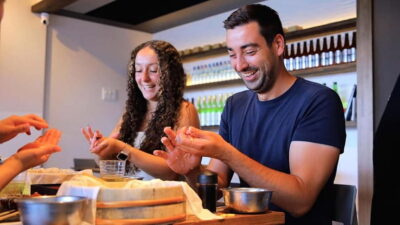
Roll and Authentic Sushi Making Class in Asakusa
Read our review →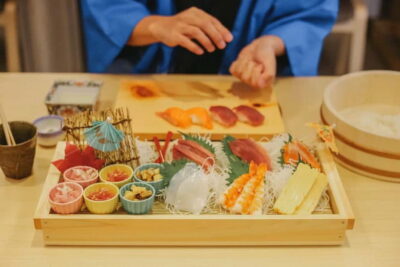
Sushi Making Class in a Happi Coat near a Famous Spot
Read our review →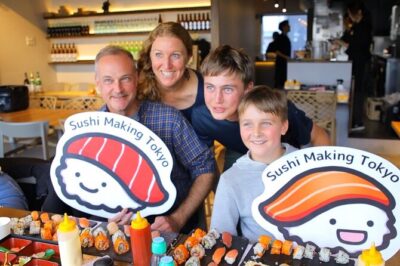
Sushi Making Tokyo! Popular Maki Sushi & Japanese Sushi(+Recipe!)
Read our review →
Tokyo Sushi Making Class in Tsukiji with Professional Chef
Read our review →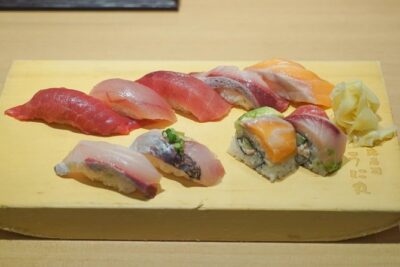
Tokyo Night Foodie Tour in Shinjuku – Seasonal Sushi, Wagyu Beef
Read our review →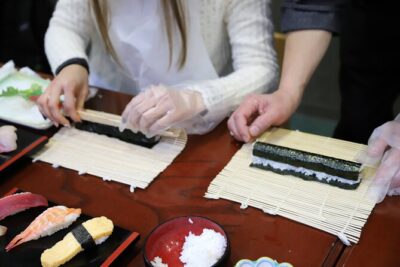
Tsukiji Fish Market Guided Tour and Sushi Making with Pro Chef
Read our review →