
Review · HISTORICAL TOURS
Asakusa: Tokyo Skytree Exploration and History Tour
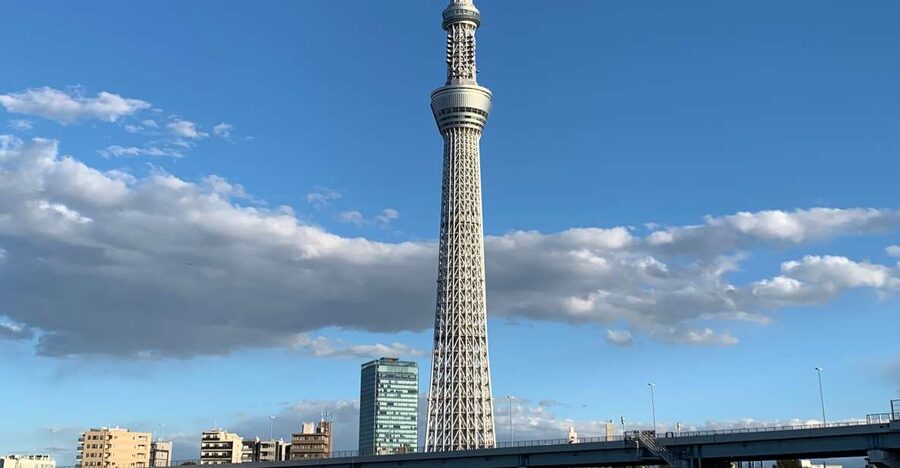
Tokyo changes fast, but Asakusa keeps receipts. This tour strings together old Tokyo history and Skytree height views in a smart, on-foot way, so you actually understand what you are looking at. You start in Asakusa, walk the major landmarks with meaning, then cross the Sumida River and ride up to the observation decks for a clear sense of where the city goes next.
I especially like how the guide builds the bigger story around the places you pass. One standout is learning how Japan moved from isolation to opening, explained directly along the Sumida River route. Another big plus is the payoff at the tower, including both observation decks and a glass-floor moment that makes the height feel real.
One thing to consider: it is a lot of walking and stairs in temple and shopping areas, and the tour keeps a steady pace even when crowds or weather add friction. If you need lots of slow time or frequent sitting breaks, plan to bring water, and be ready for some uphill moments.
In This Review
- Key Things That Make This Tour Worth Your Time
- Why Start in Asakusa Before Going Up Skytree
- Finding the Meeting Point at Asakusa Azumabashi (Exit 4)
- The Sumida River Walk: Where Japan’s Big Story Gets Explained
- Kaminarimon Gate to Nakamise Street: Meaning Behind the Most Famous Scenery
- Hōzōmon and Sensō-ji: How Religion Shows Up in Everyday Design
- Asakusa Shrine Time: Slower Moments That Keep the Day From Rushing
- Skipping the Ticket Line, Then Crossing the Sumida River
- Two Observation Decks at 350m and 450m: How to Get Real Value From the Height
- What to Do After You Come Down: Shopping Time at the Base
- Pace, Weather, and Small-Group Comfort
- English Guidance and Audio Support That Actually Helps
- Price and Value: Is $116 a Fair Deal?
- Who This Tour Suits (and Who Might Want a Different Plan)
- Should You Book This Asakusa and Skytree Tour?
- FAQ
- Where is the meeting point for the tour?
- How long is the experience?
- Is the Skytree admission included?
- Do I need to pay for train fare during the tour?
- Does the tour include a guide and language support?
- What do you do at Tokyo Skytree?
- What group size is this tour?
- Is the tour refundable if I cancel?
Key Things That Make This Tour Worth Your Time
- Asakusa history on foot, using real landmarks to connect religion, symbols, and global events
- Sumida River storyline, from isolation to opening, not just scenic sightseeing
- Kaminarimon, Nakamise, Hōzōmon, Sensō-ji, explained as meaningful stops, not photo backdrops
- Tokyo Skytree ascent to 350m and 450m, with help spotting landmarks across the city
- Small group of up to 8, which helps keep questions and pacing feeling human
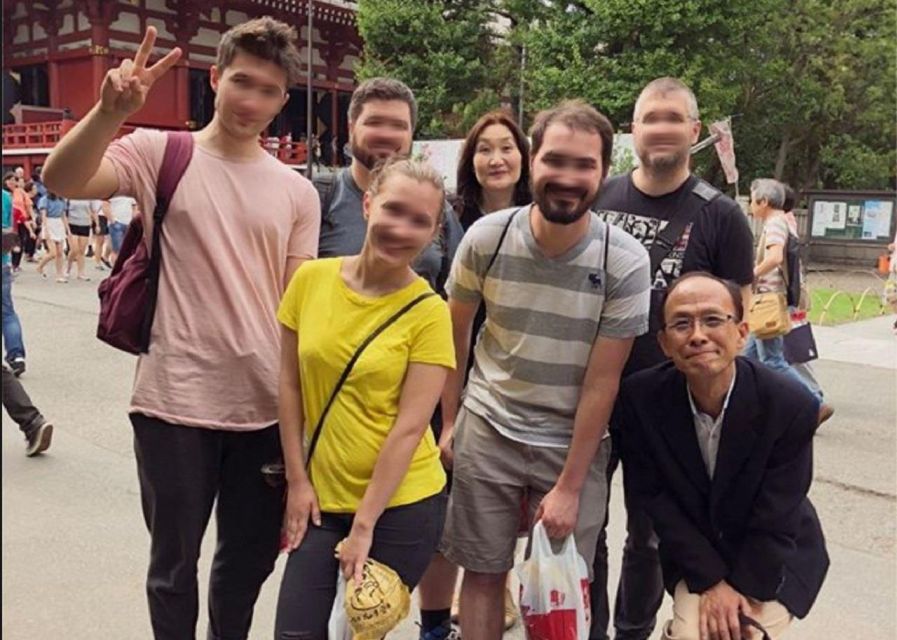
- Guide-led photo support, plus optional commemorative photos and a postcard send-out
Why Start in Asakusa Before Going Up Skytree
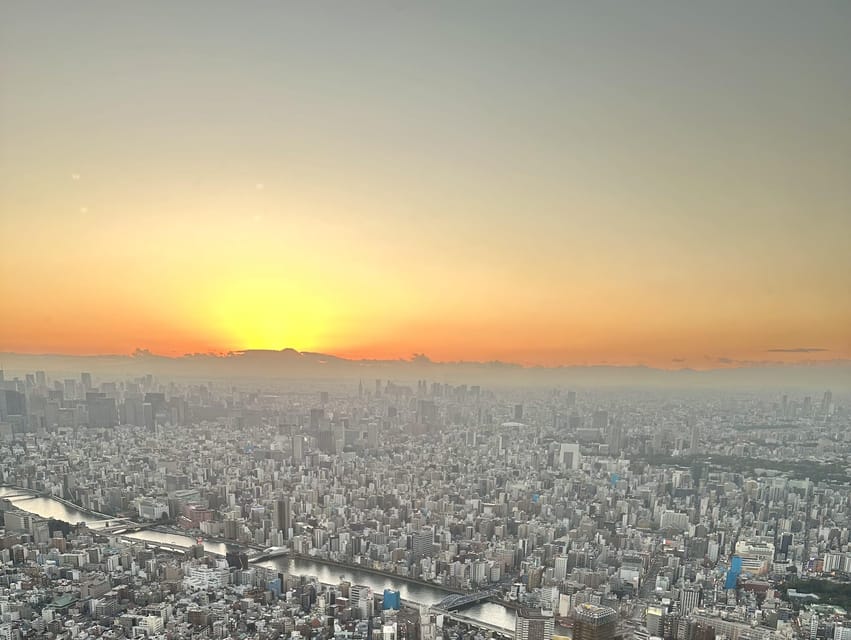
Tokyo Skytree is the obvious draw. But the real value here is what happens first, in Asakusa. You do not just get a view, you get context for the view. After the history walk, the city from above feels less like a random grid and more like a place with layers.
Asakusa is one of the easiest neighborhoods to read in plain sight. Gates, temple gates, incense, street stalls, and riverfront steps all carry meaning. The guide uses those details to explain how Japanese culture works, including the blend of spirituality, community life, and national identity.
More History Tours in Tokyo
- Tokyo: Imperial Palace Japanese History Walking Tour
★ 4.9 · 987 reviews - Tokyo: Shinjuku Historical Walking Tour & Secret Backstreets
★ 5.0 · 530 reviews - Yanaka Walking Tour: Historic and Traditional District of Tokyo
★ 5.0 · 530 reviews
Finding the Meeting Point at Asakusa Azumabashi (Exit 4)
The meeting spot is simple but specific. You meet in front of Burger King Asakusa Azumabashi, right by Exit 4 of Asakusa subway station on the Ginza line. When you get to Exit 4, you step outside and look for the Burger King front area.
This matters because Asakusa can feel like a maze, especially when you are arriving from different subway lines. A precise meeting point also helps your guide start on time and keep the day comfortable.
Plan to be there a few minutes early. With a small group, waiting eats into actual sightseeing time.
The Sumida River Walk: Where Japan’s Big Story Gets Explained
The core of your day is a guided walking route that frames Japan’s history using places you can stand next to. The route works because it follows the geography. As you move along the Sumida River area, you are repeatedly reminded that this is not just culture for tourists, it is geography that shaped trade, contact, and policy.
A highlight of the narrative is the shift from isolation to opening. The guide connects that national story to what people were building and practicing locally. You are not memorizing dates. You are learning how outside pressure and internal beliefs changed the country’s direction over time.
Expect plenty of short explanations as you go, not one huge lecture at the start. The better your guide can connect symbols to everyday life, the more your photos start making sense later.
Kaminarimon Gate to Nakamise Street: Meaning Behind the Most Famous Scenery
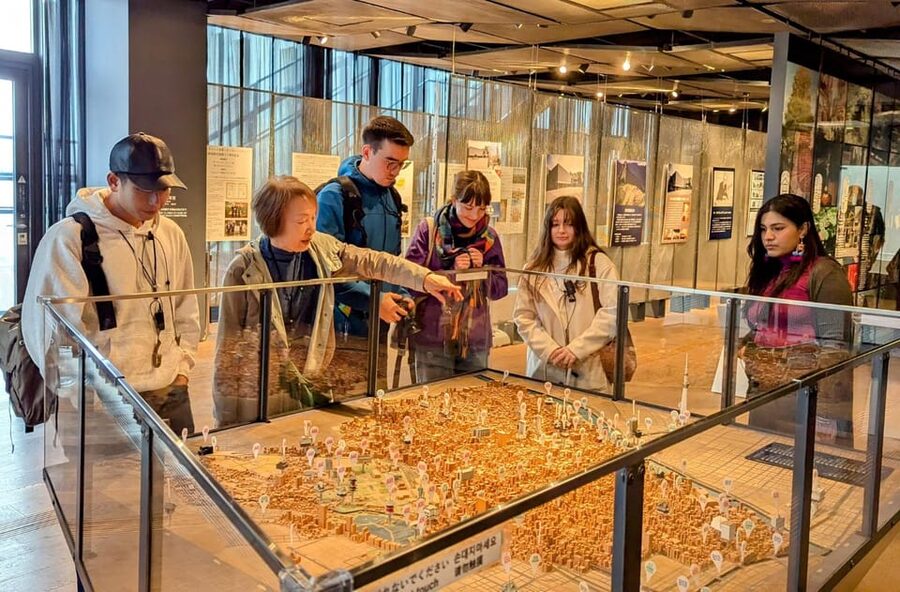
You hit the big iconics early, starting with Kaminarimon. This gate is famous for a reason, but the tour takes it further than pointing it out. You get the symbolism and the cultural logic behind why these entrances matter. It turns the gate into a story, not a selfie station.
Then comes Nakamise Shopping Street, which is where you feel the neighborhood’s energy. The walking time here is built into the tour, so you can browse without feeling like you are rushing through crowds. You also get guidance on what to look for and when.
The day can include little chances for treats along the way, and I like that the tour style leaves room for snack breaks rather than treating everything like a straight line. If you have dietary needs, this is one of the areas where a good guide earns their paycheck. In past groups, Machiko has even shared vegan restaurant guidance.
A few more Tokyo days to weigh up
- Mt. Fuji Heritage Tour: Traditional Villages, Lakes & Shrine
★ 4.5 · 509 reviews - From Tokyo: Nikko World Heritage Site Private Full-Day Trip
★ 4.9 · 243 reviews - Tokyo: The Best of Izakaya in Shinjuku Food & Cultural Tour
★ 4.9 · 221 reviews - Tokyo: Nikko World Heritage Private Day Trip Hotel Pick-up
★ 4.8 · 145 reviews
Hōzōmon and Sensō-ji: How Religion Shows Up in Everyday Design
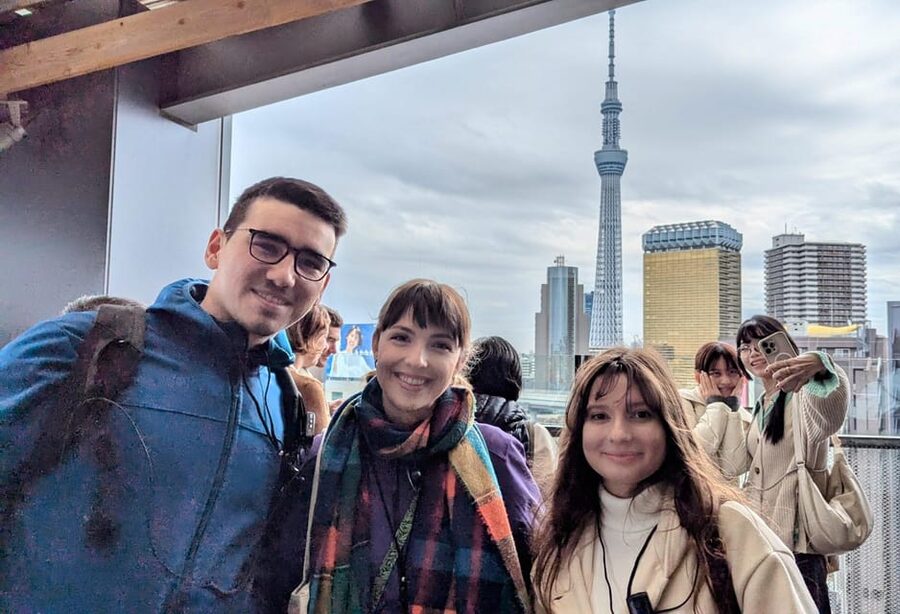
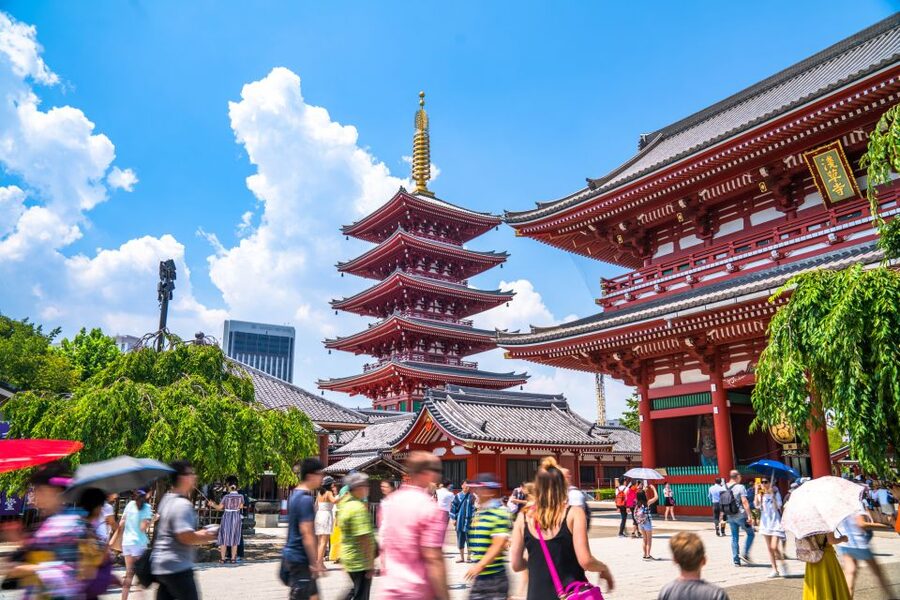
Next you pass Hōzōmon Gate and then spend time at Sensō-ji Temple. The tour focus is not just on how grand it looks. It is on how religious space is designed and used, and what the different parts are communicating.
Sensō-ji is the kind of place where first-time visitors sometimes only notice the surface details. The guide helps you spot the practical meaning behind those details. That turns the experience from I saw a temple into I understand why the temple looks and functions the way it does.
If the weather is wet, this part can still be comfortable because the stops are close enough that you are not crossing long empty stretches. The crowd levels can rise and fall, and the guide can steer your timing.
Asakusa Shrine Time: Slower Moments That Keep the Day From Rushing
After the main temple area, you visit Asakusa Shrine. This is a smart pacing move. It gives you a different emotional tone from the larger, more theatrical temple spaces.
This is where the tour can feel more balanced. You get a chance to reset, ask questions, and soak in the atmosphere without the constant push to keep moving. In rainy or cold conditions, this kind of stop rhythm also helps.
If you tend to like quieter corners of temple areas, you will likely appreciate the inclusion of the shrine time.
Skipping the Ticket Line, Then Crossing the Sumida River
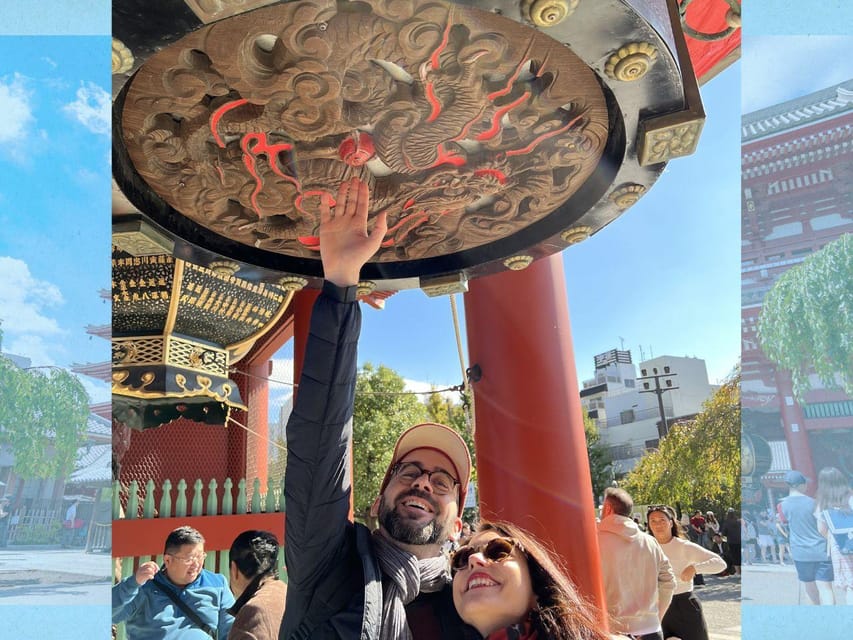
Once Asakusa history sets your mental map, you move to Tokyo Skytree. The transfer is easy: a short train ride of about two minutes across the Sumida River.
A practical detail: the train fare of JPY160 from Asakusa Station to Tokyo Skytree Station is not included. You will want small bills or a transit card ready so you do not waste time at the ticket machine.
The tower part includes skipping the ticket line, which is a big deal at Skytree. Lines can stretch when it is busy. Getting to the entry flow smoothly means you spend more time actually looking out.
Two Observation Decks at 350m and 450m: How to Get Real Value From the Height
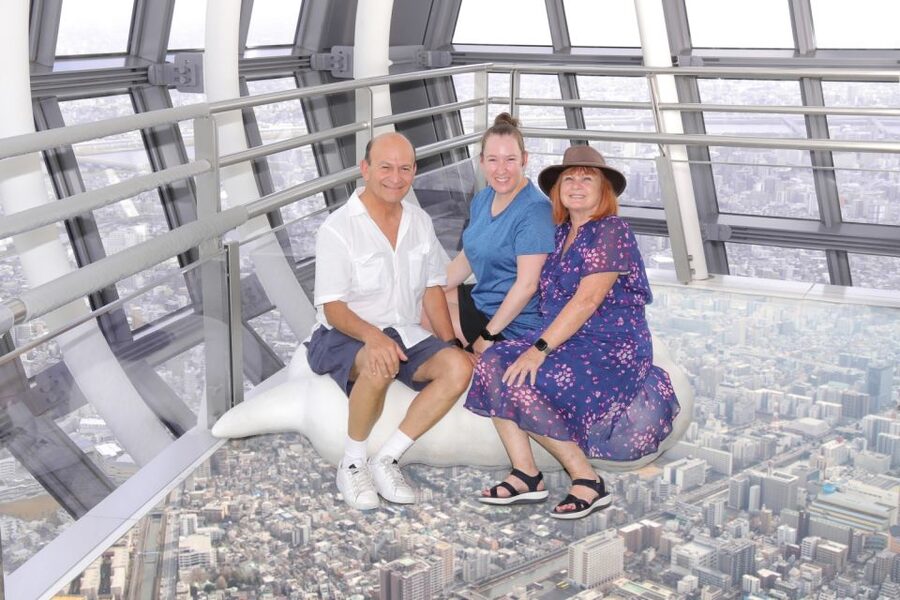
At Skytree, you go up in steps. First you reach the Tembo Deck at 350 meters, then later you go to the Tembo Galleria at 450 meters.
The guide helps you make sense of what you see from that height. From above, Tokyo can look like a sea of buildings unless someone helps you identify key landmarks. This is where I think the tour earns its keep. A view alone is great. A view tied to navigation cues and city context is better.
Two specific additions make this feel more than a high-up walk:
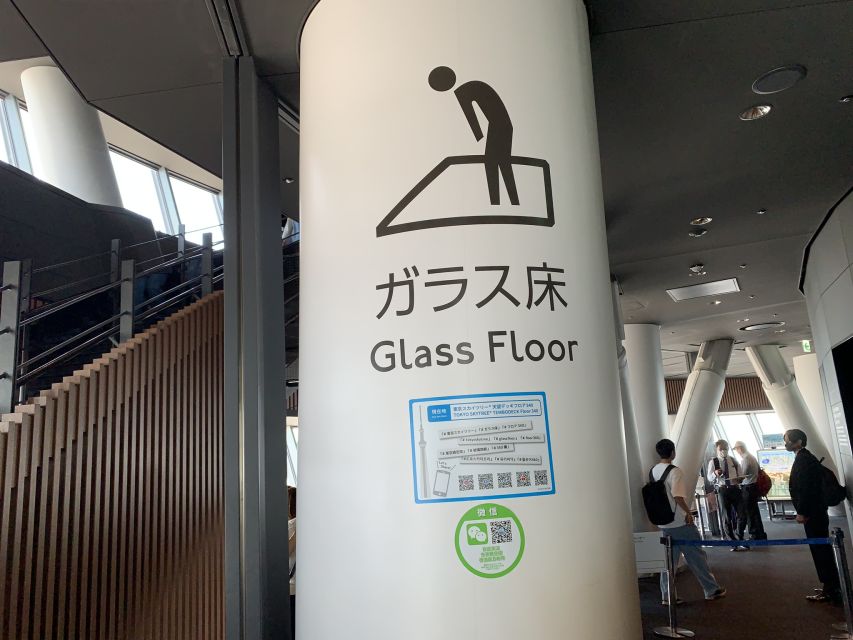
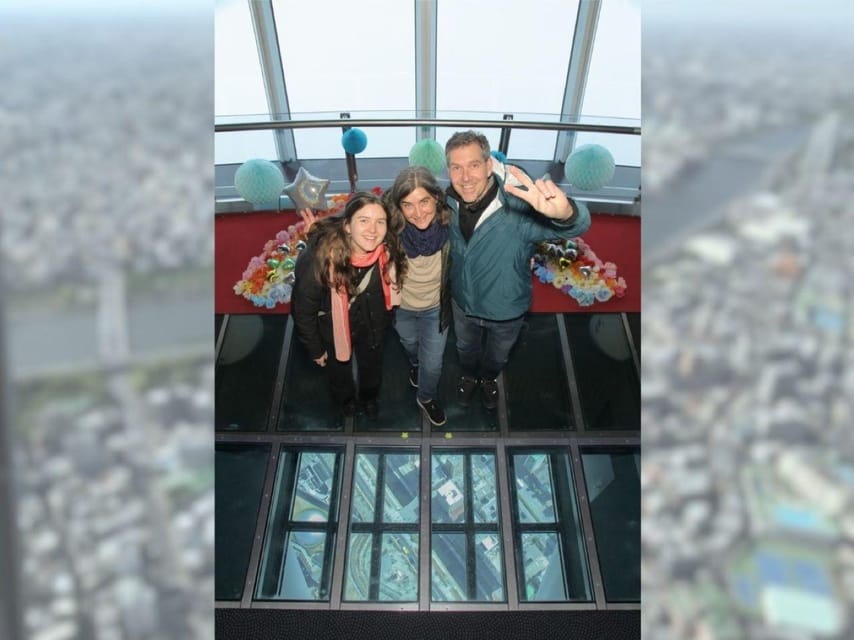
- You can step onto the glass floor, which turns height into a physical sensation.
- You also get support for photos, plus the option for a commemorative photo with a downloadable copy and a Skytree-exclusive postcard you can send anywhere.
There is also a glass-and-view benefit: the higher you go, the easier it is to spot the city’s geometry. If you like city puzzles, you will enjoy the guided landmark spotting.
What to Do After You Come Down: Shopping Time at the Base
After you descend, you get free time to explore the Skytree shopping complex at the base. This is where you handle souvenirs at your own pace rather than being steered through shops like a conveyor belt.
I like that this block exists because people have different priorities. Some want snack breaks. Some want local gifts. Some want to take another look back up after they have had time to process the views.
If you are buying gifts, the base area is convenient. You do not have to plan a separate trip to make time for it.
Pace, Weather, and Small-Group Comfort
This is a small-group tour, limited to 8 participants. That limitation matters. It tends to make the guide more responsive and easier to ask questions. It also helps you hear explanations through the English headset audio guide included.
You should still expect a steady pace and a fair amount of stairs and walking. In wet, cold, or hot conditions, the route can feel more demanding. One reason the reviews lean positive is that guides have built in comfort options, including rest and drinks during hot weather, with examples of Machiko making that part of the flow.
If you are sensitive to heat or cold, bring a water bottle, a small umbrella, and a light layer. You will thank yourself later.
English Guidance and Audio Support That Actually Helps
The tour runs with a live English guide, and it also includes an English audio guide. That combo is useful. When you get close to key spots, you get live explanation. When the crowd thickens or you fall a few steps behind, the audio support helps you stay connected.
The result is that you can follow the meaning even while you are walking through busy areas like Nakamise.
One possible caution from past experiences: some guides speak softly. If you know you have trouble hearing in noisy places, position yourself closer during explanations so you do not miss details.
Price and Value: Is $116 a Fair Deal?
At $116 per person for a 210-minute experience, you are paying for three things: guided context, guided movement through tight areas, and paid access to the tower.
Here is what makes it feel reasonable based on what is included:
- Entry tickets to both Skytree observation decks (350m and 450m) are included
- Skip-the-line handling helps you spend more time sightseeing
- You also get a structured, guided history walk through Asakusa, which is usually the hardest part to DIY well if you want meaning, not just landmarks
What is not included:
- Hotel pickup and drop-off
- Train fare of JPY160 for the short transfer from Asakusa to Skytree
In practical terms, if you are planning to do Skytree anyway, this tour reduces your guesswork. It also saves you from piecing together the history side on your own. You still pay normal transit costs locally, but you get the biggest money saver in time, which is usually the real currency in Tokyo.
If you are traveling solo, a small-group guided format can still feel worth it because the guide’s explanations help you avoid wandering without direction.
Who This Tour Suits (and Who Might Want a Different Plan)
This tour is a strong fit if you want:
- a history-based way to see Asakusa
- a clear payoff at Skytree with help understanding the view
- small-group attention and an English guide
- a day plan that covers both faith landmarks and a modern Tokyo icon
It may be less ideal if you:
- want a slow, free-roam day with minimal walking
- struggle with stairs and crowded temple streets
- expect total flexibility to change the day’s order hour by hour
The good news is that the route is built around specific stops, so even if you are not a fast walker, you still have frequent anchors rather than long, empty segments.
Should You Book This Asakusa and Skytree Tour?
I would book it if you want Skytree to feel like part of Tokyo’s story, not a standalone ticket. The biggest reason is the sequencing. You learn how Japan got to where it is by the time you are looking out over the city from hundreds of meters up.
Also, the small group size and headset audio are practical perks in crowded areas. Add in the guide’s track record of handling comfort needs, including rest and drink breaks in heat, and this feels like a tour that respects your body as much as your curiosity.
If you dislike walking or you need lots of downtime, you can still enjoy Skytree on your own, but you would miss the history framing and landmark spotting that make the height more meaningful.
FAQ
Where is the meeting point for the tour?
You meet in front of a Burger King restaurant right next to Exit 4 of Asakusa subway station (Ginza line). Exit 4 is the key landmark.
How long is the experience?
The tour duration is 210 minutes.
Is the Skytree admission included?
Yes. The tour includes entrance tickets to the lower and upper observation decks of Tokyo Skytree.
Do I need to pay for train fare during the tour?
Yes. Train fare of JPY160 from Asakusa Station to Tokyo Skytree Station is not included.
Does the tour include a guide and language support?
Yes. It has a live English-speaking guide, and an English audio guide is also included.
What do you do at Tokyo Skytree?
You ascend to two observation areas, the 350m Tembo Deck and the 450m Tembo Galleria. You can also step onto the glass floor, and you have time for a souvenir shopping area at the base afterward.
What group size is this tour?
It is a small group limited to 8 participants.
Is the tour refundable if I cancel?
The activity is non-refundable. The information provided also notes that Skytree tickets are non-cancelable and dates are non-changeable, and there is a timing window before ticket purchase related to the cancellation period.
Newly listed around Tokyo
- Modern Vegan Night Foodie Tour in Tokyo★ 3.9 · 7 reviews
- Tokyo: Asakusa Night Waling & Food Tour★ 4.9 · 16 reviews
- Tokyo Vegan Food Tour★ 5.0 · 8 reviews
- Tokyo: Tsukiji Market Walking Tour & Sushi Cooking Class★ 4.6 · 122 reviews
- Tokyo: Tsukiji walk & sushi private tour with Uni Students★ 5.0 · 17 reviews
- Tokyo: Two Types of Japanese Sweets Making and Tea Ceremony★ 4.6 · 26 reviews
- Tokyo Tsukiji Food & Culture Private Tour Licensed Guide★ 4.9 · 28 reviews
- Tokyo: Tsukiji Fish Market Culture Tour with Sashimi Tasting★ 4.6 · 54 reviews
Historical Tours, compared.
World Heritage Shirakawa-go and Experience Tours from Kanazawa
Read our review →
World Heritage Kyoto & Nara Uji Authentic Matcha Experience
Read our review →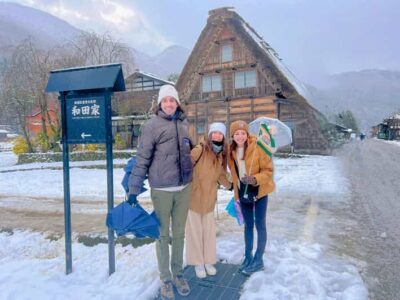
World Heritage Shirakawa-go Morning Guided Tour
Read our review →
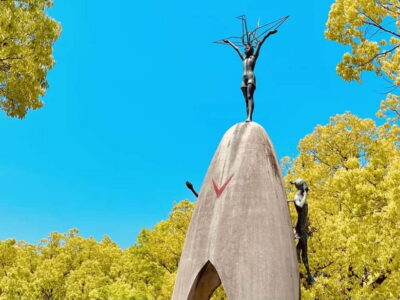
Hiroshima Historical Walking Tour – Why A-Bomb was Dropped
Read our review →
Hiroshima Peace (Heiwa) Walking Tour at World Heritage Sites
Read our review →
Yanaka Walking Tour: Historic and Traditional District of Tokyo
Read our review →
Shinjuku Historical Walking Tour & Secret Backstreets
Read our review →Browse the lists this tour appears in