
Review · JAPANESE CRAFT WORKSHOPS
Calligraphy & print your calligraphy on a T-shirt.
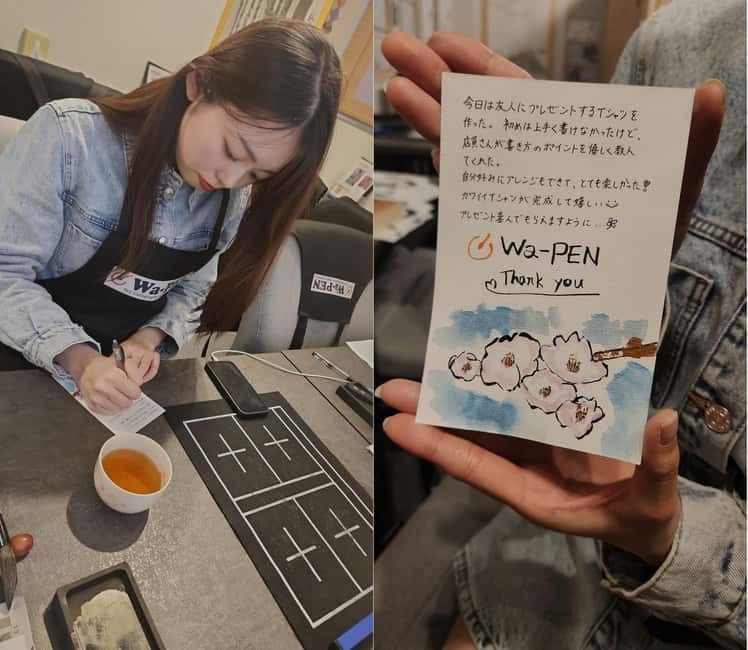
Ink becomes a wearable souvenir fast. This hands-on calligraphy class teaches you Japanese writing basics, then helps you print your own design onto a T-shirt. You also make a postcard, sip green tea, and leave with something real you made yourself.
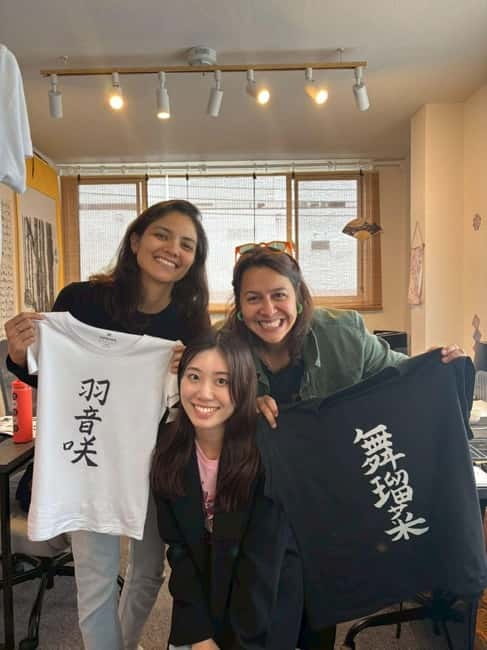
I especially liked the early lessons from Mana that connect character forms to Japanese culture, not just copying shapes. I also loved the practical ink-making part, where you use a sumi ink stick and learn how to work with brush and ink like a local.
One thing to plan for: you will get ink around, so wear clothes you do not mind staining. And since this is focused on creating your pieces, it is not a long walking tour day.
In This Review
- Key highlights worth carving out time for
- A T-shirt calligraphy class that turns strokes into a keepsake
- The 90-minute flow, from character basics to your final print
- What you learn about Japanese characters before you pick up the brush
- Making ink the traditional way, sumi ink stick plus water
- Practicing on thin paper, then turning it into a postcard
- Choosing your design, then deciding where to print on your clothing
- Price and value: what $48 really buys you
- Practical prep: what to wear, what to bring, and how to show up
- Finding the red brick meeting point, then planning your nearby time
- Who this experience suits best, and who might want to skip it
- Optional extras: extending into fan calligraphy
- Should you book? My honest take for first-timers
- FAQ
- How long does the calligraphy and T-shirt printing experience take?
- How much does it cost?
- Where do we meet?
- What language is the class taught in?
- What should I wear or bring?
- Do I get a T-shirt to print on?
- Do I make ink during the class?
- Is there anything besides the T-shirt?
- What is the cancellation policy?
Key highlights worth carving out time for
- Make ink yourself, using water plus a sumi ink stick, so you understand the material, not just the final strokes
- Shodo basics with a guided flow, starting with character history and then moving into brush technique
- Practice on thin paper, then turn what you write into a postcard keepsake
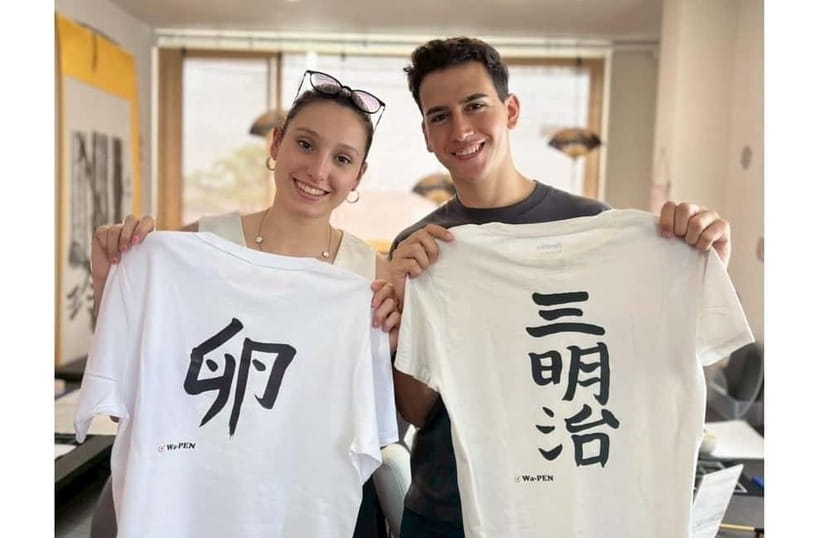
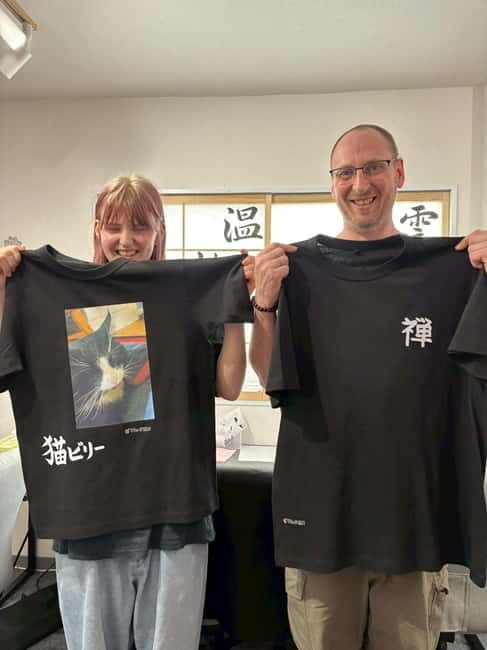
- Print your design onto clothing, with a placement choice so it looks intentional, not random
- Savor green tea during the writing time, which keeps the pace calm and not rushed
- Teacher support in English, with patience for beginners and families
A T-shirt calligraphy class that turns strokes into a keepsake
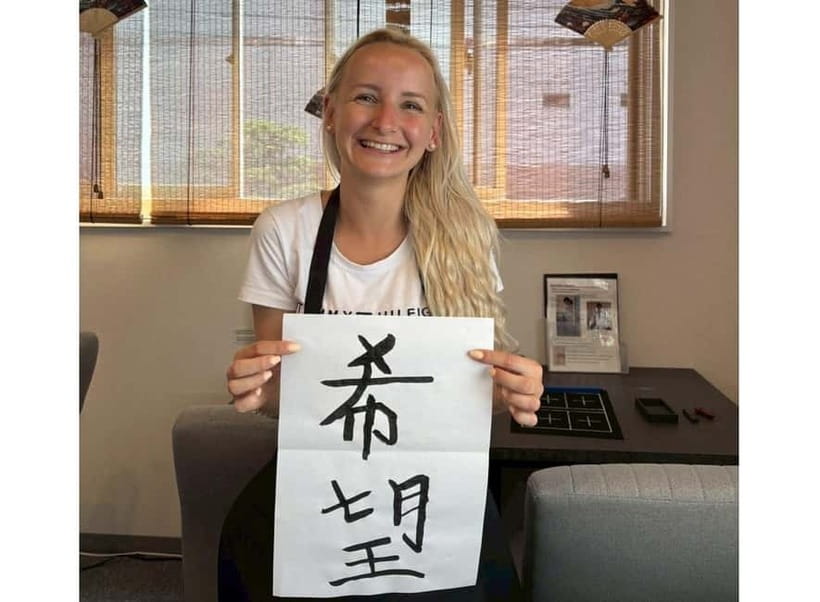
This experience is for people who want more than a photo. You spend your time learning how Japanese characters are formed, then you put that learning straight onto something you can wear and show off later.
The class is built around Japanese calligraphy, often called shodo, with expert guidance and traditional tools. You start with the story and structure of Japanese characters, then you move to hands-on writing with a brush and ink, and finally you print your favorite design onto a T-shirt. The postcard and green tea make it feel complete, like you left with both a gift and a memory.
If you like craft experiences, short skill building, and cultural context that actually connects to what you do with your hands, this works well.
More Craft Workshops in Tokyo
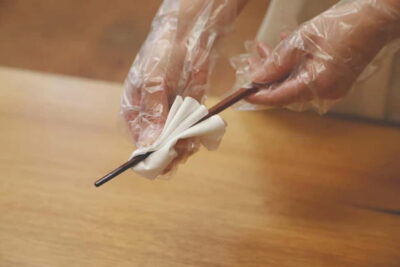
- Chopstick Making Workshop in Ginza
★ 4.8 · 1,366 reviews - Tokyo: Samurai Sword & Archery Class from Samurai Descendant
★ 5.0 · 603 reviews - Tokyo: Shinjuku Chopstick Making Class
★ 4.9 · 440 reviews
The 90-minute flow, from character basics to your final print
Timing runs about 1 hour to 90 minutes, and the pacing matters because the class moves step by step. The goal is simple, you write something you like, then you transfer it to clothing while the ink and paper technique are fresh in your mind.
Here is how the session typically unfolds:
- First, you learn about the history of Japanese characters and culture from an expert, setting you up to understand what you are writing
- Next, you learn how to use the Japanese writing tool called fude, the brush pen style used for calligraphy, plus how to handle ink and brush behavior
- Then you make ink, using water with a sumi ink stick, and practice writing on thin paper for about 30 minutes
- You choose your favorite design and decide where it should print on your clothing
- While you write a postcard, you drink green tea, and after a short wait your clothes are printed and ready to take home
The nice part is that the class is structured. Even if you feel clumsy at first, you get a path to follow, and the final T-shirt gives you a finished result before you forget the technique.
What you learn about Japanese characters before you pick up the brush
A lot of calligraphy classes teach the motions and skip the why. This one gives you the cultural framework first, which makes the writing more satisfying.
You get an explanation of the history of Japanese characters, and you learn how Japanese writing fits into culture and identity. You are not just memorizing symbols. You are learning how people think about shape, balance, and meaning, and how calligraphy practice developed as more than decoration.
It also helps that the class uses clear, beginner-friendly steps. You might start with structured forms, like copying character guides, before you shift into your own brush decisions. That approach is great if you have never done calligraphy, because you are not forced to guess your way through it.
Making ink the traditional way, sumi ink stick plus water
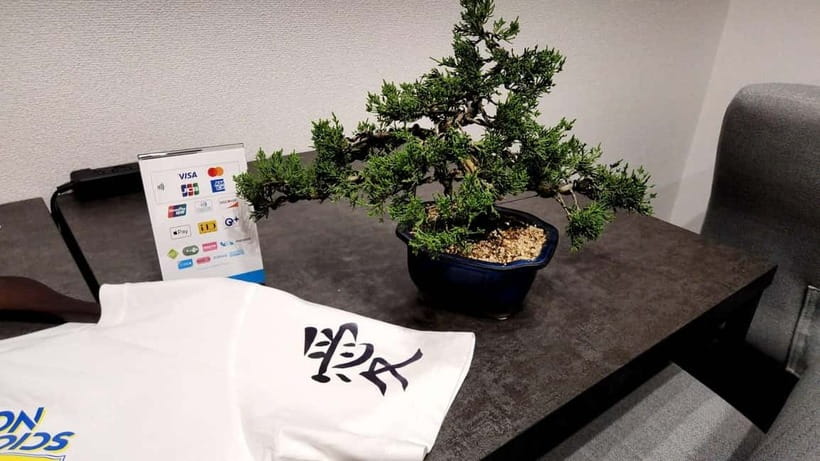
The ink-making is one of the best parts because it makes the whole class make sense. When you create ink yourself, you feel the connection between ink texture and how the brush behaves.
You use water and a sumi ink stick, plus traditional tools like an inkstone and the materials set that includes a paper-stopper and under pad. Those details matter. Thin paper and brush ink act differently than thick marker ink on regular paper, so having the right support helps you practice without tearing or blotting.
You also learn how to use a Japanese pen called Fude. That is a small detail that changes everything, because the brush is not a pen in the normal sense. Your pressure, your angle, and your rhythm shape the character.
If you enjoy understanding materials, this part will feel worth the time. Even if your first strokes look imperfect, you will start spotting what changes when ink consistency and brush control improve.
A different sort of day in Japan:
- Mt Fuji and Hakone 1-Day Bus Tour Return by Bullet Train
★ 5.0 · 26,383 reviews - 1-Day Tokyo Bus Tour
★ 5.0 · 14,250 reviews - Tokyo: TOKYO SKYTREE® Admission ticket
★ 4.5 · 11,192 reviews - Tokyo: teamLab Planets TOKYO Digital Art Museum Entry Ticket
★ 4.6 · 9,779 reviews
Practicing on thin paper, then turning it into a postcard
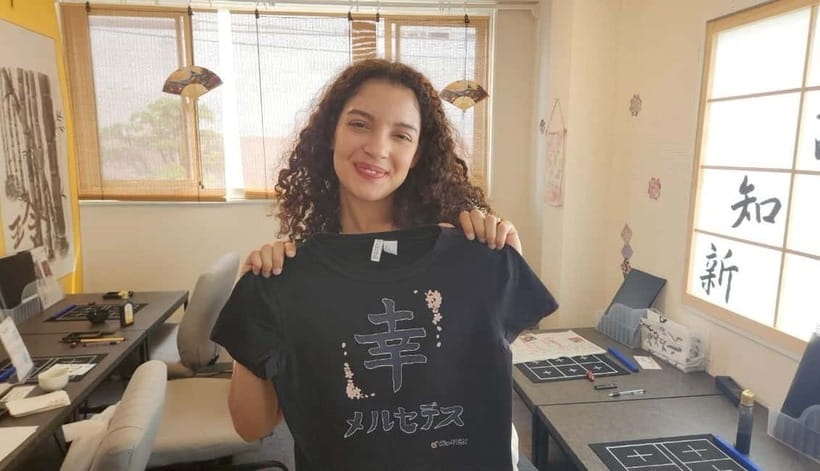
You get a dedicated practice period of about 30 minutes on thin paper, which is long enough to go from stiff copying to more confident motion. The paper is delicate, so you learn to write with intention instead of pressing hard.
During this stage, your instructor guidance is key. You are shown how to approach the brush work, and you get pointers that help you correct without slowing everything down. The vibe is calm, and the class structure helps you stay focused on the strokes.
Then you shift into writing a postcard while you sip green tea. That postcard is not just an afterthought. It gives your practice a purpose you can take home, and it turns your class into a souvenir you can send or frame.
Green tea during the writing time is a small touch, but it helps you slow down and enjoy the process. It also gives you a break from the concentration of brush strokes right before you do the final transfer.
Choosing your design, then deciding where to print on your clothing
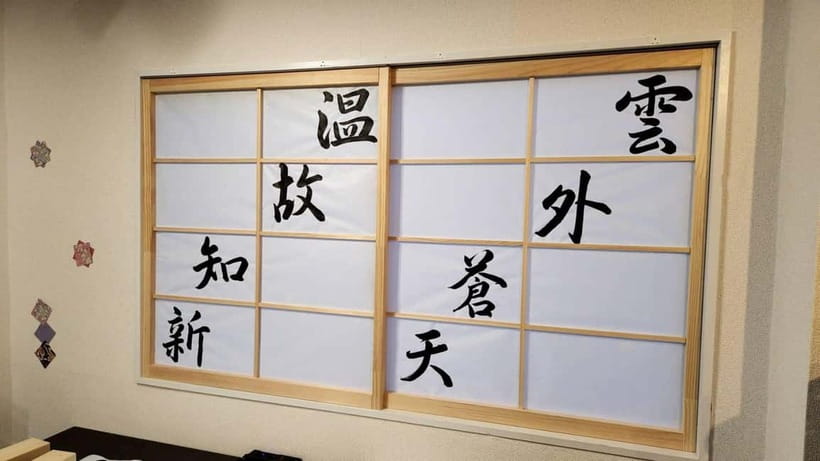
This is the moment where the class becomes personal. You select your favorite design and choose where it will print on your clothing, which helps the result look intentional.
The printing process happens after the writing stage, and your clothes are ready to take home after about 10 minutes. That timing is convenient because it means you are not waiting around for hours, and you can keep the day moving.
One practical note: you should wear clothes you do not mind getting ink on. The class gives you everything you need for the tools and materials, but ink mishaps can happen even when you are careful. Wearing something comfortable and disposable feeling is the easiest way to avoid stress.
Also, you will leave with the confidence that the final design is yours. You are not just a spectator. You chose the character, you practiced it, and then it becomes wearable art.
Price and value: what $48 really buys you
At about $48 per person, this experience is priced for people who want hands-on craft time rather than a short demo. The value is not only in the instruction. It is in the materials, the ink-making, and the fact that you leave with two tangible keepsakes, the T-shirt and the postcard.
What is included matters:
- Expert guidance on Japanese writing
- All necessary materials, including tools like inkstone, pen, paper, ink-station items, and supports
- A green tea break during the postcard writing time
- The postcard and T-shirt
If you are the type who has bought souvenirs that look nice but do not feel meaningful, this flips the script. You are paying for practice time and for a technique you can keep exploring after you return home. Several people come away wanting to keep doing shodo on their own.
One more value point is time efficiency. In under 90 minutes you learn, practice, write a postcard, and get a printed result. That is a lot of making for a single afternoon block.
Practical prep: what to wear, what to bring, and how to show up
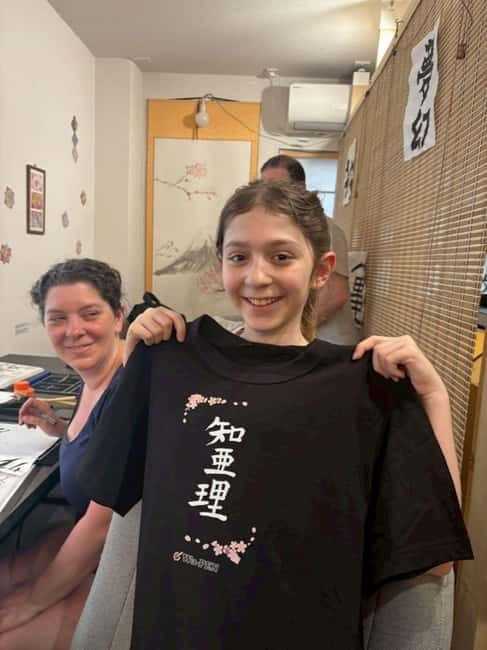
This is one of those classes where your success is affected by your clothing and your mindset.
Plan to:
- Arrive about 10 minutes early to get set up
- Wear comfortable clothes you do not mind if ink gets on them
- Expect to use traditional tools that work best when you are not distracted by anxiety
You do not need calligraphy experience. You do not need special paper. You do not need to bring ink. The session provides everything, including the writing materials, paper support items, and the T-shirt.
If you want an extra smooth experience, wear something with sleeves you are comfortable writing in, and consider a layer you can pull on and off easily for the print stage. The less you fuss, the more you enjoy the learning.
Finding the red brick meeting point, then planning your nearby time
The meeting point is simple to spot once you know what to look for. It is a red brick building, and you meet on the 3rd floor. There is a sign on the 1st floor, and a restaurant is also on the 1st floor. Take the stairs, go up to the right of the restaurant.
This location is good for pairing with time in the surrounding area. One common strategy is to schedule a morning session, then use the time around the class for sightseeing. People often plan to explore Asakusa while they wait for the shirt to be ready.
That makes the class useful as a planning anchor. It is a fixed block where you know what will happen, and you can design the rest of the day around walking to nearby streets and temples.
Who this experience suits best, and who might want to skip it
This workshop is ideal if you want a beginner-friendly, skill-based cultural activity with real output. If you enjoy trying something with your hands, learning a technique you can repeat, and bringing home a keepsake that is not mass-produced, you will likely love it.
It also works well for families. The teaching style can engage kids and teens, and the instructor can make the session feel special without turning it into a lecture.
You might consider a different activity if:
- You hate the idea of getting ink on clothing
- You want lots of free time to wander during the experience
- You are only interested in sightseeing photos rather than making something
But if you are open to learning for a short block, the class gives you a satisfying result and a story you can tell later.
Optional extras: extending into fan calligraphy
If you finish your T-shirt design and still want more, ask about extending the session. There is an option to try fan calligraphy for a small fee, if the instructor offers it for your class timing.
This is worth considering if you already know you will want additional practice. It can also be a fun way to keep the calligraphy theme going after you have already learned brush control and ink handling.
Should you book? My honest take for first-timers
Book it if you want an experience that blends culture, technique, and a wearable result. The best parts are the guided learning with Mana, the ink-making hands-on step, and the final moment when your character becomes a T-shirt you can take home. The postcard and green tea are not just extras, they help you slow down and make the class feel like a complete ritual.
Skip it if you are not willing to risk ink on your clothes, or if you want a full day of sightseeing instead of focused making. The class is structured and short, so you will feel the time used, in a good way, but it is not a long meander.
If you are deciding between calligraphy as a demo and calligraphy as an actual skill, choose this. You leave with something you made, and you will probably want to write again once you get home.
FAQ
How long does the calligraphy and T-shirt printing experience take?
The duration is about 1 hour to 90 minutes.
How much does it cost?
The price is $48 per person.
Where do we meet?
Meet at a red brick building on the 3rd floor. There is a sign on the 1st floor, and the restaurant is on the 1st floor. Go up the stairs to the right of the restaurant.
What language is the class taught in?
The instruction is in English.
What should I wear or bring?
Wear comfortable clothes. You should also wear clothes you do not mind getting ink on.
Do I get a T-shirt to print on?
Yes. A T-shirt is included, and your custom design will be printed and ready for you to take home after the class.
Do I make ink during the class?
Yes. You make ink using water and a sumi ink stick, and you learn how to use a Japanese pen called fude.
Is there anything besides the T-shirt?
Yes. You enjoy green tea while writing a postcard, and a postcard is included as a souvenir.
What is the cancellation policy?
Free cancellation is available up to 24 hours in advance for a full refund.
Newly listed around Tokyo
- Tokyo: FC TOKYO Football Game at Ajinomoto Stadium★ 4.8 · 58 reviews
- Expert Anime Guide in Akihabara with a maid witch★ 4.9 · 19 reviews
- Experience Crafting a Flower-Adorned Mini Japanese Garden★ 4.7 · 15 reviews
- Old and Nostalgic Tokyo: Half-Day Yanaka Walking Tour★ 4.9 · 30 reviews
- Exclusive Tokyo Ramen Kitchen Experience★ 4.7 · 34 reviews
- Eat/Drink like a LOCAL-Taverns & Ramen★ 4.9 · 23 reviews
- Private Edo-Tokyo Open Air Architectural Museum Tour★ 4.8 · 15 reviews
- Nikko: Edo Wonderland Edomura Cultural Theme Park Ticket★ 4.3 · 205 reviews
Japanese Craft Workshops, compared.
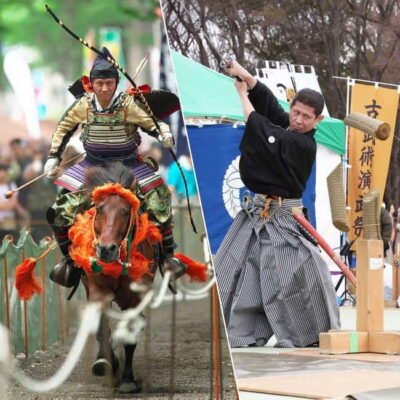
Samurai Sword & Archery Class from Samurai Descendant
Read our review →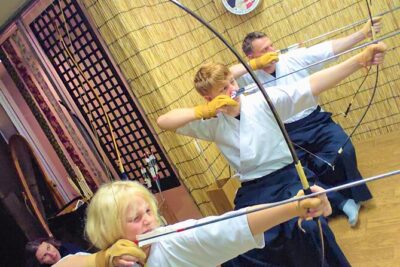
Japanesel Archery Experience HIROSHIMA CASTLE SHARAKU
Read our review →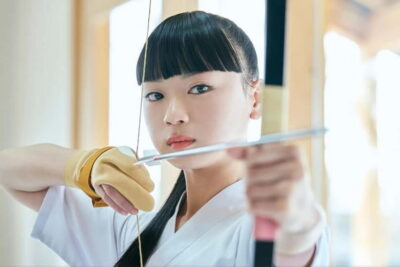
Authentic knife making experience at a blacksmith in Kyoto
Read our review →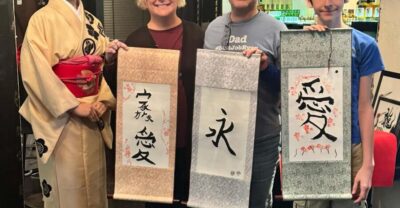
Browse the lists this tour appears in