
Review · RAMEN TASTING TRIPS
Exclusive Ramen Kitchen Experience
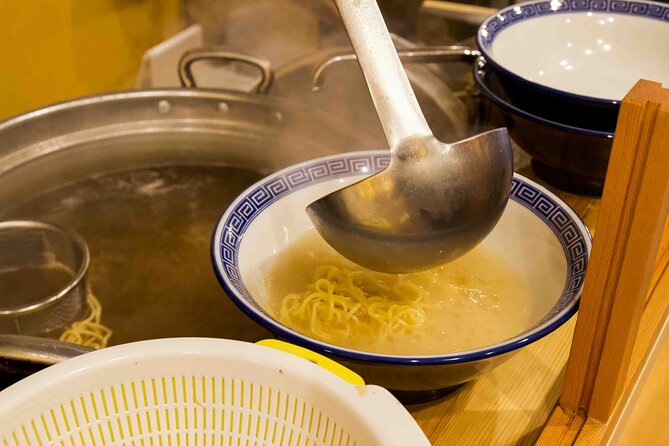
Ramen is an art you can feel in your hands. This exclusive ramen kitchen experience in Tokyo teaches you the noodle techniques that matter, temomi and tebo, then gets you to build your own bowl to eat right away. It is not a long food tour, either. In about an hour, you get the important part of how pro ramen gets made.
I love the hands-on focus, especially the chance to massage and shake noodles the way ramen pros do. I also like the VIP access angle, because you are getting a look inside a shop that has real awards behind it, not a staged demo. One thing to plan around: the ramen you eat contains chicken, pork, and fish, so it is not a fit for everyone.
In This Review
- Key Points You Will Actually Care About
- Why This Ramen Experience Feels Different From a Typical Tasting
- The Hour-Long Flow: What Happens When You Sit Down to Cook
- Noodle Training: Temomi and Tebo in Plain English
- Temomi: Massaging for Texture
- Tebo: Shaking Off Water for the Right Outcome
- Inside an Award-Winning Ramen Shop: The VIP Access Value
- Your Bowl, Your Choices: From Toppings to First Slurp
- Stop: Nakameguro Koukashita and Your Meeting Point Setup
- Price and Timing: Is $78.38 Worth It?
- Who This Experience Fits Best
- Practical Tips to Make Your Hour Go Smoothly
- The Bottom Line: Should You Book?
- FAQ
- How long is the Exclusive Ramen Kitchen Experience?
- What does the experience cost?
- Where does the experience start?
- Is there a ticket or confirmation method?
- How large is the group?
- Are there guides during the activity?
- Do you eat the ramen during the experience?
- What type of meat is in the ramen?
- What is the cancellation policy?
- What if the minimum number of travelers is not met?
Key Points You Will Actually Care About
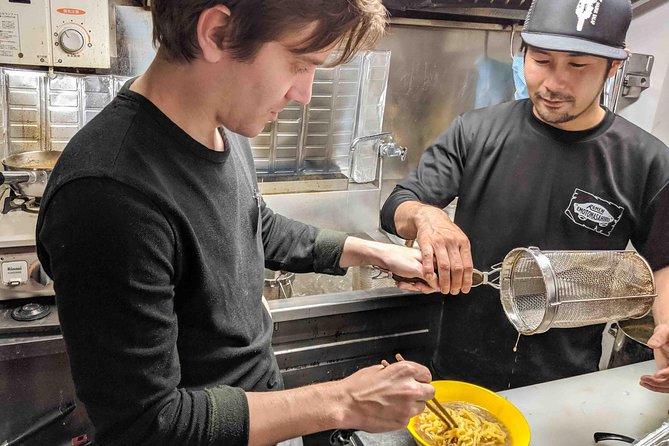
- Temomi practice: You get hands-on with noodle massaging, the texture step that changes everything.
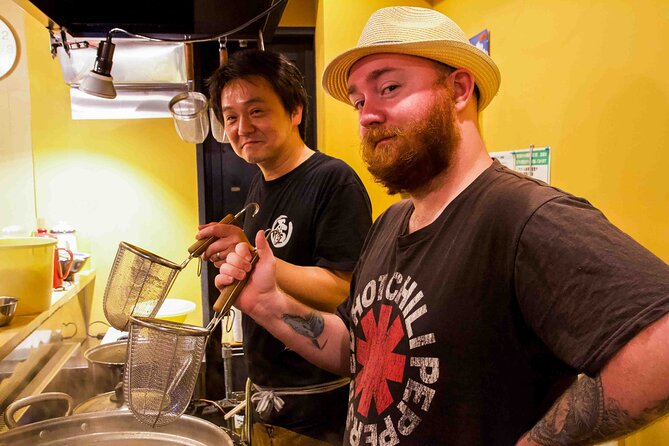
- Tebo technique: You learn the shaking method to control water and help the noodles behave.
- Award-winning kitchen access: You see how a top shop runs day-to-day, not just how ramen should taste.
- Short format, pro results: The broth is already made (broth takes 10 hours), so you spend time where your hands matter.
- Small group size: Maximum of 6 travelers, plus multiple guides, so you are not lost in a crowd.
- You eat your own bowl: You finish with toppings you choose, then dig in immediately.
Why This Ramen Experience Feels Different From a Typical Tasting
Tokyo has a lot of ramen stops. But most of them are about eating, not learning. This experience flips that. You are not just tasting. You are doing the noodle work that chefs obsess over, and you learn what each prep step is for.
The big win here is the time target. You get about an hour, which means you can squeeze this into a day without it turning into a half-day production. At the same time, you are not getting a watered-down talk. The structure is built around the techniques that people actually notice when ramen is good: noodle texture and broth and seasoning balance.
It is also “exclusive access” in a practical way. This is the kind of behind-the-scenes look that many people cannot get on their own. The value is not just the food, it is the access to how an award-winning kitchen thinks.
More Ramen Trips in Tokyo
- Eat and Drink Like a Local: Tokyo Ueno Food Tour-Taverns&Ramen
★ 5.0 · 957 reviews - Ramen & Gyoza Cooking Class in Tokyo with Local Supermarket Visit
★ 5.0 · 823 reviews - Tokyo: Mount Fuji and Hakone Full Day Tour with Ramen Making
★ 4.5 · 476 reviews
The Hour-Long Flow: What Happens When You Sit Down to Cook
The pacing is designed for learning. You do not start from zero making every component. You are not going to spend hours grinding, stock simmering, or building broth. Instead, the shop has already done the heavy lifting, including the broth that takes 10 hours to make. That decision matters for your experience because it leaves the time budget for technique.
Here is the practical flow you should expect:
First, you get ramen prep and ingredient context. You learn what the ingredients are and what role they play in the final bowl. Then you get into noodle technique.
That means temomi, the massaging step. This is where noodles gain the right feel. It is also where you start learning the logic behind ramen, not just the choreography. After that comes tebo, shaking water from the noodles. This helps control how noodles behave when they meet the broth.
Finally, you assemble and finish. You add your preferred toppings, then eat your ramen creation. The last step is important. Tasting is where technique becomes real. You see how your choices and noodle handling affect the bowl in front of you.
Noodle Training: Temomi and Tebo in Plain English
If you have ever eaten ramen and thought, Why do some noodles feel springy and others feel flat, this is the answer you are looking for. The noodles are not just a carb. They are a texture tool, and these techniques are how chefs control that texture.
Temomi: Massaging for Texture
Temomi is the noodle massaging method. You are working the noodles in a way that changes their surface and bite. The goal is consistency, plus the right response when the noodles hit hot broth. Even if you are not making everything from scratch, learning this step helps you understand why some bowls feel balanced while others feel off.
I like that the experience teaches it as technique, not mysticism. In a short session, the focus stays on what you can do with your hands and what you can taste afterward.
A different sort of day in Japan:
- Mt Fuji and Hakone 1-Day Bus Tour Return by Bullet Train
★ 5.0 · 26,383 reviews - 1-Day Tokyo Bus Tour
★ 5.0 · 14,250 reviews - Tokyo: TOKYO SKYTREE® Admission ticket
★ 4.5 · 11,192 reviews - Tokyo: teamLab Planets TOKYO Digital Art Museum Entry Ticket
★ 4.6 · 9,779 reviews
Tebo: Shaking Off Water for the Right Outcome
Tebo is the shaking step. The purpose is simple: control water so the noodles do not dilute things or behave unpredictably in the bowl. It is a small motion, but it is one of those “tiny details” that makes a visible difference once you eat.
This part also keeps you engaged. You are not waiting around for someone else’s work. You are practicing the motion, and you can compare your results to what you know you like from ramen meals in Japan.
Inside an Award-Winning Ramen Shop: The VIP Access Value
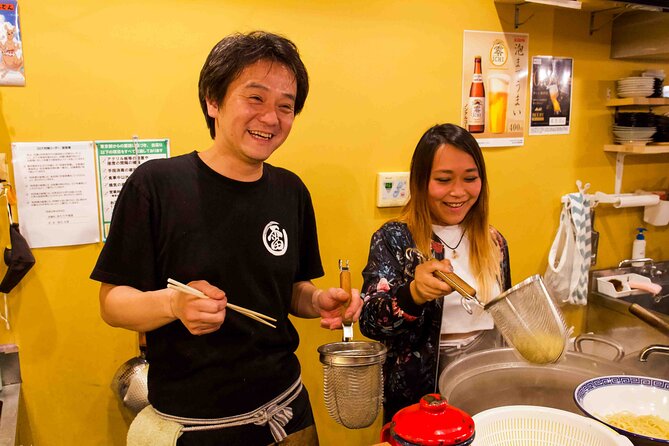
One of the hardest parts of booking cooking-adjacent experiences is knowing whether you get something real or a performance. This setup tries to be the real thing by giving access to an actual ramen shop kitchen. That matters because ramen is logistics, timing, heat, and repetition.
Even in a shortened format, you still get the “how the kitchen thinks” layer. You will learn about prep and ingredients, including where they come from and why they matter. That ingredient education is not just trivia. It helps you order better later, and it helps you understand why the same toppings taste different from shop to shop.
I also appreciate that the experience is designed around multiple guides. With a maximum of 6 travelers, you should get more attention when questions pop up. Small group size means you are more likely to ask about something you actually care about, like how ingredient prep affects mouthfeel and flavor.
Your Bowl, Your Choices: From Toppings to First Slurp

You do not finish with a generic buffet. You assemble your own ramen bowl after the noodle steps.
After you learn the key noodle techniques, you choose toppings and build your final bowl. Then it is time to eat. This is where the experience lands, because you get immediate feedback. If you like your ramen a certain way, you can see how noodle handling and topping choices translate to the bowl.
It is also practical to know what is in your bowl. The ramen you eat contains chicken, pork, and fish. That is a major planning point for diet and comfort. If you have restrictions, think about whether you can eat those proteins comfortably before you book.
Stop: Nakameguro Koukashita and Your Meeting Point Setup
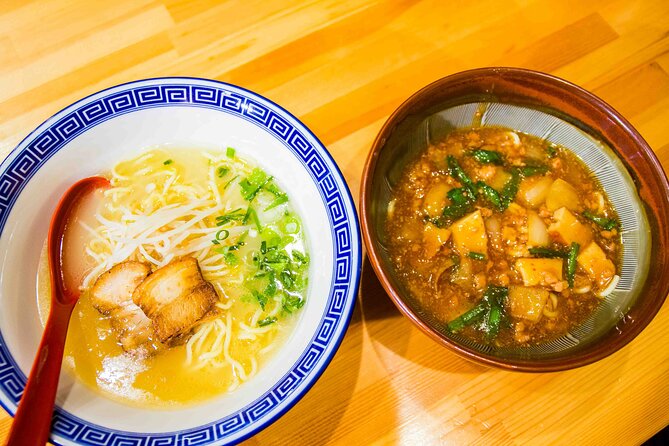
Your experience begins at the meeting point listed at 2-chōme-12-6 Nezu, Bunkyo City, Tokyo. The session is associated with Nakameguro Koukashita, so plan your arrival so you are on time and ready to move quickly into the kitchen flow.
Because it is near public transportation, you should not need a complicated plan to get there. Still, treat it like a kitchen appointment, not a casual food stop. Tokyo is fast and schedules are real, and this experience runs in about an hour.
Price and Timing: Is $78.38 Worth It?
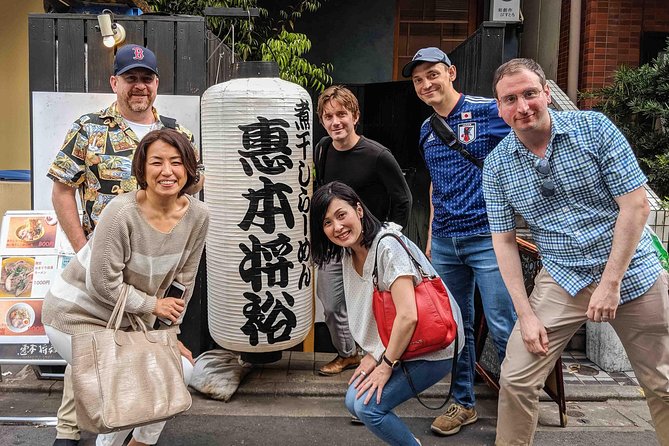
At $78.38 per person for roughly an hour, it is not the cheapest thing you can do in Tokyo. But it is also not priced like a simple meal.
The value case here is that you are paying for three things that are hard to DIY:
- Hands-on instruction for temomi and tebo (techniques you normally watch from the outside).
- Exclusive access to an award-winning ramen shop kitchen, not just a restaurant meal.
- The structure that saves you time, since the shop already has labor-heavy items done, including broth that takes 10 hours to make.
If your goal is “more ramen” only, you could eat your way through Tokyo for less. If your goal is “better ramen understanding,” this is a smart use of money. You leave with a technique memory, and that makes it easier to recognize quality when you eat later.
Booking tends to happen ahead of time, with an average booking window of 16 days. That means if you want a specific day, you should plan early rather than waiting.
Who This Experience Fits Best
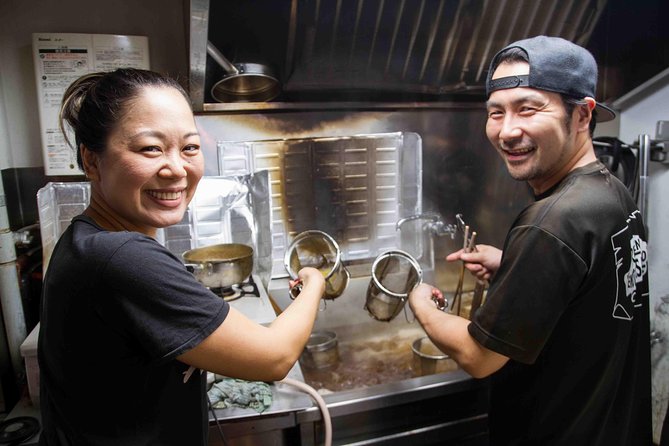
This experience is a great match if you want to learn ramen in a hands-on way. It is also ideal if you like cooking-adjacent learning, where you get practical steps instead of only watching.
You will probably enjoy it most if you:
- Love ramen and want to understand what makes noodles and broth work together
- Enjoy short, skill-focused activities rather than long cooking marathons
- Prefer small groups, because max 6 travelers helps with attention
It is a less ideal fit if:
- You need vegetarian, halal, or strict seafood-free meals, because the ramen contains chicken, pork, and fish
- You are expecting a full make-everything-from-scratch cooking class, because this is about noodle techniques and assembly with shortened preparation
Practical Tips to Make Your Hour Go Smoothly
A ramen workshop can feel intense because it is concentrated. Here is how to make it easier:
- Arrive early enough to settle in. In about an hour, any delay cuts into your practice time.
- Come with an open mind about the workflow. You are practicing specific techniques, not doing every step of ramen production.
- Be ready to ask questions. With multiple guides, you can get answers about ingredients and ramen purpose, which is one of the best ways to turn the experience into lasting knowledge.
- If you have allergies or dietary restrictions, double-check the protein ingredients in advance since the ramen includes chicken, pork, and fish.
The Bottom Line: Should You Book?
Yes, I think you should book this if you want to understand ramen beyond taste. The strongest reason is the focus on the two noodle techniques, temomi and tebo, plus the VIP access to an award-winning kitchen. The format is also efficient: about an hour, so it fits a real Tokyo day.
Skip it if meat content is a problem for you, because the ramen served includes chicken, pork, and fish. Also, if your dream is making every ramen component from scratch, this is not that kind of class. The broth takes 10 hours in production, and the experience saves time by shortening the steps and focusing on what you can learn and do.
If your priority is value through knowledge and hands-on technique, this one looks like a solid bet, with a 4.9 rating and 100 percent recommendation based on the provided info.
FAQ
How long is the Exclusive Ramen Kitchen Experience?
It lasts about 1 hour.
What does the experience cost?
The price is $78.38 per person.
Where does the experience start?
The meeting point is at 2-chōme-12-6 Nezu, Bunkyo City, Tokyo 113-0031, Japan.
Is there a ticket or confirmation method?
You receive a mobile ticket, and confirmation is received at the time of booking.
How large is the group?
The experience has a maximum of 6 travelers.
Are there guides during the activity?
Yes, there are multiple guides.
Do you eat the ramen during the experience?
Yes. After assembling your toppings and noodles, you eat your ramen creation.
What type of meat is in the ramen?
The ramen served contains chicken, pork, and fish.
What is the cancellation policy?
You can cancel for a full refund if you cancel at least 24 hours before the experience’s start time. Cancellation is free up to 24 hours in advance.
What if the minimum number of travelers is not met?
If it is canceled because the minimum isn’t met, you will be offered a different date or a full refund.
Newly listed around Tokyo
- Private Tokyo Tour with Licensed Guide & Vehicle (Max 15 persons)★ 5.0 · 107 reviews
- Private Tokyo Food Tour – A Journey Through Time Through Food★ 5.0 · 36 reviews
- Private Tokyo Custom Full-Day Tour by Chartered Vehicle★ 5.0 · 16 reviews
- Private Tokyo Custom Half-Day Tour by Chartered Vehicle★ 4.5 · 13 reviews
- Private Outstanding Nikko Tour with English Speaking Driver★ 4.0 · 11 reviews
- Private Sightseeing to Mt Fuji and Hakone with English Driver★ 5.0 · 51 reviews
- Private Snow Monkeys park Day Trip From Tokyo or Nagano★ 4.5 · 26 reviews
- 4 Day Tour – Mount. Fuji, Tokyo, Hakone, Kamakura and Yokohama★ 5.0 · 19 reviews
Ramen Tasting Trips, compared.
Ramen Cooking Class at Ramen Factory in Kyoto
Read our review →
Eat and Drink Like a Local: Tokyo Ueno Food Tour-Taverns&Ramen
Read our review →
Ramen & Gyoza Cooking Class in Tokyo with Local Supermarket Visit
Read our review →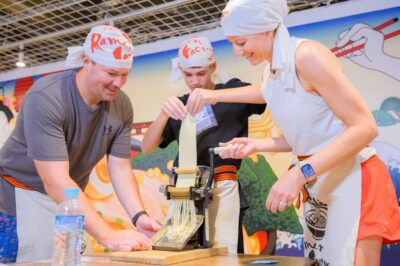
Ramen Cooking Class at a Ramen Factory with Souvenir
Read our review →
Mount Fuji and Hakone Full Day Tour with Ramen Making
Read our review →

Five Must-See Highlights Walking Tour & Ramen Lunch
Read our review →Browse the lists this tour appears in