Review · SUSHI COOKING WORKSHOPS
Giant Sushi Cooking Class: Make a 1.5m Sushi Roll in Tokyo
Your sushi is going to get huge. In Meguro, you roll a 1.5m sushi maki, working from nori sheets to sesame as local hosts guide the steps.
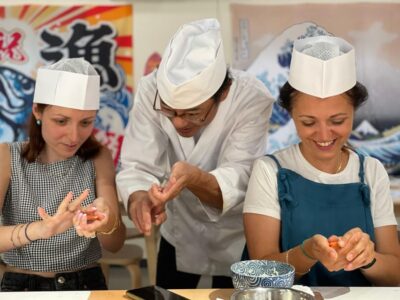
I love how hands-on it is, not a stand-back demo. You prep fish and avocado fillings, learn what makes sushi rice unique, and then roll, cut, and serve your creation on hand-painted Japanese dishware.
One drawback to plan for is the listed time, about 12 hours. If you want a quick, after-work activity, this is more like a full-day kitchen workshop, even though it feels fun.
In This Review
- Key Highlights You Should Care About
- What You Actually Make: The 1.5m Sushi Maki Project
- From Nori to Rolling: How the Class Flows in Real Life
- The Rice Lesson: Why Sushi Rice Is the Real Star
- Cutting and Serving on Hand-Painted Dishware
- Meguro Location and the Walk From Transit
- The 12-Hour Time Block: Plan for a Real Workshop
- Small Group Size, Real Help, and a Social Cafe Feel
- Price and Value: What $50 Actually Buys You
- How to Recreate Your Giant Maki at Home
- Who This Sushi Class Is Best For
- Quick Booking Advice Before You Commit
- Should You Book This Giant Sushi Cooking Class in Tokyo?
- FAQ
- Where is the meeting point?
- How long does the sushi cooking class take?
- What is the group size?
- What will I learn to make?
- What ingredients will we work with?
- What kind of ticket do I receive?
- How much does it cost?
- Is it near public transportation?
- Is there free cancellation?
Key Highlights You Should Care About
- Make and roll a 1.5m sushi maki in Tokyo, then cut and serve it
- Learn the basics of sushi rice and how it affects the roll
- Work with real components like fish and avocado fillings, plus nori sheets
- Master the pressure for the log shape while rolling
- Eat from hand-painted dishware made by local artists, available to buy after
- Small group size up to 12 people, with a social cafe vibe nearby transit
What You Actually Make: The 1.5m Sushi Maki Project
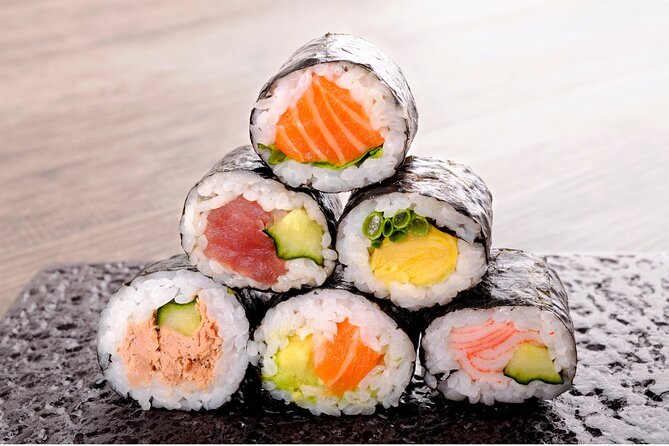
This class is built around one simple, slightly wild idea: sushi that is famously bite-sized, but made in a very long format. You’ll create a giant 1.5m sushi roll, then cut it so you can actually serve and eat your work.
The structure is classic sushi, but amplified. You’ll prepare fish and avocado fillings, handle the nori (seaweed) sheets, and work with sushi rice that your hosts explain in a practical way. Then you finish with a sprinkling of sesame seeds before you roll.
What makes this different from a typical cooking class is how much of the process is about technique, not just assembling ingredients. Rolling a normal roll is one thing, but a long roll demands consistent pressure and careful placement of rice and fillings. If you like learning by doing, this format fits.
More Cooking Classes in Tokyo
- Ramen & Gyoza Cooking Class in Tokyo with Local Supermarket Visit
★ 5.0 · 823 reviews - Tokyo: Easy Ramen Cooking Experience in Kabukicho, Shinjuku
★ 4.6 · 321 reviews - Ramen and Sushi Cooking Class with Sake Pairing Set in Tokyo
★ 5.0 · 291 reviews
From Nori to Rolling: How the Class Flows in Real Life
You start in the kitchen-cafe space in Meguro, and the day moves step by step. First come the foundations: preparing the fillings and getting comfortable with the pieces you’ll use. You’re not just handed a recipe card, you’re taught the techniques along the way.
Then you build the base. Hosts help you lay out the nori sheets, and you carefully place sushi rice and fillings. This is where you learn what matters for sushi texture, mainly how the rice and fillings interact and how you keep everything aligned.
Once your log is assembled, the class turns into a rolling exercise. You’ll roll the 1.5m creation with the right amount of pressure to form the iconic shape. That part matters more than you’d think, because too little pressure and things fall apart, too much and you can ruin the texture.
After the roll is finished, it’s cut and served on Japanese dishware. This is where the experience shifts from cooking to presentation, and it’s honestly a big part of why the class feels like an event instead of a lesson you rush through.
The Rice Lesson: Why Sushi Rice Is the Real Star
Sushi rice gets mentioned a lot, but this class treats it as something you can actually learn. Your hosts will explain what makes sushi rice unique, and you use that knowledge while you assemble your roll.
The practical takeaway is this: sushi rice isn’t just cooked rice. It’s the base that holds everything together, affects how the roll feels in your mouth, and helps the nori and fillings behave correctly. When the rice is right, rolling feels smoother and the final cut looks cleaner.
In a giant roll, the rice layer has to stay consistent across the length. That’s hard to fake, which is why this class focuses on the rice step rather than skipping ahead to rolling.
If you’ve ever eaten great sushi and wondered why it tastes so balanced, this is the part that gets you closer to that answer.
Cutting and Serving on Hand-Painted Dishware
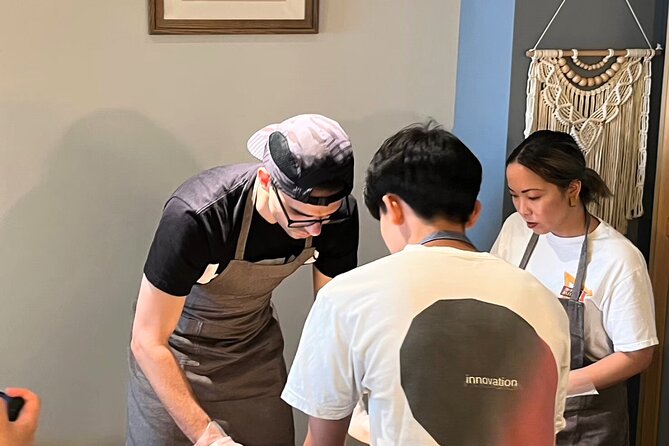
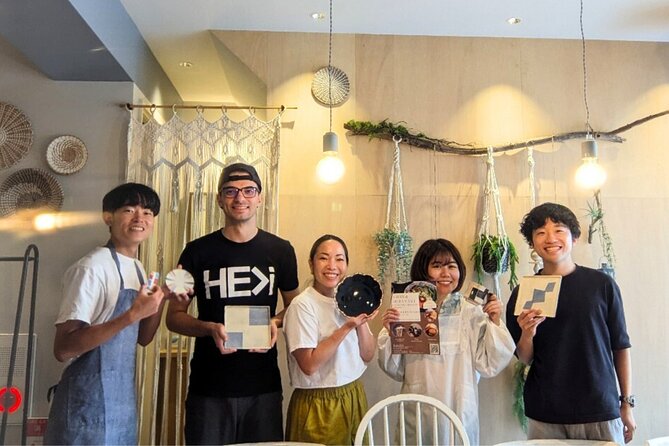
After rolling, you cut the sushi and serve it. The class uses beautiful Japanese dishware that’s crafted and painted by hand, and each plate is a unique piece made by local artists.
This matters because it changes how you experience the food. You’re not eating a cooking-class snack on paper plates. You’re plating something you built with care, and that makes the meal feel special even if it’s casual and relaxed.
There’s also an onsite shop where the dishware is available to purchase at the end of class. If you’re into Japanese ceramics or you like bringing home practical souvenirs that you’ll actually use, this is a strong bonus.
Tip for value-minded buyers: only consider buying the dishware if you already know it fits your style or you plan to use it. Otherwise, you can enjoy the meal without adding another item to your luggage.
More Cooking Workshops in Tokyo
- Tokyo: Wagyu and 7 Japanese Dishes Cooking Class
★ 4.9 · 273 reviews - Tokyo Washoku 4-hour Cooking Class: From Market to Table
★ 5.0 · 253 reviews - Small-Group Wagyu Beef and 7 Japanese Dishes Tokyo Cooking Class
★ 5.0 · 190 reviews - Tokyo Sushi Making Experience & Japanese Cooking Class
★ 5.0 · 150 reviews
Meguro Location and the Walk From Transit
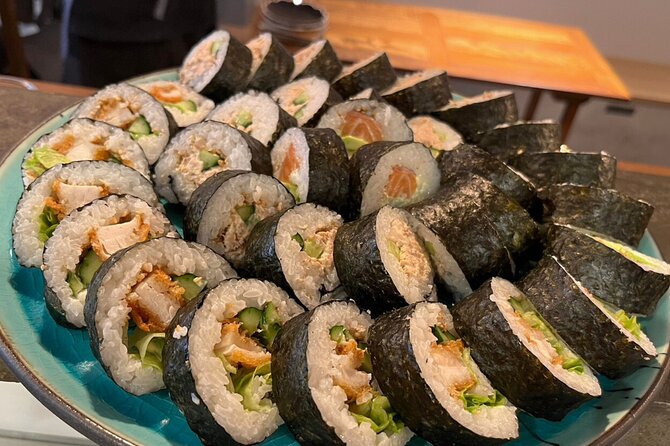
The meeting point is in Meguro, at 2 Chome-3 Senzoku, Meguro City, Tokyo 152-0012, Japan. The class ends back at the same meeting point.
The area is the kind of neighborhood where food options feel close and social life is easy. Public transportation is nearby, and one detail that really helps your day planning is that the cafe is about a 10-minute walk from the station, according to the experience vibe people reported.
So if you’re using transit, don’t panic about getting “exactly” there. Give yourself a little buffer, find the cafe, and you’ll be set.
The 12-Hour Time Block: Plan for a Real Workshop
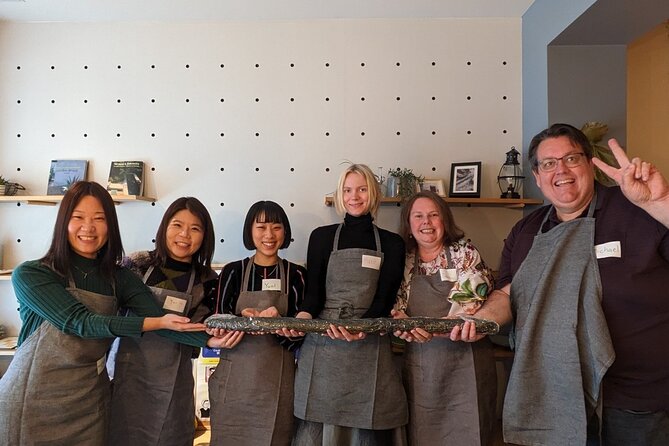
The experience runs for about 12 hours (approx.). That’s a long time on paper, but the format helps it feel like a workshop instead of a sit-and-wait event.
You’ll be active throughout: prep fillings, assemble nori and rice, roll the 1.5m maki, then cut and serve. When the time is structured this way, you’re not stuck wondering what to do next.
Still, be realistic. This is not a quick taste-and-go. If you schedule it, think of it as a full day. It also means you’ll want to eat and hydrate normally before you start, because you’ll likely be moving and learning for hours.
The good news is the pace is supported by the small group setup.
Small Group Size, Real Help, and a Social Cafe Feel
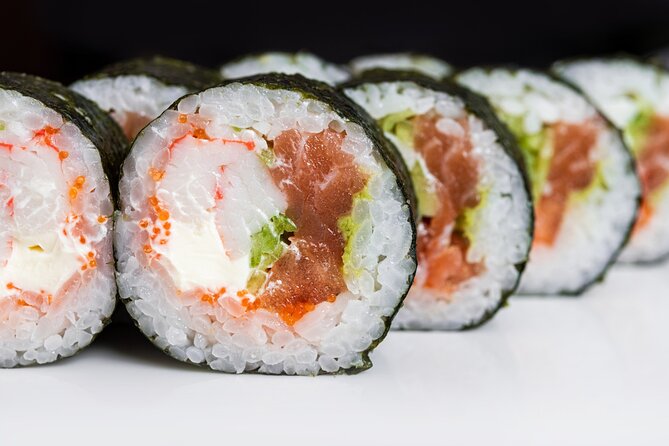
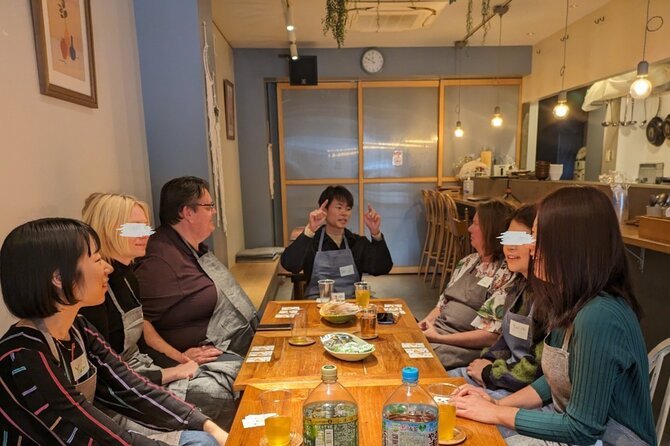
This class has a maximum of 12 people, which is a big quality factor. You’re more likely to get individual attention when technique matters, especially for a task like rolling a long log.
The cafe setting also adds to the experience. In addition to sushi work, you can expect Japanese snacks, chatting, and fun from Japanese social games. It gives the day a friendly tone, so you’re not only focused on performance.
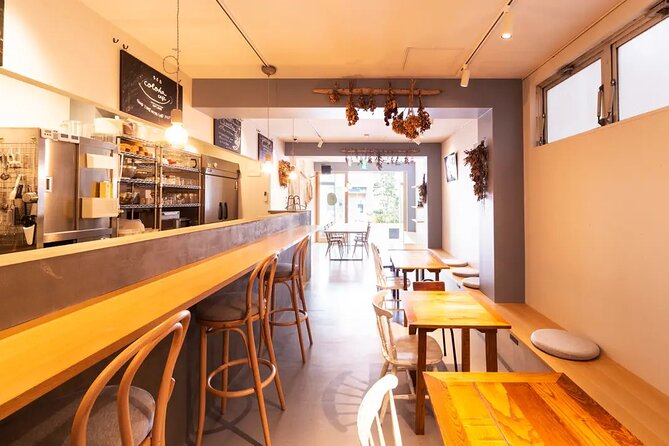
The overall service vibe is described as top notch, and the cafe seems newer, which usually translates into a clean, well-run space.
For families, couples, and solo visitors, that social element can take the edge off if you feel nervous about learning something new. You’re doing it with other people, in a group sized so you can still function and get guidance.
Price and Value: What $50 Actually Buys You
At $50, this is priced as a hands-on experience more than a high-end luxury meal. The value comes from the fact that you’re not only learning the steps, you’re producing something impressive: a 1.5m sushi roll.
You’re also getting instruction through multiple stages: preparing fish and avocado fillings, assembling rice and nori, learning sushi rice specifics, rolling with the right pressure, and finishing with sesame and plating. That’s a lot of technique packed into one class.
Another value factor is the serving experience. Hand-painted dishware made by local artists is part of the meal, and the onsite shop option means you’re not locked out of that souvenir.
So the decision isn’t just about cost per person. It’s about whether you want a day where you take home food knowledge you can reuse.
If you love cooking, Japanese food, or doing skill-based activities, the price feels fair for the amount of work and the unique output.
How to Recreate Your Giant Maki at Home
One of the most useful aspects is that the class is designed to help you recreate sushi later. You’ll use everyday cooking utensils and equipment to recreate the dish back at home.
That means you’re not learning a technique that depends on special tools you can’t find. You’ll learn what matters in the process: how to build with nori, how to distribute sushi rice, and how the rolling pressure changes the final shape.
The best part is you’ll have a mental checklist for the full workflow. Even after you travel, you’ll remember the order of operations and the key points your hosts explain, especially around sushi rice and rolling technique.
If you want a project to practice after your Tokyo trip, this is exactly the kind of class that gives you a repeatable method. Sushi is not a one-time show. You can make it again, improve your roll, and actually compare results to what you learned in class.
Who This Sushi Class Is Best For
This experience fits best if you want hands-on food learning and a fun, social kitchen day.
- Families: The group setting and active steps make it engaging, and it’s not just watching a chef do everything.
- Couples: You’ll share a clear goal, from assembling to rolling to serving.
- Solo visitors: Small group size helps you stay connected, and the cafe vibe means you’re not stuck alone with questions.
It’s also a good choice if you’re already curious about sushi basics and want to understand the structure behind the flavor. You’ll leave with more than an edible trophy. You’ll have a better sense of how nori, rice, fillings, and rolling technique work together.
Quick Booking Advice Before You Commit
If you’re the type who enjoys learning by doing, I’d seriously consider booking. The combination of a small group size, a long-form 1.5m roll, and hand-painted dishware makes it feel like a standout Tokyo food activity without being overly formal.
Also, since cancellation is free up to 24 hours in advance for a full refund, you can book with less stress and adjust if your schedule shifts. Just make sure the day fits your energy, because this is a long block.
If you’re after a short, light activity, you may feel stretched by the time. But if you want a skill-building day with a delicious payoff, this class hits the sweet spot.
Should You Book This Giant Sushi Cooking Class in Tokyo?
Book it if you want a hands-on Tokyo experience that teaches real sushi technique, especially around sushi rice and rolling pressure, and you like the idea of making a sushi roll big enough to feel like an event. The meal served on hand-painted dishware is a nice bonus, and the small group size helps you get support.
Skip it if you only have time for a brief activity or you dislike long, structured days. Otherwise, this is a smart value play for anyone who wants a memorable Tokyo food day you can actually repeat later.
FAQ
Where is the meeting point?
The class starts at 2 Chome-3 Senzoku, Meguro City, Tokyo 152-0012, Japan. It ends back at the same meeting point.
How long does the sushi cooking class take?
The experience is listed as approximately 12 hours.
What is the group size?
There is a maximum of 12 people.
What will I learn to make?
You’ll make a 1.5m sushi maki roll, then cut it and serve it.
What ingredients will we work with?
You prepare fish and avocado fillings, use nori (seaweed), work with sushi rice, and finish with sesame seeds.
What kind of ticket do I receive?
You’ll use a mobile ticket.
How much does it cost?
The price is $50.
Is it near public transportation?
Yes, it is near public transportation.
Is there free cancellation?
Yes. You can cancel up to 24 hours in advance of the experience start time for a full refund.
More Sushi Workshops in Tokyo
- Sushi Making Tokyo Roll and Authentic Japanese Sushi Class
★ 5.0 · 3,971 reviews - Tokyo: Roll and Authentic Sushi Making Class in Asakusa
★ 4.9 · 1,957 reviews - Tokyo: Sushi Making Class in a Happi Coat near a Famous Spot
★ 4.9 · 1,377 reviews - Sushi Making Tokyo! Popular Maki Sushi & Japanese Sushi(+Recipe!)
★ 5.0 · 1,314 reviews
Newly listed around Tokyo
- Tokyo private transfer from/to Tokyo Ports★ 4.5 · 26 reviews
- Yanaka and Asakusa Walk around DOWNTOWN TOKYO like a local★ 5.0 · 36 reviews
- Yokohama Private Arrival Transfer : Tokyo Hotels to Yokohama Port or Hotels★ 4.5 · 12 reviews
- Yanaka Historical Walking Tour in Tokyo’s Old Town★ 5.0 · 182 reviews
- Official Japan Go-Kart Through Shibuya / Shinjuku (IDP Required)★ 5.0 · 92 reviews
- Private homevisit for whole cultual experience, 20min from Tokyo★ 5.0 · 20 reviews
- Exclusive Sumo Morning Practice in Tokyo with Photo Opportunity★ 5.0 · 68 reviews
- 3-Hour Tokyo Pub Crawl Nightlife Welcome Guided Tour in Shibuya★ 5.0 · 209 reviews
Sushi Cooking Workshops, compared.
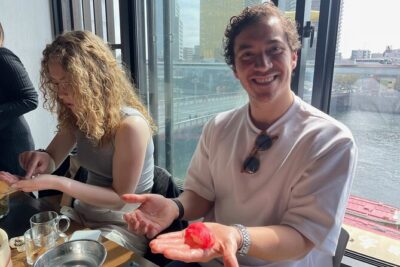
Sushi Making Tokyo Roll and Authentic Japanese Sushi Class
Read our review →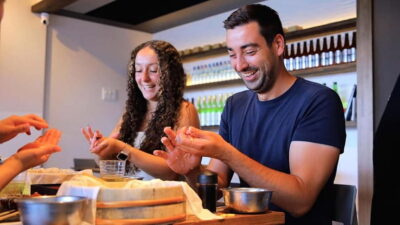
Roll and Authentic Sushi Making Class in Asakusa
Read our review →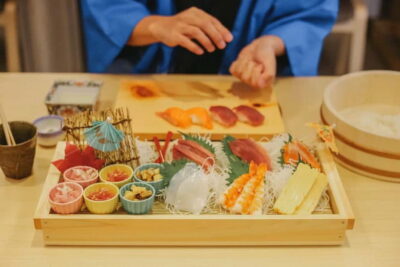
Sushi Making Class in a Happi Coat near a Famous Spot
Read our review →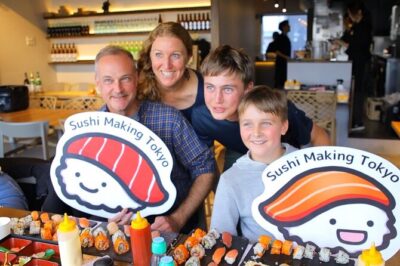
Sushi Making Tokyo! Popular Maki Sushi & Japanese Sushi(+Recipe!)
Read our review →
Tokyo Sushi Making Class in Tsukiji with Professional Chef
Read our review →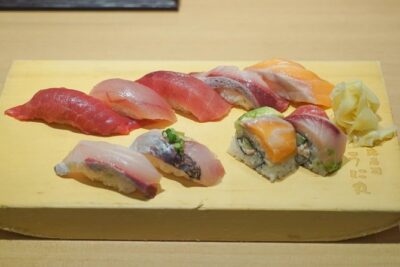
Tokyo Night Foodie Tour in Shinjuku – Seasonal Sushi, Wagyu Beef
Read our review →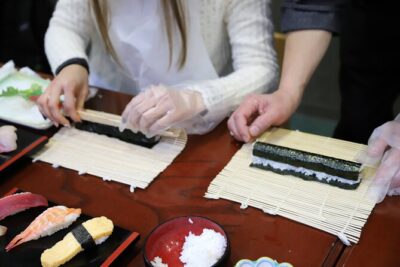
Tsukiji Fish Market Guided Tour and Sushi Making with Pro Chef
Read our review →