
Review · WORKSHOPS
Hands-on Pearl Harvesting Workshop!
Crack an oyster, keep a pearl. This hands-on workshop at Kikuchi Pearl turns Ise-Shima Akoya into your own accessory-making moment.
I love how you get to choose a live Akoya oyster from the aquarium and extract the pearl yourself. I also love the payoff: picking metal fittings and turning your pearl into a practical keepsake like a cell phone strap or pendant.
One thing to consider is that the experience can feel fast and light on explanation, especially if you do not read Japanese.
In This Review
- Key Points to Know Before You Go
- Pearl Harvesting at Kikuchi Pearl in Ise-Shima: What This Really Feels Like
- The Hands-On Flow, Step by Step, From Aquarium to Your Final Pearl Accessory
- Choosing Metal Fittings and Accessory Types Without Getting a Price Surprise
- Price and Value: Is $17 Worth It for One Hour of Work?
- The Aquarium Moment: Ise-Shima Akoya and What You Are Actually Buying Into
- Timing, Language, and the Level of Instruction You Should Expect
- Shop Time While Staff Process Your Pearl Into Jewelry
- Who This Workshop Suits Best, and Who Might Find It Frustrating
- Getting There From Iseshi Station, Plus What to Do Next
- Should You Book Kikuchi Pearl’s Hands-On Pearl Harvesting Workshop?
- FAQ
- Where is the pearl harvesting workshop located?
- How much does the workshop cost?
- How long is the workshop?
- What do I do during the hands-on pearl harvesting?
- Does the price include turning the pearl into jewelry?
- What accessory types can I make?
- What extra costs might appear onsite?
- Which languages are used during the workshop?
- Is it suitable for small children and wheelchair users?
- What is the cancellation and payment policy?
Key Points to Know Before You Go
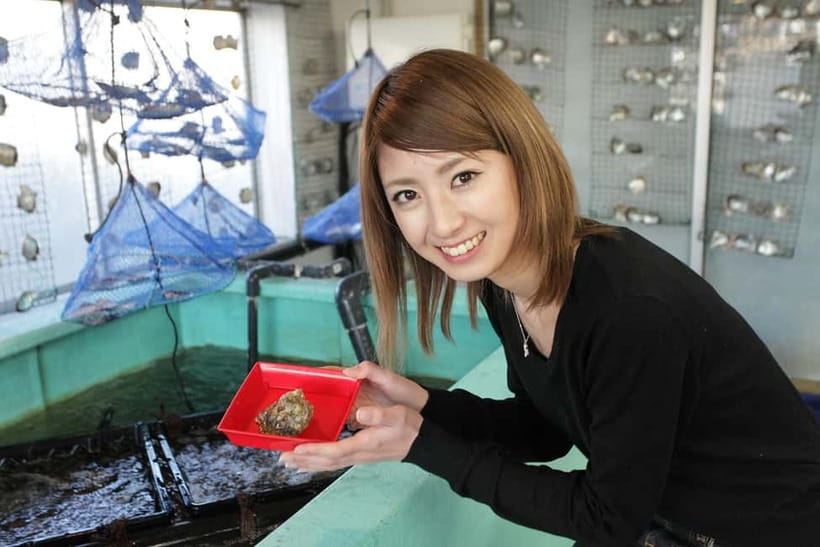
- Live Akoya oyster selection: pick one from the aquarium using tongs, then put on gloves before opening.
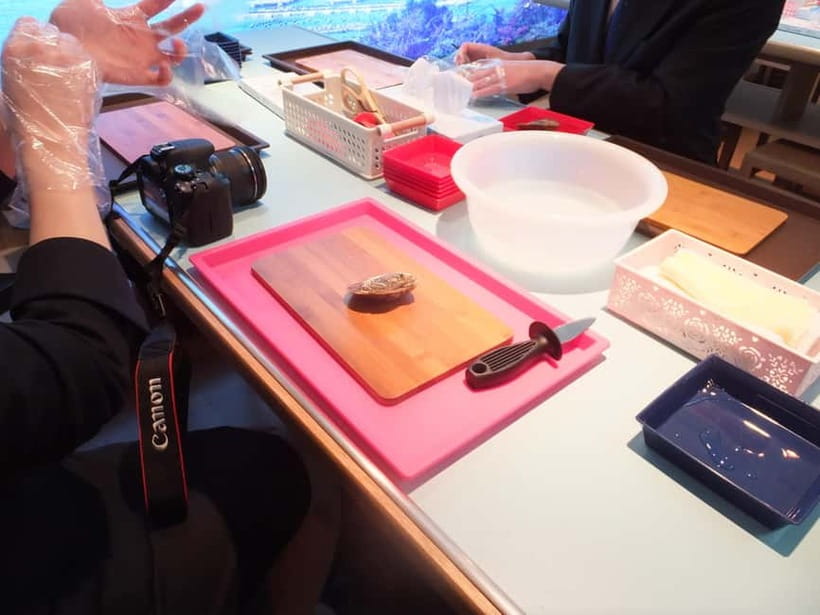
- Hands-on pearl extraction: use a special tool, remove slime, and rinse the pearl lightly.
- Accessory freedom with fittings: choose metal hardware designs onsite to match your style.
- Fee includes processing, not every accessory option: cell phone strap and pendant processing are included, other options may cost more.
- Staff handle the final work while you wait: you can tour the shop while they process your pearl into jewelry parts.
Pearl Harvesting at Kikuchi Pearl in Ise-Shima: What This Really Feels Like
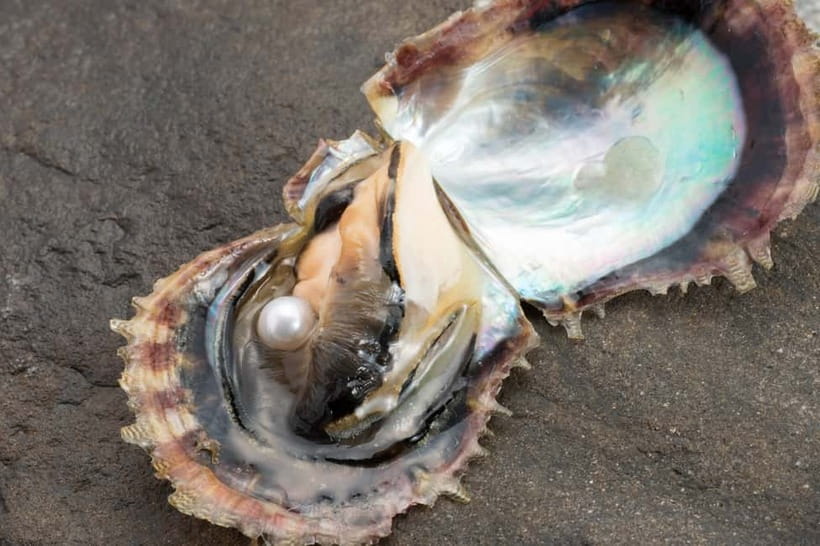
This is the kind of activity that sounds simple, then turns surprisingly real once you’re holding a live Akoya oyster. In Honshu near the Ise-Shima area, the workshop is built around the idea of choice and direct participation: you select an oyster, you extract the pearl, and then you decide how it becomes jewelry.
The most exciting part is that you are not just watching. You are doing. Gloves go on fast because Akoya oysters can smell fishy, and you handle the shell carefully. Then comes the moment where you use a tool to open and extract the pearl. Even if you already know what an Akoya is, you still get that little jolt of anticipation: what pearl will you actually get?
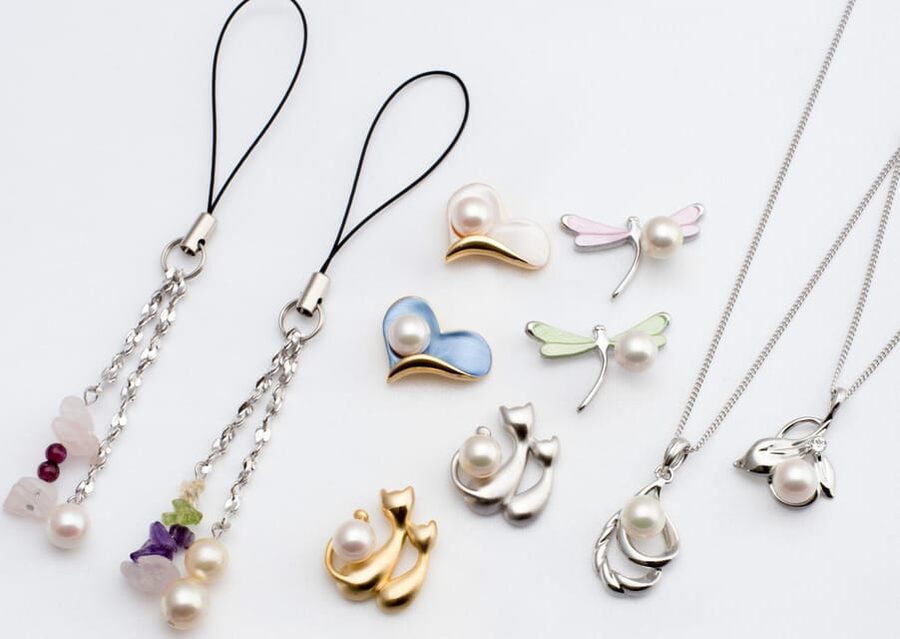
You also get a tangible reward. You can choose metal fittings and make your pearl into a cell phone strap, a pendant, or earrings (clip-on or regular). The workshop is about turning something fragile into something you can use every day, not only something you look at behind glass.
Other things to line up in Japan:
- Mt Fuji and Hakone 1-Day Bus Tour Return by Bullet Train
★ 5.0 · 26,383 reviews - 1-Day Tokyo Bus Tour
★ 5.0 · 14,250 reviews - PERFECT KYOTO 1-Day Bus Tour
★ 5.0 · 13,518 reviews
The Hands-On Flow, Step by Step, From Aquarium to Your Final Pearl Accessory
The workshop runs for about 1 hour, and the steps are very structured. Here is what the experience looks like in practical terms.
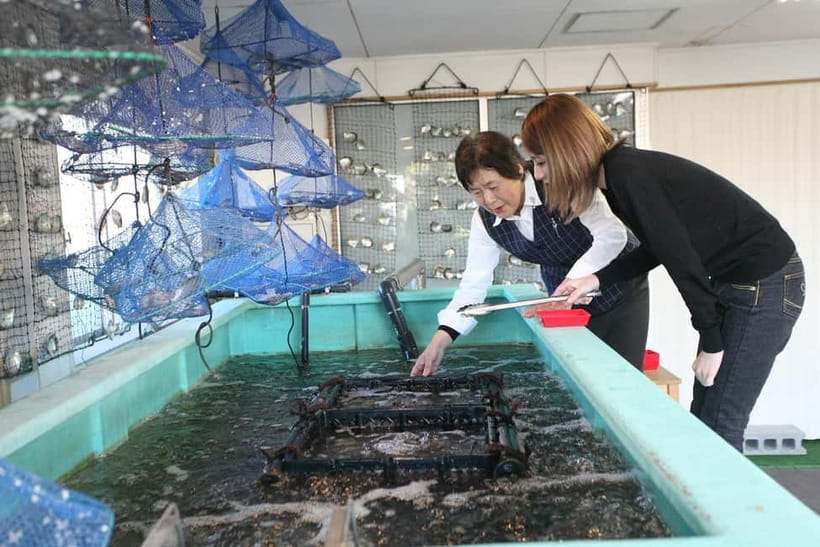
First, you pick the oyster. You select a live Akoya pearl oyster from Kikuchi Pearl’s aquarium using tongs. This matters because you are making the choice early, before anything is processed. It is also the point where you can slow down and think, do you want a slightly different experience from oyster to oyster?
Next, you extract the pearl. You put on a glove on your non-dominant hand. You then use a special tool to extract the pearl from the Akoya oyster and remove the slime. Akoya oysters can smell fishy, so the glove step is both safety and comfort.
After extraction, you wash the pearl lightly with water. That rinse is brief, but it helps you handle the pearl without all that slime residue.
Finally, you customize your accessory setup. You select metal fittings for your accessory, and this is where the workshop transitions from biological to design. The pearl becomes the star, but the fittings help define the vibe. You can find many designs of metal hardware onsite, so you are not stuck with one setting style.
One detail to keep in mind: the workshop includes staff processing. Even though you do the extraction, the final assembly into a wearable accessory is handled by the staff while you wait. That makes it beginner-friendly, but it also means there is less time for deep explanation.
Choosing Metal Fittings and Accessory Types Without Getting a Price Surprise
The fee is designed to cover processing for a specific starting set of options, then lets you choose upgrade-style differences onsite.
What you can choose included in the fee depends on the accessory type:
- Cell phone strap processing (included): 1 Akoya oyster plus metal fittings (JPY 1,100 + JPY 1,650).
- Pendant processing (included): 1 Akoya oyster plus metal fittings (JPY 1,100 + JPY 2,200).
All prices include processing fees.
Here is the important part for budgeting: if you choose a fitting option with a higher or different price, you pay the price difference onsite. The workshop also notes no refunds will be given even if you choose a fitting that is less expensive than the set price. So think of the included fittings as your base package, then treat the onsite selection like a controlled upgrade.
Accessory choices include:
- Cell phone straps
- Pendants
- Clip-on or regular earrings
There are other options like pins, brooches, bracelets, tie stoppers, and tie pins, but these incur additional charges paid on-site. So if you have a specific gift idea in mind, it helps to decide the category first, then be ready for possible on-site add-ons.
Price and Value: Is $17 Worth It for One Hour of Work?
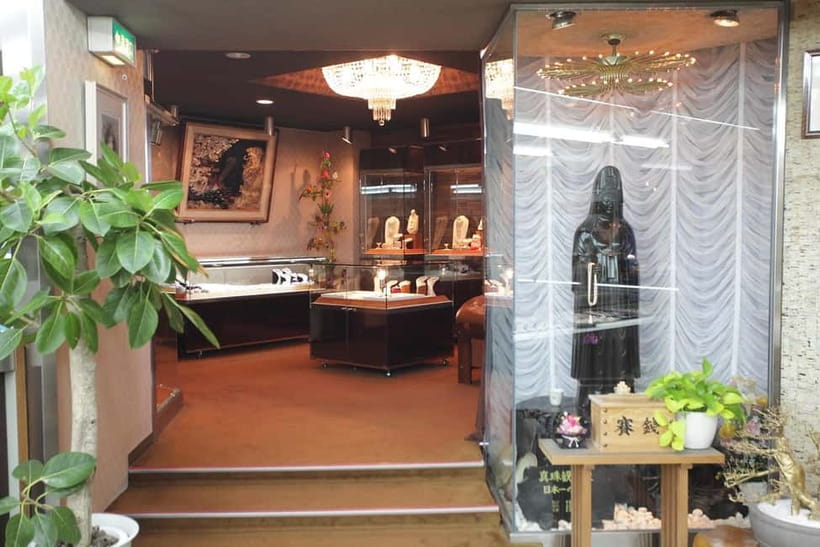
At $17 per person for a 1 hour workshop, this is priced like a fun experience rather than a pricey craft class. The value comes from three things working together:
1) You participate in the extraction. That is the core entertainment and skill element.
2) You still get staff processing. They handle the steps you likely do not want to struggle with, like turning your pearl into a finished accessory component.
3) You get choice in fittings. Even if the pearl is your surprise variable, the hardware selection is your controllable style decision.
That said, it is worth weighing expectations. Some people expect a longer story about pearl cultivation and oyster care, with more explanation along the way. If you want that, you might feel the workshop is more hands-on procedure than educational tour. The experience is also very efficient, and you should plan to treat it like a quick, guided activity with a big payoff at the end.
Also note you are not paying only for an oyster. You are paying for a processed outcome, plus the onsite ability to pick fittings. The included pricing structure is fairly clear: oyster plus a specific amount of metal fittings depending on whether you choose a strap or a pendant.
If you keep it simple and choose the included base package, you are less likely to feel price drift from onsite choices.
A different sort of day in Japan:
- Tokyo: TOKYO SKYTREE® Admission ticket
★ 4.5 · 11,192 reviews - Tokyo: teamLab Planets TOKYO Digital Art Museum Entry Ticket
★ 4.6 · 9,779 reviews - Mt Fuji & Hakone Cruise, Drum Show Bullet Train 1 Day from Tokyo
★ 4.0 · 7,413 reviews - Tokyo: Sumo Show Experience with Chicken Hot Pot and a Photo
★ 4.8 · 6,678 reviews
The Aquarium Moment: Ise-Shima Akoya and What You Are Actually Buying Into
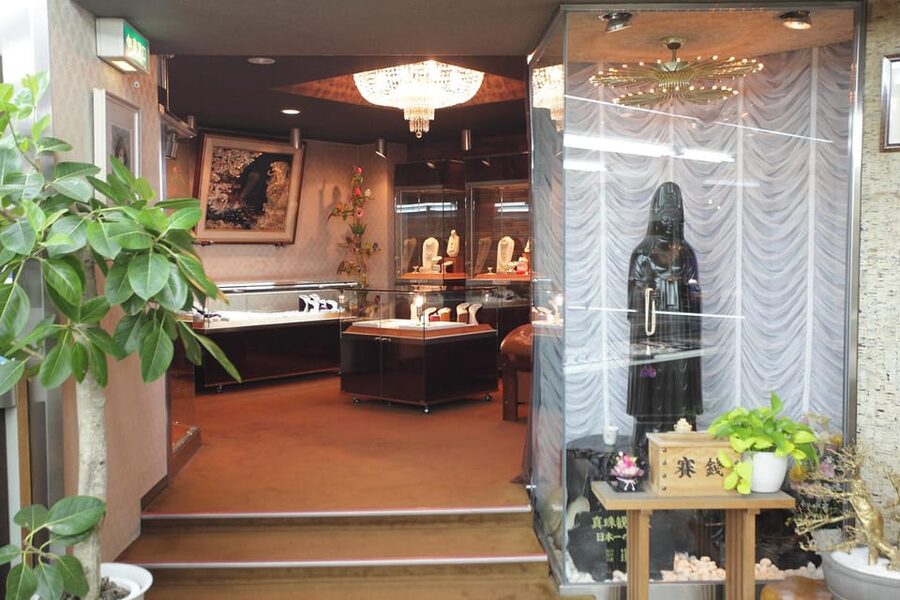
The workshop connects your pearl to a real place. Pearls are cultivated in the sea of Ise-Shima, and the Akoya oysters live in Kikuchi Pearl’s aquarium before you select them.
That matters because you are not dealing with abstract “pearl jewelry.” You are dealing with living animals and a real harvesting step. You will see the oyster up close, you will open it, and you will extract what becomes the pearl.
It also explains the glove and slime steps. This is not a tidy, white-glove craft. It is hands-on work on something that is still biologically active until it is processed. The fishy smell warning is practical and honest.
Timing, Language, and the Level of Instruction You Should Expect
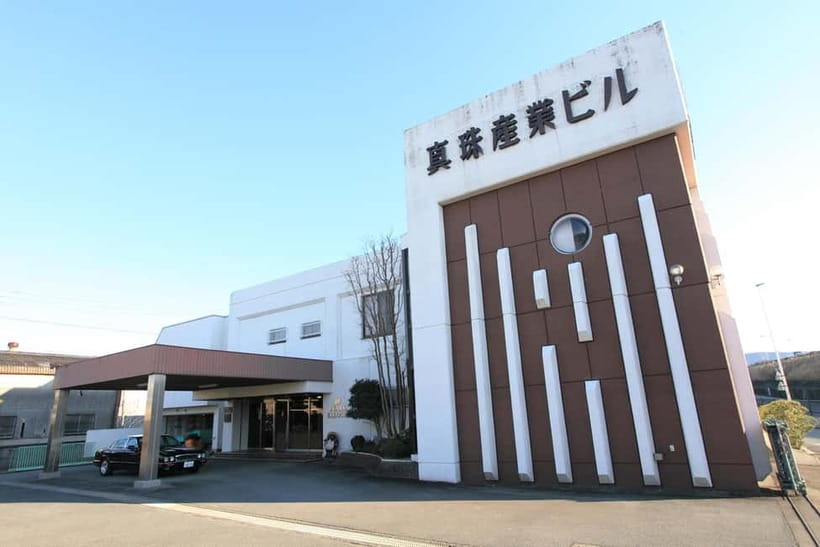
The instructor is listed as Japanese, and the workshop language is Japanese. If you do not read Japanese, you should assume you will get mostly hands-on guidance rather than detailed explanations.
That is not a dealbreaker, but it does change how you experience the workshop. You might still enjoy it a lot if you like activities where your main learning comes from doing, not from a lecture. The extraction steps are clear in what you need to do: pick oyster, glove, tool extraction, remove slime, wash lightly, then choose fittings.
If you are someone who wants a full run of background, like how the oysters are handled and how pearls are treated through each stage, plan for less talking and more moving. The workshop can feel like an efficient station-based process rather than a deep narrative experience.
Also, the pace is part of the experience. It is built to fit into 1 hour. That means there is limited time for multiple attempts or long troubleshooting if something does not go your way. If you are there mainly to ensure a specific outcome for a gift, take a calm approach and accept that the pearl itself is the surprise.
Shop Time While Staff Process Your Pearl Into Jewelry
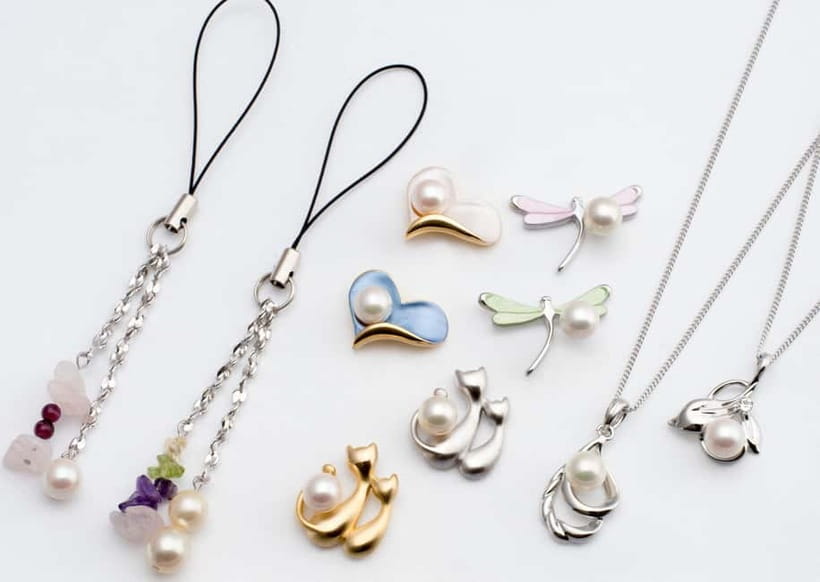
After extraction, you are not just standing around. While the staff processes your pearl, you can tour the store and look at the pearl accessories.
This is useful because you can see the final style options and get a feel for what fittings look like once they are paired with your pearl. It also helps you make decisions on the spot if you are torn between looks.
One thing I’d suggest: choose your fittings with your lifestyle in mind. A cell phone strap is easy to use and easy to show. A pendant is more about personal style and closeness to the heart. Earrings are a different daily commitment, especially if you are sensitive to fit and weight. Since you are selecting metal hardware onsite, you can align the accessory type with what you will realistically wear.
Who This Workshop Suits Best, and Who Might Find It Frustrating
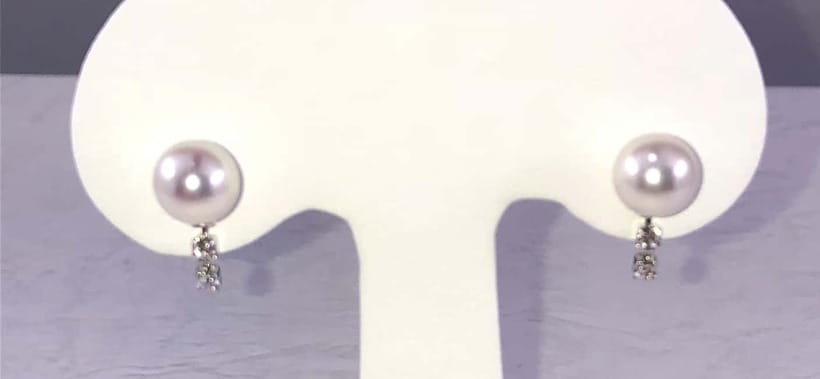
This workshop is ideal for you if:
- You love hands-on activities where you do the main work yourself
- You want a souvenir that is truly personal, with a pearl you extracted
- You enjoy customizing, especially choosing metal fittings and accessory type onsite
- You are traveling with kids, families, or multi-age groups since the experience can be enjoyed by people of all ages
It is less ideal if:
- You mainly want a long educational explanation about pearl farming and processing
- You do not want any possibility of language friction
- You are very price-sensitive about onsite accessory differences
- You need a very specific gift outcome and feel uncomfortable with the pearl being a surprise variable
There is also a clear suitability note: it is not suitable for children under 5 years. It is listed as wheelchair accessible, which is a big plus for mobility-inclusive travel.
Getting There From Iseshi Station, Plus What to Do Next
Meeting point is straightforward if you base yourself around Iseshi Station.
From Iseshi Station, take the JR Sangu Line bound for Toba and get off at Isuzugaoka Station, then walk about 5 minutes.
If you like having a precise pin, the coordinates provided are 34.4989098, 136.7406165.
Since the workshop is only 1 hour, you can usually build it into a broader day exploring the Ise-Shima area. Just give yourself enough time to handle the walk and settle in, because the workshop flow moves quickly once you start.
Should You Book Kikuchi Pearl’s Hands-On Pearl Harvesting Workshop?
Book it if you want a short, memorable, do-it-yourself experience built around live Akoya oysters and your choice of metal fittings. The value is strongest when you treat it as an activity and souvenir moment, not a full educational program.
Consider skipping or booking with realistic expectations if you need deep step-by-step explanation, you only speak English, or you want a very controlled jewelry outcome. The workshop is efficient, and the experience centers more on action than lecture.
If you’re excited by the idea of making jewelry from a pearl you extract yourself, this is exactly that. Just go in ready to get a little hands-on, choose your fittings thoughtfully, and enjoy the surprise of what your oyster gives you.
FAQ
Where is the pearl harvesting workshop located?
It’s in Honshu, Japan, at Kikuchi Pearl near Isuzugaoka Station. From Iseshi Station, take the JR Sangu Line toward Toba and get off at Isuzugaoka Station, then walk about 5 minutes (coordinates 34.4989098, 136.7406165).
How much does the workshop cost?
The price is $17 per person.
How long is the workshop?
The experience takes about 1 hour.
What do I do during the hands-on pearl harvesting?
You select a live Akoya pearl oyster from the aquarium using tongs, then wear a glove and use a special tool to extract the pearl from the oyster and remove slime. You wash the pearl lightly with water afterward.
Does the price include turning the pearl into jewelry?
Yes. The fee includes processing by staff for either a cell phone strap or a pendant, including one Akoya oyster and included metal fittings.
What accessory types can I make?
You can choose from cell phone straps, pendants, and clip-on or regular earrings. Other options like pins/brooches, bracelets, tie stoppers, and tie pins are available, but those cost extra.
What extra costs might appear onsite?
You may need to pay the price difference between the metal fittings you choose on-site and the set price included in your package. No refunds are given even if you choose less expensive fittings.
Which languages are used during the workshop?
The instructor is Japanese, and languages are listed as Japanese.
Is it suitable for small children and wheelchair users?
It is wheelchair accessible. It is not suitable for children under 5 years.
What is the cancellation and payment policy?
Free cancellation is available up to 24 hours in advance for a full refund. There is also a reserve now, pay later option.
Newly listed around Japan
- Hiroshima and Miyajima 1 Day Walking Tour★ 5.0 · 43 reviews
- Hiroshima and Miyajima 1 Day Cruise Tour★ 5.0 · 24 reviews
- Hiroshima & Miyajima: UNESCO A-Bomb Dome & Itsukushima with Local★ 5.0 · 25 reviews
- Hiroshima & Miyajima: Private Full-Day Tour with a Local Guide★ 5.0 · 39 reviews
- Hiroshima 5k Running Tour of Hijiyama Park★ 5.0 · 7 reviews
- Hiroshima and Miyajima Bus Tour with Indian Lunch★ 5.0 · 10 reviews
- Hiroshima and Miyajima 1 Day Bus Tour★ 4.5 · 145 reviews
- Hiroshima Peace Memorial and Atomic Bomb Dome Private Tour★ 5.0 · 37 reviews
Workshops, compared.
Sushi Making Tokyo Roll and Authentic Japanese Sushi Class
Read our review →
Roll and Authentic Sushi Making Class in Asakusa
Read our review →
Ramen Cooking Class at Ramen Factory in Kyoto
Read our review →
Sushi Making Class in a Happi Coat near a Famous Spot
Read our review →
Tokyo Sushi Making Class in Tsukiji with Professional Chef
Read our review →
Ramen & Gyoza Cooking Class in Tokyo with Local Supermarket Visit
Read our review →Browse the lists this tour appears in