
Review · SUSHI COOKING WORKSHOPS
Hands On Wagyu Sushi Making Experience
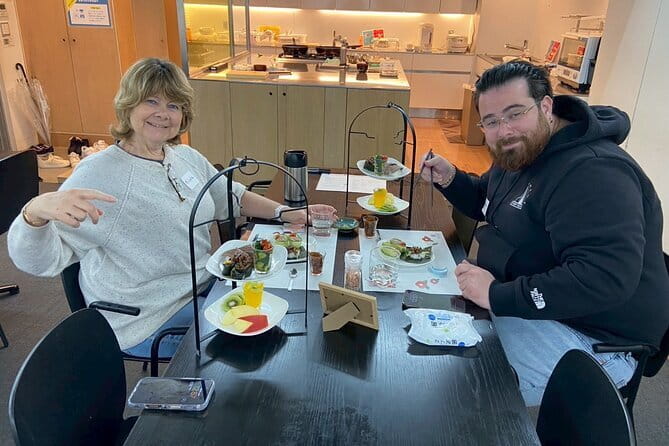
Wagyu sushi sounds like a dare, and it works. This hands-on Tokyo class teaches you how to shape and plate wagyu sushi styles like nigiri, gunkan maki, and temaki using premium beef instead of fish. You get to make it, plate it, then eat what you made.
I love the small-group setup, capped at six people, so you get real guidance while your hands are actually on the rice. I also like that the experience is hassle-free, with ingredients and equipment provided, plus lunch included and your creations eaten at the end.
One possible drawback: this class is not vegetarian or vegan, since the focus is wagyu beef sushi. If you do not eat meat, you will want to skip this one.
In This Review
- Key things to know before you go
- Wagyu sushi in Tokyo, in a format you can actually copy later
- The 12:00 lunch lesson, 90 minutes of hands-on sushi making
- What makes wagyu different from fish sushi (and how the class handles it)
- Small-group class size, where six people actually matters
- Instructors who keep it understandable, including Hiroko and Saori
- What you get included, and why it is good value at this price
- The logistics that can make or break your day
- Who should book this wagyu sushi making experience
- My practical tips before you go
- Price and logistics, quick reality check
- Should you book this Wagyu sushi class?
- FAQ
- How long is the Hands On Wagyu Sushi Making Experience?
- What is the price per person?
- Is lunch included?
- Do I need to be a sushi expert?
- Are vegetarian or vegan options available?
- What is the cancellation policy?
Key things to know before you go
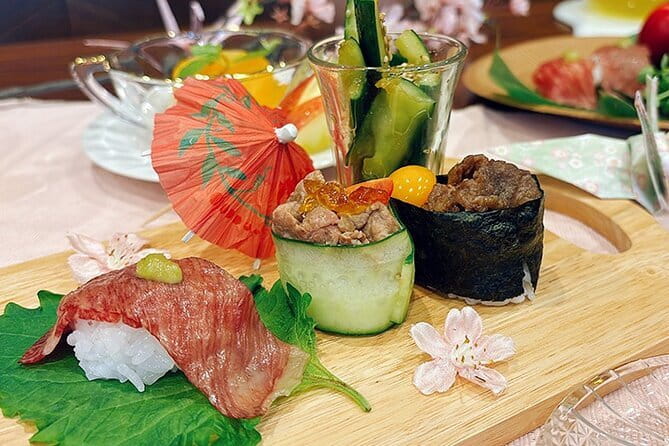
- Wagyu takes center stage: you swap traditional fish and seafood for premium beef in classic sushi formats.
- Small group, real coaching: the limit of six travelers helps keep the class hands-on instead of lecture-heavy.
- You learn more than rolling: expect practice with shari (sushi rice) and plating for a clean, photo-ready finish.
- Eat what you make: lunch is included, and your final dishes are part of the meal.
- English-friendly instructors: guidance is easy to follow, even if your Japanese is basic.
- Photos later: you get later-downloadable photos from during the experience.
Wagyu sushi in Tokyo, in a format you can actually copy later
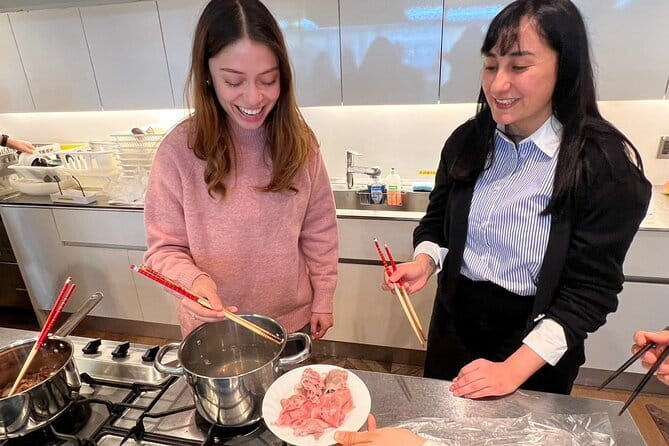
Tokyo is where sushi is treated like craft, not a gimmick. This class keeps that spirit, but changes the ingredient story: instead of seafood, you work with premium wagyu beef. That shift matters, because it changes how you think about flavor balance, texture, and how the rice should be dressed and shaped.
The best part is that you are not just learning how to make one roll. The class is built around multiple sushi styles, so you finish with a working feel for techniques you can reuse later. The goal is practical, not ceremonial. You learn how to create the dish, then how to plate it so it looks right and eats right.
More Sushi Workshops in Tokyo
- Sushi Making Tokyo Roll and Authentic Japanese Sushi Class
★ 5.0 · 3,971 reviews - Tokyo: Roll and Authentic Sushi Making Class in Asakusa
★ 4.9 · 1,957 reviews - Tokyo: Sushi Making Class in a Happi Coat near a Famous Spot
★ 4.9 · 1,377 reviews
The 12:00 lunch lesson, 90 minutes of hands-on sushi making
The class runs about 1 hour 30 minutes and starts at 12:00 pm in Tokyo. You meet at a location near public transportation, and the activity ends back at the meeting point. There is no hotel pickup, so plan to get there on your own.
Even though it is a short class, the structure is designed to move. You go step by step: prep, cook, shape, then plate. You learn several sushi types, including:
- Nigiri, where the rice and topping balance in a clean, simple stack.
- Gunkan maki, a style that often uses a more structured rice base with a topping that stays put.
- Temaki, the hand-roll style where shape accuracy matters because it affects the bite.
You also practice plating, which is a skill most casual cooking classes skip. Here, plating is treated as part of the craft. When you plate well, the sushi looks better and the flavors stay where they belong.
And then you eat. Lunch is included, and you relax with the dishes you made rather than sending yourself home with instructions and a bag of raw ingredients.
What makes wagyu different from fish sushi (and how the class handles it)
Fish sushi teaches you about delicacy, quick slicing, and the way seafood changes with temperature. Wagyu sushi teaches different lessons. Beef has its own richness, and it changes how you think about portion size and seasoning.
The class setup helps you handle that without stress. You are not improvising with mystery ingredients. Equipment and ingredients are provided, and you learn how to prepare the meat as part of the sushi process. One review notes that the class includes how to cook the meat and how to work with the sushi rice (shari), not just the final assembly.
Why that matters for you: if you only learn the shape of nigiri or temaki, you might still struggle later when you try to recreate the meal at home. This class aims to give you a method, not just a result.
Small-group class size, where six people actually matters
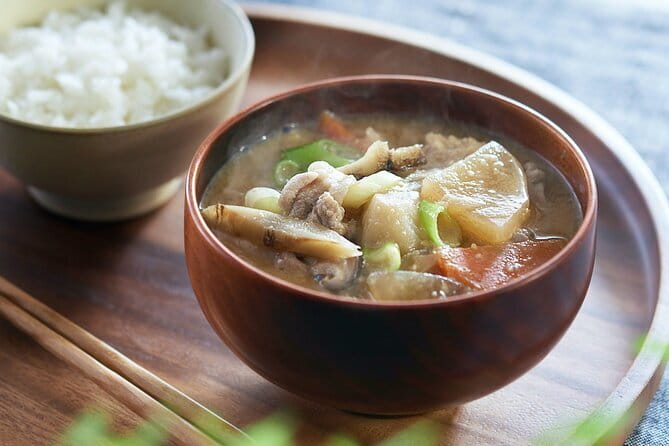
The cap is six travelers. That is not a trivia point. In a hands-on cooking class, group size decides whether you get help when you mess up.
With a small group, you tend to get faster feedback. You can ask questions while you are working, not after the fact. You also get to see what everyone else is doing, which is useful because small technique differences change the look of each sushi piece.
You will likely notice the class feels friendly rather than rushed. Several write-ups call out that the staff helps you at every step. That lines up with the small-group limit: someone can actually watch what your hands are doing and correct course while there is still time to fix the rice shape, topping placement, or plating.
A different sort of day in Japan:
- Mt Fuji and Hakone 1-Day Bus Tour Return by Bullet Train
★ 5.0 · 26,383 reviews - 1-Day Tokyo Bus Tour
★ 5.0 · 14,250 reviews - Tokyo: TOKYO SKYTREE® Admission ticket
★ 4.5 · 11,192 reviews - Tokyo: teamLab Planets TOKYO Digital Art Museum Entry Ticket
★ 4.6 · 9,779 reviews
Instructors who keep it understandable, including Hiroko and Saori
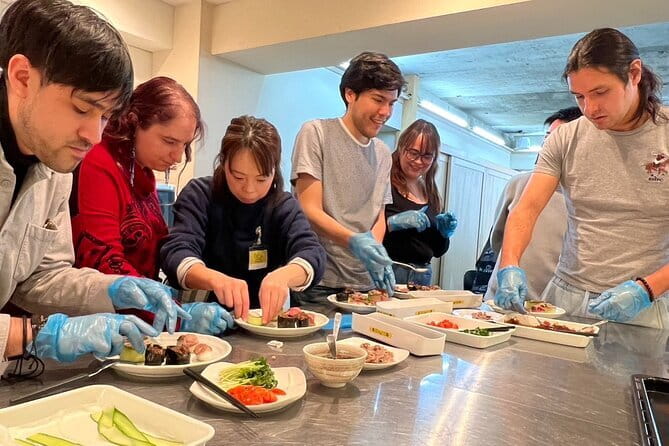
Teaching style matters when you are dealing with rice that sticks, seafood-like technique that you are adapting to beef, and plating that needs a light touch.
English-friendly instruction is a big theme in the feedback. If you are not fluent in Japanese, this is a relief. You get clear guidance and can follow along without second-guessing what the instructor meant.
Two instructor names show up in feedback: Hiroko and Saori. People mention them specifically in the context of a fun, supportive class where you learn in an easy way. That is exactly what you want from a short, structured lesson.
If you care about technique, you will also appreciate that the class teaches you how to prepare dishes and plate them. A lot of cooking experiences stop at cooking. Here, presentation is included in the work.
What you get included, and why it is good value at this price
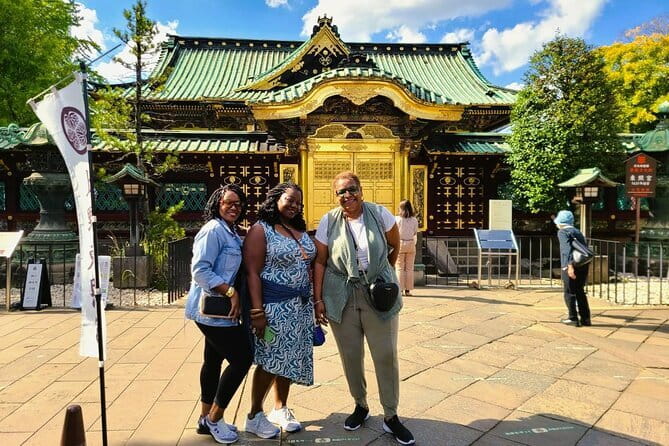
At $104.51 per person, this class is not a cheap impulse activity. The value comes from the mix of what you pay for:
- A hands-on lesson focused on multiple sushi styles (not one simple roll).
- Premium wagyu beef as the centerpiece ingredient.
- Ingredients and equipment provided, so you are not buying supplies or figuring out how to get the right items.
- Lunch included, meaning you eat the results instead of just watching or packing food to go.
- Later-downloadable photographs, so you have something to remember that is more than your own shaky phone shots.
Think of it like paying for the whole workflow. Sushi at home can be time-consuming if you do not have the right gear or if you are missing a step in rice preparation. Here, you get that structure in a set time window, with coaching.
Also, it is booked about 36 days in advance on average, which suggests it is popular enough to plan rather than wait until the last minute.
The logistics that can make or break your day
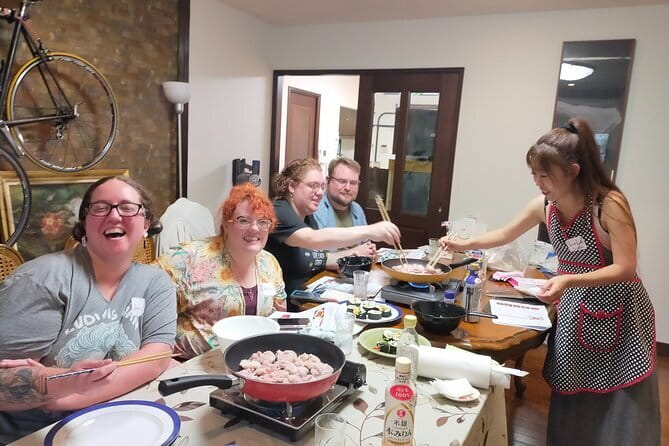
This experience runs in Tokyo with a near public transportation meeting point. Since there is no hotel pickup, your success is mostly about showing up on time and getting there efficiently.
Start time is 12:00 pm, which is great if you want a midday activity that ends with lunch already handled. It also fits well with a day that includes other nearby neighborhoods after class, since you return to the meeting point afterward.
Weather can matter. The experience notes that it requires good weather, and if it is canceled due to poor weather you will be offered a different date or a full refund. Since the details of how weather affects the class are not spelled out, I suggest you treat this as an activity that may shift with local conditions.
If you prefer smooth plans, keep a little buffer in your schedule on both sides of the class, especially because you do not have a pickup that can absorb delays.
Who should book this wagyu sushi making experience
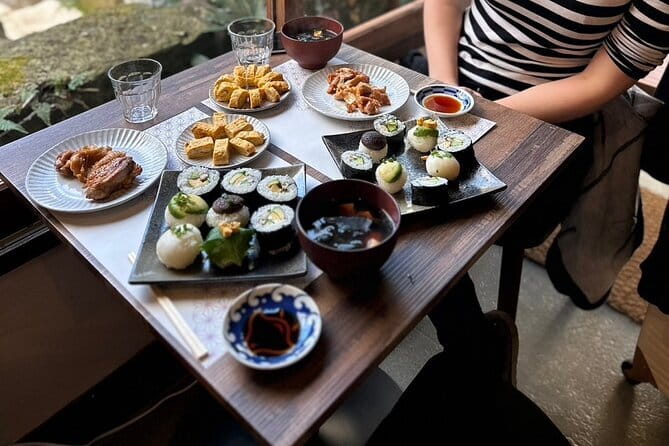
This class is a strong match if:
- You love sushi, but you want a different angle using wagyu beef.
- You want hands-on instruction that includes plating, not just cooking steps.
- You like small classes where instructors can actually help while you work.
- You want lunch built into the experience, so you do not have to plan a separate meal.
It may not be for you if:
- You are vegetarian or vegan, since vegan and vegetarian options are not available.
- You want only a casual tasting. This is a making class, and you will spend your time shaping, assembling, and plating.
My practical tips before you go
You will get the most out of this if you show up ready to do the work. Sushi rice is sticky, shaping takes practice, and plating takes patience.
Here are a few things that help:
- Wear comfortable clothes. You will be moving around a prep space and handling ingredients.
- Bring a phone or camera, but remember the experience includes later-downloadable photos, so you do not have to stress about getting everything perfect in the moment.
- Expect to learn the sequence, especially around rice and meat preparation. If you get that sequence right, the sushi types come together more easily.
- If you are sensitive to strong flavors or rich foods, take note. Wagyu is rich by nature, so the meal will be hearty.
And if you are the type who likes to recreate meals later, you are in the right place. The class teaches more than the final look, including shari and meat preparation mentioned in feedback.
Price and logistics, quick reality check
For the money, you are paying for an organized, instructor-led experience that includes premium wagyu, equipment, ingredients, lunch, and photos. That can feel fair once you consider how hard it is to source the right components and replicate the structure at home.
The main logistical limitation is that there is no pickup, so you need to be comfortable navigating to a near-transit meeting point. Also, the class has a minimum number of travelers and a maximum of six, so schedules can be affected if the minimum is not met.
Should you book this Wagyu sushi class?
If you like sushi and you are curious about a meat-forward twist, I think you should seriously consider booking. The mix of small-group instruction, premium wagyu, and plating practice is what makes it more than a novelty meal. You leave with technique you can repeat, plus lunch and photos to remember it.
I would skip it if you are avoiding meat or you want a lighter tasting experience rather than hands-on making. Otherwise, this is a smart way to spend part of a Tokyo afternoon: structured, social in a small way, and built around something you can eat right away.
FAQ
How long is the Hands On Wagyu Sushi Making Experience?
It runs for about 1 hour 30 minutes.
What is the price per person?
The price is $104.51 per person.
Is lunch included?
Yes. Lunch is included, and you eat what you make during the class.
Do I need to be a sushi expert?
No. The class is designed as a hands-on lesson, and instructors help throughout the process.
Are vegetarian or vegan options available?
No. Vegan and vegetarian options are not available.
What is the cancellation policy?
You can cancel for a full refund up to 24 hours before the experience starts. If you cancel less than 24 hours before, the amount paid is not refunded.
More Wagyu Beef Dinners in Tokyo
- Tokyo Night Foodie Tour in Shinjuku – Seasonal Sushi, Wagyu Beef
★ 5.0 · 1,161 reviews - Tokyo: Wagyu and 7 Japanese Dishes Cooking Class
★ 4.9 · 273 reviews - Wagyu Beef and Sake Pairing Foodie Tour in Tokyo
★ 5.0 · 71 reviews - Tokyo: Wagyu and Sushi Gastronomic Journey
★ 4.3 · 24 reviews
Newly listed around Tokyo
- Holiday Lights Walk Tour Hibiya Midtown Tokyo Station Marunouchi★ 5.0 · 6 reviews
- Hitachi National Seaside Park`s Flowers & Ashikaga Flower Park★ 4.5 · 15 reviews
- Tsugaru shamisen performance over traditional dinner★ 5.0 · 9 reviews
- Tokyo Family Photoshoot — Private & Authentic Experience★ 5.0 · 8 reviews
- Hide’s Table A Unique Dinner Gathering Every Wednesday Night★ 5.0 · 20 reviews
- Highlights of Japan Tour: 10-day Small Group★ 5.0 · 14 reviews
- Tokyo: Private Transfers to/from Narita Airport(NRT)★ 3.5 · 23 reviews
- Haneda Layover tour of 5hours with local Japanese guide by car★ 5.0 · 26 reviews
Sushi Cooking Workshops, compared.
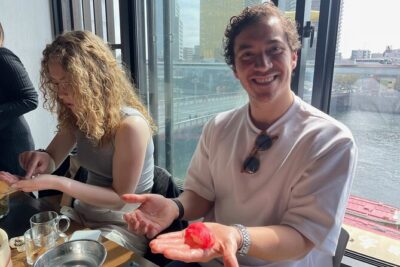
Sushi Making Tokyo Roll and Authentic Japanese Sushi Class
Read our review →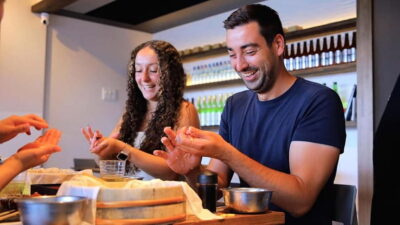
Roll and Authentic Sushi Making Class in Asakusa
Read our review →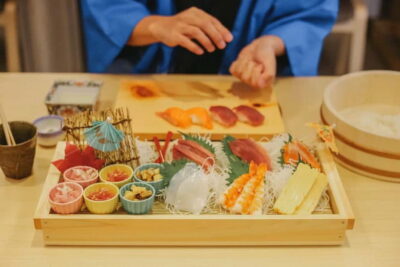
Sushi Making Class in a Happi Coat near a Famous Spot
Read our review →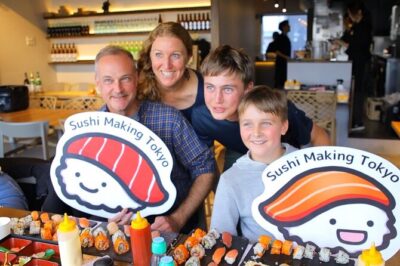
Sushi Making Tokyo! Popular Maki Sushi & Japanese Sushi(+Recipe!)
Read our review →
Tokyo Sushi Making Class in Tsukiji with Professional Chef
Read our review →
Tokyo Night Foodie Tour in Shinjuku – Seasonal Sushi, Wagyu Beef
Read our review →
Tsukiji Fish Market Guided Tour and Sushi Making with Pro Chef
Read our review →
Tsukiji Fish Market Sushi Making Class with Pro Chef
Read our review →Browse the lists this tour appears in