
Review · CYCLING & E-BIKE RIDES
Hiroshima Country Cycling: Explore Rural Life 1 HR from City
Rural Hiroshima feels like another country. This relaxed e-bike day with Jonah takes you off the fast roads and into working farming communities where daily routines run by seasons, not schedules. I love that the pace stays easy even with hills, thanks to assisted bikes and a guide who knows when to slow down for questions. If you prefer nonstop checklists, note that this tour is meant to be unhurried and weather dependent.
What I like most is the human side of the countryside: you spend real time in places like Kakeyama and a traditional village, with chances to meet locals and hear about agriculture from a Japanese guide. The big consideration is also the main rule for success: you need to be comfortable riding a bike, and the tour requires good weather.
In This Review
- Key highlights that matter on the ground
- Why this Hiroshima cycling day feels different
- The e-bike experience, and why it is such good value
- Getting there and back: the highway bus makes it simple
- Tour pacing and what the ride actually feels like
- Stop by stop: what you do at each point of the day
- Oasa IC to Kakeyama, 1 hour of real local atmosphere
- A traditional village visit, another full hour to observe and ask
- Local restaurant hour, where you taste what the day is about
- A flexible additional hour, including possible farming or food experiences
- Back to Oasa IC, finishing before the city rush
- Jonah and the local connection that makes the tour click
- Optional local visits: what to do if you want deeper access
- What is included vs. what costs extra
- What to bring, and the rules that affect your comfort
- Who this tour is for, and who should skip it
- Should you book Hiroshima Country Cycling?
- FAQ
- Where does the tour start and where does the guide meet you?
- What time does the tour run, and when do I return to Hiroshima?
- How much does the tour cost, and what is included?
- What is not included, and how much might lunch cost?
- Can I use a JR Pass for the highway bus?
- What should I bring for the day?
- Is the tour canceled for weather, and what happens if it is?
Key highlights that matter on the ground
- Small group of up to 8, so you get actual time to talk and ask questions
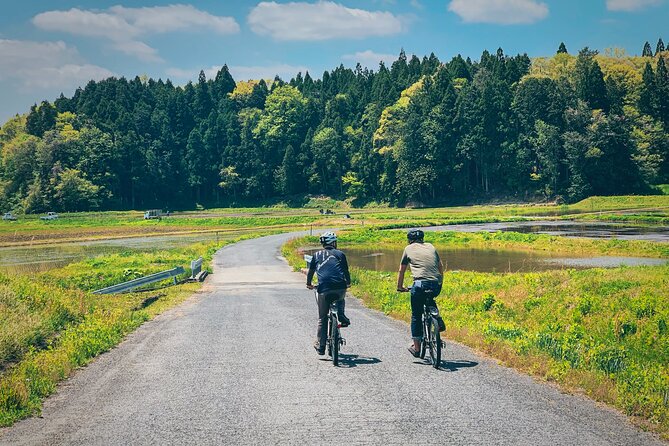
- High-quality e-bikes that make hills manageable at a relaxed pace
- Guided by Jonah, who connects farming routines to seasonal traditions
- Stops built for pauses, including a local restaurant meal hour
- Optional local encounters with farmers or residents, depending on availability
Why this Hiroshima cycling day feels different
Hiroshima has the kind of history that pulls you in. But if you only stay in the city center, you miss the everyday life happening just beyond the trains and expressways. This tour is designed to bridge that gap: you trade a few hours of urban sightseeing for a slow ride through farming towns where people still grow food, keep small traditions alive, and watch the year change through their fields.
The route is intentionally paced for conversation. You’re not racing to hit landmarks. Instead, you’re moving between places where agriculture shapes the rhythm of daily life. That means more time looking closely at rice fields, vegetable plots, and traditional homes, and more time hearing how people make choices based on season and work.
More Bike Rides in Hiroshima
- Hiroshima 2hr Peace Cycling Tour with Local Guide
★ 5.0 · 321 reviews - Hiroshima: Peace Cycling Tour with Local Guide
★ 4.8 · 286 reviews - Hiroshima 3hr Peace Cycling Tour with Local Guide
★ 5.0 · 131 reviews
The e-bike experience, and why it is such good value
The tour uses assisted e-bikes plus a helmet and guide support. For most people, that combination is the sweet spot. You still get the satisfaction of cycling, but you avoid the common problem on rural routes: arriving tired, sweaty, and cranky before you even reach the interesting part.
What you’re really paying for is not just “transport.” You’re paying for:
- An e-bike setup that matches a relaxed sightseeing pace
- A guide fee that turns scenery into context
- Accident insurance coverage
- Practical route support, including multiple water refill stations along the way
At $83 per person for a half-day format, the value is strongest if you plan to ride anyway. Then the guidance and rural access make the cost feel reasonable. If you already have an e-bike and you are comfortable navigating rural roads on your own, the cost justification becomes personal. But most visitors find that language and local knowledge are what unlock the day.
One more practical note: this is a hands-on activity. Comfortable shoes matter, and you should be able to ride a bike confidently. If you cannot, this is not the right fit.
Getting there and back: the highway bus makes it simple
The day starts with an easy out-of-town bus ride, which is a big deal if you do not want to rent a car. You’ll take a highway bus from Hiroshima to Oasa Interchange. Your guide meets you at Oasa IC after arrival.
- Morning departure options:
- 9:00 AM from Hiroshima Station Bus Stop #3 (ground level near the Tourist Information and Bus Ticket Office)
- 9:15 AM from Hiroshima Bus Center Bus Stop #9 (3rd floor of the Sogo building)
- Arrival:
- 10:14 AM at Oasa IC, where your guide greets you
Return is timed so you still get back to the city in the late afternoon:
- Bus departs Oasa IC at 3:44 PM
- Arrives Hiroshima Bus Center at 4:43 PM
- Arrives Hiroshima Station at 4:58 PM
If you have a JR Pass, the highway bus round trip is free for JR Pass holders. That can make the whole day feel extra fair, because transportation costs quietly add up when you go rural.
Tour pacing and what the ride actually feels like
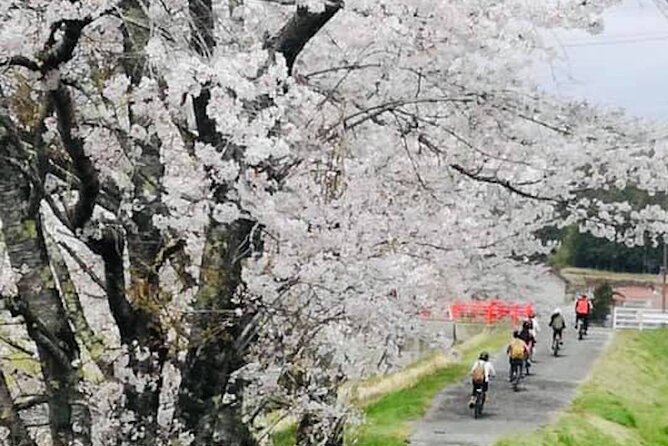
The tour lasts about 4 hours, and it follows a relaxed rhythm. You will have cycling time, plus built-in hours for visiting stops. The e-bike assistance helps you keep momentum without turning the day into a workout.
Expect frequent chances to slow down and look. One of the most praised parts of this experience is the way Jonah shares context without making it feel like a lecture. The conversation style is casual and practical, and the route makes it easy to ask questions while you’re stopped near fields, village streets, or farm-related spaces.
If you like biking but also want the day to feel calm, this pacing is a good match. If your idea of a good tour is constant movement and quick photo stops, you may wish the day were shorter or more action-heavy.
More Bike Tours in Hiroshima
- Hiroshima in a Nutshell: Morning Bike Adventure
★ 5.0 · 524 reviews - Hiroshima: Best of Hiroshima Guided Bike Tour
★ 4.9 · 89 reviews - Hiroshima: City and Miyajima Bike and Boat Tour
★ 5.0 · 20 reviews
Stop by stop: what you do at each point of the day
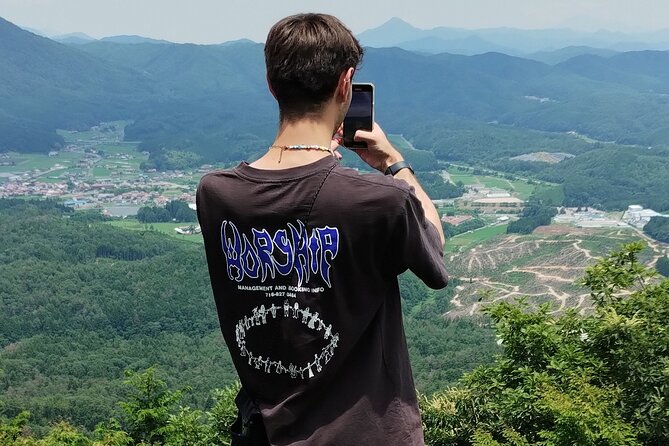
Here’s how the experience breaks down once you meet at Oasa IC.
Oasa IC to Kakeyama, 1 hour of real local atmosphere
After meeting your guide at 10:14 AM, the ride heads toward Kakeyama, where you spend about an hour. This is the first “settle in” stop. You’re not rushing here. It gives you time to adjust to the bike, get your bearings, and start noticing how rural communities are structured.
This is also where the guide’s explanations tend to land best. Seeing the setting helps the farming and seasonal talk make sense, instead of sounding abstract.
A traditional village visit, another full hour to observe and ask
Next comes a traditional village visit for about an hour. This part is about noticing daily life in a place that runs differently from the city.
The value here is subtle but real: you’re watching routines and environments up close, and you have time to ask questions rather than just passing by. If your favorite travel moments are the quiet ones, like chatting with someone while you look at how a neighborhood works, you’ll likely enjoy this stretch.
The main drawback, if there is one, is that this is not a “museum-style” stop. It’s lived-in space. That can be fantastic, but it means you should be open to more observation and conversation, less dramatic scenery.
Local restaurant hour, where you taste what the day is about
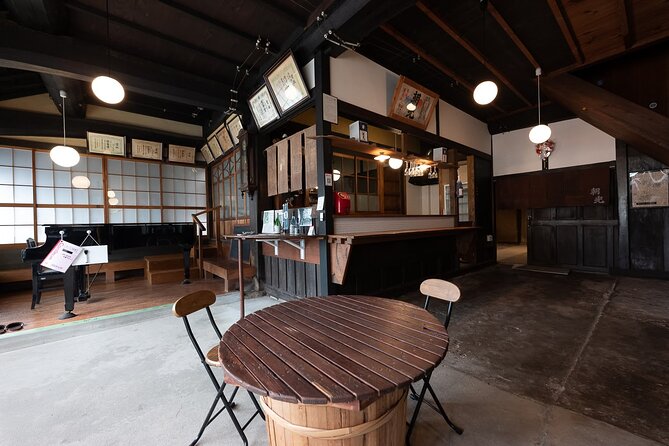
After village time, you head to a local restaurant for about an hour. In practice, this is often the midday anchor that keeps the tour from feeling like a long ride stringing together brief sightings.
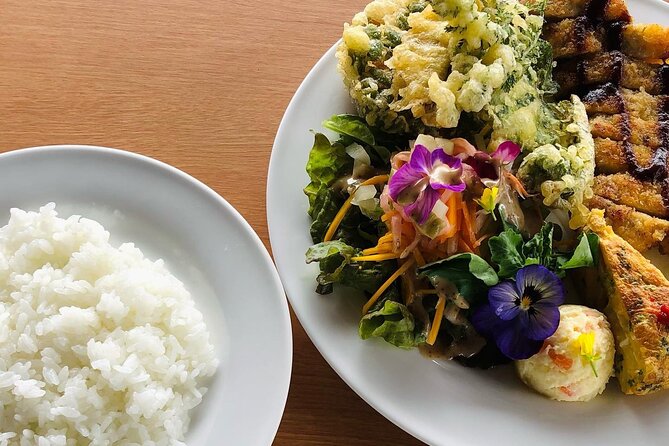
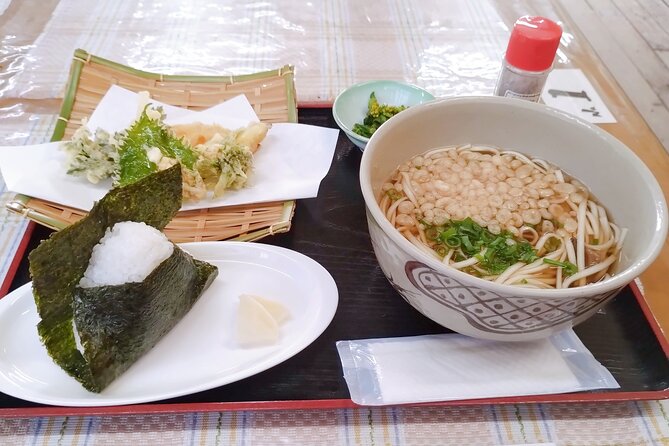
Food is part of the culture here, and you may find options tied to local produce. One common standout is a herb-focused meal experience, described as simple but memorable, with vegetables grown on site.
A flexible additional hour, including possible farming or food experiences
The schedule includes another one-hour visit after the restaurant stop. What that means in your specific day depends on what’s available and how the day is structured for your group.
From the known options, you might see experiences related to farm life and seasonal traditions. Some versions of the day also offer choices like herb garden lunch or a hands-on sushi-making activity, typically paid separately. If you have a strong interest in food culture, this is the part to watch for when you’re deciding whether to add anything extra.
Back to Oasa IC, finishing before the city rush
You return to Oasa IC for the bus at 3:44 PM. Because the return is already built into the plan, you do not have to worry about navigating your way back through rural roads.
Jonah and the local connection that makes the tour click
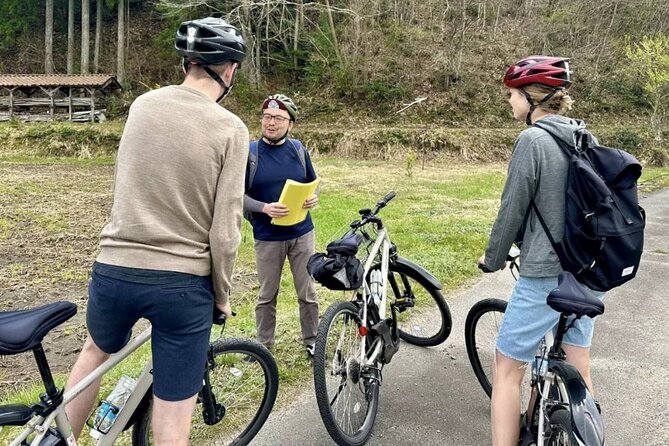
The guide is Jonah. Across the experience, the most praised theme is his ability to connect rural life to everyday decisions: how farming stays possible, how seasonal timing affects what people do, and how communities handle the pressures that come with younger people moving to bigger cities.
You’ll also likely appreciate his communication style. He speaks English and Japanese, and the structure of the day makes it easy to ask questions without feeling rushed. More than once, people highlight how patient and helpful he is while answering lots of curiosity.
If you want an authentic day, this is the difference-maker. Rural cycling is one thing. Rural cycling with a local who can interpret what you’re seeing is something else.
Optional local visits: what to do if you want deeper access
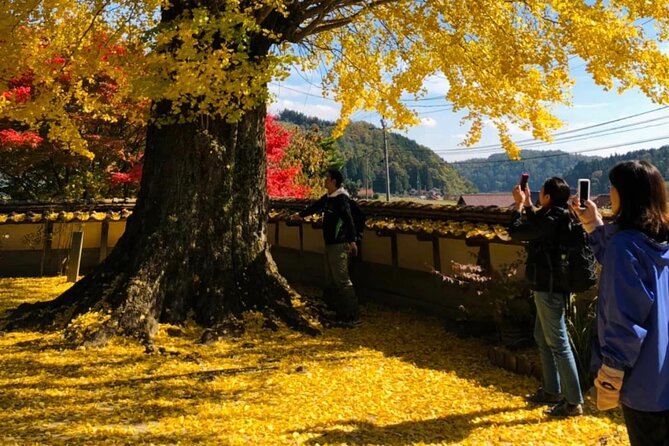
There is room for optional local visits with farmers or residents, depending on availability. The key idea is that these are arranged around real community access, not scripted performance.
If you like meeting people and hearing firsthand how agriculture and seasonal traditions shape daily life, I recommend treating this as a “priority,” not a bonus. If you can, arrange it in advance so you have a better chance of getting a match.
And if it does not happen on your day, don’t treat that as a failure. The core route still focuses on working communities and guided context.
What is included vs. what costs extra
Included:
- Use of the bicycle
- Helmet
- Guide fee
- Accident insurance coverage
- Multiple water refill stations along the route (bring your own water bottle)
Not included:
- Lunch options you choose, such as herb garden lunch (1,000 to 1,300 JPY per person)
- Sushi-making (3,000 JPY per person)
This matters for value. Your base price covers the core experience, the bike, and the guide. When lunch or an activity is optional, you get flexibility. You can keep it simple with a standard meal, or you can pay for the extra hands-on food experience if that is your thing.
What to bring, and the rules that affect your comfort
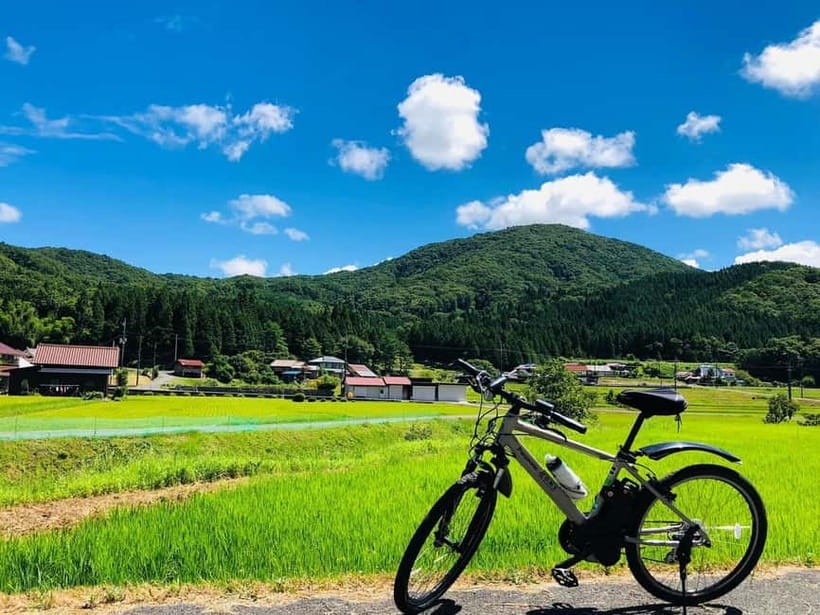
Plan for a straightforward, practical kit.
Bring:
- Comfortable shoes
- Comfortable clothes
- Cash
Also bring a water bottle, even though you’ll have refill points.
Not allowed:
- Intoxication
You should also consider the fit. This tour is not suitable for people with mobility impairments or wheelchair users. It also requires that you can ride a bike. Height and weight limits apply (under 140 cm, or over 110 kg).
Weather matters too. If poor weather cancels the tour, you’ll be offered a different date or a full refund. With cycling, that is not small. It’s central.
Who this tour is for, and who should skip it
This is a strong choice if:
- You want to see rural Hiroshima without complicated self-planning
- You like cycling but want it relaxed, not strenuous
- You enjoy agriculture and seasonal traditions as a way to understand place
- You like small-group days where you can talk with your guide
It may not be the right choice if:
- You need fully accessible transportation or you cannot ride a bike
- You hate weather-based uncertainty
- You prefer fast-paced city sightseeing over slower, conversational rural time
Should you book Hiroshima Country Cycling?
Book it if you have even a small curiosity about how rural communities in Hiroshima work, and if you want a calm half-day that feels human and local. The combination of e-bike support, Jonah’s guidance, and stops built for observation makes it a good value day, especially if you can use JR Pass for the bus.
Skip it if your travel style requires constant sights, or if you’re not comfortable biking. In that case, look for a city-based tour instead. But if you want a different side of Hiroshima, and you like the idea of learning while you ride, this is exactly the kind of day that turns into a highlight.
FAQ
Where does the tour start and where does the guide meet you?
You take a highway bus from Hiroshima to Oasa Interchange. The guide meets you at Oasa IC after you arrive, with arrival listed at 10:14 AM.
What time does the tour run, and when do I return to Hiroshima?
The tour runs about 4 hours. The bus return departs Oasa IC at 3:44 PM, arriving back at Hiroshima Bus Center at 4:43 PM and Hiroshima Station at 4:58 PM.
How much does the tour cost, and what is included?
The price is $83 per person. What’s included is the bicycle, helmet, guide fee, accident insurance coverage, and multiple water refill stations along the route (bring your own water bottle).
What is not included, and how much might lunch cost?
Lunch is not included unless you choose it. Herb garden lunch is listed at 1,000 to 1,300 JPY per person, and sushi-making is listed at 3,000 JPY per person.
Can I use a JR Pass for the highway bus?
Yes. JR Pass holders can ride the JR Bus round trip at no additional cost.
What should I bring for the day?
Bring comfortable shoes, comfortable clothes, and cash. You should also bring your own water bottle, since there are multiple refill stations.
Is the tour canceled for weather, and what happens if it is?
The experience requires good weather. If it’s canceled due to poor weather, you’ll be offered a different date or a full refund.
More Cycling Tours in Hiroshima
- Hidden Kyoto E-Biking tour
★ 5.0 · 1,843 reviews - Tokyo Guided Small-Group Biking Tour
★ 5.0 · 1,250 reviews - Bike Tour Exploring North Kyoto plus Lunch
★ 5.0 · 1,087 reviews - Tokyo Great Cycling Tour
★ 5.0 · 811 reviews
Newly listed around Hiroshima
- Hiroshima: Hiroshima Highlights Guided Tour★ 4.7 · 7 reviews
- Hiroshima: Full-Day City Highlights Private Guided Tour★ 4.7 · 14 reviews
- Miyajima Highlights: Itsukushima Shrine & Island Nature★ 4.9 · 21 reviews
- Hiroshima: City and Miyajima Bike and Boat Tour★ 5.0 · 20 reviews
- Hiroshima: Hidden Gems and Highlights Private Walking Tour★ 4.8 · 27 reviews
- Hiroshima & Miyajima: UNESCO A-Bomb Dome & Itsukushima★ 5.0 · 76 reviews
- Hiroshima and Miyajima Day Trip from Osaka★ 3.5 · 8 reviews
- Hiroshima Castle 1h guide tour★ 4.2 · 8 reviews
Cycling & E-Bike Rides, compared.
3h Tokyo E-Bike Tour: Hidden Gems, and Local Life with guide
Read our review →
Arashiyama Bamboo Forest & Hidden Gems Bike Tour (Early Bird)
Read our review →
5 Top Highlights of Kyoto Full Day Bike Tour (E-bike option)
Read our review →
Hiroshima 2hr Peace Cycling Tour with Local Guide
Read our review →Browse the lists this tour appears in