
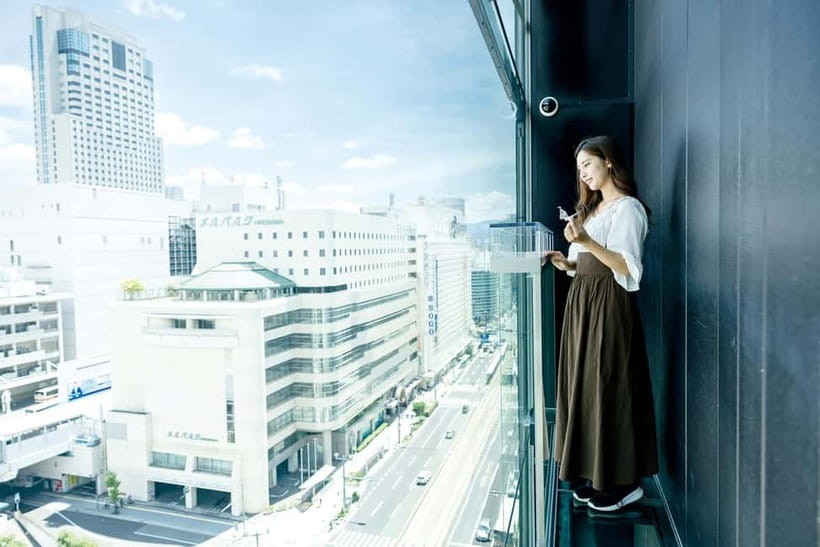
Review · TICKETS
HIROSHIMA ORIZURU TOWER Admission Ticket
Two World Heritage views in one ticket.
The Hiroshima Orizuru Tower mixes big skyline moments with hands-on meaning, from origami to a future-minded art walk. I love the panoramic Hiroshima Hills rooftop views and I love the origami tradition at Orizuru Square and the Orizuru Wall. One heads-up: if you only want long, museum-style sightseeing, this can feel like a shorter stop focused on interactive stations.
Built in 2016, the tower is a modern companion to the Atomic Bomb Dome area, so your visit naturally balances reflection with perspective. You’ll climb through space designed for flow, not clutter, and you’ll get practical value too: the ticket covers the observatory and your Orizuru Wall posting, plus there are café and shop options on site.
In This Review
- Key highlights to plan for
- Why Hiroshima Orizuru Tower feels worth the ticket
- First stop: Getting oriented at the tower entrance
- Hiroshima Hills observatory: the best reason to look up
- Orizuru Square: origami cranes as a peace ritual you can do with your hands
- Orizuru Wall: posting your crane where it becomes part of the space
- Spiral Slope Sampo: walking up through time and imagination
- WALL ART PROJECT 2045 Nine Hopes: Hiroshima-linked artists looking ahead
- Café and specialty shops: where Hiroshima taste and gift shopping meet
- How long should you plan, and who will enjoy it most?
- Value check: is the $14 ticket fair for what you get?
- Before you go: simple tips that make the visit smoother
- Should you book Hiroshima Orizuru Tower?
- FAQ
- What does the Hiroshima Orizuru Tower ticket include?
- Where do I exchange my QR code for a voucher?
- How long is the ticket valid?
- How much is the admission ticket?
- Is the Hiroshima Orizuru Tower wheelchair accessible?
- Is there a way to reserve without paying right away?
Key highlights to plan for
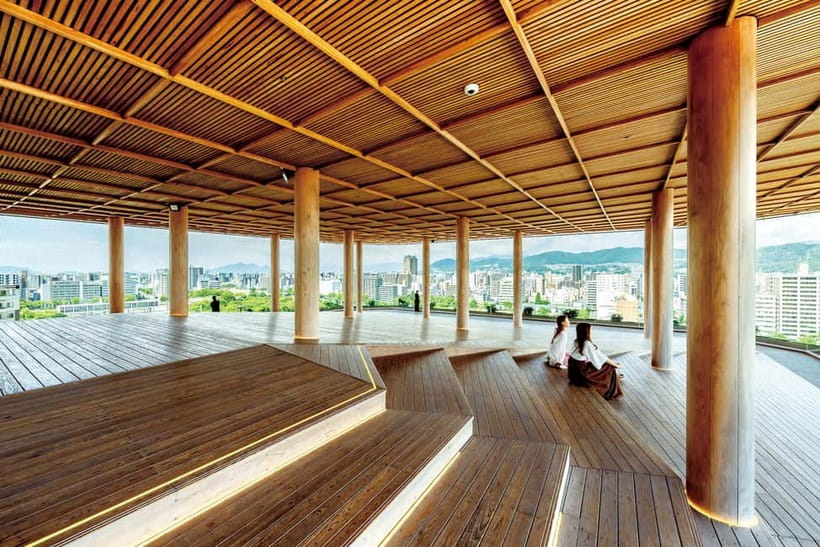
- Hiroshima Hills rooftop observatory for wide views from Peace Memorial Park across to Miyajima
- Orizuru Square origami station where you fold cranes as part of a shared peace ritual
- Orizuru Wall posting so your folded crane becomes a permanent part of the experience
- Spiral Slope Sampo walk that turns movement into storytelling
- WALL ART PROJECT 2045 Nine Hopes featuring Hiroshima-linked artists and a future theme
- On-site café and specialty shop for local flavors and souvenirs in one place
Why Hiroshima Orizuru Tower feels worth the ticket
If you’re doing Hiroshima for the first time, you’ll quickly learn the city asks you to look both ways. One direction is history, memory, and careful attention. The other direction is everyday life and distance, the way cities keep stretching forward after tragedy.
The Hiroshima Orizuru Tower is built for that second kind of looking. From the outside, it’s a modern shape. Inside, it becomes a set of experiences that make the message easier to carry. You’re not just staring at a view. You’re making something, placing it, and then walking through an art program that points toward the year 2045.
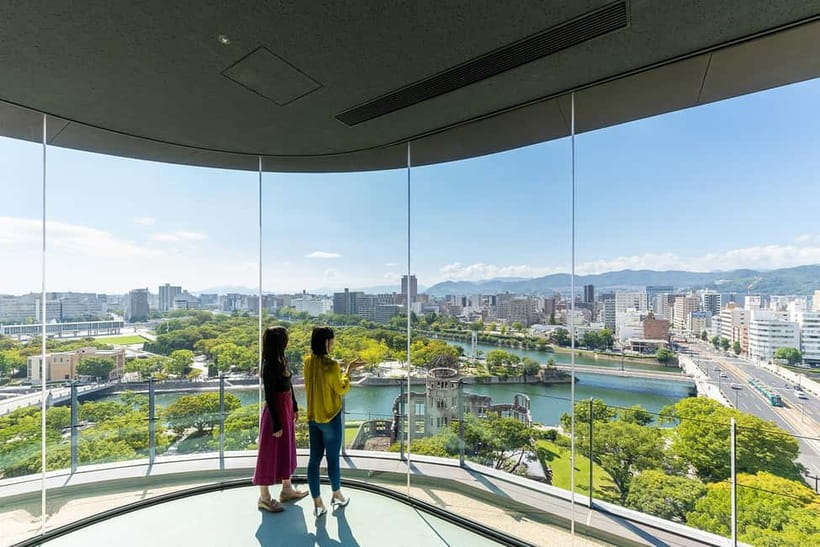
And yes, the views earn their hype. From the Hiroshima Hills rooftop observatory, you get wide panoramas that include Peace Memorial Park and the distant shores of Miyajima. Seeing those landmarks in one sweep helps you understand how Hiroshima connects to both land and water, and to the wider region beyond the memorial area.
The best part for your money is that the ticket ties multiple stops together. The observatory part is included, and the Orizuru Wall posting is included too. That makes it less like a single attraction and more like a guided experience, even though you’re moving on your own.
A few more Hiroshima days to weigh up
- Peaceful Hiroshima & Miyajima UNESCO 1 Day Bus Tour
★ 5.0 · 5,309 reviews - Hiroshima: Hiroshima and Miyajima UNESCO Sites 1-Day Tour
★ 4.9 · 2,330 reviews - Hiroshima / Miyajima Full-day Private Tour with Government Licensed Guide
★ 5.0 · 1,298 reviews
First stop: Getting oriented at the tower entrance
Your visit starts with a simple workflow: you show your QR code and exchange it for a voucher at the information counter on the first floor. This matters because it avoids the awkward moment of trying to figure out where to go while the day is moving.
From there, expect a smooth path into the tower rather than a maze. The design philosophy here seems clear: get you to the views, then keep you engaged with interactive and artistic stops on the way through.
Practical tip: give yourself enough time to slow down at the stations. The origami step and the art-walk step both work best when you’re not rushing.
Hiroshima Hills observatory: the best reason to look up
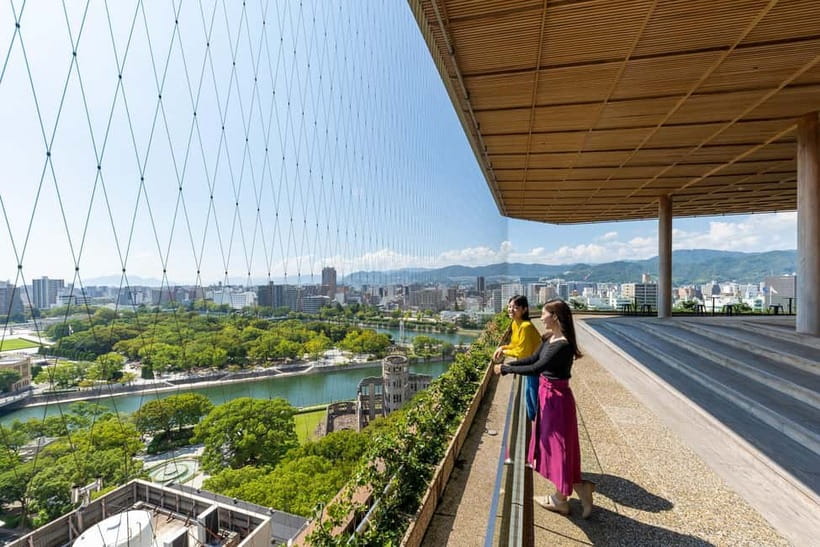
When you reach the Hiroshima Hills observatory, you’re stepping into a rooftop viewpoint designed for wide angles and long sightlines. The promised payoff is impressive: you can see from Peace Memorial Park across the city to the far side with Miyajima in view.
That dual perspective is the whole point. Peace Memorial Park anchors the area in memory. Miyajima brings in a different kind of meaning, related to the wider cultural map of Japan and the idea that places endure and change. One glance makes it easier to understand why Hiroshima draws visitors who come to learn, and also why the city remains a place people live in and return to.
What I like most about this viewpoint is how it sets the emotional tone for the rest of the visit. After you see the city spread out, the interactive components do not feel random. They feel like your way of participating in the story instead of just observing it.
Time-saver note: if you’re a photo person, plan on taking more shots than you think. People often underestimate the “one more angle” effect of rooftop views.
Orizuru Square: origami cranes as a peace ritual you can do with your hands
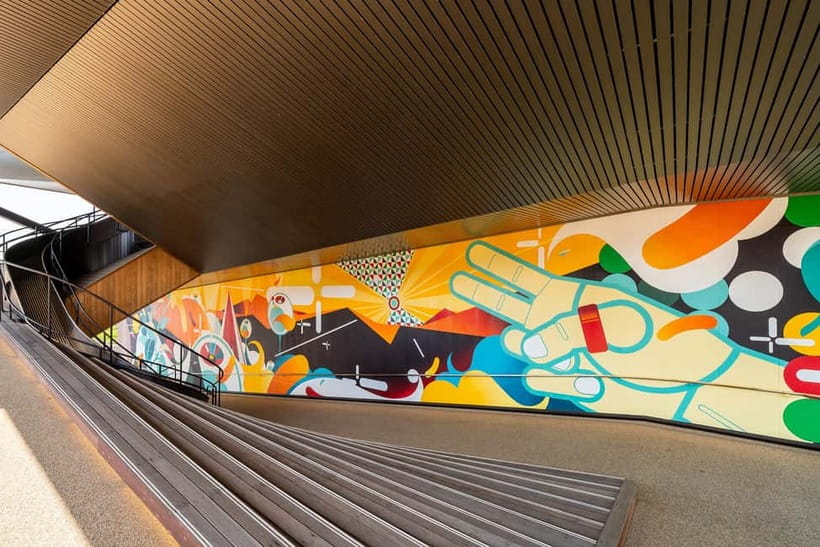
From the rooftop, the experience moves into a tradition you already recognize from Japan: origami cranes. At Orizuru Square, you’re invited into the timeless act of folding, and then you carry that act into a community space.
This is not just craft time. The tour framing makes the cranes part of a message about peace, and that helps you understand why this station exists inside a tall modern tower. Origami is small, quiet, and personal, which is exactly what you want after seeing a memorial landscape from above.
When you fold, your attention naturally slows. That sounds simple, but in practice it’s a strong way to shift gears from “tour mode” to “participation mode.” You’re actively making something, and the station encourages that focus.
If your group includes kids, this is often the most approachable stop. It’s hands-on and it turns the visit into an activity, not just a walk.
A different sort of day in Japan:
- Hiroshima Historical Walking Tour – Why A-Bomb was Dropped
★ 4.8 · 893 reviews - Hiroshima Peace (Heiwa) Walking Tour at World Heritage Sites
★ 5.0 · 872 reviews - Hiroshima in a Nutshell: Morning Bike Adventure
★ 5.0 · 524 reviews - Hiroshima City 4hr Private Walking Tour with Licensed Guide
★ 5.0 · 437 reviews
Orizuru Wall: posting your crane where it becomes part of the space

Once you have your folded crane, you add it to the Orizuru Wall. This is the moment where the experience stops being only personal and becomes visible in the shared space.
The idea is straightforward: your crane joins others, and the wall becomes a growing collection of folded hopes. Whether you treat it as a solemn act or a meaningful craft, it’s still satisfying in a practical way. You can point to the result of what you did, which makes the visit more memorable later, when you’re back on the street.
This wall also helps explain the tower’s name. Orizuru is the crane, and the crane becomes a symbol that can travel with people even after they leave.
Practical tip: take a moment to look at the wall before you add yours. You’ll see how the space changes as more cranes appear.
Spiral Slope Sampo: walking up through time and imagination
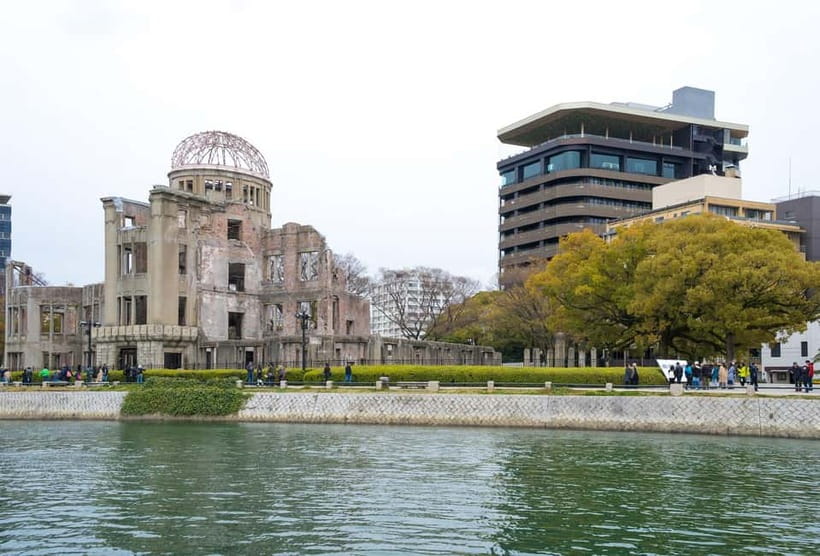
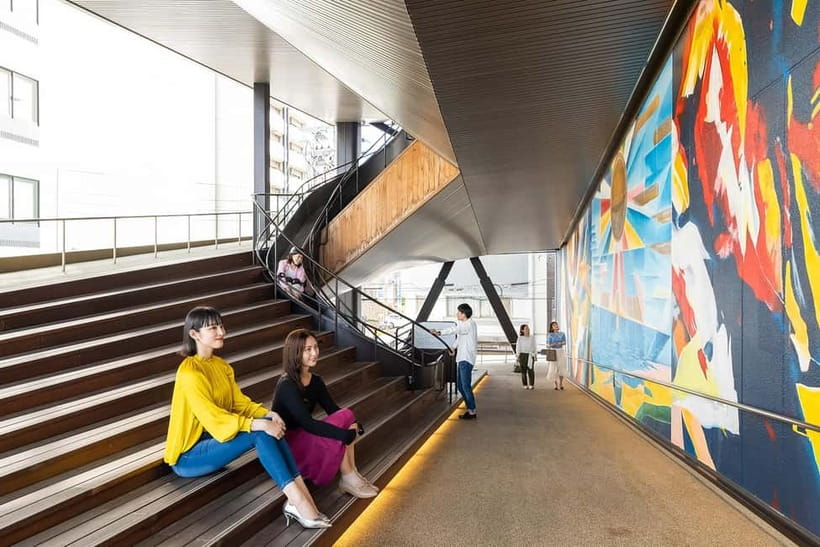
After the origami segment, you move into the SPIRAL SLOPE called Sampo. The key word here is walk. Instead of jumping between separate “rooms,” you’re guided along a slope designed to keep you moving while you take in the next layer of story.
This matters because it prevents the visit from feeling like a checklist. You’re not only stopping. You’re transitioning. The slope creates a sense of pace, and that makes the later art installation hit harder.
As you go, you’ll see the WALL ART PROJECT 2045 NINE HOPES theme come into focus. The name alone signals the tone: it’s about a future year, and about hopes carried forward.
WALL ART PROJECT 2045 Nine Hopes: Hiroshima-linked artists looking ahead
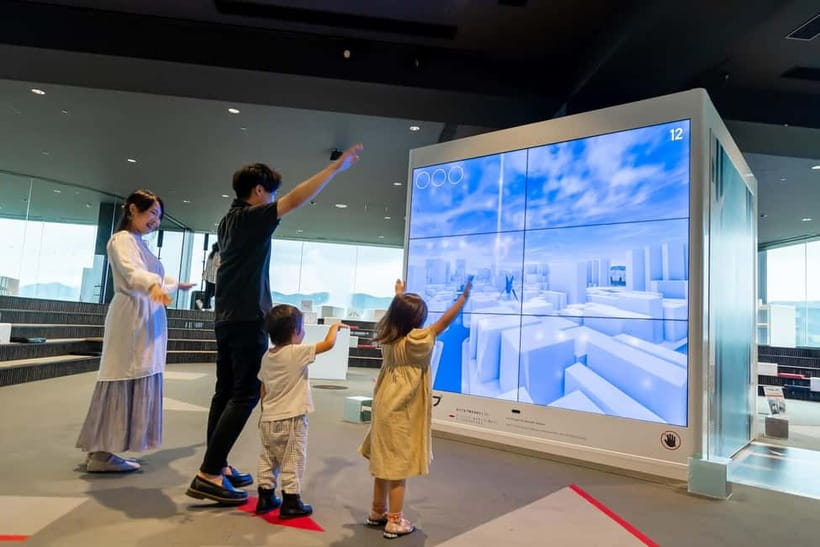
The WALL ART PROJECT 2045 NINE HOPES is where the tower shifts from tradition to future-facing art. The project features artists with Hiroshima ties, and it’s connected to the centennial of the war’s end.
This is the station that often surprises people. If you came only for the view, you might not expect a thoughtful art program. But the tower is intentional about that contrast. It gives you a place to stand, then it gives you a reason to think, and then it gives you a reason to imagine beyond what you already know.
For me, the strongest value here is how it turns symbolism into something you can see while walking. You’re not reading a lecture or staring at a single panel. You’re experiencing an art environment designed around the act of moving through it.
Café and specialty shops: where Hiroshima taste and gift shopping meet
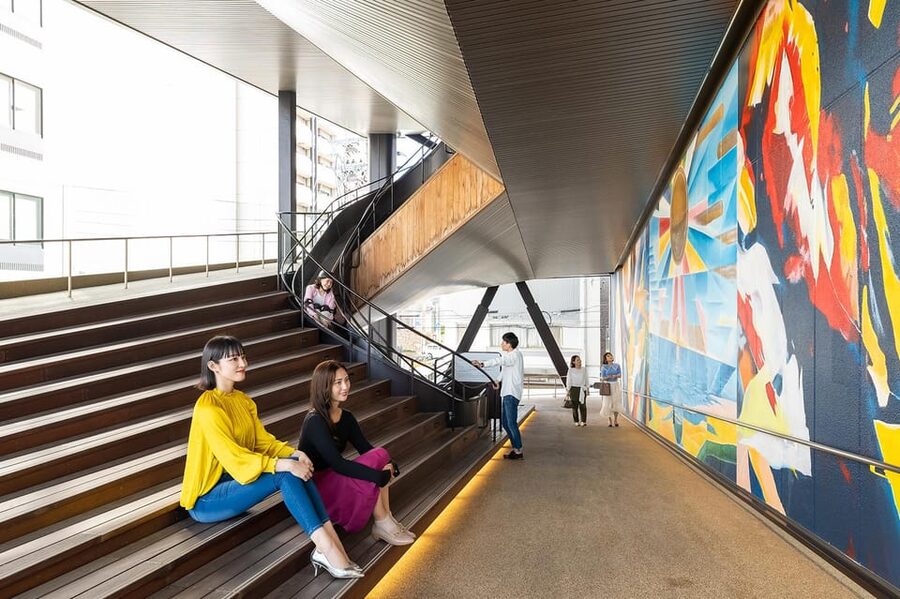
You don’t have to leave the building to eat or to browse. The tower includes an on-site café and shops with Hiroshima specialty items.
The café concept is worth noting: the drinks are handmade and health-focused, made mainly with local fruits, and the guiding principle is Seasonal Foods Offering Peace of Mind. That tells you what to expect if you’re trying to keep your visit comfortable, not just busy.
The specialty shop is also practical. If you want souvenirs that feel tied to Hiroshima, this is an easy place to find them because it’s in the same building as the main experience. No extra detours. No last-minute panic.
If you’re a traveler who cares about small, local food gifts, you’ll appreciate that the tower doesn’t make you choose between “view” and “snacks.”
How long should you plan, and who will enjoy it most?
The activity is listed as valid for 1 day, and it’s designed as a self-paced tower journey. In real life, that often means you can fit it nicely when you’re already in the Hiroshima area and want a viewpoint plus an interactive stop in the same place.
This is especially good for:
- First-timers who want Hiroshima overview views without committing to a full-day museum plan
- People who like interactive experiences, especially origami or hands-on symbolism
- Families who need an activity that doesn’t rely only on reading
- Travelers who want both reflection and a forward-looking art element
If you’re coming with a very narrow idea of what you want, adjust expectations. One shortcoming you may feel is that the core focus is the cycle of stations, not a long list of exhibits. In plain terms, it can feel like more activity than sightseeing.
Value check: is the $14 ticket fair for what you get?
For about $14 per person, you’re paying for a mix of experiences, not just a viewpoint. The ticket includes the observatory admission fee and the Orizuru Wall posting. That combination matters, because you’re not paying extra for the interactive ritual part.
The value is strongest if you actually plan to do both the rooftop and the crane wall. If you only care about the view, it could feel like you’re paying for stations you barely use. If you care about the view plus making and posting a crane, the price starts to feel like a tidy package.
Also consider convenience. You get café and shops on site, which can save time and reduce decision fatigue mid-day. In Hiroshima, where you may be hopping between neighborhoods and memorial areas, saving time in a single location adds up.
Before you go: simple tips that make the visit smoother
A few small choices can make a big difference.
- Bring time for the crane part. The folding and posting step is where the meaning lands.
- Plan for photos from the rooftop. Weather and light matter. If you can, choose a moment when visibility is good.
- Wear comfortable shoes. You’ll move through a slope and multiple indoor levels.
- Shop after you eat if you want fewer decisions. Once you’re hungry, browsing gets harder.
If you’re trying to stitch this into an itinerary around Hiroshima Peace Memorial Park and the wider area, the tower’s layout helps you move efficiently. You don’t need to bounce across town for separate activities. It’s one stop with multiple layers.
Should you book Hiroshima Orizuru Tower?
I’d book it if you want a viewpoint with participation, not just a quick skyline glance. The Hiroshima Hills observatory gives you the big picture, and the Orizuru Square and Orizuru Wall give you a simple way to add your own folded crane to the message. Then the Spiral Slope and 2045 Nine Hopes keep the mood thoughtful without turning the visit into a lecture.
Skip it or reconsider if you only want long, museum-style exhibits and you dislike hands-on stations. This tower is best when you’re open to meaning made by action, plus a view that helps you orient yourself in Hiroshima.
FAQ
What does the Hiroshima Orizuru Tower ticket include?
The ticket includes observatory admission and the ORIZURU WALL posting.
Where do I exchange my QR code for a voucher?
You show your QR code and exchange it to the voucher at the information counter on the first floor.
How long is the ticket valid?
The ticket is listed as valid for 1 day.
How much is the admission ticket?
The price is $14 per person.
Is the Hiroshima Orizuru Tower wheelchair accessible?
Yes, it is listed as wheelchair accessible.
Is there a way to reserve without paying right away?
Yes, reserve now and pay later is available, with the option to book a spot and pay nothing today.
Newly listed around Hiroshima
- Hiroshima and Miyajima 1 Day Walking Tour★ 5.0 · 43 reviews
- Hiroshima and Miyajima 1 Day Cruise Tour★ 5.0 · 24 reviews
- Hiroshima & Miyajima: UNESCO A-Bomb Dome & Itsukushima with Local★ 5.0 · 25 reviews
- Hiroshima & Miyajima: Private Full-Day Tour with a Local Guide★ 5.0 · 39 reviews
- Hiroshima 5k Running Tour of Hijiyama Park★ 5.0 · 7 reviews
- Hiroshima and Miyajima Bus Tour with Indian Lunch★ 5.0 · 10 reviews
- Hiroshima and Miyajima 1 Day Bus Tour★ 4.5 · 145 reviews
- Hiroshima Peace Memorial and Atomic Bomb Dome Private Tour★ 5.0 · 37 reviews
Tickets, compared.


teamLab Planets TOKYO Digital Art Museum Entry Ticket
Read our review →

Japanese Dance Cabaret Theater Asakusa-Kaguwa Ticket
Read our review →
Browse the lists this tour appears in