
Review · JAPANESE COOKING WORKSHOPS
Japanese Cooking Class for Vegans
Tokyo cooking gets personal fast. This private vegan Japanese class in Shinagawa puts you in a local home setting and lets Miwa, your host, tailor what you make to your diet. You also get to eat the fresh lunch you cooked together, not just watch from the side.
Two things I really like about this experience: the teaching is built for conversation (you can ask questions and swap ingredient ideas), and the meal is a full 3-course lunch with tasting included, so you leave fed and with real skills. One thing to consider is the price is high because you are booking private time, not a group class, so it makes the most sense if you value hands-on instruction and food included.
In This Review
- Key Things You’ll Notice Up Front
- A Local Home, Not a Stage: What This Class Really Is
- Musashikoyama Station to Miwa’s Kitchen: How the Time Fits
- What You’ll Cook: Vegan Sushi, Tofu, and Home-Style Comfort
- The 3-Course Lunch Plus Tasting: How You Leave With More Than Recipes
- Teaching That Actually Helps: Step-by-Step, Friendly, and Interactive
- Dietary Customization: Vegan Without Feeling Limited
- Price and Value: What You’re Really Paying For
- Best For Who: Couples, Families, and Food Nerds
- Quick Tips to Get More From Your Class
- Should You Book It?
- FAQ
- Where is the cooking class meeting point?
- What time does the class start?
- How long does the class last?
- Is this class private?
- What is included in the price?
- Is the class vegan only?
- What types of dishes are offered?
- Is transportation included?
- Are kids allowed?
- What is the cancellation policy?
Key Things You’ll Notice Up Front
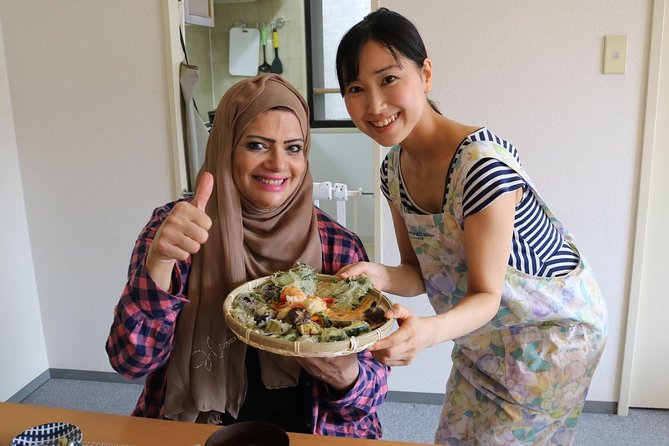
- Shinagawa local-home setting instead of a touristy studio setup
- Private format with plenty of time to talk and ask dietary questions
- Vegan-focused menu options like vegan sushi plates, tofu courses, and kids plates
- A full 3-course vegan or vegetarian lunch plus food tasting
- Meeting at Musashikoyama Station on the Tokyu Meguro Line, handy and straightforward
- Flexible recipes that can be customized if you want specific dishes or styles
A Local Home, Not a Stage: What This Class Really Is
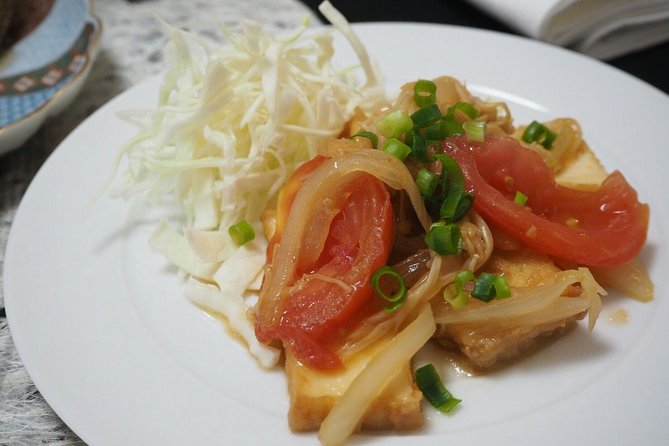
This is the kind of Tokyo food experience that feels practical, not performative. You are not just learning names of dishes. You are learning what goes into them, what to watch for while cooking, and how to make the flavor work without meat or fish.
The setting matters. Miwa’s place, Musashikoyama, is connected to a shopping arcade that is described as the longest in Japan. That gives the area a slow, lived-in rhythm. Even if you only spend a short time there before cooking, it helps you get out of the generic Tokyo script and into the way people actually run errands and eat day to day.
The private format is the big engine. It means you can bring your questions, your favorite flavors, and your constraints. It also means Miwa can adjust recipes beyond a strict vegan checkbox, including vegetarian versions or other dietary preferences if you request them.
More Cooking Classes in Tokyo
- Ramen & Gyoza Cooking Class in Tokyo with Local Supermarket Visit
★ 5.0 · 823 reviews - Tokyo: Easy Ramen Cooking Experience in Kabukicho, Shinjuku
★ 4.6 · 321 reviews - Ramen and Sushi Cooking Class with Sake Pairing Set in Tokyo
★ 5.0 · 291 reviews
Musashikoyama Station to Miwa’s Kitchen: How the Time Fits
Plan on about 2 to 3 hours total for the experience. The schedule you’ll see lists a start time of 10:30 am, and the activity ends back at the meeting point. That return matters because you are not stuck figuring out where you are supposed to be after lunch.
You meet at Musashikoyama Station (Tokyu Meguro Line). For a cooking class, this is a smart choice. Tokyo train stations can be confusing, but a direct line and a clear meeting spot makes your morning calmer. You can also arrive without worrying about transit inside the city during class time.
Transportation to and from attractions is not included. So if you are coming from another part of Tokyo that morning, I’d treat your trip to Musashikoyama Station as your responsibility and simply plan to budget time to get there.
What you do after meeting is the heart of the experience: you head into Miwa’s home/studio space and get set up to cook. Expect the class to be hands-on from the start, not a long lecture before you touch a knife.
What You’ll Cook: Vegan Sushi, Tofu, and Home-Style Comfort
The menu options tell you a lot about what kind of cooking you’ll learn. The classes include vegan sushi plates, vegan Japanese home-cooked dishes, vegan kids plates, and a vegan tofu course. The way these options are phrased also suggests you are learning technique, not just collecting recipes.
Here’s how each option can change your experience:
Vegan sushi plates
If you choose the sushi option, you’ll likely focus on how plant-based ingredients and seasonings can carry that Japanese balance of tangy, salty, and umami. Sushi is also a great skill to learn because it forces you to think about texture and bite, not just flavor.
Vegan tofu course
Tofu is a shortcut to learning Japanese vegetarian logic. Tofu can take on broth styles, dipping sauces, and seasoning patterns, which makes it easier to understand the structure of many Japanese dishes.
Vegan Japanese home-made dishes
This is where the class can feel the most like daily cooking. Home-style plates often teach you how sauces are built, how simmering changes flavor, and why timing matters.
Vegan kids plate
If you are bringing children, a kids plate approach is practical. It can be easier for younger cooks to participate and less stressful for parents who want something tasty that still feels age-appropriate.
And you can customize. Miwa specifically says she will tailor recipes for vegan and vegetarian needs, and she can also adapt to other preferences if you share them. That matters if your idea of vegan cooking includes certain ingredients you love, or flavors you want more of, like ginger, sesame, or broth-based comfort foods.
The 3-Course Lunch Plus Tasting: How You Leave With More Than Recipes
Cooking classes are only half the value if you end up hungry afterward. Here, the structure is built around eating what you made.
You get a lunch described as a 3-course meal, plus food tasting. In plain terms, that means you are not just producing one dish. You are learning how Japanese meals are meant to flow, with multiple components that work together as a set.
This is also where the teaching style becomes tangible. When you taste what you cooked, you instantly understand what worked and what could be adjusted next time, like seasoning intensity or texture targets. It turns a recipe into something you can actually repeat at home.
I also like that the class emphasizes healthy, fresh lunch food. Japanese cooking often uses smart technique to build flavor without relying on heavy sauces. When you see it in practice, your future grocery list gets easier.
One practical note: since you are eating what you cook together, it’s worth arriving ready for a full meal. Treat the class lunch as your main plan, not a snack stop.
More Cooking Workshops in Tokyo
- Tokyo: Wagyu and 7 Japanese Dishes Cooking Class
★ 4.9 · 273 reviews - Tokyo Washoku 4-hour Cooking Class: From Market to Table
★ 5.0 · 253 reviews - Tokyo Cute Bento Cooking Class – Make a Kawaii Character Lunchbox
★ 5.0 · 126 reviews - Tokyo: Tsukiji Market Walking Tour & Sushi Cooking Class
★ 4.6 · 122 reviews
Teaching That Actually Helps: Step-by-Step, Friendly, and Interactive
The strongest theme from the experience is how approachable Miwa is. People describe her as friendly, easy to talk to, and patient with questions. That matters because cooking lessons are stressful if you feel judged for not knowing what certain ingredients are or why a sauce tastes flat.
This class is interactive. You get roles during the cooking process, which keeps everyone from just standing around. Even if you are comfortable in the kitchen, that role-based approach helps you learn faster. You are doing the work, watching the results, and getting corrections before mistakes get baked in.
Miwa also explains ingredients and preparation clearly, including where to find ingredients. That last part is underrated. A recipe is only useful if you know how to source it when you get home. If you’ve ever saved a recipe and then stalled at the store, you’ll appreciate that focus.
And for anyone traveling with kids, this family-friendly setup is a major plus. Children must be accompanied by an adult, but beyond that requirement, the class is described as welcoming. That usually means the pace and explanations are more forgiving than a class that expects advanced cooking.
Dietary Customization: Vegan Without Feeling Limited
A lot of vegan food gets treated like a compromise. This class is built to avoid that feeling.
Miwa customizes recipes for vegan and vegetarian needs, with flexibility depending on your preference. She also says she can adapt recipes for others who eat meat and fish if that applies to your group. That makes this class a workable option for mixed-diet travel days, especially if you have someone who wants to go vegan for the cooking but not necessarily for all meals.
The key here is communication. If you care about certain flavors, tell Miwa at booking or right at the start. If you have allergies or ingredients you avoid, you should share those early too. The private format is there for a reason, so use it.
Also, don’t assume vegan Japanese cooking is only tofu and soy sauce. The menu options include vegan sushi and home-style dishes, which hints at a broader palette of Japanese flavors that can be built with plant-based components.
Price and Value: What You’re Really Paying For
At $705.86 per person, this isn’t a budget activity. But the cost makes more sense when you look at what’s included.
You are paying for:
- Private instruction from Miwa during the whole session
- All food for a full lunch, described as a 3-course meal
- Food tasting as part of the learning
- A local home setting that supports a more authentic flow than a commercial kitchen
You can think of this as a guided meal plus hands-on training. A cheaper class might give you recipes, but it may not give you personal attention, time for questions, and a meal that genuinely tests what you made.
If you are traveling with a friend and can split private time, the value can feel better. If you’re solo, it’s a higher splurge, but it can still be worth it if you want skills you’ll actually use, not just a one-time meal.
Best For Who: Couples, Families, and Food Nerds
This class fits several travel styles.
Book it if you want practical skills
If you want to come home and cook Japanese food without guesswork, the ingredient explanations and step-by-step process are built for that.
Book it if you’re traveling with dietary needs
The vegan and vegetarian customization is a core feature, not a side note.
Book it for families
It’s described as family-friendly and welcoming for kids, as long as children are with an adult.
Book it if you prefer a calm day
It’s not a fast-moving tour with lots of stops. It’s a focused morning that ends back where you started, so you can build the rest of your day afterward.
Quick Tips to Get More From Your Class
A little prep can make the session smoother.
- Plan to bring questions. Even simple ones like what a certain ingredient does can help you learn faster.
- If there’s a dish you specifically want, mention it. Miwa says recipes can be customized upon request, including different types of vegan and vegetarian options.
- If you are sensitive to certain foods, be explicit. Vegan Japanese cooking can still vary a lot by ingredient choices.
- Arrive on time for the 10:30 am start and give yourself margin to get to Musashikoyama Station.
Should You Book It?
If your goal is to leave Tokyo with a real ability to cook vegan Japanese food, I’d strongly consider booking. You get a private setting, a friendly host named Miwa, a focused 2 to 3 hour session, and a full 3-course lunch that you cook and eat. That mix of instruction plus meal is the difference between a fun experience and a useful one.
If you are on a tight budget or you just want a casual taste without cooking, this might feel too pricey for what you want. But if you care about food and you like hands-on learning, this is one of the more satisfying ways to spend a morning in Tokyo.
FAQ
Where is the cooking class meeting point?
You meet at Musashikoyama Station (Tokyu Meguro Line). The address for the start point is 3-chōme-4-9 Koyama, Shinagawa City, Tokyo 142-0062, Japan.
What time does the class start?
The listed start time is 10:30 am.
How long does the class last?
It runs about 3 hours on the schedule, and the class duration is described as 2 to 3 hours per class.
Is this class private?
Yes. It is a private tour/activity, and only your group participates.
What is included in the price?
It includes a 3-course lunch and food tasting.
Is the class vegan only?
The class is designed for vegan options, and vegetarian versions are also available. Recipes can be customized for vegan or vegetarian and other preferences if requested.
What types of dishes are offered?
Offered classes include vegan sushi plates, vegan Japanese home-made dishes, vegan kids plate, and a vegan tofu course. Recipes can also be customized on request.
Is transportation included?
No. Transportation to and from attractions is not included.
Are kids allowed?
Kids are welcomed, and children must be accompanied by an adult.
What is the cancellation policy?
Free cancellation is available. You can cancel up to 24 hours in advance of the experience for a full refund. If you cancel less than 24 hours before the start time, the amount you paid will not be refunded.
Newly listed around Tokyo
- Private Tokyo Food Tour – A Journey Through Time Through Food★ 5.0 · 36 reviews
- Private Tokyo Tour with Licensed Guide & Vehicle (Max 15 persons)★ 5.0 · 107 reviews
- Private Tokyo Custom Full-Day Tour by Chartered Vehicle★ 5.0 · 16 reviews
- Private Tokyo Custom Half-Day Tour by Chartered Vehicle★ 4.5 · 13 reviews
- Private Outstanding Nikko Tour with English Speaking Driver★ 4.0 · 11 reviews
- Private Sightseeing to Mt Fuji and Hakone with English Driver★ 5.0 · 51 reviews
- Private Snow Monkeys park Day Trip From Tokyo or Nagano★ 4.5 · 26 reviews
- 4 Day Tour – Mount. Fuji, Tokyo, Hakone, Kamakura and Yokohama★ 5.0 · 19 reviews
Japanese Cooking Workshops, compared.
Ramen Cooking Class at Ramen Factory in Kyoto
Read our review →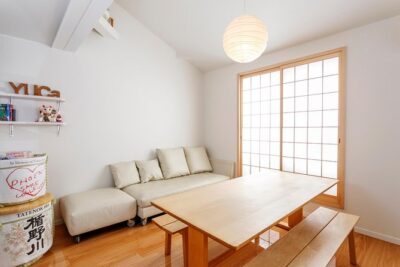
Ramen & Gyoza Cooking Class in Tokyo with Local Supermarket Visit
Read our review →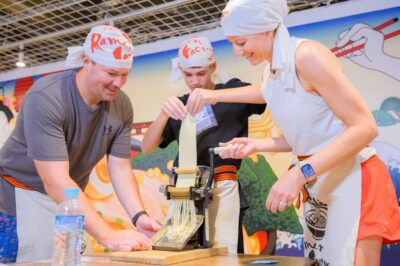
Ramen Cooking Class at a Ramen Factory with Souvenir
Read our review →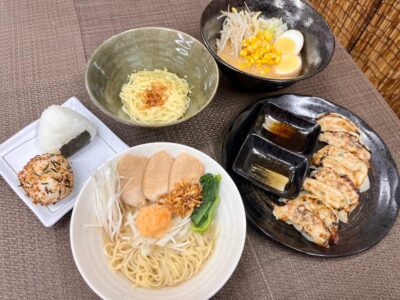
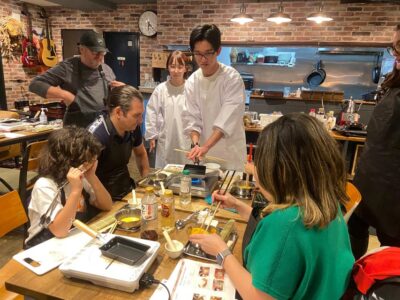
Japanese Washoku Bento Small Group Cooking Class
Read our review →
Sumo Stage Show with Bento or Snack + Fight & Photo
Read our review →
Ramen and Sushi Cooking Class with Sake Pairing Set in Tokyo
Read our review →Browse the lists this tour appears in