
Review · JAPANESE COOKING WORKSHOPS
Japanese home cooking class in Osaka Umeda
Cooking in a real Osaka home beats tutorials. This Japanese home cooking class in Osaka Umeda puts you in a local kitchen with Hisako and Naoko, where you cook and eat like you actually live nearby. You also get a simple way to understand what Japanese home cooking looks like compared with the restaurant versions you may already know.
What I like most is the chance to learn in a real home setting, not a demo station, and the way the lesson stays practical, with tips you can use later at Japanese supermarkets. One thing to plan for: private transportation is not included, so you will need to handle your own way to the meeting point.
In This Review
- Key highlights you will feel right away
- Step into Osaka’s everyday home kitchen (Fukushima Ward, Umeda side)
- Pick your dish from Osaka favorites, then learn the technique behind it
- The supermarket skill: buying Japanese ingredients without guesswork
- Cooking at home pace: how the lesson actually works
- Tea, water, and a real meal at the table
- The take-home part: printed recipes you will use
- Price and value: is $59.12 a smart buy?
- Who this Osaka home cooking class fits best
- Should you book Japanese home cooking in Osaka Umeda?
Key highlights you will feel right away
- A real Osaka home kitchen with locals, so the pace and atmosphere feel natural
- Private class format, meaning you can move at your own speed and ask questions
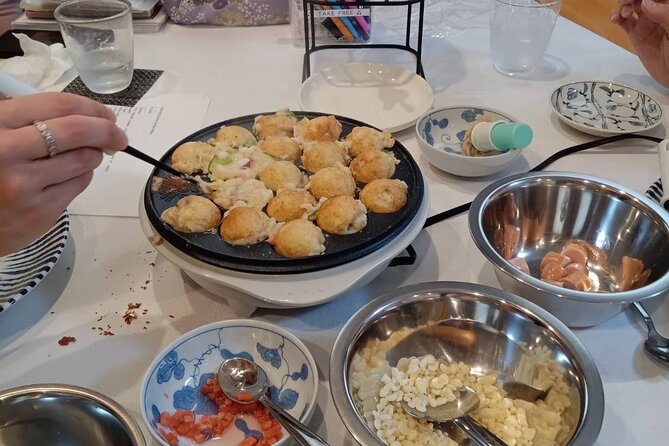
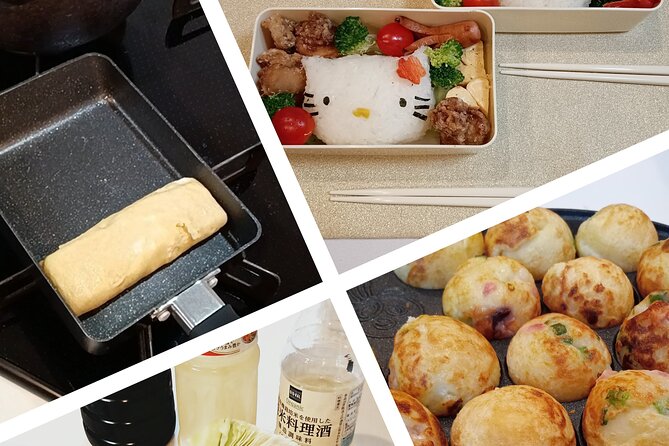
- Choose from Osaka favorites like bento and takoyaki, plus other home-style dishes depending on the session
- Supermarket shopping tips to help you buy the right ingredients without wasting money
- Tea and water with your meal, so the experience feels like a real table moment
- Printed recipes and instructions you can take home and actually follow later
Step into Osaka’s everyday home kitchen (Fukushima Ward, Umeda side)
The experience starts at 1-chōme-4-1 Tamagawa, Fukushima Ward, Osaka (553-0004). That address is useful because it tells you this is not staged in a far-away tourist zone. It is in a lived-in neighborhood where local routines matter, even if you are only there for a couple hours.
I like that the start time is clear, 10:00 am, and you get a mobile ticket. You do not need paper forms. The activity is also described as being near public transportation, which matters in Osaka because you can usually route yourself quickly if your subway stop is nearby.
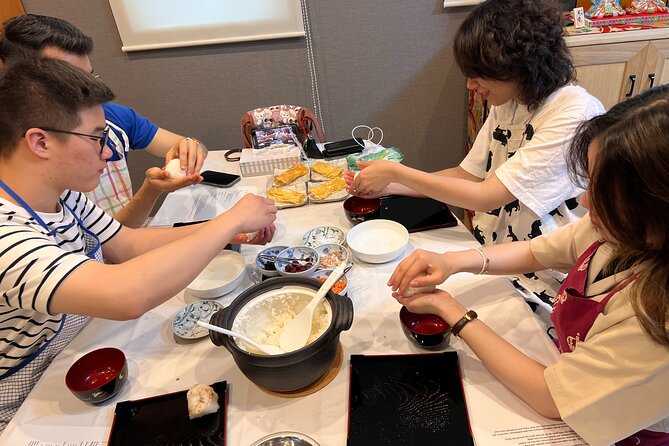
The host setup is personal from the start. Hisako and Naoko welcome you into the kitchen and dining room and guide you through the steps. Expect a calm, hands-on rhythm. This matters because Japanese cooking techniques can feel intimidating when you watch videos only once. Here, you get real time coaching.
More Cooking Classes in Osaka
- Osaka: Ramen and Gyoza Cooking Class in Dotonbori
★ 5.0 · 378 reviews - Osaka Cooking Class: Okonomiyaki &Japanese cuisines experience
★ 5.0 · 261 reviews - Ramen and Gyoza Cooking Class in Osaka
★ 5.0 · 202 reviews
Pick your dish from Osaka favorites, then learn the technique behind it
You choose what you cook from a menu of local specialties. The class specifically calls out bento and takoyaki, two foods that help you understand how Japanese home cooking thinks about flavor, texture, and portion.
In real life, this style of class often includes other approachable dishes too. Based on what I saw described by previous participants, you may work on items like udon, onigiri, and tempura, and some sessions may include home-style dishes like beef stew. Don’t worry about guessing what to pick. The important part is that the lesson is designed to make the recipes more accessible so you can recreate them later.
Here is why the menu choice is a big deal for value. If you choose a dish you already love, you get immediate satisfaction. If you choose something you have never tried, you get to learn in a guided way instead of guessing with bad instructions. Either way, you leave with a skill, not just a snack.
A private class also means your pace is up to you. If a step takes you longer, that is fine. If your hands move faster than expected, you can move ahead. That control reduces the most common frustration in cooking classes, the feeling that you are always chasing the group.
The supermarket skill: buying Japanese ingredients without guesswork
One of the most useful parts for me is the emphasis on shopping like a local. You do not just learn the recipe. You get tips on shopping at Japanese supermarkets and which ingredients to look for when you want to cook the same dish at home.
This is where you can save money later. Japanese cooking often depends on a few key ingredients. If you do not know what they are called or what form to buy, you may end up with the wrong thing and the dish won’t taste right.
In practice, the guidance helps you make smarter choices:
- What items are worth buying fresh versus shelf-stable
- How to recognize the ingredients you need in Japanese packaging
- How to select sauces, seasonings, and staples so the finished dish tastes balanced
Even if you never become a full-time cook, this kind of advice helps you navigate Japanese supermarkets with confidence. It turns a confusing grocery stop into a quick, repeatable routine.
Cooking at home pace: how the lesson actually works
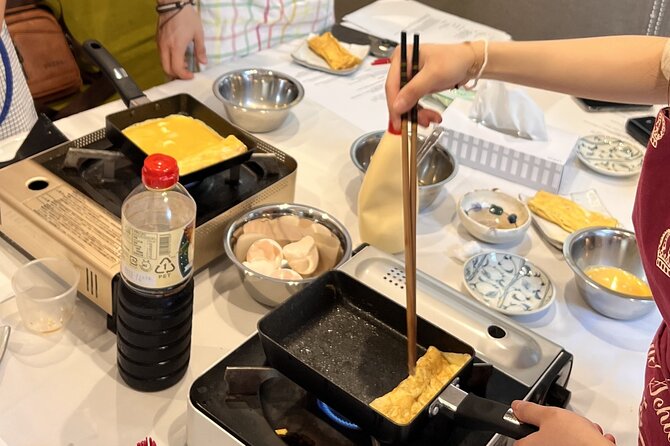
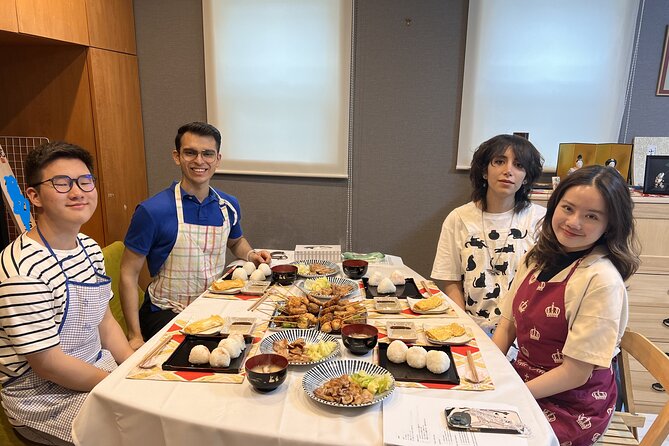
You cook in the kitchen, then eat in the dining room. That flow matters. Many classes only show you one stage. Here, you move from prep to cooking to eating, so you can connect the technique with the final taste.
The hosts focus on breaking cooking into easy steps. In the feedback, people highlight that Hisako and Naoko are patient, and that they explain the process in a way that is not overwhelming. That is a real advantage if you are a first-timer. Japanese cooking may look precise, but in a good class, you learn the logic behind each step, not just the motion.
Because it is private, you can ask questions while you cook. That is where you start understanding the small decisions that separate bland food from balanced food. Questions like these are common in a setting like this:
- Why this seasoning goes in at this moment
- What texture you should aim for before you stop cooking
- How you know when something is done without guessing
This is also where the difference between Japanese home cooking and restaurant cooking becomes clear. Restaurant food is designed for speed, consistency, and a specific style. Home cooking is often about practical methods that still create great flavor, plus a rhythm that fits the day.
More Cooking Workshops in Osaka
- Osaka: Sumo Stage Show with Bento or Snack + Fight & Photo
★ 4.3 · 364 reviews - Osaka: Cooking Class Ramen & Gyoza Course in Nanba
★ 4.9 · 86 reviews - Osaka: Gluten-Free Ramen and Gyoza Cooking Class
★ 5.0 · 42 reviews - Authentic SUSHI Course Cooking Class
★ 5.0 · 39 reviews
Tea, water, and a real meal at the table
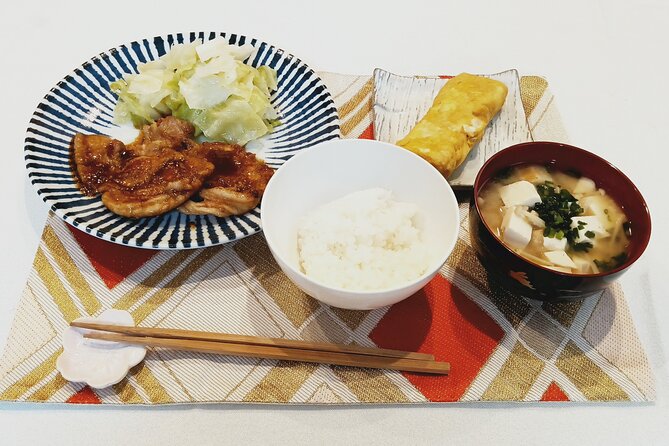
After cooking, you eat what you made. You sip Japanese tea and also have water with the meal. That sounds small, but it shapes the whole experience. Food tastes better when you are not rushing through your plate while worrying about the next step.
This is also one of the reasons the lesson feels authentic. It is not just about cooking. It is about being in the right environment to enjoy the meal afterward.
If you come with kids, you might see touches like traditional clothing. One participant described their daughters trying on kimonos during the experience. It may not happen every time, but the point is clear: the hosts aim to make the experience fun and meaningful, not just instructional.
The take-home part: printed recipes you will use
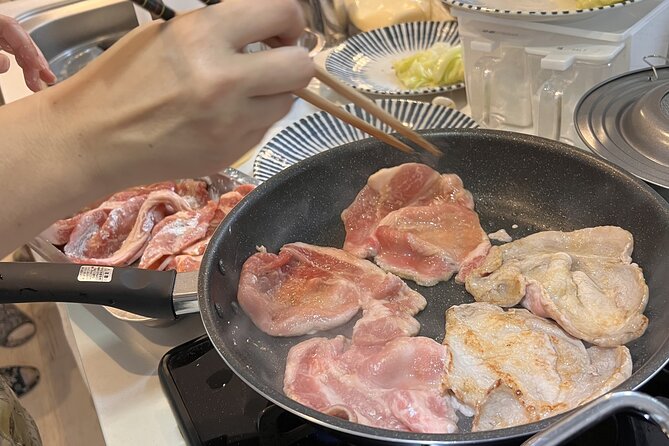
A cooking class is only truly valuable if you can repeat it later. This one includes something practical: printed recipes and instructions you can take home.
That detail matters more than you might think. When you cook from memory or a vague video you watched once, you run into problems. Measurements get forgotten. Cooking times feel different in your kitchen. Ingredients vary by brand.
With printed instructions in hand, you can cook again with less stress. It also helps you teach yourself what went right the first time, which makes you better the next round.
Price and value: is $59.12 a smart buy?
At $59.12 per person for about 2 hours, this class is not the cheapest thing you can book in Osaka. But it is also not overpriced for what you actually get.
Here is how I think about the value:
- You get a private class, not a crowded group experience
- You cook and eat in a real home, which is harder to replicate elsewhere
- Lunch is included, so you are getting both the activity and the meal
- You receive printed recipes and detailed supermarket guidance, which extends the value beyond the day
A lot of cooking experiences cost more once you add meals on top. Here, lunch is part of the deal. That makes your effective cost feel more reasonable, especially if you are already planning to eat in Umeda anyway.
Also, private classes often mean you ask more questions. That boosts the usefulness of every minute. If you care about learning the why behind the cooking, that matters.
The only cost-related consideration is practical: private transportation is not included. If your hotel is far from the meeting area, factor in subway time or a taxi. The class itself is close to public transport, so it is usually manageable.
Who this Osaka home cooking class fits best
This experience suits you best if you want more than food photos. You want the process. You want practical skill. You want to understand Japanese flavors in a way that sticks.
You will probably enjoy it if:
- You love Japanese food and want to cook it yourself
- You want a calm activity with a local host, not a high-pressure tour schedule
- You are a couple or small group that likes more personal attention
- You are comfortable asking questions and learning step-by-step
It also works well if you are traveling with family. The class is private, so the hosts can respond to your group dynamic. And based on prior experiences, there can be traditional touches that make it more playful for kids.
One caution: if you are looking for a big group party vibe, this is not that. It is quieter and more focused. Think kitchen conversation and learning, not performance.
Should you book Japanese home cooking in Osaka Umeda?
If your idea of a great trip includes learning a real skill, eating a real meal, and getting advice you can use later, I think this is a strong yes.
Book it if you want:
- A private class with patient coaching from Hisako and Naoko
- To cook Osaka-style dishes like bento or takoyaki
- Supermarket tips that help you recreate flavors at home
- Lunch plus Japanese tea, in the setting of an actual home
Skip or at least reconsider if you do not want to manage your own transportation to Fukushima Ward, since private transport is not included. Also, if you only want to sample a tiny bite and leave quickly, you may find a cooking-and-eating format more time than you expected.
If you fall in the first group, you will likely walk away with more confidence than you planned, plus recipes you can actually cook from again. That is the kind of souvenir I like.
Newly listed around Osaka
- Kyoto and Nara Day Trip from Osaka★ 4.0 · 175 reviews
- 【Private】Sushi Making Osaka! Omakase Cooking Class in Japan!★ 5.0 · 9 reviews
- Kyoto & Nara & Uji: Full Day Sightseeing Tour from Osaka or Kyoto★ 4.5 · 39 reviews
- Kyoto Full Day Sightseeing Tour from Osaka or Kyoto★ 4.0 · 29 reviews
- Umeda Sky Building KUCHU-TEIEN OBSERVATORY★ 5.0 · 8 reviews
- Amanohashidate & Ine Funaya Kyoto coast day trip from Osaka/Kyoto★ 4.5 · 17 reviews
- Kyoto One Day Sightseeing Tour from Osaka or Kyoto★ 4.5 · 8 reviews
- Kitchen of Nation Food Tour★ 5.0 · 7 reviews
Japanese Cooking Workshops, compared.

Ramen Cooking Class at Ramen Factory in Kyoto
Read our review →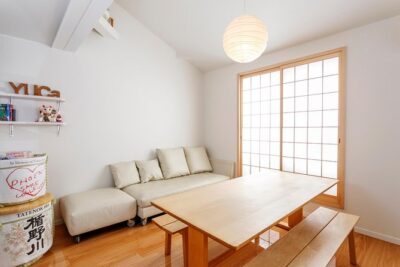
Ramen & Gyoza Cooking Class in Tokyo with Local Supermarket Visit
Read our review →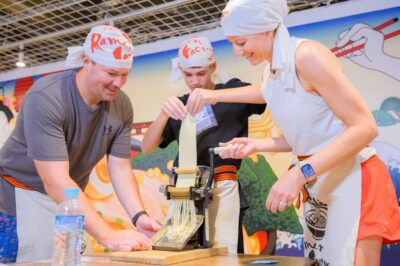
Ramen Cooking Class at a Ramen Factory with Souvenir
Read our review →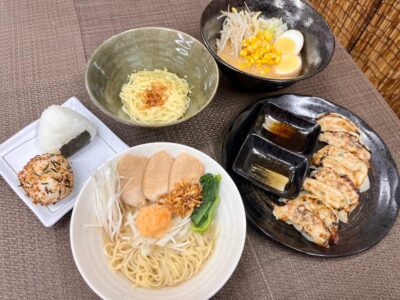
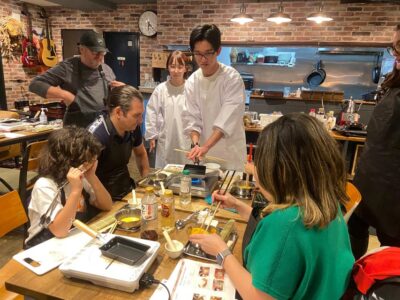
Japanese Washoku Bento Small Group Cooking Class
Read our review →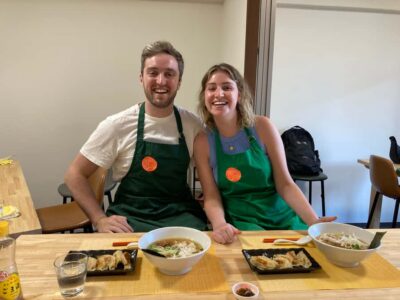
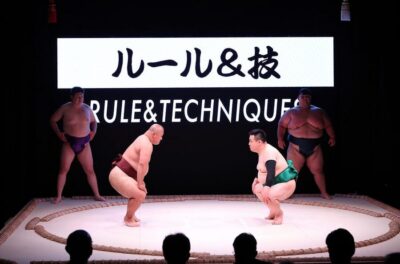
Sumo Stage Show with Bento or Snack + Fight & Photo
Read our review →
Ramen and Sushi Cooking Class with Sake Pairing Set in Tokyo
Read our review →Browse the lists this tour appears in