Review · JAPANESE COOKING WORKSHOPS
Osaka: Gluten-Free Ramen and Gyoza Cooking Class
Make gluten-free ramen at home, in Osaka.
In Yuki’s small home class, you turn rice flour into chewy noodles and crispy pan-fried gyoza. You also get a full meal you made yourself, but with a fixed 3-hour schedule, you will need to move with the flow and stick to the plan.
I like that it is truly hands-on, not a demo. You start with dough and wrappers, fold dumplings, then taste the finished soy sauce ramen and tomato ramen side by side. The only real trade-off is that the class is limited to four people, so it is not the best choice if you want a big, lively crowd.
In This Review
- Key Takeaways Before You Go
- Step Inside Yuki’s Osaka Home and Start Cooking
- Gluten-Free Ramen Noodles From Rice Flour, Step by Step
- Soy Sauce Ramen and Tomato Ramen, Traditional Plus a Twist
- Gyoza Wrappers From Scratch, Rice Flour Edition
- Fill, Fold, and Pan-Fry for Crispy Dumplings
- Finish With a Full Meal, Made by You
- Optional Sake Pairing, 45 ml at a Time
- Price and Value: What $103 Buys You in Reality
- Who Should Take This Class, and Who Might Hesitate
- Quick Practical Plan: Making the Most of Your 3 Hours
- Should You Book This Osaka Gluten-Free Ramen and Gyoza Class?
- FAQ
- How long is the Osaka gluten-free ramen and gyoza cooking class?
- Is this class suitable for beginners?
- How many people are in each class?
- What dishes will I make during the class?
- Is sake included?
- Where is the meeting point?
- What should I bring?
Key Takeaways Before You Go
- Small group of 4 means lots of personal attention from the English-speaking instructor, Yuki.
- Gluten-free ramen noodles and gyoza wrappers from scratch, using rice flour techniques you can repeat at home.
- Two ramen styles taught on the same night: classic soy sauce ramen plus tomato ramen, a rarer twist.
- Gyoza folding and pan-frying technique are the focus, so you leave with a repeatable method.
- Optional sake pairing includes three 45 ml pours, both chilled and warm, matched to what you cook.
- Recipes and tips included, which is huge if you want to cook again after your trip.
Step Inside Yuki’s Osaka Home and Start Cooking
This is one of those Osaka experiences that feels like you are stepping into someone’s kitchen life, not just taking a class. The venue is a residential-style building in a quiet neighborhood, and it is a short walk from Nukata Station. You will find it marked with a welcoming sign at the entrance, and the directions are sent after booking so you can get there without stress.
What makes the setting work is the intimate size. The class is limited to 4 participants, and Yuki is the sole instructor. That matters because you can ask questions mid-dough, not after the meal, and you do not get lost in a group.
Expect a relaxed pace at the start: a welcome, a quick rundown of the tools and ingredients, and the core idea of how gluten-free changes the dough feel. Yuki teaches in English (with support in Japanese too), and the vibe is friendly and patient. You do not need to know anything about Japanese cooking before you arrive, but you do need to be ready to get your hands a little floury.
More Cooking Classes in Osaka
- Osaka: Ramen and Gyoza Cooking Class in Dotonbori
★ 5.0 · 378 reviews - Osaka Cooking Class: Okonomiyaki &Japanese cuisines experience
★ 5.0 · 261 reviews - Ramen and Gyoza Cooking Class in Osaka
★ 5.0 · 202 reviews
Gluten-Free Ramen Noodles From Rice Flour, Step by Step
Most ramen classes teach you how to assemble toppings. This one teaches you how to make the noodles, and that is the heart of the experience.
You begin with gluten-free ramen noodles using rice flour. The goal is a chewy texture, the kind you associate with ramen, even without wheat. The practical part is learning how the dough behaves: how it needs to be handled, how texture changes as you work, and what to aim for when it comes time to shape and cook.
In a typical Japanese kitchen mindset, noodles are not an afterthought. They are the structure of the dish, so getting the feel right makes the broth and toppings taste more convincing. And because you are doing it yourself, you can later troubleshoot at home. If your noodles are too soft or not springy enough, you will remember exactly what stage felt off.
This is also where the experience becomes more than just food. You learn transferable technique: how to think about dough without gluten as its own system rather than a substitution. Even if you never make ramen often, that mindset is useful.
Soy Sauce Ramen and Tomato Ramen, Traditional Plus a Twist
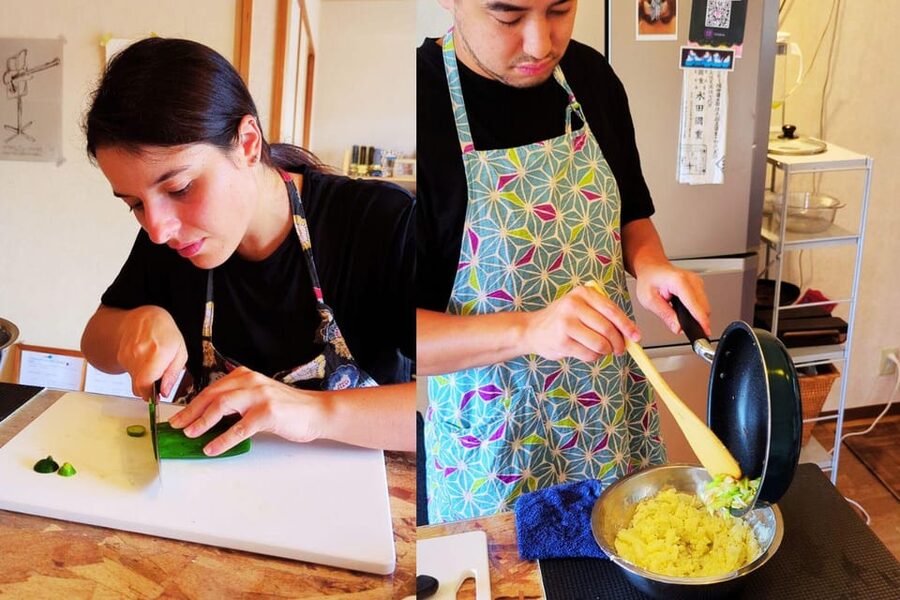
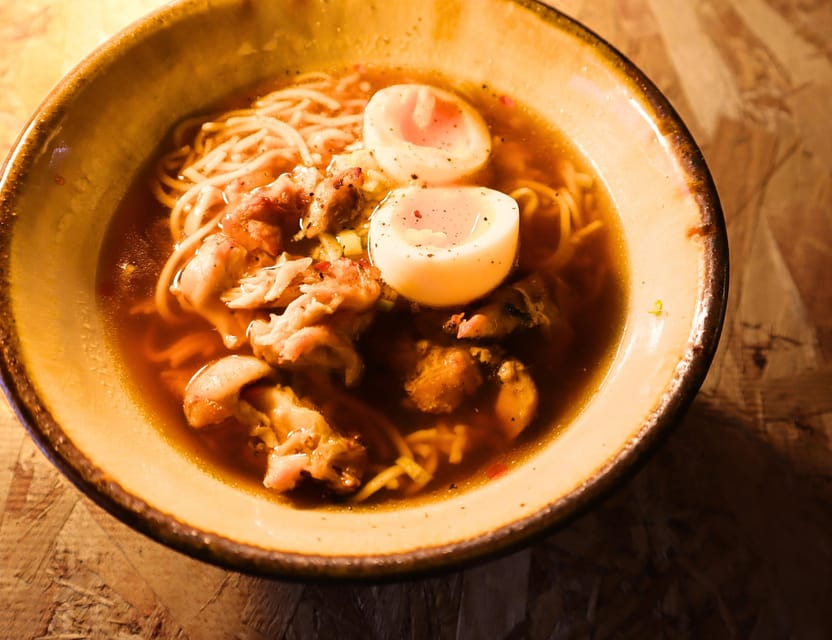
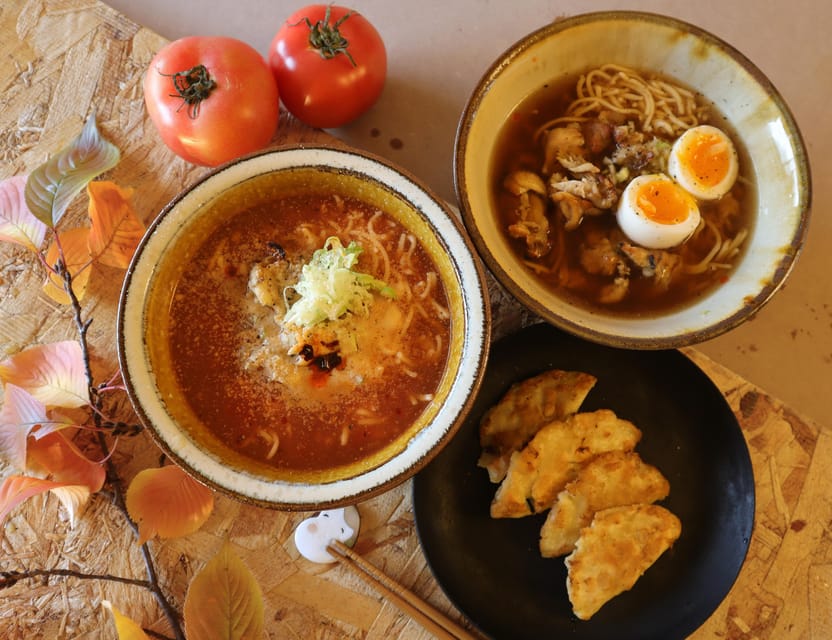
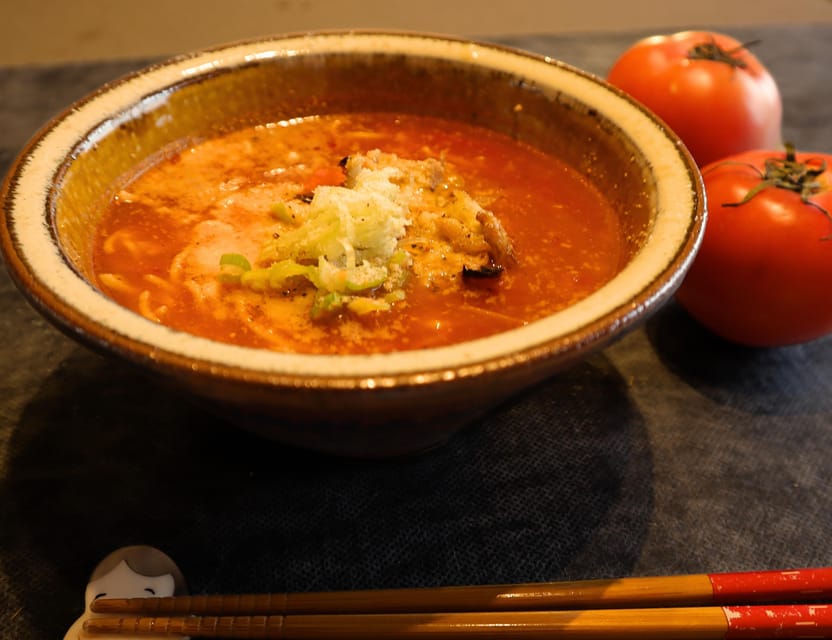
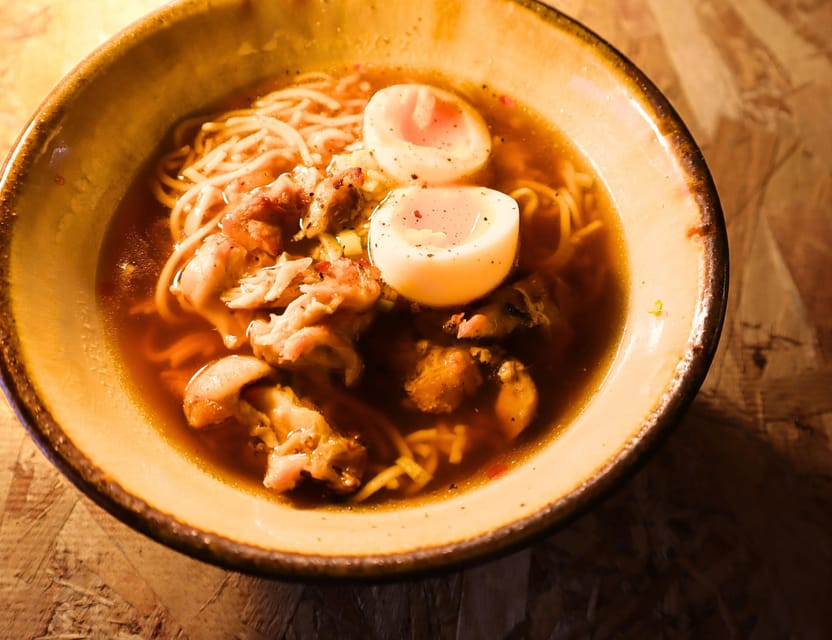
Once your noodles are underway, the class shifts into broth building. You make a rich soy sauce ramen that pairs with your handmade noodles, and you also prepare a tomato ramen as a more modern variation.
The soy sauce broth is the classic spine of Japanese comfort food. You learn how to build a savory base that tastes deep without needing complicated steps. It is the kind of lesson that sticks because it is not just a flavor. It is a method you can reuse when you are cooking something else.
Then comes the fun part, tomato ramen. This is described as a refreshing, tangy variation that is still relatively rare in Japan. That matters because it shows you something important about Japanese cooking: tradition can hold room for creativity. You are not just learning one “right” way. You are learning how to adapt flavors while keeping the ramen idea intact.
When you eventually sit down to eat, having both versions in front of you makes it easier to understand what each broth is doing. Soy brings warmth and savory depth. Tomato brings brightness and tang. Together, they help you learn to taste, not just follow.
Gyoza Wrappers From Scratch, Rice Flour Edition
After ramen comes gyoza, and the class does not skip the hard part. You craft gluten-free gyoza wrappers from rice flour rather than relying on store-bought sheets.
Making wrappers is satisfying because you control thickness and texture. Too thin, and the dumpling can feel fragile. Too thick, and you miss that delicate chew. You will learn how the wrapper should feel before you start filling, and you will also learn what to adjust based on how it stretches.
The class also gives you the groundwork for later cooking. If you ever try gluten-free wrappers at home, the key is consistency. This experience gives you the reference point, because you learn how the dough and wrapper should behave when you press, fold, and cook.
More Cooking Workshops in Osaka
- Osaka: Sumo Stage Show with Bento or Snack + Fight & Photo
★ 4.3 · 364 reviews - Osaka: Cooking Class Ramen & Gyoza Course in Nanba
★ 4.9 · 86 reviews - Osaka: Cooking Class & Sake Tasting with Local Market Visit
★ 4.8 · 31 reviews - Osaka : Cooking Class Okonomiyaki & Takoyaki course in Nanba
★ 4.9 · 25 reviews
Fill, Fold, and Pan-Fry for Crispy Dumplings
Now you get to the part many people come for, shaping and cooking dumplings.
You make a savory filling, then you assemble gyoza dumplings. Yuki shows you how to fold them into the right shape, and you practice until your folding looks like something you would actually serve.
Then the focus becomes pan-frying. You cook the dumplings until you get a golden finish and the right contrast: crisp outside and tender inside. That crispy exterior is not an accident. It comes from heat management and handling.
If you want to recreate this at home, this is where you should pay close attention. The dumpling should sound different when it is frying, and it should look different as moisture reduces. You will leave with a mental image of the “done” moment, not just the recipe.
Finish With a Full Meal, Made by You
At the end, you eat the results together in a cozy dining area. The meal is the payoff: your homemade ramen noodles in their soy and tomato versions, plus your gyoza dumplings made from your own wrappers.
I love this format because it makes learning feel immediate. You are not cooking in a vacuum. Every step has a taste reward, and Yuki guides you through what to notice in each dish.
Also, the class is designed so you do not leave hungry. You work for a meal that has real substance. It is not a tiny tasting. It is an actual dinner built from your work.
A small note on clothing: wear comfortable clothes suitable for cooking. You will be handling dough, so anything too delicate will feel like a bad idea.
Optional Sake Pairing, 45 ml at a Time
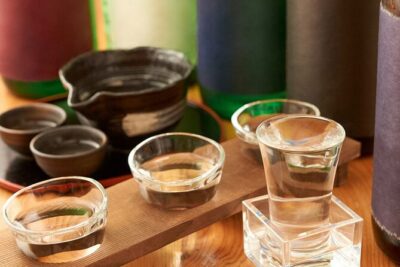
If you choose it, you can add an optional sake pairing. The pairing includes three 45 ml servings: two chilled sakes (Junmai and Junmai Ginjo) and one warm Junmai.
This is useful even if you are not a big sake drinker. It trains your palate on how temperature changes the way flavors come across. Chilled Junmai and Junmai Ginjo can feel cleaner and more aromatic, while warm Junmai often feels rounder and more comforting with savory foods.
More importantly, it shows you how Japanese dining can be structured around pairing without turning it into a lecture. You taste what you made, then you taste the drinks that the instructor believes match.
Price and Value: What $103 Buys You in Reality
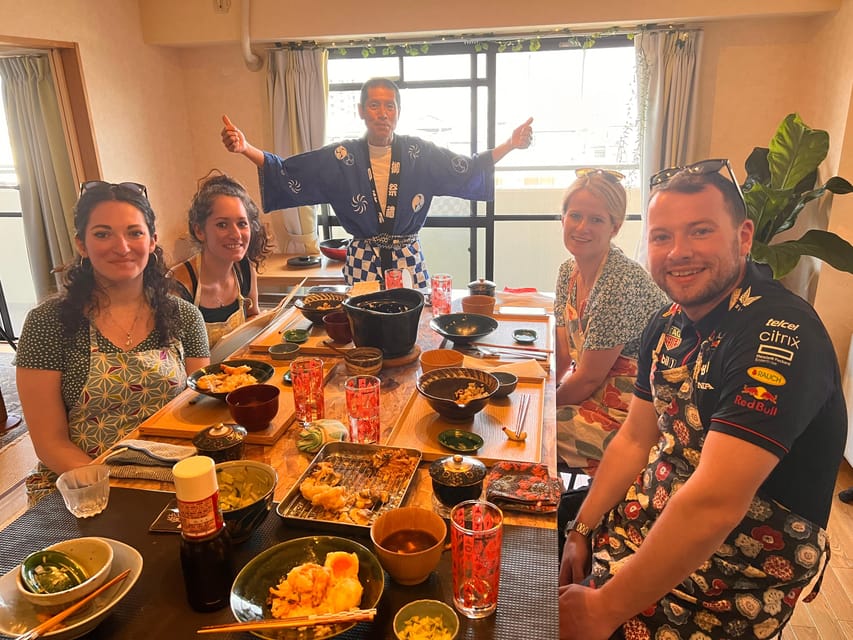
At $103 per person for a 3-hour class, the price can look steep if you compare it to casual food tours. But this is not casual. You are paying for a small-group, hands-on kitchen lesson inside a real Japanese home, with an instructor who works one-on-one in practice since there are only four seats.
Your money covers more than the lesson. It includes the full meal of what you cook, plus recipes and tips so you can repeat the dishes after you go home. Those printed notes matter. Many classes teach skills, but the value really comes when you can reproduce them.
Also, you are learning time-consuming work: noodle making, wrapper making, folding, and pan-frying. Store-bought noodles and wrappers would cut costs fast. Here, you are doing the labor, which is why the experience feels complete.
If you add the sake pairing, you get extra value through a thoughtful pairing experience, not just an extra drink.
Who Should Take This Class, and Who Might Hesitate
You should book this if you want gluten-free Japanese food that is built from scratch, not an adapted imitation. It is also a great fit if you want a skill you can repeat at home, because the lesson covers techniques for both noodles and gyoza.
It is especially good for people who like structured cooking with clear guidance. Yuki’s teaching style is described as patient and kind, and that matters when you are learning something hands-on and a little unfamiliar, like gluten-free dough texture.
You might hesitate if you are expecting a long, slow, leisurely cooking afternoon. This runs 3 hours, so everything happens at a working pace. You should also know it is not suitable for people over 95 years as stated.
And if you strongly dislike cooking, this may not be your best evening. This class is for people who want to roll up their sleeves and do the work.
Quick Practical Plan: Making the Most of Your 3 Hours
You can make your experience smoother with a few choices before you arrive.
- Come hungry. You will learn while cooking, but you will also want to enjoy what you make.
- Wear comfortable clothes. Dough handling is hands-on.
- Ask questions as you go. Yuki is there for step-by-step guidance.
- When you get to folding and pan-frying, focus on the look and feel, not just the timing. That is what helps you repeat it later.
Should You Book This Osaka Gluten-Free Ramen and Gyoza Class?
Book it if you want one evening in Osaka that gives you both technique and a real meal, with gluten-free ramen and gyoza built from scratch. The small group size, the fact that you cook almost everything, and the included recipes are the reasons it feels like more than a one-off food stop.
Skip it only if you want low effort, or if you would rather see cooking than do it. With gluten-free classes, the real value is in the method, and this one teaches the method.
If you are in Osaka and you care about eating well while learning something practical, this is an easy yes.
FAQ
How long is the Osaka gluten-free ramen and gyoza cooking class?
The class duration is 3 hours.
Is this class suitable for beginners?
Yes. The class states there is no prior cooking experience required.
How many people are in each class?
It is a small group limited to 4 participants.
What dishes will I make during the class?
You will learn to make gluten-free ramen noodles, soy sauce ramen, tomato ramen, gluten-free gyoza wrappers, and gyoza dumplings, including pan-frying them.
Is sake included?
Sake pairing is optional. If you choose it, it includes three 45 ml servings: two chilled (Junmai and Junmai Ginjo) and one warm Junmai.
Where is the meeting point?
The meeting point is 4-19 Nukata-cho, Osaka, about a 5-minute walk from Nukata Station. The venue is marked with a welcoming sign.
What should I bring?
Wear comfortable clothes suitable for cooking.
More Ramen Trips in Osaka
- Osaka: Five Must-See Highlights Walking Tour & Ramen Lunch
★ 4.7 · 411 reviews - Walking Tour of Osaka’s 5 Must-See Sights, with Ramen for Lunch
★ 5.0 · 158 reviews - Okonomiyaki or Ramen&Gyoza Class with Local Shop Tour
★ 4.9 · 9 reviews
Newly listed around Osaka
- Hiroshima and Miyajima Private Tour with English Speaking Driver★ 3.5 · 9 reviews
- Kyoto Top Four Highlights Day Trip from Osaka or Kyoto★ 5.0 · 18 reviews
- Kyoto & Nara Private Day Tour★ 4.5 · 45 reviews
- 【Family Friendly】Traditional Mochi Pounding Experience★ 5.0 · 26 reviews
- From Osaka: 10-hour Private Customizable Tour to Kyoto★ 4.5 · 8 reviews
- Osaka Highlights: 4Hrs Guided Walking Tour with a Native Expert★ 5.0 · 12 reviews
- Honor – Experience Samurai & traditional Culture to the fullest★ 5.0 · 32 reviews
- Osaka Highlights Walking Tour: Castle, Dotonbori & Hidden Gems★ 5.0 · 9 reviews
Japanese Cooking Workshops, compared.
Ramen Cooking Class at Ramen Factory in Kyoto
Read our review →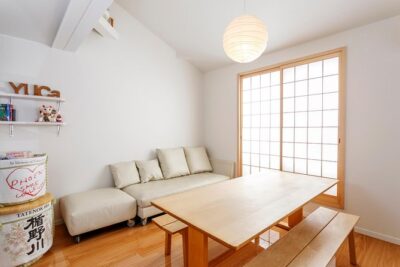
Ramen & Gyoza Cooking Class in Tokyo with Local Supermarket Visit
Read our review →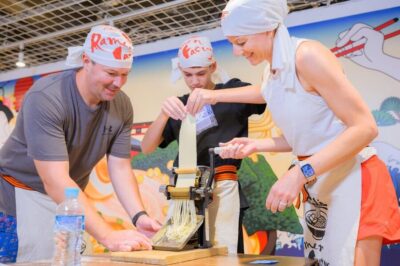
Ramen Cooking Class at a Ramen Factory with Souvenir
Read our review →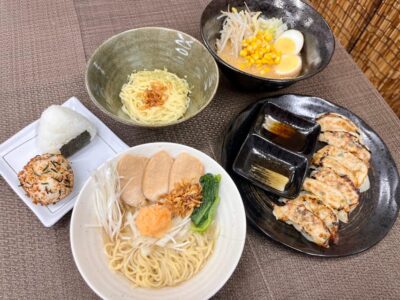
Japanese Washoku Bento Small Group Cooking Class
Read our review →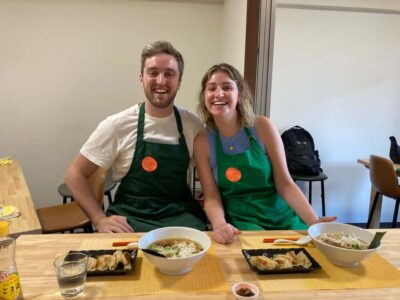
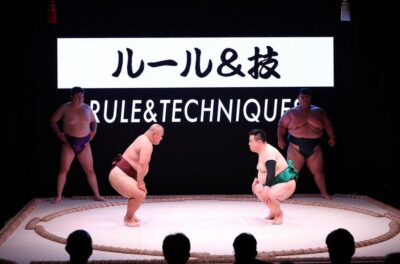
Sumo Stage Show with Bento or Snack + Fight & Photo
Read our review →