Review · SUSHI COOKING WORKSHOPS
Authentic SUSHI Course Cooking Class
Sushi class night in Osaka, done right. This small-group cooking experience teaches you the full flow of a Japanese sushi course, from making sushi rice to cooking miso soup and yakitori chicken, and you do it all at the table. I love the hands-on setup where you each make your own sushi rice using a wooden tub and paddle, not just watch someone else work. I also love that the menu is specific and complete, so you leave with a real sense of how the components fit together.
One possible drawback: the written take-home recipe can feel a bit light or less detailed than you might hope, so if you want to reproduce it later, stay engaged during the step-by-step teaching and ask questions while you’re still there.
If you like practical cooking, plus a bit of food culture, this is a very friendly way to spend an evening in Osaka. In recent classes, instructors such as Fumi and Sakura are praised for patience, clear explanations, and getting everyone involved, including people who book solo.
In This Review
- Key highlights you should care about
- First stop: Banix Kitahorie and the start-at-the-counter vibe
- Sushi rice is the lesson, not just the ingredient
- Tamagoyaki and egg sushi: learning the shape on purpose
- Dashi and miso soup: the umami lesson you can taste
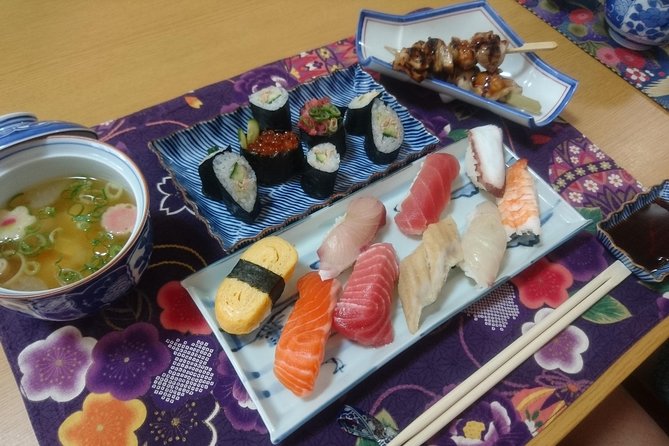
- Your sushi course menu: nigiri, gunkan maki, and one rolled sushi
- Yakitori chicken skewers: where you learn a second cooking skill
- Eating what you made, plus seasonal dessert
- Price and value in Osaka, from $99.08 per person
- Who this class fits best (and who might want to think twice)
- Practical tips before you go
- Should you book this Osaka sushi course?
- FAQ
- How long is the sushi course cooking class in Osaka?
- Is there a lunch option or only dinner?
- How big is the group?
- What dishes will I make during the class?
- Are ingredients included?
- Will I eat what I cook?
- What should I do if I have dietary requirements?
- Where do I meet for the class?
- What is the latest cancellation timeframe for a refund?
Key highlights you should care about
- Small-group format (up to 14, with some bookings capped at 8) means more hands-on attention
- Your own sushi rice station with a wooden tub and paddle, from scratch
- Tamago (rolled egg) on a rectangle pan for shaped egg sushi
- Dashi then miso soup with tofu and fancy vegetable cuts
- A full sushi set including nigiri, gunkan maki, and one rolled sushi
- Yakitori chicken skewers made and grilled during the class, plus seasonal dessert
First stop: Banix Kitahorie and the start-at-the-counter vibe
You meet at Banix 北堀江 Japan, 550-0014 Osaka, Nishi Ward, Kitahorie, 3-chōme 62 システマギャラリー. The listed start time is 5:30 pm, and the class ends back at the same meeting point. It’s an easy meeting if you’re using public transportation, and you’re not stuck with a long walk from a station.
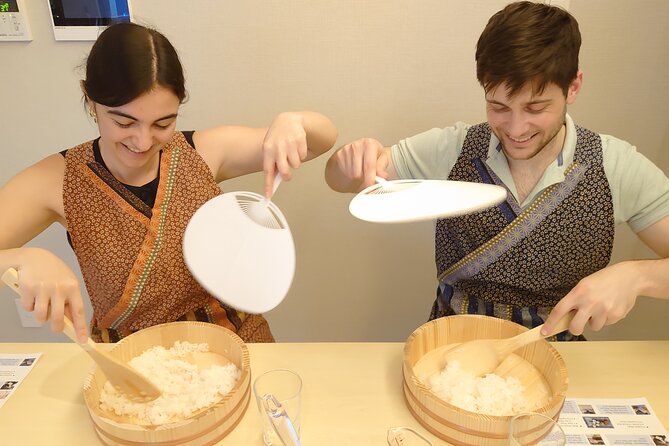
A small but meaningful detail: you start by putting on an apron, then jumping straight into sushi rice. That keeps the class from feeling like a slideshow. You’re learning the foundation first, and sushi rice is exactly where most people mess up when they try this at home.
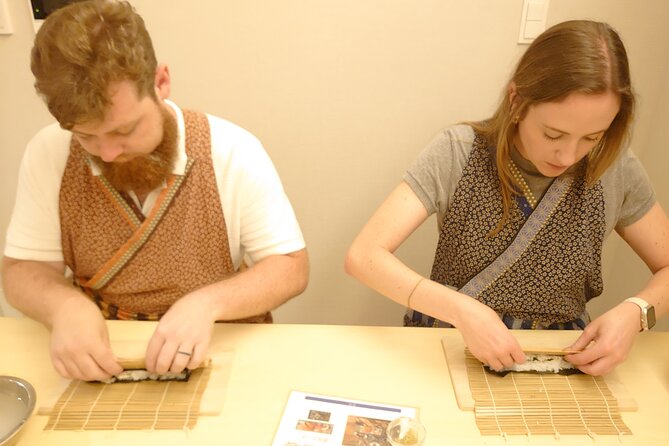
In practice, the kitchen setup matters. Each participant gets a wooden tub and paddle, and you make your sushi rice separately at the start. That setup is great value because you get your hands on the technique right away, instead of waiting your turn.
More Cooking Classes in Osaka
- Osaka: Ramen and Gyoza Cooking Class in Dotonbori
★ 5.0 · 378 reviews - Osaka Cooking Class: Okonomiyaki &Japanese cuisines experience
★ 5.0 · 261 reviews - Ramen and Gyoza Cooking Class in Osaka
★ 5.0 · 202 reviews
Sushi rice is the lesson, not just the ingredient
The class begins with making sushi rice from scratch. This is your base for everything else you’ll learn, and it’s also where the instructor can correct habits quickly. You learn how to season and handle the rice so it becomes workable for shaping and rolling.
The key skill here is texture control. Sushi rice is not just cooked rice. It needs the right cooling and seasoning so it’s sticky enough to shape, but not mushy. Since you’re working from your own tub, you get a more realistic feel for what the rice should look and do in your hands.
This matters for your future self. If you’ve ever tried to make sushi at home and found it too wet, too dry, or impossible to shape, you’ll recognize the difference the minute you practice the basics in a structured way.
Tamagoyaki and egg sushi: learning the shape on purpose
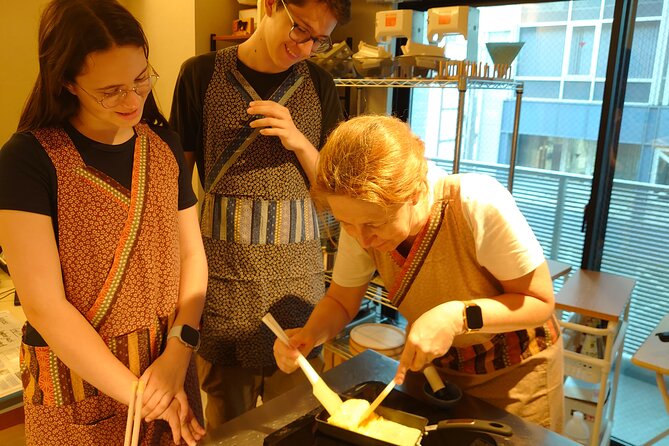
After sushi rice, you make rolled egg, the Japanese style that becomes tamagoyaki. You’ll use a rectangle-shaped frying pan, and you’ll work together with the class for the egg portion.
Why this is worth your time: tamagoyaki is less about tasting and more about technique. Layer by layer, you build an omelet you can cut cleanly and stack into the shapes that show up in sushi. The rectangle pan is a smart tool because it makes the rolling more consistent. Even if you’ve never rolled an omelet before, the pan design supports better results.
If you want a tangible takeaway, this is one of the most visual parts of the menu. You can point to the egg and say, I made that shape, with my hands, under guidance. That confidence carries over when you move on to seaweed rolls and nigiri.
Dashi and miso soup: the umami lesson you can taste
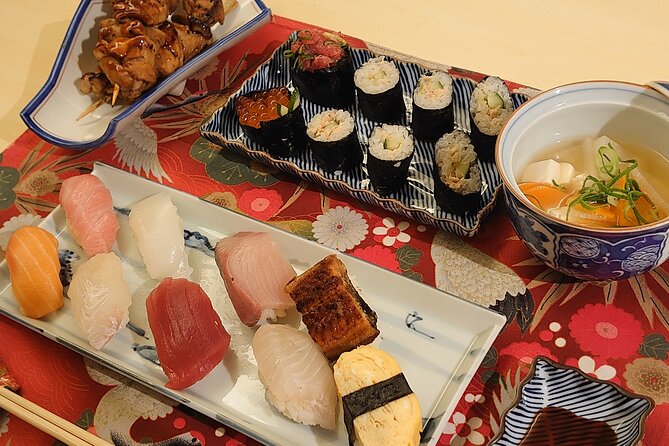
Next comes dashi, the broth foundation behind a lot of Japanese home cooking. After that, you make miso soup with tofu and vegetables cut into fancy shapes.
This is where the class earns its keep beyond sushi. Dashi gives you the flavor logic of Japanese cooking. From the feedback on these classes, instructors like Fumi have explained background concepts such as umami and bonito while you cook, so you’re not just copying steps. You understand why the flavor works.
For miso soup, the important lesson is timing and balance. Miso paste does not belong in boiling chaos. The class approach helps you learn how to treat miso so it stays flavorful without getting harsh. Plus, the vegetables and tofu make it feel like a plated meal, not just a cooking exercise.
One practical benefit: once you can make miso soup that tastes restaurant-level, you can turn that into a fast weeknight habit. You don’t need to be a sushi master to enjoy that payoff.
More Cooking Workshops in Osaka
- Osaka: Sumo Stage Show with Bento or Snack + Fight & Photo
★ 4.3 · 364 reviews - Osaka: Cooking Class Ramen & Gyoza Course in Nanba
★ 4.9 · 86 reviews - Osaka: Gluten-Free Ramen and Gyoza Cooking Class
★ 5.0 · 42 reviews - Osaka: Cooking Class & Sake Tasting with Local Market Visit
★ 4.8 · 31 reviews
Your sushi course menu: nigiri, gunkan maki, and one rolled sushi
In the class you make three kinds of sushi, including:
- 9 nigiri-sushi
- 2 gunkan-maki
- 1 rolled sushi
That’s a real range of techniques. Nigiri teaches you how to shape and balance rice with topping. Gunkan maki teaches you how seaweed cups can hold ingredients without falling apart. Rolled sushi teaches you how to manage wrapping and keep everything neat.
If you like skill building, this menu is a good match. You’re not only learning how to assemble one type. You’re practicing multiple sushi structures, so you understand the different jobs each one does.
Also, the class includes your ingredients. You’re not rationing supplies or scrambling for specialty items at the store. For a price point like $99.08 per person, having ingredients included is a big part of the value. You’re paying for instruction plus the full set of inputs, so your money turns into a complete meal and practical knowledge.
Yakitori chicken skewers: where you learn a second cooking skill
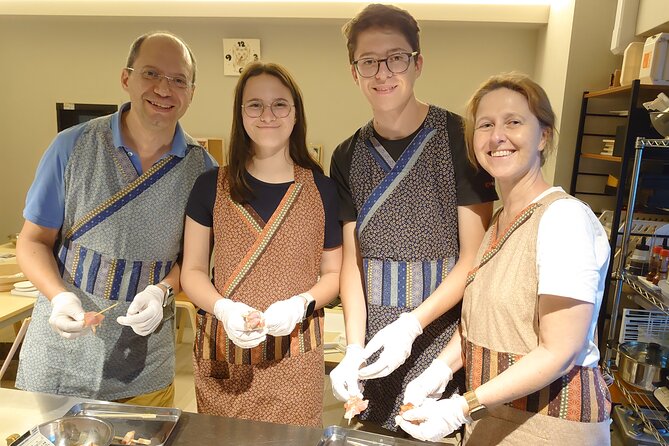
You also skewer the chicken and make yakitori. This is more than a garnish. It’s another cooking skill that complements the sushi focus, and it rounds out the meal so you get savory depth beyond raw fish-style thinking.
Skewering teaches consistency. Marinading teaches flavor distribution. Grilling teaches timing, and yakitori is very forgiving in the sense that you can adjust as you go. The class structure helps you learn the process in a guided way rather than guessing.
If your goal is to become the type of person who can host friends and put a real Japanese meal on the table, yakitori is a smart skill to pick up in the same night as sushi. You leave with two categories of technique, rice handling and grilling, which makes your next attempt easier.
Eating what you made, plus seasonal dessert
After cooking, you plate your dishes, set up chopsticks, and start your meal with Itadakimasu. Then you enjoy what you made as a full sitting meal.
That meal moment is a big deal because it closes the feedback loop. You learn, taste, and connect the result to the steps you just did. It’s also why this kind of class can feel better than a cook-along where the food is eaten later, after everyone is done.
You also get complimentary seasonal dessert. Some sweets are included as part of the experience, so expect a sweet finish that’s simple but satisfying. One recent review noted they even took dessert home later, which hints at how thoughtfully it’s handled.
Price and value in Osaka, from $99.08 per person
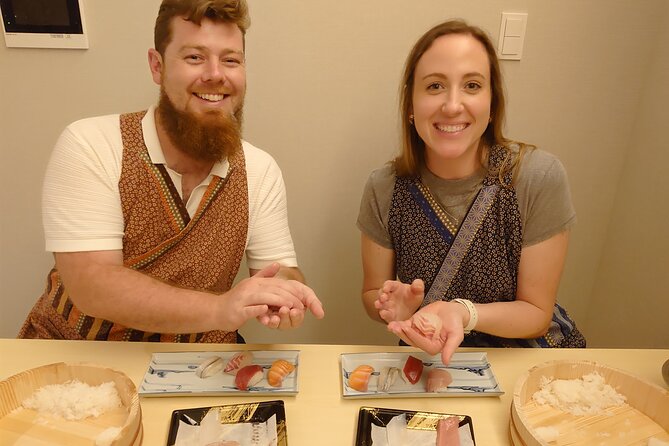
At $99.08 per person for about 2 hours 30 minutes, this isn’t the cheapest thing on a Japanese itinerary, but it also doesn’t pretend to be “just a snack.” For that price, you get:
- Instruction from a professional chef-level teacher during a hands-on class
- Ingredients included for the full menu
- A multi-item sushi course plus miso soup and yakitori
- A finished meal you eat right there
- Seasonal dessert and some sweets
When you compare this to buying ingredients yourself, the math can change quickly. Sushi-grade items, miso soup components, dashi ingredients, and yakitori supplies add up. You’re also paying for time, tools, and the corrections that help you avoid common mistakes.
The “small group” part is where the value sharpens. When group sizes stay tight, you get more chances to ask, adjust, and actually learn the why behind the cooking.
Who this class fits best (and who might want to think twice)
This experience is a great fit if you:
- Want a structured sushi course, not a one-item crash class
- Like hands-on lessons where you practice with your own tools
- Want more than sushi, including dashi, miso soup, and yakitori
- Appreciate instructors who explain background concepts such as umami and bonito
It’s also a good option if you’re solo. One review specifically mentioned it felt unique and enjoyable even when only one participant was booked, and that’s a good sign that the class is built to keep individuals included rather than stuck watching.
The main reason to think twice is the take-home materials. If you expect a super detailed written recipe and you want to follow it later without asking questions, you might find the recipe provided is not heavy on every step. In that case, plan to learn in the moment and take notes during the class.
Practical tips before you go
A few things will make your class smoother:
- If you have dietary requirements, advise them at time of booking. The class asks for this, so communicate early.
- Wear comfortable clothes. You’ll be standing and working at the table for roughly 2.5 hours.
- Be ready for interaction. The feedback highlights that instructors involve everyone, so come with curiosity and a willingness to get your hands a bit messy.
- If you learn best by asking questions, do it during the rice and shaping stages. That’s when corrections matter most.
Also, double-check your schedule choice. The class offers lunch or dinnertime options, but the meeting point details provided here list a 5:30 pm start.
Should you book this Osaka sushi course?
Book it if you want a high-skill night out where the result is not just a photo, it’s dinner made by your own hands. The combination of sushi rice technique, tamagoyaki on a rectangle pan, dashi and miso soup, plus yakitori chicken gives you a broader Japanese cooking foundation than most single-focus classes.
Skip it only if you’re strictly budget-first and you already have everything to cook at home without instruction, or if your top priority is a super detailed take-home cookbook-style recipe. Otherwise, this is one of those “worth it” evenings that turns learning into a real meal you can taste, finish, and repeat later.
FAQ
How long is the sushi course cooking class in Osaka?
The class runs for about 2 hours 30 minutes.
Is there a lunch option or only dinner?
You can choose either a lunch or a dinnertime class to fit your schedule.
How big is the group?
It’s a small-group experience with a maximum of 14 participants, and this booking also lists a maximum of 8 travelers.
What dishes will I make during the class?
You make sushi rice, rolled egg, dashi, miso soup, three types of sushi (nigiri, gunkan maki, and rolled sushi), and yakitori chicken.
Are ingredients included?
Yes. The class includes all ingredients needed for the dishes, plus some sweets to enjoy afterward.
Will I eat what I cook?
Yes. At the end, you plate the dishes and enjoy the meal you made, served with seasonal dessert.
What should I do if I have dietary requirements?
You should advise any specific dietary requirements at the time of booking.
Where do I meet for the class?
The meeting point listed is Banix 北堀江 Japan, 550-0014 Osaka, Nishi Ward, Kitahorie, 3-chōme 62 システマギャラリー.
What is the latest cancellation timeframe for a refund?
You can cancel up to 24 hours in advance for a full refund. If you cancel less than 24 hours before the start time, the amount paid is not refunded.
More Sushi Workshops in Osaka
- Sushi Making Osaka! Popular Sushi Class in Japan!
★ 5.0 · 500 reviews - Osaka Sushi Making Experience
★ 5.0 · 400 reviews - Osaka: Roll and Authentic Sushi Making Class in Dotonbori
★ 4.9 · 239 reviews - Osaka: Sushi Class in Dotonbori
★ 4.9 · 160 reviews
Newly listed around Osaka
- Kyoto and Nara Day Trip from Osaka★ 4.0 · 175 reviews
- 【Private】Sushi Making Osaka! Omakase Cooking Class in Japan!★ 5.0 · 9 reviews
- Kyoto & Nara & Uji: Full Day Sightseeing Tour from Osaka or Kyoto★ 4.5 · 39 reviews
- Kyoto Full Day Sightseeing Tour from Osaka or Kyoto★ 4.0 · 29 reviews
- Umeda Sky Building KUCHU-TEIEN OBSERVATORY★ 5.0 · 8 reviews
- Amanohashidate & Ine Funaya Kyoto coast day trip from Osaka/Kyoto★ 4.5 · 17 reviews
- Kyoto One Day Sightseeing Tour from Osaka or Kyoto★ 4.5 · 8 reviews
- Kitchen of Nation Food Tour★ 5.0 · 7 reviews
Sushi Cooking Workshops, compared.
Sushi Making Tokyo Roll and Authentic Japanese Sushi Class
Read our review →
Roll and Authentic Sushi Making Class in Asakusa
Read our review →
Sushi Making Class in a Happi Coat near a Famous Spot
Read our review →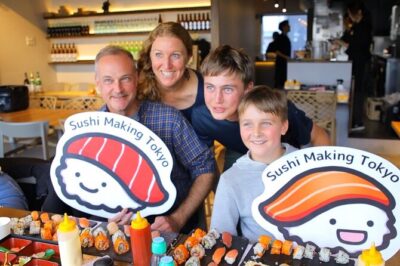
Sushi Making Tokyo! Popular Maki Sushi & Japanese Sushi(+Recipe!)
Read our review →
Tokyo Sushi Making Class in Tsukiji with Professional Chef
Read our review →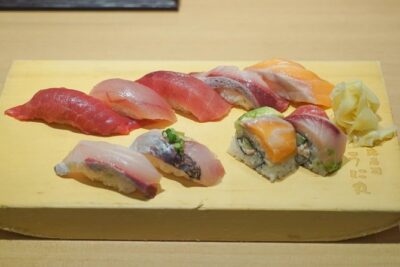
Tokyo Night Foodie Tour in Shinjuku – Seasonal Sushi, Wagyu Beef
Read our review →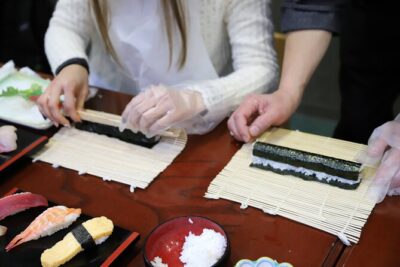
Tsukiji Fish Market Guided Tour and Sushi Making with Pro Chef
Read our review →