
Review · KIMONO & YUKATA RENTALS
Kimono Art Workshop in Tokyo
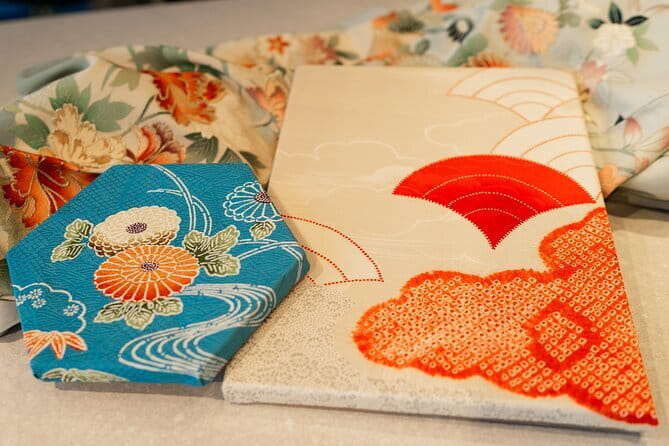
Kimono history, minus the museum fatigue. In Tokyo, this kimono art workshop turns repurposed vintage textiles into a take-home panel, and it does it at a relaxed pace. I especially liked the fabric-picking moment and the way instructor Yuki (with Kasumi as her colleague) explains things in clear, friendly English. One possible drawback is the time is tight, so it is a single art panel project, not a full kimono-making class.
You also get a practical look at how kimono styles vary by region, with choices like Bingata from Okinawa and patterns linked to Kyoto, Kanazawa, and the Amami area. It is a small-group setup (max 6), so questions actually happen, and the whole experience stays calm. If you want a quick souvenir, this delivers. If you want hours of sewing practice, you might find it too short.
In This Review
- Key things to know
- Kimono art in 90 minutes: what you actually make
- Meeting in Hatchobori and starting with kimono culture
- Choosing vintage textiles from Japan’s regions
- Turning fabric into a take-home panel (beginner-friendly)
- Why repurposed kimono fabric feels different
- Price, group size, and timing, plus what to watch for
- Who should book this workshop
- Should you book this kimono art workshop in Tokyo?
- FAQ
- How long is the kimono art workshop?
- Where is the meeting point in Tokyo?
- What is included in the price?
- Is hotel pickup or drop-off included?
- How many people are in the group?
- What will I make and take home?
- Does the instructor speak English?
- What is the cancellation policy?
Key things to know
- A take-home kimono art panel made from repurposed vintage fabric
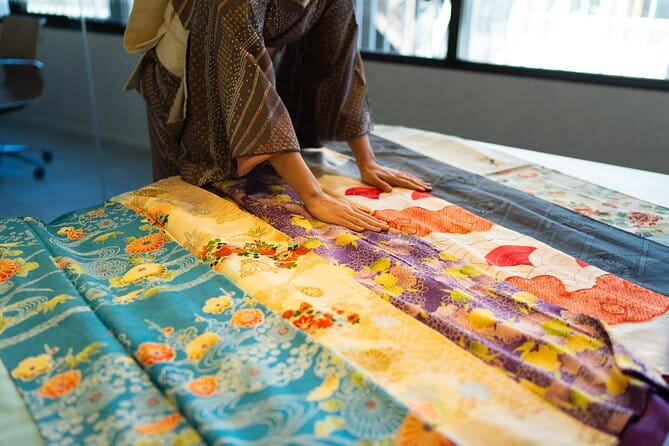
- Regional kimono style options such as Bingata, Oshima Tsumugi, Kaga Yuzen, and Kyo Yuzen
- Small group size (up to 6) for real guidance
- Instructor Yuki and Kasumi leading the workshop, with English support noted in participant feedback
- All materials included, so you only show up and work
Kimono art in 90 minutes: what you actually make
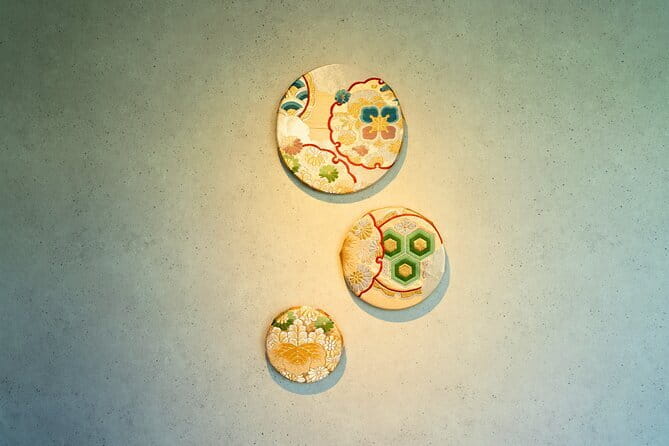
This is a hands-on workshop where you leave with something you can hang or gift, not just photos. You start by learning about kimono culture and traditional kimono styles from different parts of Japan, then you select fabric and pattern pieces from the workshop’s vintage options.
The result is your own kimono art panel. You will use simple techniques under the guidance of your instructor to repurpose your selected textiles into a finished piece. The panel is designed to be a keepsake, so you are not trying to master garment construction or complicated dressmaking in a single session.
In plain terms: you get a cultural lesson, then you do a creative project that turns that lesson into something physical. It is a great match for people who want a meaningful Tokyo activity without committing to a half-day or whole-day class.
More Kimono Rentals in Tokyo
- Kimono Tea Ceremony at Tokyo, Asakusa Maikoya
★ 5.0 · 638 reviews - Tokyo: Kimono Dressing, Walking, and Photography Session
★ 4.9 · 427 reviews - Let’s make kimono !(Kimono is a gift for you
★ 5.0 · 252 reviews
Meeting in Hatchobori and starting with kimono culture
The workshop meets at Hatchobori Third, at 3-chōme-14-4 Hatchōbori, Chuo City, Tokyo 104-0032, Japan. The activity ends back at the meeting point, so you are not juggling a second location later.
Expect the session to open with a short lecture and conversation. The focus is not just on what kimonos look like, but on what patterns mean and how styles vary across regions. One of the strongest themes from participant feedback is that instruction stays informative and relaxed at the same time.
A key detail I think is worth underlining: this workshop is designed for beginners. Most people can participate, and the instructors provide clear steps once you start crafting your panel. If you have been rushing around Tokyo, this format works well because you shift from walking and crowds to sitting down, listening, and making something with your hands.
English support is a big plus here. In the feedback you provided, instructor Yuki-san is specifically mentioned as being friendly and able to teach in English, and the guidance is described as clear. That matters if your Japanese is limited, because you can spend your attention on the art instead of decoding every step.
Choosing vintage textiles from Japan’s regions
The most fun part is choosing what you want to work with. This workshop lets you pick from a set of vintage kimono fabric patterns, repurposed for art. Instead of one generic kimono look, you get options tied to regional style identities.
The examples listed in the workshop description are:
- Bingata from Okinawa
- Oshima Tsumugi from Amami
- Kaga Yuzen from Kanazawa
- Kyo Yuzen from Kyoto
You do not just choose for beauty. You also learn about the cultural significance of kimono patterns and the depth behind design choices. One participant feedback note highlights getting context about the meanings behind designs, and another mentions learning the history of kimonos and how they are still worn today.
A practical way to think about your fabric choice: pick what you can imagine living with. If you want something that looks great in your room, choose a pattern and colorway that matches your space. If you want a more giftable souvenir, consider a design that reads clearly from a distance.
Also, look at the selection like a sampler. The whole point is to see how kimono aesthetics shift by region, so trying a fabric option from a different area can make your souvenir feel more like a Tokyo-specific learning moment, not just a random arts-and-crafts purchase.
Turning fabric into a take-home panel (beginner-friendly)
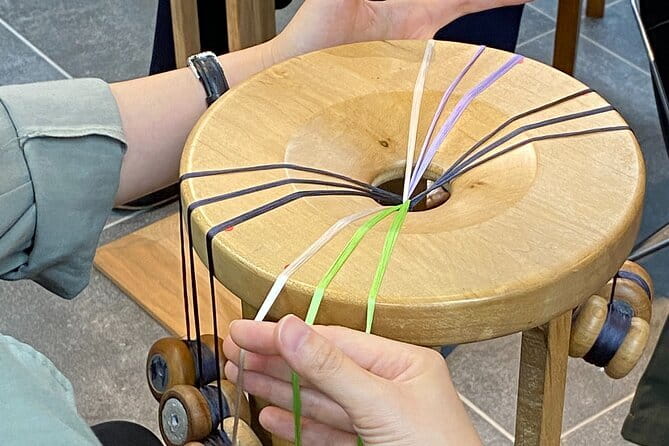
Once you choose your fabric and pattern, the workshop moves into making mode. You work with materials provided by the workshop, and the instructor guides you through the process using simple techniques.
From the feedback you shared, the vibe is that the craft side feels more intuitive than people expect. In multiple accounts, participants describe the instructions as clear, and they mention how satisfying the project becomes once they see what they are building toward. That is a big deal for a beginner-friendly workshop, because you do not want to spend 90 minutes feeling stuck.
Your final product is a framed-style wall art panel or similar keepsake format, designed to be taken home. Even if you are not into DIY, this type of workshop usually works because it gives you a clear beginning and end. You can focus on creating something attractive, while still learning why kimono design looks the way it does.
One thoughtful consideration: because it is a short workshop, you should expect a single finished panel rather than open-ended experimentation. If you love crafting and want to keep going, you might be tempted to do more later, but the workshop itself is intentionally time-limited.
A different sort of day in Japan:
- Mt Fuji and Hakone 1-Day Bus Tour Return by Bullet Train
★ 5.0 · 26,383 reviews - 1-Day Tokyo Bus Tour
★ 5.0 · 14,250 reviews - Tokyo: TOKYO SKYTREE® Admission ticket
★ 4.5 · 11,192 reviews - Tokyo: teamLab Planets TOKYO Digital Art Museum Entry Ticket
★ 4.6 · 9,779 reviews
Why repurposed kimono fabric feels different
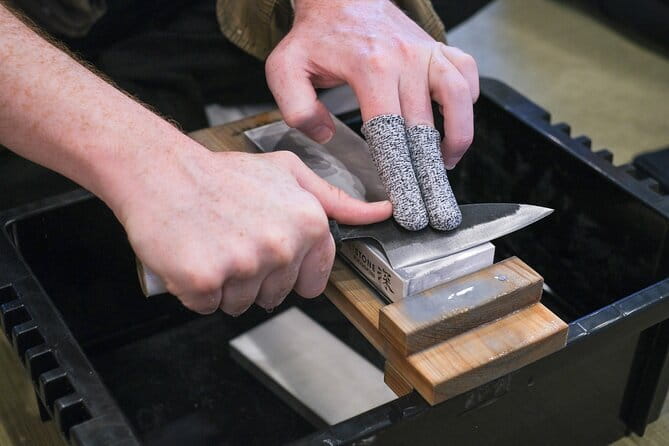
A big part of the appeal is that this is an eco-friendly approach. Instead of using brand-new materials, the workshop repurposes authentic vintage kimono fabrics. That gives the project a deeper emotional value.
You are not only making art, you are extending the life of textiles that already have a history in their original form. Several pieces of participant feedback directly mention the satisfaction of repurposing textiles no longer serving their original purpose. That is not just a feel-good story either. It also changes how you approach the work, because the fabric feels meaningful in your hands.
This matters for you as a buyer, too. A souvenir that is created by you tends to feel more personal than something you shop for on a street. The panel becomes a memory anchor, the kind you can see every day rather than something you pack away.
Price, group size, and timing, plus what to watch for
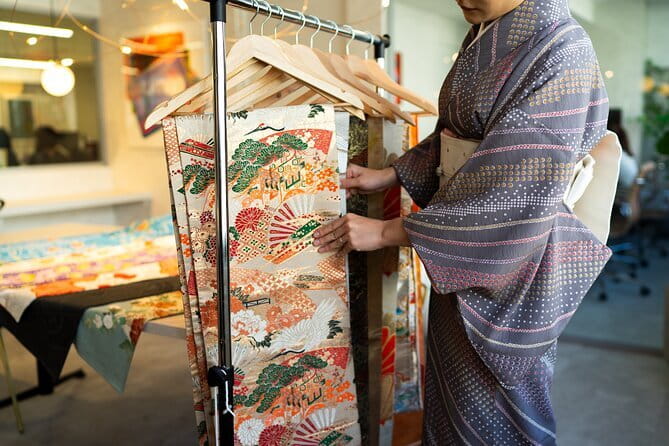
Price is $58.79 per person for a session around 1 hour 30 minutes. You also get workshop participation, instruction by a kimono expert, and all materials needed to create the panel. You do not pay extra for supplies.
That is what makes the pricing feel reasonable. You are paying for guided teaching, high-value materials (vintage textiles), and an end product you can take home. If you compare it to buying a finished artisan item without the learning component, the value shifts toward the workshop.
Group size is small, with a maximum of 6 travelers. This keeps the pace comfortable and gives you room to ask questions while you work. The meeting point is in central Tokyo at Hatchobori, and it is described as near public transportation. A mobile ticket is included, so you can keep things simple on the day.
Timing note: the listing data indicates this is commonly booked about 47 days in advance on average. That is not just trivia. If you are traveling during a busy season or with a tight schedule, you will want to book early so you can pick a time that fits your itinerary.
What to watch for is mainly expectation-setting. This is a panel art session. It is not a lengthy tailoring course. If you want a deep dive into sewing a full kimono garment, you will likely feel constrained by the format.
Who should book this workshop
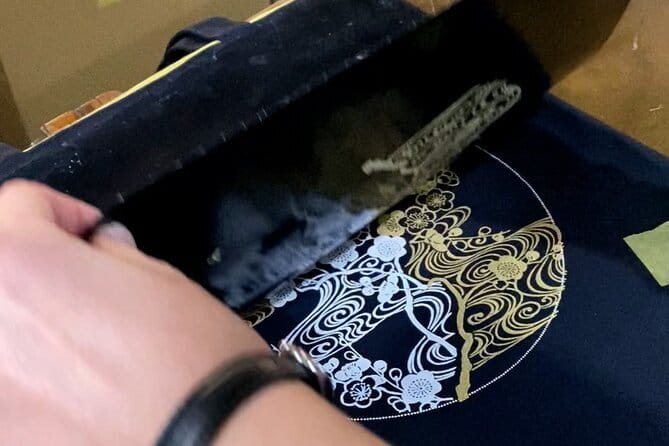
This is a great fit if you want:
- A relaxing break from the pace of Tokyo sightseeing
- Hands-on learning with clear instruction rather than a lecture-only experience
- A souvenir that is made by you, using vintage kimono fabric linked to real regional styles
It is especially strong for people who enjoy culture plus a practical craft output. The lecture part is not presented as dry. The feedback you provided repeatedly calls the experience both informative and relaxed, and that is exactly the right tone for beginners.
It also suits people who want modern access to a traditional craft concept. You get guidance from instructors like Yuki and Kasumi, and you have English support described in the feedback. If language is a concern, that is a reassuring factor.
If you are traveling solo, this kind of workshop is often easier than group tours because you are seated and working on the same project. If you are traveling as a couple or small group, the limited class size makes it feel personal without being isolating.
Should you book this kimono art workshop in Tokyo?
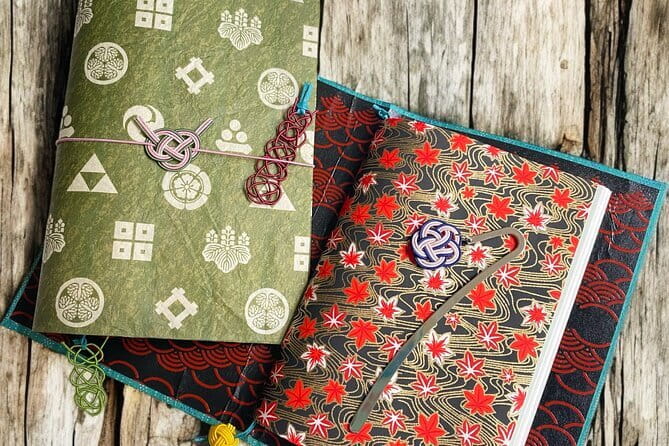
Book it if you want a calm, creative activity with real cultural context, and you like the idea of taking home something you made from vintage textiles. The combination of a kimono learning component plus a finished take-home panel makes it a smart use of time, especially if your Tokyo days are otherwise packed.
Skip it if you are looking for a longer, more intense craft program or a full garment workshop. This is one panel, in one short session. But if that matches your goal, it is a strong value at under $60, with materials and expert guidance included, and a setup that stays friendly and approachable.
FAQ
How long is the kimono art workshop?
The workshop lasts about 1 hour 30 minutes.
Where is the meeting point in Tokyo?
The meeting point is at Hatchobori Third, 3-chōme-14-4 Hatchōbori, Chuo City, Tokyo 104-0032, Japan.
What is included in the price?
The price includes the workshop participation fee, instruction by a kimono expert, and all materials necessary to create your kimono art panel.
Is hotel pickup or drop-off included?
No. Hotel pickup and drop-off are not included. The activity ends back at the meeting point.
How many people are in the group?
The workshop has a maximum group size of 6 travelers.
What will I make and take home?
You will create a kimono art panel using selected vintage kimono fabrics and patterns, and you take your finished piece home.
Does the instructor speak English?
The provided feedback notes that Yuki-san can speak English and gives instruction and guidance in a way that participants found clear.
What is the cancellation policy?
You can cancel for a full refund if you cancel up to 24 hours in advance of the experience start time. If you cancel less than 24 hours before, the amount paid is not refunded.
Newly listed around Tokyo
- Private Tokyo Food Tour – A Journey Through Time Through Food★ 5.0 · 36 reviews
- Private Tokyo Tour with Licensed Guide & Vehicle (Max 15 persons)★ 5.0 · 107 reviews
- Private Tokyo Custom Full-Day Tour by Chartered Vehicle★ 5.0 · 16 reviews
- Private Tokyo Custom Half-Day Tour by Chartered Vehicle★ 4.5 · 13 reviews
- Private Outstanding Nikko Tour with English Speaking Driver★ 4.0 · 11 reviews
- Private Sightseeing to Mt Fuji and Hakone with English Driver★ 5.0 · 51 reviews
- Private Snow Monkeys park Day Trip From Tokyo or Nagano★ 4.5 · 26 reviews
- 4 Day Tour – Mount. Fuji, Tokyo, Hakone, Kamakura and Yokohama★ 5.0 · 19 reviews
Kimono & Yukata Rentals, compared.

Sumo Show & Experience w/ Optional Kimono & Hot Pot
Read our review →
Kimono Dressing, Walking, and Photography Session
Read our review →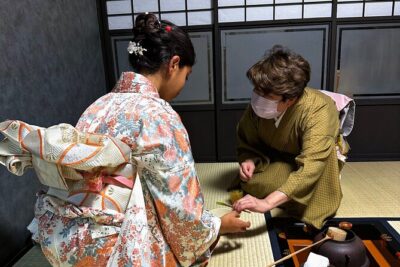
KYOTO Tea Ceremony with kimono near by Imamiya Jinjya Shrine
Read our review →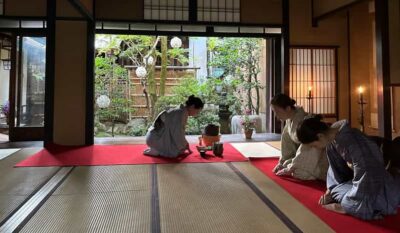
Kimono and Tea Ceremony Experience at Cultural Asset
Read our review →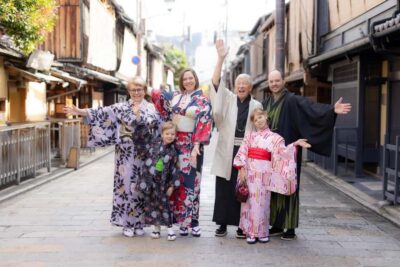
Browse the lists this tour appears in