
Review · KIMONO & YUKATA RENTALS
Let’s make kimono !(Kimono is a gift for you
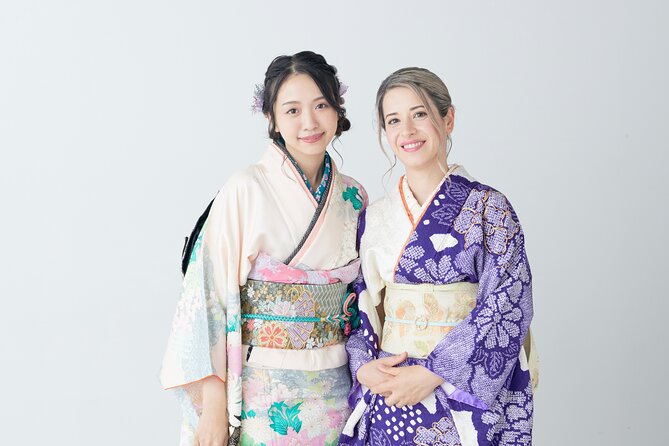
A kimono that fits you is surprisingly powerful. This small-group workshop lets you pick from vintage kimono options, get a free obi rental, and learn the steps to wear it, with friendly help from Oto Ha, plus photo time in your finished look. I love the hands-on customizing for your body, and the chance to make something you can actually wear again. The main thing to consider is that vintage fabric can have light stains in spots, and the more ornate upgrades cost extra.
You can do it in a Tokyo morning or afternoon session, and it runs about 1 hour 30 minutes with a maximum of 5 travelers. There are women’s, men’s, and children’s tracks, and kids may follow a slightly different flow depending on the kimono style. You also get a mobile ticket, so you are not hunting paper receipts on arrival.
In This Review
- Key things that make this kimono class worth your time
- Where you go: a calmer Tokyo setting in Kiba
- What the Gold Award means for your experience
- Choosing your vintage kimono: the fun starts with the fabric
- How the fitting and tailoring works (and why it is not just a rental)
- Obi basics: the free rental that makes the whole outfit click
- Women’s kimono track: picking, fitting, learning, photos
- Men’s kimono track: Kanji name, font color, and an iron-on finish
- Kids kimono options: girls and boys, with different fitting needs
- Photos that actually help you remember the look
- Price and value: $43.11 for a real workshop, plus upgrade choices
- What to wear and how to be ready
- The best fit: who should book this kimono experience
- Small considerations before you commit
- Should you book Let’s Make Kimono in Tokyo?
- FAQ
- Is a free obi rental included?
- What is the duration of the workshop?
- Are there morning and afternoon sessions?
- Are there different options for women, men, and kids?
- Can men personalize their kimono?
- Can kids have their names added too?
- What is not included in the price?
- Are kimonos vintage, and could there be stains?
- What is the group size?
- What is the cancellation policy?
Key things that make this kimono class worth your time
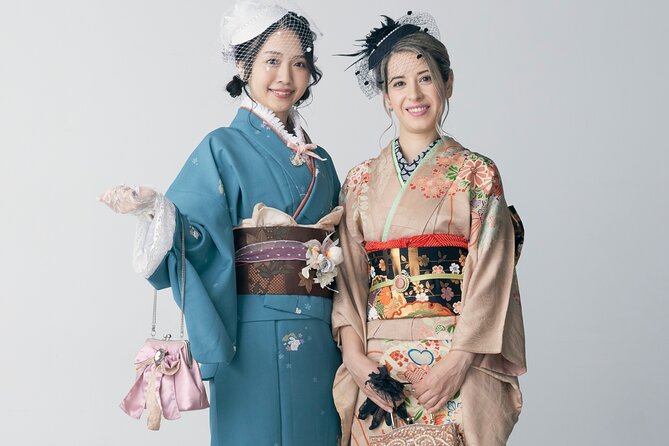
- Free obi rental included: you get obi basics set up for the look, with optional purchases if you want to upgrade.
- Vintage kimono selection, not one-size rentals: you choose the fabric and pattern first, then it is tailored to you.
- Real fitting and wear coaching: you learn how to handle the pieces, not just where to stand for a photo.
- Men’s customization details: your name can be added in Kanji, with font color choice, and iron-on placement.
- Kids can join in with their own options: some children’s kimono do not require cutting, so fitting can be simpler.
- Omotenashi Selection Gold Award: the studio has been recognized by foreigners living in Japan for outstanding service.
Where you go: a calmer Tokyo setting in Kiba
This experience starts and ends at the same place in Kiba, Koto City, Tokyo: 6-chōme-8-6 Kiba. The address is in a residential area, and that matters more than people think. Tokyo can feel like one long loop of train stations and shopping streets, so arriving in a quieter neighborhood makes the class feel more local and less like a production line.
You will likely want to plan a little buffer for finding the studio the first time. The good news: it is near public transportation, and the staff is used to helping people get oriented. You also get a mobile ticket, which keeps things simple the day of.
Group size is capped at 5 travelers. That is a big deal for kimono workshops, because fitting takes time and kimono handling is not natural at first. With a small group, you get the kind of one-on-one help that makes the difference between wearing it awkwardly and wearing it confidently.
More Kimono Rentals in Tokyo
- Kimono Tea Ceremony at Tokyo, Asakusa Maikoya
★ 5.0 · 638 reviews - Tokyo: Kimono Dressing, Walking, and Photography Session
★ 4.9 · 427 reviews - Tokyo: Matcha and Kimono Experience
★ 4.7 · 219 reviews
What the Gold Award means for your experience
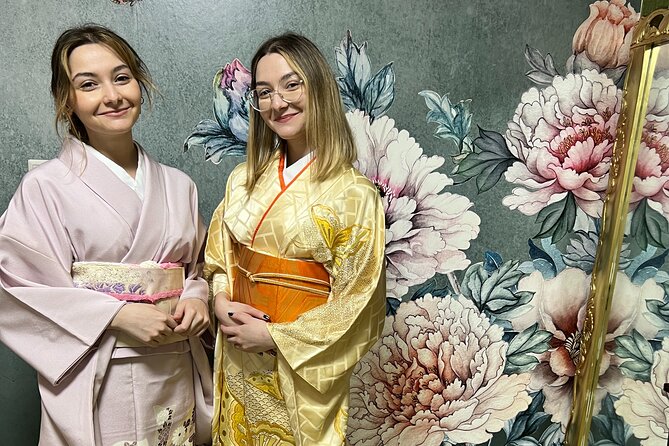
You are not just walking into a fun craft session. The studio has received the Gold Award at the Omotenashi Selection, which is chosen by a panel of foreigners living in Japan for standout products and services.
In practical terms, that typically shows up in the basics: clear communication, patient teaching, and staff who notice what you need before you ask. You can feel it when instructions are simple and the process keeps moving, especially when kimono fitting is involved. One thing I also like about this kind of recognized service is that it tends to be consistent. You are not gambling on a “good day” for the instructor.
Choosing your vintage kimono: the fun starts with the fabric
The biggest emotional win here is that you do not start with a generic rental. You start by choosing a kimono style you actually like.
For women’s kimono, you select your vintage kimono, then customize it to your size. You can choose from included basics, or upgrade for more ornate options. The stated upgrade range for women’s kimonos is JYP2,000 to 6,000, depending on what you choose. That matters for budgeting because you can treat it like a menu: keep it simple, or go for the more detailed look.
For men’s kimono, the options work a little differently. You select your kimono, and if you want a haori plus kimono set, that is an additional JYP2,000. You then personalize the outfit with your name in Kanji, and you choose the font color. The kit includes an iron-on step for the kimono customization, which helps you leave with a finished, personal look rather than a half-done craft.
One practical note: because the kimonos are vintage, there can be light stains in some areas. That does not mean the kimono is ruined, but it is important for your expectations. If you are the type who hates even tiny marks, this is your heads-up.
How the fitting and tailoring works (and why it is not just a rental)
This is the part that turns a “try on” into a real workshop.
You are not simply handed a kimono and told to wear it. You learn how to put it on correctly, and you customize the fit so it works for your body. For men and women, that typically means adjusting to your proportions so it sits well at the waist and across your frame. The studio is set up for this, and you have support if you need help with the technique.
Some visitors also point out that the final wearable piece can be designed to feel easier to put on later. That is the core idea behind the experience: you get the real look of kimono, but you learn the practical way to wear it without needing years of training.
If you are tall, larger, or just worried standard kimono will not fit, this is one of the reasons the workshop is so appealing. You can often get a better outcome here than with rental sizes that were never meant for your body shape.
A different sort of day in Japan:
- Mt Fuji and Hakone 1-Day Bus Tour Return by Bullet Train
★ 5.0 · 26,383 reviews - 1-Day Tokyo Bus Tour
★ 5.0 · 14,250 reviews - Tokyo: TOKYO SKYTREE® Admission ticket
★ 4.5 · 11,192 reviews - Tokyo: teamLab Planets TOKYO Digital Art Museum Entry Ticket
★ 4.6 · 9,779 reviews
Obi basics: the free rental that makes the whole outfit click
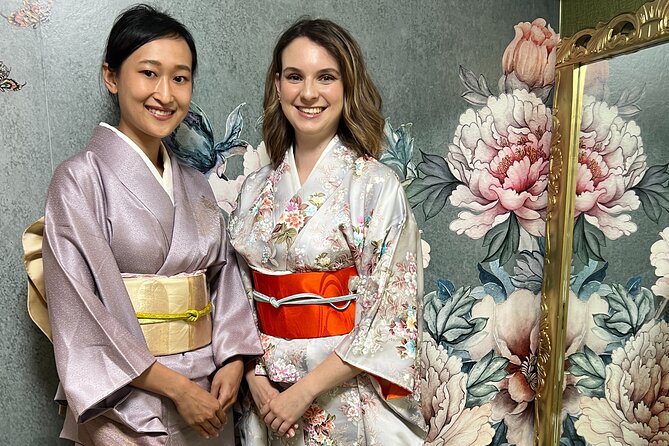
A kimono without an obi is like a song without the chorus. Here, you get a free obi rental included, plus obiage and obijime, and an obi pillow, also available as free rentals.
You are not stuck with one option. Obi sets are available for purchase if you want to take your look further, or if you fall in love with a style. The free rental still matters because it lets you focus on learning the placement and getting the silhouette right.
Practical tip: decide your kimono first, then treat the obi like the framing. A bold pattern kimono can handle a more understated obi. An understated kimono may look best with a slightly more decorative obi. The studio can guide you, especially if you are upgrading.
Women’s kimono track: picking, fitting, learning, photos
The women’s session is built around a simple flow.
First, you choose your kimono. Then the staff helps customize it to your size, so it fits your proportions. After that, you learn how to wear it, piece by piece, until you can replicate the look without panicking. The session ends with photo time in your finished outfit.
This is a great track if you want the classic kimono experience with a clear outcome: you leave with a wearable kimono setup and photos to remember what you made.
What to watch for: the more ornate kimono upgrades are an option, not automatically included in the base price. If you want a more complex fabric or design, you should be mentally ready for the added cost.
Men’s kimono track: Kanji name, font color, and an iron-on finish
If you want a kimono that feels personal, the men’s track is especially fun. You start by selecting the kimono, then you print your name in Kanji. You also choose the color of the font, which is a detail that turns it from costume to something that looks intentional.
There is an iron-on step for the kimono, so you can walk away with the name placed neatly and securely. Then you move through dressing guidance and end with photo time.
This track is ideal if you enjoy small design decisions. You get to choose color, placement style, and the Kanji itself, so you end up with a kimono that looks like it belongs to you.
Kids kimono options: girls and boys, with different fitting needs
Kids can join, and the main thing to understand is that children’s selections can follow a different itinerary than women’s. That matters because it changes the pace and fitting method.
For girls, some children’s kimono do not require adjustment. That means the fit can be easier, and you might be able to wear it without cutting material, depending on what you choose. For boys, the customization is name-based, with printing in Japanese on the collar.
If you are traveling with kids, this workshop is a rare kind of cultural activity that does not feel like a rushed photo stop. The small group size helps here too, because staff can work patiently.
Photos that actually help you remember the look
Photo time is built into the experience for both women and men. The photos matter because kimono is tricky to understand from pictures online. Once you see how the obi sits, how the sleeves fall, and how the layers work, the whole garment makes more sense.
Also, photos are useful if you plan to wear your kimono again later. You can reference your own images to remember how it looked in the studio and how the pieces should sit.
If your phone battery is running low while you travel, this kind of studio photo support can still be a big relief, since you are not juggling camera settings on the spot.
Price and value: $43.11 for a real workshop, plus upgrade choices
At $43.11 per person, this is one of those Tokyo experiences that feels fair because it includes the core materials and instruction, not just the rental.
Included items are:
- the kimono
- a free obi rental (available for purchase)
- obiage, obijime, and an obi pillow (also available for purchase)
Not included are Japanese sandals and tabi. That is normal for many kimono experiences, but it is worth planning for if you want the full outfit look for photos.
Here is how to think about value:
- You are paying for teaching and fitting time in a small group, not only fabric access.
- You are getting customization so the outfit works for your body.
- You leave with the wearable result, which changes the math from “entertainment cost” to “souvenir that you can use.”
How the upgrades affect cost:
- Women’s ornate kimono options are listed as JYP2,000 to 6,000 extra.
- Men’s haori plus kimono set is an additional JYP2,000.
- Obi items are available for purchase, so the total can rise if you choose to keep a specific style.
A realistic approach: treat upgrades like optional chapters. You can keep it mostly included and still leave with a complete look. If you want a more elaborate fabric, budget for the extra tier.
What to wear and how to be ready
You are handling fabric and learning a dressing method. That is why practical clothing helps.
Plan to wear something comfortable and easy to change out of. You will likely be sitting, standing, and adjusting fabric placement. If you bring a small bag, keep it tidy, because your hands and posture will be doing most of the work during fitting and dressing guidance.
Also, bring a realistic attitude toward vintage fabric. If the kimono has light stains in a spot, the staff can still help you place it so it looks good. Still, you should know that vintage does not mean brand-new.
The best fit: who should book this kimono experience
This workshop is a great match if you want:
- a hands-on cultural activity you can finish in about 90 minutes
- a kimono that is tailored to your size, not just rented off a rack
- small-group attention (max 5 travelers)
- photo time with a finished look
- the chance to customize men’s names in Kanji or kids’ names on the collar
It is also a good choice if you are visiting Tokyo for the first time and want something beyond temples and seafood. This is local creative tradition you can wear immediately, and it helps you understand the garment beyond a brochure.
Small considerations before you commit
Two things are worth planning for.
First, vintage pieces can have light stains in some areas. That is part of the charm for many people, but it is not for everyone.
Second, upgrades are optional but common. The base price includes certain basics, and more ornate kimonos come with additional charges. If you go in expecting everything to be fully included at the base tier, you might feel surprised at checkout. If you go in expecting choices, you will likely feel in control.
Should you book Let’s Make Kimono in Tokyo?
Yes, if you want a kimono experience with real fitting and real instruction, not just a quick rental.
Book it if:
- you care about the fit and silhouette
- you like customizing choices, like fabric patterns and (for men) Kanji name plus font color
- you want a memorable souvenir that you can wear again
Consider a different option if:
- you strongly dislike any chance of vintage fabric stains
- you want a fixed-price package with no upgrades at all
- you are looking for a heavy history lecture rather than hands-on dressing skills
If you can work with the idea of choosing from vintage textiles and paying a little extra when you want the more ornate options, this is a very satisfying use of 90 minutes in Tokyo. You will leave with a kimono outfit that feels personal, and with the know-how to put it on correctly next time.
FAQ
Is a free obi rental included?
Yes. A free obi rental is included with the experience. Obiage, obijime, and an obi pillow are also available for free rental, with optional purchase options.
What is the duration of the workshop?
The class is about 1 hour 30 minutes.
Are there morning and afternoon sessions?
Yes, morning or afternoon sessions are available so you can fit it into your schedule.
Are there different options for women, men, and kids?
Yes. There are women’s and men’s kimono experiences, plus children’s kimono. Kids can join, and children’s sessions may follow a different itinerary depending on the kimono.
Can men personalize their kimono?
Yes. Men can print their name in Kanji and choose the color of the font. The process includes an iron-on step.
Can kids have their names added too?
Yes. Boys can have their name printed in Japanese on the collar of the kimono.
What is not included in the price?
Japanese sandals and tabi are not included.
Are kimonos vintage, and could there be stains?
Yes. The kimonos are vintage, and they might have stains in some areas.
What is the group size?
The experience has a maximum of 5 travelers.
What is the cancellation policy?
The experience is non-refundable and cannot be changed for any reason. If it is canceled due to poor weather, you will be offered a different date or a full refund.
Newly listed around Tokyo
- Tokyo private transfer for Yokohama Port★ 4.5 · 63 reviews
- Luxury Kimono Photoshoot at Ginza Tokyo★ 5.0 · 7 reviews
- Tokyo Allstar Food Tour★ 4.5 · 206 reviews
- Tokyo: Best Ginza Food Tour at 3 Local Eateries★ 5.0 · 83 reviews
- Private One Day Nikko Tour with Bilingual driver★ 3.5 · 11 reviews
- Tokyo Art Aquarium Museum E-Ticket with optional Tokyo Metro Pass★ 5.0 · 17 reviews
- PRIVATE tour in 180SX to Daikoku+++++★ 5.0 · 6 reviews
- Kabuki Talk★ 5.0 · 10 reviews
Kimono & Yukata Rentals, compared.

Sumo Show & Experience w/ Optional Kimono & Hot Pot
Read our review →
Kimono Dressing, Walking, and Photography Session
Read our review →
KYOTO Tea Ceremony with kimono near by Imamiya Jinjya Shrine
Read our review →
Kimono and Tea Ceremony Experience at Cultural Asset
Read our review →
Browse the lists this tour appears in